Search

Mountain Journal

Environment, news, culture from the Australian Alps

No sign of wilderness fire funding for World Heritage Areas

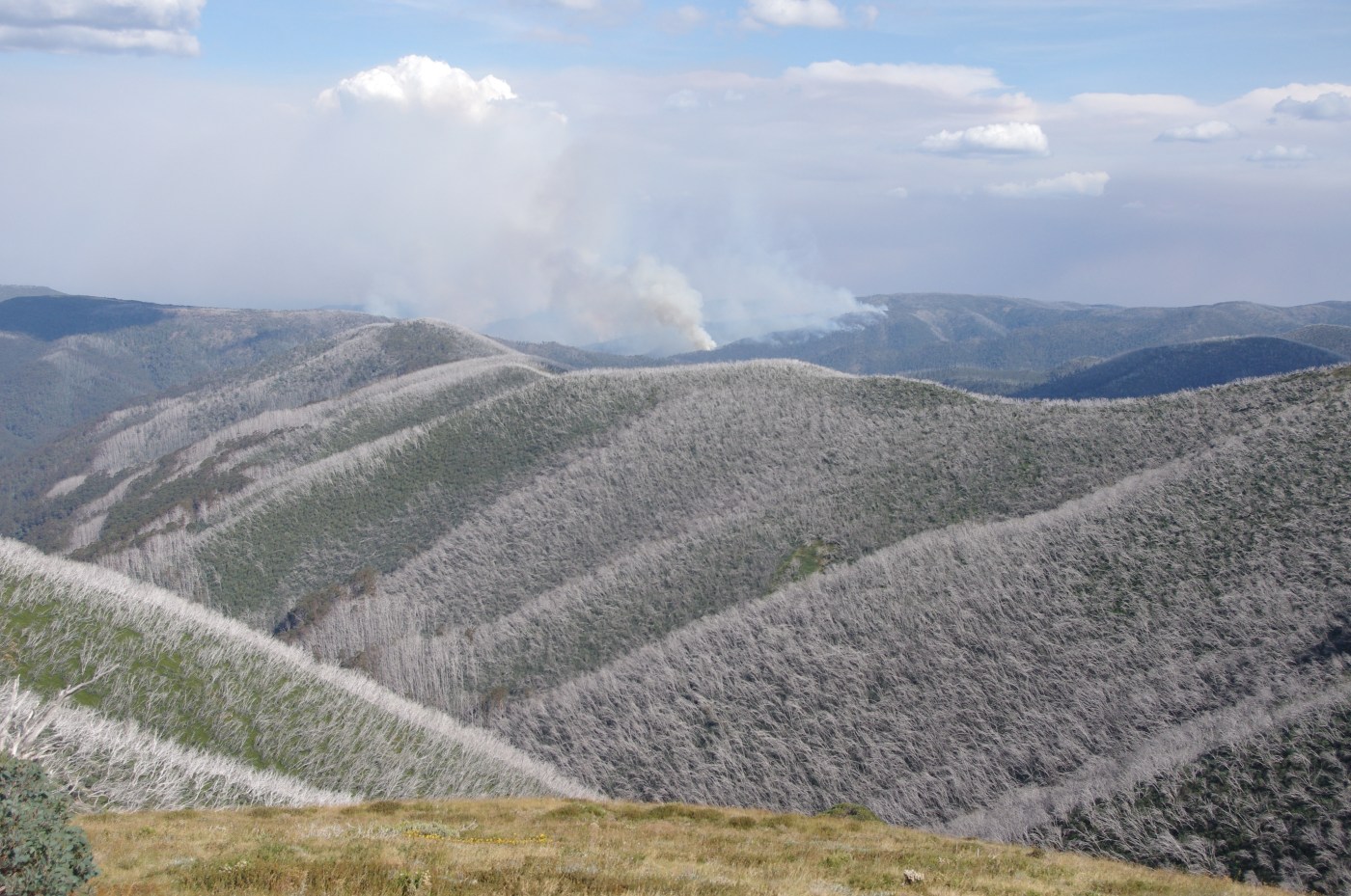
In recent years, wildfire has had devastating impacts on World Heritage Areas in Tasmania. The 2016 fires damaged fire sensitive areas and vegetation types, like Pencil Pines near Lake Mackenzie. Fires caused by dry lightning strikes are becoming more common since the year 2000. Yet resourcing for fighting fires in remote areas is not growing to keep up with greater fire threats.

The fires that happened this summer burnt more than 100,000 hectares, but thankfully (and based on initial estimates), it would appear that only very small areas of fire sensitive vegetation like Pencil Pine and King Billy Pine were destroyed. Innovative actions, like placing sprinklers to protect fire sensitive vegetation at Lake Rhona reduced the impacts. But it remains clear that fire fighters are under resourced to fight remote area fires. Despite sustained calls for additional resources, it would appear that the current commonwealth government isn’t coming to the party.

Continue reading “No sign of wilderness fire funding for World Heritage Areas”

Former fire chiefs demand urgent action on ‘escalating climate change threat’

We know that climate change is already impacting on Australia’s high country through longer and more intense fire seasons and increasingly erratic winter snow.

What is perhaps less obvious is the fact that emergency services are not adequately resourced to defend the mountains from worsening bushfire seasons.

This has been highlighted in the case of recent fires in Tasmania, where – even with interstate and international support – emergency services were not able to control fires in Tasmania’s world heritage areas over the summer of 2018/19. This had previously been the case in Tasmania in 2016, when precious areas of fire sensitive vegetation were destroyed. Additionally fires in the Victorian high country burnt some areas for the third time in 10 years, with the possibility of significant long term ecological impacts.

Now 23 of Australia’s most senior former emergency service bosses have come together in an unprecedented show of unity, calling on the Prime Minister to ‘get on with the job’ of reducing greenhouse gasses.

They also highlight the fact that Australia currently lacks the resources we need to fight wild fire effectively.

Continue reading “Former fire chiefs demand urgent action on ‘escalating climate change threat’”

‘No Cable Car’ Human sign on kunanyi/ Mt Wellington

The long campaign against the plan to build a cable car up the face of kunanyi/ Mt Wellington continues.

With the possibility that the developer might start test drilling at sites that would support cable car towers, local group Residents Opposed to the Cable Car have organised a number of events (check here for a recent symbolic action that was held on the mountain recently).

Continue reading “‘No Cable Car’ Human sign on kunanyi/ Mt Wellington”

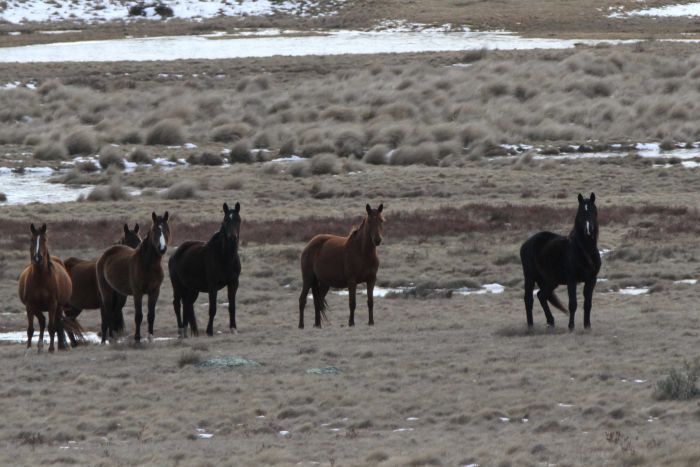
“Reining in feral horse numbers should be top of Matt Kean’s to-do list”

The re-election of a conservative government in New South Wales sends a worrying signal to people who are concerned about climate change and the environment. They have already announced that the Office of Environment and Heritage will cease to be a ‘stand-alone independent body’ and environment issues will be absorbed into a new planning and industry department, while heritage will be moved into premier and cabinet. The Nature Conservation Council responded to this move by saying the government has ‘been at war with nature and environmental protection since it came to power in 2011’.

Reclaim Kosci, an advocacy group which is campaigning to ensure the Kosciuszko National Park is protected through tackling the number of feral horses running rampant in the park, says this issue should be the number one priority for the new energy and environment minister, Matt Kean.

Continue reading ““Reining in feral horse numbers should be top of Matt Kean’s to-do list””

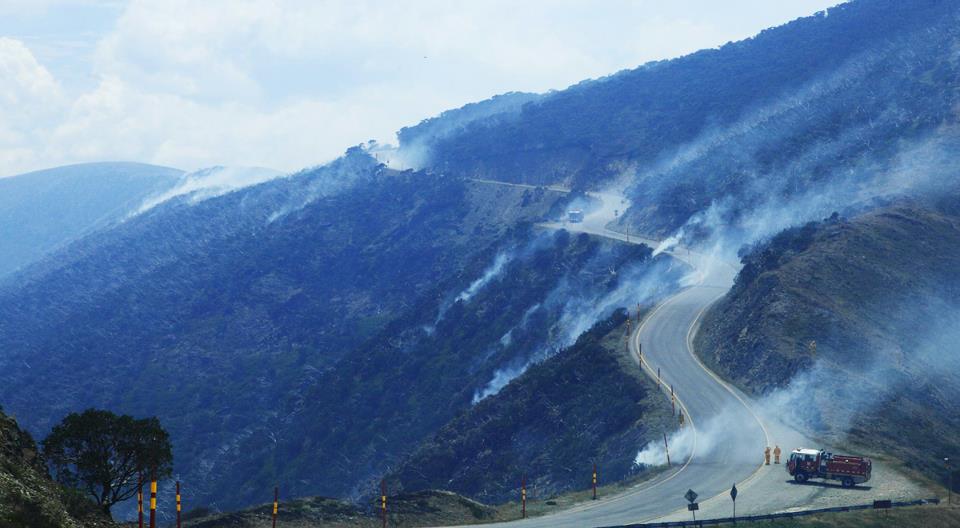
VIC fires burn more than 100,000 ha.

It’s been a hard summer for fires, both in Tasmania and the mainland mountains. In Victoria, more than 100,000 hectares were burnt in the high country, making it another season of ‘mega fire’ (these large fires are growing in frequency under the influence of climate change).

Here’s a quick look at the major areas that were burnt:

Continue reading “VIC fires burn more than 100,000 ha.”

Community protests start on kunanyi/ Mt Wellington

Developers continue to push their controversial plan to build a cable car up the main face of kunanyi (also known as Mt Wellington), above Hobart. But community opposition to the plan also continues to grow.

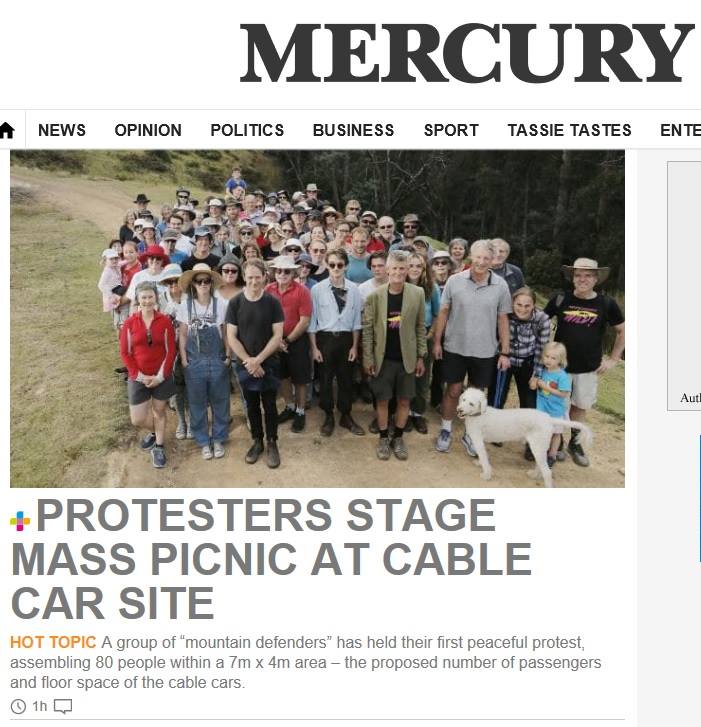
The developer may start test drilling soon. As a result, the community is mobilising and held the first ‘on ground’ protests (there have previously been rallies, meetings, etc). Recently the residents group Respect the Mountain hosted a picnic at the site of the proposed base station for the cable car.

They report:

We had a ‘great picnic in the peoples park today. We marked out the exact size of the MWCC’s planned ‘cable car (bus)’, this is 78 people inside that area on the slope / fire break where they plan to build their ‘base station’. Great spot for a picnic. Dumb spot for a car park and massive ‘base station’.

There’s plenty more to come – check the Respect the Mountain page for updates and to get involved.


VIC State of the Environment report – what does it say about the future of the Alps?

We all know that climate change is already affecting Australia’s mountains. From more intense fire seasons, less rainfall and higher temperatures, we are already locked into a changed future.

What we do now will influence how much additional change the Alps experience in coming decades.

The Victorian government’s Commissioner for Environmental Sustainability has just released their State of the Environment Report for 2018. These are produced every five years.

The report tells Victorians about the health of our environment – our land, our water, our air, and our ecosystems. Using 170 different scientific indicators, the report shows us where we’re doing well and where we need to improve. It has specific information on alpine environments, and the following is lifted directly from the 2018 report, which is available here.

Continue reading “VIC State of the Environment report – what does it say about the future of the Alps?”

Backcountry film festival – Melbourne, April 30

The Backcountry Film Festival is produced each year by Winter Wildlands Alliance as a celebration of the human-powered winter experience and a gathering place for the backcountry snowsports community.

In 2019 it features a program of ten films, including productions from Colorado, Washington state, California and China. There will be a screening of the classic splitboarding film Ode to Muir, featuring Jeremy Jones and Elena Hight.

Tuesday April 30

Get there early for a drink: Bar from 6.30pm. Films from 7pm – 9.30pm.

Co-hosted with RMIT Outdoors Club.

Storey Hall (RMIT), 342-344 Swanston St, Melbourne.

Suggested donation: $8 conc & students/ $15 waged. Tickets at the door. There will be plenty of room. Sorry, cash only sales.

There will be a bar run by the RMIT Outdoors Club before the films start.

Facebook event page for Melbourne available here.

You can check the trailer for the 2019 season here.

Full listing of films available here.

This screening is family friendly.

TAS fire update – and vegetation impact assessment

Bushfires have burnt more than 90,000 hectares of land in Tasmania this summer. The Gell River fire in the south west is still burning. There have been fears expressed that large areas of fire sensitive vegetation have been impacted. An initial desk top assessment carried out by researchers at the University of Tasmania suggested that the areas of these vegetation types affected was very small.

Now the Tasmanian Parks and Wildlife Service has provided an update on what types of vegetation was involved in the fires and the likely impacts on what they define as ‘Extreme fire sensitive communities’. Their assessment is that very small areas of these communities was impacted.

Continue reading “TAS fire update – and vegetation impact assessment”

Please make a submission to the VIC alpine resorts strategic plan

The Victorian Alpine Resorts Coordinating Council (ARCC) is developing a new alpine resorts strategic plan entitled “Alpine Resorts Strategic Plan (2019) – responding to a changing climate”. The preparation of an Alpine Resorts Strategic Plan is a requirement under the Alpine Resorts (Management) Act 1997 and will be informed by the review of the existing Alpine Resorts Strategic Plan, completed by Council in 2017.

You can make a submission to this process. But time is short, with the submission process closing on March 19.

Continue reading “Please make a submission to the VIC alpine resorts strategic plan”

Mountain Journal turns nine

Crikey. Another year. Sitting on the tail end of a long, hot and dry summer, it feels like the cooler seasons will never arrive. In reflecting on 2018, two things really stand out:

  • The fact we had another fantastic winter (on par with 2017, which had been billed as ‘the best since 2000’), which was followed by
  • The heatwave and dry summer that saw huge fires across Tasmania and the Victorian alps.

You can read the annual review here.

Your mountain needs you

The campaign against the controversial proposal to build a cable car up the east face of kunanyi/ Mt Wellington, in Hobart, continues. It’s highly likely that this week the premier of Tasmania, Peter Gutwein, will sign off on the permit to allow Mount Wellington Cableway Company (MWCC) to begin drilling at 32 sites on the mountain. This means that work on the mountain could commence this month.

Local group Respect the Mountain – no cable car has issued a call for help at this pivotal moment in the campaign.

Continue reading “Your mountain needs you”

Blog at WordPress.com.

Up ↑