The backcountry film festival will have another showing, this time in Jindabyne, on saturday 7th July.
Venue: Jindabyne Central School
Doors open @ 6pm
Check here for a full listing of the films.
Further info: Adam West, adam@snowsafety.com.au

The backcountry film festival will have another showing, this time in Jindabyne, on saturday 7th July.
Venue: Jindabyne Central School
Doors open @ 6pm
Check here for a full listing of the films.
Further info: Adam West, adam@snowsafety.com.au
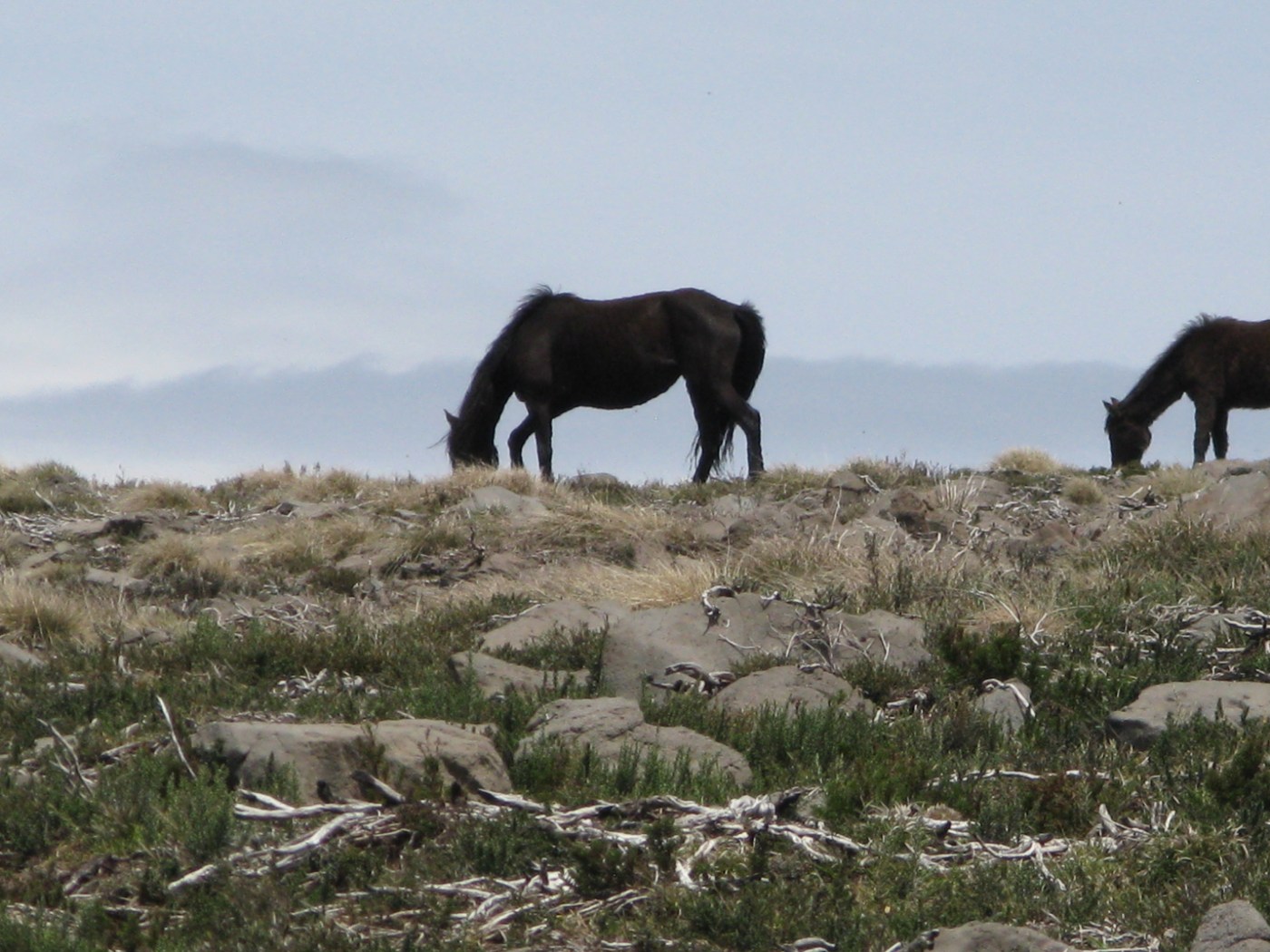
In a bizarre and disappointing move, the New South Wales government has announced that a proposed cull of wild horses in the Kosciuszko National Park will be scrapped, and any future cull will be outlawed.
The enormous damage caused by wild horses to the high country is widely documented. It is estimated that around 6,000 wild horses live within the Kosciuszko National Park in NSW. Plans to cull them have been supported by scientists and environmentalists but opposed by people who claim they represent part of the cultural heritage of the mountains. While this is certainly true, they are also massively destructive and a responsible government would be working to reduce their numbers.
Now the NSW government is moving to rule out any culls in the park.

Tasmania is blessed with beautiful and intact landscapes and excellent protection of much of the state. World Heritage Areas and national parks have long been coveted by developers and these attempts to open up parks to commercial interests have been resisted – with varying degrees of success – over the years.
Under the current very pro ‘development’ Liberal government in Tasmania there are no end of proposals for private developments in national parks and other parts of the conservation network (check here for a current list).
This is being resisted strongly by many in the Tasmanian community and it is now being criticised internationally.
Continue reading “UNESCO concerned at TAS Gov rezoning wilderness areas to allow development”

As shown by the enormous rally held earlier this month, there is significant public opposition to the plan to build a cable up the face of kunayi/ Mt Wellington, in Hobart.
The owners of the Cascade Brewery have been under pressure to distance themselves from the project, as the proponent has been hoping to access land owned by Cascade in South Hobart to use as the base for the cable car.
It would appear that the proponent is now seeking to use a different route up the mountain. They have been informed that they will need reapply for government approval if they decide to do so.
Continue reading “Mt Wellington cable car proposal hits another hurdle”
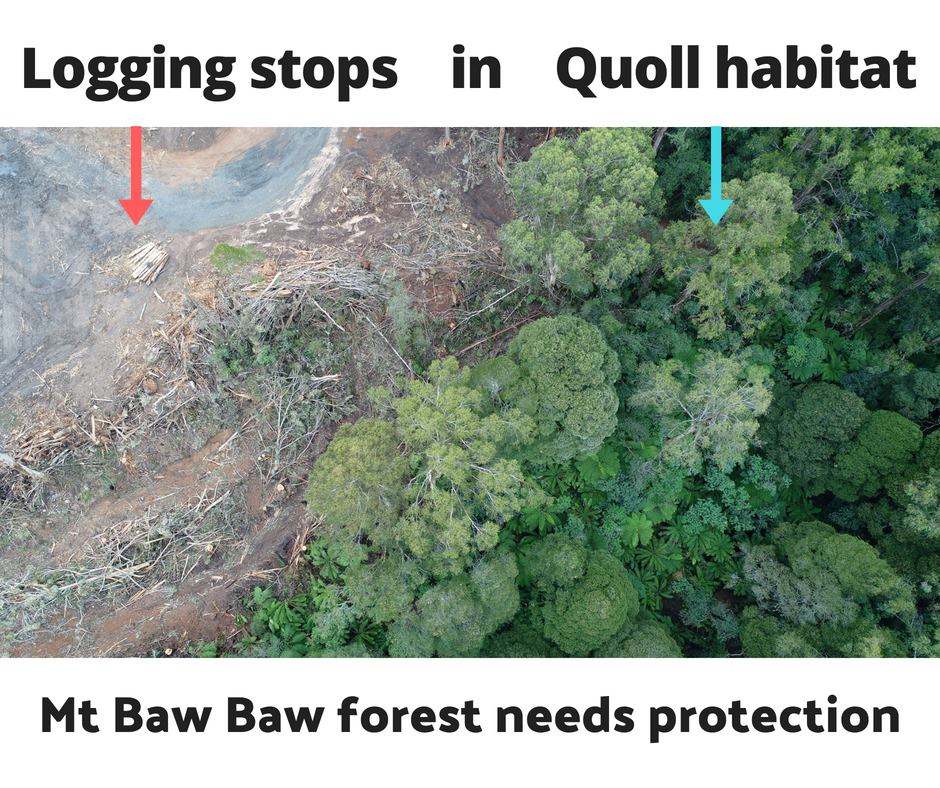
Great news! Logging machines have left Mount Baw Baw near where the endangered Spot-tailed Quoll was found. Congratulations to Minister Lily D’Ambrosio MP for taking action. Send the Minister an email in your own words thanking her for acting and encouraging her to ensure the protections stop further logging that is planned nearby.
You can write your own email here >>> https://www.melbournefoe.org.au/email_minister_d_ambrosio

Residents in Noojee, in Gippsland, have been running a campaign to stop logging adjacent to their township. This is emblematic of a growing resistance in the logging country across eastern Victoria, were normally conservative towns are rising up against the impacts of broad acre logging. Tin the case of Noojee, some residents claim that a population of the threatened greater glider will be impacted by the logging.
Now, the ABC reports that the Federal Court has granted an injunction to stop any logging by VicForests in the area until February when a three-week trial is due to start. This temporary reprieve has been welcomed by the Friends of Noojee Trees. Spokeswoman Gaye Trevan said “It gives us some breathing space until the trial but the battle goes on to try to protect the forest next to the town”.
The Friends of Leadbeater’s Possum group is challenging VicForests’ compliance with the regional forest agreement (RFA) for the Central Highlands.
IMAGE: Justin Cally. https://twitter.com/Jcal1
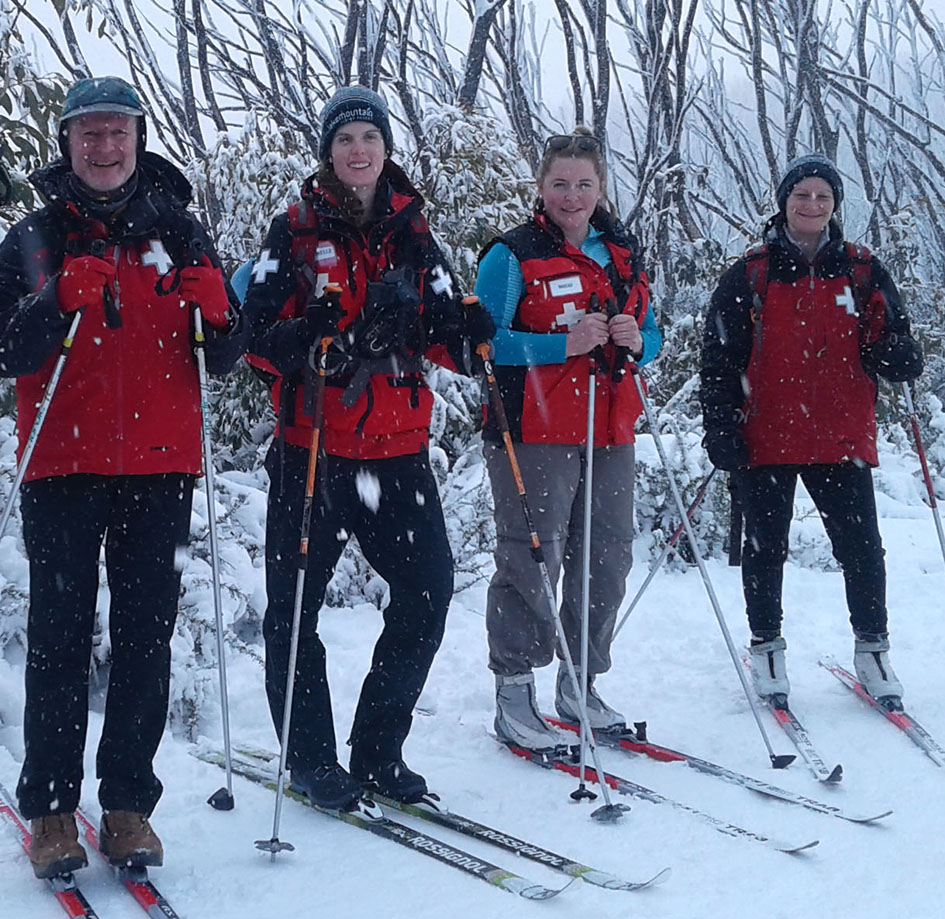
With the arctic blast that is currently hitting the alps and (hopefully) heralding the approach of winter, Lake Mountain Ski Patrol (LMSP) has launched a timely drive for volunteer patrollers for the 2018 snow season.
The patrol is looking for people who can cross country ski, have basic first aid training, love to work outdoors and are keen to join the weekend roster for volunteers over the winter.
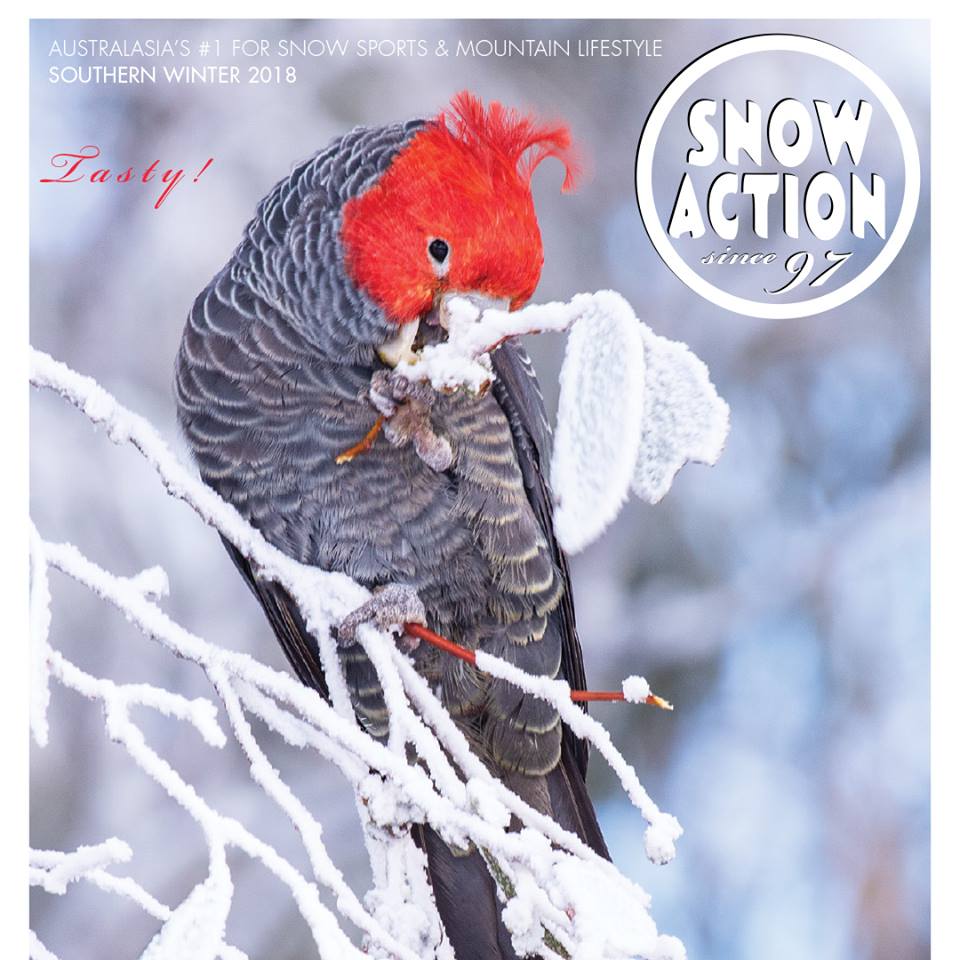
The southern winter edition of SnowAction (‘Australia’s #1 magazine for snow sports and mountain culture’) has some great stories from Tasmania.
There are excellent stories from a big roadtrip to NZ/Aotearoa, great powder images from Hotham, a piece on the more serious side country terrain at Mt Buller, and skiing in Chile, plus profiles on Chumpy Pallin and film maker Warren Miller. There is also substantial coverage of Tassie’s two resorts.
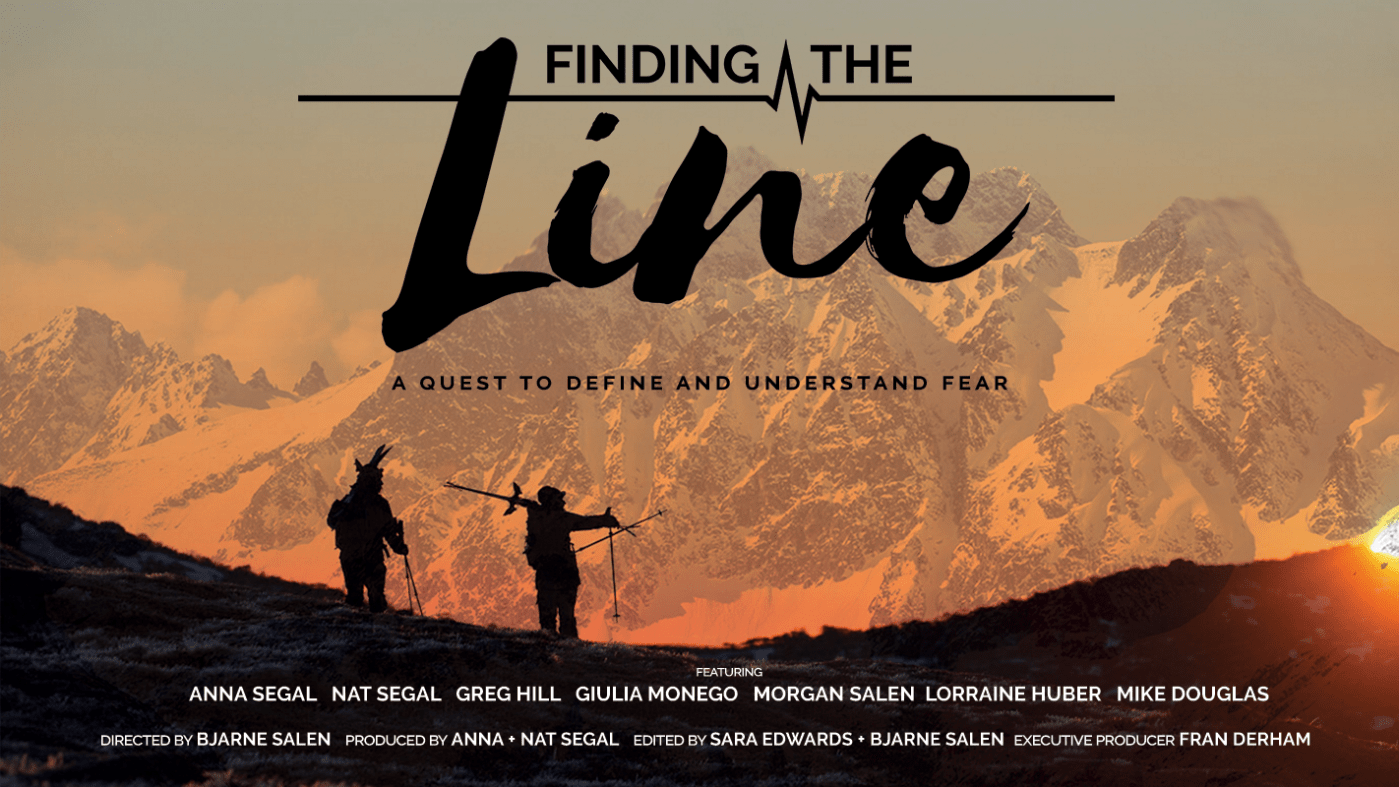
Nat and Anna Segal have announced the Australian launch of their long awaited film, Finding the Line. The premiere will be in Melbourne on May 29th at the Astor Theatre, and be followed by shows in Canberra (May 30), and Sydney (May 31) and then a final show in Melbourne (June 1).
The film runs for an hour with a Q&A with Anna and Nat after the film with SnowsBest.com founder, Rachael Oakes-Ash, for the first three screenings in Melbourne, Canberra and Sydney.
Continue reading “‘Finding the Line’ screenings happening in Australia”
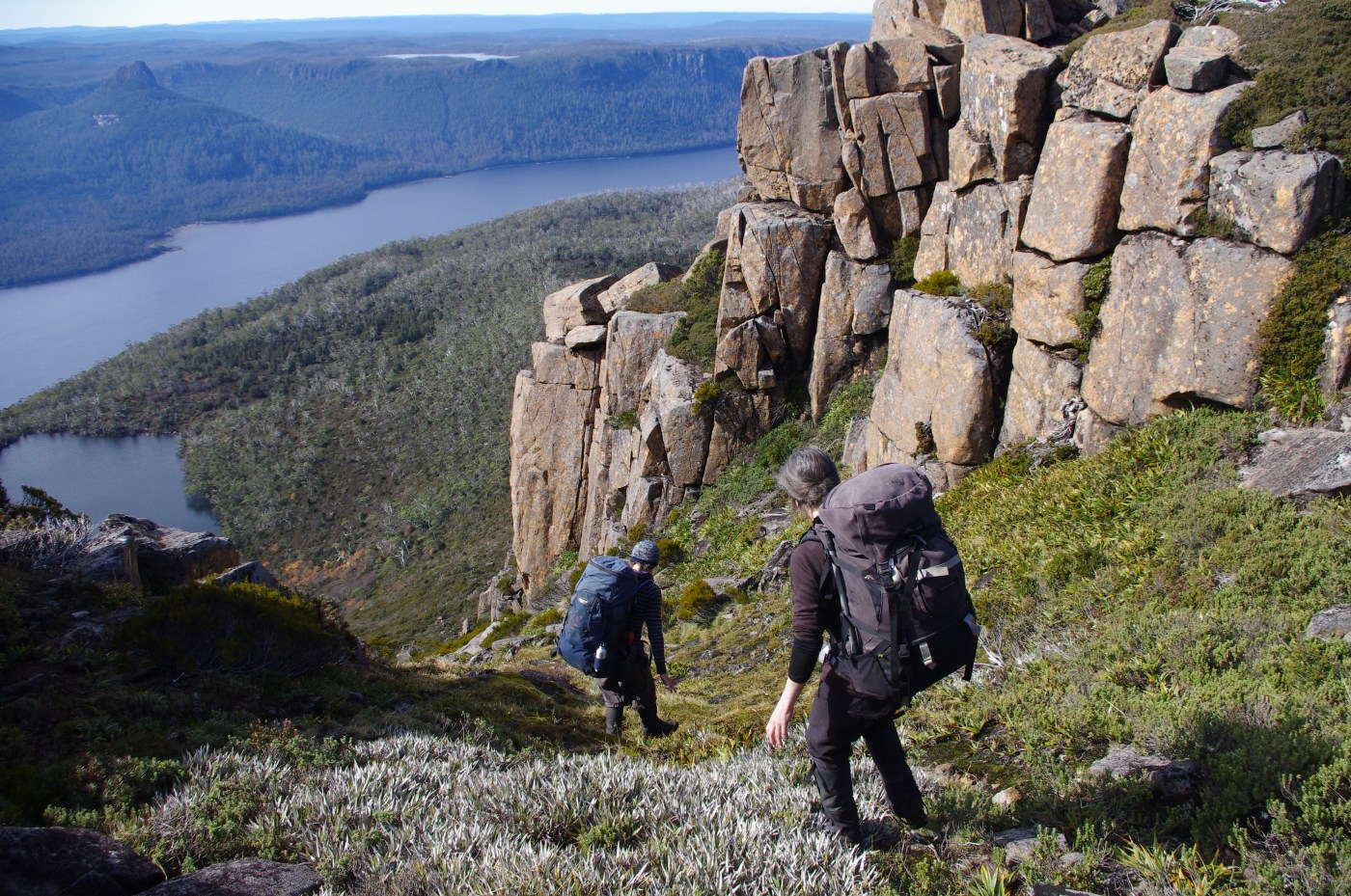
The Olympus Range is in central Tasmania in the southern end of the Cradle Mountain Lake St Clair National Park. It is the range that runs along the western shore of Lake St Clair and stands high above the surrounding plains and poses quite a challenge to approach.
The range has two key summits (Mt Olympus north and south, of similar height), some beautiful lakes and stands of deciduous beech, and should be on the list for any serious mountain enthusiast who enjoys a challenging walk.
There are some track notes for the traverse available here.
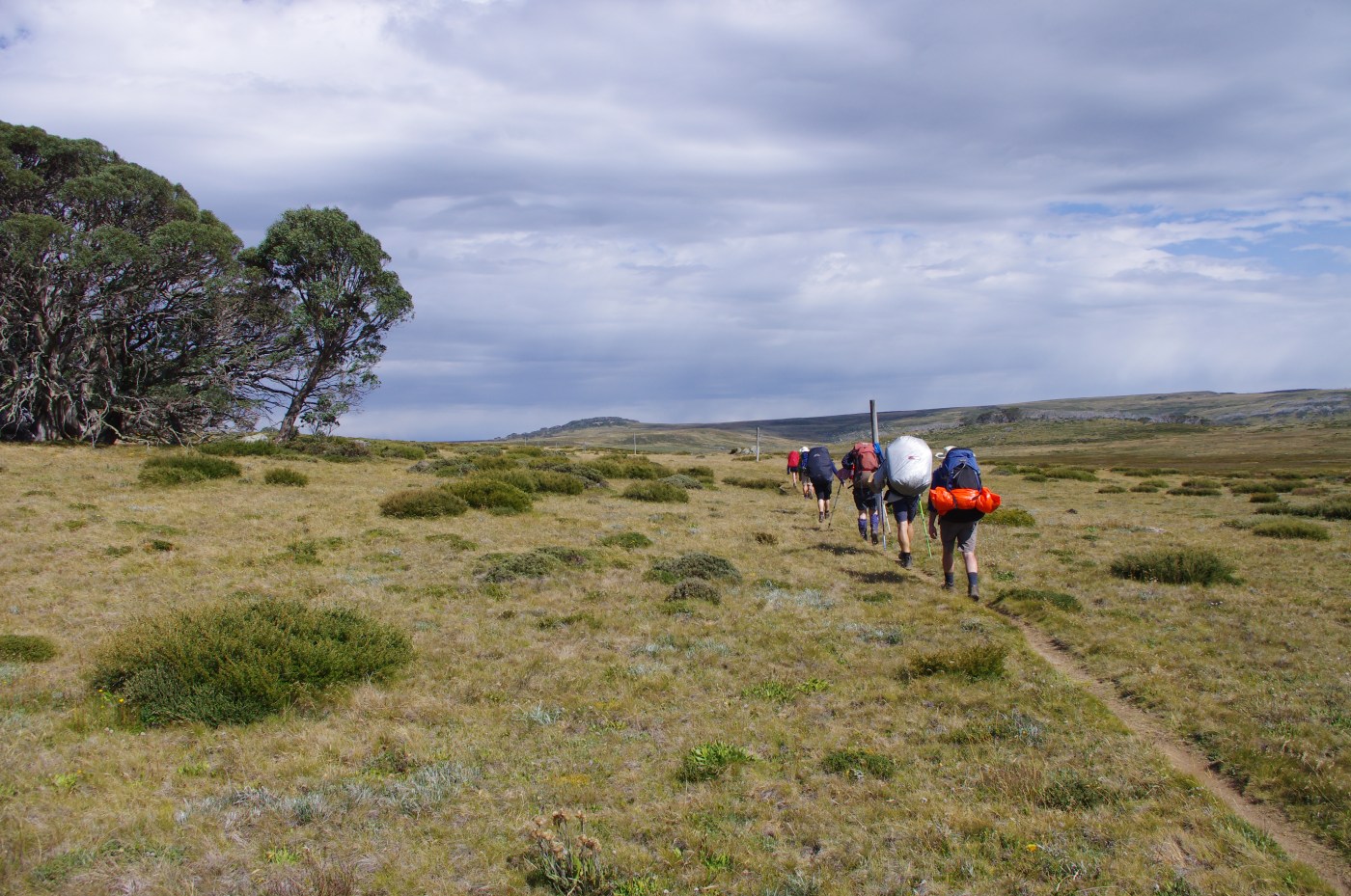
Mountain Journal reported recently that Parks Victoria had released its final Master Plan for the Falls to Hotham Alpine Crossing: a five day serviced hiking opportunity in the Alpine National Park. In the state budget for 2018/19, there was an allocation of funds to help make the project a reality.
The proposal has been widely criticised because it will help open up previously undeveloped areas near Mt Feathertop and allow private development within the Alpine National Park.
Continue reading “state budget allocation to Falls to Hotham Crossing”

The community campaign against the cable car that has been proposed for kunayi/ Mt Wellington in Hobart is going from strength to strength.
Here is a summary of what’s happened in the past week.
Continue reading “Opposition to Mt Wellington cable car keeps growing”


 Mountain Journal
Recent Comments