Search

Mountain Journal

Environment, news, culture from the Australian Alps

Tag

bushfires

Victorian State of the Environment 2023 Report released

The Victorian State of the Environment (SoE) 2023 Report has been released. These are five-yearly report cards produced by the state government which measure the health of our natural environment – our land, water, air and ecosystems. The report covers three key areas:

  • the health of Victoria’s natural environment
  • the adequacy of our science
  • areas for future focus.

The Greens labelled it ‘a damning new report (which) has found Victoria’s ecosystems and threatened species are in a far more dire situation now than they were five years ago’.

They say ‘It found that biodiversity and climate change indicators were particularly bad, with more than 75% of biodiversity indicators (32 of the 42) deteriorating or unclear, and 73% of climate change health measures (11 out of 15) also deteriorating or unclear. Only 1 out of 57 were classed as good (which related to the number of Victorians taking action to protect nature)’.

While I don’t have time to do a deep analysis of the report (which is available here), a quick look at the categories related to mountain areas are all fairly depressing. In short, there are no positive trends that are obvious.

Continue reading “Victorian State of the Environment 2023 Report released”

A visit to the ghost forests of the High Country

Friends of the Earth has been focusing on threats to the higher elevation forests of north east Victoria for the last three years. With the welcome announcement that native forest logging will end in the east of the state on January 1, 2024, our focus will now be largely on ensuring all ecosystems in the region are protected from the impacts of climate change.

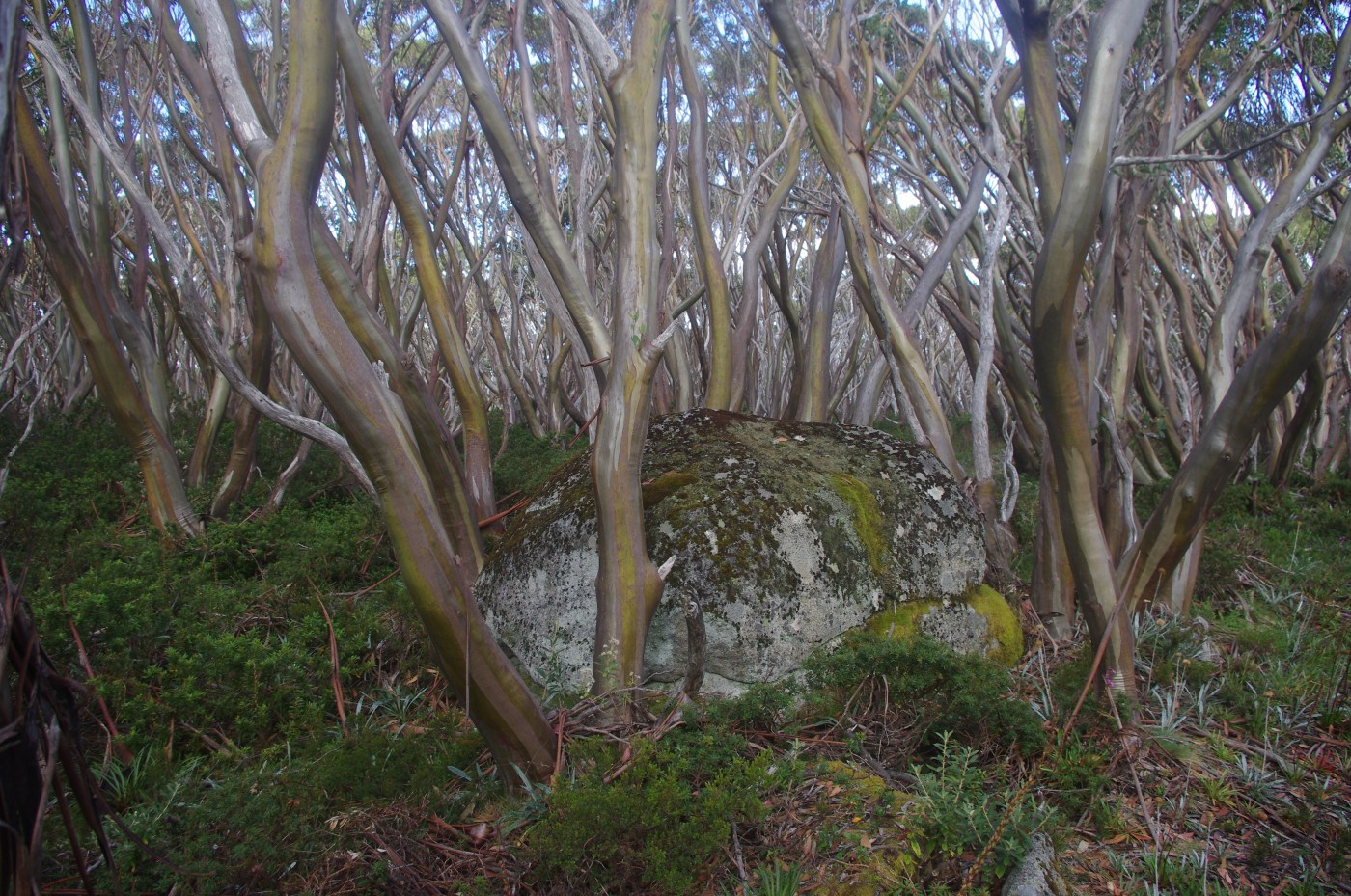
In the case of snow gum woodlands, this means gaining a better understanding of the state of these systems, and how they are being impacted by more frequent fire and dieback caused by the Longicorn beetle. As part of this process FoE has been leading a series of guided walks and citizen science fieldtrips to a range of areas in the Victorian high country.

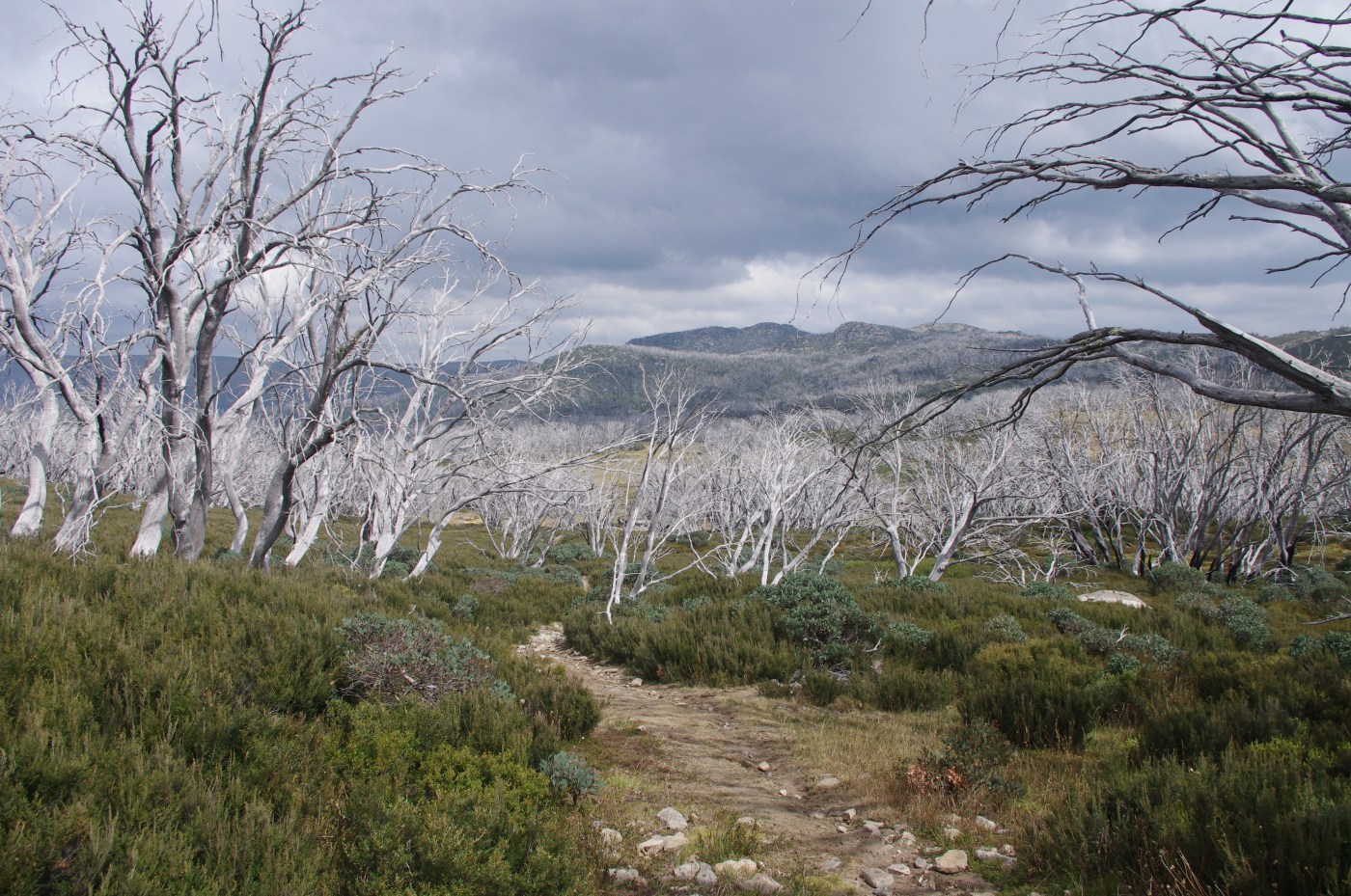
The next trip will be in early March 2024, to see the recovering snow gum woodlands on the north western edge of the Bogong High Plains. These forests have been negatively impacted by repeat wildfires, leading to widespread distribution of ‘ghost forests’: areas of burnt and dead woodlands with dense thick and highly flammable regrowth, and localised ecological collapse.

Continue reading “A visit to the ghost forests of the High Country”

Are we ready for the next Black Summer?

Firefighters say dry lightning has caused more than a dozen fires across Queensland this week, sparking concerns for authorities battling El Niño conditions.

As reported by the ABC, senior meteorologist Steve Hadley from the Bureau of Meteorology said dry lightning occurred when there was no significant rainfall, particularly during “overarching dry conditions”.

“Sometimes with not enough significant rainfall, of a few millimetres or more, that can mean lightning is essentially happening over drier areas and drier terrain with no rain to follow it up,” he said.

“Then you can get some fires starting from that depending on how the landscape is at that time.”

The threat from dry lightning caused fires continues to increase in mountain environments. To take one example, multiple lightning strikes across the Victorian high country on December 31, 2019 resulted in fires developing, including the 44,000 ha Cobungra fire which threatened Omeo, Anglers Rest, and Cobungra.

Continue reading “Are we ready for the next Black Summer?”

Are you suffering from Shifting Baseline Syndrome?

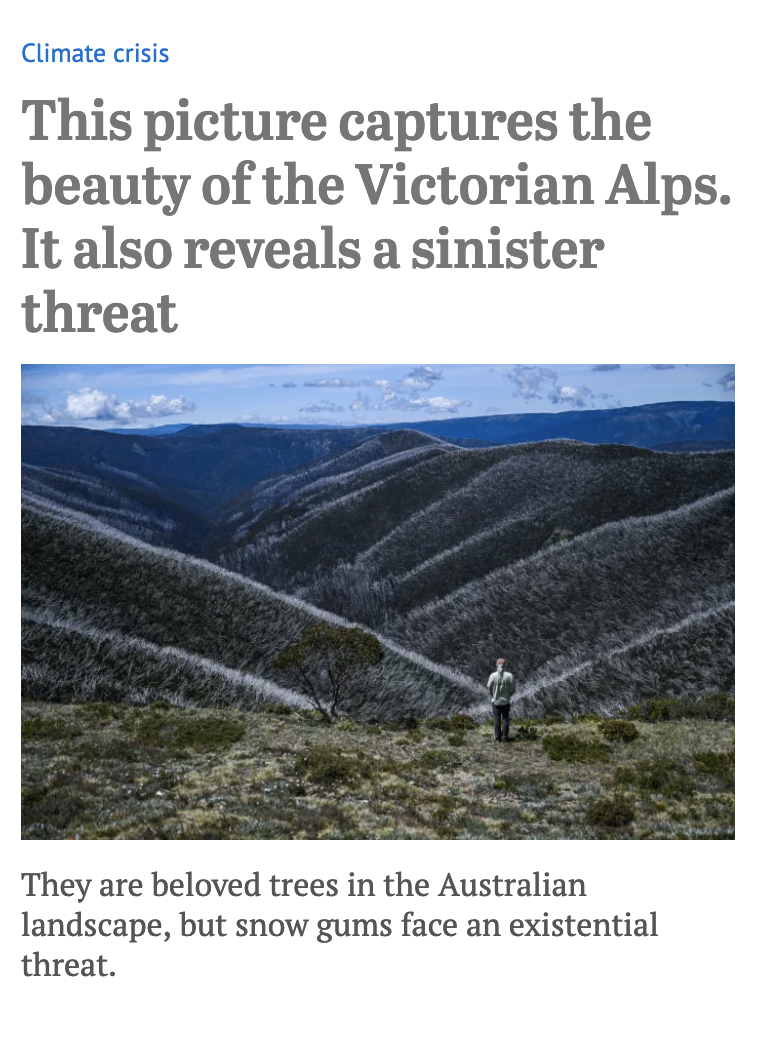
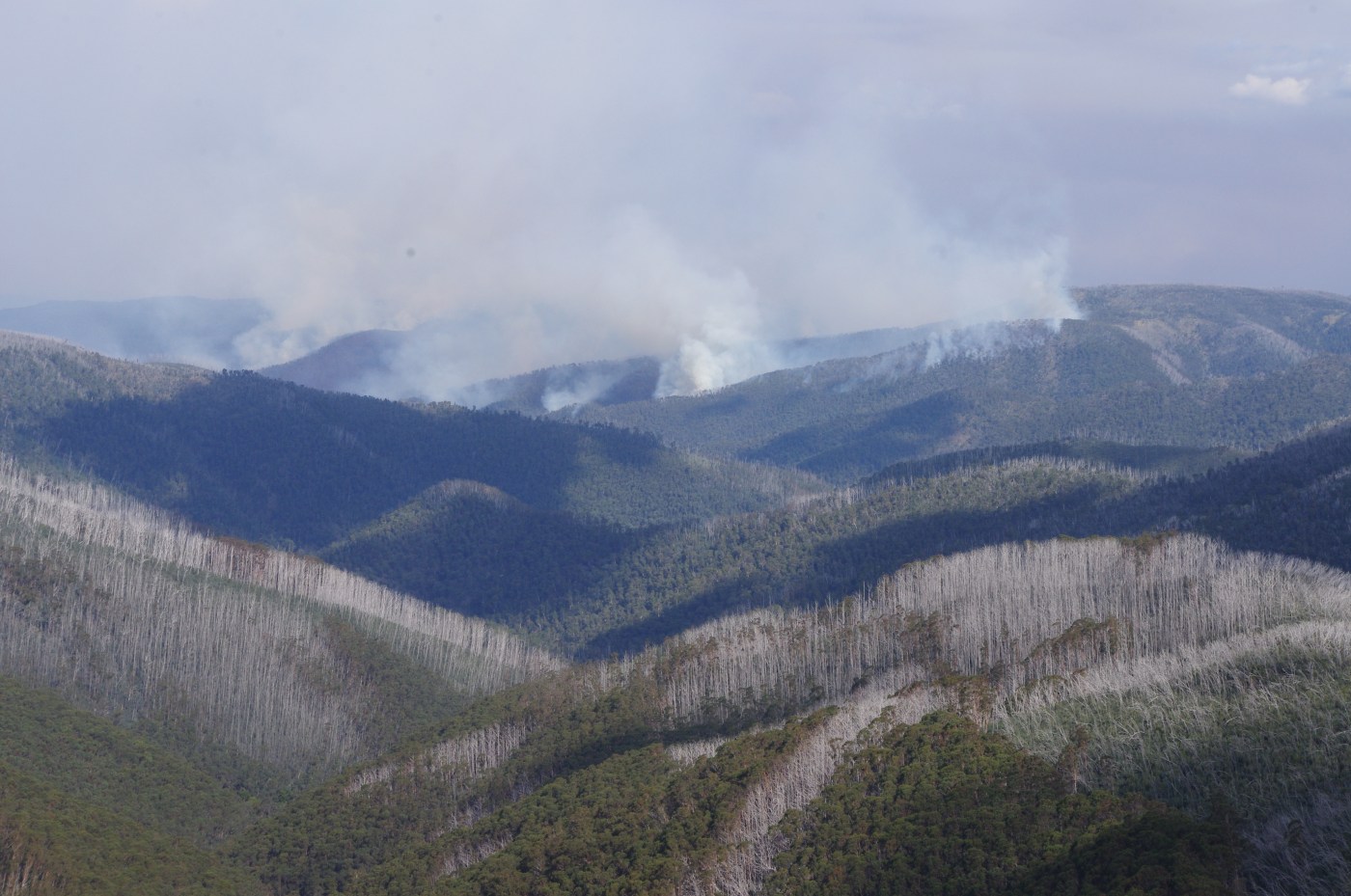
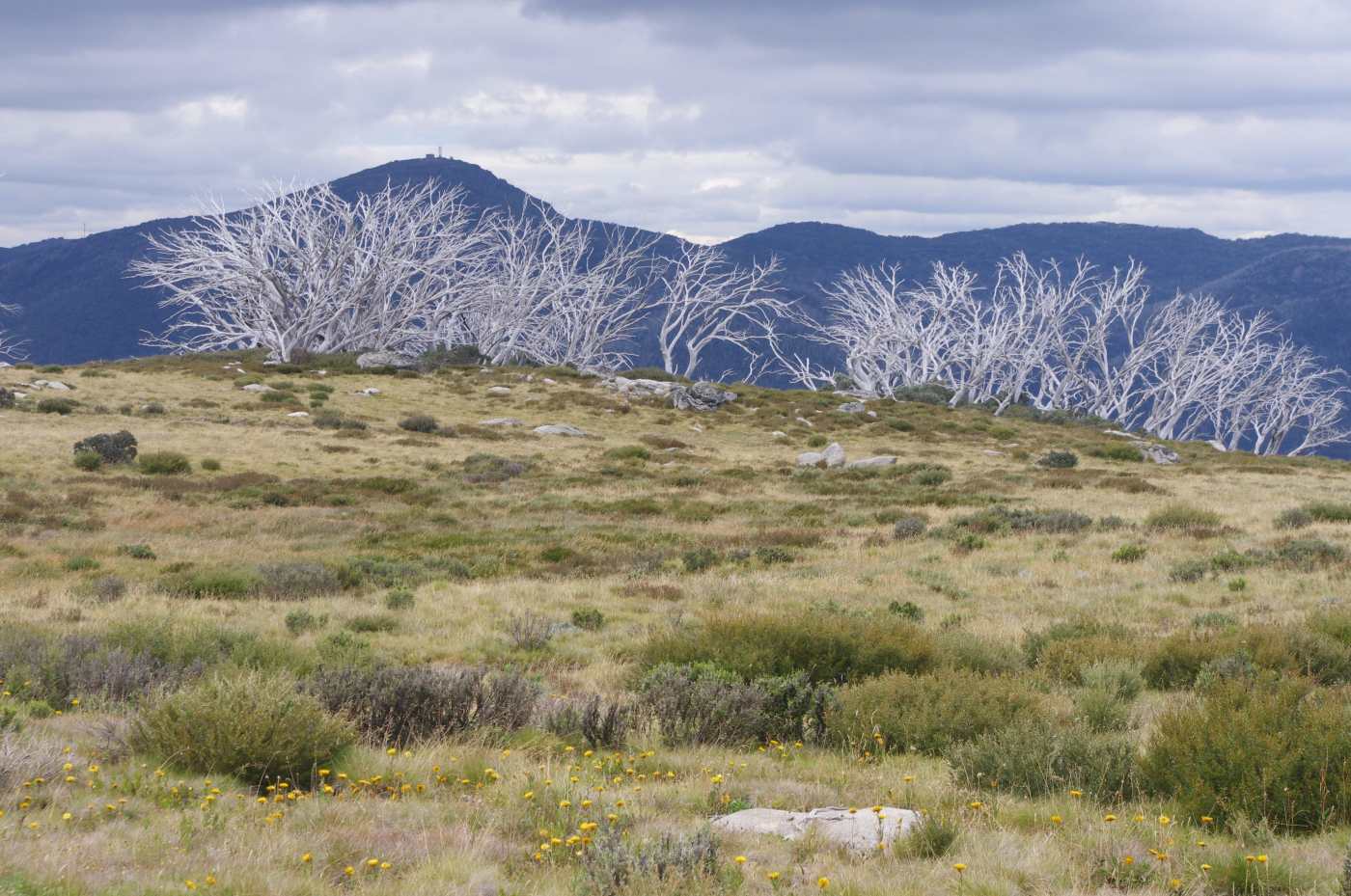
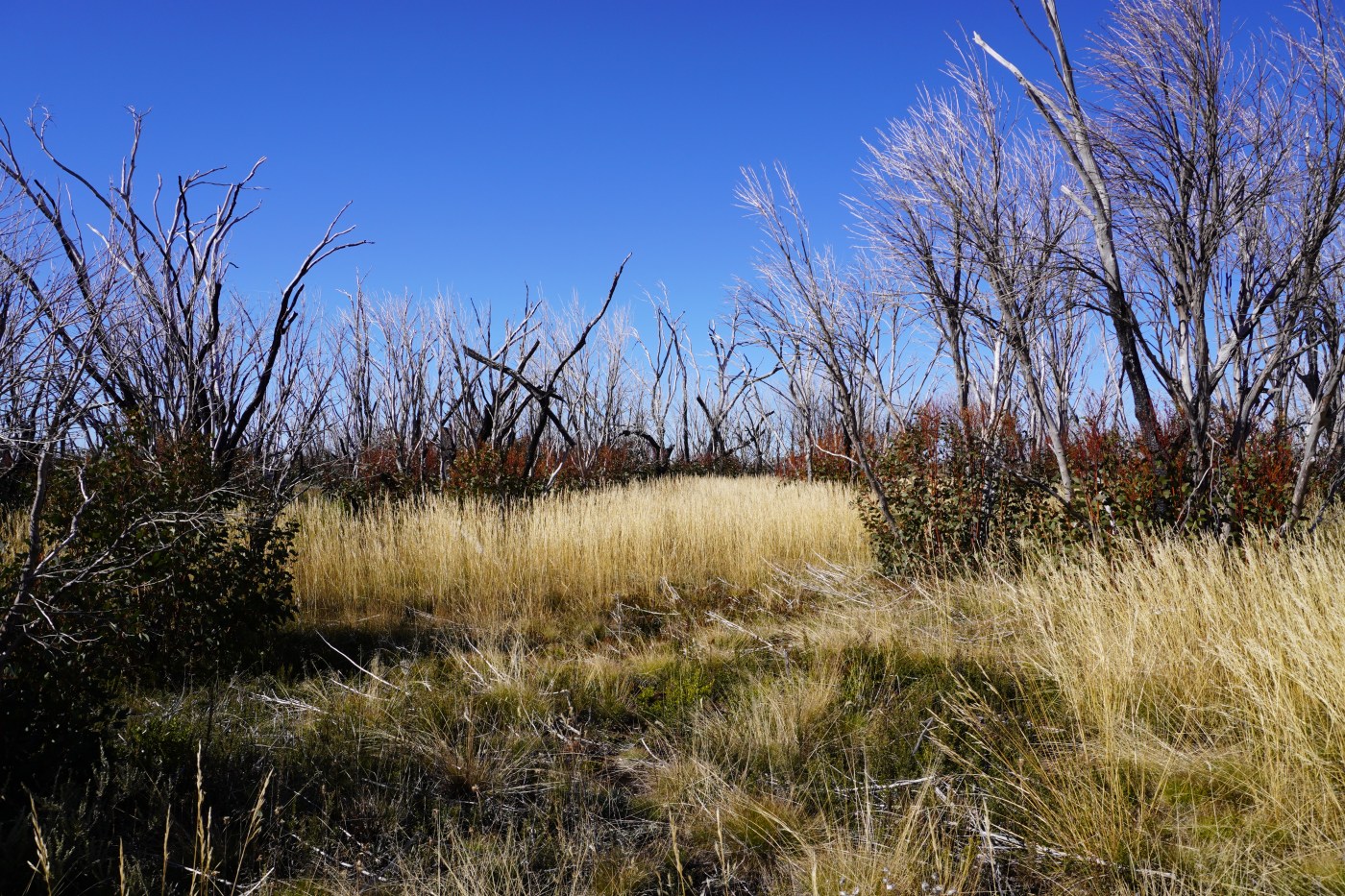
How often do you see an image or vista like this when you’re in the mountains? Whether you drive up from the valley towns through mile after mile of grey alpine ash trunks, or wander, ski or ride through the snow gum ghost forests of the high plains, you are witnessing a world that didn’t exist a generation ago.

Whereas we would have infrequent hot fire in the high country in the past, now we have fire on endless repeat. The forests get younger as we get older, yet this new reality of dead trees and thick regrowth becomes understood as being ‘normal’. Many people don’t recognise that what they see as they look out from a ski resort over burnt out hills is actually ecological collapse in real time.

Are we all just witnessing a deteriorating landscape and thinking it is ‘normal’ because we don’t have a memory of what was here before?

Continue reading “Are you suffering from Shifting Baseline Syndrome?”

‘Fire regimes around Australia shifted abruptly 20 years ago’

Widespread wildfires in early 2016 caused devastating damage across large areas of the Tasmanian World Heritage Area, including significant sections of vegetation which is not fire adapted, such as Pencil Pine forests.

At the time, and in follow up investigations, it became clear that increased fire risk due to climate change posed an existential threat to these vegetation types. Then additional research confirmed that there was a trend towards more extreme fire seasons. Some researchers suggested that we reached a ‘tipping point’ sometime around the year 2000 and that, since then, there has been an increase in the number of lightning-caused fires and an increase in the average size of the fires, “resulting in a marked increase in the area burnt”.

On the mainland, fires increased significantly from about the same time. There were major fires in the Victorian high country in 1998, 2002/3, 2006/7, 2013 and 2019/20. Fires are becoming more common and more intense across the Alps.

It turns out that something similar was happening around the country. Fire regimes around Australia shifted abruptly 20 years ago.

Continue reading “‘Fire regimes around Australia shifted abruptly 20 years ago’”

The Ash Forest Restoration Project

‘Ash forests’ – forest comprised of Mountain Ash, Alpine Ash, or sometimes both – are some of the most iconic forest types in Victoria, or even the world. Covering around 500,000 ha of Victoria and stretching from the Otways to the north-eastern boundary with NSW, few who spend time in these forests – like driving along the Black Spur north-east of Melbourne – are left unimpressed by these tall trees. They are also home to species like the Leadbeater’s Possum and Greater Glider.

These forests have a complex relationship with fire: these forests can live with some fire – but not too much. Scientifically known as ‘obligate seeders’, after severe bushfire, ash forests are killed, but prolifically regenerates from canopy stored seed. The important point here is that these slowly regenerating forests cannot produce seed for 20 years after they regenerate from fire. This means they are highly vulnerable to shortened fire intervals – the exact challenge that land managers in Victoria are facing with climate change.

Once a mountain ash or alpine ash forest has burnt numerous times, it may eventually fail to regenerate, which can lead to population collapse and a change of ecosystem type. This sounds simple, but ecologically, this is dramatic. A tall forest – high in carbon stocks and habitat – changes rapidly to a short shrubland or grassland.

Continue reading “The Ash Forest Restoration Project”

Post fire recovery of Pencil Pines at Lake Mackenzie

Back in 2016, lightning storms ignited a number of fires in central and western lutruwita/ Tasmania, which turned into large scale events that ‘threatened the core refugia of Gondwanan vegetation, particularly the largest stands of the endemic conifer Athrotaxis cupressoides’ (Pencil Pines). Pencil Pines are already limited to very small areas of Tasmania. Burnt Pencil Pines are unlikely to recover ‘given their slow growth, limited seedling establishment and projections of increased fire weather and lightning ignitions associated with drier soils.’

Although the climate of western Tasmania has not changed very much, as yet, as a result of global warming, the incidence of dry lightning strikes has increased markedly from last century to the present. Therefore these type of lightning caused fires are expected to increase. This could put the very survival of Pencil Pine communities at risk.

One of the fires that created greatest concern started near Lake Mackenzie, on the north western end of the Central Plateau. Significant areas of Pencil Pines were burnt.

With scattered groves of Pines burnt, and unlikely to recover without some form of intervention, what are our options?

Seven years on from the fires, research from the University of Tasmania, shows what is being done to assist recovery.

Continue reading “Post fire recovery of Pencil Pines at Lake Mackenzie”

“Ecological collapse is likely to start sooner than previously expected”

The Guardian recently reported that ecological collapse is likely to start sooner than previously expected, according to a new study that models how tipping points can amplify and accelerate one another.

Based on these findings, the authors warn that more than a fifth of ecosystems worldwide, including the Amazon rainforest, are at risk of a catastrophic breakdown within a human lifetime.

“It could happen very soon,” said Prof Simon Willcock of Rothamsted Research, who co-led the study. “We could realistically be the last generation to see the Amazon.”

The research was published on Thursday in Nature Sustainability.

Here in Australia we are starting to witness tipping points, where specific ecosystems are being pushed beyond their capacity to recover from impacts like fire, then experiencing ecological collapse whereby an existing system – for instance an alpine ash forest – collapses and is replaced by something else (in the case of alpine ash it might be a mix of grass and shrubs).

Continue reading ““Ecological collapse is likely to start sooner than previously expected””

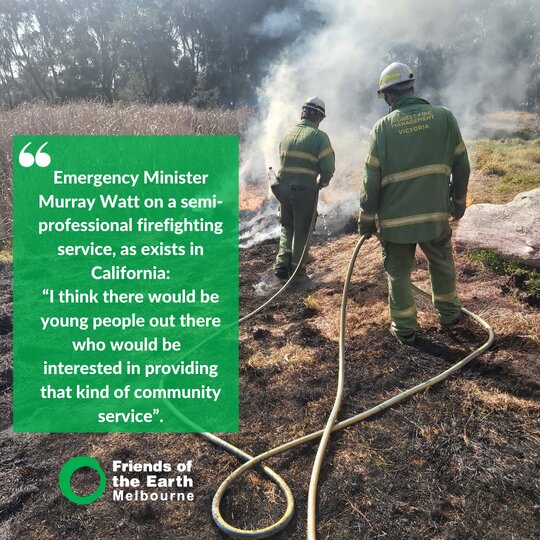
Fighting fires in the mountains – could city people be part of the answer?

The Climate Council says that Australia faces ‘unprecedented grassfires next summer ‘supercharged’ by global heating’. Fuel loads that increased after heavy rain are now drying out and creating ‘powder keg’ conditions for future fires. While the mountains of the south east have had a number of mild summers with very limited fire activity, we know that next summer could be different if El Nino conditions return. In lutruwita/ Tasmania, dry conditions in the west have led to a number of significant fires this summer.

We know that climate change is making fire seasons longer and more intense, and that there are many things we must do to respond to these threats, around fire fighting capacity, community resilience, and ensuring our homes and cities are ready for the climatic changes that are already underway. People living in mountain communities and valley towns know the impacts of these changes very well – the fires of 2019/20 shut down many areas for months, with massive environmental and economic damage.

Continue reading “Fighting fires in the mountains – could city people be part of the answer?”

Tali Karng – a jewel in a changing landscape

Tali Karng is a magical lake, tucked away in the mountains north east of Licola in the Victorian high country.

According to Parks Victoria, Tali Karng is the only natural lake within the Victorian Alps. ‘Held behind a rock barrier created thousands of years ago, the underground stream it feeds emerges as the infant Wellington River 150m below in the Valley of Destruction’. It is about 14 ha in size and sits in a deep valley. It has been a hugely popular walking destination for decades, especially with scout and school groups, and ‘doing the Tali Karng’ walk is a rite of passage for many as they transition from weekend to longer walking trips. It is also a place that reflects the changing way we view, manage and visit our wild natural places.

The lake is on the traditional lands of the Gunaikurnai people, most likely members of the Brayakaulung clan. When I first visited Tali Karng at 15 years of age, I had no idea of the First Nation connection and we often camped by the lake. There was no signage or acknowledgement of the traditional owners. At that point I had no awareness of Aboriginal people in the mountains and I assume that was the same for most people who loved bushwalking.

That started to change after the Gunaikurnai won a Native Title determination in 2010.

Continue reading “Tali Karng – a jewel in a changing landscape”

20 years on from the 2003 Alpine fires.

It is 20 years since the 2003 Alpine fires tore through much of the Victorian high country.

On 8 January 2003, lightning strikes ignited 87 fires, 8 of which would join to form the largest fire in Victoria since the 1939 Black Friday bushfires, burning through 60% of the Alpine National Park.

For more than 40 days, several high country townships, including Mt Hotham and Dinner Plain, were under threat from a fire that would ultimately burn 1.3 million hectares, destroying 41 homes and upwards of 9,000 livestock.

According to Forest Fire Management Victoria (FFMV), emergency workers and volunteers from across 35 agencies, including more than 4,000 firefighters, helped protect community, landscapes and property over that summer. There is a great set of images from the fires on the FFMV facebook page.

Since that time, fire has become more common in the high country. A lot has changed since then, both in terms of how we fight fires, and the resources we have available to do so.

Continue reading “20 years on from the 2003 Alpine fires.”

Quantifying the climate cost of the Black summer fires

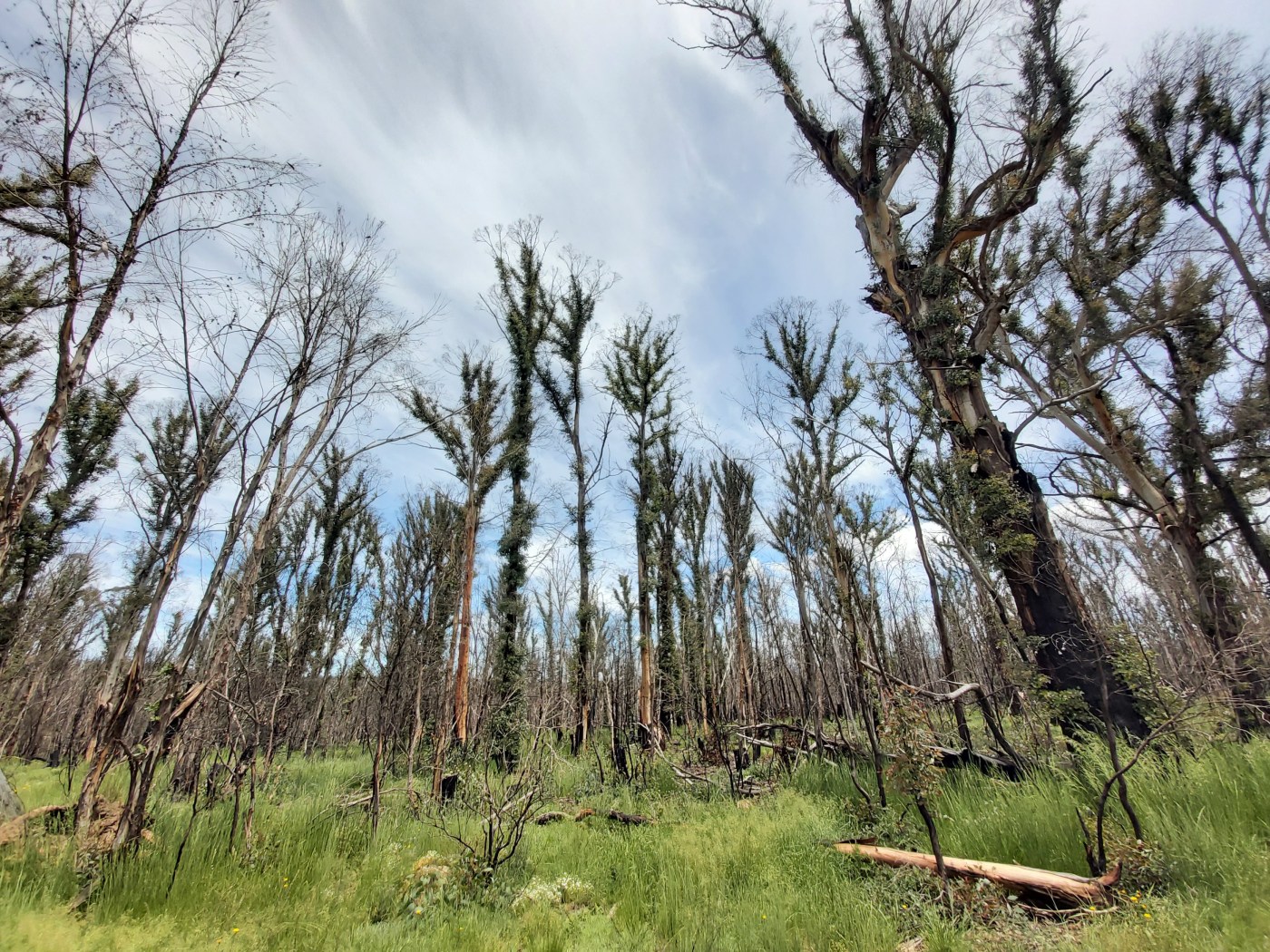
We know that climate change is resulting in increased fire severity and extent in Australia’s temperate Eucalyptus forests. While Eucalyptus forest communities are generally adapted to the presence of fire and in some instances need irregular fires, as the gap between fires become shorter and fires become more severe, there are obvious biodiversity impacts. For instance, forests are already changing – especially the alpine ash and snow gums, which are in a state of decline and even ecological collapse in many parts of the high country.

There is also the question of the how carbon released during these fires adds further fuel to climate change. While the general understanding is that carbon lost to the atmosphere during a fire is drawn down again in subsequent regrowth, is climate driven fire seasons causing more carbon to be lost into the atmosphere, thereby making climate change worse?

New research (Tree mortality and carbon emission as a function of wildfire severity in south-eastern Australian temperate forests, to be published in the journal Science of the Total Environment a summary is available here) considers these issues and fills some significant gaps in our knowledge about the links between fire and its contribution to climate change.

Continue reading “Quantifying the climate cost of the Black summer fires”

Blog at WordPress.com.

Up ↑