Search

Mountain Journal

Environment, news, culture from the Australian Alps

Tag

bushfires

VIC government must increase efforts to sustain Ash forests

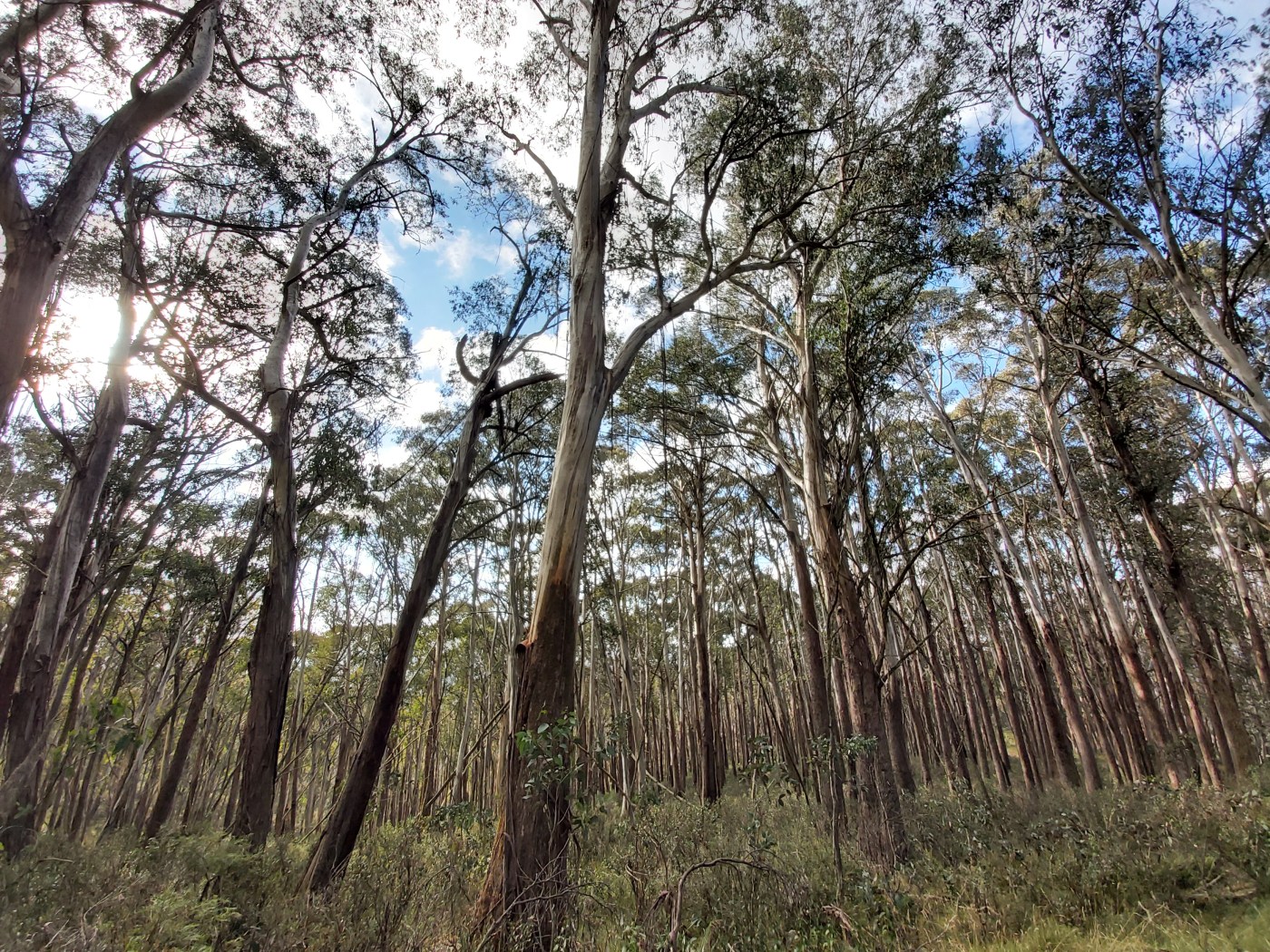
Ash forests – forest comprised of Mountain Ash, Alpine Ash, or sometimes both – are some of the most iconic forest types in Victoria, or even the world. Covering around 500,000 ha of Victoria and stretching from the Otways to the north-eastern boundary with NSW, their stronghold is in the Central Highlands to the east of Melbourne and through the higher ranges of Gippsland and the north east of the state.

These forests have a complex relationship with fire: these forests can live with some fire – but not too much. Scientifically known as ‘obligate seeders’, after severe bushfire, ash forests are killed, but prolifically regenerates from canopy stored seed. The important point here is that these slowly regenerating forests cannot produce seed for 20 years after they regenerate from fire. This means they are highly vulnerable to shortened fire intervals – the exact challenge that land managers in Victoria are facing with climate change.

Once a mountain ash or alpine ash forest has burnt numerous times, it may eventually fail to regenerate, which can lead to population collapse and a change of ecosystem type. This sounds simple, but ecologically, this is dramatic. A tall forest – high in carbon stocks and habitat – changes rapidly to a short shrubland or grassland.

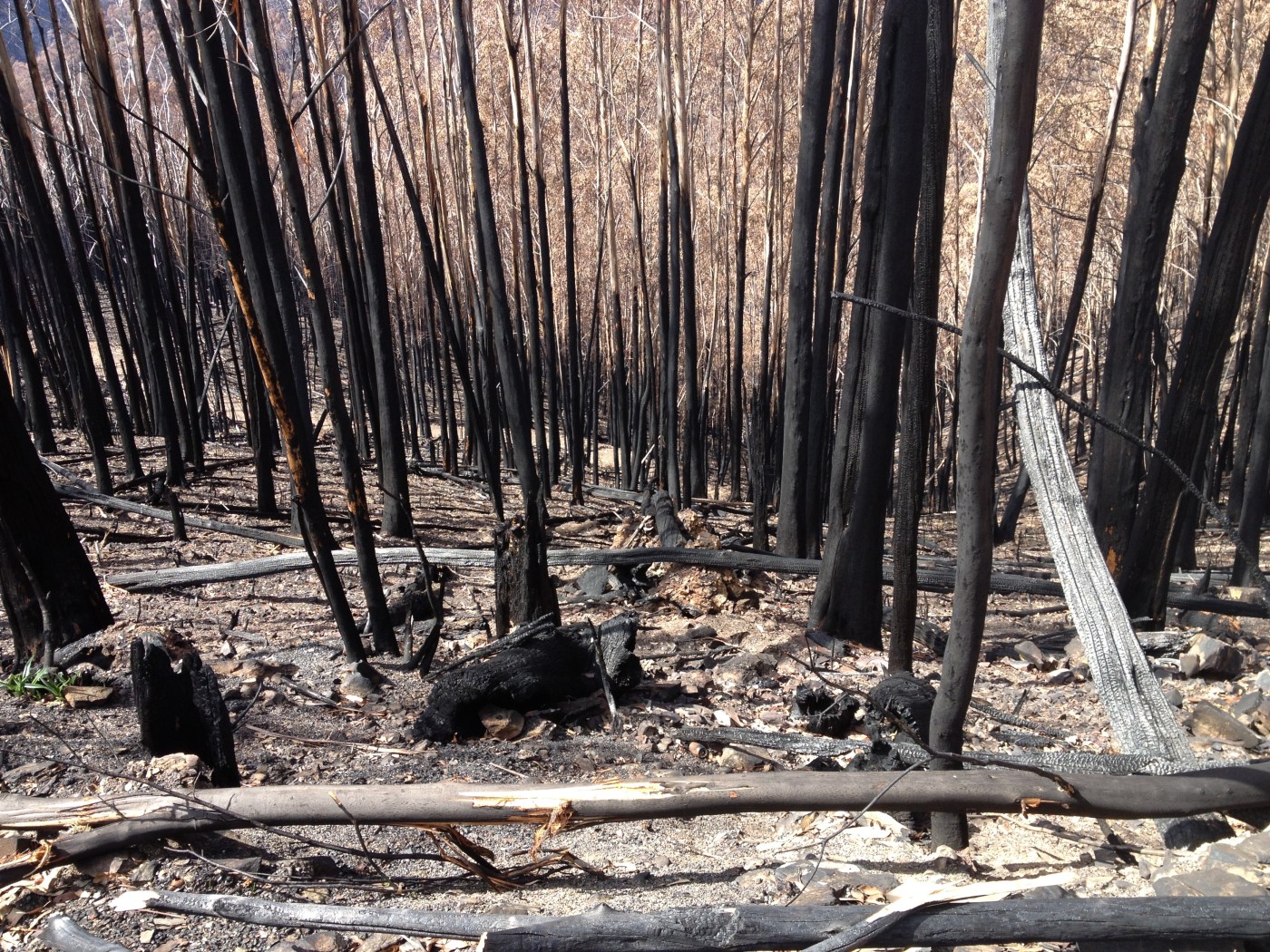
This not theory. This situation already exists among alpine ash forests. The massive bushfires in 1998, 2003, 2006, 2009, 2013, 2014 and 2019/20 and meant that over 97% of Alpine Ash distribution burnt. These fires overlapped and some areas burnt two to three times across two decades (Fagg et al. 2013; Bassett et al. 2021), leaving 43,000 ha of Alpine Ash forest at risk of collapse (Fairman, 2023).

Mountain Journal has long reported about threats to Ash forests and the need for greater government intervention (check here for some of the articles).

Now people involved in the recovery of Ash forests have recently spoken out about the threats posed to these forests.

Continue reading “VIC government must increase efforts to sustain Ash forests”
The snow gums of Baw Baw

From Matt Tomkins.

This photo essay was originally published in the Mountain Journal magazine, 2025 edition, available here.

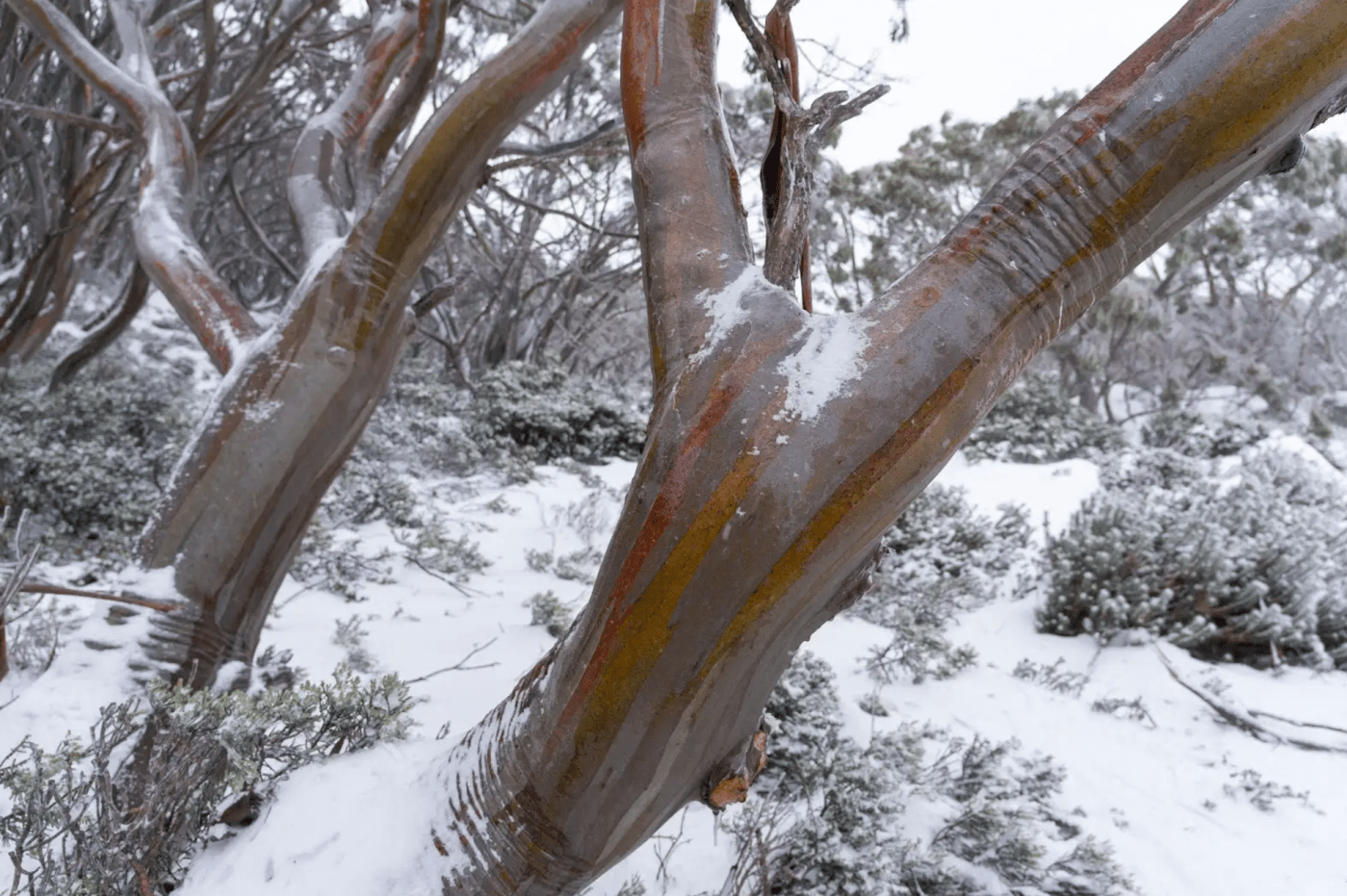
The last few winters I’ve become a bit obsessed with making trips to see the snow gums in  Baw Baw National Park.

Snow gums are beautiful trees. To see them at their best, you really need to be up there in winter. Streaked with incredibly vibrant reds, bronzes, oranges, and yellows and covered \with ice, their vivid colours and twisted forms stand out like flames against a snowy backdrop. It’s one of the most magical things about winter in the Australian Alps, and it’s a sight that can’t be seen anywhere else in the world.

I feel an increasing sense of urgency about making these trips.

Continue reading “The snow gums of Baw Baw”

Planned burn in biodiversity hotspot

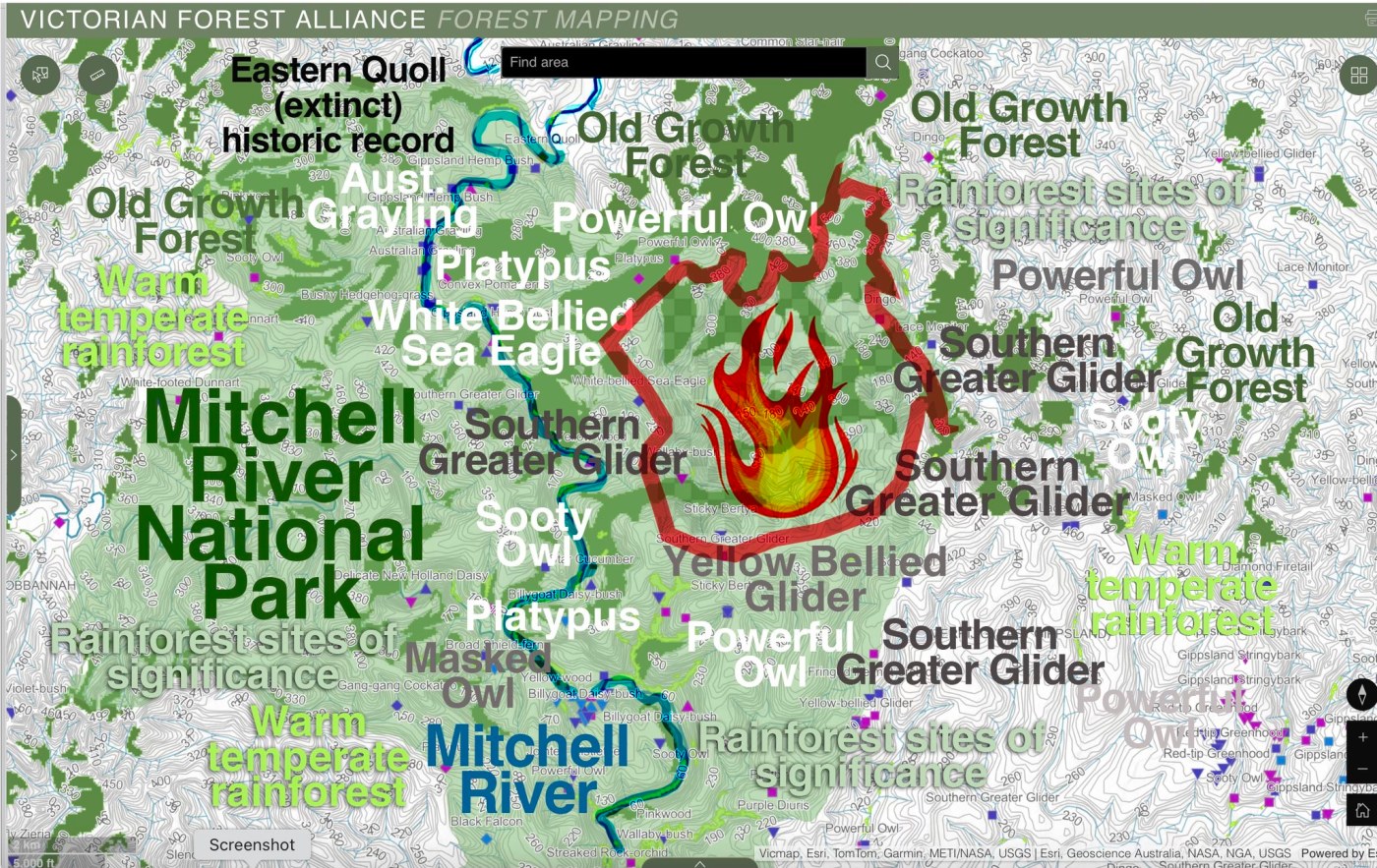
This summer has seen sustained community campaigns against specific fuel reduction burns, from Flowerdale to Gippsland. Now Friends of Bats and Habitat have raised the alarm about a large burn which is planned for the Mitchell River National Park.

Roaring Mag: There are so many redflags with this remote 1,875 ha Forest Fire Management Victoria (FFMV) burn which is expected to be ignited within ten days in the Mitchell River National Park. A rapid desktop survey brings up a whole of suite of threatened, rare and endemic flora and fauna records within this burn site. Dropping off cliffs are waterfalls, sheltered narrow gullies, large areas of old growth forest, and the most southern occurrence of warm temperate rainforest … If you went looking for a Spot-tailed Quoll, this is where it might be.

Continue reading “Planned burn in biodiversity hotspot”

Fire near Mt Howitt

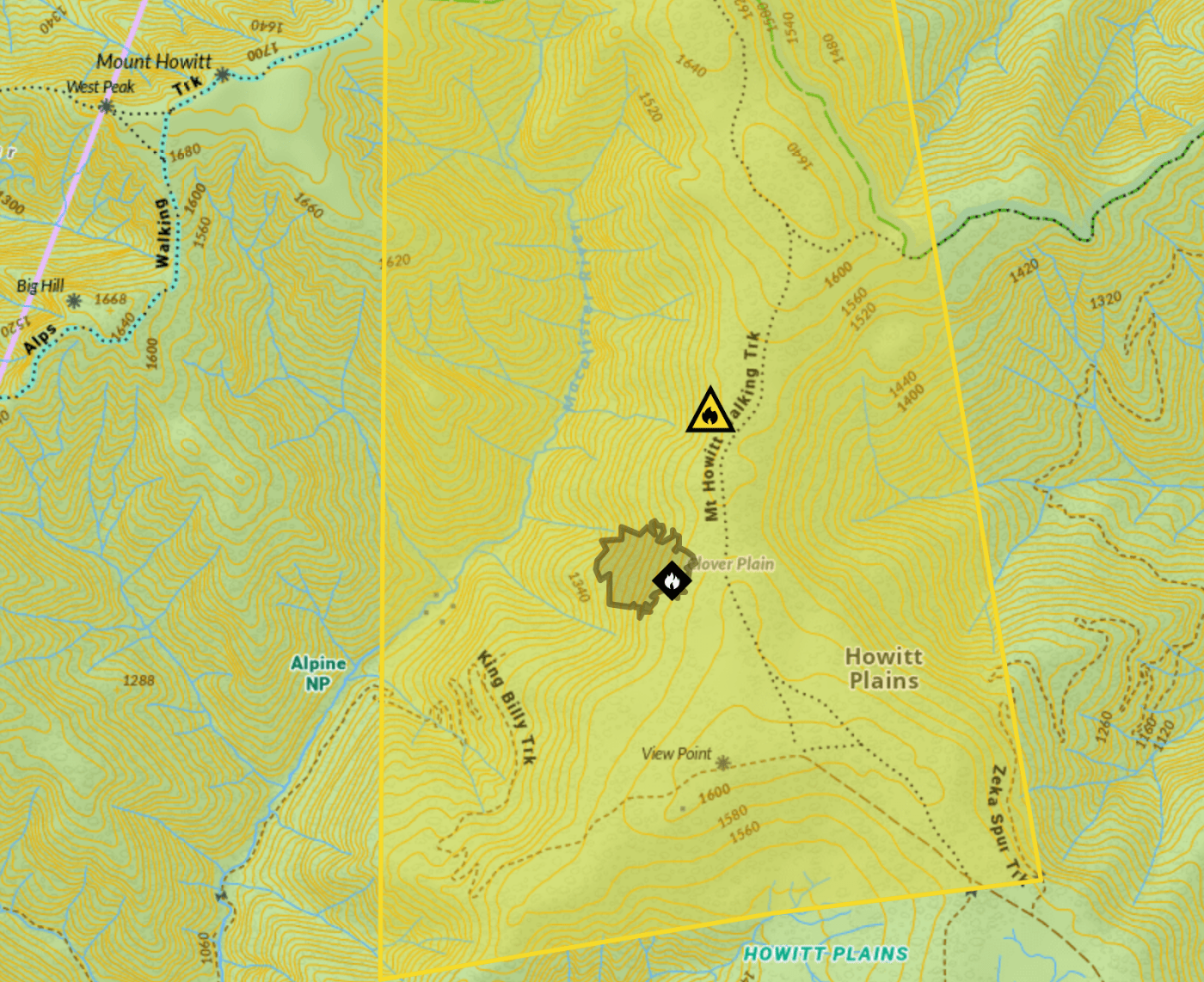
Recent dry lightning caused a number of fires across the Victorian high country. Most were quickly contained but one just north of the Howitt Plains is becoming a concern.

This area, of high elevation snow gum woodlands inter-spaced with grass dominated plains, has been burnt several times in recent decades, with many areas now holding thick (and highly flammable) regrowth forests. Fires in these recovering forests can lead to ecological collapse – that is, the loss of snow gum dominated forests, which are replaced by grass and shrubs. It is essential that we exclude fire from these ecosystems as they recover.

Continue reading “Fire near Mt Howitt”

A new fire fighting team for Victoria

On Tuesday November 12, lightning started a fire in remote country north of Valencia Creek in the Victorian high country.

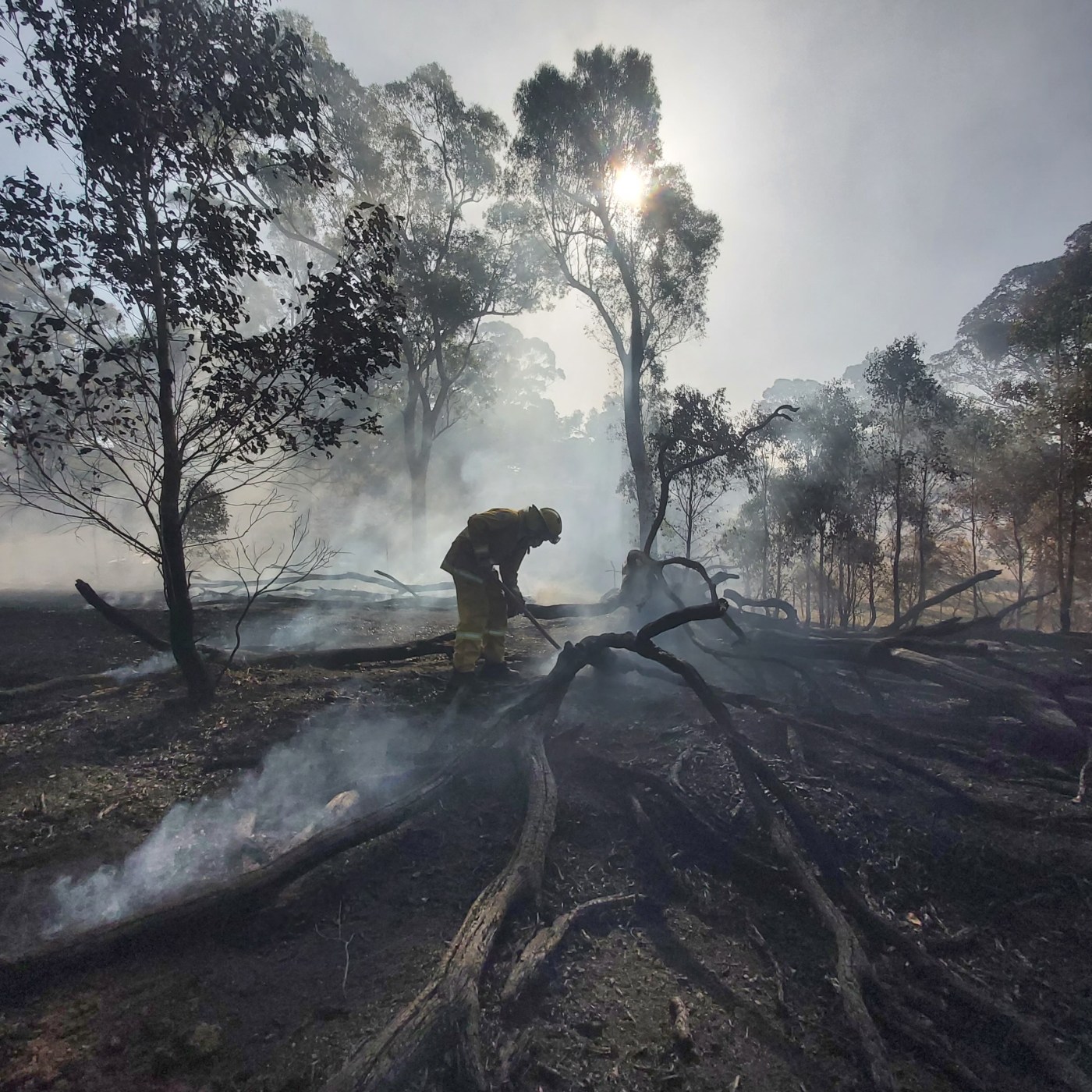
On Wednesday November 13, two rappel crews from Forest Fire Management Victoria (FFMV) were airlifted into the Avon Wilderness to fight the fire.

The crews created a mineral earth break around the fire and spent two days extinguishing hotspots before it was announced that the fire had been contained. In total the fire burnt around 1.3 hectares of forest. (Source: FFMV facebook).

This sort of early intervention is what is needed to stop small fires from turning into uncontrollable blazes.

Continue reading “A new fire fighting team for Victoria”

Black Summer biodiversity study suggests rethink of prescribed burns and fire management in Australia


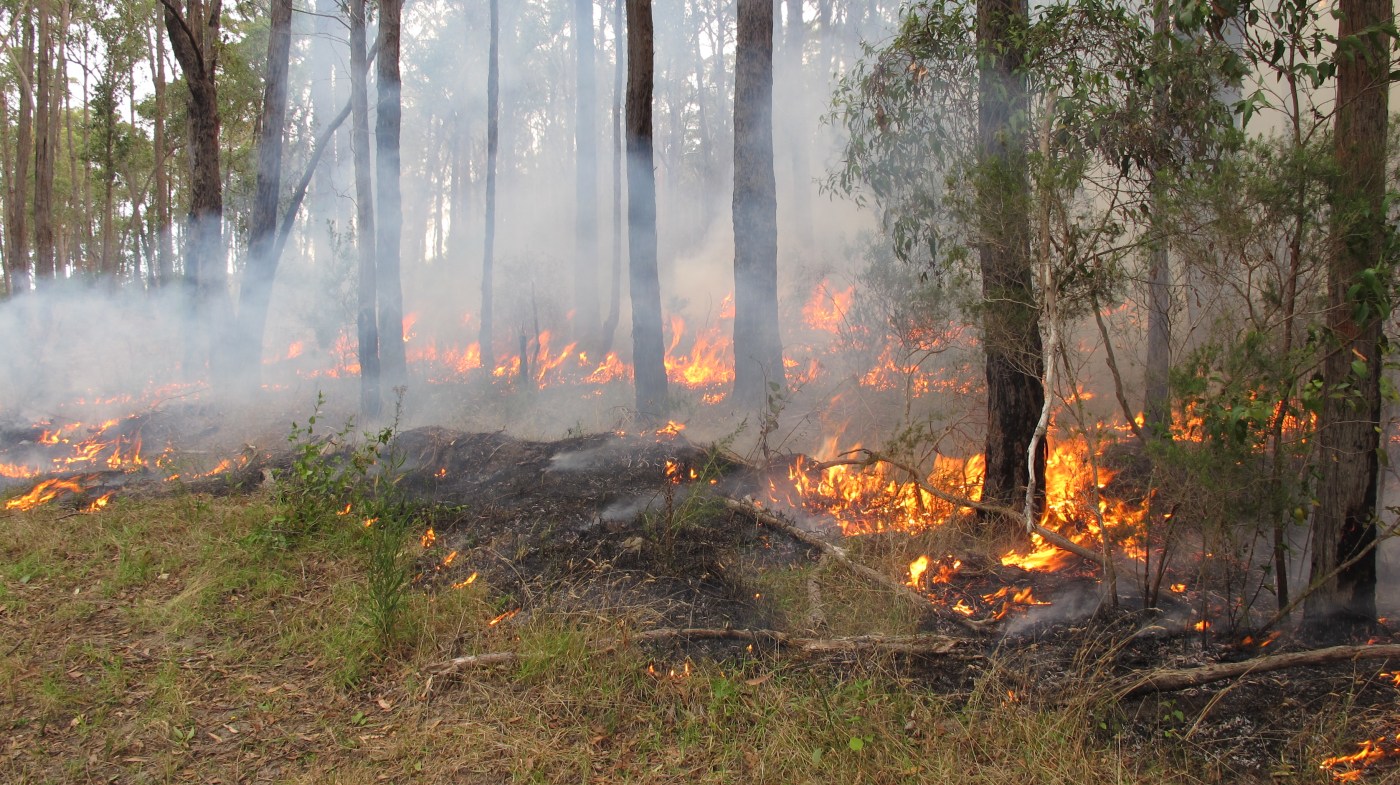
This is not ‘new’ news. But it does add to the conversation that is underway about the role of prescribed burning (also called planned burning and fuel reduction burning) in terms of reducing fire risk.  

A new study examining plant and animal species after the Black Summer fire season has found greater biodiversity loss in areas that have been subject to frequent burning. Six ecosystems were considered, including alpine, wetland, rainforests and dry and wet eucalypt forest.

Sites with three or more fires in the 40 years leading up to the 2019–20 Black Summer were far more negatively impacted than previously unburnt areas or sites that had burnt once during that time.

Continue reading “Black Summer biodiversity study suggests rethink of prescribed burns and fire management in Australia”

Have your say: the Code of Practice for Bushfire Management on Public Land

The Victorian Department of Energy, Environment and Climate Action (DEECA) is updating the Code of Practice for Bushfire Management on Public Land (the Bushfire Code), and is calling for  feedback on the draft Code.

The Bushfire Code sets out objectives for the way DEECA manages bushfire on public land, including state forests and national parks.

The current Bushfire Code is more than 10 years old. It updating it to make sure it meets modern needs and expectations.

There is an online submission process which is open until November 3.

Continue reading “Have your say: the Code of Practice for Bushfire Management on Public Land”

Dancing and the Devil Fire – understanding the long First Nations history in the Alps

Recently a friend sent me a copy of a DVD called Dancing and the Devil Fire. It was made after the terrible fires that happened in the Alps over the summer of 2002/3, when an estimated 1.7 million hectares of forest and high country was burnt.

In the aftermath of the fires, an extensive program was established to better understand the archaeological history of indigenous settlement in the high country. Many First Nations people were involved in the surveys that followed. What they found re-wrote mainstream understanding of Indigenous occupation of the high country.

Continue reading “Dancing and the Devil Fire – understanding the long First Nations history in the Alps”

The first Snow Gum Summit

Announcement of conference: February 14 – 16, 2025

Snow Gums (Eucalyptus pauciflora) are the classic tree of the Australian High Country. They are profoundly different to the trees found in mountain areas in other parts of the world, and give a uniquely Australian sense to our high country. However, they are facing a double threat to their survival: from fire and dieback.

We are hosting a ‘snow gum summit’ which will bring together land managers and academics and anyone interested in the future of this iconic species to explore what needs to be done to ensure the survival of snow gum woodlands, and put the issue firmly on the state governments agenda.

We will be inviting First Nations people, local and state wide environmental organisations, local communities and businesses, groups active in outdoors recreation, and enthusiasts of high-elevation, forest ecosystems.  There will be presentations, workshops and field trips.

This event will happen at Dinner Plain, on GunaiKurnai Country in north eastern Victoria.

Continue reading “The first Snow Gum Summit”

The Bayindeen fire and Snow Gum forests at Mt Cole

Snow gums (generally E. pauciflora ssp. Pauciflora) are the iconic tree of the Australian high country. While they are best known for their dominance of higher elevation areas in north eastern Victoria and the Snowy Mountains of southern NSW, it grows in woodland along the ranges and tablelands, in cold sites above 700 metres, in a long stretch from the far south-east of Queensland, through New South Wales, the Australian Capital Territory, and Victoria, to near Mount Gambier in South Australia and Tasmania.

Snow gums also exist as isolated pockets well away from the higher mountains. For instance there are 53 known remnant Snow Gum sites within a 40 kilometre radius of Ballarat, Victoria. A  large proportion of remnant vegetation in the area occurs as small patches or isolated paddock trees, often on private land.

However there are also some important Snow Gum forests on public land in central and western Victoria. A well known example is on the upper slopes around Mt Macedon. Although these forests were impacted by the 1983 Ash Wednesday fires, the Mount Macedon Snow Gum population have been assessed as being in relatively good health (despite a recent proposal to clear some sections of the forest around the Memorial Cross at Mt Macedon)..

There is also a really important community of Snow Gums growing across the higher hills of the Mt Cole state forest.

Continue reading “The Bayindeen fire and Snow Gum forests at Mt Cole”

Protect Our Winters report: Our Changing Snowscapes

We have known for years that climate change is reducing the overall amount of snow we receive in Australia. The snow pack has been in decline since at least 1957. We also know that the loss of snow is being felt especially at lower elevations and will have enormous impacts on the local economies that have developed around the mountains.

Today Protect Our Winters (POW) have released a comprehensive update on the threats posed by climate change – to snow pack, the mountain environment and animals who rely on a thriving ecosystem, and downstream rivers, and also the impacts on the local economies that rely on good snowfalls.

Continue reading “Protect Our Winters report: Our Changing Snowscapes”

Celebrating the survivors

Across the mountains of south eastern Australia, climate change is already driving profound change. In many places in the high country, snow gum forests are facing a double threat: dieback, caused by a native beetle is killing individual trees, and climate change driven fire regimes are devastating vast areas of forest.

Recent research by John Morgan, Michael Shackleton and Zac Walker from the Research Centre for Applied Alpine Ecology at La Trobe University highlights that ‘Long-unburnt snow gum forests (now) comprise less than 1% of snow gum forests in the Victorian Alps’.

We know that snow gums can survive fire. We also know that across the Alps snow gum woodlands are starting to collapse from too frequent fire. That’s why we have to appreciate and protect the old forests that remain.

Continue reading “Celebrating the survivors”

Blog at WordPress.com.

Up ↑