Search

Mountain Journal

Environment, news, culture from the Australian Alps

Tag

Central Tasmania

The land endures.

Hydro power has reshaped the landscape of lutruwita/ Tasmania, and was the centre of political power in the state for many decades. It was only in the 1980s, during the campaign to stop the Gordon-below-Franklin Dam from being built, that this power was really challenged. Now the time for new hydro is done, and there is a live debate about draining and restoring the famous Lake Pedder in the south west of the state.

Like many mountain places in NSW and Victoria, the impacts of the hydro both fade and remain. The old workers towns in the Snowy Mountains or Bogong High Plains are long gone but the dams, aqueducts, roads, huts and other infrastructure remain. The very flow of the Snowy River was profoundly changed by the dams in the headwaters of that very special river. In the Snowy Mountains, the Snowy 2.0 hydro project sees huge numbers of trucks on mountain roads and a large ecological footprint as new tunnels are bored.

But, more and more, those huge impacts appear in the rear view mirror and, in many places the land is in recovery despite ongoing impacts.
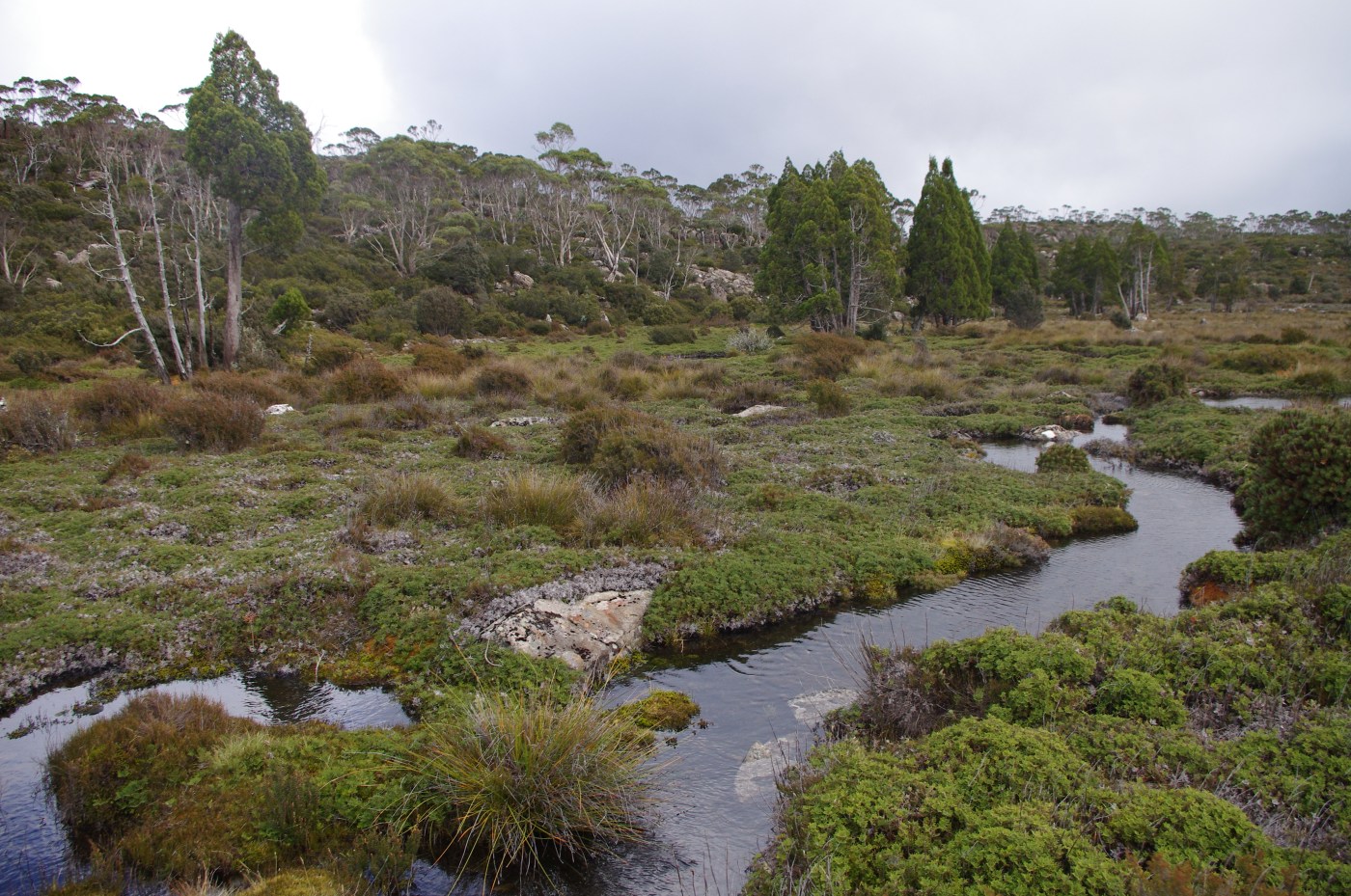
Continue reading “The land endures.”

State of the Environment report highlights threats to pencil pine forests

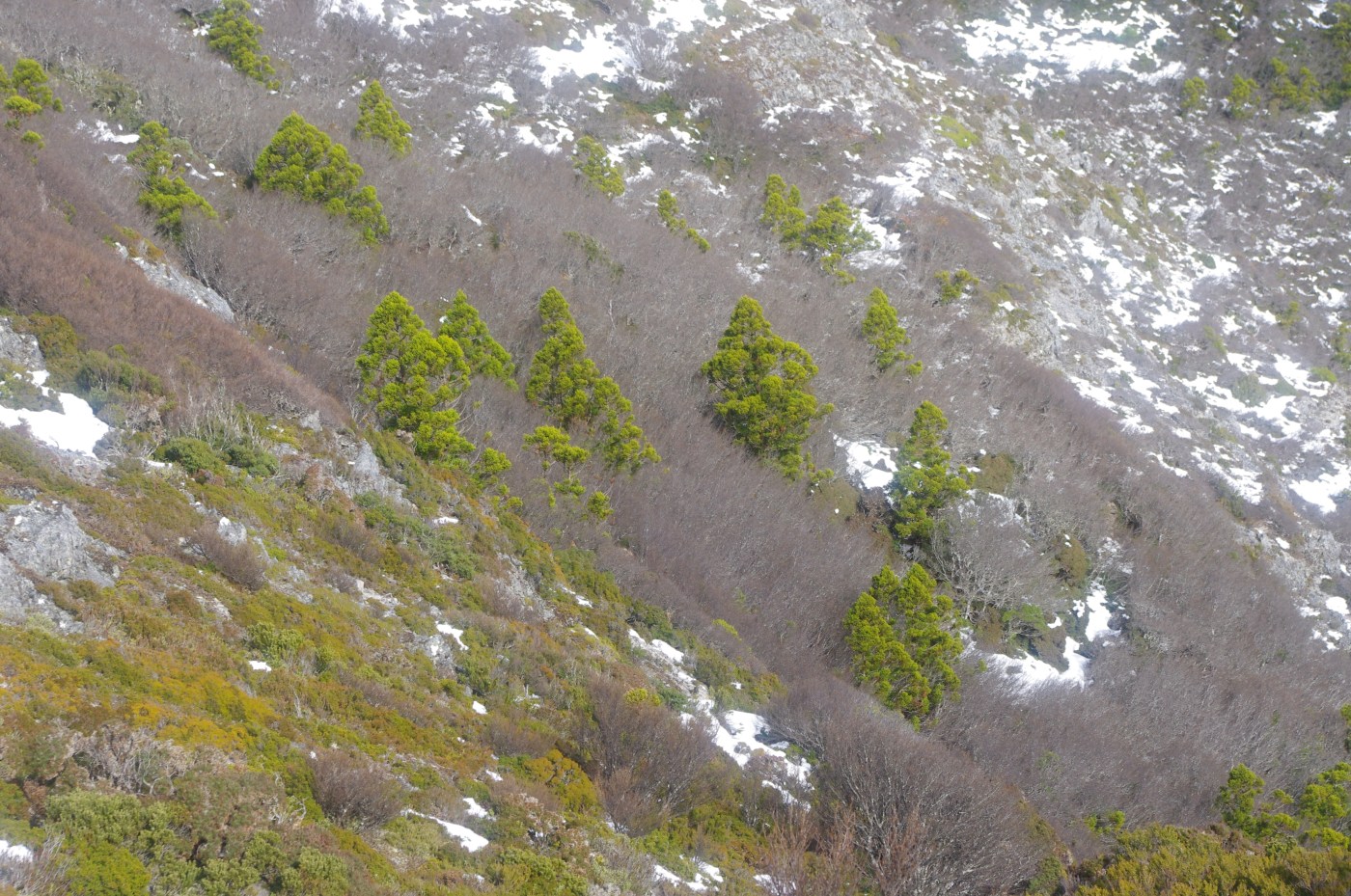
The mountains and wetter forests of lutruwita/ Tasmania are a stronghold of ancient vegetation that dates back to when the Australian continent was part of the mega continent of Gondwana.

We know that these areas of fire sensitive vegetation are at risk from changing fire regimes. We also know that climate change will bring ever more serious fire seasons, putting these remnant vegetation communities at greater risk.

The Tasmanian Planning Commission has just released the 2024 State of the Environment (SOE) Report, which, among many issues, highlights the threats posed to fire sensitive communities like the king billy and pencil pines.

Continue reading “State of the Environment report highlights threats to pencil pine forests”

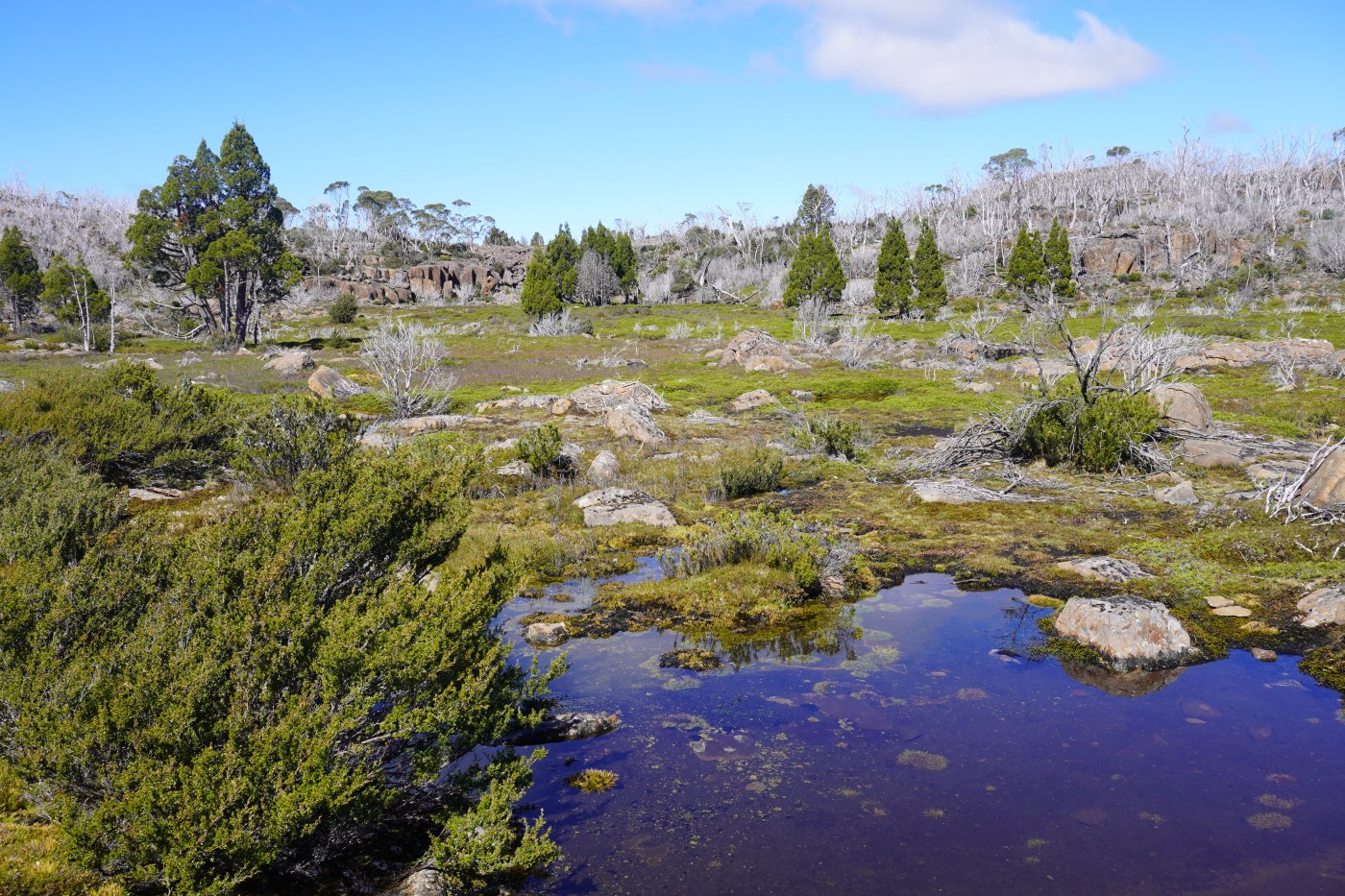
Post fire recovery of Pencil Pines at Lake Mackenzie

Back in 2016, lightning storms ignited a number of fires in central and western lutruwita/ Tasmania, which turned into large scale events that ‘threatened the core refugia of Gondwanan vegetation, particularly the largest stands of the endemic conifer Athrotaxis cupressoides’ (Pencil Pines). Pencil Pines are already limited to very small areas of Tasmania. Burnt Pencil Pines are unlikely to recover ‘given their slow growth, limited seedling establishment and projections of increased fire weather and lightning ignitions associated with drier soils.’

Although the climate of western Tasmania has not changed very much, as yet, as a result of global warming, the incidence of dry lightning strikes has increased markedly from last century to the present. Therefore these type of lightning caused fires are expected to increase. This could put the very survival of Pencil Pine communities at risk.

One of the fires that created greatest concern started near Lake Mackenzie, on the north western end of the Central Plateau. Significant areas of Pencil Pines were burnt.

With scattered groves of Pines burnt, and unlikely to recover without some form of intervention, what are our options?

Seven years on from the fires, research from the University of Tasmania, shows what is being done to assist recovery.

Continue reading “Post fire recovery of Pencil Pines at Lake Mackenzie”

Climate change driven fire threatens Tasmania’s forests

While the summer of 2021/22 has been a mild fire season in the east of the country, there have been a small number of significant fires in lutruwita/ Tasmania that have threatened World Heritage Areas (including one that threatened an incredibly significant Huon pine forest). This is because the west of that state has been experiencing a prolonged and extreme drought, with some areas receiving their lowest rainfall on record.

As reported recently in The Conversation, “this drought fits an observed drying trend across the state, which will worsen due to climate change. This is very bad news for the ancient wilderness in the state’s World Heritage Area, where the lineage of some tree species stretch back 150 million years to the supercontinent Gondwana’.

The drying trend has seen a steady increase in bushfires ignited by lightning, imperilling the survival of Tasmania’s Gondwanan legacy, and raising profound fire management challenges.’ Continue reading “Climate change driven fire threatens Tasmania’s forests”

A Rifle Range on Maggs Mountain?

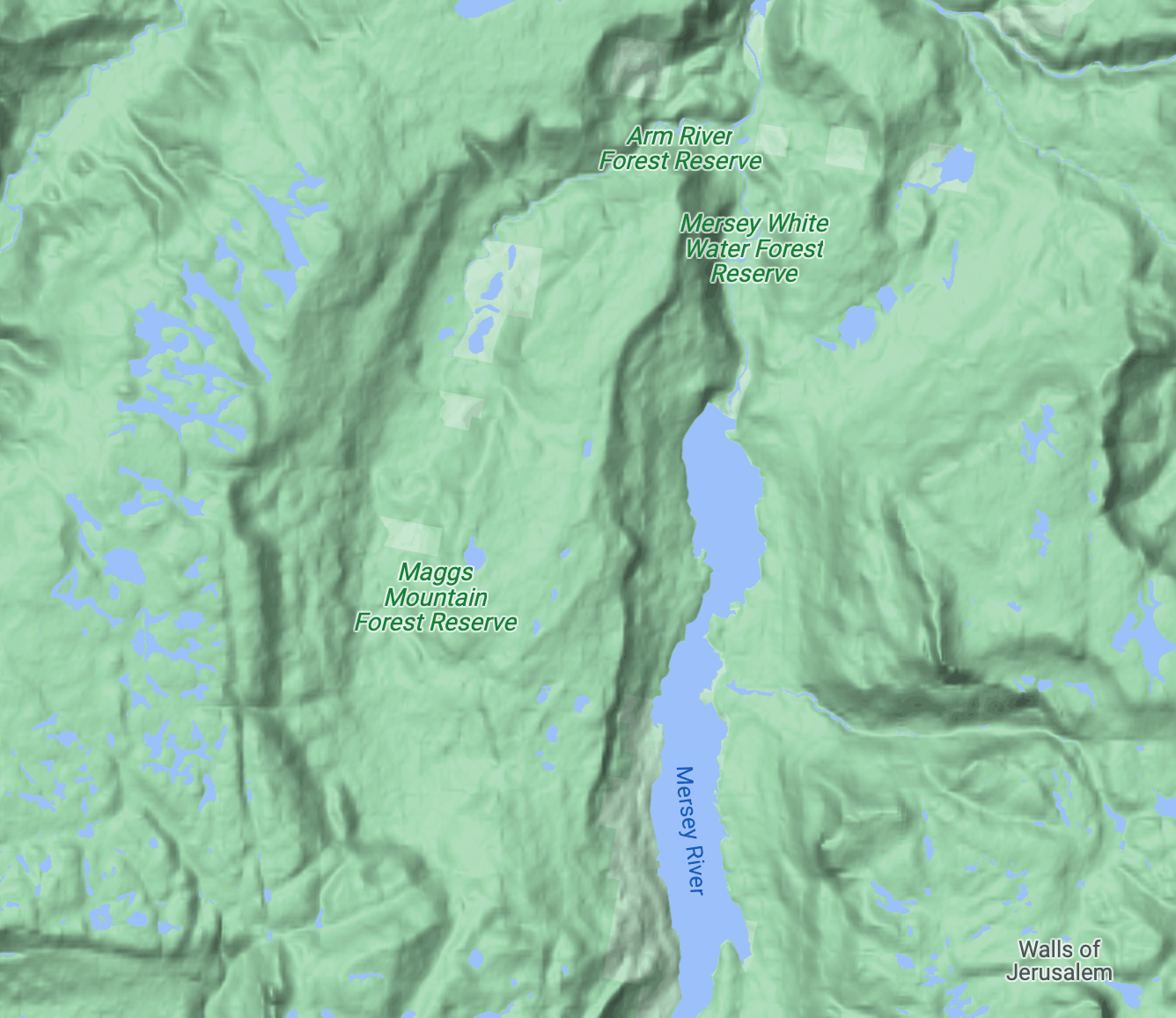
Many remote area walkers and fishers access the Central Plateau of Tasmania/lutruwita via the Mersey Forest and Maggs Roads, which lead to the trailheads for places like the Walls of Jerusalem, Arm River Track, Chalice Lake and Cathedral Mountain, etc.

There is a proposal to place a high powered rifle range on top of Maggs Mountain (900m), which is located above Lake Rowallan and across the valley from Clumner Bluff to the east and the February Plains to the west.

Meander Valley Council needs to decide whether to grant approval. You have until 5pm on Monday 29 November to put in a submission expressing your view on the proposal.

Continue reading “A Rifle Range on Maggs Mountain?”

Big win for campaign against Lake Malbena ‘helicopter tourism’ proposal

In big news, the campaign against the proposal for a controversial ‘helicopter tourism’ development in a remote part of lutruwita/ Tasmania received a significant boost today.

The Wilderness Society, supported by the Environment Defenders Office, has won an appeal against the proposal.

The proposal will now return to the Resource Management and Planning Appeal Tribunal (RMPAT), who will be asked to reassess it and take into consideration its impact on wilderness world heritage values.

For background on this proposal, please check here.

IMAGE: Dan Broun.

Pack rafting the Central Plateau

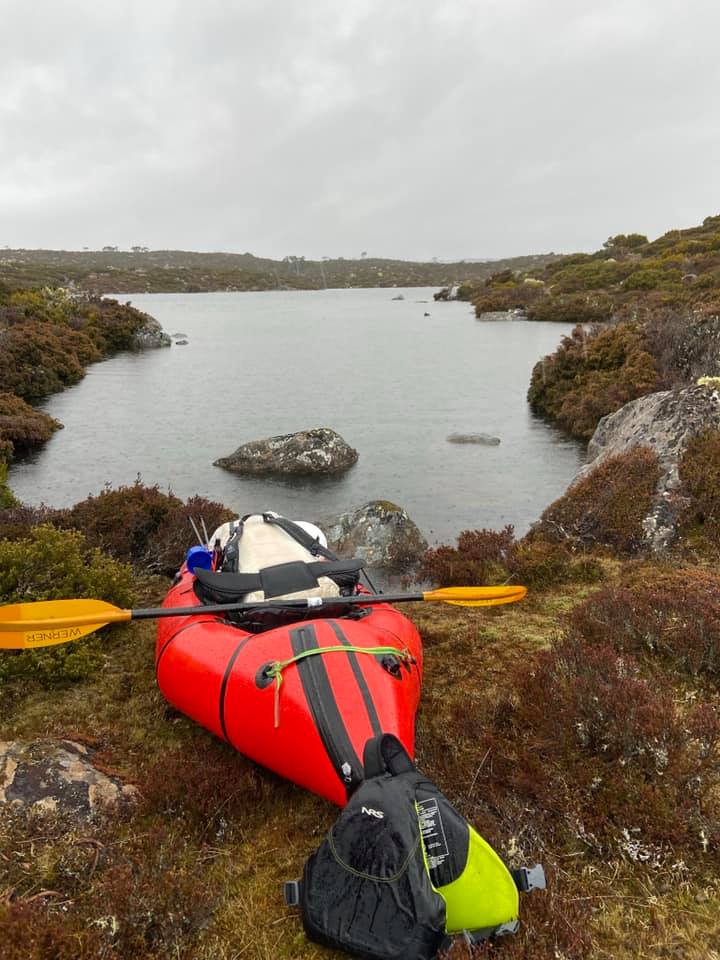
Pack rafting is the sport of hiking and rafting using a portable raft carried on one’s back. Pack rafts are designed to be light enough to be carried long distances. It is a relatively obscure recreation here in Australia, although growing in popularity.

Combining pack rafting and paragliding on the Central Plateau in lutruwita/ Tasmania is probably even more obscure. But it makes for a good adventure.

Jason MacLeod reports on a recent walking/ pack rafting/ paragliding adventure intended to mark his 50thbirthday.

Continue reading “Pack rafting the Central Plateau”

Helicopter tourism at Lake Malbena will ‘significantly and adversely impact wilderness character’ of area

The long campaign against a plan for helicopter-based tourism at Lake Malbena on the Central Plateau in Tasmania has received a welcome boost. The Commonwealth Environment Minister, Sussan Ley, has released a ‘Statement of Reasons’ explaining why she determined that the proposed helicopter-accessed luxury accommodation will be a “controlled action”, requiring a more thorough assessment under the Commonwealth environmental law, the Environment Protection and Biodiversity Conservation Act 1999 (EPBC Act). 

Tom Allen for the Wilderness Society Tasmania said “Minister Ley’s Statement reveals why, for the first time, an Environment Minister has recognised that the Lake Malbena proposal will significantly and adversely impact threatened species, wilderness character and reduce natural and World Heritage values”. 

Continue reading “Helicopter tourism at Lake Malbena will ‘significantly and adversely impact wilderness character’ of area”

Lake Malbena ‘helicopter tourism’ proposal to undergo federal assessment

Tasmania is famed for its wild landscapes, much of which is protected in national parks and World Heritage.

In 2016, the Hodgman Liberal government changed the Tasmanian Wilderness World Heritage Area (TWWHA) management plan, rezoning various sections of what was once Wilderness zone, into ‘Self Reliant Recreation’ zoning, which allowed developers to propose commercial developments in these zones. Perhaps the highest profile case has involved the plan to allow helicopter landings to take place at Lake Malbena on the Central Plateau. This was approved by the Federal environment minister, and has been slowly moving forward despite a strong community campaign and legal challenge.

In a significant development, it has now been announced the proposal will now require Federal assessment of its environmental impacts.

Continue reading “Lake Malbena ‘helicopter tourism’ proposal to undergo federal assessment”

Keep the Western Lakes Wild and Public

The proposal for helicopter-accessed luxury huts at Lake Malbena is the test case for more than 30 secret development plans under the current Government’s Expressions of Interest process.

This exclusive and secretive lease of $1,000/year will destroy the serenity and all that is precious about the Western Lakes in the Tasmanian Wilderness World Heritage Area (TWWHA)

Come along to a public meeting hosted by Fishers and Walkers against helicopter access Tasmania to hear the latest & what we can do about it. Tickets are required (due to Covid) but are free!
Sunday, September 20, 2020 at 2 PM – 4 PM

Continue reading “Keep the Western Lakes Wild and Public”

Feral deer moving into World Heritage Parks in Tasmania

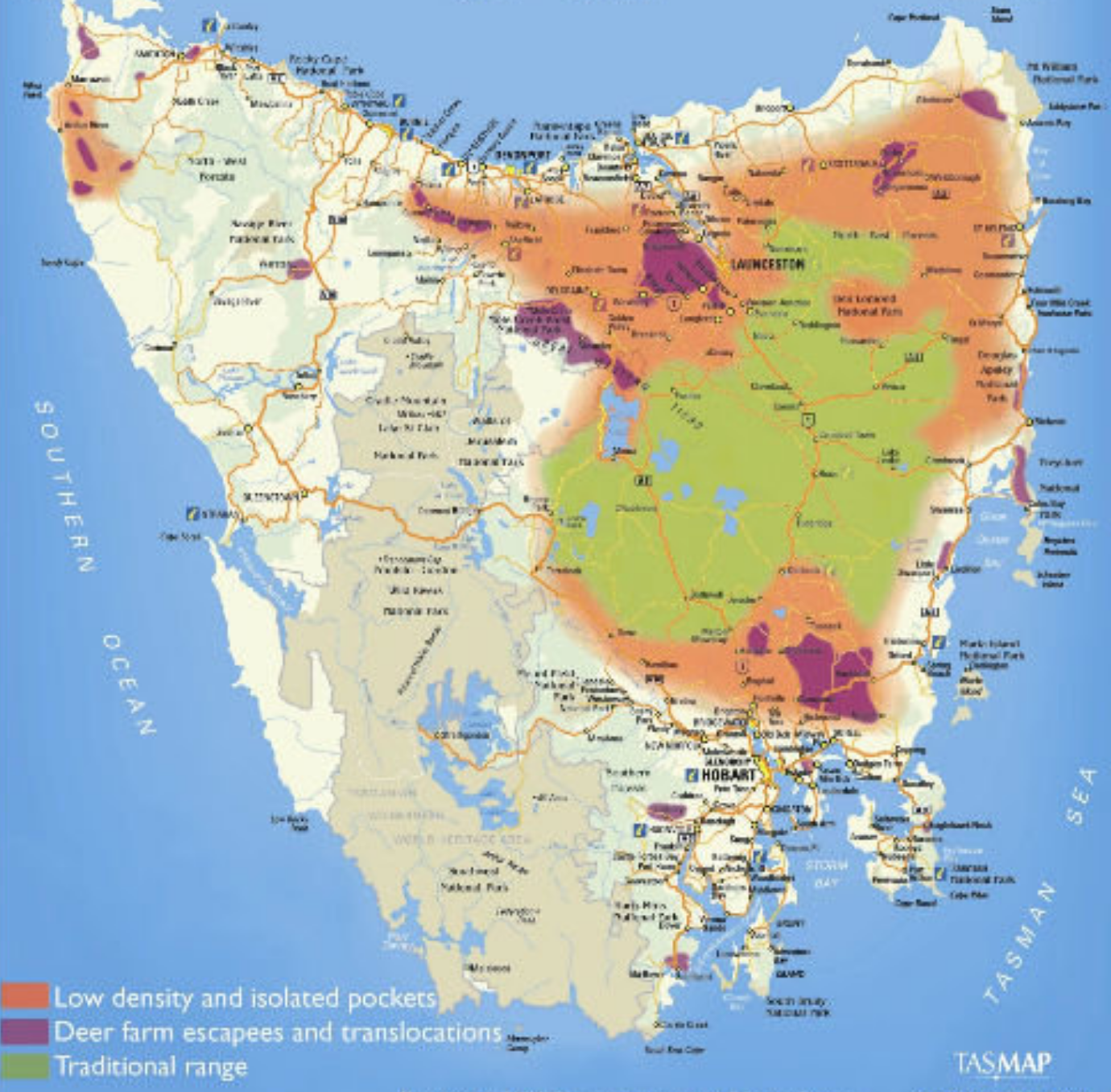
Australia has enormous problems with large invasive species like feral pigs, horses and deer. These species have negatively impacted huge sections of the continent. Yet self interest sometimes over rides the need to remove these populations. For instance, hunters sometimes argue that animals like deer should be left in wild places like national parks to allow continued hunting. And there is a huge campaign to see feral horse populations retained in the Australian Alps on spurious ‘cultural’ grounds.

Public debate has focused strongly on wild horse populations over the past few years. The threat poised by deer in lutruwita/ Tasmania is set to become a major public issue as the size of the feral deer population becomes clear. It is obvious that deer are moving into new habitats, and will bring enormous ecological impacts as they do so.

Continue reading “Feral deer moving into World Heritage Parks in Tasmania”

Fines for being in a National Park?

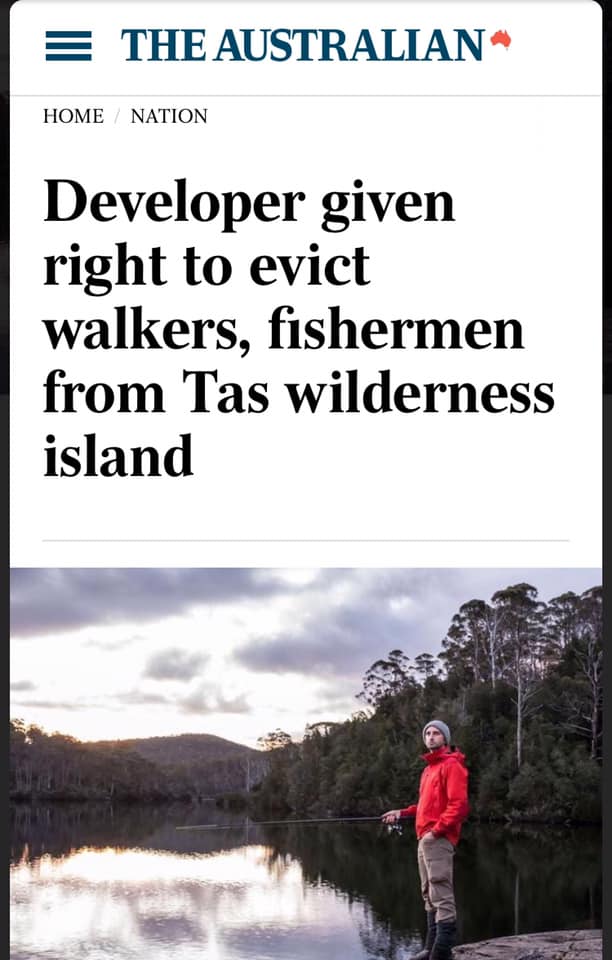
There has been a long community campaign against plans by a ‘tourism entrepreneur’ to establish a private tourism venture on a small island in a conservation area on the Central Plateau of lutruwita/ Tasmania. There have been various legal challenges and a strong community campaign against this privatisation of public space.

Now it has been reported that the development has powers of eviction and the right to install surveillance cameras. It is possible that fines and even prison terms could apply for walkers and fishers who attempt to step onto the island.

Continue reading “Fines for being in a National Park?”

Blog at WordPress.com.

Up ↑