Search

Mountain Journal

Environment, news, culture from the Australian Alps

Tag

climate change

Support the #climatestrike – wherever you are

On September 20 people around the world will be standing up to confront the climate crisis because our politicians won’t.

Australia is already on the frontlines of the climate crisis. Prolonged drought. Flash flooding. Erratic winters. Catastrophic bushfires, severe cyclones and heatwaves. But just at the time when we need to ramp up climate solutions, our government wants to open the floodgates to new coal, oil and gas projects that put all of us at risk.

So, on September 20, three days before the UN Emergency Climate Summit, school students are inviting everyone to join them for the biggest ever global #ClimateStrike. There are more than 100 events planned around Australia (check here to find your closest event).

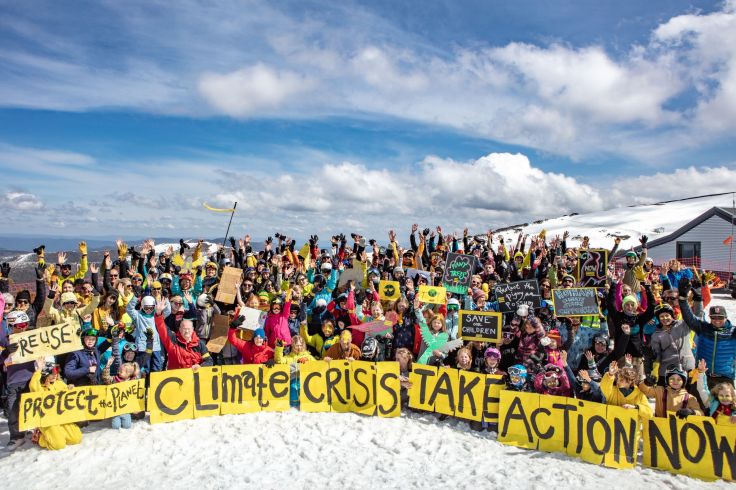
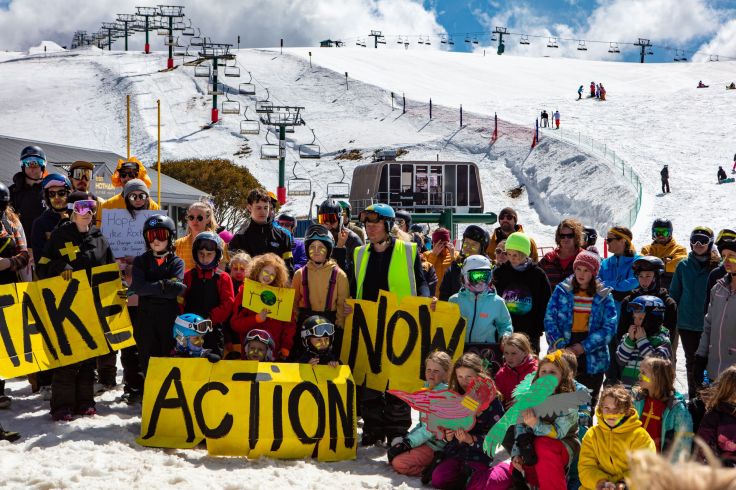
Members of the Mt Hotham community will be supporting the strike (check here for details).

If you can’t join the strike, why not post your support from wherever you are.

Outdoor adventure relies on healthy natural environments. Whether you walk, climb, ride, paddle, ski, trail run, snowboard – or anything else – the environment you love is at risk from climate change.

And if you work in the outdoor industry, your livelihood is at risk from out of control climate change. For instance, the Australian ski industry alone generates more than $1.8 billion a year and employs more than 18,000 people. Yet under current greenhouse scenarios, climate change could cut Australia’s ski season by more than two months.

It’s easy to support the strike without showing up >

  • Take or post a photo of you in a favourite place.
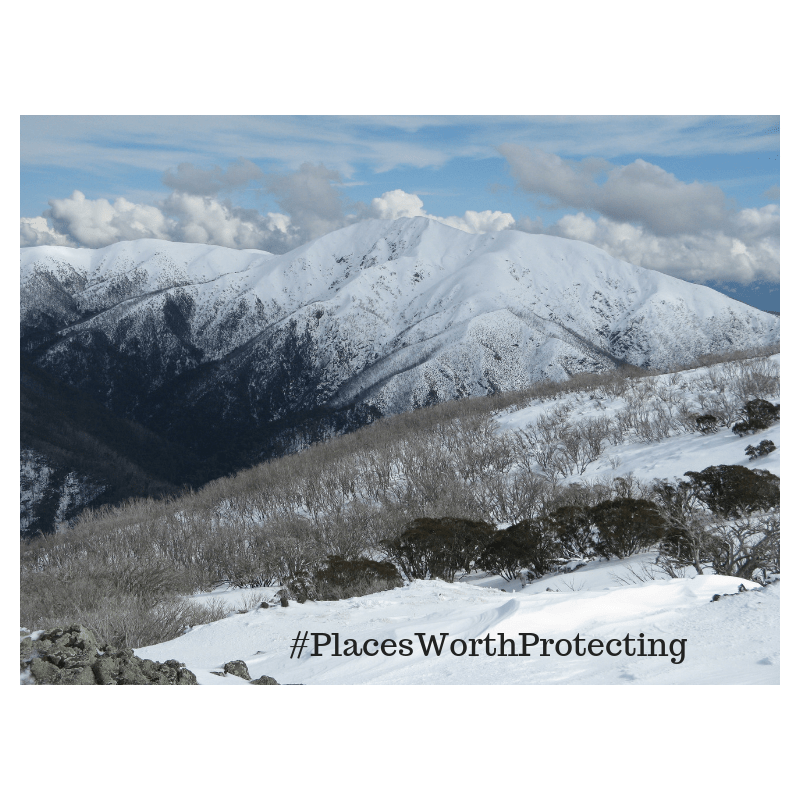
  • Post on whatever platform you prefer, using #climatestrike and #PlacesWorthProtecting and say that you support the strike and want governments to act on climate change. Tag in the PM: @ScottMorrisonMP

And why not sign our petition to the PM while you’re at it?

Protect Our Winters is mobilising the outdoor community to take action on climate change. You can find out more and sign up for their newsletter here.

Other ideas on taking action are available here.
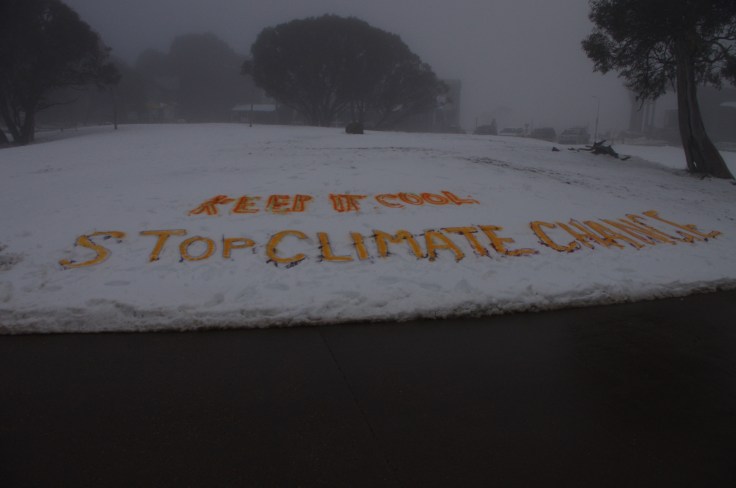
IMGP1038

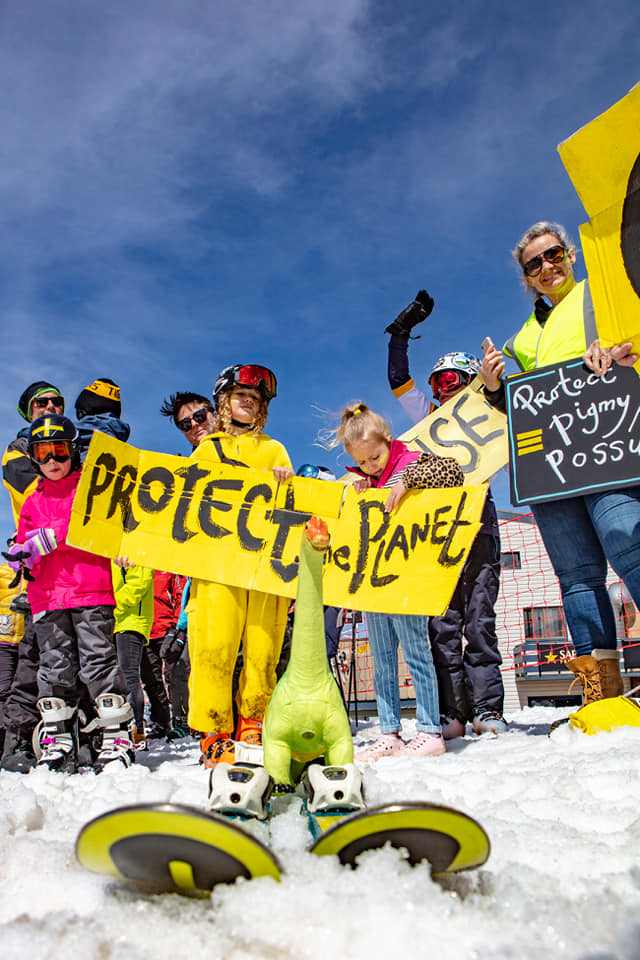
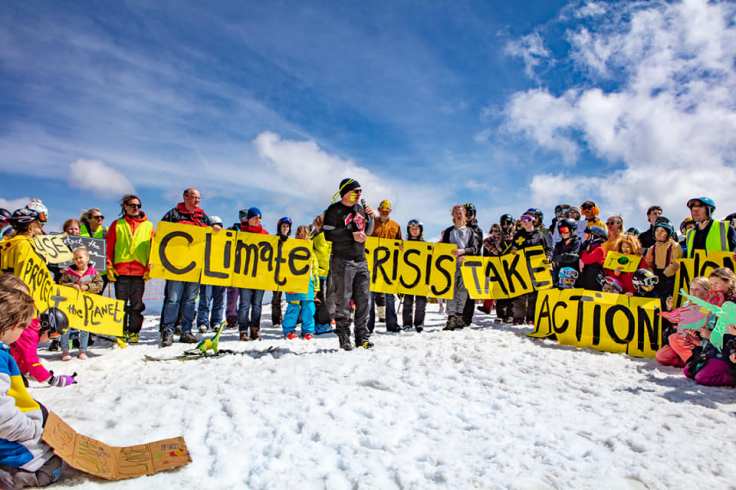
Below: The Hotham community is supporting #ClimateStrike. Images: Karl Gray
mt hotham2

mt hotham

mt hotham3

mt hotham4

Hotham strike poster

Image below: Kelly van den Berg

Kelly

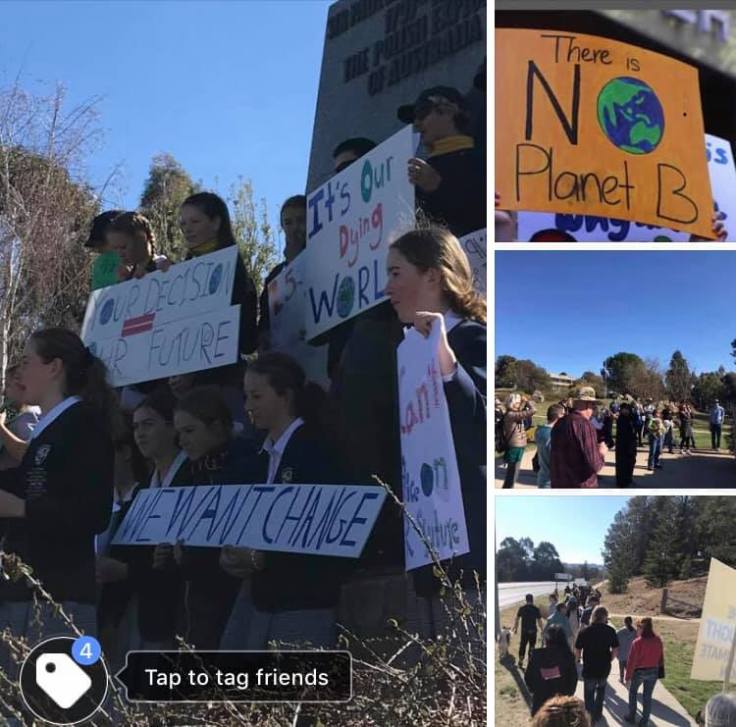
Image below: Climate strike in Jindabyne. Photo: Shawn Marlene Joynt-Davies
Jindabyne

Image below: Bright, NE VIC. Photo from Sustainable Upper Ovens.
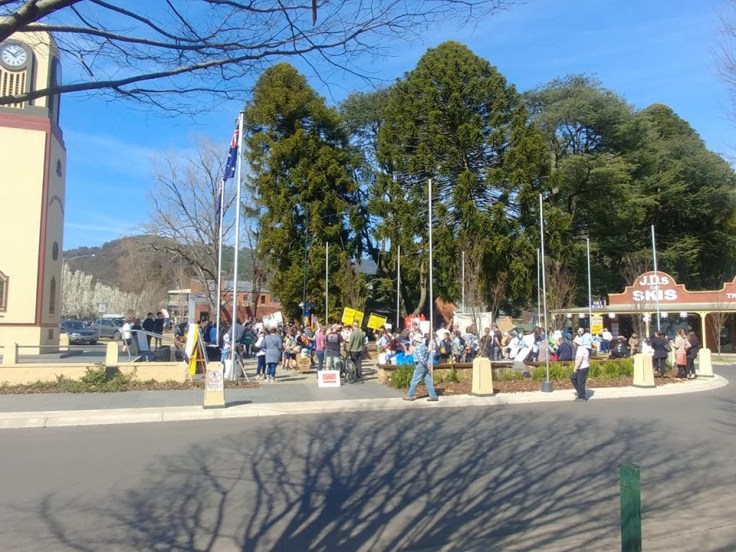
Bright

70930555_10157878752828487_6332387905914273792_n

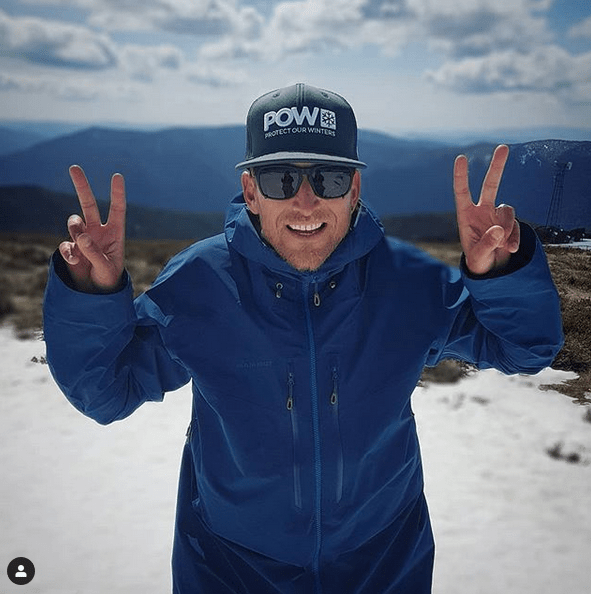
Image below: Josh Fletcher, Protect Our Winters Australia. Mt Buller.
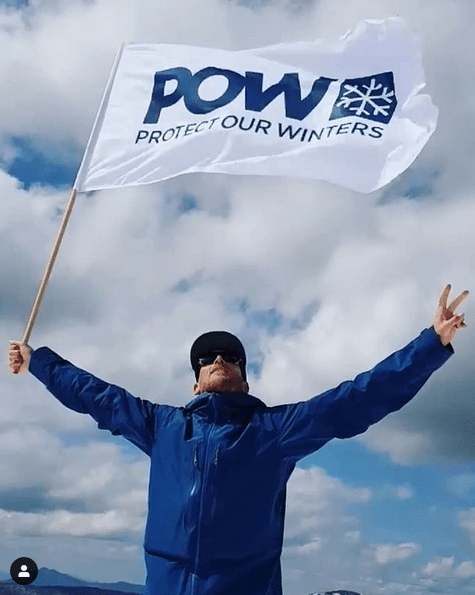
Josh

Josh2

Image below: Bright Brewery.

‘CLIMATE ACTION // We’re made for the mountains – we live, play, and brew here. Climate change is already impacting our mountain home and the future threats to the places we love are terrifying. Massive kudos to the students of Bright P-12 College for organising today’s local #climatestrike Our mountains are definitely #placesworthprotecting

Bright brewery

Image below:

marncat

Look at this beauty. It’s seriously #worthprotecting Change needs to happen. #placesworthprotecting #climatestrike

Marncat

Image below:

hannahmajigy

#placesworthprotecting . Supporting the #climatestrike because #weallneedwinter . @scottmorrisonmp we need climate action to protect these places

Hannah
Image below: Brett Webb.
Brett Webb

wildernesssports

The @globalclimatestrike is happening TOMORROW (Friday 20th) There are over 100 events across Australia happening but if you can’t be there, why not post a photo of your favourite place. Even better, one of yourself in your favourite place. Tag yourself in to #ClimateStrike. Add your voice.
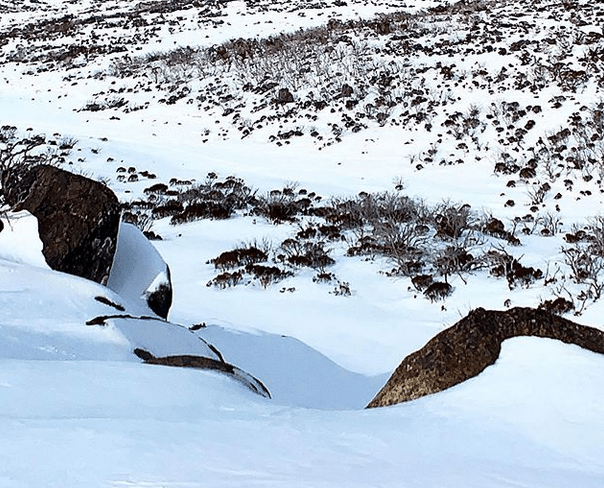
wilderness sports

Image below:

snowsafetyaustralia

Mining was a big part of my earlier life. Paid for my way of life for a long time. Whether its coal, iron ore or limestone, these industries are still needed but there are now options to reduce our carbon footprint. I now work in renewables for a large wind farm generating zero emissions and with no need to fuel the turbines with anything other than free wind it’s a win – win scenario for the generation market.
Dont let the government tell you it’s fake news.
#protectourwintersaus

Adam W

Image below:

brodyleven

Let’s go absolutely huge tomorrow. globalclimatestrike.net for a march near you
pics by @jamesqmartin
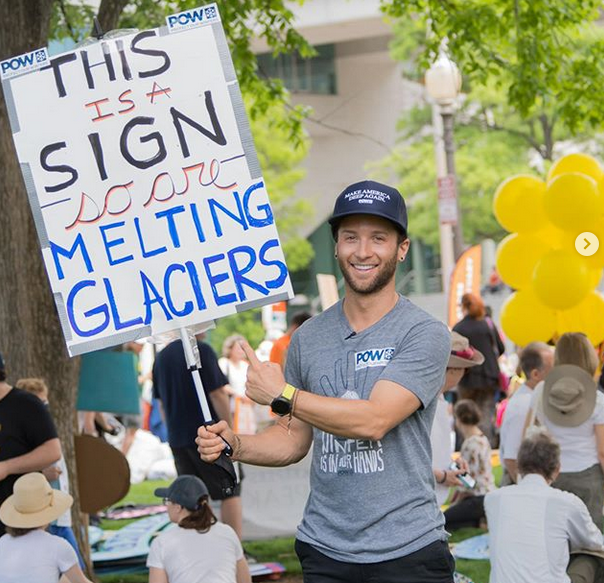
Brody

Image below: Mountain Kitchen, Dinner Plain.

Students from the Alpine School heading to the climate event.
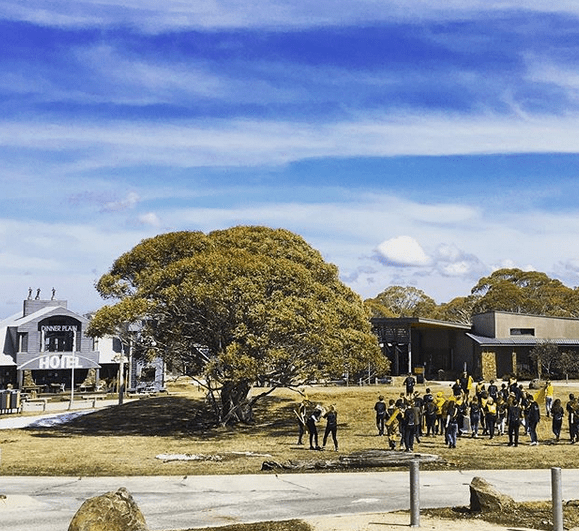
Mtn Kitchen

handmade.2483

Let’s protect all of are favourite places#climatestrike #placesworthprotecting

handmade

Image below:

patagoniaaus

Todays #climatestrike in Sydney was incredible. We’re inspired by the next generation that lead the march.
Our leaders can’t ignore their push for action.
There’s no room in government for climate deniers.
#answerwithaction 📷 @jarrahlynch
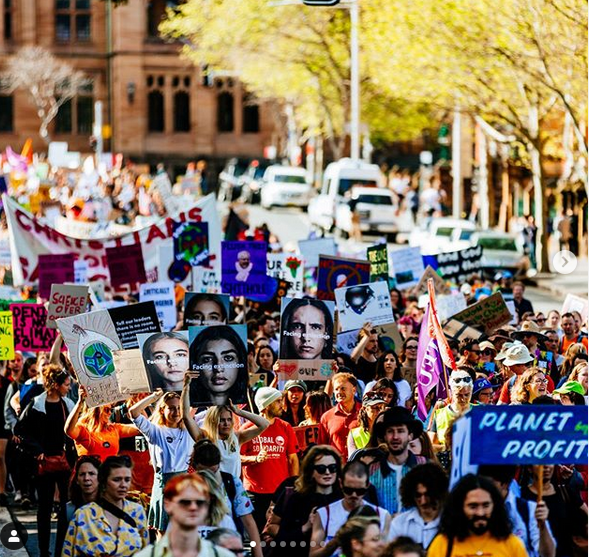
Patagoniastrike

Image below: From Respect The Mountain (Hobart).

Protecting our winters. The people’s mountain – dogs are welcome too!
Thankyou to all the climate action strikers who were out there in force yesterday.

Image Credit: Gary Tew, kunanyi/Mt Wellington 2018.

kunanyi

Image below:

thenorthface_aunz

A number of our stores will be closing today to support Global Climate Marches across Australia and New Zealand.

TNF

“I support action on climate change not just because I want to protect the beautiful places in which I play, but because it is basic common sense to care for the one planet we have. Climbing and Paragliding, my two favorite sports owe many of their evolutions to advancements in efficiency and technology – the same innovations that are helping with the climate crisis. I’m proud to be on The North Face Team that shares these values and is making meaningful action to reduce their impact and inspire others to do the same.” Words by @cedarwright

Image below: Paddy Pallin

Paddy Pallin is proud to support the Global Climate Strike.
⠀⠀⠀⠀⠀⠀⠀⠀⠀
Join us, we are striking for the future of our planet!⠀⠀⠀

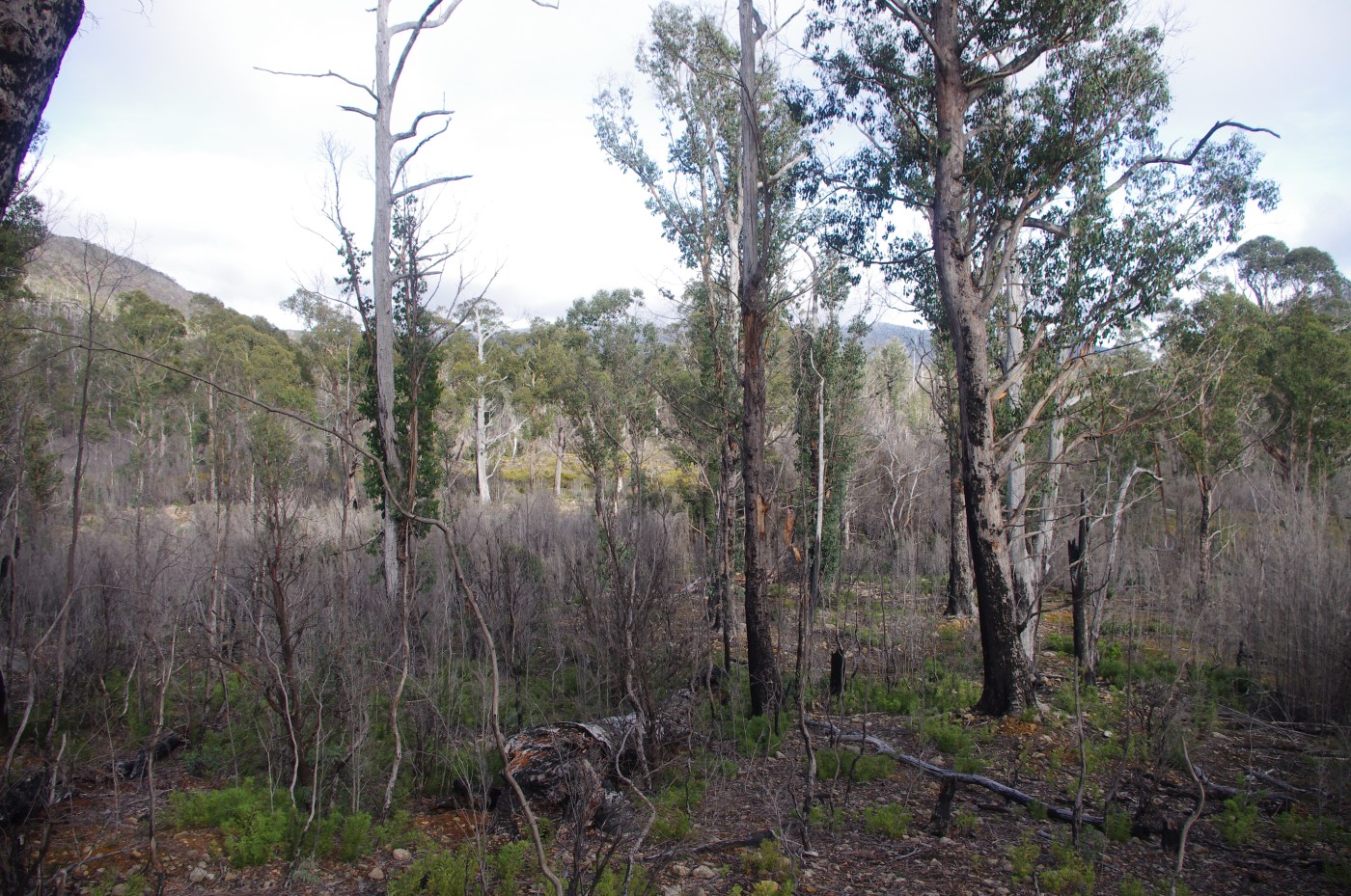
Paddy Pallin

‘This is what climate change looks like’. Impacts on mountain environments

The Climate Council have released a report called This is What Climate Change Looks Like (available here). It has lots of good, albeit depressing, information about how climate change is already impacting on natural environments across the continent, including mountain environments.

Mountain Journal has covered these issues before – increased fire risk to Gondwanic remnant vegetation in Tasmania, threats to iconic species like the Mountain Pygmy Possum and loss of snowpack, but this is a succinct collection of stories about impacts on wild nature in Australia.

The report notes that ‘droughts, ‘dry’ lightning strikes and heatwaves are transforming many Australian forests’ including the alpine ash and snowgum forests that we know and love.

Continue reading “‘This is what climate change looks like’. Impacts on mountain environments”

Protect Our Winters sets campaign priorities

Protect Our Winters (POW) is the leading climate advocacy group for the winter sports and outdoor community. It is a collective of over 60 million people across 12 countries who ‘speak out, show up and act against climate change to ensure the protection of our unique alpine playgrounds’.

The Australian chapter of POW was launched in 2018 and seeks to mobilise the Australian winter and outdoor sports community to take positive action towards climate change. It’s focus in the first two years is to engage and educate the winter and outdoor sports community about the impacts of climate change, and drive positive climate action through meaningful partnerships across all levels of the winter and outdoor sports industry.

It has also recently identified four key campaign areas that it intends to focus on in Australia:

Continue reading “Protect Our Winters sets campaign priorities”

Mt Hotham community supports the #climatestrike

To everyone who cares about a safe climate future, this is your invitation to join the Global #ClimateStrike on September 20 – people around the world standing up to confront the climate crisis when our politicians won’t.

Australia is already on the frontlines of the climate crisis. Prolonged drought. Flash flooding. Catastrophic bushfires, severe cyclones and heatwaves. But just at the time when we need to ramp up climate solutions, our Government wants to open the floodgates to new coal, oil and gas projects that put all of us at risk.

So, on September 20, three days before the UN Emergency Climate Summit, school students are inviting everyone to join us for our biggest ever global #ClimateStrike.

And members of the Mt Hotham community will be supporting the strike.

Continue reading “Mt Hotham community supports the #climatestrike”

Protect Our Winters film night at Hotham

Sunday September 8.

The Snow Bird, Hotham Central, 6.30 – 9pm.

Protect Our Winters (POW) is mobilising the outdoor sports community against climate change. It was founded by the legendary snowboarder Jeremy Jones and is active across North America and Europe. POW is now taking off in Australia.

Come along to this session to hear what’s happening, how you can support POW, and how to get involved. Great speakers and two films. All welcome.


Featuring presentations from:

Josh Fletcher, lead advocate for Protect Our Winters (POW) Australia

Bill Barker, head of Hotham ski patrol, Patagonia ambassador

Niamh O’Connor Smith, 16 year old skier and student climate striker

PLUS

Home in the blizzard by Stephen Curtain

Skiing needs and gives balance. Feeling and understanding that helps to know balance and equilibrium in the landscape, even in the wildest blizzards. Antarctic and alpine film maker, guide and educator Stephen Curtain shares a bold map of hope and action for a snowier, cooling planet when we choose to ‘look for the gaps, not the trees’.

Treeline, the new film from Patagonia:

treeline‘Treeline takes us to the enshrined cypress groves of Japan, the towering red cedars of British Columbia, and the ancient bristlecones of Nevada, following a handful of skiers, snowboarders, scientists and healers as they move through these giants and explore a connection older than humanity.’

Entry by donation. All proceeds direct to POW Australia.

Plus a screening of 30 second stories on what protecting winter means, as created by participants from the POW film-making workshop and ski tour led by Stephen Curtain happening during the festival. There will be a people’s choice award for a prize from a POW Australia partner.

Facebook event page.

POWFollow POW on facebook.

Supported by Patagonia, and presented as part of the 2nd Victorian backcountry festival.


Continue reading “Protect Our Winters film night at Hotham”

Increased bushfire risk the New Normal

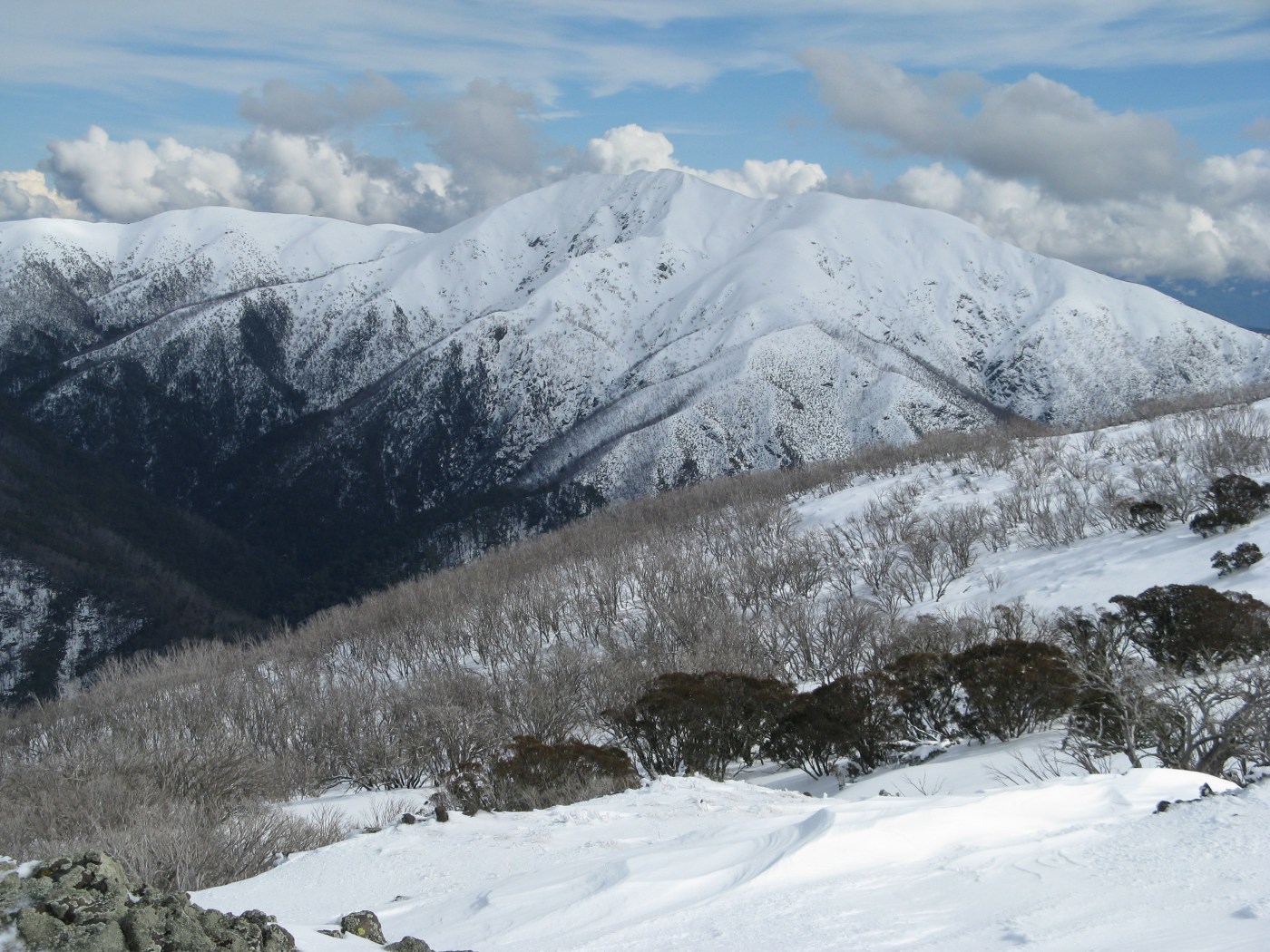
Australian summers are getting drier and hotter as the Earth’s temperature rises and this is leading to longer and more intense bushfire seasons. On the mainland, we are seeing more frequent fires in the mountains – for instance, in the Mt Hotham area we have seen three serious fires in less than 15 years, which has devastated huge areas of snow gum and alpine ash forests. Snow gum forests are changing under the onslaught of more frequent fire regimes.

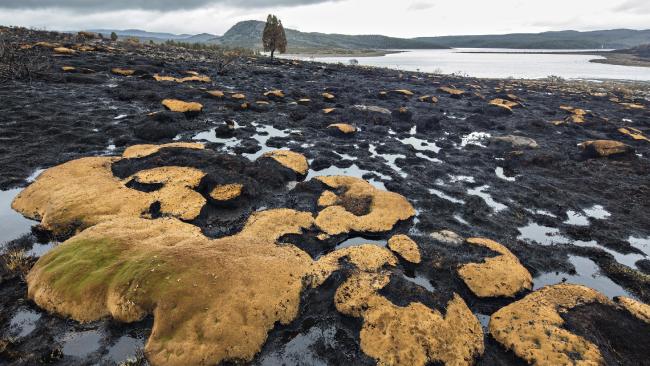
In Tasmania, huge fires burnt across Tasmania for months last summer, threatening fire sensitive communities. More than 100,000 hectares were burnt in Victoria. As is becoming increasingly obvious, this is the ‘new normal’. This has implications for landscapes and water supplies, how we manage fires, and how we live in the landscape. This is happening in forests around the world, and people who have traditionally lived in forested areas are having to re-assess how they can do this safely in a time of heightened fire risk.

Continue reading “Increased bushfire risk the New Normal”

Climate change threatens Melbourne’s water and mountain ash forests

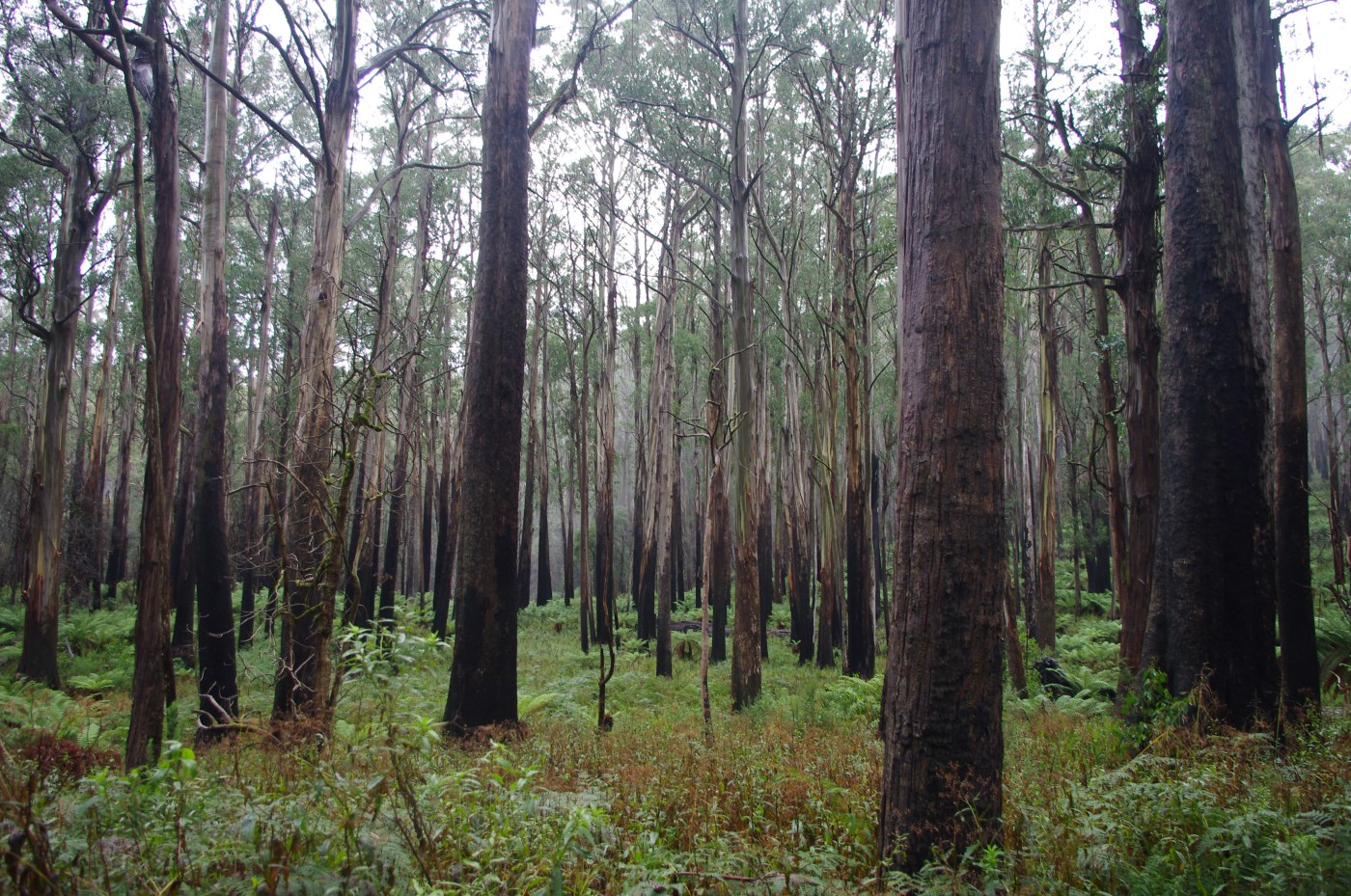
The Central Highlands to the east of Melbourne are home to incredible stands of Mountain Ash (Eucalyptus regnans). They are valuable in their own right and also offer space, quiet, recreation, and are a home to a wealth of animal species. The catchments of the Central Highlands also provide much of Melbourne’s drinking water.

According to new research, Melbourne faces a rising threat to it’s water supplies from climate change as higher temperatures diminish inflows while pushing up demand.

A paper published by Environment Research Letters shows a “substantially” amplified risk for Melbourne’s water availability if global temperatures rise 2 degrees above pre-industrial levels rather than the 1.5-degree target set by the Paris climate agreement.

Continue reading “Climate change threatens Melbourne’s water and mountain ash forests”

How has Tasmania’s climate changed?

Climate change is already affecting the landscape of Tasmania through more intense fire seasons. This threatens species like the Pencil Pine. In the last few decades, there has been an increase in fires caused by dry lightning strikes, and this has been impacting on vegetation types that are not fire adapted.

A recent review of how much climate change has already impacted on Tasmania highlights how broad these effects are on the landscape.

Erin Cooper, writing for the ABC, identified the following impacts that are being felt in mountain areas.

Continue reading “How has Tasmania’s climate changed?”

Snow gum die back linked to climate change

Many people know the story of the Pine beetle which has been devastating huge areas of forest across North America because of climate change.

In brief, the mountain pine beetle’s ability to survive and multiply rapidly is highly sensitive to temperature and precipitation. Warmer average temperatures allow pine beetles to complete their life cycle in just one year instead of two. Rising minimum temperatures in the Colorado Rockies have allowed more beetles to survive the winter and from 2009 to 2010, mountain pine beetle activity increased more than 10-fold, infesting 200,000 acres (80,000 hectares) on the Front Range, and killing off millions of hectares of trees in North America.

There is a similar scenario emerging in Australia’s mountain forests, although it is much less known.

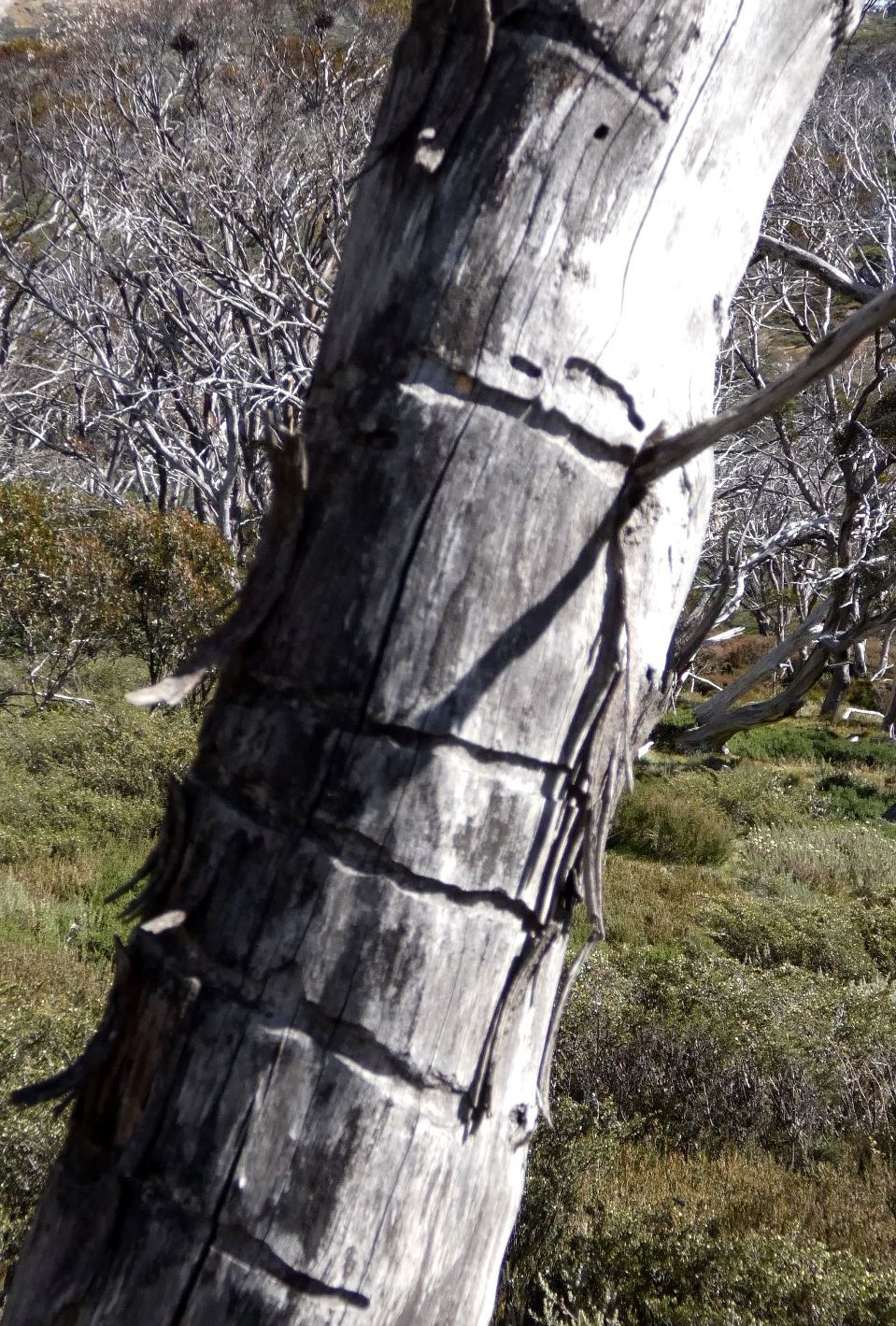
Snow gums are experiencing dieback in Kosciuszko National Park, largely because of the impacts of the native longicorn (or ‘longhorn’) beetle. These beetles prefer to lay their eggs on moisture-stressed trees and, in warmer weather, the longicorn beetle can hatch and grow up to 75% faster.

According to work published in the Resort Roundup winter 2019 edition (produced by the NSW government), ‘reduced snowfall, high summer temperatures such as January 2019 where temperatures at Thredbo top station were 4.4oC above average, and a reduction in autumn rainfall mean that snow gums are under much greater moisture stress than in the past.’ This means that larger beetle populations are causing more frequent dieback of some snow gum trees.

So far, impacts seem to be limited to areas in the Snowy Mountains among two distinct subspecies of snow gum – in the Guthega and Perisher areas and parts of Thredbo. The main species affected is Eucalyptus niphophila. Additionally, the population of Weeping snow gum Eucalyptus lacrimans in the Long Plain area appears to be significantly impacted by longicorn beetle. At this point it does not seem that the infestation is affecting the widespread E. pauciflora subsp. pauciflora.

Apart from the visual and ecological impacts of losing these important trees, increased dieback will lead to an increase in fire risk in alpine resorts and other areas within Kosciuszko National Park. With increasing climate change, it is expected that the longhorn beetle will continue to increase in numbers and therefore its associated impacts on snow gums will also become more extensive.

This is yet another compelling reason for us to be taking serious action to respond to climate change!

Continue reading “Snow gum die back linked to climate change”

Environmental week at Thredbo

Environmental week is an annual event that happens at Thredbo resort in NSW which is ‘dedicated towards driving awareness to our guests, community and beyond about all of our environmental initiatives in place and what we can all be doing as a community to protect winter and Thredbo’.

It will happen from July 22 – 28, and features talks and presentations, a hike to Mt Kosciuszko, and a fund raiser for tree planting.

Continue reading “Environmental week at Thredbo”

Thredbo is powered by Renewable Energy

Climate change poses an existential threat to winter as we know it. It  is already having a negative impact on Australia’s mountain ranges (for instance, snow pack has been in decline since the late 1950s). It will also impact on the businesses that rely on good winter snow. At present the Australian snow industry generates more than $1.8 billion a year and employs more than 18,000 people. Yet under current greenhouse scenarios, climate change could cut Australia’s ski season by more than two months. If we don’t start to slow down climate change, it means the end of skiing as we currently know it.

There are three response which are required to this threat if ski resorts want to have a hope of long term viability: they need to act to mitigate (or reduce) their greenhouse gas emissions). They need to adapt to the changes that are already locked in (for instance through investing in snow making equipment or highlighting their ‘green season’ activities). And hopefully they will also use their business and political power by advocating for all levels of government to take meaningful action on climate change.

In what is being described as ‘an Australian snow industry first’ (1), Thredbo resort in NSW has announced that it has signed a deal that will ensure that ‘all its major resort operations are now powered by renewable energy’ provided by Red Energy.

Continue reading “Thredbo is powered by Renewable Energy”

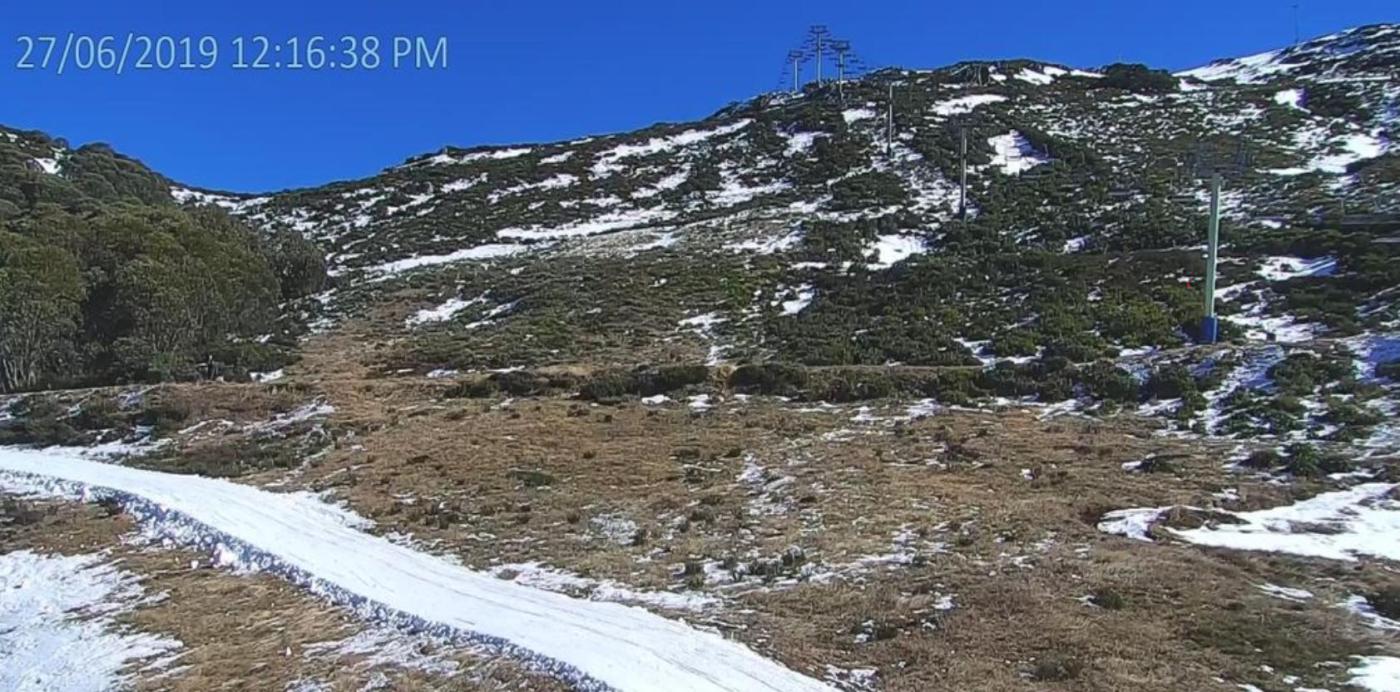
This is what climate change looks like

Yes, Australia does have erratic winters.

Yes, the forecast was suggesting that the season would start late and be mediocre to average.

And yes, we just had two awesome winters, so we would have been very lucky to have three in a row.

But the first month of winter 2019 has been the sort of winter you would expect under climate change scenarios.

Continue reading “This is what climate change looks like”

Blog at WordPress.com.

Up ↑