Search

Mountain Journal

Environment, news, culture from the Australian Alps

Tag

climate change

Lake Tahoe Resort to run on 100% Renewables

Next winter, Squaw Valley Ski Corporation, who have two resorts at Lake Tahoe in California, plans to source all its electricity from solar and other renewable sources. This will make it the first ski resort in the USA to power its operations without fossil fuels.

Continue reading “Lake Tahoe Resort to run on 100% Renewables”

Outdoor industries ‘taking on global warming when our country isn’t’

The biannual Outdoor Retailer trade show in the USA is an enormous event. This year it has relocated to Colorado in protest at the state government of Utah supporting moves by the Trump administration to gut protection for federal conservation reserves. This shift marks a growing willingness to act to protect wild lands.

Continue reading “Outdoor industries ‘taking on global warming when our country isn’t’”

‘Ski resorts cling on against climate change’

Mountain Journal often covers developments in the snow industry relating to climate change – both in terms of the expected impacts of global warming on snow and resorts, and positive responses by resorts to reduce their emissions.

As we know, action here in Australia by resorts is sketchy at best and most are still in denial about the reality of the change that is coming.

This recent piece by Bob Berwyn from Deutsche Welle (Germany’s international broadcaster) looks at the limitations of relying on artificial snow making as a buffer against climate change. Looking mostly at Europe, the key message is really just common sense – it will be the lower altitude resorts that will be hit first. That’s directly applicable to the reality that Australian resorts face given our low elevation mountains and moderate latitudes.

Continue reading “‘Ski resorts cling on against climate change’”

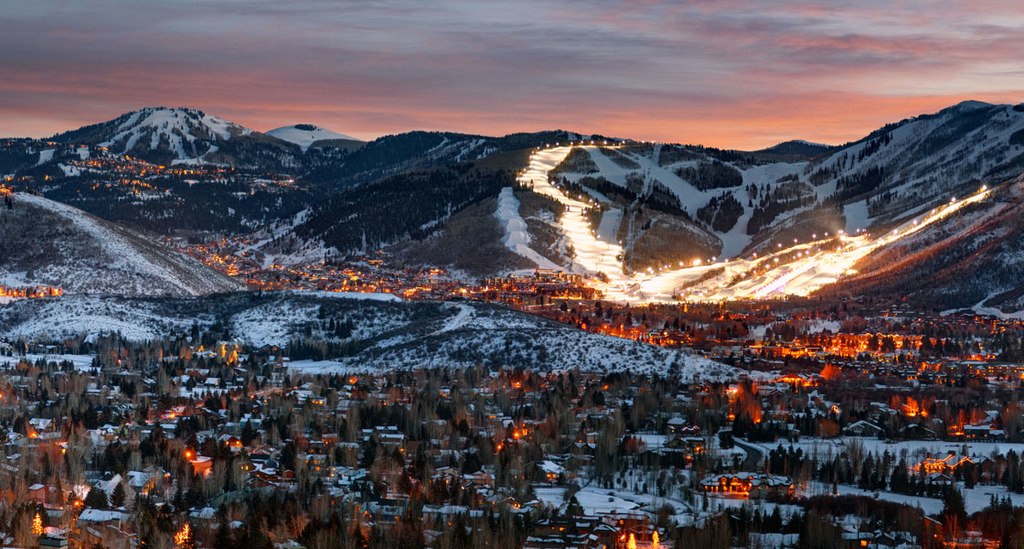
Park City has pledged to reduce it’s carbon footprint to zero by 2032

Climate change is bearing down on us. The threat posed to people, economies and natural ecosystems is of a level only surpassed by the risk of nuclear war. For those of us who love mountains and winter, the threat is obvious enough: shorter, more erratic snow seasons.

While here in Australia we face a dwindling snow pack, it’s the same story in ranges around the world. For instance, in the Northern Cascades National Park, which contains 1/3 of the glaciers in the Lower 48 states of the USA, the glaciers have lost a half of their mass over the past century. Since 1955, the mountains of the western ranges of the USA have lost 23% of snowpack.

This is having a direct impact on local economies. Low snow seasons in the western USA between 2000 and 2010 cost the ski industry more than US$1B in lost revenue.

Many resorts and individual players in the snow industry have been stepping up and joining the fight against climate change. Park City in Utah is one of the latest.

Continue reading “Park City has pledged to reduce it’s carbon footprint to zero by 2032”

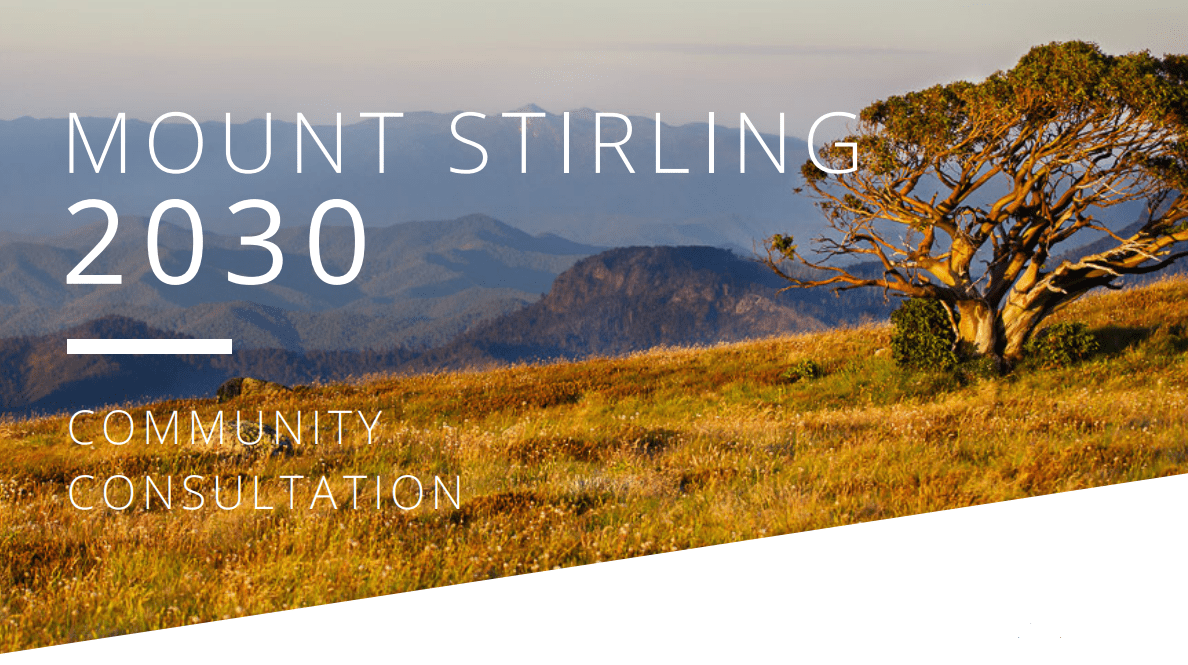
Mount Stirling in 2030 – Draft for Consultation

Mt Buller and Mt Stirling Resort Management and the Mount Stirling Stakeholder Group are preparing a contemporary vision for the Mount Stirling Alpine Resort. Mount Stirling 2030 is a vision that reflects community and stakeholder aspirations, celebrating the social and environmental values of the mountain and addressing challenges of climate change.

Mt Buller Mt Stirling Resort Management seeks your feedback on Mount Stirling 2030, which is being prepared to guide future management decisions for the Mount Stirling Alpine Resort.

The consultation period is open between Monday 18 December 2017 and 5pm Sunday 21 January 2018.

Continue reading “Mount Stirling in 2030 – Draft for Consultation”

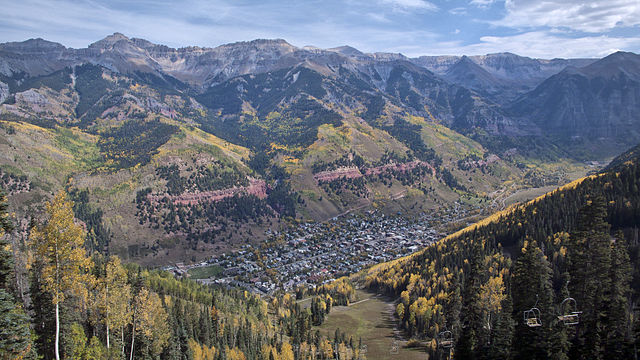
Telluride aims for a carbon neutral target

With Donald Trump winding back climate action at home, seeking to reopen coal mines, restart offshore drilling and withdrawing from the international climate agreement, many US states and cities are stepping up and taking action to reduce their emissions.

There are many inspiring stories from across the USA that have emerged since Trump’s election. But there are also decades worth of excellent and determined work in many cities and towns. The recent decision by the Town Council of Telluride in Colorado to “adopt a goal for the entire community of becoming carbon neutral” comes on the back of more than a decade’s efforts to reduce emissions.

Telluride is a former mining town in the south west of Colorado’s Rocky Mountains. It is located in a remote part of the state, in a dramatic canyon surrounded by peaks and is now famous for its skiing. Resort towns are often famous for extravagant lifestyles, but permanent residents often live with a much lower carbon footprint than ‘fly in, fly out’ visitors.  It has a permanent population of about 2,500 and a large amount of tourist and holiday accommodation (you might enjoy the mockumentary ‘The Lost People of Mountain Village’, which takes you through the ‘lost landscape’ of the purpose built Mountain Village, located very close to Telluride, which is often largely deserted outside of peak holiday season).

Telluride has a long history of working to reduce the impact of it’s carbon emissions. Recently Alec Jacobson of Mountain Independent, wrote an excellent summary of the town’s efforts since 2006, which is available here.

With the growing number of regional towns in north eastern Victoria working to reduce their emissions through community action and good policy, I wanted to share some of the learnings from the Telluride story as I understand them.

Continue reading “Telluride aims for a carbon neutral target”

Mountain Ash forests in VIC face ‘almost certain collapse in the next 50 years’

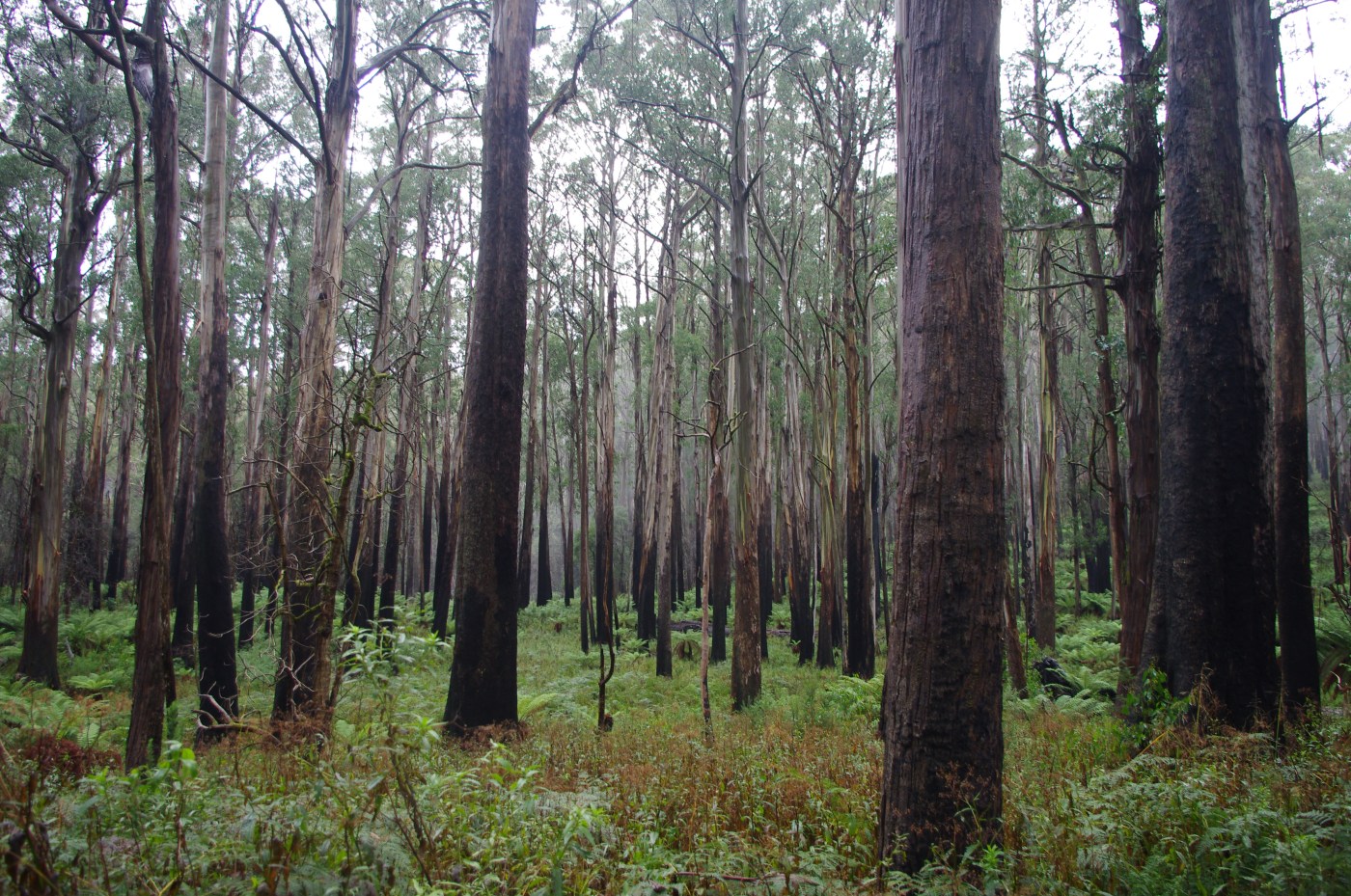
Mountain Ash (Eucalyptus regnans) is the ‘signature’ tree of the damp montane forests of south eastern Australia. Generally growing in temperate areas receiving over 1,200 millimetres rainfall a year on deep loam soils, this species is the tallest flowering plant on earth.

They have been heavily logged for well over a century, and massive areas have been burnt in wildfire. Now climate change and extreme fragmentation of habitat is driving Mountain ash forest in south-eastern Australia towards ‘almost certain collapse in the next 50 years’, according to an assessment by researchers from the ANU.

The key message in this research is:

Researchers “modelled 39 different scenarios and found there was a 92 to 99.99% chance of collapse of the mountain ash forest in Victoria’s Central Highlands by 2067”.

It is also important to understand that there is still a “critical window where we can act to prevent the loss of the mountain ash forest ecosystem”.

Continue reading “Mountain Ash forests in VIC face ‘almost certain collapse in the next 50 years’”

New Zealand’s winter is shorter by a month over 100 years

We all know that climate change poses a grave threat to the amount of snow we will be seeing in Australia in coming years. Historically, average snow depths in the Kosciuszko National Park have shown a downward trend over the last 60 years. Another detail in the story of overall decline in snow pack is the ever later arrival of reliable snow (for instance, how often do you get to ski or ride on ‘Opening’ weekend?).

New research from New Zealand/ Aotearoa collaborates the observation that winter is arriving later and leaving earlier.

Continue reading “New Zealand’s winter is shorter by a month over 100 years”

The outdoor industry stands up to defend the Wild

What level of threat do we need to experience before we act?

The evidence that climate change is bearing down on us is absolutely compelling. And it is clear in regards to what is coming: the mountains and wild country that we love, which feeds our spirit and helps define who we are, is facing a grave, and potentially existential, threat. Without serious and concerted action to radically reduce greenhouse pollution now, we will experience shorter, more erratic winters, and longer and more frequent fire seasons. It will mean more frequent drought, hotter temperatures, and species pushed up the mountains until they run out of habitat.

Yet for the most part we continue with business as usual. The clock keeps ticking and we keep looking out the window, possibly hoping someone else will do something. The silence of the people who love the mountains – skiers, riders, hikers, climbers – and the industries who survive by supplying these communities – ski resorts, outdoor gear and tour companies – is generally deafening.

That’s why we have to be grateful wherever there is a rumbling of change, where companies and constituencies stir, get organised and speak out. One recent example comes for the USA, where the outdoor industry has become galvanised in opposing plans to undo protections for many (currently protected) wild places.

Continue reading “The outdoor industry stands up to defend the Wild”

Increased fire frequency is changing snow gum forest structure

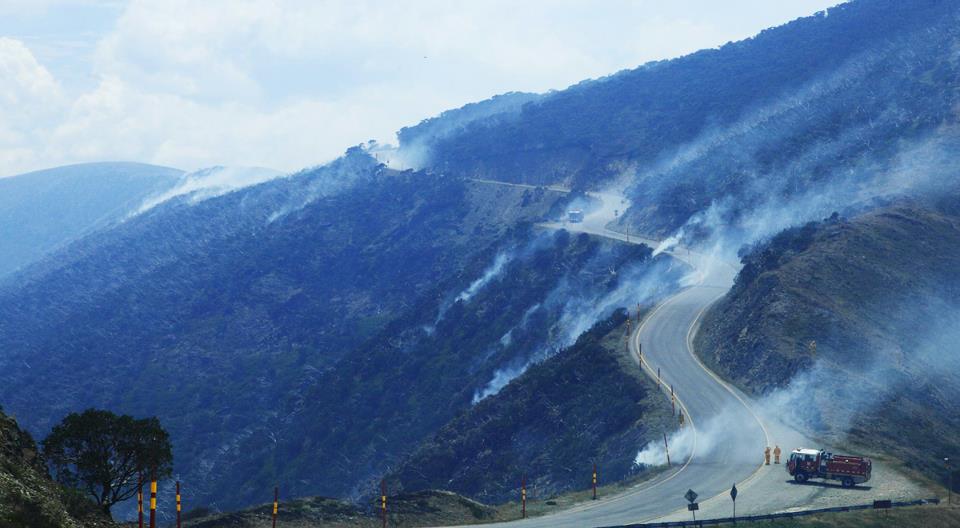
Mountain Journal has often reported on the impacts of climate change enhanced fire seasons on the mountains of Australia and, in particular, on plant species.

The iconic mountain species of the mainland, the Snow Gum (Eucalyptus pauciflora), has been hammered in recent decades by multiple fires, often with small gaps between fires.

MJ previously reported on work carried out by researchers from Melbourne University who found that ‘over 90% of the Victorian distribution of snow gums has been burned at least once since 2003. What is of greater concern though, is that each of the large fires of the last 15 years has overlapped to some extent, leaving thousands of hectares of snow gums burned by wildfire twice, and sometimes three times’.

They went on to say that higher incidences of bushfires, which are likely due to climate change, are devastating for the usually fire-tolerant snow gums of southern Australia.

Now an updated version of their work has been published in the Journal of Vegetation Science which delves into whether these more frequent and severe fires are leading to higher death rates of individual trees (individual snow gums have the ability to regrow after fire from ground level regrowth – called basal resprouts – but may also be killed). This work was carried out by Tom Fairman, Lauren Bennett, Craig Nitschke, and Shauna Tupper.

Continue reading “Increased fire frequency is changing snow gum forest structure”

Forrest Shearer on climate activism. The first step is showing up.

It’s almost mid October and there’s still plenty of snow out there. The end of the season seems to go on and on. It’s been one of those amazing winters we will talk about for years.

On my local community facebook page, the climate deniers are banging on about how it’s been cold so that ‘proves’ climate change isn’t real, etc. But standing here in mid spring we’re clearly looking to a long hot summer. There are already fires in NSW and Gippsland, and in Queensland consumers are being warned not to set their air conditioners too low for fear of triggering blackouts if we crank up the air con during the expected heatwaves. The Bureau of Meteorology cautions that the dry weather that is happening across much of the continent is expected to continue for the foreseeable future.

A good winter always feels like a dream. Where there is no drought, no fire, just the endless hope that the next storm front will be better than the last, and that urgent need to get out amongst it. Spring brings home the reality of our warming earth. Yes, fire and drought have long been a feature of our landscape (well at least for the last 65 million years or so). But when the Europeans arrived in the headwaters of the Australian Alps there was regular winter snow in places like Harrietville. Already, in a century or so, snow is a fleeting visitor in the sub alpine valleys.

The fact is the world is warming up, and the best available science says humans are the cause of it. So, to truly love our winter landscapes we need to turn that love into visible work: we need to do everything in our power to slow climate change if we are to have a hope of avoiding the worst of what’s coming (of course we have already locked in decades, if not centuries of warming and changed weather but it’s not too late to act).

As a campaigner with an environmental group, I spend much of my time working on climate change and I know so many inspiring people in the movement. As a skier, climber, hiker and very part time MTB rider, I often feel like there are very few inspirations in the Australian outdoor scene who are doing the same work. Sure there are some people who use their profile for the greater good (rugby player David Pocock comes to mind) and some fantastic skiers who do the same – especially local women Nat Segal and Anna Segal.

But generally you have to look overseas for further inspiration. Forrest Shearer is one of those who is really stepping up and putting his shoulder to the campaign wheel (while still getting in 200 days of riding a year!)

Continue reading “Forrest Shearer on climate activism. The first step is showing up.”

1,700 years of climate history in Tasmania’s King Billy Pine

This is a fantastic story. Anyone who has walked in the mountains of central and western Tasmania is probably familiar with the King Billy Pine (Athrotaxis selaginoides). Individual trees can live for more than 1,00 years. It is one of the conifers that are endemic to Tasmania and exists only within a very limited range of habitat. Fire threatens the species (one third of its habitat was burnt in the twentieth century), and climate change is expected to increase the severity of fire seasons in future.

The following article outlines a research project that used core samples from King Billy trees to develop a better understanding of climate in Tasmania in previous centuries. It is available here.

Continue reading “1,700 years of climate history in Tasmania’s King Billy Pine”

Blog at WordPress.com.

Up ↑