Search

Mountain Journal

Environment, news, culture from the Australian Alps

Tag

fire

Snow gum summit tickets now on sale

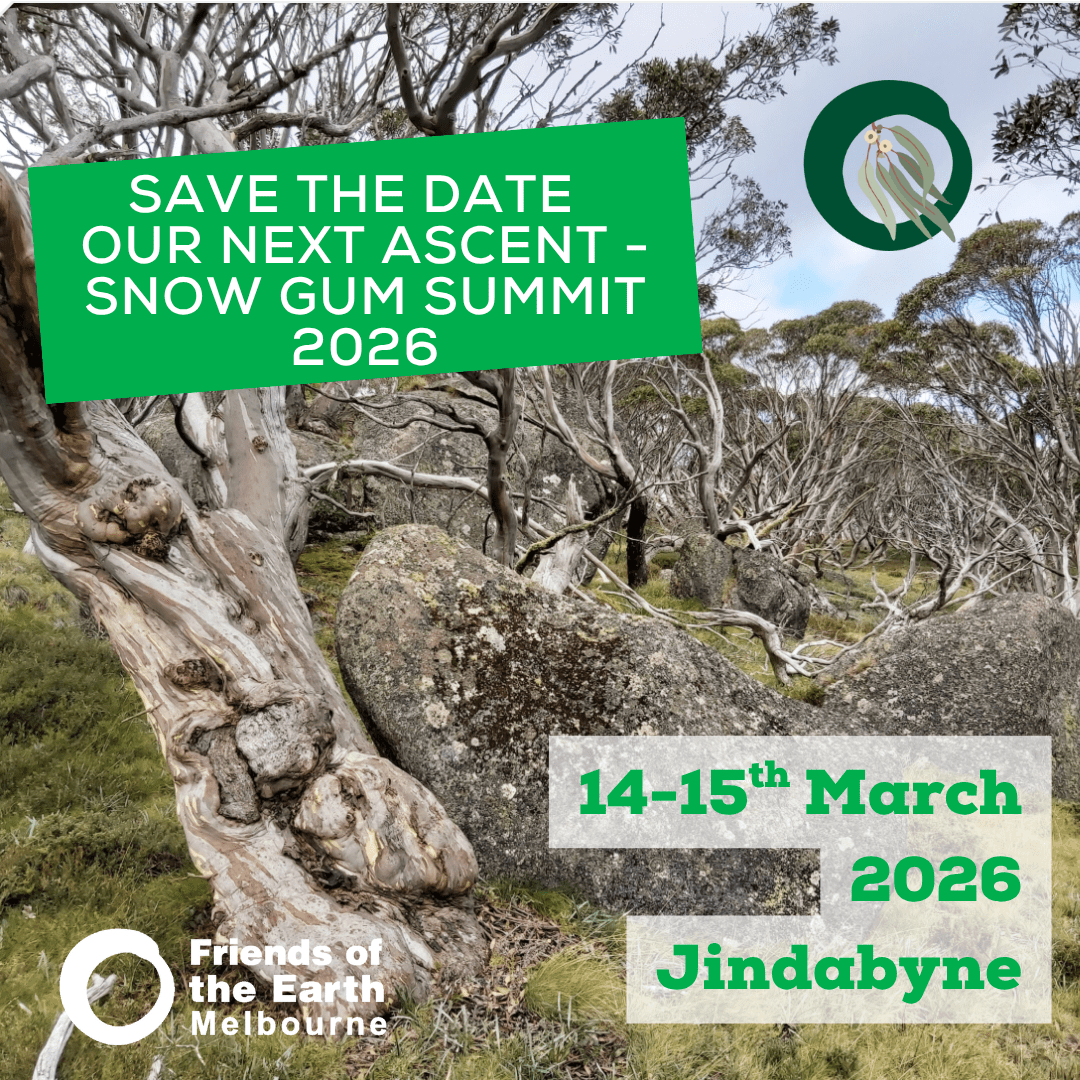
The second snow gum summit will happen on Ngarigo Country in Jindabyne over the weekend of March 14 and 15 next year.

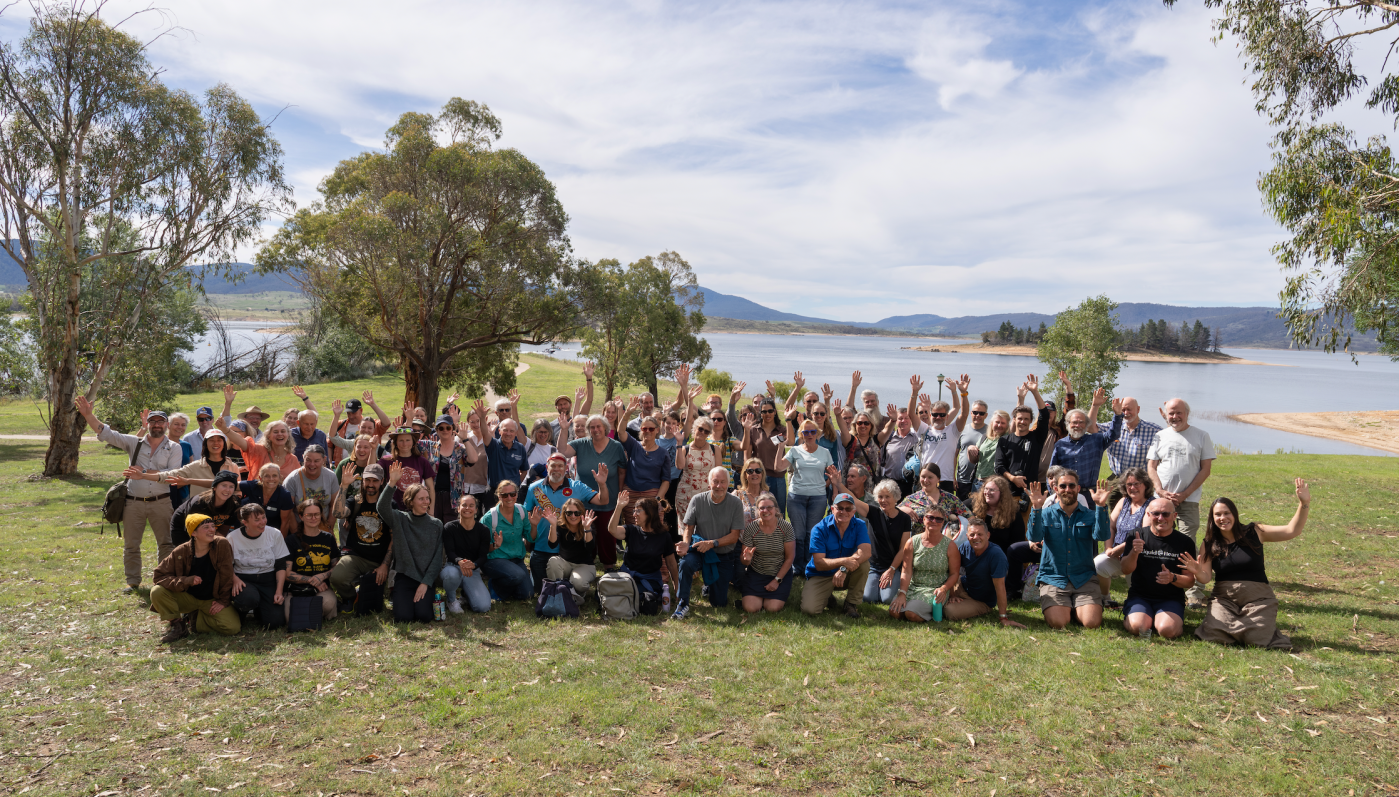
The first summit happened at Dinner Plain earlier this year, attracting about 100 people, who heard from wonderful speakers.

Tickets for the 2026 gathering have just gone on sale. Like the 2025 event, this is expected to sell out, so grab one today if you’re planning to attend.

Continue reading “Snow gum summit tickets now on sale”

Fire: how do we control things when we can’t control things?

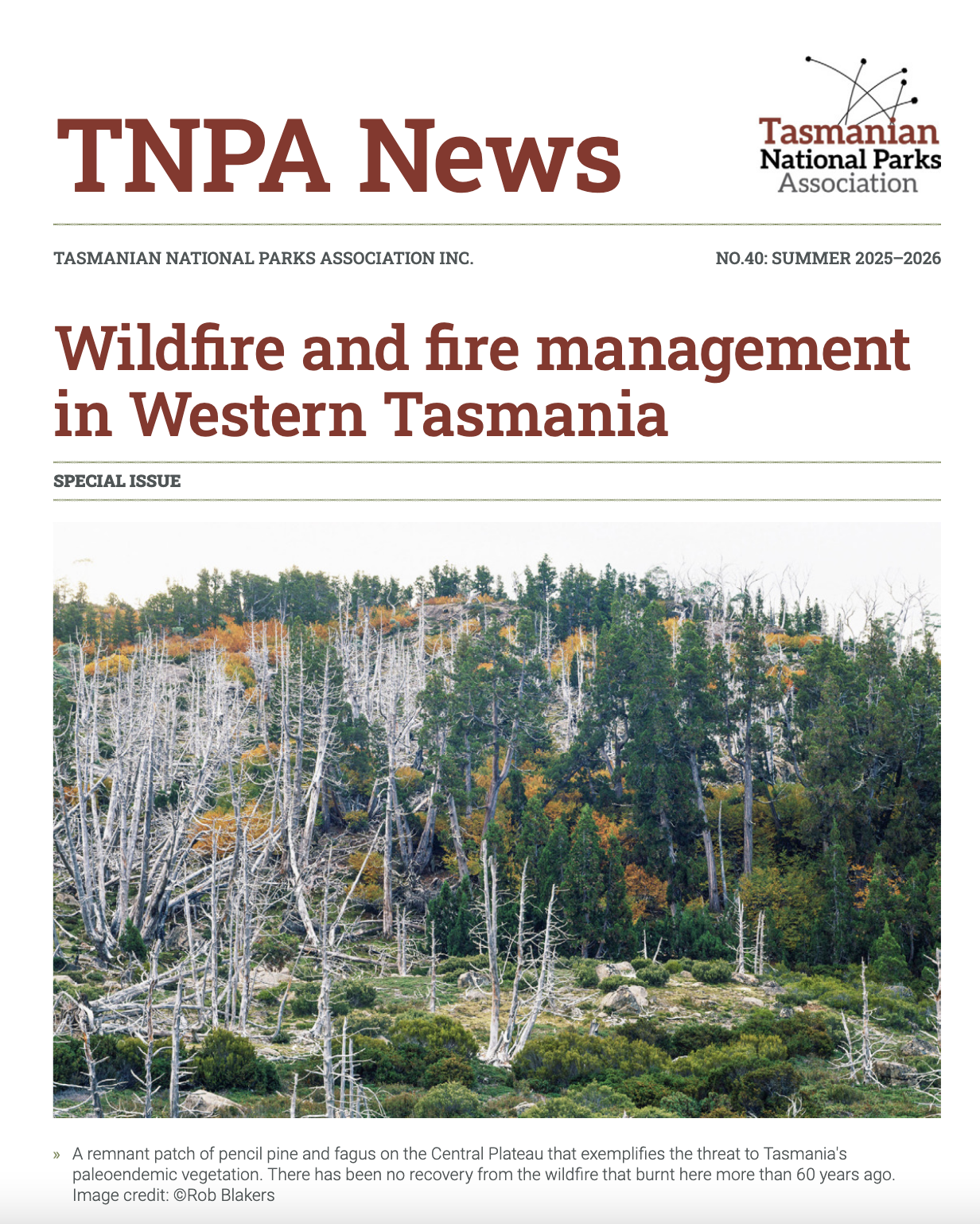
The Tasmanian National Parks Association (TNPA) recently dedicated an issue of their newsletter to the question of how to manage wild fire in Western Tasmania. As has been widely noted, including here at Mountain Journal, fires having been getting more intense in western lutruwita/ Tasmania since a ‘tipping point’ sometime around the year 2000. Since then, there has been an increase in the number of lightning-caused fires and an increase in the average size of the fires, “resulting in a marked increase in the area burnt”.

As TNPA notes in the introduction:

The direct impacts of climate change for Tasmania are changes to weather patterns with corresponding changes to levels of temperature, rainfall and evaporation – most likely a warmer, drier climate overall.

The outcomes of some of these changes are beyond our ability to influence. For example, there are no options for protecting an entire landscape from drought, although it may be possible to save examples of individual species.

As discussed in the following essays, the increased frequency and intensity of wildfires is already resulting in demonstrable impacts on some of Tasmania’s most highly valued species and ecosystems (paleoendemics and alpine ecosystems) and options do exist for how it is managed.

  Continue reading “Fire: how do we control things when we can’t control things?”

Skiing in the Pyrocene

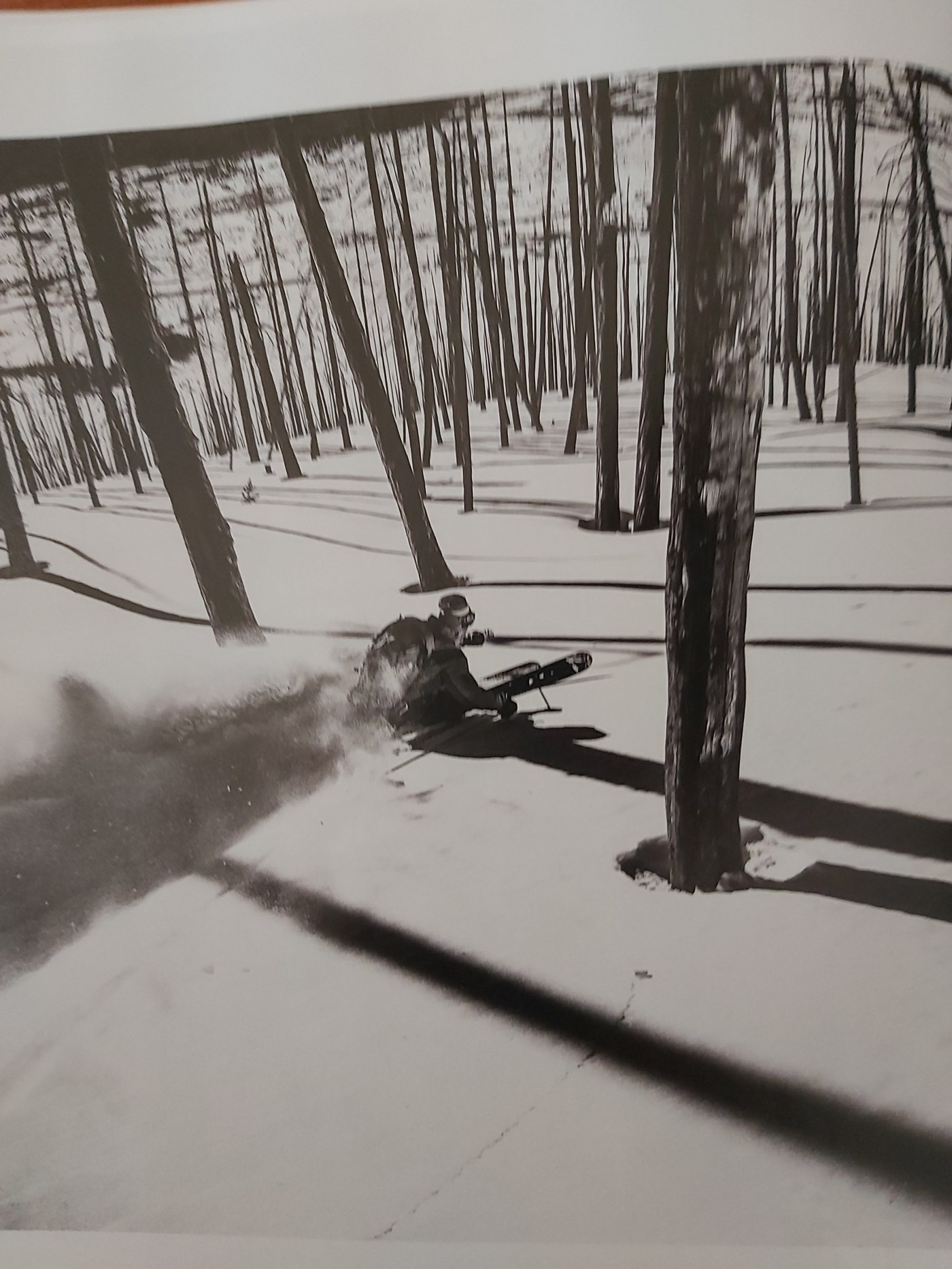
Back in 2022, I helped host an event at Mt Hotham called Climate change, fire and the Alps. I remember being struck by something that was said by one of the speakers. Craig Hore, who at that point was a Ranger in Charge of Fire and Emergency Operations North East District, at Parks Victoria, reflected on his long connection to the mountains. Fire regimes in the high country have changed in the last quarter century, with more frequent and intense fires.

Craig reflected on the fact that since the fires of 2002/3, the mountains have been transformed. With ever more frequent fire and drier conditions, he doesn’t think that we can go back to what the Alps used to be like. In his early days as a Ranger he could drive through older forests for hours. But now so much of the park has been badly impacted by fires. “I doubt we will ever see those old forests again.”

Continue reading “Skiing in the Pyrocene”

Snow Gum Summit will return in 2026

Snow Gum Summit – Next Ascent: Protecting Alpine Landscapes

Friends of the Earth Melbourne is excited to share that we are organising a second Snow Gum Summit, which will take place in March 2026 on Ngarigo Country in Jindabyne. The Summit will bring people together from across the Australian Alps bioregion spanning Victoria, NSW and the ACT, to address the threats facing these iconic landscapes we all know and love.

Snow gum forests and woodlands are under accelerating stress from climate change, fire, and beetle-driven dieback. The widespread dieback is equivalent to that of a mass bleaching event of the Great Barrier Reef. Without bold interventions, these ecosystems face ecological collapse within our lifetimes.

The summit will happen over the weekend of March 14 and 15.

Continue reading “Snow Gum Summit will return in 2026”

FFMV fleet ‘offline’: what does this mean for the high country?

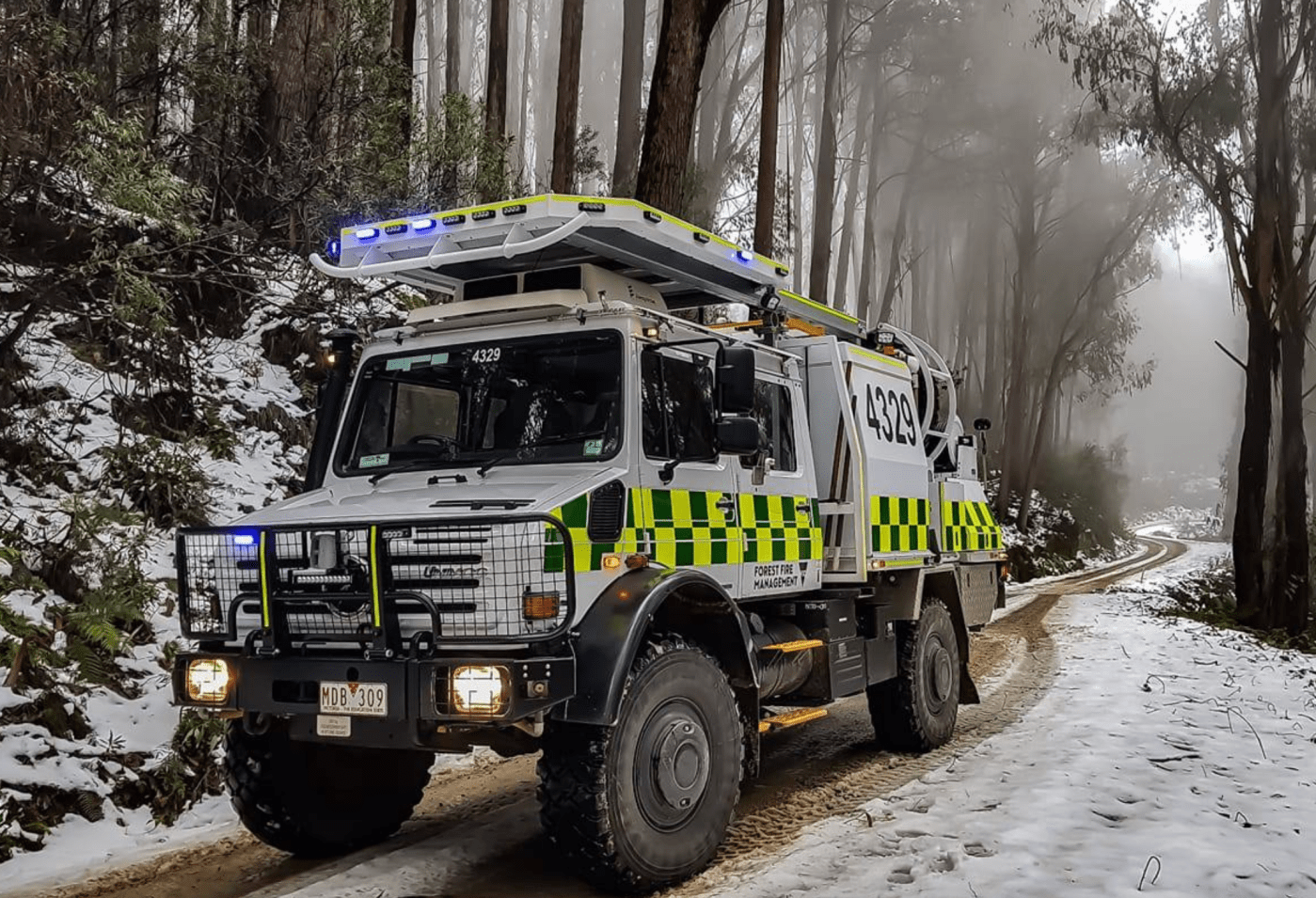
DEECA and Forest Fire Management Victoria have grounded the entire ultra-light firefighting fleet in Victoria just weeks before fire season commences.

Forest Fire Management Victoria (FFMVic) and the Department of Environment, Energy, and Climate Action (DEECA) have grounded their fleet of 290 Mercedes-Benz G-Wagons and 59 Unimogs. According to reporting from the ABC this was due to safety concerns. There are reports of cracking in the chassis of G-Wagons.

What will this mean for fire fighting in the high country?

Continue reading “FFMV fleet ‘offline’: what does this mean for the high country?”

National Climate Risk Assessment – what it means for mountain environments

The National Climate Risk Assessment (the National Assessment) was released this week. Prepared by the Australian Climate Service, it aims to provide an assessment of risk across 8 key systems and 11 regions on the continent, prioritising key risks both within each system and across systems.

This approach aims to provide an understanding of who or what might be at risk from a changing climate, across different areas of the country and paints a national picture for decision makers, to help them prioritise adaptation actions.

A key finding is that Australia’s climate is already changing and will continue to change into the future. The country is likely to experience more intense and extreme climate hazards, and in some cases in areas where people and places haven’t experienced these hazards before.

It is a complex document and while it doesn’t specifically focus on mountain areas, many references are relevant to the mountainous region of the south east and lutruwita/ Tasmania. Risks from climate change include increased stress from higher temperatures, increased fire risk and continued decline in snow pack.

Continue reading “National Climate Risk Assessment – what it means for mountain environments”

Best practise fire fighting

The 2024/ 25 fire season was a long one in south eastern Australia.

While there were large and destructive fires in western Victoria (particularly in the Grampians (Gariwerd) National Park and Little Desert National Park – details here), there were no enormous ones in the mountains. But if you track what happens in the high country, you will recall that we did have a number of significant ones last summer, including the Mt Matlock fire in the Thompson River catchment (which provides drinking water for Melbourne) and the Mt Margaret/ Licola fire, which grew to around 5,600 hectares. There are some resources on these fires available here.

There is a significant story from this latter fire which is worth retelling.

Continue reading “Best practise fire fighting”

VIC government must increase efforts to sustain Ash forests

Ash forests – forest comprised of Mountain Ash, Alpine Ash, or sometimes both – are some of the most iconic forest types in Victoria, or even the world. Covering around 500,000 ha of Victoria and stretching from the Otways to the north-eastern boundary with NSW, their stronghold is in the Central Highlands to the east of Melbourne and through the higher ranges of Gippsland and the north east of the state.

These forests have a complex relationship with fire: these forests can live with some fire – but not too much. Scientifically known as ‘obligate seeders’, after severe bushfire, ash forests are killed, but prolifically regenerates from canopy stored seed. The important point here is that these slowly regenerating forests cannot produce seed for 20 years after they regenerate from fire. This means they are highly vulnerable to shortened fire intervals – the exact challenge that land managers in Victoria are facing with climate change.

Once a mountain ash or alpine ash forest has burnt numerous times, it may eventually fail to regenerate, which can lead to population collapse and a change of ecosystem type. This sounds simple, but ecologically, this is dramatic. A tall forest – high in carbon stocks and habitat – changes rapidly to a short shrubland or grassland.

This not theory. This situation already exists among alpine ash forests. The massive bushfires in 1998, 2003, 2006, 2009, 2013, 2014 and 2019/20 and meant that over 97% of Alpine Ash distribution burnt. These fires overlapped and some areas burnt two to three times across two decades (Fagg et al. 2013; Bassett et al. 2021), leaving 43,000 ha of Alpine Ash forest at risk of collapse (Fairman, 2023).

Mountain Journal has long reported about threats to Ash forests and the need for greater government intervention (check here for some of the articles).

Now people involved in the recovery of Ash forests have recently spoken out about the threats posed to these forests.

Continue reading “VIC government must increase efforts to sustain Ash forests”

Heading off ecological collapse in the mountains

Snow Gums are the classic alpine tree of the Australian High Country. And they’re now at risk.
Snow gums can survive fire. However, climate change driven fire seasons are leading to more frequent fire, which is causing more death of trees and changes to forest structure. Dieback, which is caused by a native beetle, but becoming more damaging due to the effects of climate change, is devastating large sections of the high country. In many places, localised ecological collapse is now occurring.

Continue reading “Heading off ecological collapse in the mountains”

The snow gums of Baw Baw

From Matt Tomkins.

This photo essay was originally published in the Mountain Journal magazine, 2025 edition, available here.

The last few winters I’ve become a bit obsessed with making trips to see the snow gums in  Baw Baw National Park.

Snow gums are beautiful trees. To see them at their best, you really need to be up there in winter. Streaked with incredibly vibrant reds, bronzes, oranges, and yellows and covered \with ice, their vivid colours and twisted forms stand out like flames against a snowy backdrop. It’s one of the most magical things about winter in the Australian Alps, and it’s a sight that can’t be seen anywhere else in the world.

I feel an increasing sense of urgency about making these trips.

Continue reading “The snow gums of Baw Baw”

Planned burn in biodiversity hotspot

This summer has seen sustained community campaigns against specific fuel reduction burns, from Flowerdale to Gippsland. Now Friends of Bats and Habitat have raised the alarm about a large burn which is planned for the Mitchell River National Park.

Roaring Mag: There are so many redflags with this remote 1,875 ha Forest Fire Management Victoria (FFMV) burn which is expected to be ignited within ten days in the Mitchell River National Park. A rapid desktop survey brings up a whole of suite of threatened, rare and endemic flora and fauna records within this burn site. Dropping off cliffs are waterfalls, sheltered narrow gullies, large areas of old growth forest, and the most southern occurrence of warm temperate rainforest … If you went looking for a Spot-tailed Quoll, this is where it might be.

Continue reading “Planned burn in biodiversity hotspot”

A report from the snow gum summit

Each year it gets a little harder to ignore the impacts of climate change. For us mountain folk, the obvious signs are the more erratic winters, the dwindling snowpack, and the longer fire seasons that, increasingly, disrupt our summers.

Every natural ecosystem on the planet is being impacted by climate change. In the Australian high country, the two most obvious victims are alpine ash and snow gums. It is impossible to miss the walls of grey dead trunks and the thick and flammable regrowth as you drive up into the mountains from any valley town. Climate change is making our fire seasons longer and snow gums are increasingly being burnt beyond their ability to recover. Research from Latrobe University[1] shows that ‘long unburnt’ snow gums are now ‘exceedingly rare’ in the Victorian Alps, comprising less than 1% of snow gum forests.

And dieback is now killing thousands of trees. Dieback is a natural phenomena, caused by a native beetle. However, climate change appears to be ‘super charging’ the scale of the impact. This is because winters are shorter and warmer (meaning more beetles survive the cold months) and summers are hotter and drier (meaning trees are more water stressed and less able to produce the sap that acts as a defence against beetle infestations).

Continue reading “A report from the snow gum summit”

Blog at WordPress.com.

Up ↑