Search

Mountain Journal

Environment, news, culture from the Australian Alps

Tag

fire

Tasmania’s south-west threatened by drought and fire

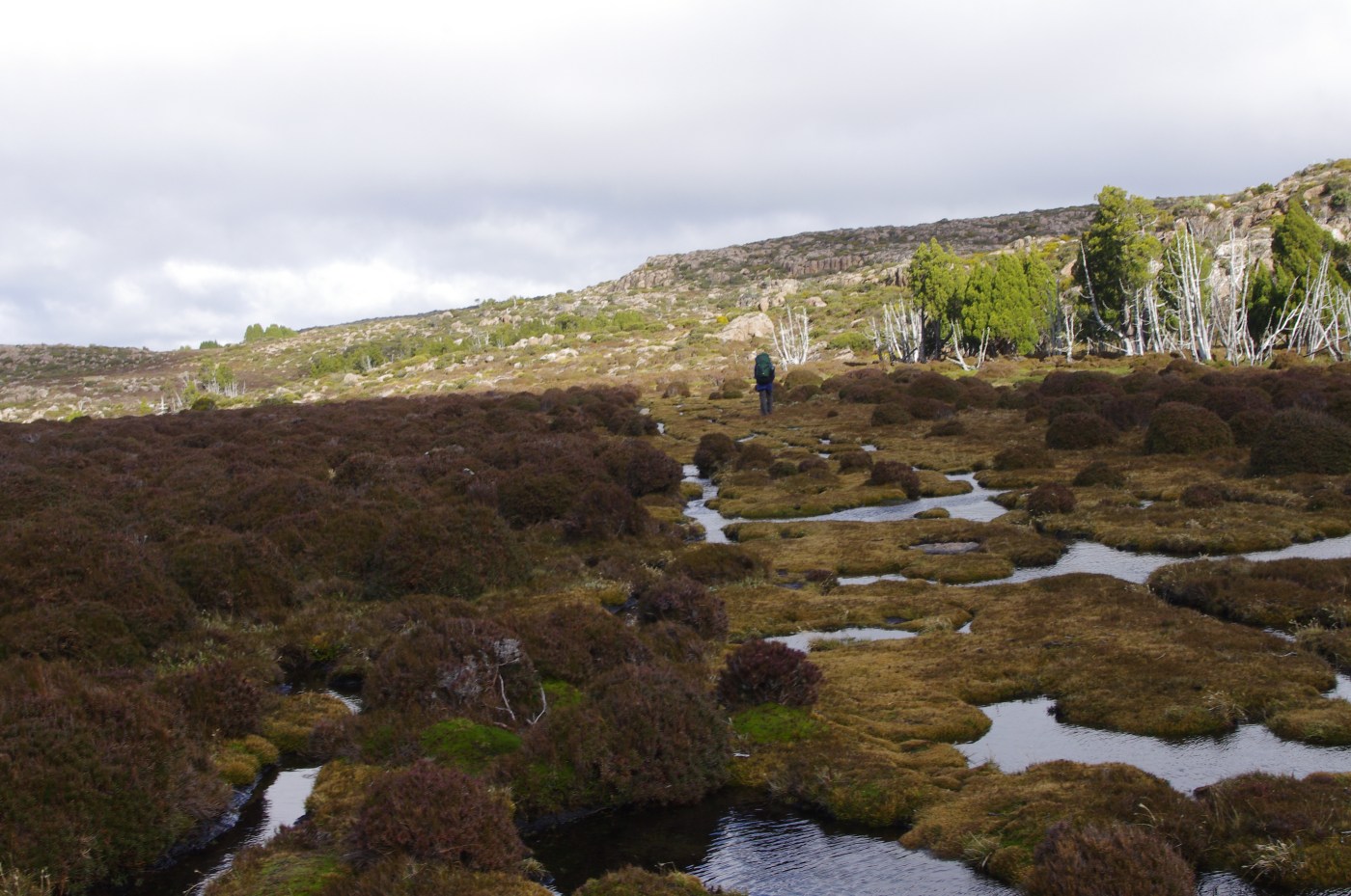
Mountain Journal has often reported on the threats to remnant ancient forests in lutruwita/ Tasmania. Vegetation that dates back to the time when Australia was a part of the Gondwana super continent remain in mountain and low land areas in the centre and west of the state, and are under threat from climate change driven fire regimes.

For instance, this story reports on the drying trend that has been noted in south western Tasmania which has seen a steady increase in bushfires ignited by lightning, threatening the survival of Tasmania’s Gondwanan legacy.

A recent story from Zoe Kean, published on the Tasmanian Inquirer website (available here) highlights the threats to these vegetation communities.

Continue reading “Tasmania’s south-west threatened by drought and fire”

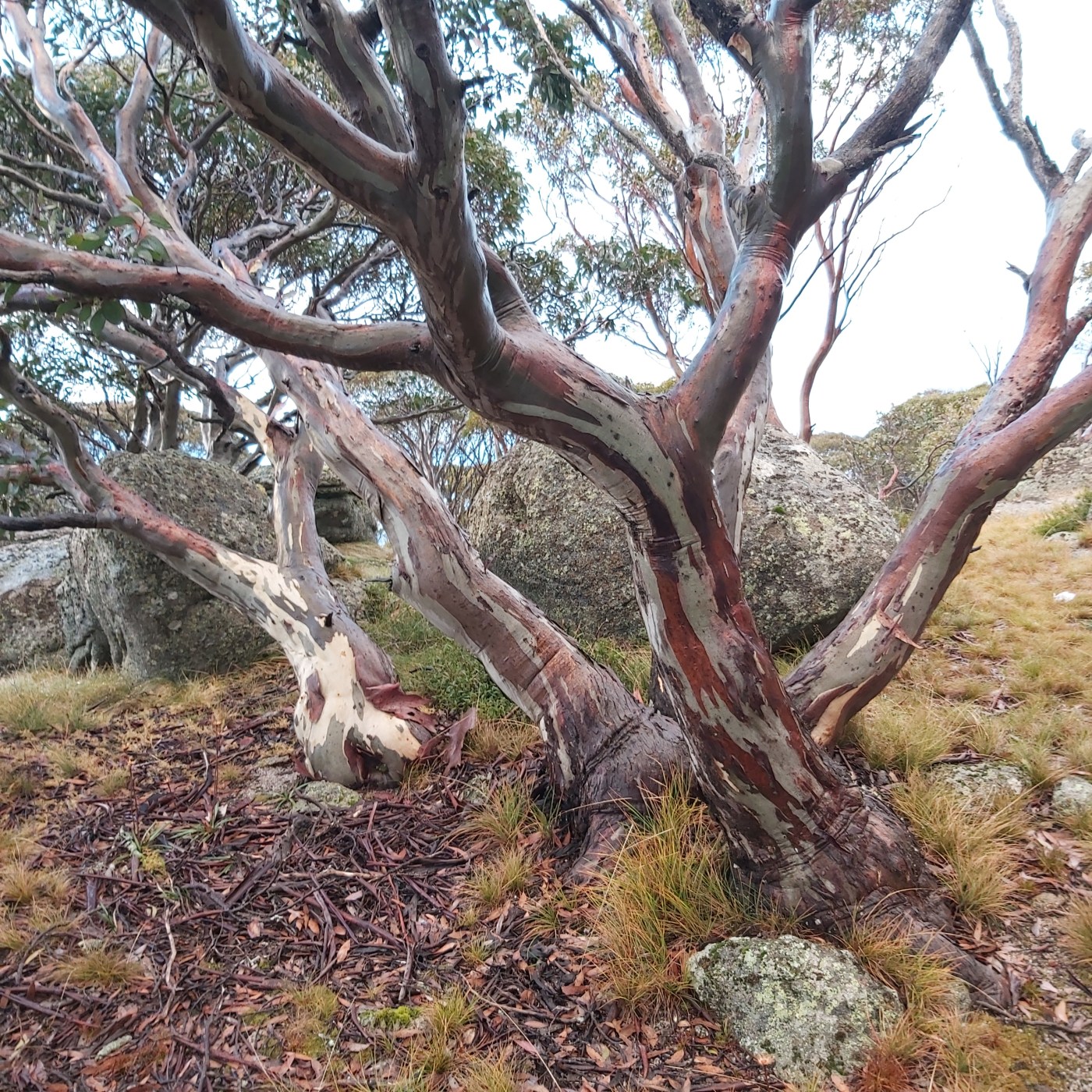
After two mild summers, burnt snow gum forests are recovering.

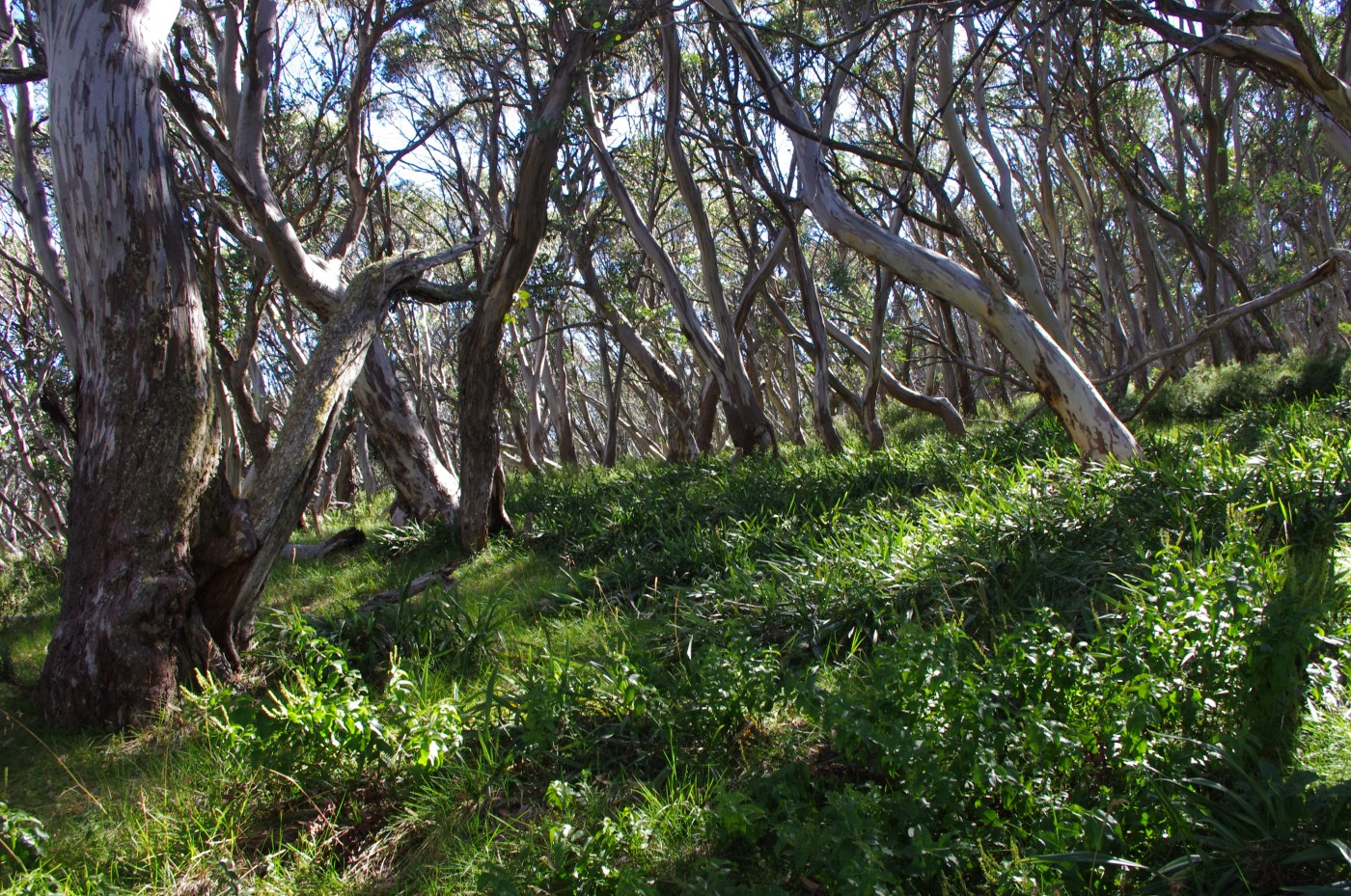
Over the past couple of years, various people have been tracking the localised loss of snow gums in the Victorian high country due to more frequent and intense fires. We know that snow gums are, like many Australian trees, fire adapted. But we also know that they enjoy a decent gap between fires and that with climate change already increasing the frequency and intensity of fires, that we are starting to see localised loss (‘collapse’) of these woodland communities.

Given my connection to the Mt Hotham/ Dinner Plain/ Dargo High Plains area, initial investigations started there. Sadly, there is no shortage of localised collapse in that area, where repeat fires have killed off both parent trees and seedling regrowth. But through advertising via Mountain Journal and the Snow Gum citizen science facebook page, we started to get reports from across the Victorian Alps, from Mt Clear in the ranges south west of Howitt to Mt Pinnibar, in the far north east of the state. Thanks to everyone who contributed content.

Having greater numbers of people looking has given a wider sense of where loss is happening. But it has also given us an understanding that, in many areas, the trees are now starting to come back.

This is wonderful news.

Continue reading “After two mild summers, burnt snow gum forests are recovering.”

‘We all have a passion for the snow, and we want to give back and protect our mountain community’.

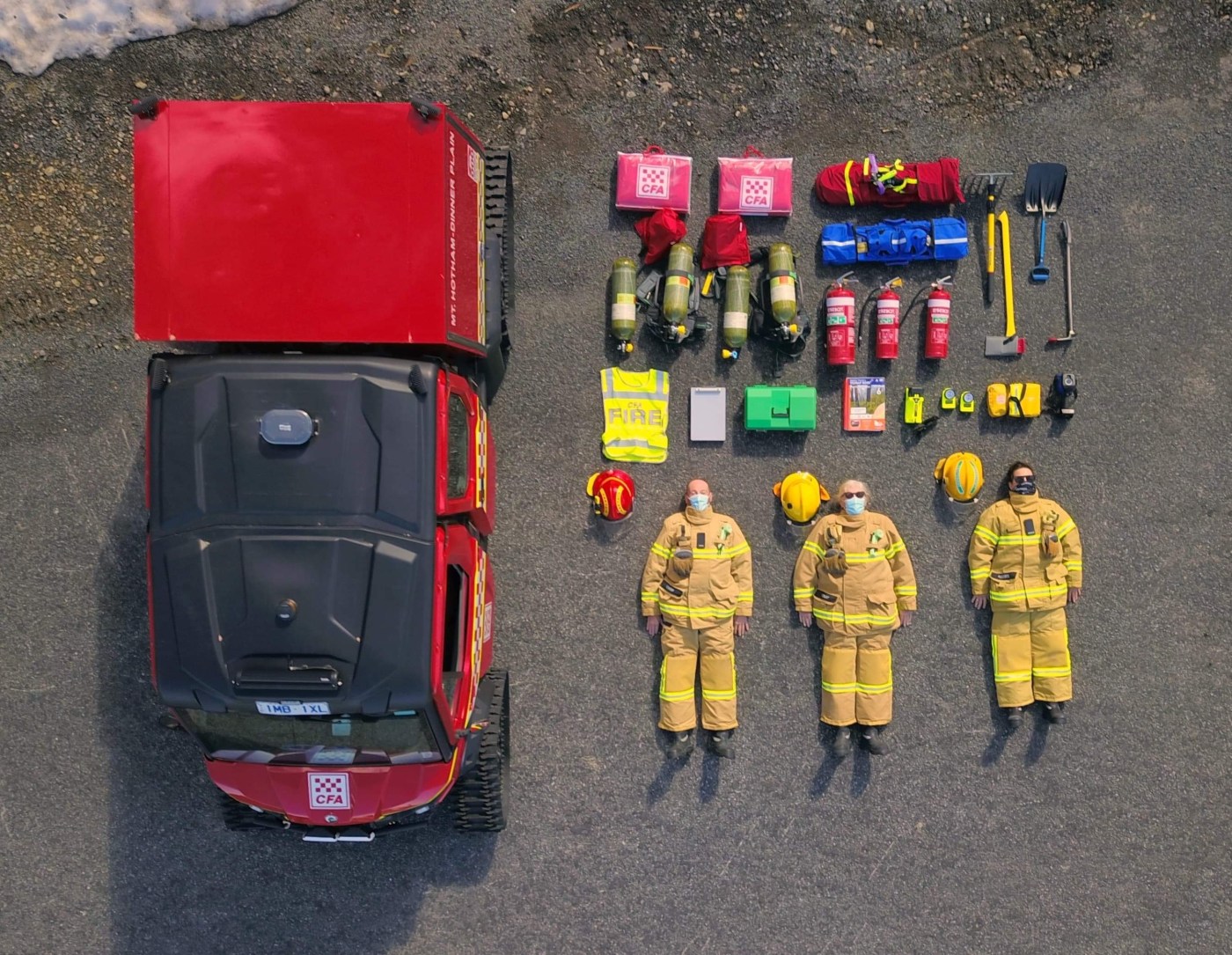
Across the Alpine areas, volunteer and career firefighters protect the mountains from fire. There are volunteer brigades in resort towns like Hotham, Falls Creek and Mt Buller. Crews employed through Forest Fire Management Victoria (FFMV) manage fires on public lands. Firefighting in alpine environments can bring particular challenges, where summer landscape scale fires alternate with fighting fire in snow covered villages of often closely packed buildings.

This story is from Bec Roberts, who is the the 2nd lieutenant of the Mount Hotham – Dinner Plain Fire Brigade.

Continue reading “‘We all have a passion for the snow, and we want to give back and protect our mountain community’.”

Mt Wills – a precious sub alpine plateau in need of protection

As we waited for the snow to arrive last week, it seemed like the right time for the annual pilgrimage to Mt Wills. I have often written about what a special mountain it is, tucked away behind the eastern fall of the Bogong High Plains and Mt Bogong (named Warkwoolowler in the Waywurru and Dhudhuroa languages). I love that strange hut on the little summit plateau, the grassy meadows with old snow gums scattered everywhere,  the endless rock outcrops and rocky escarpment on the east side.

Mt Wills is a classic ‘island in the sky’ of isolated snow gum woodland. While it is connected by a long and high ridge back to Bogong, mostly the land falls away to deep river valleys and forests initially dominated by Alpine Ash. It feels like a small sub alpine sea poking out into the upland valleys of the eastern Alps. I love the silence and perspective back to other mountains. But what really draws me back year after year are the ancient snow gums.

Continue reading “Mt Wills – a precious sub alpine plateau in need of protection”

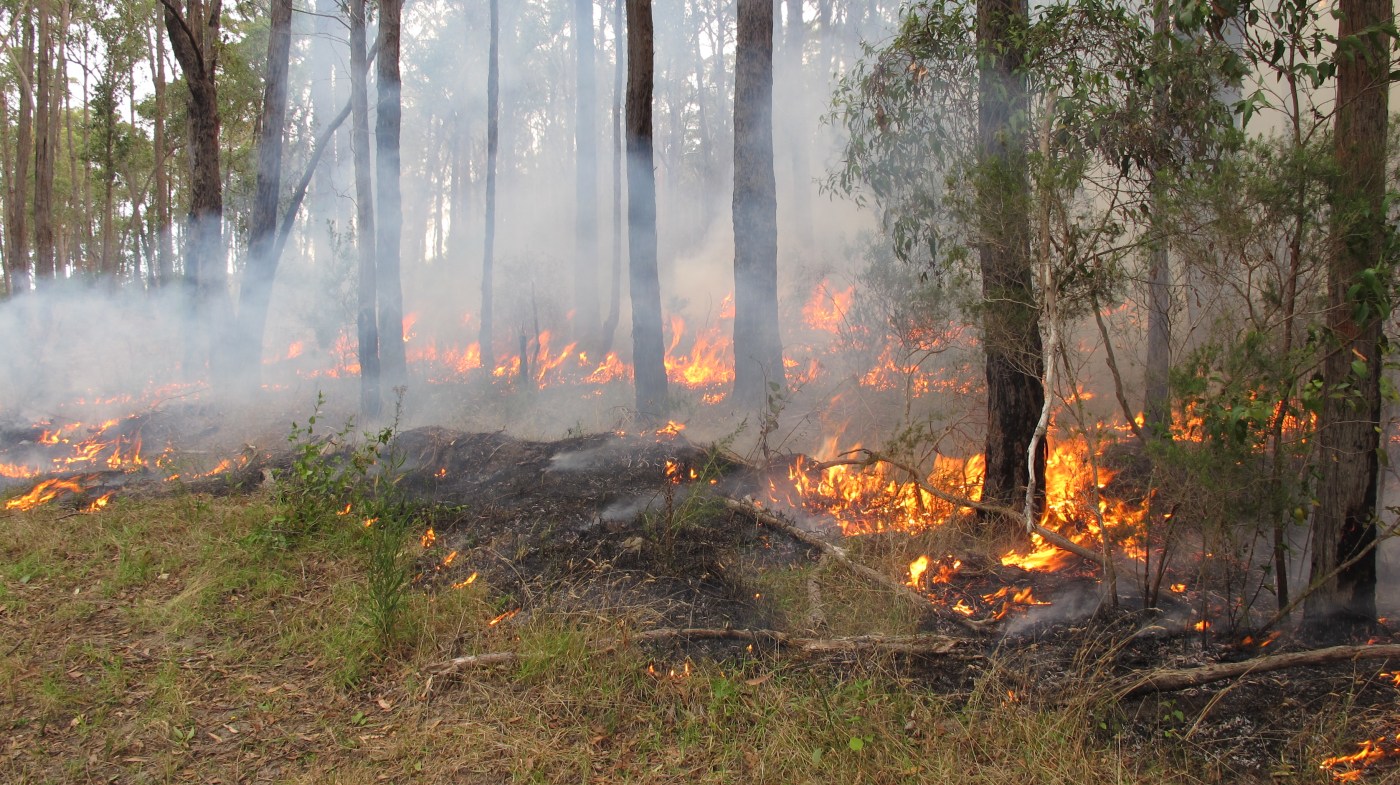
Longer fire seasons in the USA spell trouble for Australia

After a terrible fire season in the last northern summer, the USA experienced fires right through winter and now, in spring, fires are raging across significant sections of the country.

In New Mexico, a fire has already burnt more than 80,000 ha. It has destroyed nearly 200 homes and led to the evacuation of thousands of families. US Forest Service firefighters say they have lost some ground in their efforts to contain the blaze.

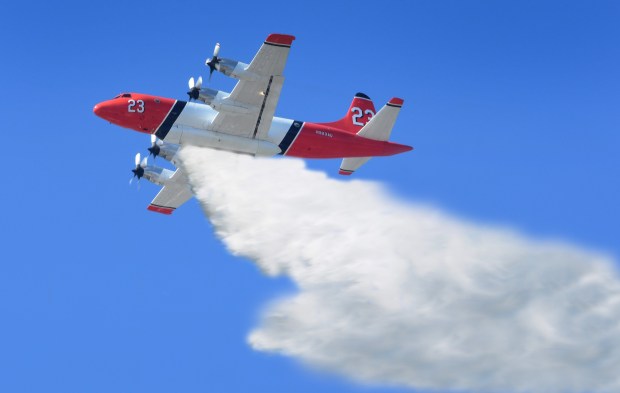
Like in Australia, the USA relies on having enough large air tankers and helicopters to contain fires. However, we currently lease most of these aircraft from North America. As fire seasons in the northern hemisphere grow longer, it will get harder and more expensive to lease aircraft for our summers.

It’s time for Australia to establish a publicly owned air fleet, as was recommended by the Bushfire Royal Commission.

You can support the call for a publicly owned air fleet here > https://www.foe.org.au/firefighting

The rise of the ‘terafire’.

We are hearing ever more frequent mention of ‘Megafires’. The word is an emerging concept commonly used to describe fires that are extreme in terms of size, behaviour, and/or impacts.

In describing ‘Megafires’, it is clear that fire size thresholds vary round the world from > 100 to more 100,000 ha. In Australia, a mega fire year is defined as the cumulative burned area of forest over one year of more than 1 million hectares. Fires greater than 100,000 hectares have also been increasing – check this list for details.

Continue reading “The rise of the ‘terafire’.”

Forum: Threatened species and fire recovery

Upper Ovens Landcare are hosting a one day forum with the focus of ‘sharing stories from the Upper Ovens Valley’ about species recovery after fire. It will be held at  Dingo Dell, Mt Buffalo national park on Saturday 30 April 2022.

Continue reading “Forum: Threatened species and fire recovery”

Another year. Still no national air fleet.

Aerial firefighting capacity – planes and helicopters – are an essential component of Australia’s ability to respond to bushfires. This was demonstrated in the 2019-2020 bushfire season, when an unprecedented use of aircraft occurred. This summer was mild in the east but Western Australia saw months of terrible fires.

Australia has a nationally co-ordinated fleet of about 150 planes and helicopters in an average fire season (with up to 500 aircraft available on call when needed). These are used for firefighting, winching fire crews into remote areas, intelligence gathering and guiding larger aircraft in their operations (called Air Attack Supervision).

Continue reading “Another year. Still no national air fleet.”

Fires are getting worse. We need extra firefighting capacity to stop small ones becoming blazes

As we head towards winter, now is the time to think about next summer and the fires that may come after two wet, mild years. There are many things we need to do to be ready for the climate change driven fires of the future. Here is one of them: Victoria should set up a volunteer remote area firefighting team, which can work alongside the government paid fire crews. This would increase our capacity to stop lightning strikes from turning into massive blazes. It’s a good idea. It just needs a bit of political will and money to make it happen.

Continue reading “Fires are getting worse. We need extra firefighting capacity to stop small ones becoming blazes”

Documenting loss of Snow Gums in the VIC Alps

The recent The IPCC WGII Sixth Assessment Report included details about the threat posed by climate change to Snow Gum woodlands (story here). Mountain Journal has been recording the local loss of Snow Gum woodlands across the Australian high country for several years now.

In a welcome sign, the last two summers have been mild and wet, and this has led to reseeding in some previously burnt areas of Snow Gums after years of no growth. However almost every trip to the higher mountains reveals new areas that have been burnt to the point of ecological collapse.

Continue reading “Documenting loss of Snow Gums in the VIC Alps”

Climate change driven fire threatens Tasmania’s forests

While the summer of 2021/22 has been a mild fire season in the east of the country, there have been a small number of significant fires in lutruwita/ Tasmania that have threatened World Heritage Areas (including one that threatened an incredibly significant Huon pine forest). This is because the west of that state has been experiencing a prolonged and extreme drought, with some areas receiving their lowest rainfall on record.

As reported recently in The Conversation, “this drought fits an observed drying trend across the state, which will worsen due to climate change. This is very bad news for the ancient wilderness in the state’s World Heritage Area, where the lineage of some tree species stretch back 150 million years to the supercontinent Gondwana’.

The drying trend has seen a steady increase in bushfires ignited by lightning, imperilling the survival of Tasmania’s Gondwanan legacy, and raising profound fire management challenges.’ Continue reading “Climate change driven fire threatens Tasmania’s forests”

Guided walk to the Little Dargo River

The fires of 2019/20 burnt huge areas of north eastern Victoria. The remaining unburnt forests are more important than ever. One of these areas lies in the headwaters of the Little Dargo River, just south of Mt Hotham. It is a pristine area, without roads, and containing mature forest, much of it dominated by Alpine Ash. It is an area of state forest that lies right next to the Alpine National Park.

The state government logging agency, VicForests, intends to log a total of 11 “coupes”, or sections, of mature forest in the upper Little Dargo River, probably this spring. These coupes are located in a series of clusters, where separate sections of bush will be harvested, creating a large zone of cleared land over time. Extensive roading networks will be needed to access the coupes.

One coupe has already been logged. The remaining coupes have not yet been scheduled for harvesting. There is still time to stop this ecological disaster – if we act now.

Join us for a walk to experience the beauty that is the Little Dargo.

Sunday April 24, 10 am – 3pm.

Continue reading “Guided walk to the Little Dargo River”

Blog at WordPress.com.

Up ↑