Search

Mountain Journal

Environment, news, culture from the Australian Alps

Tag

forestry

‘Mega’ fires more frequent in Victoria

In Victoria, the frequency of ‘mega’ fires (those greater than 100,000 hectares) has grown significantly over the past century.

  • 19th century – 2 mega fires
  • first half of 20th Century – 4 mega fires
  • 2nd half of 20th century – 7 mega fires
  • In the first 20 years of the 21st century – at least 8 mega fires

This is in spite of the huge advances we have made in fire fighting technology over the past 50 years.

Continue reading “‘Mega’ fires more frequent in Victoria”

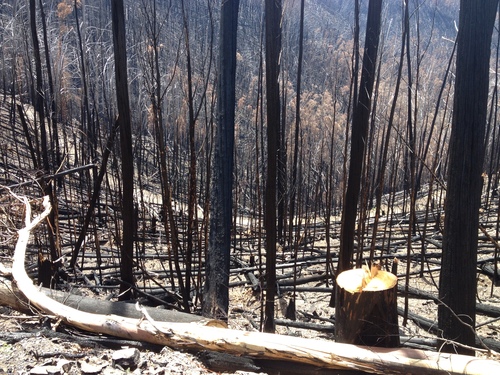
Logging increases fire risk

For those willing to look, the evidence has been available for years: logging increases fire severity. Industry advocates continue to claim that ‘logging reduces fire risk’. But it should be obvious to any impartial observer that ‘removing large established trees actually increases the amount of flammable fuel, with unshaded stumps and new-grown saplings dried out by the sun and wind serving as ‘kindling’ for the flames’.

This has been backed up again by range of prominent scientists.

Continue reading “Logging increases fire risk”

Clearfell logging near Warburton will ‘threaten town’s water security’

Local group Protect Warburton Ranges (facebook page here) have expressed alarm that a planned clearfelling operation near the town will threaten local water security.

This area is being logged at present (May 2020). Most recent updates at the top, please scroll down for background information.

Continue reading “Clearfell logging near Warburton will ‘threaten town’s water security’”

Leadbeater’s Possum found in active logging site near Baw Baw

Recently, members of Wildlife of the Central Highlands (WOTCH) observed a critically endangered Leadbeater’s Possum within an active logging coupe (480-509-0013, called ‘Desilijic’) in the Central Highlands to the east of Melbourne. Habitat just 100 metres away had already been clearfelled – well within the buffer zone triggered by this Leadbeater’s Possum detection.

Now WOTCH have heard that an interim protective buffer zone has been established surrounding the Leadbeater’s Possum detection.

Yet again, this highlights the value of citizen science in ensuring endangered species are protected.

Continue reading “Leadbeater’s Possum found in active logging site near Baw Baw”

Burning season in the Central Highlands

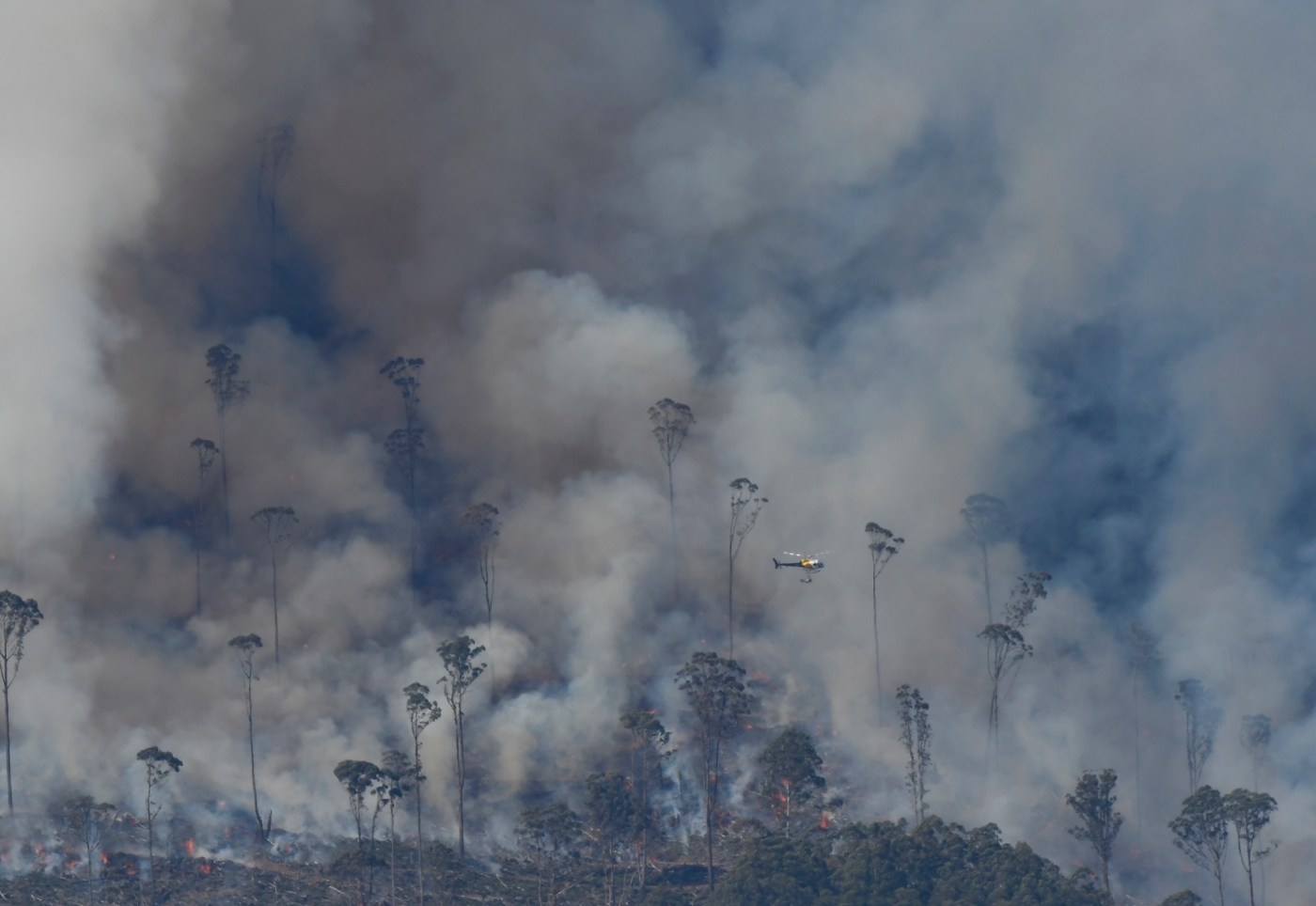
As post logging burns darken the sky across eastern Victoria, a growing number of community groups are mobilising to oppose the practise of the burns.

Post logging fires are different to fuel reduction burns. Post logging fires are meant to remove all the debris left behind from logging – the unwanted trees, the heads and branches, and the understory vegetation. Generally the waste is pushed into piles and burnt.

Continue reading “Burning season in the Central Highlands”

Logging in a time of COVID-19

While we are all patiently sitting at home in order to do our bit and ‘flatten the curve’ of COVID-19 infections, logging continues at full speed in the forests of Victoria. And Tasmania has just signed over up to 356 000 hectares of forests that should be in reserves to now be available for logging.

Continue reading “Logging in a time of COVID-19”

Logging threatens Leadbeater’s Possum habitat

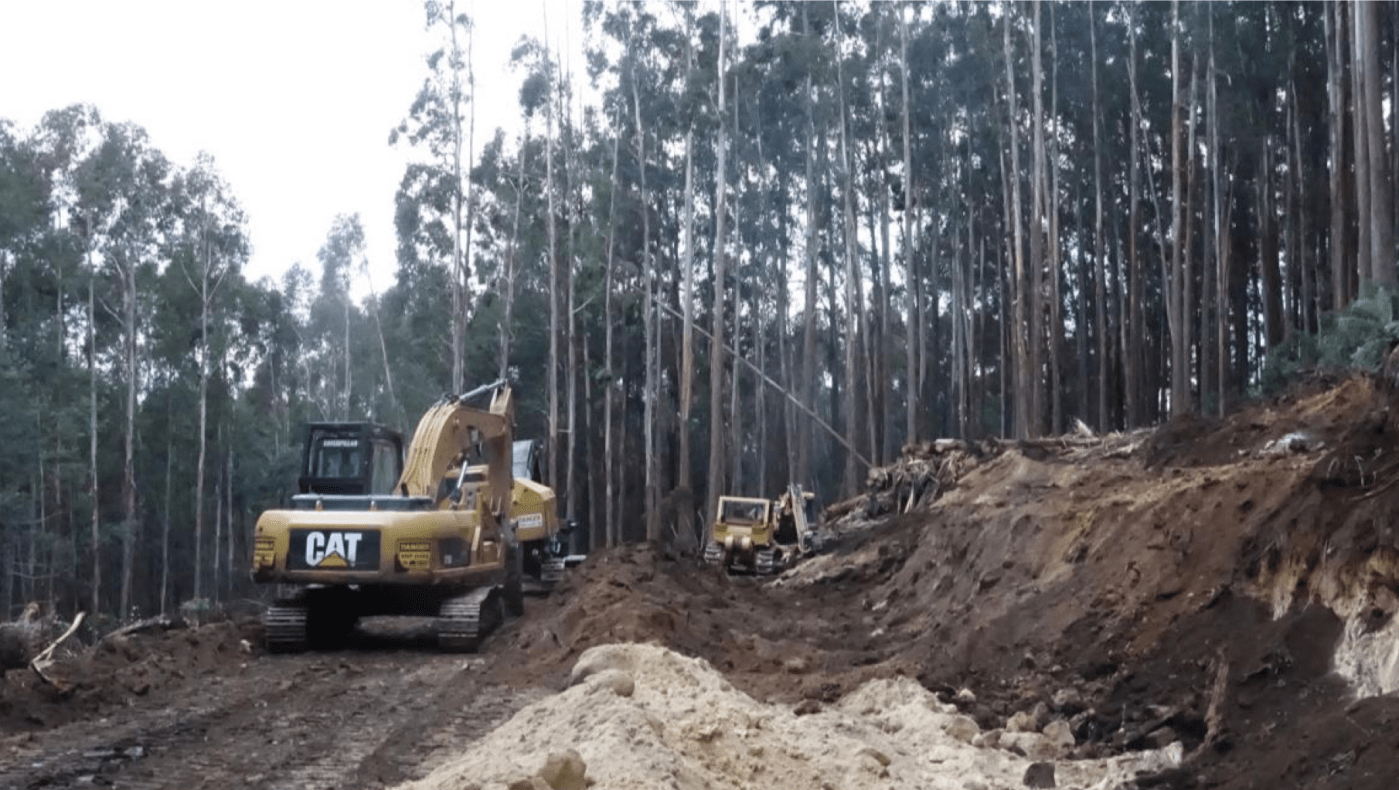
Industrial scale clear-fell logging is NOW taking place in the Snobs Creek Valley.  The Central Highlands are the most heavily logged area in Australia.  The highly biodiverse ecosystem of mountain and alpine ash in the Rubicon State Forest has been virtually logged-out.

Lead beaters possum and Greater Gliders are widespread through the Snobs Valley. In one night 30 Greater Gliders were found in one of the proposed Vicforests logging coupes. These animals are listed as threatened species under the federal EPBC Act.

The three coupes currently being logged at Snobs are:  Shackle, Snobs 13 and Snobs 14 and other sensitive coupes are also being logged at Torbreck and Bull fight (see map).

Continue reading “Logging threatens Leadbeater’s Possum habitat”

Walking the Mountains of Home – protect Mt Bride

Community members from Warburton are attempting to stop the proposed logging coupes on and surrounding Mt Bride.

They say that “logging this area will reduce water security as the proposed coupes are within water catchment areas and it has long been recognised that logging has a negative impact on water yield”. The mountain has great value to many locals for a range of reasons.

To highlight community concern about the imminent logging plans, they have organised a walk up the mountain which is open to all interested people. It will happen on March 21.

Continue reading “Walking the Mountains of Home – protect Mt Bride”

Protect the ‘Kalatha Giant’

The Little Red Toolangi Treehouse (Mission Statement: “To raise awareness, educate and empower the public to respond to the commercial destruction of Australia’s native forests.”) has issued an urgent call for community members, especially Victorians, to contact the state environment minister to ask her to stop logging around an old growth mountain ash tree known as the Kalatha Giant. A community blockade has now started – scroll down for updates.

Continue reading “Protect the ‘Kalatha Giant’”

Old Growth ‘verification’ threatens forest protection

In November, the Victorian government announced that logging native forests will end in 2030. The government also committed to state-wide protections for 90,000ha of old growth forests, and 96,000ha of new protected areas, 48,500 of which are in East Gippsland. An action statement for the threatened Greater Glider was also finally released.

An ongoing issue has been the question of how and when the Old Growth would be protected. The state government has now provided details on how this will occur, and this has confirmed fears by environmental groups that protection will be watered down through the methodology that will be used.

East Gippsland based activist group Goongerah Environment Centre (GECO) has issued a call for members of the public to engage in the process around Old Growth modelling. 

Continue reading “Old Growth ‘verification’ threatens forest protection”

What does the VIC government’s promise to protect Old Growth mean for the High Country?

Public conversation about the recent announcement of an end to logging of old growth forests in Victoria has so far focused on the implications for East Gippsland, where large areas of ‘Modeled Old Growth (MOG)’ is expected to be protected, and the Central Highlands, where there will be very little protection. Given this announcement covers forests right across the east of the state, what does it mean for the High Country?

The short answer, at this stage, is ‘we don’t really know’. While the government map that has been circulated shows considerable areas of MOG throughout the foothills and valleys of the High Country, and even what looks like older Snow Gum Woodlands, we are yet to get the details on what the protection of these areas will look like.

Continue reading “What does the VIC government’s promise to protect Old Growth mean for the High Country?”

Victorian government protects Old Growth forests

In a major announcement, the Andrews government has stated that it will ‘immediately’ protect all remaining old growth forest on the east of the state as part of a plan to phase out native forest logging and protect 96,000 hectares of forests. The old growth areas amounts to 90,000 hectares of mountain and foothill forests.

Environmental groups such as Goongerah Environment Centre (GECO) and Friends of the Earth (FoE) have welcomed the announcement and also called for the release of extra detail and maps to ensure the announcement results in lasting and effective protection.

This outcome is especially good news for the heartland of remaining old growth – the hill country of East Gippsland.

Continue reading “Victorian government protects Old Growth forests”

Blog at WordPress.com.

Up ↑