Search

Mountain Journal

Environment, news, culture from the Australian Alps

Tag

land management

Poll shows Eden-Monaro voters want action on feral horses

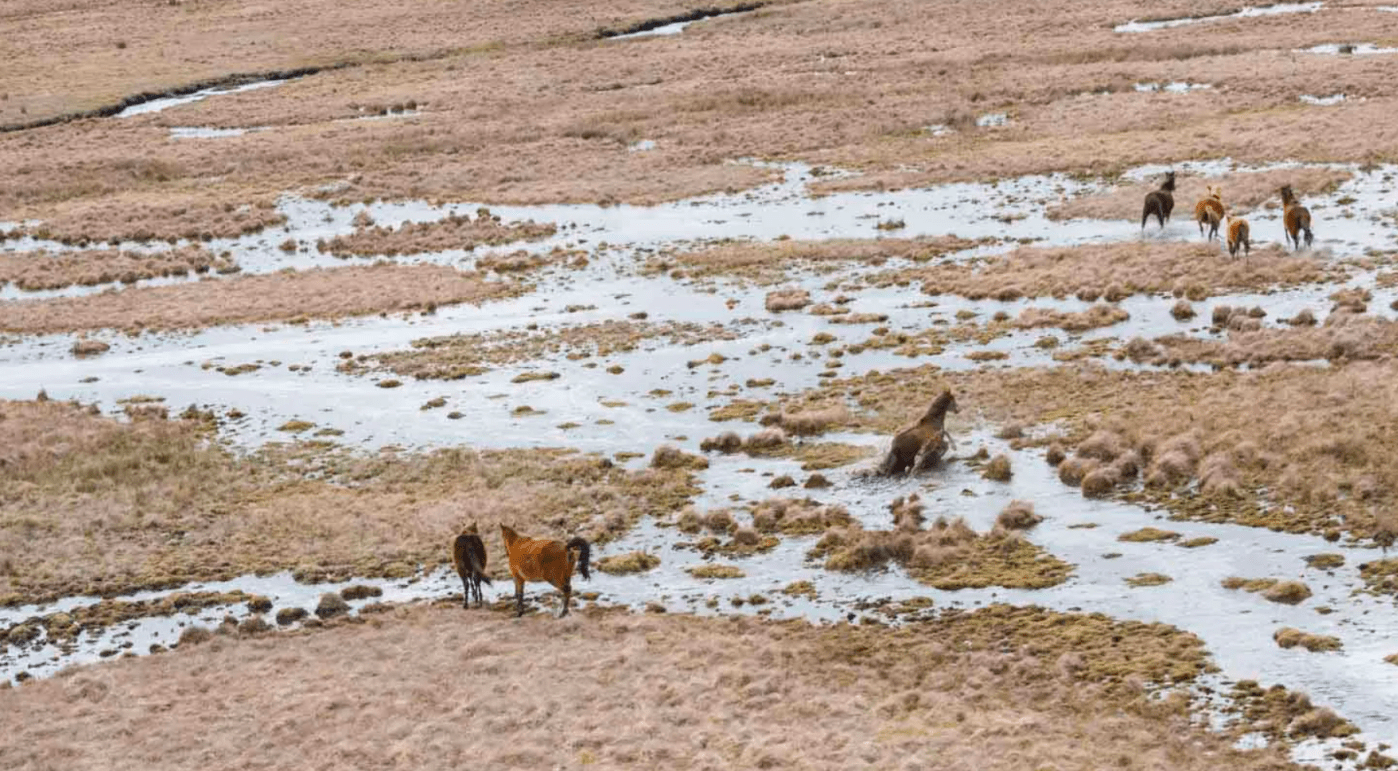
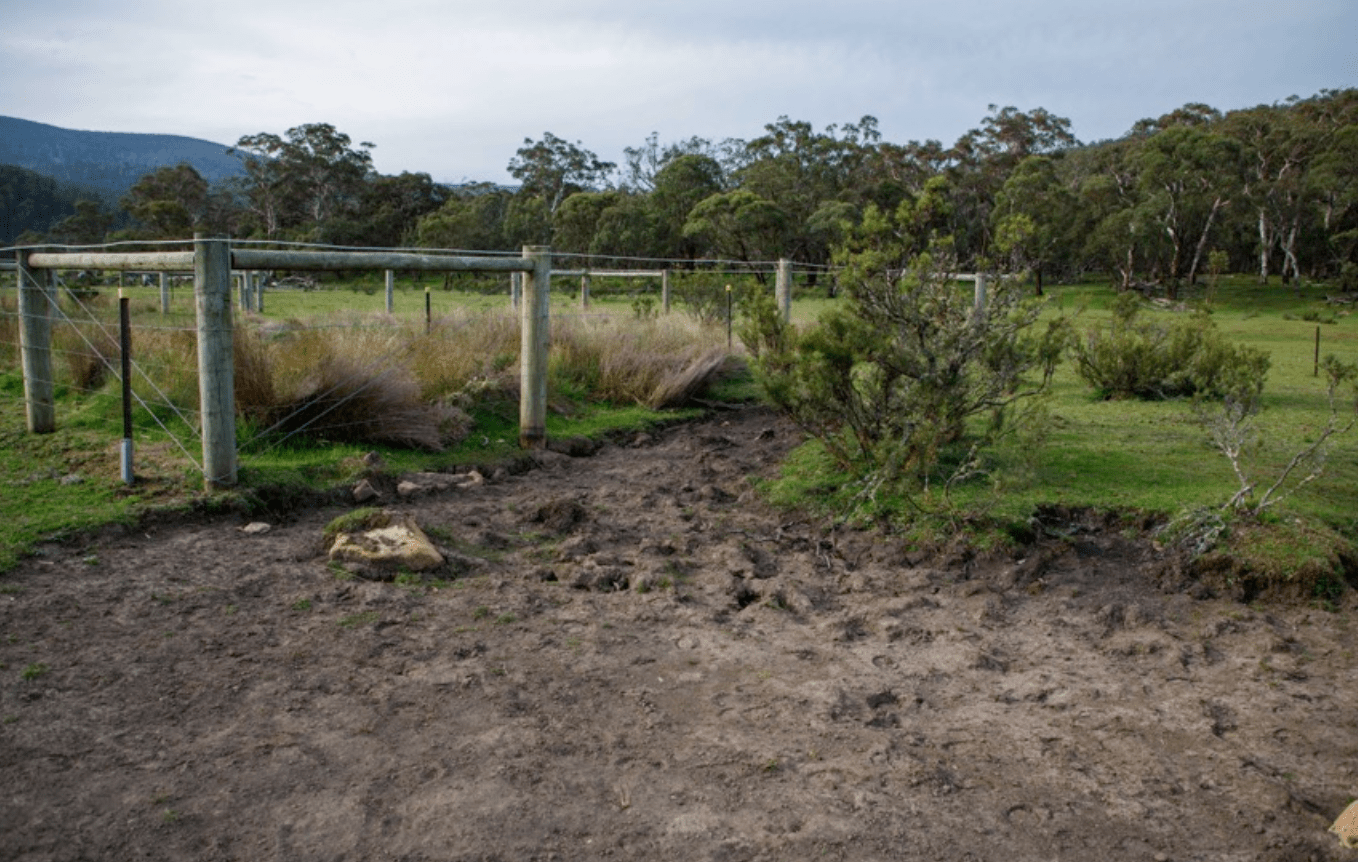
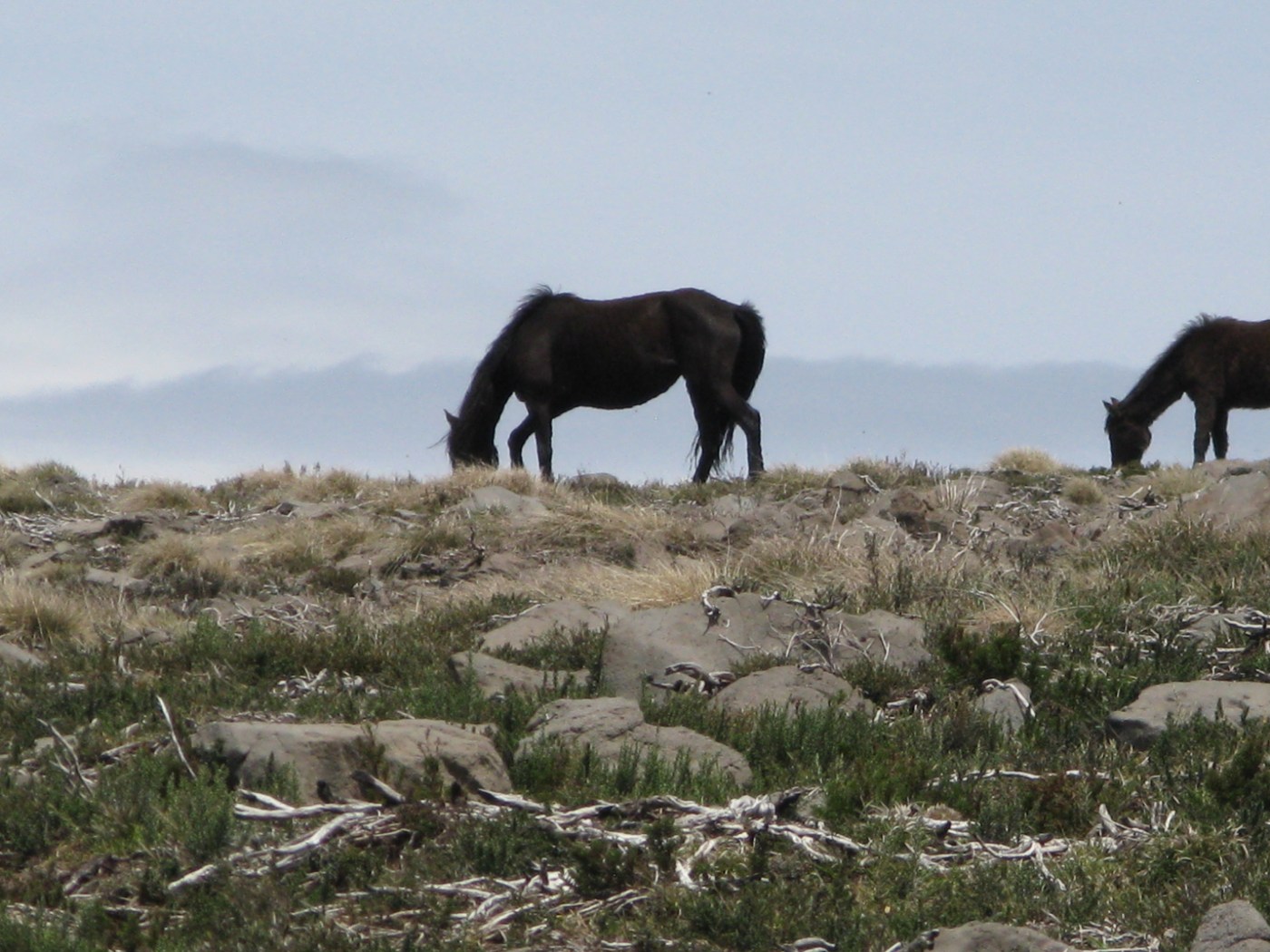
A new poll of Eden-Monaro voters released today has found that most people want feral horses removed from Kosciuszko National Park, where horse numbers have tripled in the past five years.

Ahead of the July 4 by-election, an independent poll asked 643 Eden-Monaro voters what should be done about feral horses, which are devastating Kosciuszko National Park’s unique plants and animals and destroying its once pristine waterways.

Continue reading “Poll shows Eden-Monaro voters want action on feral horses”

Environmental issues in the Eden Monaro byelection

The long debate over how to handle populations of wild horses in the Australian Alps continues. While Victoria waits for the outcome to an appeal to a Supreme Court case about Park Victoria’s plan to start culling horses, the issue has come into sharp focus in NSW because of the byelection in the Eden Monaro electorate. The group Reclaim Kosci, which is campaigning to have horses removed from the Kosciuszko National Park has said “If candidates for the Eden-Monaro by-election want to prove they care for the environment, they need to call for action to protect the electorate’s iconic Kosciuszko National Park.”

“Tourism, jobs, catchments, Indigenous heritage, motorist and camper safety, and wildlife are under serious threat.”
Continue reading “Environmental issues in the Eden Monaro byelection”

The Federal Court has dismissed heritage claims for feral horses across Victoria’s Alpine National Park

In a significant outcome, The Australian Brumby Alliance (ABA) has lost a long-running Federal Court case against Parks Victoria. The ABA had objected to plans to cull feral horses in the Victorian Alps. Parks Victoria will now begin culling horses in the alps, where horse numbers have soared over the past five years.

Continue reading “The Federal Court has dismissed heritage claims for feral horses across Victoria’s Alpine National Park”

A 170 km long firebreak in East Gippsland?

The ABC is reporting that ‘fire-affected communities in eastern Victoria are calling for a permanent firebreak running 170 kilometres along both sides of the Princes Highway to the New South Wales border’.

Continue reading “A 170 km long firebreak in East Gippsland?”

A volunteer remote area firefighting force for Victoria

Over the past couple of years, I have been talking with various land managers and career and volunteer firefighters about whether Victoria should establish a remote area firefighting capacity of volunteer fire fighters.

NSW, the ACT and Tasmania all have volunteer forces, who support career firefighters, adding considerable capacity to firefighting efforts in remote country like national parks. The Rural Fire Service (RFS) in NSW has Remote Area Fire Teams, with around 500 active volunteer firefighters.

It is clear climate change will make fire seasons more intense and will also lead to an increase in ‘dry lightning’ strikes, which will increase the number of wildfires. The value of the NSW model is shown by the effectiveness of their teams in stopping small fires becoming blazes: for instance, in the 2018/19 fire season the Rapid Aerial Response Teams responded to 77 incidents, and were able to keep 90 percent of the fires they attended contained to less than 10 hectares in size.

I think we should create a similar group in Victoria.

Continue reading “A volunteer remote area firefighting force for Victoria”

How to make a submission to the Inquiry into Victoria’s fires

On 14 January 2020 the Andrews government announced an independent inquiry into the 2019-2020 Victorian fire season would be conducted by the Inspector-General for Emergency Management (IGEM).

Through this Inquiry, IGEM will ‘examine Victoria’s preparedness for the fire season, response to fires in large parts of Victoria’s North East, Gippsland, and Alpine regions, and will review relief and recovery efforts’.

There is still time to make a submission to this process.

Continue reading “How to make a submission to the Inquiry into Victoria’s fires”

‘Australia’s Environment Report’ identifies impacts on alpine areas

The annual Australia’s Environment Report summarises a large number of observations on the trajectory of our natural resources and ecosystems. It is prepared by the Centre for Water and Landscape Dynamics at the Australian National University (ANU).

As part of their report for 2019, they prepared an assessment of alpine areas. With hot weather, terrible fires, and dry conditions we already know how bad summer was for the mountains. This report quantifies some of the impacts.

Continue reading “‘Australia’s Environment Report’ identifies impacts on alpine areas”

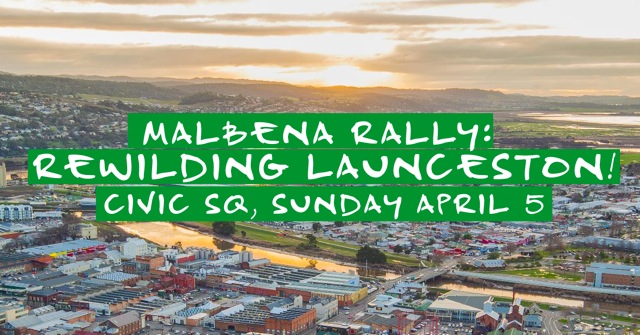
Malbena Rally: Rewild Launceston!

The long campaign against commercial tourist developments in national parks and World Heritage Areas continues.

A flash point  in this campaign is the ‘eco tourism’ development planned for Lake Malbena will introduce ‘helicopter tourism’ to the central plateau of Tasmania. Approvals have been ‘waved through’ by the federal government, and then been bogged down in legal processes.

To highlight opposition to ‘helicopter tourism’, The Wilderness Society and Walkers and Fishers Against Helicopter Access Tasmania have organised a rally in Launceston on Sunday April 5.

Continue reading “Malbena Rally: Rewild Launceston!”

Global warming played a ‘big role’ in generating heat waves that fueled the 2019-2020 fire season

This summer’s fires had devastating impacts on landscapes and local economies.

For the first time in eight months, all the NSW fires are out. The Namadgi fires are out, as are the fires in north east Victoria and East Gippsland. During the fires, there was an attempt by some groups to blame the fires on arson as a way of avoiding the conversation about climate change. There is the ongoing debate about the role of fuel reduction burning as a way to reduce the intensity of fire, plus the broader conversation about how we manage our forests and wild places, and whether salvage logging of burnt areas should be allowed.

Now, a ground-breaking report has shown that climate change was a ‘massive factor’ in the extreme fire conditions that devastated Australia this summer.

The report was prepared by World Weather Attribution (WWA), which ‘is an international effort to analyse and communicate the possible influence of climate change on extreme weather events, such as storms, extreme rainfall, heatwaves, cold spells, and droughts’.

Continue reading “Global warming played a ‘big role’ in generating heat waves that fueled the 2019-2020 fire season”

Is road safety work also ‘logging by stealth’?

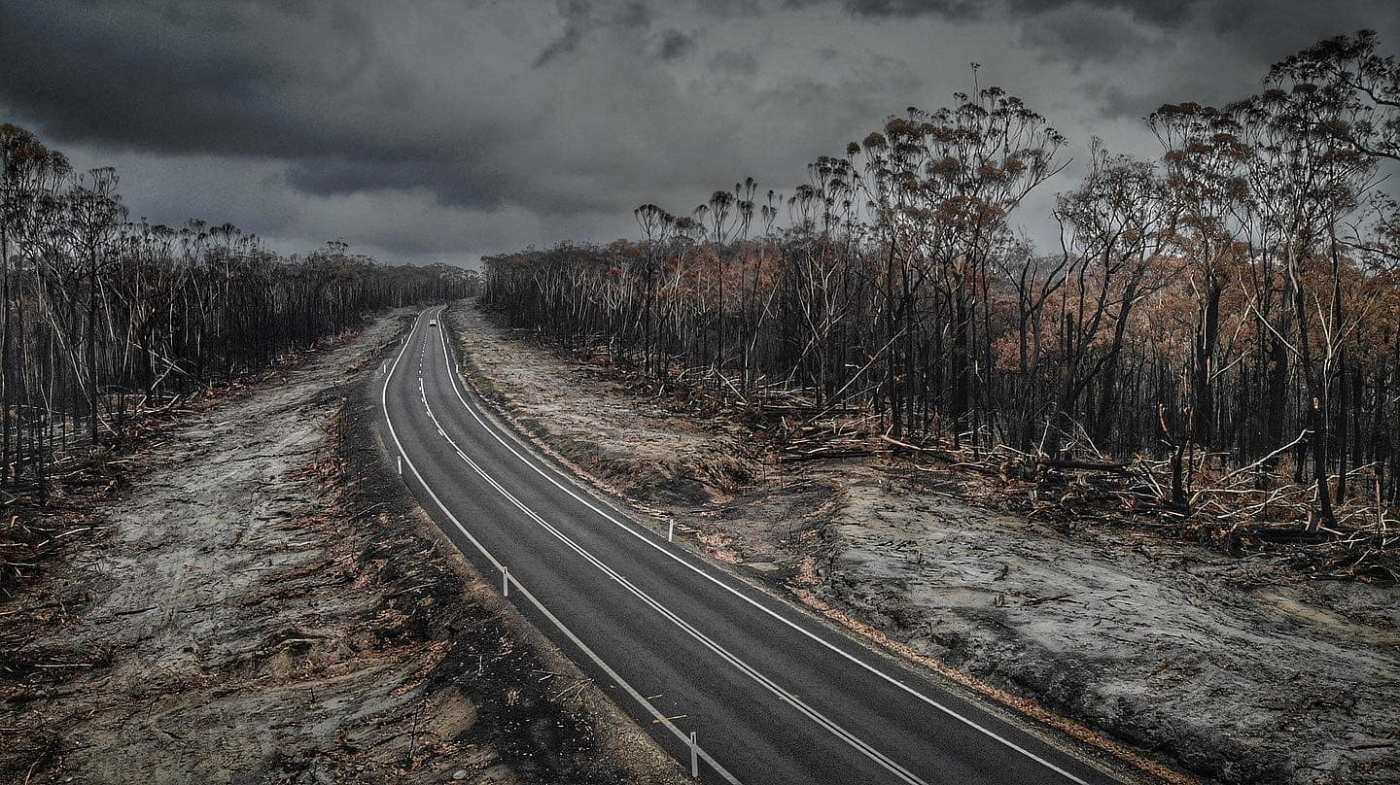
Following this summer’s devastating fires in East Gippsland, it has taken enormous effort by the authorities to get roads re-opened and made safe. Removal of many thousands of fire affected trees is essential for the safety of road users. However, the scale of the clear felling of large habitat trees occurring along thousands of kilometres of East Gippsland’s roads has disturbed many people.

Residents describe ‘unprecedented clearing’ occurring around Buchan, Black Mountain, Combienbar, Orbost, Goongerah, Cann River, Mallacoota, Cape Conran, state forests inland from Bairnsdale, along the Great Alpine Way and many other fire affected roads in East Gippsland.

Continue reading “Is road safety work also ‘logging by stealth’?”

Warburton residents call for halt to logging proposal on Mt Bride

Community members from Warburton are attempting to stop the proposed logging coupes on and surrounding Mt Bride.

They say that “logging this area will reduce water security as the proposed coupes are within water catchment areas and it has long been recognised that logging has a negative impact on water yield”.

They also say that the coupes will increase fire risk, “as the micro climatic conditions will dry out the understory and the regrowth saplings will create more fuel”.

Continue reading “Warburton residents call for halt to logging proposal on Mt Bride”

Does Victoria need a new remote area volunteer firefighting force?

On New Year’s Eve, December 31, 2019, a front brought a smattering of rain across the Victorian mountains, barely enough to damp down the dust. But the associated lightning storm started dozens of new fires in a long belt from Mt Buller to the NSW border.

Forest Fire Management crews swung into action and many of these were quickly put out. Aerial bombing dealt with others. But there were simply too many, and some grew into massive blazes, including the fires that went on to devastate the forests and landscapes of East Gippsland in coming weeks.

This raises the question: Do we need a new remote area volunteer firefighting force in Victoria who could help suppress lightning strike fires before they take off?

Continue reading “Does Victoria need a new remote area volunteer firefighting force?”

Blog at WordPress.com.

Up ↑