Search

Mountain Journal

Environment, news, culture from the Australian Alps

Tag

land management

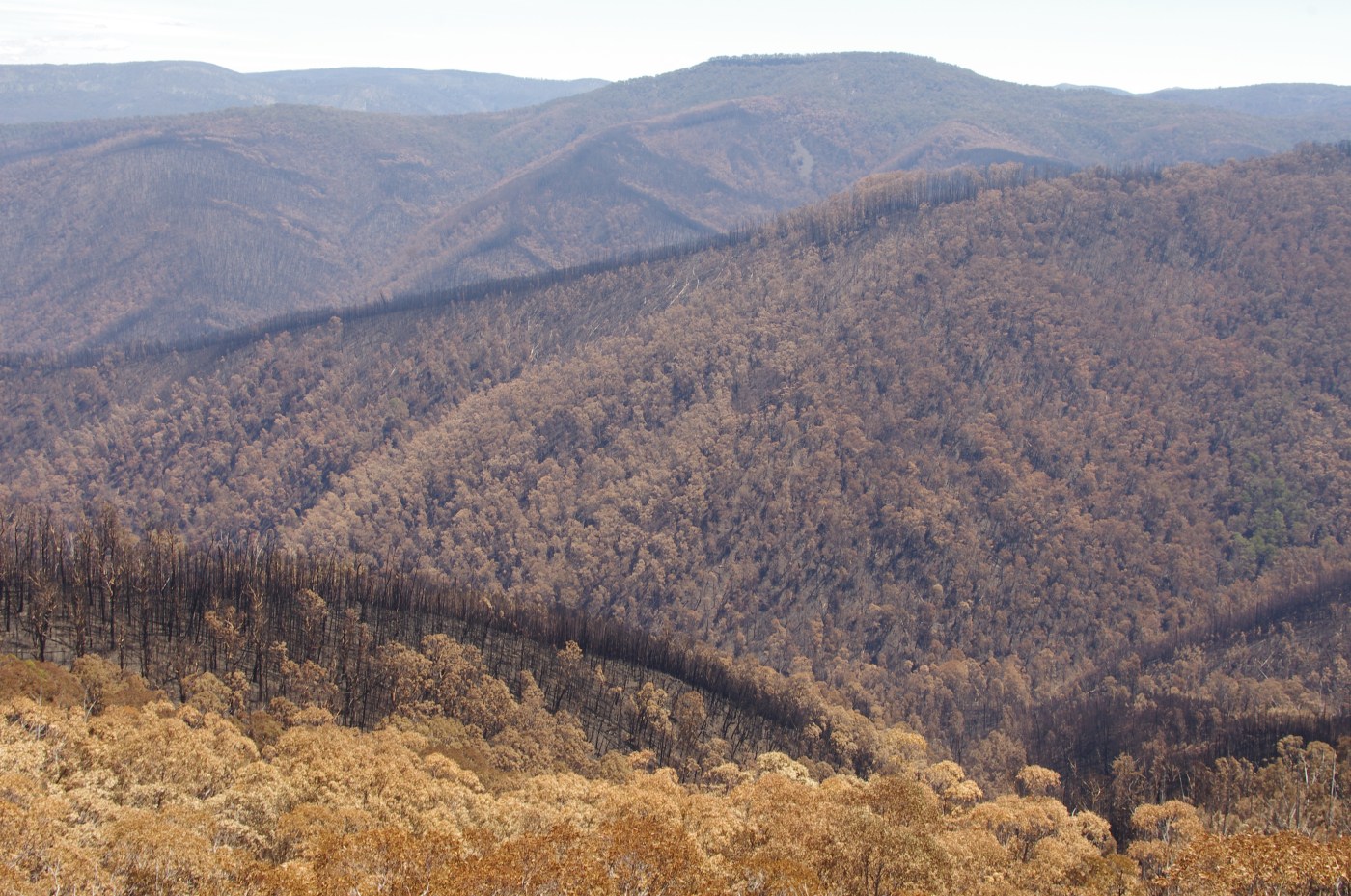
Global warming played a ‘big role’ in generating heat waves that fueled the 2019-2020 fire season

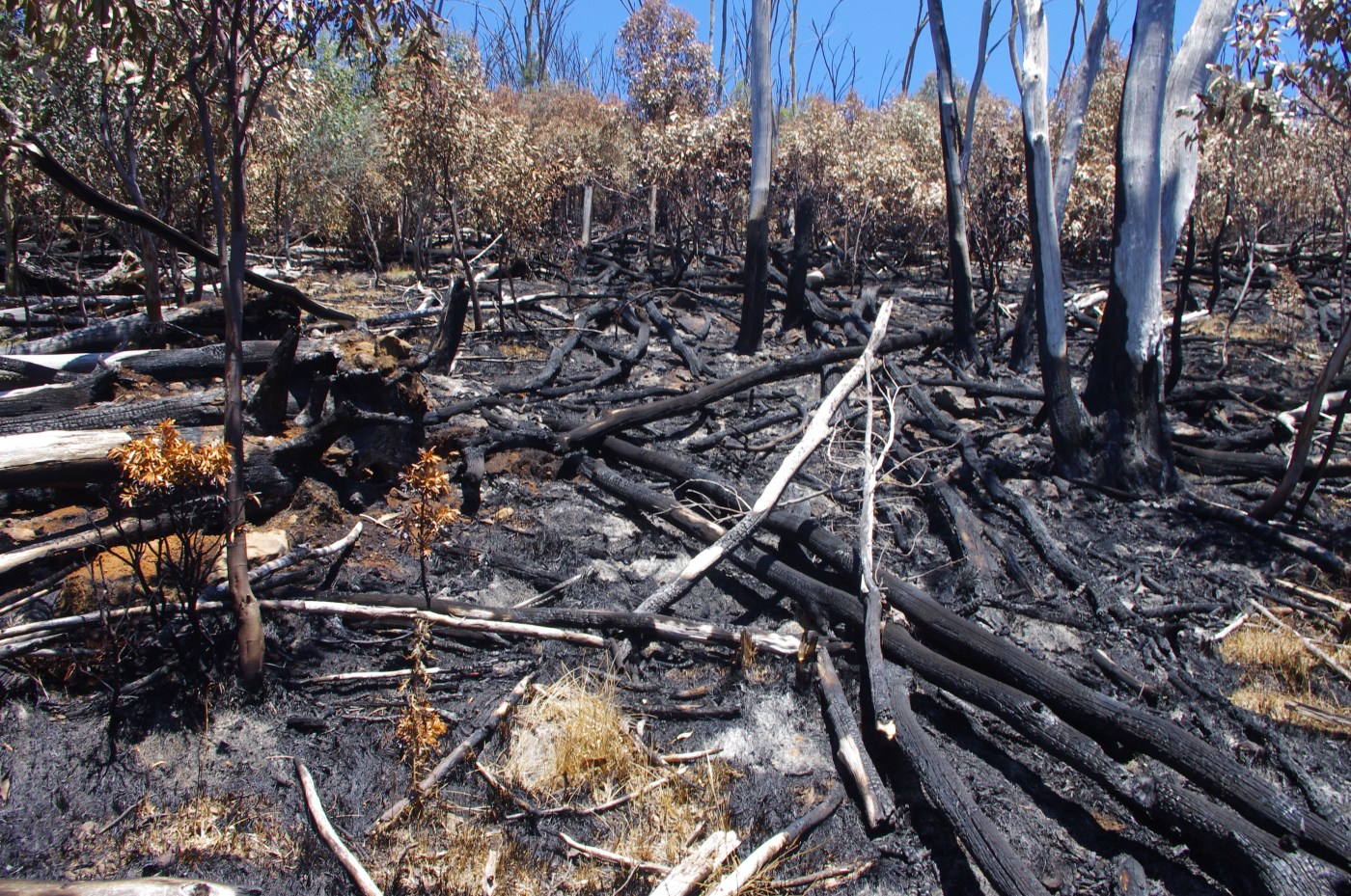
This summer’s fires had devastating impacts on landscapes and local economies.

For the first time in eight months, all the NSW fires are out. The Namadgi fires are out, as are the fires in north east Victoria and East Gippsland. During the fires, there was an attempt by some groups to blame the fires on arson as a way of avoiding the conversation about climate change. There is the ongoing debate about the role of fuel reduction burning as a way to reduce the intensity of fire, plus the broader conversation about how we manage our forests and wild places, and whether salvage logging of burnt areas should be allowed.

Now, a ground-breaking report has shown that climate change was a ‘massive factor’ in the extreme fire conditions that devastated Australia this summer.

The report was prepared by World Weather Attribution (WWA), which ‘is an international effort to analyse and communicate the possible influence of climate change on extreme weather events, such as storms, extreme rainfall, heatwaves, cold spells, and droughts’.

Continue reading “Global warming played a ‘big role’ in generating heat waves that fueled the 2019-2020 fire season”

Is road safety work also ‘logging by stealth’?

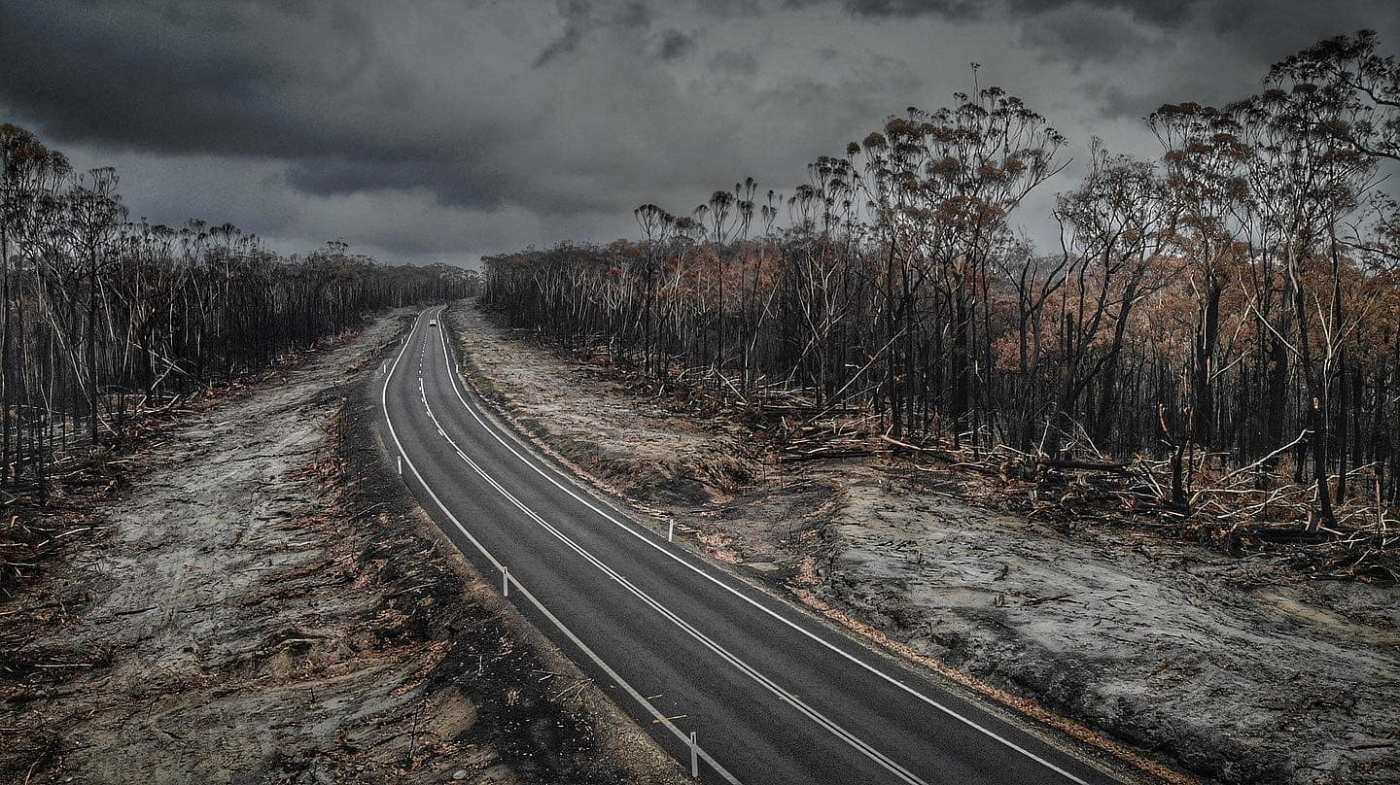
Following this summer’s devastating fires in East Gippsland, it has taken enormous effort by the authorities to get roads re-opened and made safe. Removal of many thousands of fire affected trees is essential for the safety of road users. However, the scale of the clear felling of large habitat trees occurring along thousands of kilometres of East Gippsland’s roads has disturbed many people.

Residents describe ‘unprecedented clearing’ occurring around Buchan, Black Mountain, Combienbar, Orbost, Goongerah, Cann River, Mallacoota, Cape Conran, state forests inland from Bairnsdale, along the Great Alpine Way and many other fire affected roads in East Gippsland.

Continue reading “Is road safety work also ‘logging by stealth’?”

Warburton residents call for halt to logging proposal on Mt Bride

Community members from Warburton are attempting to stop the proposed logging coupes on and surrounding Mt Bride.

They say that “logging this area will reduce water security as the proposed coupes are within water catchment areas and it has long been recognised that logging has a negative impact on water yield”.

They also say that the coupes will increase fire risk, “as the micro climatic conditions will dry out the understory and the regrowth saplings will create more fuel”.

Continue reading “Warburton residents call for halt to logging proposal on Mt Bride”

Does Victoria need a new remote area volunteer firefighting force?

On New Year’s Eve, December 31, 2019, a front brought a smattering of rain across the Victorian mountains, barely enough to damp down the dust. But the associated lightning storm started dozens of new fires in a long belt from Mt Buller to the NSW border.

Forest Fire Management crews swung into action and many of these were quickly put out. Aerial bombing dealt with others. But there were simply too many, and some grew into massive blazes, including the fires that went on to devastate the forests and landscapes of East Gippsland in coming weeks.

This raises the question: Do we need a new remote area volunteer firefighting force in Victoria who could help suppress lightning strike fires before they take off?

Continue reading “Does Victoria need a new remote area volunteer firefighting force?”

Track works on Mt Stirling summit to protect the Stirling tree

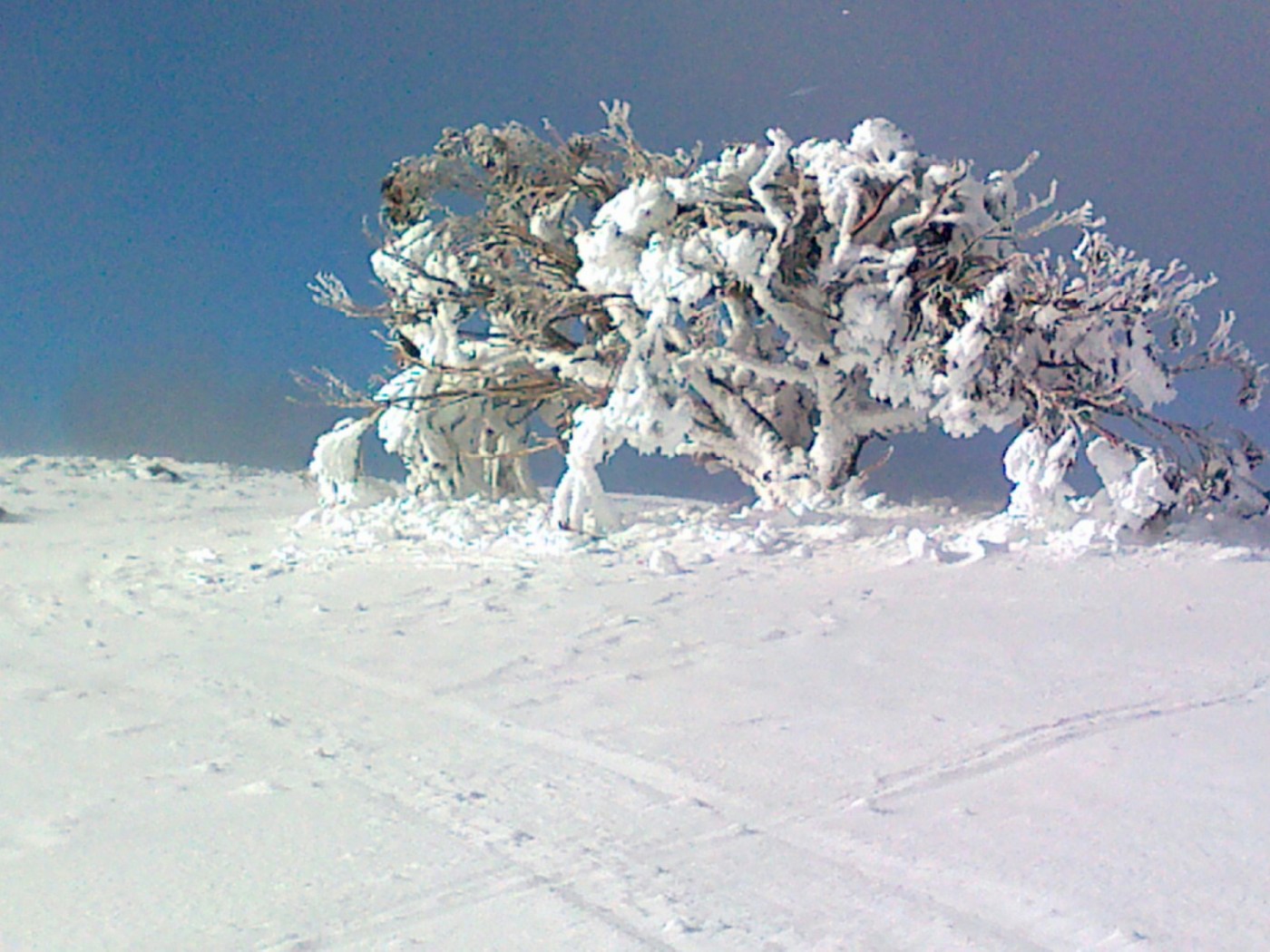
On Mt Stirling in north eastern Victoria’s High Country, there is a lone snow gum, which is several hundred years old. Earlier this year, someone heavily pruned branches from the tree, which sparked a debate about access to the mountain top.

There is a 4WD track over the alpine area of the summit. This year the Howqua Gap Track will open to the public who want to drive over the mountain from 29 November through to early May. Many people drive over the mountain during summer months, and sometimes there is poor behaviour from drivers, who take their vehicles off track. Some trail bike riders also take their bikes offtrack to the summit. This has environmental impacts and reduces the experience that many other visitors are seeking in exploring the mountain. As a result, some additional track works and signage has now been put in place. It is a shame that poor behaviour by a few has resulted in additional works needing to be carried out on the mountain.

Continue reading “Track works on Mt Stirling summit to protect the Stirling tree”

Re-homing not enough to stop Kosciuszko’s feral horse crisis

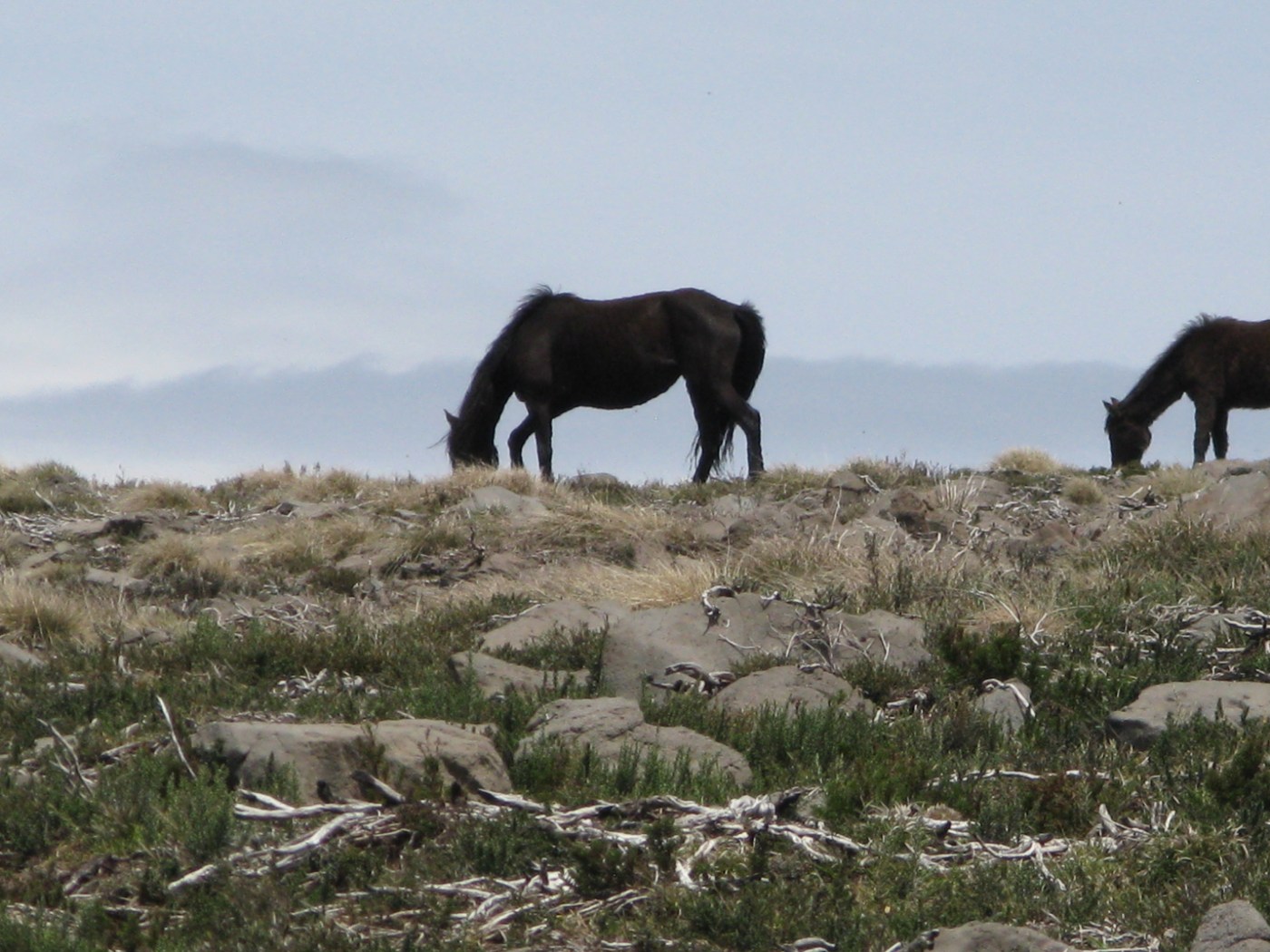
Like climate and energy policy in Australia, the alpine environment of the Snowy Mountains has fallen victim to a bizarre culture war. Conservative political parties have pandered to small groups of backwards looking constituencies, and ignored their obligations to the broader community. In the case of the Snowy Mountains, the NSW Coalition have sided with groups who think that wild horses have a cultural value that trumps their negative ecological impacts. So they have declared that feral horse populations should be protected and allowed to keep growing in numbers within the park. As a result, there has been no trapping of feral horses in the park since August 2017.

This is a poor decision on ecological grounds, and a major campaign has been mounted against this decision. Now the state government has ‘blinked’ and said they will start to remove some horses from Kosciuszko National Park and ‘rehouse’ them. However, the Invasive Species Council has warned that this plan will ‘barely make a dint in the growing number of feral horses running rampant in the park’.

The following media release comes from the Reclaim Kosci group:

Continue reading “Re-homing not enough to stop Kosciuszko’s feral horse crisis”

NSW Parliament petition highlights government inaction on Kosci horses

The NSW government’s Wild Horse Heritage Act has undermined 75 years of protection of water and alpine species by treating wild horse populations as a cultural icon that must be protected. Now, the repeal of the Act is is being debated by the NSW parliament following the tabling of a petition of more than 12,000 signatures.

While scientists and land managers are clear in pointing out the negative impacts of the horses, the NSW government has chosen to put politics over sensible land management decision making. The original Bill was proposed by the National Party. The current debate highlights the tension in the Coalition, whereby at least some in the Liberal Party can see the dangers of allowing wild horse populations to flourish in our alpine regions. However, Deputy Premier John Barilaro used the government’s majority to vote against the petition being ‘noted’.

Continue reading “NSW Parliament petition highlights government inaction on Kosci horses”

NSW Parliament to debate the impacts of feral horses

IT’S A PARK, NOT A PADDOCK!

On Thursday August 22 the NSW Parliament will debate the impacts of feral horses on Kosciuszko National Park.

More than 12,000 people signed the petition calling for this debate and it’s now going to happen!

The Parliament will debate repealing the Kosciuszko Wild Horse Heritage Act and repairing the damage caused by hard-hooved animals. Reclaim Kosci is asking people to join them on the day to show support for this parliamentary debate.

Continue reading “NSW Parliament to debate the impacts of feral horses”

NSW fails to remove horses from Kosciuszko National Park (again)

Like climate change, conservatives are using land management policy as another proxy battlefield in the Culture War.

This is amply demonstrated by the decision by the NSW government to legislate to protect wild horses, a feral species that causes immense damage to the High Country, on the basis of their ‘cultural’ significance. As expected, horse numbers continue to grow in the Kosciuszko National Park and threaten the ecological values of the park. While there had been high hopes that common sense would prevail when Matt Kean, was appointed as the NSW Energy and Environment Minister, attempts to reduce numbers through relocation have failed to be enacted by the state government.

Peter Hannam, writing in the Sydney Morning Herald, provides an update on the situation.

Continue reading “NSW fails to remove horses from Kosciuszko National Park (again)”

Snow gum die back linked to climate change

Many people know the story of the Pine beetle which has been devastating huge areas of forest across North America because of climate change.

In brief, the mountain pine beetle’s ability to survive and multiply rapidly is highly sensitive to temperature and precipitation. Warmer average temperatures allow pine beetles to complete their life cycle in just one year instead of two. Rising minimum temperatures in the Colorado Rockies have allowed more beetles to survive the winter and from 2009 to 2010, mountain pine beetle activity increased more than 10-fold, infesting 200,000 acres (80,000 hectares) on the Front Range, and killing off millions of hectares of trees in North America.

There is a similar scenario emerging in Australia’s mountain forests, although it is much less known.

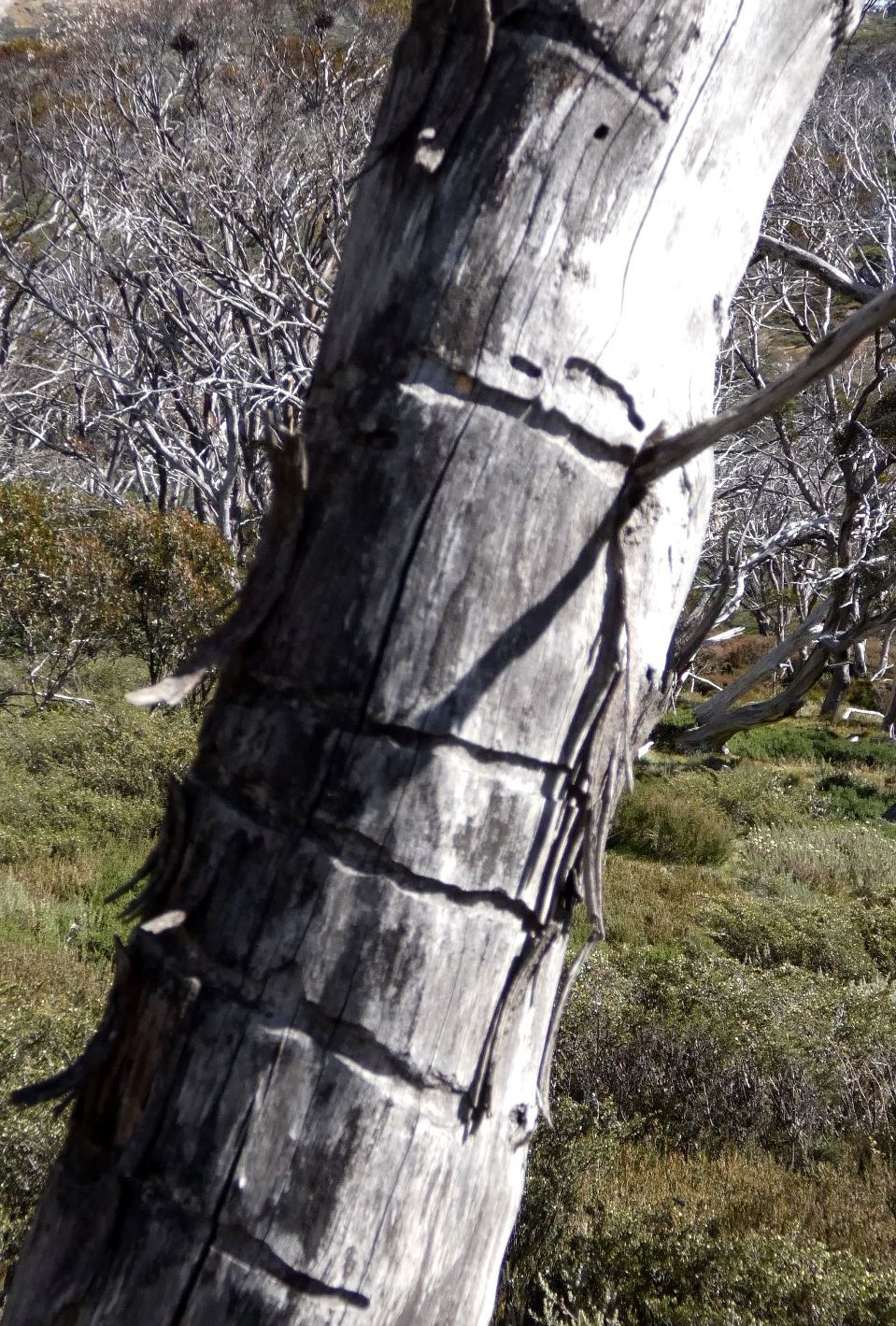
Snow gums are experiencing dieback in Kosciuszko National Park, largely because of the impacts of the native longicorn (or ‘longhorn’) beetle. These beetles prefer to lay their eggs on moisture-stressed trees and, in warmer weather, the longicorn beetle can hatch and grow up to 75% faster.

According to work published in the Resort Roundup winter 2019 edition (produced by the NSW government), ‘reduced snowfall, high summer temperatures such as January 2019 where temperatures at Thredbo top station were 4.4oC above average, and a reduction in autumn rainfall mean that snow gums are under much greater moisture stress than in the past.’ This means that larger beetle populations are causing more frequent dieback of some snow gum trees.

So far, impacts seem to be limited to areas in the Snowy Mountains among two distinct subspecies of snow gum – in the Guthega and Perisher areas and parts of Thredbo. The main species affected is Eucalyptus niphophila. Additionally, the population of Weeping snow gum Eucalyptus lacrimans in the Long Plain area appears to be significantly impacted by longicorn beetle. At this point it does not seem that the infestation is affecting the widespread E. pauciflora subsp. pauciflora.

Apart from the visual and ecological impacts of losing these important trees, increased dieback will lead to an increase in fire risk in alpine resorts and other areas within Kosciuszko National Park. With increasing climate change, it is expected that the longhorn beetle will continue to increase in numbers and therefore its associated impacts on snow gums will also become more extensive.

This is yet another compelling reason for us to be taking serious action to respond to climate change!

Continue reading “Snow gum die back linked to climate change”

Sydney UNDERFROG documentary screening

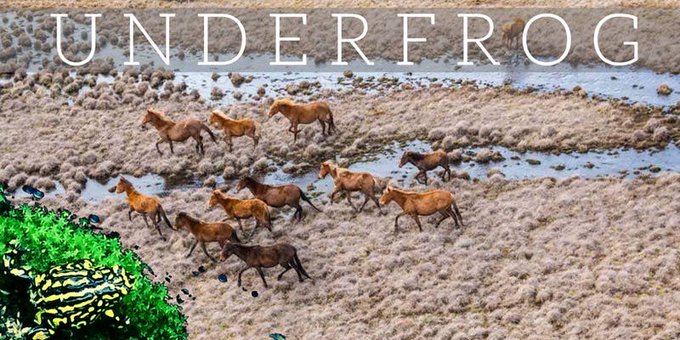
NSW Nordic Ski Club and Reclaim Kosci are co-hosting a screening of “Underfrog” on Wednesday July 24. The night will be used to increase raise awareness of the feral horse issue in the Snowy Mountains and raise funds for Reclaim Kosci to continue their work. Everyone is welcome. Doors open at 7:00pm for a 7:30pm start. Donations are optional. The film is suitable for all ages.

Continue reading “Sydney UNDERFROG documentary screening”

‘Kosciuszko National Park is lurching towards a crisis’

Wild horse populations pose a significant threat to alpine and sub alpine areas across the Alps. However in NSW, a campaign to have the horses protected because of their ‘cultural’ status means that impacts are growing significantly within Kosciuszko National Park. Now horse removal from the park has stopped for a second year in a row because of an intervention by NSW Deputy Premier, John Barilaro.

Andrew Cox, the Invasive Species Council CEO, has called this a “shameful back-down for a government claiming to prioritise protection of the environment.”

Continue reading “‘Kosciuszko National Park is lurching towards a crisis’”

Blog at WordPress.com.

Up ↑