Search

Mountain Journal

Environment, news, culture from the Australian Alps

Tag

snow sports

Time to get Out There!

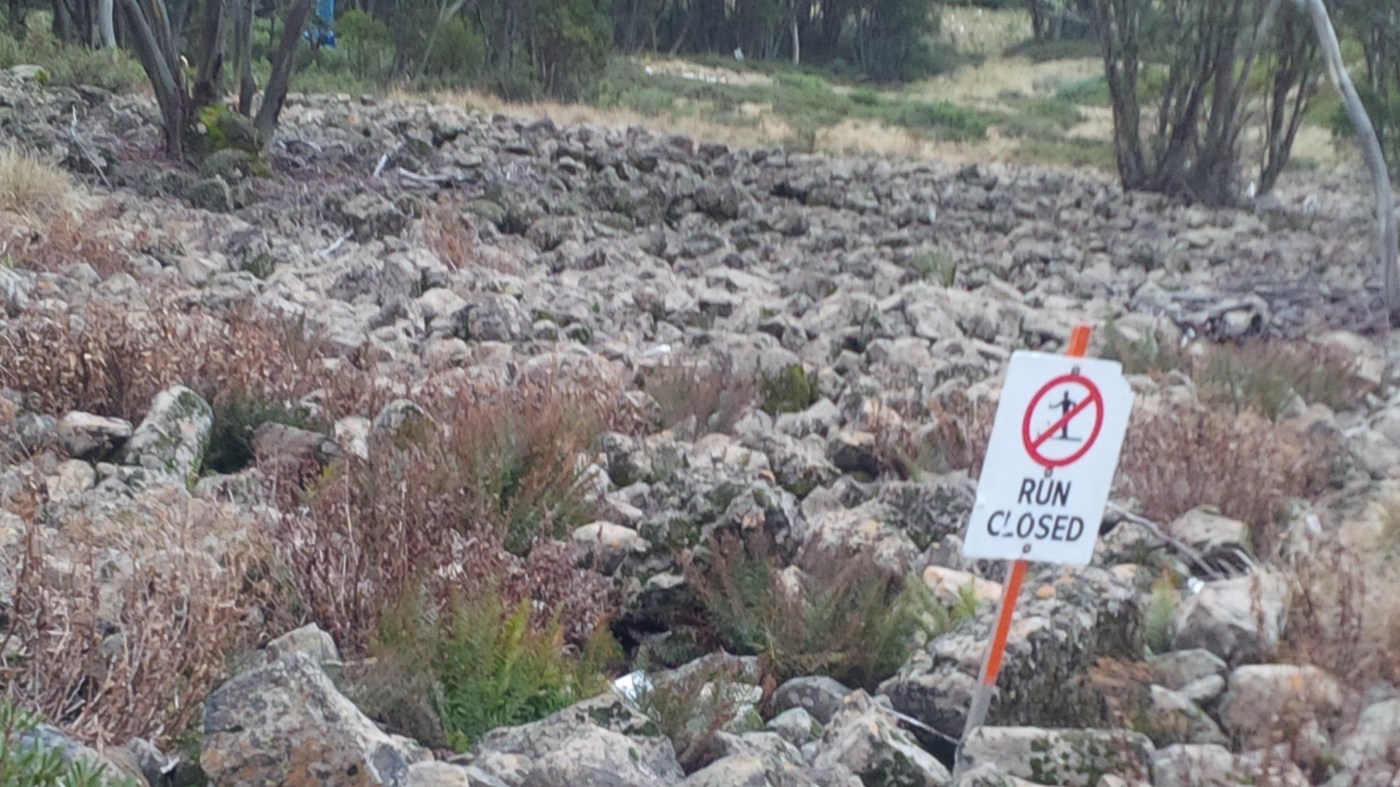
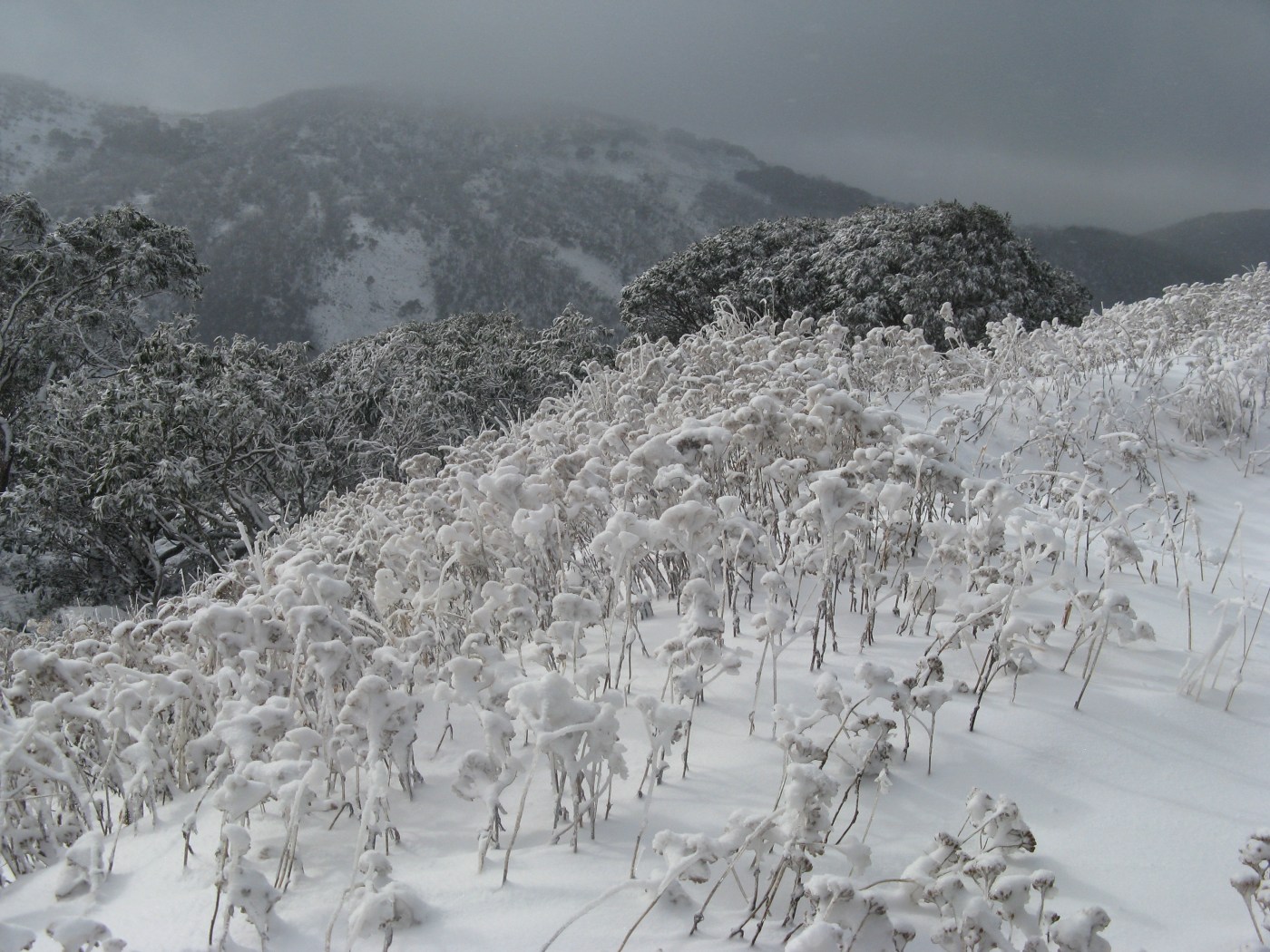
conditions at Mt Wheatley, 25/6/14

So, the first major dump has passed over the Alps, with snow everywhere!

This update comes from Bruce at Wilderness Sports in Jindabyne.

A deep low, well to the south of Tasmania is moving slowly to the southeast. A ridge of high pressure extends across the far north of New South Wales from a high centred over South Australia. The high should move to the Tasman Sea on Friday. The next major cold front is expected to reach the far west of the state Friday night, before bringing another vigorous and colder west to southwesterly airstream over the weekend.

In terms of backcountry conditions on the Main Range:

BACKCOUNTRY:
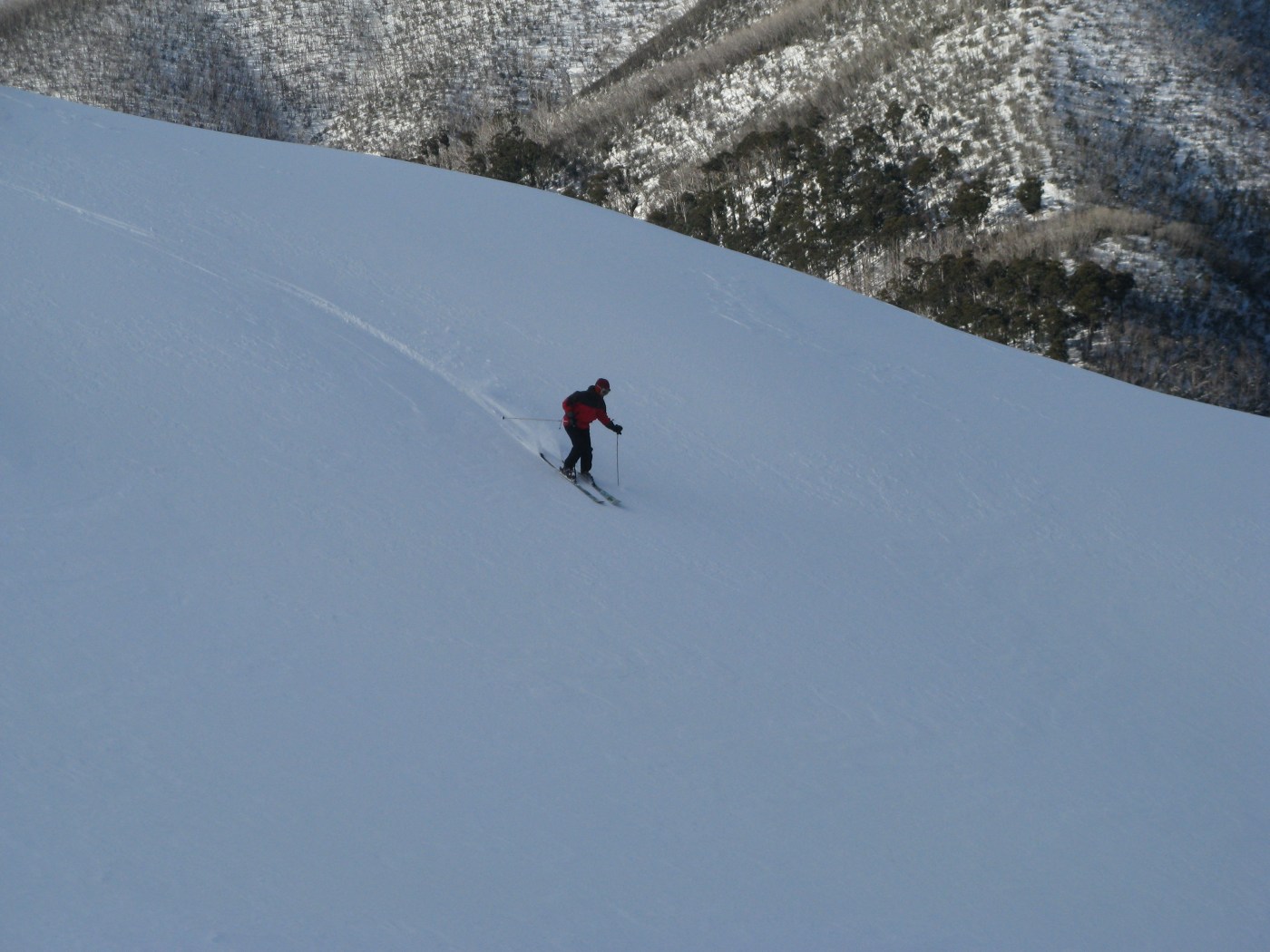
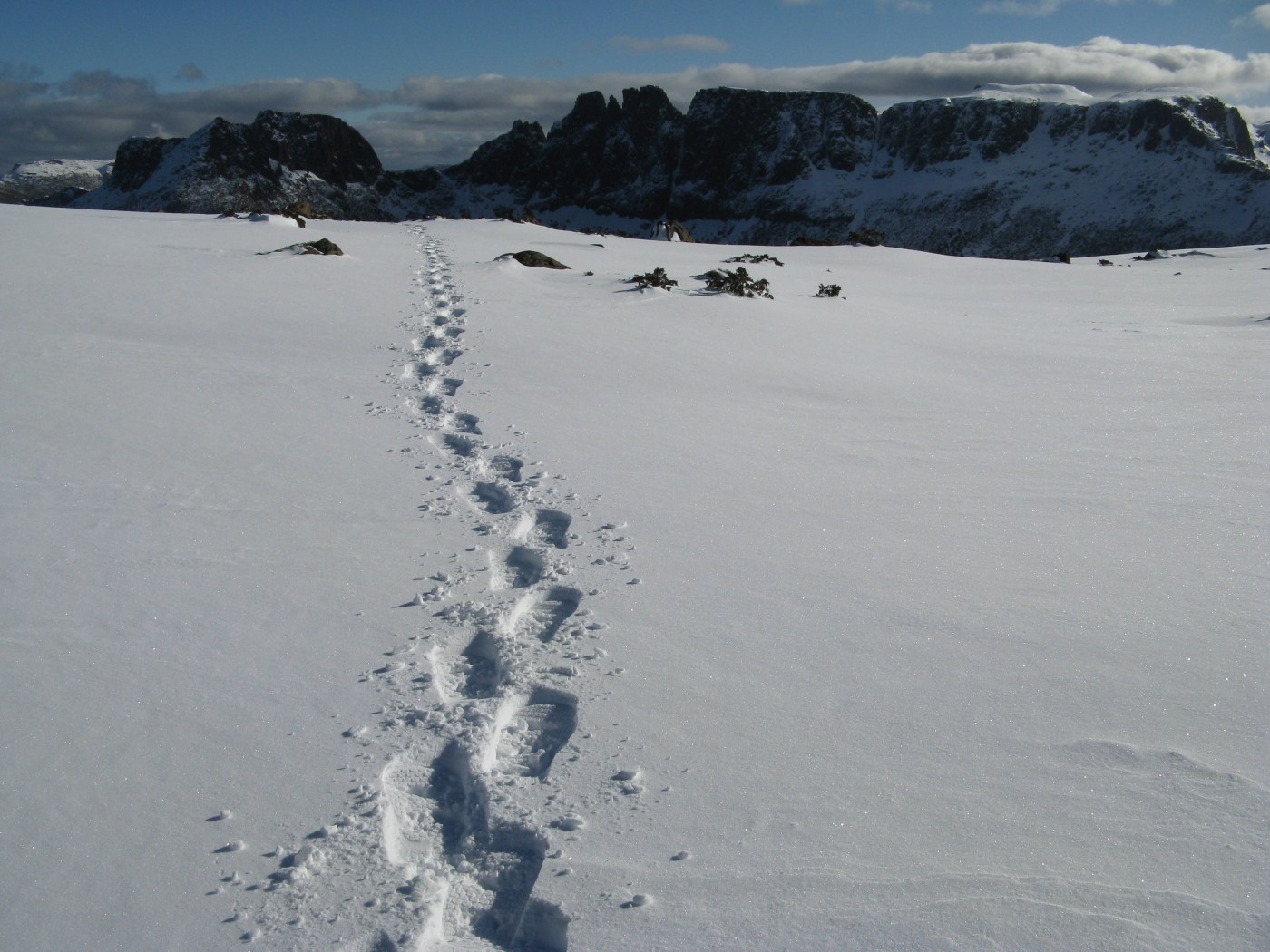
Lots of wind and drifting snow continuing to build the snow cover on the Main Range with a further 20+cms over higher peaks. Looks so promising with the forecast of solid snowfalls continuing this week. The base will have consolidated improving backcountry skiing & Snowshoes are pretty useful at the moment to get about. Once the weather clears it will be really good but while the weather is wild and woolly patience will be rewarded so use more sheltered spots to get out. Resort Cams show building snow cover!
The NEW Cam looking towards Mount Kosciuszko is sensational to assess conditions (But not when blizzard conditions prevail).

“From field observations exposed slopes in the area averaged 40-50cms. Cross loaded terrain averaged between 50-80 cms. Protected slopes snow depths started at 70 to130+cms”.

Check the weather page on www.wildernesssports.com.au for more updates on the weather throughout the week.
It’s here

The wait is over. Melbourne’s Herald Sun, who always love a bit of hyperbole has declared it “The megablizzard. Snowpocalypse now“.

A few weeks ago, Falls Creek management made the brave prediction:

Like many on the mountain, we’re beginning to get a very good feeling about this Winter. Old hands say it feels a lot like 1991, the end of the last Cold War, when our dear frenemy El Nino looked like a double agent early on before confounding the pundits and pounding us with record snowfalls. The pattern looks encouragingly familiar this year. Fingers crossed.

Whether they are right waits to be seen.

But there is no doubt that the snow is falling. Check the forecast amounts for resorts over the next week, courtesy of Mountain Watch.

Bring it.

Winter. Are we there yet?

It’s almost mid June and we’re still waiting for winter to start!

Forecasts have been all over the place. Recently the Climate Council suggested winter would be warmer than normal. Not good news for snow lovers.

Earlier reports on this site quoted weather guru grasshopper as predicting ‘a mediocre to above average season’.

With the BOM now suggesting the expected El Nino event will not occur until early spring, perhaps things are looking up.

According to the Weekly Times:

Weather forecasters at the Bureau of Meteorology last week dramatically downgraded the fears of El Nino’s drying influence on the weather in southern Australia this year.

While the El Nino pattern could still form in spring, the conditions that originally caused scientists to issue the warning disappeared last month.

Falls Creek is especially brave with this recent prediction:

Like many on the mountain, we’re beginning to get a very good feeling about this Winter. Old hands say it feels a lot like 1991, the end of the last Cold War, when our dear frenemy El Nino looked like a double agent early on before confounding the pundits and pounding us with record snowfalls. The pattern looks encouragingly familiar this year. Fingers crossed.


warmer weather, shorter ski season?

The most recent assessment of Australian weather trends (seasonal update: abnormal autumn 2014) from the Climate Council warns of a warmer than average winter. Professor Will Steffen says that “warmer weather increases the odds that the ski season will be shorter”.

“The unseasonably warm conditions that many regions of Australia experienced in April and May are likely to continue through winter. Higher-than-average maximum and minimum temperatures are likely over most of the country with the chances of warmer-than-average conditions being particularly high for the southern half of the continent.

With a warmer winter on the cards this year, the prospect of increasing intensity and frequency of winter warm spells could lengthen Australia’s bushfire season and worsen drought conditions”.

As skiers and boarders will remember from last winter, when overall temperatures are warmer than usual, it doesn’t take much to lose snow base when there are precipitation events. Victoria was especially hard hit last year, with loss of the entire base in July after a reasonable start to the winter in June.

The good news is that we can do something about this if we choose to do so:

“These trends can be turned around. Australians have an opportunity to rapidly and significantly reduce our CO2 emissions to help stabilise the climate and halt the current trend towards more extreme weather events and hotter average temperatures”.


Australian backcountry film festival – Spring 2014

For the past four years, the backcountry film festival has been attracting good numbers of people and is showing in more locations.

It seems like it might be time to have our own festival – with films made in Australia.

At previous Melbourne shows, we have added a film about skiing and boarding on The Bluff, and this year saw OFF GRID, a new effort on Mt Bogong from SoO Airtime.

The plan is to hold an Australian backcountry film festival in late spring 2014 with only local content. There are some fantastic film makers out there, and we hope to be able to showcase some of these.

We are seeking expressions of interest from film makers who would like to submit films.

Any human and gravity powered backcountry adventure would be welcome: walking, skiing, boarding, MTBing, paddling, climbing, …

As this is an entirely volunteer effort, with no budget, we are not able to offer payment for showing the films.

Films can be in two length categories. We hope to show an hours worth of short films (3 to 7 minutes) then up to 2 longer films (30 – 40 minutes).

At this point we are looking at doing a Melbourne showing, with the ability to offer the festival to other places once its packaged up.

If you’re keen, please get in touch: cam.walker@foe.org.au

And get out there and getting filming!

OFF GRID – backcountry skiing on Mt Bogong

“In 2012 seven adventurous skiers explored the Australian High Country. They camped, skied and filmed across one week’.

This short film is the result. Focused on the experience of climbing and riding on Mt Bogong and its ‘camo snow’, OFF GRID is a celebration of Australian backcountry skiing and boarding.

OFF GRID was produced by Joey Corcoran and Watkin McLennan of SoO Airtime (“a movie, an event, a community and bunch of Australian skiers that love sharing their Airtime”).

It premiered at the Melbourne showing of the Backcountry film festival in May 2014.

You can see it here.

Find Soo Airtime on Facebook.


Snow on the way

So, after the ‘autumn break’ and decent rainfalls across the south east, we are finally steering towards cooler and wetter conditions which are expected to bring the first significant snowfalls of the year.

As reported on MountainWatch, the esteemed forecaster Grasshopper is quoted as saying:

“At this stage it’s looking like some snow worth mentioning – it’s plenty cold enough – but the totals won’t be crazy. Don’t expect this snow to stick around, at best it will ruin a few hiker’s days and help to cool the ground. But any ground-cooling event at this time of year is positive!”

‘So this mightn’t be a season-starter, but it’s worthwhile getting hyped about’. 

And the final analysis?

5 to 20cm across Friday/Saturday (Alert level: Confident).

Read the full report here.

The BOM is not quite so enthusiastic, forecasting ‘snow showers’ across much of the High Country over the next week.

2014 season – Backcountry film festival

BC festival posterNow in its 9th year the Winter Wildlands Alliance Backcountry Film Festival celebrates the human powered winter experience through film.

The festival is now a pre winter event here in Australia, in its 4th season.

The Melbourne show for 2014 will be held on

Wednesday the 14th May

at Melbourne Uni (exact location soon). From 6.30pm, films start at 7pm.

Suggested donation: $8 conc & students/ $12 waged.

Co-hosted with Melbourne University Ski Club.

The festival is run by not-for-profit hosts, and in Australia, all funds raised will support the Friends of the Earth campaign against new coal and gas.

Full details here, including the trailer and list of films.

Facebook event here: please feel free to invite your friends.

Baw Baw resort under private management.

After struggling financially for several years, it has been announced that the day-to-day management of the Baw Baw alpine resort has been handed to private enterprise.

As with many key decisions taken by the current Coalition government, it appears to be blind to the reality of climate change. Climate science is consistently pointing out that the lower elevation resorts will suffer from shorter and more erratic snowcover earlier compared with higher resorts. Yet government continues to ignore the huge elephant in the room.

Like other resorts, Baw Baw has sought to broaden its appeal in recent years, with a strong focus on ‘green season’ activity and an emphasis on arts and culture, and community-orientated events. Let’s hope the new management continues to develop a diverse range of low impact events that can draw in larger numbers of people.

Anare lodge
Anare lodge

According to resort management:

Belgravia Leisure will manage the resort on a fee for service basis “with the incentive to improve financial performance”.

Board Chair Vicky Papachristos welcomes Belgravia who has a proven track record in the leisure industry, managing over eighty facilities throughout Australia including successfully managing Lake Mountain.

“I am delighted with Belgravia’s appointment because this will allow them to gain an understanding of the resort’s commercial operations and to assist us with improving the long term sustainability of the resort for the future”.

“We are looking to them to bring new ideas and expertise to help us achieve our vision for Mount Baw Baw to become a more vibrant centre for year-round alpine experiences.

“For some years the resort has required additional funding from Government to remain operational. This funding will continue but we will be drawing on Belgravia’s expertise to reduce this burden on the taxpayer and produce a better overall offering,” she said.

“Belgravia will apply their significant experience to manage the resort and produce efficiencies. We will work with them to develop a plan to secure investment in the resort to ensure the long term independent financial sustainability of the resort.”

Minister for Environment and Climate Change, Ryan Smith said: “The private operation of Mount Baw Baw Alpine Resort by Belgravia Leisure is a major boost for tourism and the economy. It will help to build a more innovative and sustainable future for the resort so that its facilities can be enjoyed by Victorians and visitors to the area.”

Belgravia Leisure will assume management responsibilities for the resort immediately and in time for the 2014 snow season. They will report to the Board and will be subject to the same legislation and regulations that are currently in place.

The contract follows the tender process that commenced in November 2013 seeking expressions of interest from private operators to manage and operate Mount Baw Baw. The contract is for one-year with the option to extend this arrangement.

ski resort denial of climate change is not making the problem go away

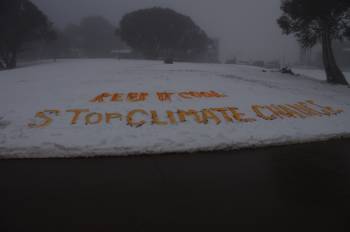
'keep it cool. Stop climate change'. Dinner Plain, June 2011
‘keep it cool. Stop climate change’. Dinner Plain, June 2011

The following article has an astonishing fact: 600 U.S. ski areas have disappeared over the past 60 years.

In the article A Snowball’s Chance, written for Boston magazine, Madison Kahn uses the example of Hogback Mountain in Vermont, a small resort that used to be ‘teeming with skiers.’

“The trouble started in the 1970s, when scientists say that temperatures began to rise significantly (in truth, there was little climate research done before then). A series of spotty seasons, coupled with the sharp spike in gas prices brought on by the 1973 oil crisis, hit the mountain hard. It finally shuttered for good in 1986”.

Madison contrasts it with the nearby resort at Mount Snow, which has survived.

“Just 15 miles apart, both ski areas are located in the middle of what was not long ago part of the Northeast’s 120-inch Snowbelt. Why did one die and the other prosper? Simple economics: Mount Snow could afford the snowmaking technology needed to stay open when temperatures began to rise. Hogback couldn’t”.

However, in an observation that should ring bells for us Australians, where much of our snow country is fairly marginal, and where winters are getting warmer, Madison notes:

“making enough snow is becoming an increasingly difficult proposition”.

Hotham Village
Hotham Village

Research cited in the article suggests that “of the resorts (in the Northeast that are) able to stay open, at least 75 percent will require substantial artificial snowmaking to survive, which, in turn, will significantly increase operational costs and lift-ticket prices”. Skiing or riding in resort in Australia is hardly a cheap option as it is.

“Almost 600 U.S. ski areas have disappeared in the past 60 years, many of them victims of warmer winters. In fact, if warming trends continue at their current rates, within the next few decades, the multibillion-dollar New England ski industry could collapse entirely”.

Here in Australia, there has been a similar response from management boards as they grapple with more erratic winters, with greater attention to snow making and attempts to re-brand resorts as ‘year round’ destinations. Where previously a number of Australian resorts were responding to the threat of climate change, now they have clearly put it in the ‘too hard’ basket. Climate mitigation programs have been quietly dropped as resorts struggle to find new ‘bells and whistles’ to appeal to visitors each year.

Of course, none of this deals with the core problem. Half of U.S. ski areas are opening late and closing early—and in the past 50 years, the average season length in the northeast has decreased by seven days. It’s a similar story here.

It’s interesting to note that in North America, a number of resorts are showing great leadership in terms of playing their part to reduce contributions to global warming.

As we all start to wonder about what this winter may have in store for us, isn’t it time the industry started to seriously face up to the facts of global warming?

The Truth About (the Future of) Snow

on The Razorback, VIC

We have frequently run stories on Mountain Journal about the expected impact of climate change on the future of snow (and hence alpine environments, skiing/boarding, and the economies of towns reliant on the industry). Some of these include DEEP: The Story of Skiing and the Future of Snow , less snow – less skiers, Snow gone? US ski resorts see melting future, Climate Change and the Ski Industry – an Australian perspective, Alps could become snow-free by 2050

This recent piece comes from Powder magazine, and focuses on the situation in North America.

The Truth About Snow

An interview with the world’s top skiing climatologist, Daniel Scott

When it comes to the future of snow—and more importantly, the future of skiing—Daniel Scott is the man with the answers. Or, at least, the man with the possibilities. Will the Northeast have snow in 30 years? No. Will Colorado? Yes. Scott holds the Canada Research Chair in Global Change and Tourism at the University of Waterloo in Ontario—the first research facility in the world to comprehensively investigate the relationship between climate change and skiing, starting in the 1980s. Many of the computer models used in Europe today come from the university. Scott built his own model 10 years ago and has been using it ever since to predict what will happen to skiing in the next century.

When it comes to reading the future, Scott does not pull his punches. He co-authored a report that spelled the coming end of half of the ski resorts in the Northeast in the next 30 years. He also contradicted studies saying Colorado would suffer the same fate—saying that most climate models are done from a hydrology point of view, and leave out snowmaking in their predictions. The point being, Scott’s studies are scientific, without a conservative or progressive bent. And in a world flooded with misinformation, this is the kind of resource skiers need.

You can read the full interview here.


snow season forecast – 2014

some good conditions from last year. Early July 2013, Mt Loch, VIC

Once the weather starts to cool down in southern Australia, something interesting starts to happen to this website: traffic to the ‘sidecountry’ skiing and boarding guide to Mt Hotham starts to climb, peaking in early June.

Its that time of year where we can almost smell the snow and are locking in trips. While this rain has been good, its still really warm. So, what type of winter do we have coming? After last years boom-and-bust cycle of good snow alternating with warm air and rain, lets hope its more consistent. The media is warning of a strong El Nino event this winter, meaning warm and dry conditions. The much trusted weather guru, The Grasshopper who writes for Mountain Watch recently released their initial forecast for the 2014 season.

Amongst some interesting analysis of what an El Nino event actually means, the bottom line on forecast is:

More likely than not we will have a mediocre to above average season and there will be plenty of opportunity for fresh provided you are ready for it. But even if things tend towards the lower end of the scale, my gut tells me we will be compensated by plenty of cool clear nights with copious amounts of snow making to keep the groomed areas looking tip top.

Read the full report here.

And keep checking Mountain Watch for an update closer to June.

Fingers crossed!

Blog at WordPress.com.

Up ↑