Just a reminder that the 2016 showing of the Backcountry film festival hits Melbourne tonight (May 2).
Nine great films over 2 hours.
Continue reading “Backcountry film festival, Melbourne, May 2”
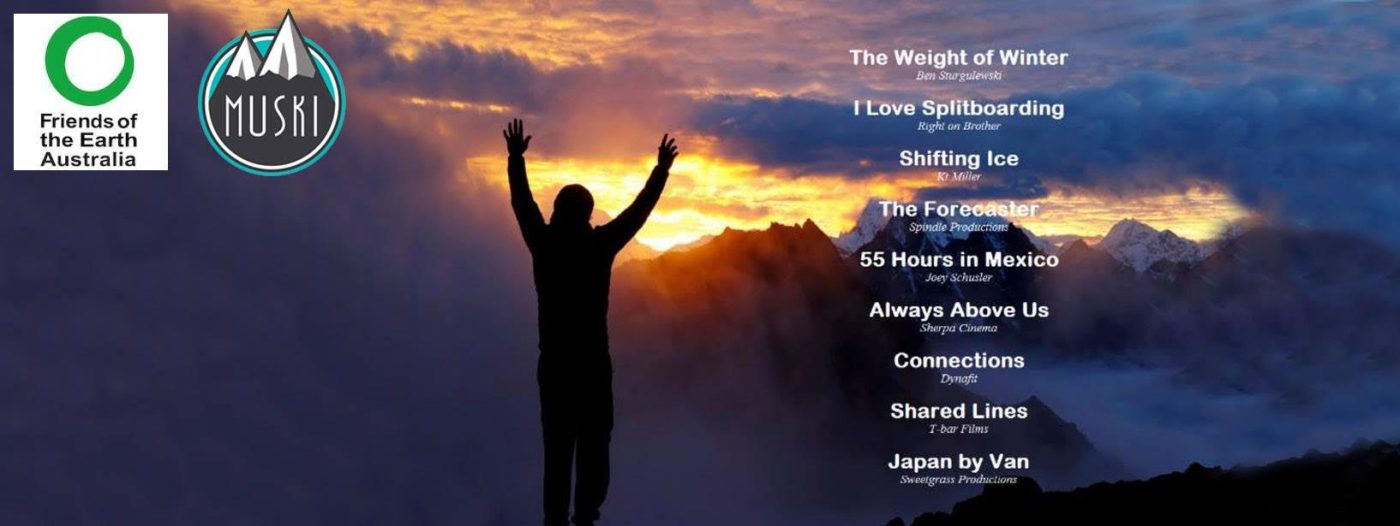
Just a reminder that the 2016 showing of the Backcountry film festival hits Melbourne tonight (May 2).
Nine great films over 2 hours.
Continue reading “Backcountry film festival, Melbourne, May 2”

The Guardian is reporting that 90% of the Snowy Mountains brumbies would be culled over the next two decades, under a plan released by the New South Wales government.
The draft wild horse management plan for Kosciuszko national park aims to cut the population of wild horses in the park from 6,000 to about 3,000 in the next five to 10 years.
The population would be dramatically slashed to just 600 within 20 years, confining the wild horses to three locations inside the national park.
Current numbers of wild horses were unsustainable and the animals were damaging the park’s fragile alpine and subalpine landscapes, the NSW environment minister, Mark Speakman, said.

The Weekly Times reports that the Victorian government will give a major boost to aerial baiting in the state budget due later this month. It is not clear which areas will be focused on, but the Alpine National Park can be expected to be a key location given dog numbers, and statements by the minister that there will be baits laid in ‘hard to reach’ areas. In another land management development, the government has also announced it will work with the Australian Deer Association to cull deer.
Continue reading “Victoria to increase aerial baiting for wild dogs”
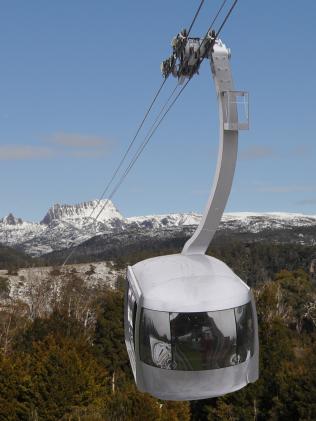
Mountain Journal has previously covered the release of a proposed Master Plan for the Cradle Valley section of the Cradle Mountain Lake St Clair National Park, which was developed by the Cradle Coast Authority. We highlighted some of the positive aspects of the proposal here.
However, a cornerstone of the proposal is a cable car, which would run from a new tourist centre to the north of the park boundary to Crater Lake. The Authority says ‘the Cable Car is the core element of the Cradle Mountain concept.’
A recent article by Nicholas Sawyer in The Mercury provides some thoughtful views about the proposal for a cable car and the broader issue of how tourism interacts with our national parks.
Continue reading “Tourism in national parks. When is enough enough?”
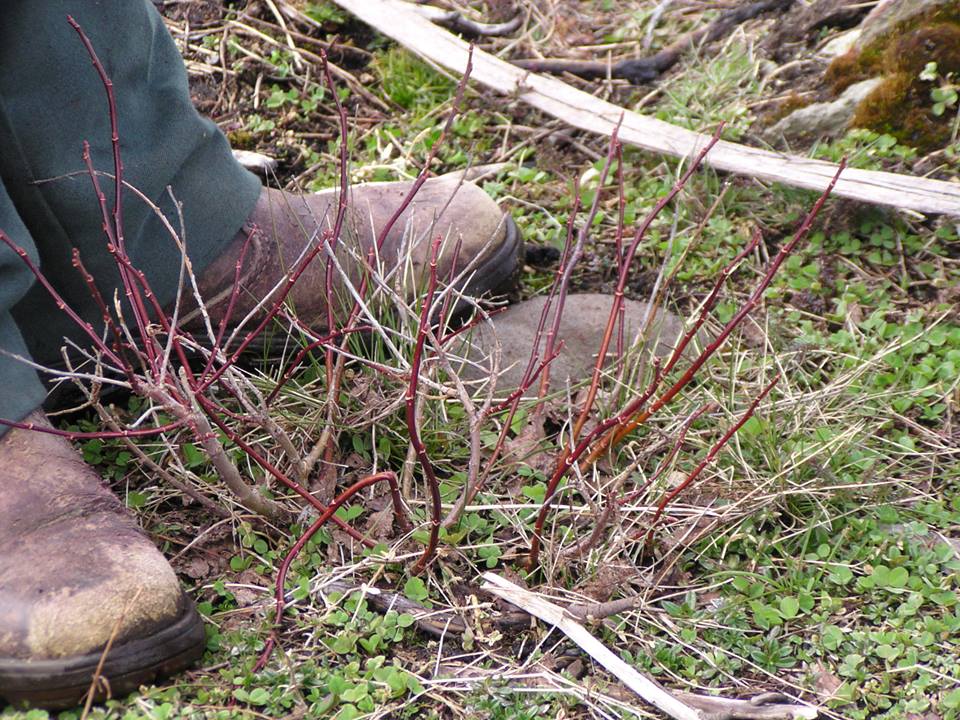
The following comes from Parks Victoria.
Help us eradicate willow and other noxious weeds from the Baw Baw and Alpine National Parks by participating in the West Gippsland Peatland Community Threat Surveillance Program, keeping an eye out for willows while you are visiting.
Continue reading “Keep an eye out for willows and other weeds”
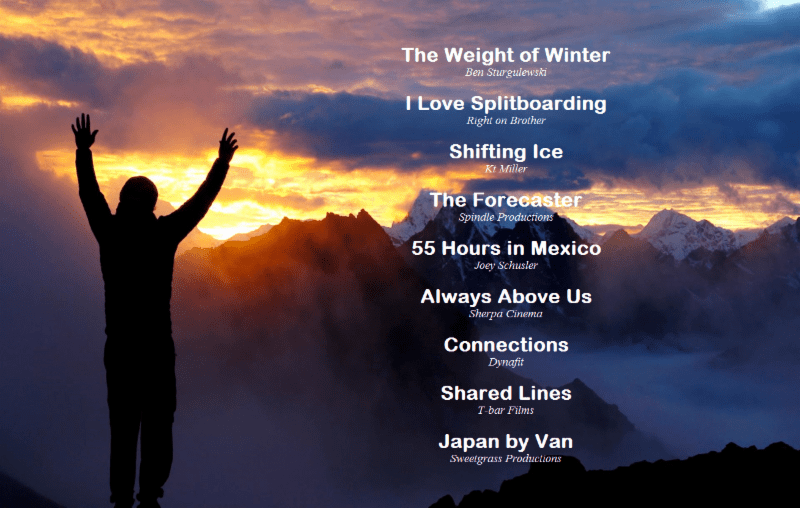
We now have a date for the Melbourne showing of the Backcountry film festival:
Monday May 2
‘Public Lecture Theatre’ in Old Arts Building
Melbourne University, Carlton.
Map available here.
Suggested donation: $8 conc & students/ $15 waged. Tickets at the door. There will be plenty of room.
All proceeds go to the Friends of the Earth climate campaign against new coal and gas drilling in Victoria.
7 – 9pm. Films start at 7.15pm. There will be a short intermission.
Hosted by Friends of the Earth and Melbourne University Ski Club.
Facebook page for the event here.
For a listing of the films (and details on the April 30 show in Sydney) please check here.
For further information: Cam Walker 0419 338 047 cam.walker@foe.org.au

In a significant move, volunteers with the Country Fire Authority (CFA) in north east Victoria have called for a halt to planned fuel reduction burns in the Strathbogie Ranges. Mountain Journal has previously reported on community calls to halt the burns because of the likely ecological impacts.
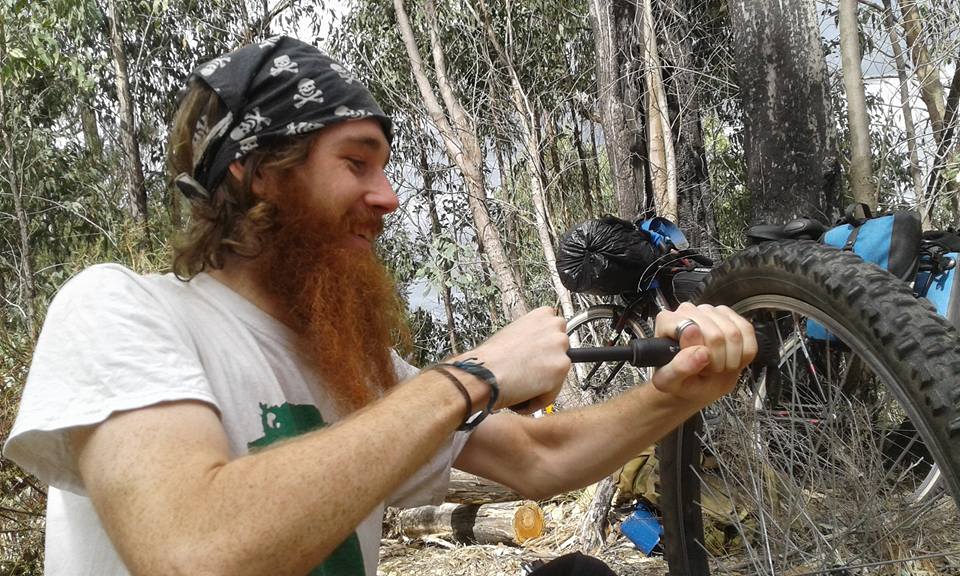
This is a novel way of raising awareness about the proposal for the Great Forest National Park – riding a bike through the forests and posting updates about the amazing things and places to be found in the Central Highlands.
The following comes from Aidan Kempster, writing on their Chuffed page.
Continue reading “Riding for the Great Forest National Park”
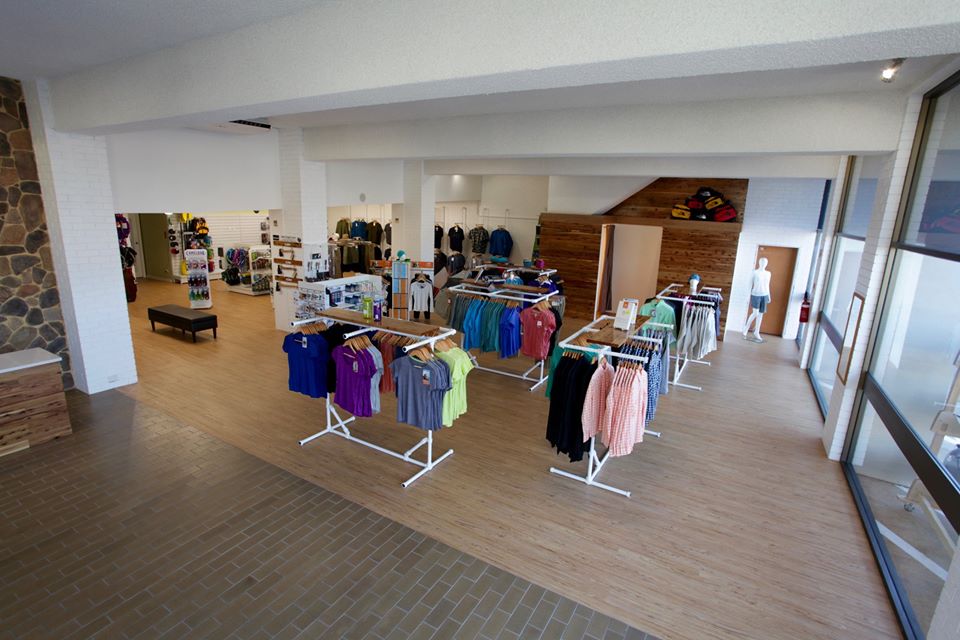
Anyone who has been involved in small scale retail knows how hard it is to get a new business going. In the realm of outdoor gear, there is the move to online buying and the threat posed by the large chains, who can sell goods at greatly reduced prices, and who have deep pockets for sourcing stock. Being in a small town adds to the challenge of making a new business economically viable.
Tom’s Outdoors is a recent venture, based in Tumut, in the western foothills of the Snowy Mountains.
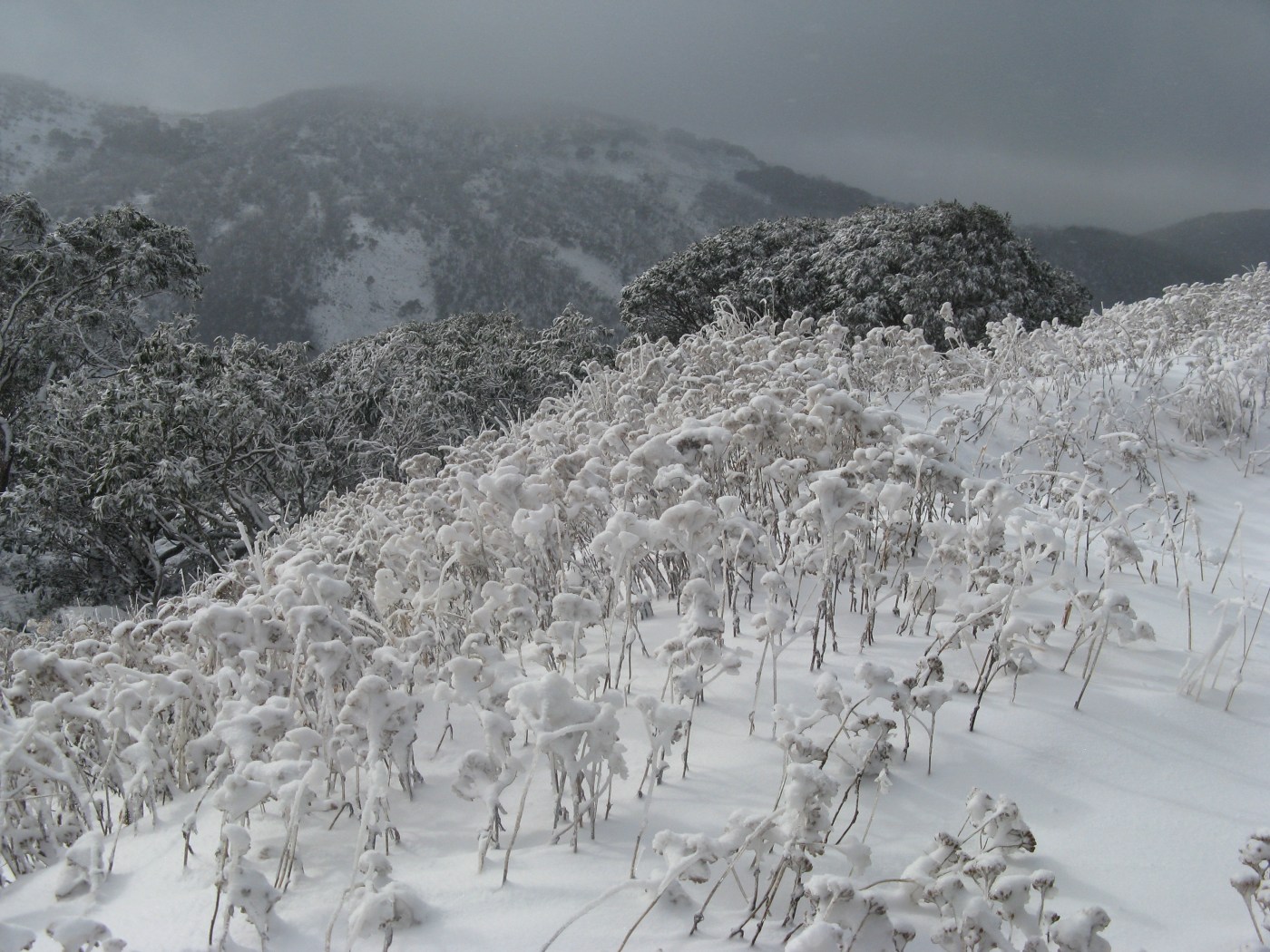
It’s April: two months til winter… Which gets us all thinking about what type of season it will be.
Most Australian snow enthusiasts know about The Grasshopper, who writes snow forecasts for MountainWatch (‘resident meteorology sensei’ at MountainWatch).
The first prediction for 2016 has arrived.
Continue reading “The Grasshopper prediction for winter 2016”
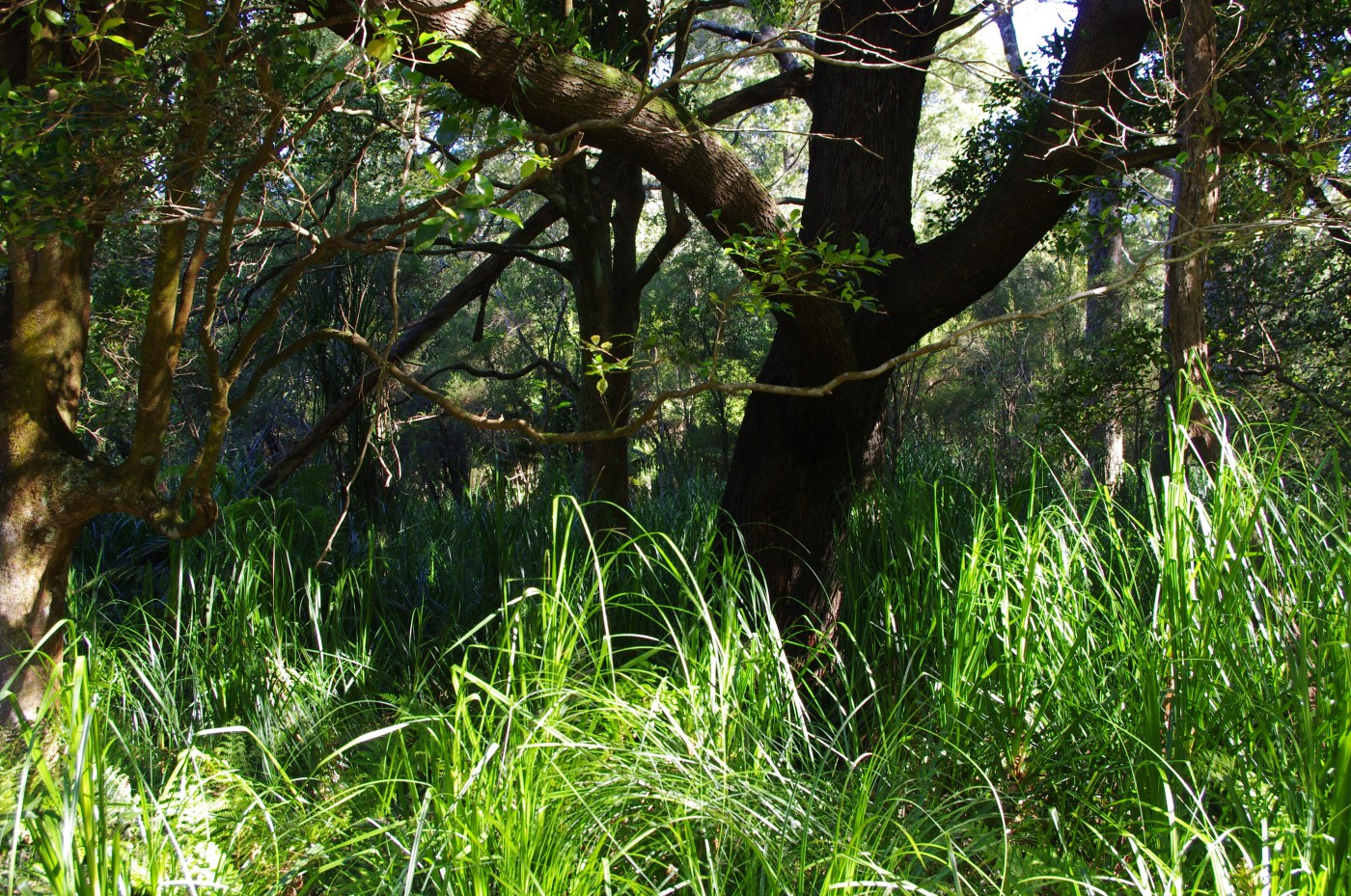
The Victorian Walking festival starts on April 1 and goes until May 8.
You can choose walks by date, theme or region. There are walks in Melbourne and regional VIC plus lots of specialised themes like night walking, food culture, natural history, etc.
The following information comes from the organiser, Stephen Ingrouille
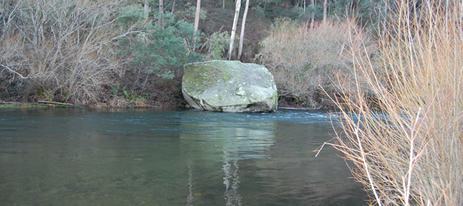
The following report outlines the excellent weed removal and restoration of indigenous species which has been happening along the West Kiewa River in the section above and around Mt Beauty in north east Victoria.
It comes from the Department of Environment, Land, Water and Planning.


Recent Comments