Search

Mountain Journal

Environment, news, culture from the Australian Alps

Author

Cam Walker

I work with Friends of the Earth, and live in Castlemaine in Central Victoria, Australia. Activist, mountain enthusiast, telemark skier, volunteer firefighter.

Australia’s wilderness ‘risks being loved to death’

The following is a media release from National Environmental Research Program’s (NERP) Environmental Decisions Hub and The University of Melbourne, October 14, 2013.
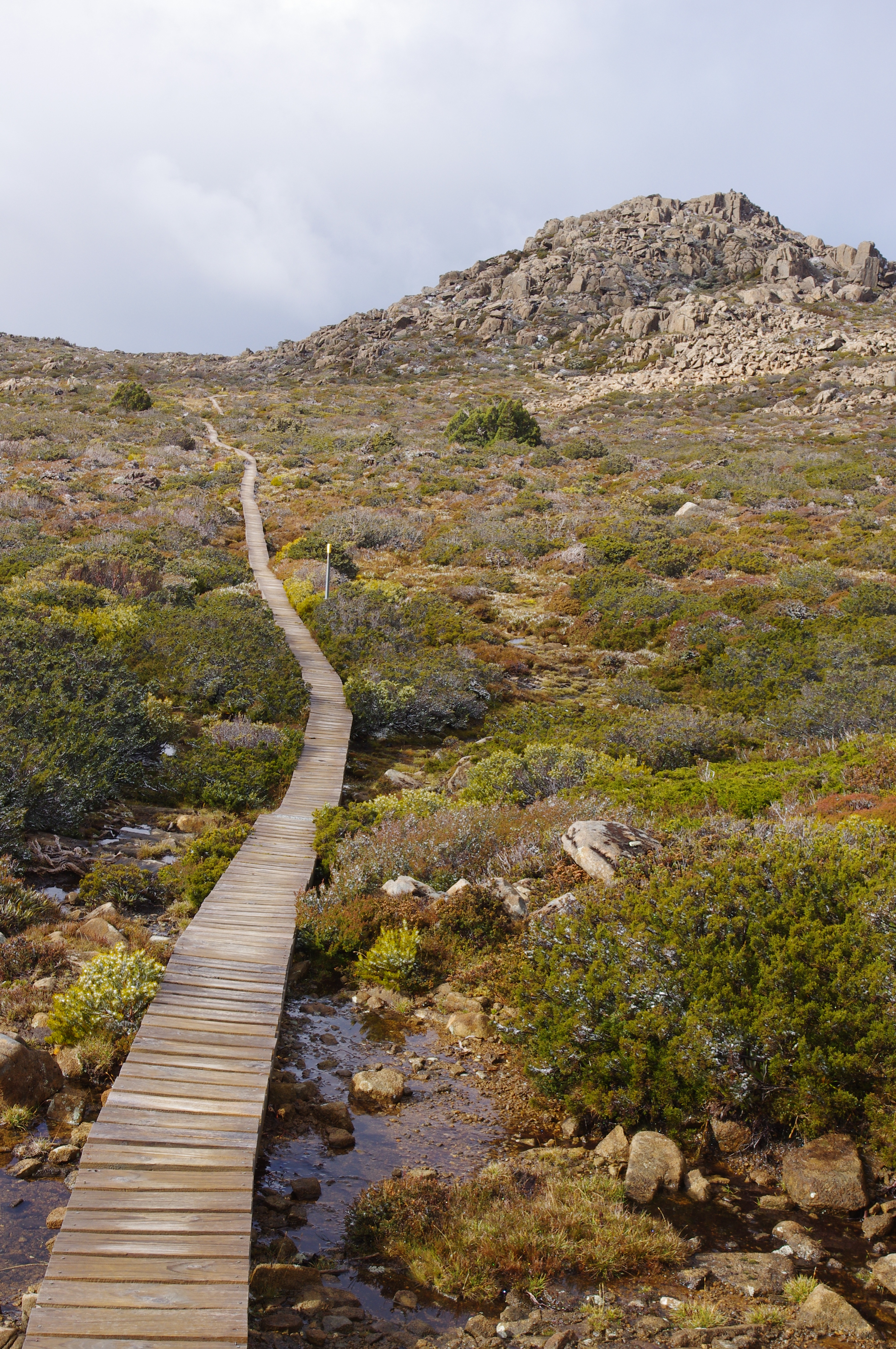
Mt Field national park, TAS

With 28 million visitors camping, tramping, biking, 4W driving, riding and picnicking in them every year, Australia’s iconic nature areas are at risk of being loved to death.

The love affair of urban Australians and foreign visitors with our spectacular wilderness is challenging conservation managers with a new set of problems and tricky decisions, says Dr Kelly Hunt de Bie of The National Environmental Research Program’s (NERP) Environmental Decisions Hub and The University of Melbourne.

“The trend towards nature tourism is increasing year by year. There are more people, doing more travel and an urban culture that is keen to re-establish its links with nature,” says Dr Hunt de Bie. “This all adds up to growing visitor pressure on our wild places, both managed and unmanaged, and the inevitable degradation of some of them.”

“National parks are established with the aim of conserving environmental assets while also providing quality, sustainable recreational experiences. But what if the recreational experiences result in the damaging of environmental assets? Activities of visitors can have significant negative impacts on the natural values of parks, both at the site and landscape scale,” she says.

Typically these include soil compaction and erosion, tree and vegetation damage, waste disposal issues and increasing visitor pressure in areas containing rare and endangered species, or where efforts are being made to re-establish lost species. Visitor safety in the bush is also a factor.

As a result, Dr Hunt de Bie and her colleagues are working on novel ways to help park and wildlife managers navigate the tricky path between meeting the expectations of nature tourists, and keeping the natural wilderness intact for future generations. The work is co-funded through Parks Victoria.

Using Victoria’s famous Grampians National Park and the inter tidal zone walking trails of Port Phillip Heads Marine National Park as case studies, the researchers are investigating ways to help park managers to ease the pressure on wild places of high conservation value – without diminishing the experience that visitors gain from them.

“Managers of the environment are routinely faced with making complex decisions with little information and high levels of uncertainty. It’s a tough ask, but that’s their job. When decisions have to be made regardless of these constraints, structured decision making (often simply referred to as SDM) is a useful tool for guiding managers through the decision process,” she says.

The team is testing a six-step decision process that involves defining the conservation goals and performance measures, developing alternatives and predicting the consequences of each, making a decision – and keeping a careful eye on its results.

“When it comes to making a decision about an area that is getting over-visited, there are basically several alternatives – do nothing, relocate visitors to another area so it can recover or limit visitation in time or space. You can also build permanent features that reduce its vulnerability.

“We are now working on what each of these does for the sustainability of the site in question – and also speaking to visitors to see what they are willing to accept.”

At Port Phillip Heads, for example, the famous visitor walk round the heads at low tide crosses areas covered with the brown seaweed Hormosira banksii, which is a haven for wildlife. “Parks Victoria has identified that a key threat to intertidal reef communities is trampling by humans – which may increase in future,” says Dr Hunt de Bie’s colleague, PhD researcher Prue Addison.

Options range from using rangers and signage to educate visitors, to diverting the route of the walk to less sensitive areas, to opening and closing sections, to building boardwalks over key reef areas. Using the SDM approach, the researchers enabled park managers to score the various options and so choose the most appropriate at the time.

“It is clear that managing our national parks and wildlife reserves is a never-ending task – and that it also includes managing the pressures imposed by visitor numbers which are growing at a steady 3 per cent a year,” Dr Hunt de Bie says.

“Nature tourism brings more than $20 million in from overseas each year, so it is clearly a vital part of the Australian experience, which we don’t want to diminish in any way. At the same time we need to be sure the experience itself does not deteriorate through over-use. These decision making systems can help to achieve that,” she says.

Details of the research appear in the latest issue of the journal Decision Point: http://www.decision-point.com.au/

The Environmental Decisions Hub is funded by the Australian Government’s National Environmental Research Program (NERP). The Hub’s research aims to assist Australian governments in their environmental management and decision making.

on walking

on the Razorback, VIC

I recently heard a great Radio National program featuring English travel writer Robert Macfarlane.

His new book The Old Ways: A Journey on Foot is the third in a trilogy about “landscape and the human heart”.

As mentioned on RN, “in it, Robert Macfarlane travels the ancient walking tracks of Britain” and he spoke of the many deep experiences he has had while travelling on foot.

I have always been a big fan of walking, for commuting and recreation. It has all manner of benefits, and in bioregional terms, is a necessary part of getting to know your place and region. But lately I have been getting more influenced by the thought that walking can have a spiritual benefit as well.

Partly this is just formed from many hours sitting on trams and trains, aware of everyone around me fiddling with their electronic gadgets. I love and appreciate the internet as much as anyone and have the need to be plugged in. But as our minds become ever more crowded with huge volumes of data and (often quite shallow) information, and as we get ever more dependent on electronic gadgets, many of us are becoming obsessive in our need to be online and ‘connected’.

To have what has been described as a ‘considered’ life, you need time for reflection. This means time simply being with yourself. Whether you have religious or spiritual beliefs or not is irrelevant to this observation. It strikes me as being obvious that people need time for inward reflection – as opposed to the external ‘reflection’ that happens on social media and ‘reality’ TV, which is essentially something crafted for consumption by others. If you cannot bear to just sit with yourself, then there is something wrong in your life.

But in this hyper consumerist world, few of us are encouraged to make that time just to be.

Having some quiet time in the day means we can think about life, and how we are going in our relationships: with ourselves, our loved ones, and our community. Walking brings this opportunity to me. You don’t need any fancy gear to actually do it, just a few minutes in your day, wherever and whenever you can fit it in.

The global connections available to us via the internet are amazing. And more and more this opportunity is spreading to the majority world. But this engagement is very much ‘front of brain’ interaction, generally not deep or reflective.

And while I love my bike, walking gets you to a different place, because you can get into the rhythm of walking rather than maintaining the need to be constantly scanning for danger, which is a requirement of riding a bike at any speed.

Walking clears my head. It lets me plan for my day and then to unpack whatever happened at work.   Sometimes it just connects me to place, as I wander neighbourhoods and see how people live and interact. My life feels richer as I get to know the places around me, human and non-human, as you see a level of detail that cannot be discovered even from a push bike or car.

Then there is the deeper level. Sometimes I think its good to have an open mind as you walk. To consciously not think or plan, just to be open to what presents itself on that particular day. Some of my deepest revelations and connections have happened as I practise open mind walking, there is something to the movement of walking – a defining characteristic for humanity through the entirety of our existence – that takes me far further than sitting meditation has ever done. Being propelled through a landscape, the weather, our immediate surroundings, at the pace of the human body is inherently spiritual.

Yes, walking can be a drag, when you’re tired and want to get home, when its too hot or too wet or your destination is simply too far away. When you’re sick or tired or simply weary with life. But mostly its something that enriches our lives and gives authentic experience that is not gained from being plugged in or otherwise distracted in our lives.

To finish, I like this quote from Timothy Hull. His ‘companions’, transcendentalist poet uncle Walt Whitman and nature writer Mary Oliver may not resonate for us all. But the notion of walking out from home, into a rich landscape – busy or empty – flat or hilly – urban or rural – is something that we can all do. Who knows what we might find and who we might meet on the way.

Lets go walk out beyond the Wall
Across the land in the bright Fall
With the leaves fiery jewels
With Uncle Walt on the open road
Mary Oliver,
Dreaming souls
Wonderful companions bright and clear

[originally posted on an appreciation of the Bogong bioregion]

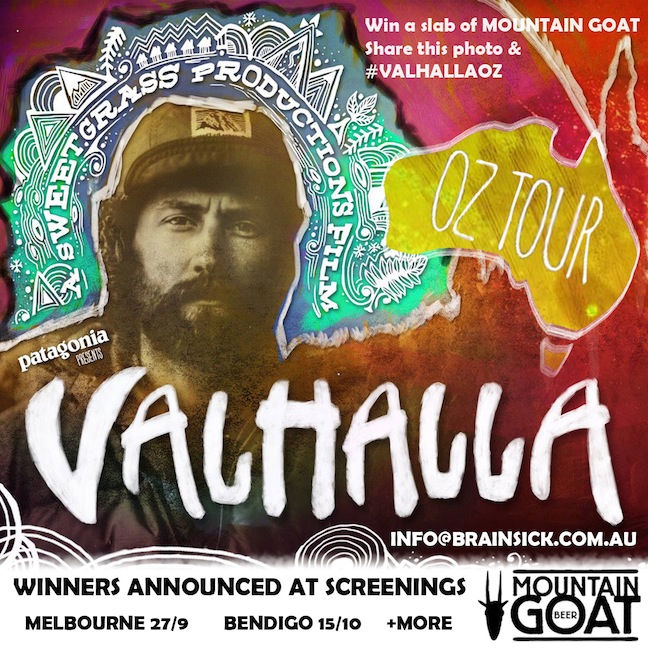
VALHALLA film showing in Australia

INSTAGRAM PROMOThe weightlessness of youth: every breath radiates opportunity and hope; every sense thrives on the wealth of the present; everything whispers of brilliance and awe. When you’ve seen the season’s first great snow through the eyes of a child—you’ve known true happiness. But what happened to that simple joy? Where do we find the freedom that time and wisdom stole away?

Valhalla, Sweetgrass Productions’ fourth feature film, is the tale of one man’s search to rediscover the freedom of his youth. Feeling the distant heat of it’s fire still burning in the mountains of the frozen north, he goes in search of those tending the flame—the untamed, the wild, and the outcast dwelling on the fringe. Weaving narrative-driven style with award-winning, face-melting backcountry ski and snowboard cinematography; Valhalla is a vivid explosion of colour, character, snow, and nostalgic soul.

Starring: Cody Barnhill, Sierra Quitiquit, Alex Monot, Pep Fujas, Eric Hjorleifson, Kazushi Yamauchi, Zack Giffin and Molly Baker

Presented by: Brainsick

Sponsored by: Patagonia and Mountain Goat

Where/When:

Bendigo: 15/10 – 6pm
Star Cinema
1 Peg Leg Rd, Eaglehawk
$10 on the door (cash only)

Sydney: TBA
Patagonia Retail Shop
93 Bathurst St, Sydney
TBA
Entertainment: Mountain Goat beers and live entertainment at some events. Door prices at all events.

More info: info@brainsick.com.au
http://www.facebook.com/BrainsickProductions

Read more: http://www.mountainwatch.com/snow-news/21692883/Sweetgrass-Production%27s-Valhalla-to-premiere-in-Melbourne#ixzz2hPImgLq7

mountain goodness – your daily pic from the hills

april 2009 147Mountain Journal is on Facebook and has a daily photo from the mountains of TAS, NSW and VIC.

Please feel free to add your own.

You can never have enough mountain goodness, especially at the start of what is likely to be a long, hot, and fire-prone summer.

Daily photos available here.

Mountain Cattlemens disendorsement a good thing for MP?

Image: National Trust

The Australian Electoral Commission has just declared the outcome for the Federal Seat of McEwen, in central eastern Victoria.

During the election campaign, the Mountain Cattlemen’s Association came out against the sitting Member, Rob Mitchell, because he opposed cattle grazing in the Alps.

In response, Mr Mitchell said:

“The Mountain Cattlemens Association of Victoria is a small group of people who have historically enjoyed something that few Australians have – free access to public assets to help build their wealth.”

“While we respect and admire their history and their traditions, it’s no longer possible to allow such a small group – mostly wealthy beef producers – to continue grazing cattle in areas that belong to the public, current and future generations.”

Mr Mitchell said there were many “intelligent, rational” reasons to keep cattle out of sensitive alpine ecosystems and noted NSW had decided to stop mountain cattle grazing in the late 1960s.

The Victorian Coalition is in thrall to the mountain cattlemen (as shown recently by them creating an advisory group on the Alpine Park stacked with grazing and pro-grazing interests). The state government was widely criticised for putting its political allegiance with the cattlemen ahead of good policy development in crafting its ‘fuel reduction’ grazing program, which was subsequently stopped after intervention by the federal government . As was reported in The Age, the government pushed ahead with its controversial grazing trial despite being told by Parks Victoria that no “scientific, social or economic evidence existed to support it”.

It would be worth the state government taking note of the fact that in spite of a nation wide swing against the ALP in the election, pro-grazing views within the electorate were not able to affect Mr Mitchell.


In an interesting side note, Victorian Liberal MP Donna Petrovich had resigned from state Parliament to stand against Rob Mitchell in the September election. She holds a regressive position on a range of climate related issues, including supporting continued use of coal and opposing wind energy.

On wind

In Hansard, Ms Petrovich raises various issues about what she sees as the ‘problems’ with wind energy: issues of reliability of wind, health risks, visual impacts.

Ms Petrovich is concerned that the previous government did not consult with the community over wind farm policy (yet she consistently refused to say who the Coalition consulted with in framing their policy).

She says that the No Go zones that block wind energy from much of the state were ‘carefully’ selected where communities ‘on the whole have told us that they are not appreciative of wind farms’. In the same speech she only mentioned anti-wind groups as being the groups she had worked with in forming her opinion rather than the broader community.

She endorses the Coalition’s anti wind policy VC82: ‘The position the government has come to is one that I am proud of.’ (Hansard, 12/10/11).

On coal she says:

The Coalition looks towards the effectiveness and abundance of brown coal as a means to provide a reliable source of energy for Victorians”. (Hansard October 11, 2011).


Is alpine grazing back on the agenda?

Shortly after the election of the Coalition to power, the Mountain Cattleman’s Association of Victoria (September 17, 2013) issued a call for the new Federal government to overturn the current ban on grazing in the Alpine Park in Victoria.

Cattle-dont-belong-in-national-parks-their-National-ParksIn response, a spokesperson for Gippsland MHR Darren Chester said the federal government would “look at the issue should the state government put it forward”.

“Darren is still fully supportive (of cattle grazing) and we would be happy to take it to the party room if and when it happens.”

Such an action would be consistent with Mr Abbott’s intention to get rid of ‘green tape’ (ie, environmental protections), thereby removing the federal government from involvement in most key environmental decision making processes. It was only intervention by the previous Minister for the Environment, Tony Burke, that saw the removal of the cattle after they were introduced by the Victorian government.

If this troubles you, please contact the new Minister for the Environment, Greg Hunt, making it clear you would not support such a move.

E: greg.hunt.mp@aph.gov.au

Website: www.greghunt.com.au

Twitter: https://twitter.com/greghuntmp

Possible tweet:

Congratulations to new Enviro Minister @GregHuntMP Darren Chester says Gov will look at ending grazing ban. No cattle in the Alpine Park.

Facebook: https://www.facebook.com/greg.hunt.mp

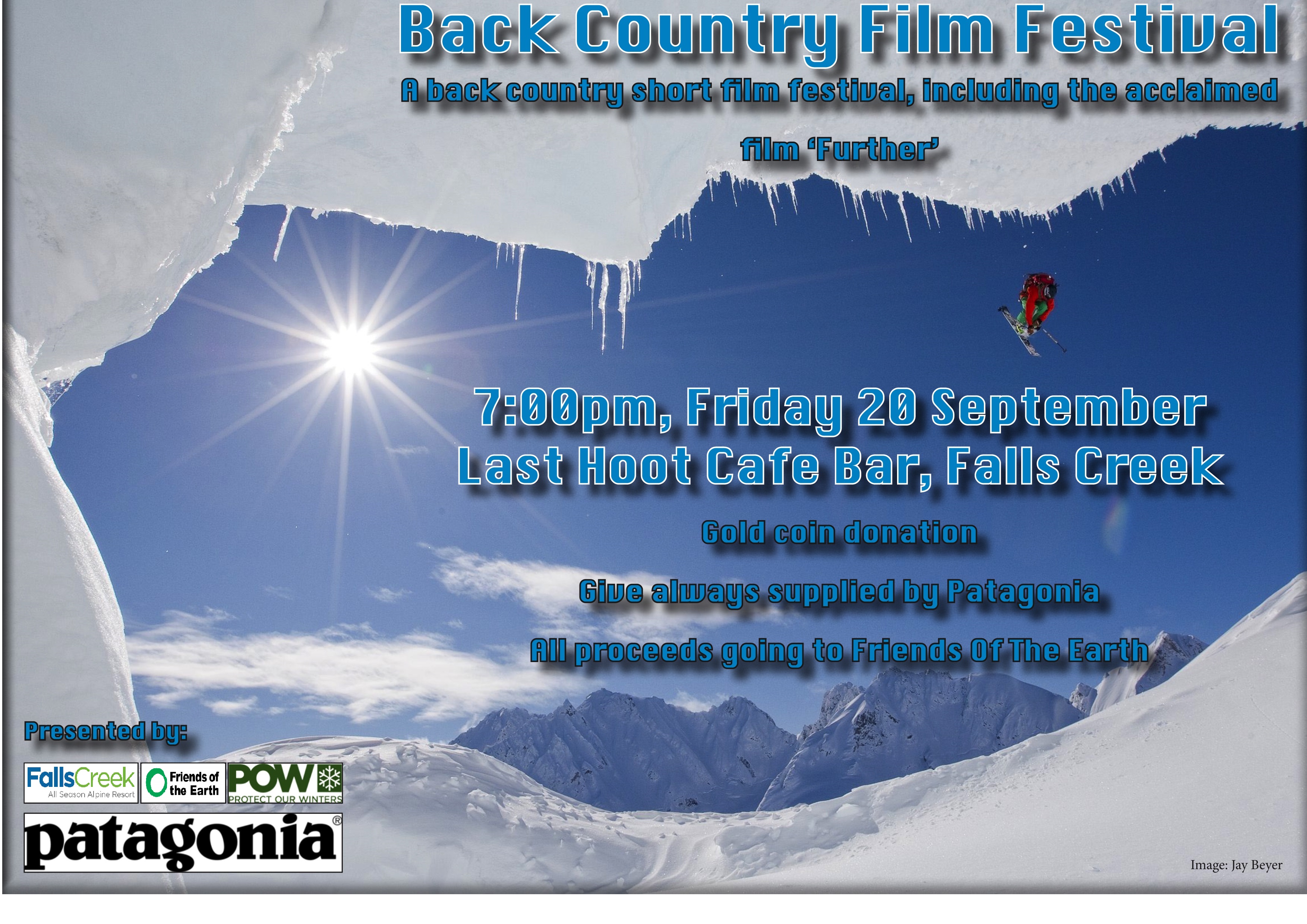
Backcountry film festival, Falls Creek

Back Country at FallsThere is one last showing for 2013 – at Falls Creek, on friday September 20 at 7pm.

Many thanks to Brett Lemin for organising the evening, and to Falls Creek resort management for support, the Last Hoot cafe bar for hosting, and Patagonia for the give-aways.

Check here for details on the films shown in this years festival.

Splitfest at Mt Hotham

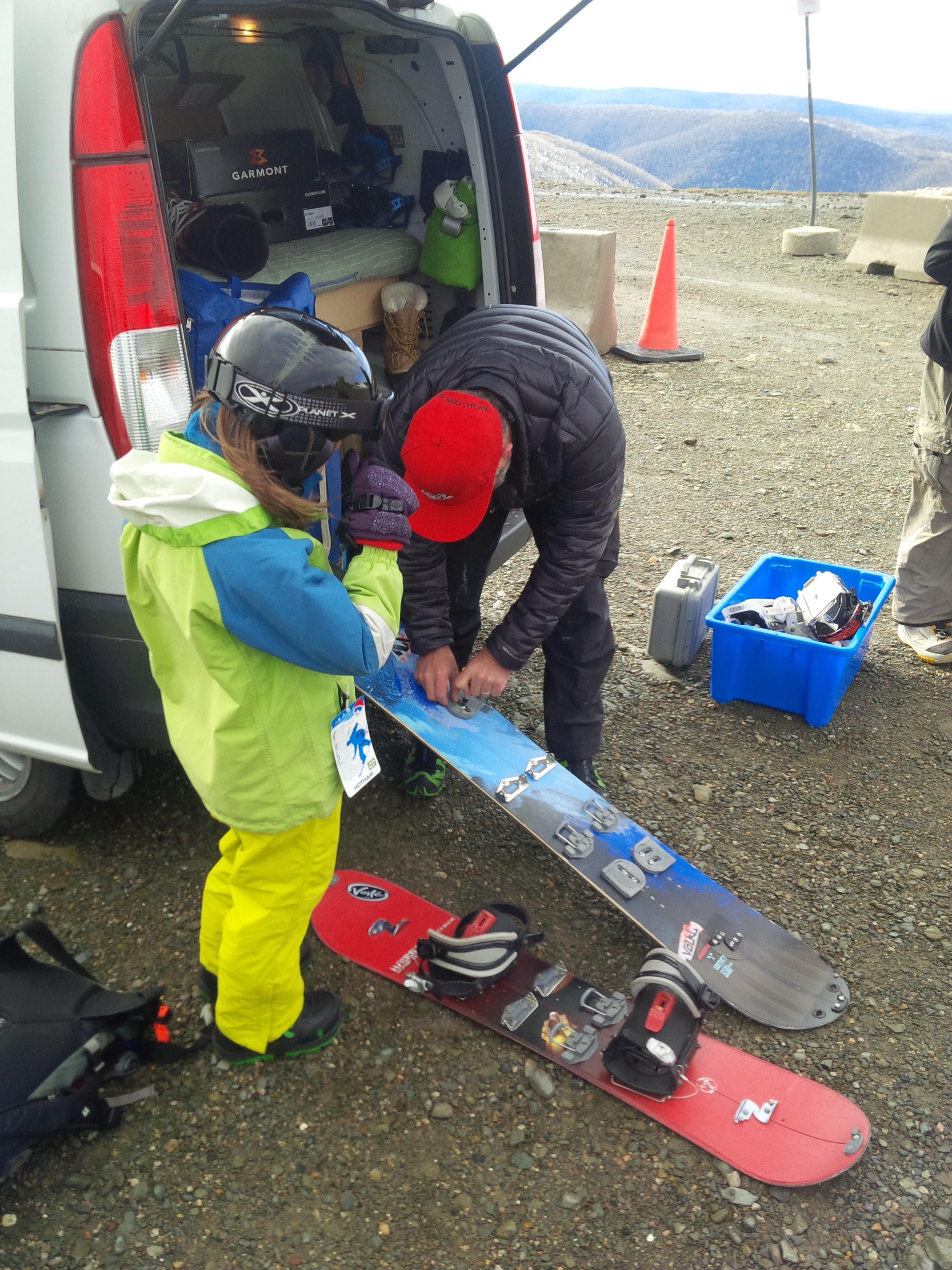
First Light Boards brought the splitboard festival to Victoria for the first time, with an event at Mt Hotham last weekend.

Things kicked off with a showing of the Backcountry film festival at The General on friday night.

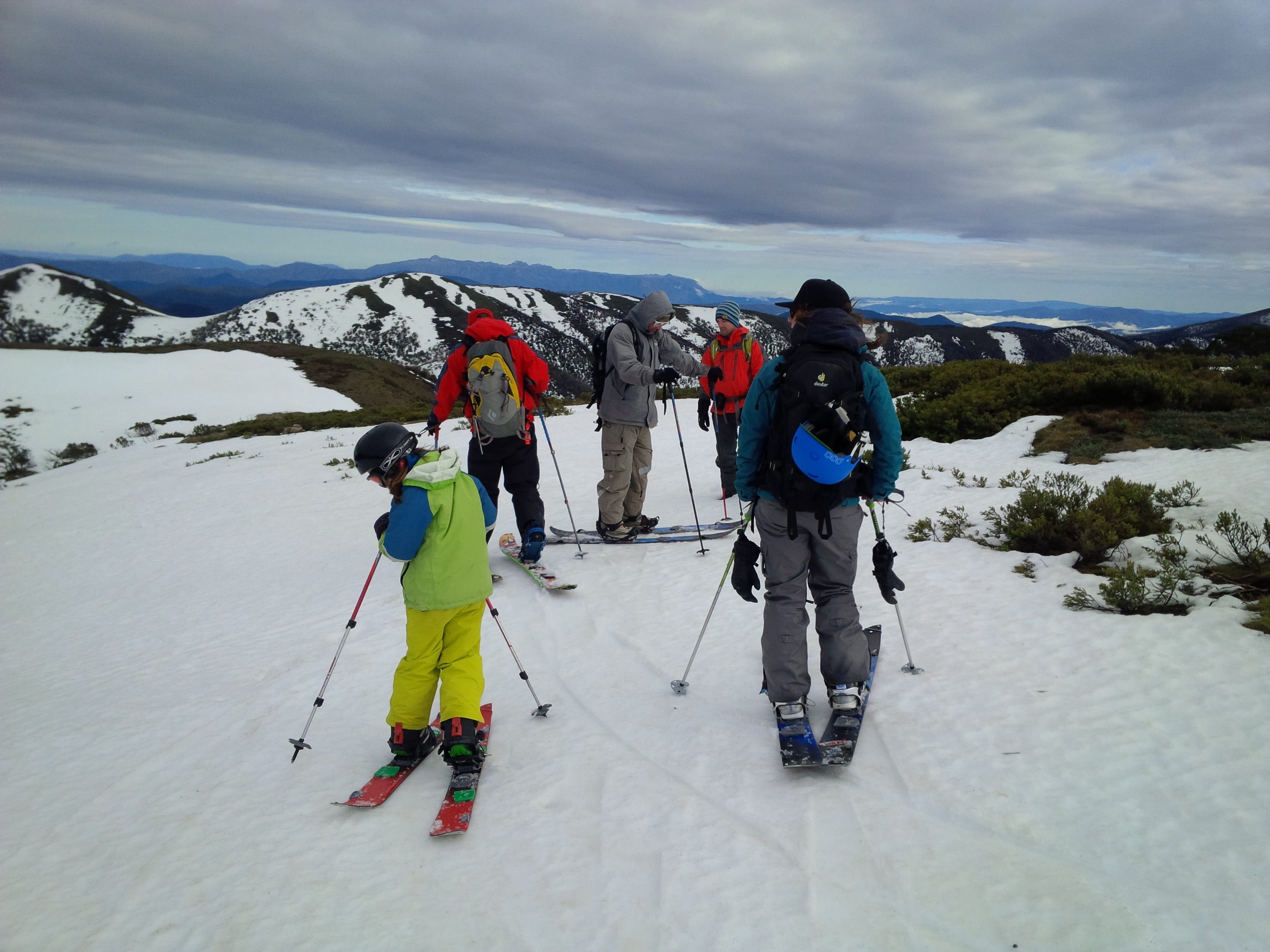
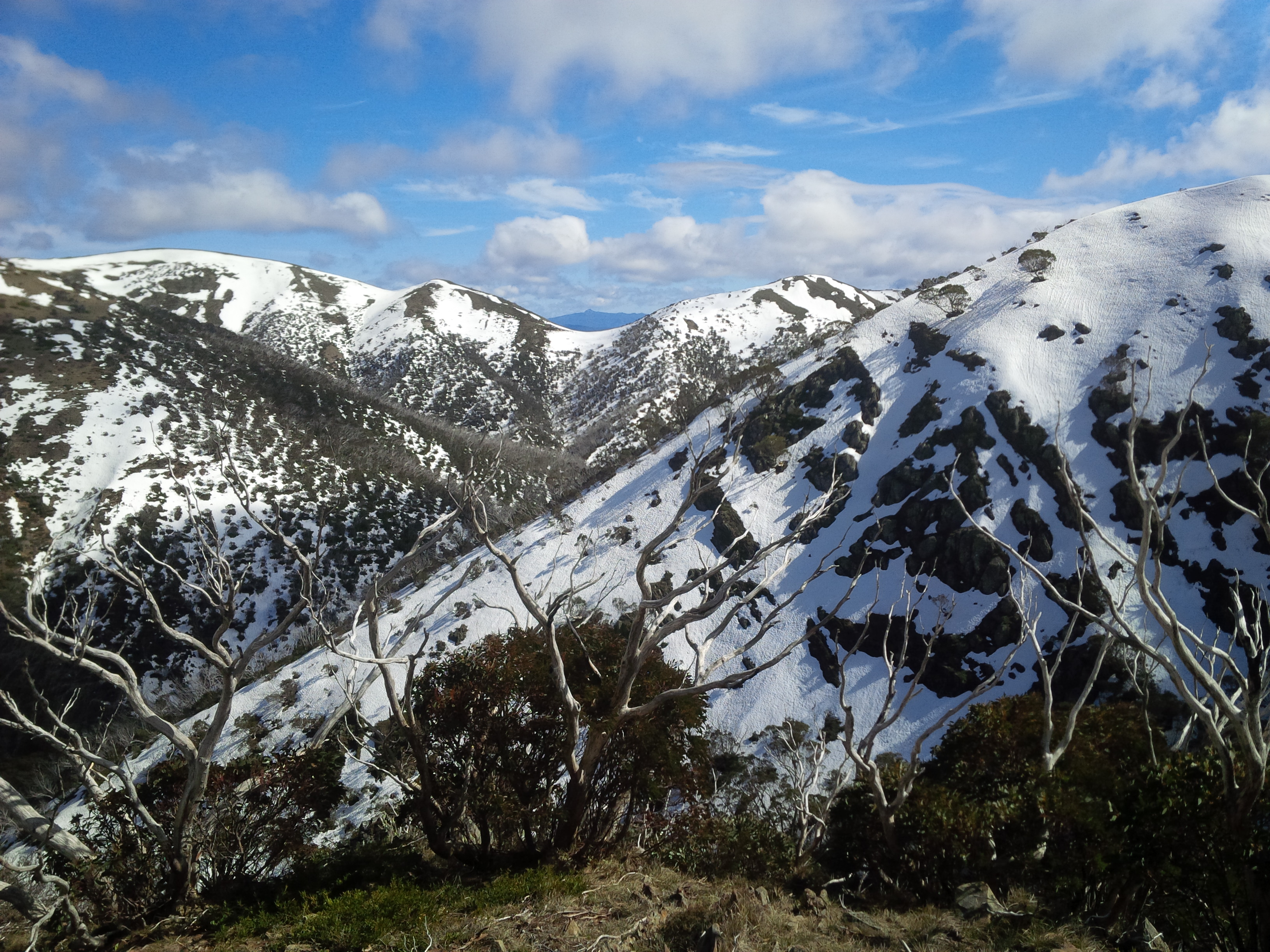
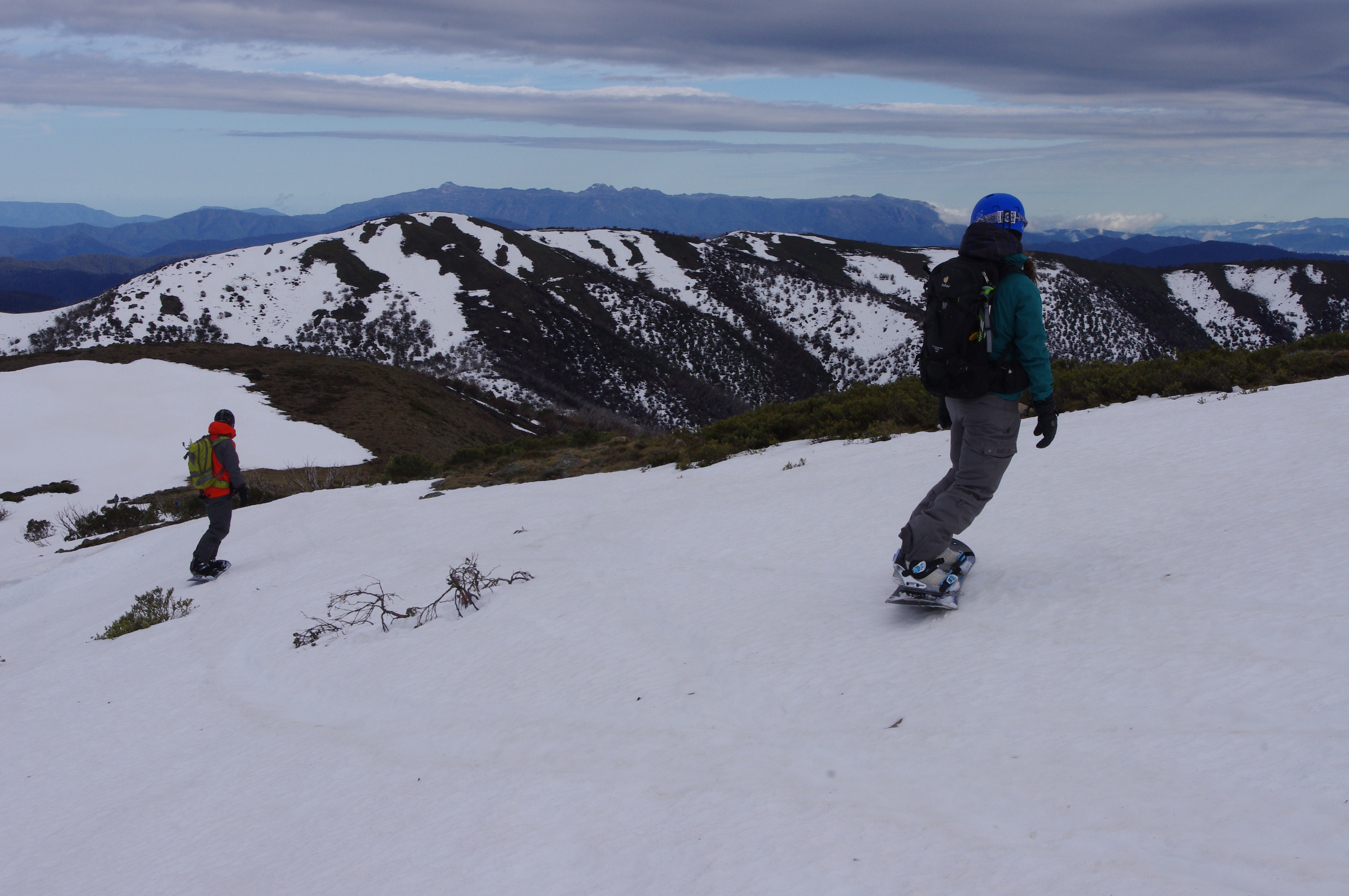
On saturday morning a small but enthusiastic group meet at Mt Loch carpark before heading out to do some runs at Eagle Ridge, then had a long walk out to Mt Loch and Machinery Spur to check the runs.

To go on the mailing list for next year’s festivities, please check here.

IMG_00000903IMG_00000908IMG_00000920IMGP5874

a proposal for the ‘Great Forest’ national park

Victoria’s Great Forest Experience – Melbourne’s New Playground

Baw Baw plateau
Baw Baw plateau

Just 60 kilometre’s East of Melbourne there grows some of the tallest tree’s on earth. In their high canopy a plethora of gliders, owls and the tiny Leadbeater’s Possum dwells. These forests have flourished along the great divide under rich rainfall patterns and provide most of Melbourne’s drinking water.  The forests been scientifically shown to be the most carbon rich forests on earth due to their cooler climate and epic growth heights.

The new Great Forest National Park is a proposal to create a two tiered park system for bush users and bush lovers alike that protects and maintains this important ecosystem function. The park stretches from the Kinglake National Park right through to the Baw Baw’s and to the North East up to Eildon. The park will host a range of activities such as bike riding, bushwalking, bird walking, 4wd driving, camping, zip line tours and more.

This proposal comes from Healesville Environment Watch, My Environment and Friends of Leadbeatters Possum.

Further details here.

Back country film festival & Splitboard festival, Mt Hotham

8238024_origThe back country film festival has another showing, planned as part of the 2nd Splitboard festival.

September 6 – 8.

After hosting the inaugural event in the Snowy Mountains in 2012, FirstLight Snowboards are bringing the splitboard festival to Victoria over the weekend of September 6 til 8.

Over the weekend there will be demo boards and rental gear available to those who need it. Jump on board and meet some new touring partners, the more the merrier!

This is a free event, there are no guides so you must be able to make your own terrain decisions.

FirstLight ask that people register for the festival. Details here.

In addition to the on-snow activity, the film festival will be showing on friday September 6. At The General Hotel, Mt Hotham, starting at 6. This night will have raffles and give aways, an intro to what is happening with the split board festival, and lots of fun.

Further details here.


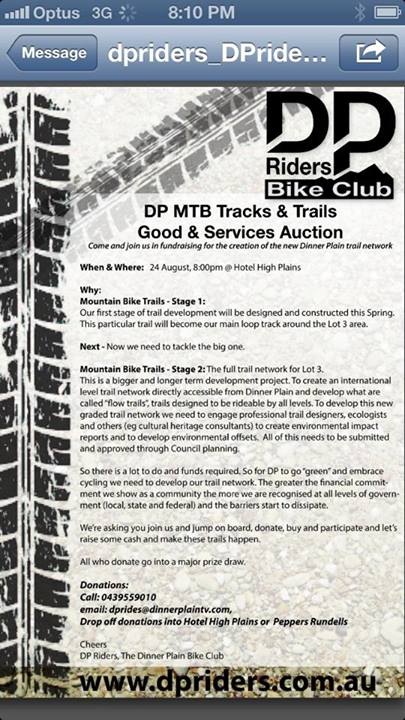
benefit at Dinner Plain

On saturday August 24 there is a fund raiser event to raise cash for the further development of the mountain bike and walking trails around Dinner Plain.

Please see the poster for full details.DP benefit


new resorts sustainability initiative in the US

I know I should probably stop bagging out our local ski resorts for being useless on climate change, but there are so many inspiring examples from overseas that show what is possible with a little bit of vision.

The following is an announcement about a new collaboration between an alliance of US-based mountain resorts, and Protect Our Winters.

The announcement is vague on the details of exactly what the alliance will do, and highlights ‘cross promotion’ opportunities, but at least it seems intent on putting climate change on the agenda for each of the resorts, and mentions advocacy as one of the activities that will be undertaken.

Aspen-Snowmass-1The Mountain Collective, an alliance of independent mountain resorts, and Protect Our Winters (POW) are proud to announce a new and innovative partnership with the mission of uniting the winter sports community on the important issue of climate change. Both groups have worked independently to promote this environmental cause, and this collaboration will make an even bigger impact.

Protect Our Winters is the environmental center point of the winter sports community’s fight against climate change.  The Mountain Collective is comprised of six iconic destinations representing the core of the skiing and snowboarding world including Alta, Aspen/Snowmass, Jackson Hole, Mammoth Mountain, Snowbird, Squaw Valley/Alpine Meadows, and Whistler Blackcomb. Together, POW and these high profile resorts can impact the entire community and industry with incredible effectiveness.

“Through this groundbreaking partnership, The Mountain Collective has re-defined what a pass should be.  It not only represents access to six world-class destinations, but the foresight to realize that climate change is a threat to our sport and with that access, comes a responsibility to protect it for the long term,” said POW’s Executive Director Chris Steinkamp.

“Partnering with a leading organization like POW serves to reinforce The Mountain Collective as the most forward-thinking alliance of its kind,” said Christian Knapp, vice president marketing, Aspen Skiing Company. “Together we can leverage the power of our brands to promote meaningful climate advocacy that resonates with mountain resorts and snow sports enthusiasts alike.”

The partnership will include ongoing advocacy and cross-marketing initiatives, education and community outreach to raise awareness and promote environmental sustainability.  Additionally, POW members who purchase a Mountain Collective Pass will receive a year’s subscription to Powder magazine, and anyone who purchases a new Mountain Collective Pass will be offered a free one-year membership to POW.

The Impact of Climate Change on Winter Sports

The last decade was the warmest on record [NOAA, 2010]. Fewer ski days would not only reduce enjoyment for skiers, boarders and other winter sports enthusiasts, but also cause significant economic impact to an industry that supports 965,000 people and contributes $66 billion to the U.S. economy alone [OIA 2006, 2012]. Without action to reduce emissions, scientists predict that by 2039 the Northeast ski season will last less than 100 days and the probability of being open by Christmas will decline below 75% [Scott et al. (2008)].

Blog at WordPress.com.

Up ↑