Search

Mountain Journal

Environment, news, culture from the Australian Alps

Author

Cam Walker

I work with Friends of the Earth, and live in Castlemaine in Central Victoria, Australia. Activist, mountain enthusiast, telemark skier, volunteer firefighter.

New grassroots movement to change the way ski areas are run

The US-based Mountain Riders Alliance has now gone global:

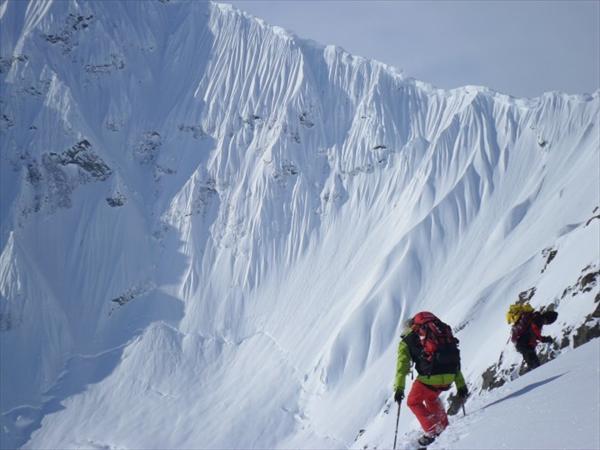
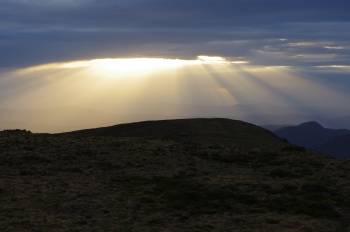
Bon Accord spur, VIC

“A new paradigm is emerging in ski area management: one that’s globally-based, rider-centric, environmentally sustainable, sensitive to local needs, and skier-and-snowboarder-owned

“Rising lift ticket costs, negative impacts on ski communities and the environment, and the desire to combat climate change have all led concerned skiers and snowboarders to form a global collaborative group, Mountain Rider’s Alliance (MRA).

“MRA is a movement of snow enthusiasts who are dedicated to changing the ways ski areas are run. MRA’s mission is to create rider-owned-and-operated ski areas that are rider-centric, environmentally sustainable and sensitive to local cultural, social and economic concerns”.

For the full announcement, check here.

When does climate chaos become the new ‘normal’ weather?

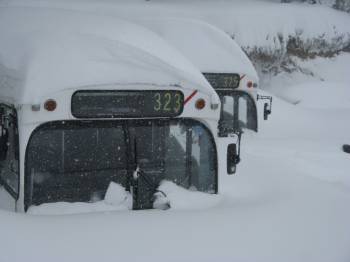
late August, snow buckets down day & night across the Alps

Its hard not to feel envious when you look at those photos from the late 19th century that were taken as the miners and loggers made their way up the deep valleys below the alpine peaks and built villages and new towns. Places like Harrietville, at the head of the Ovens River below Mt Feathertop, seem to have had regular dumps of snow through the winter months. Now, if we just get some snow flurries down that far it rates as an event.

Of course, Australian weather has always been famous for being erratic. And if you look at the snow pack records that chart winter snow depths over the past 3 decades you can see wild variety between the seasons.

Climate skeptics love to point to cold weather and hard winters as ‘proof’ that climate change is not real, but this just reveals more about their ignorance of how climate change is expected to work than proving any other point. Some climate campaigners prefer to use the word ‘climate chaos’ because this gives a better indication of what the science tells us is coming: ever more erractic and extreme weather events.  In our part of the world, this will include drought, flood, fire, and extreme weather events like torrential rain.

This info is easy to find. It is not the stuff of hysterical greenies hiding in caves. It is from the mainstream of the climate science community. In a democracy we can think what we like. But having an opinion which runs counter to science doesn’t mean climate change is not happening. One of the things that strikes me – in a week where much of western and north eastern Victoria has been flooded, people evacuated, the road to Falls Creek was cut, and a landslip closed operations briefly at Hotham resort, is how quickly we can adapt to changed conditions and accept them as the ‘new’ normal behaviour of the weather. Just a week before that we had those wild snowfalls that blocked the Hotham Road for a day and a half and dumped almost a metre of powder across the alps. Then throw your mind back to July, and the gray rainy skies that brought miserable conditions and mediocre snow.

My point here is not to stir up fear, or to slate all this strange winter to climate change. Its just to remind ourselves that what we have experienced has not been an ‘ordinary’ winter. Sure, we need to grab the good winters when they do come along, and ski or board as hard as we can. We probably need to grumble and find other things to do in the winters that don’t happen. But we should never lose sight of the fact that all of whats happening is consistent with what climate science tells us is coming, unless we decide to do something serious as a global community to greatly reduce our greenhouse emissions.

And for me that’s reason enough to do what we can where can, to reduce our impact, and to get action at the community, corporate and government level.

Get out of the resort – and into the Side Country!

With the fantastic snowfalls of the past week, theres no shortage of great skiing and boarding options across the Alps.

But many of the backcountry destinations are equally fantastic. For people not experienced in backcountry trips (often remote, and sometimes requiring long access) a good ‘warm up’ option is to get out in the ‘side country’ – those areas just outside ski resorts with easy access.

This quick guide canvasses some of the options available close to Mount Hotham in Victoria. There are similar opportunities at almost every other resort in the country.

The guide is available here.

BE AWARE that there is some avalanche risk with a number of these slopes at present. If you’re not familiar with avalanche risk assessment, please don’t visit these areas.

almost 2 metres in August!

The winter that started slow has turned into an incredible season. Almost 2 metres of snow has fallen in higher areas of the Alps this month and the current batch of powder is deep and dry and gives some incredible skiing and boarding.

There are updates on snow conditions on the Mountain Watch website.

These are just a few random images from the Hotham area from today.

Be aware that there is some avalanche risk in back country areas such as along the Razorback.

The current gos on the mountain (friday 27th) is that the Hotham – Harrietville road will be open by lunchtime today.

Louise Perrin

First snow. Image: Louise Perrin

Louise Perrin is Environmental Manager for the Mt Buller and Mt Stirling Alpine Resort Management Board. She has been the driving force behind an innovative – and very successful – recovery plan for the endangered Mountain Pygmy Possum.

The possum is the only native mammal that lives in the alpine environment above the treeline and its habitat is threatened by development, climate change and introduced flora and fauna.

The Recovery Plan for the species on Mt Buller was developed in 2005. It contains a range of actions to assist in the continued survival and conservation of the Mountain Pygmy-possum on the mountain. This has relied on substantial support from the Resort Board, the ski lift company, and the Department of Sustainability and Environment, and has even involved the construction of boulder fields to create habitat for the animals.

In spite of the pressures from ski field development through its habitat, the fires of 2007, and the longer term impacts of climate change on alpine environments, the Mt Buller project is a showcase of a program which has helped bring a species back from the brink of extinction.

Lou says “I just want to do my best to ensure that my kids can enjoy this little patch of alpine Australia as much as I do”. But her contribution to this effort has been huge and deserves widespread acknowledgement.

There is a profile on Lou here.

Protect our Winters video

Protect Our Winters was created as a way to bring the winter sports community together to fight climate change and its effects on our mountains.

It is the environmental center point of the winter sports community, united towards a common goal of reducing climate change’s effects on our sport and local mountain communities.

POW has just released their 2010 trailer video.

You can watch it here.
For details on POW in Australia, check here.

getting ready for climate change in the North East

As the Alpine Shire of Victoria’s north east continues with its bizarre ‘cart before horse’ approach to getting a major development going within the Buffalo National Park, it is also doing some useful and considered work on climate change.

Buffalo Plateau from near Mt Hotham

Just this week, Council accepted the final report of a study into the viability of a ‘skyways’ system on Mt Buffalo. Last year Council offered its active support for the proposal, with a community study which was conducted by the Buffalo Skyways Taskforce arm of the Great Alpine Valley Tourism Board.

Unsurprisngly, the study found 64% ‘support’ for the project.

See here for some of the issues associated with developing a major gondola/ skyway project within one of our most significant national parks.

Climate change and the North East

Meanwhile, Council has been working with the adjacent Towong Shire to consider what the expected rise in average temperatures, days of extreme fire-weather risk, drought conditions and a decrease in rainfall and snow will mean for the region, and how to best plan for these conditions.

According to the Alpine Council website:

“The councils assessed how their services and assets would be affected by predicted climate change, including increased frequency and intensity of extreme weather and reduced water availability”.

The CSIRO predicts that temperatures in north-eastern Victoria could be, on average, up to 1.6 degrees warmer by 2030 and up to five degrees warmer by 2070.

Snow fall is expected to be reduced by between 10 and 40 per cent by 2030 and between 22 and 85 per cent by 2050.

The number of very-high and extreme fire-weather risk days is also expected to climb by between four and 25 percent by 2020 and 15 to 70 per cent by 2050.

Alpine Shire Council’s Manager Planning and Environment Services, Heather Green said the findings did not recommend that councils fundamentally change the way they operate. This means that, sadly, there are no real mitigation measures included in Councils response – that is proposals to reduce the emissions of Council operations. Council has taken a  simple  ‘adaptation’ approach, which is generally seen as being insufficient as a strategy for dealing with global warming.

What is suggested is for Council to consider the likely future impacts of climate change on new developments within the Shire’s area. “For example, factoring predicted increases in flooding and storm events when upgrading urban storm-water systems will minimise the need to replace damaged infrastructure and reduce the risk to the community”.

The climate change risk assessments undertaken by both councils will result in the development of specific service area action plans to enable current services, assets and policies to adapt to the predicted climate variability.

The project has been delivered in partnership with the North East Greenhouse Alliance and funded with the assistance of the Australian Government Department of Climate Change and Energy Efficiency.

For further information on the Councils response and details on expected climate change impacts, see here.

Geoff Mosley

Geoff Mosley has worked for decades to protect wild places in Australia. He helped establish wilderness zones and parks across the south east of the mainland and Tasmania, and has recently released a book on Antarctica. He is active in the field of steady state economics, a keen walker, and widely published activist and thinker.

Perhaps he is best known for his efforts to see a major national park established across the Australian Alps. Much of this vision has now been realised, although he continues to work to see an extension of the Western section of the Alpine National Park and to get World Heritage listing for the forest ecosystems of the south east corner of the country, where Gippsland and NSW meet.

Check here for an interview with Geoff.

The remarkable shrinking Alps plan!

near Wire Plain, VIC

According to Phil Ingamells, of the Victorian National Parks Association, “there has never been more hoo-haa from Parks Victoria over the development of a management plan, and never such an unpromising result, as their draft of their alpine parks management plan”.

He says that the new plan is a “new low”, delivering very little that will enhance environmental protection, despite starting the process well.

You can read his analysis here.

winter is back (finally!)

Well, for everyone who has been suffering with all this dwindling snow, rainy days and warm weather, the front that’s passing over the Australian Alps this weekend is definitely a sight for sore eyes.

Wire Plain, VIC

With a good start to the season back in June that then faded off, backcountry skiing has been exceptionally sketchy over the past week or so, and even in resorts most have only about 30 per cent of their trails open. That situation will change this week….

For full reports, check Mountain Watch.

These are a few pics from the Mt Hotham area over the weekend.

Take action to protect our winters!

A classic image from the Victorian Alps: Mt Feathertop from Hotham. But without serious action on climate change now, our alpine areas are at grave risk.

First Protect our Winters (POW) Australia action alert

The Victorian government is in the final stages of deciding what type of Climate Bill it will deliver as part of it’s election commitments.

Similar Bills in other places – for instance, the UK and Scotland – have set ambitious greenhouse emissions reductions targets (Scotland has committed to 42% reductions by 2020).

We must urge the Victorian government to deliver a strong, world leading Bill. The final decision about the Bill is being taken now. And a strong Bill will greatly reduce Victoria’s contribution to climate change through driving a shift away from our reliance on polluting brown coal power.

POW Australia has issued its first action alert, asking people to email the Premier, John Brumby. It is available here.

We hope POW supporters, skiers and boarders from across Australia will support this on line campaign. Lets get the Australian winter sports community mobilised to protect our winters.

Everest women’s seven summits eco-action tour

In July 2010 a team of nine Nepali women have begin the first international leg of a tour that will see them climb seven of the highest peaks on each of the seven continents. On successfully climbing all seven summits they will be setting a world record for being the largest team to do so.

The team will be using their expedition to highlight the urgent issue of climate change, and they are currently in Australia.

Check here for extra information and itinerary.

Blog at WordPress.com.

Up ↑