Search

Mountain Journal

Environment, news, culture from the Australian Alps

Author

Cam Walker

I work with Friends of the Earth, and live in Castlemaine in Central Victoria, Australia. Activist, mountain enthusiast, telemark skier, volunteer firefighter.

Mountain Journal turns 12

While 2022 feels like our first ‘normal’ year since the pandemic started, the ‘new normal’ of climate change has become incredibly obvious over the past few years. After a horror summer over 2019/20, fires burnt in the northern hemisphere through their summer and into winter, with fire authorities in places like California warning that they no longer experience fire seasons, and that large fires can occur year round. In the past southern summer, much of the east coast was hammered by terrible floods, and WA faced an awful fire season. Here in the south the mountains were green, although in lutruwita/ Tasmania a series of fires burnt in World Heritage Areas, sparked by lightning and flourishing in the dry conditions.

A reflection on another year of Mountain Journal can be found here.
A solo journey through the Alps

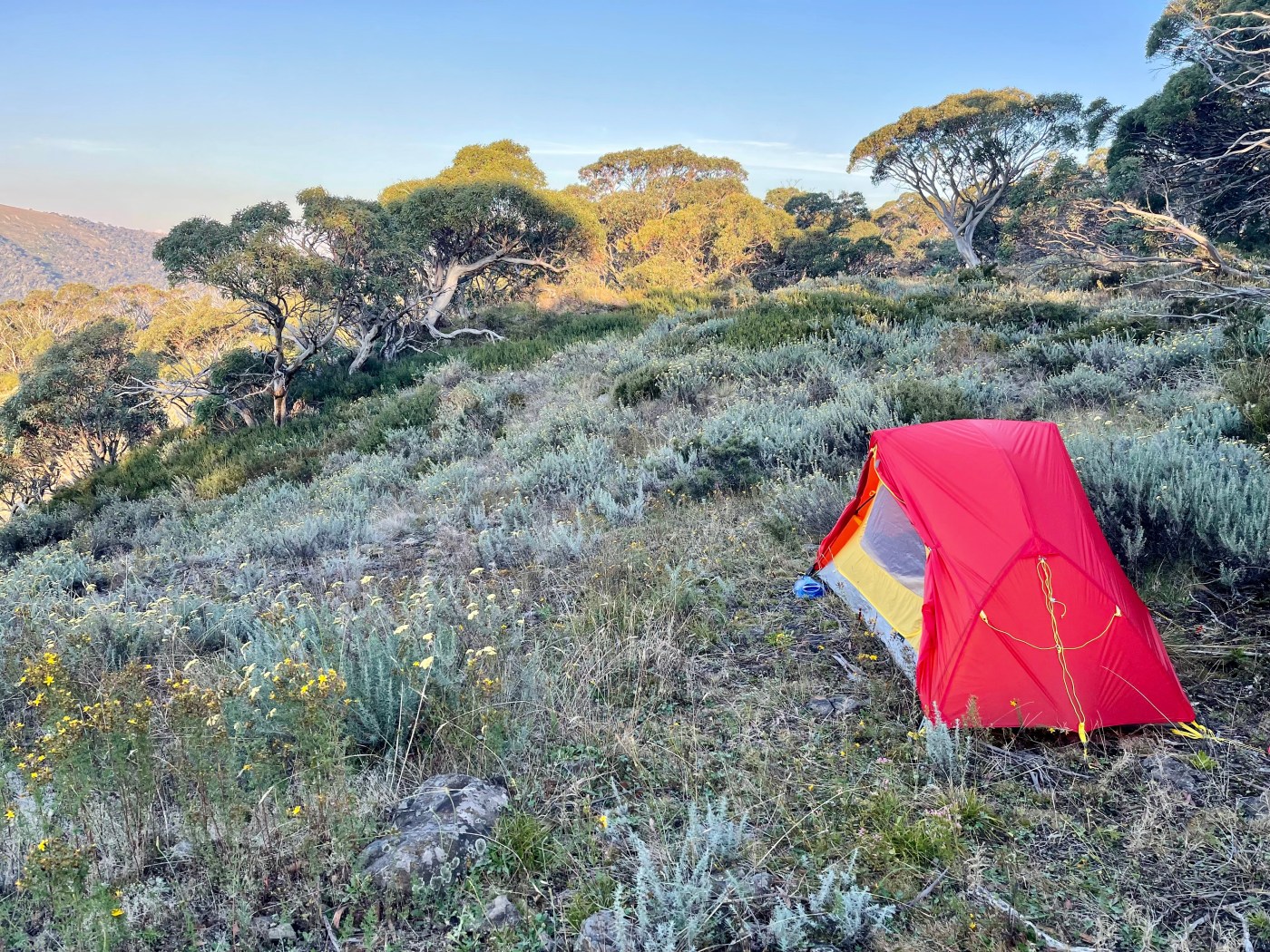
The Australian Alps Walking Track (AAWT) is the premier long distance trail through the Australian mountains. Stretching about 680 km from Walhalla in Victoria, it passes through the Alpine National Park in Victoria, Kosciusko National Park in NSW and finally into Namadgi National Park in the ACT. Alicia Crossley recently walked it solo. This is her reflection.

Continue reading “A solo journey through the Alps”

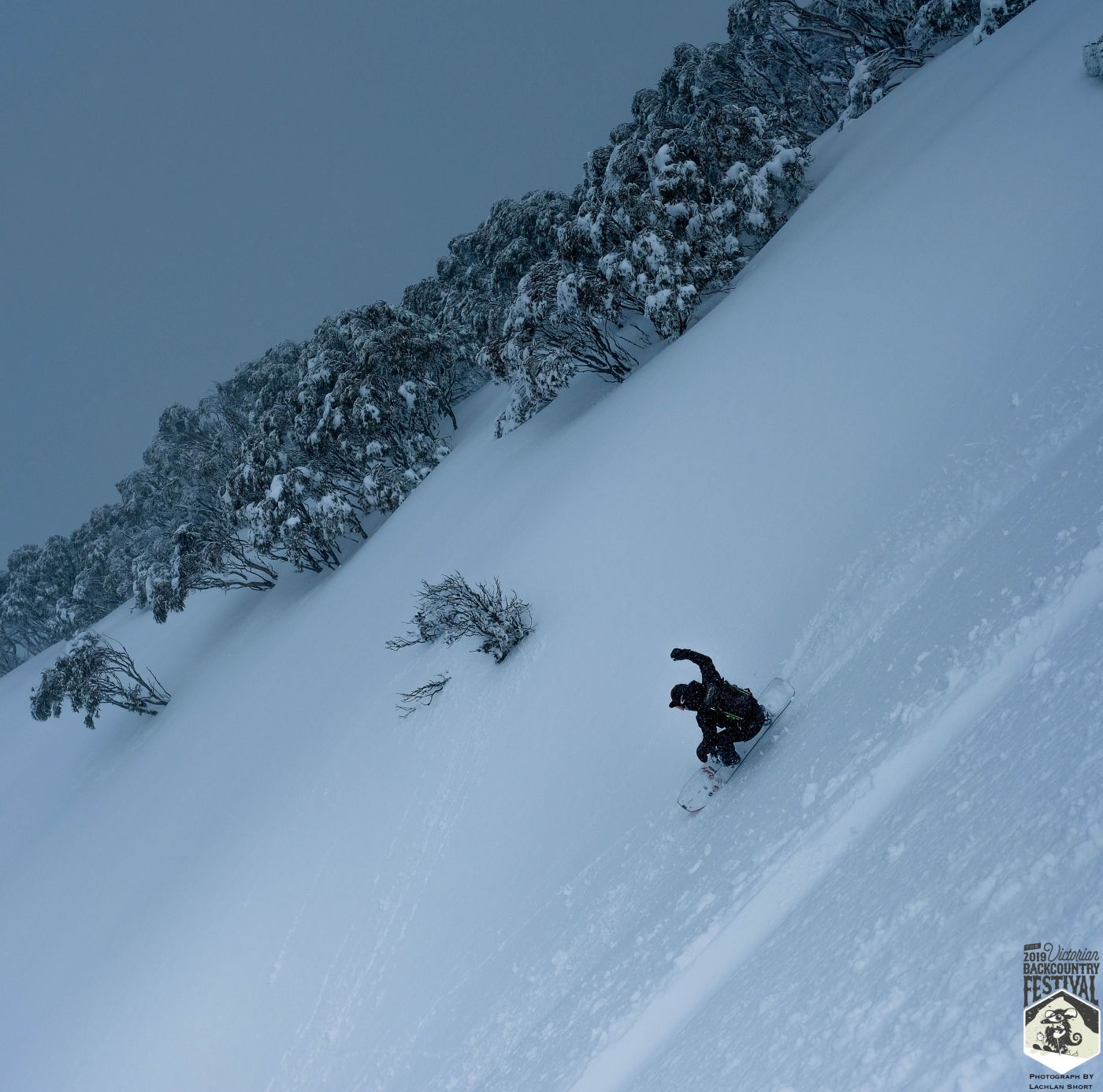
The Victorian Backcountry festival is back for 2022

After two disappointing winters, where the Backcountry Festival had to go on line, we are excited to announce that planning is well underway for a big gathering at Mt Hotham this year.

The 2022 festival will happen over three days in early September (2, 3, and 4). It has been extended to three days to allow people to attend more tours and workshops.

Continue reading “The Victorian Backcountry festival is back for 2022”

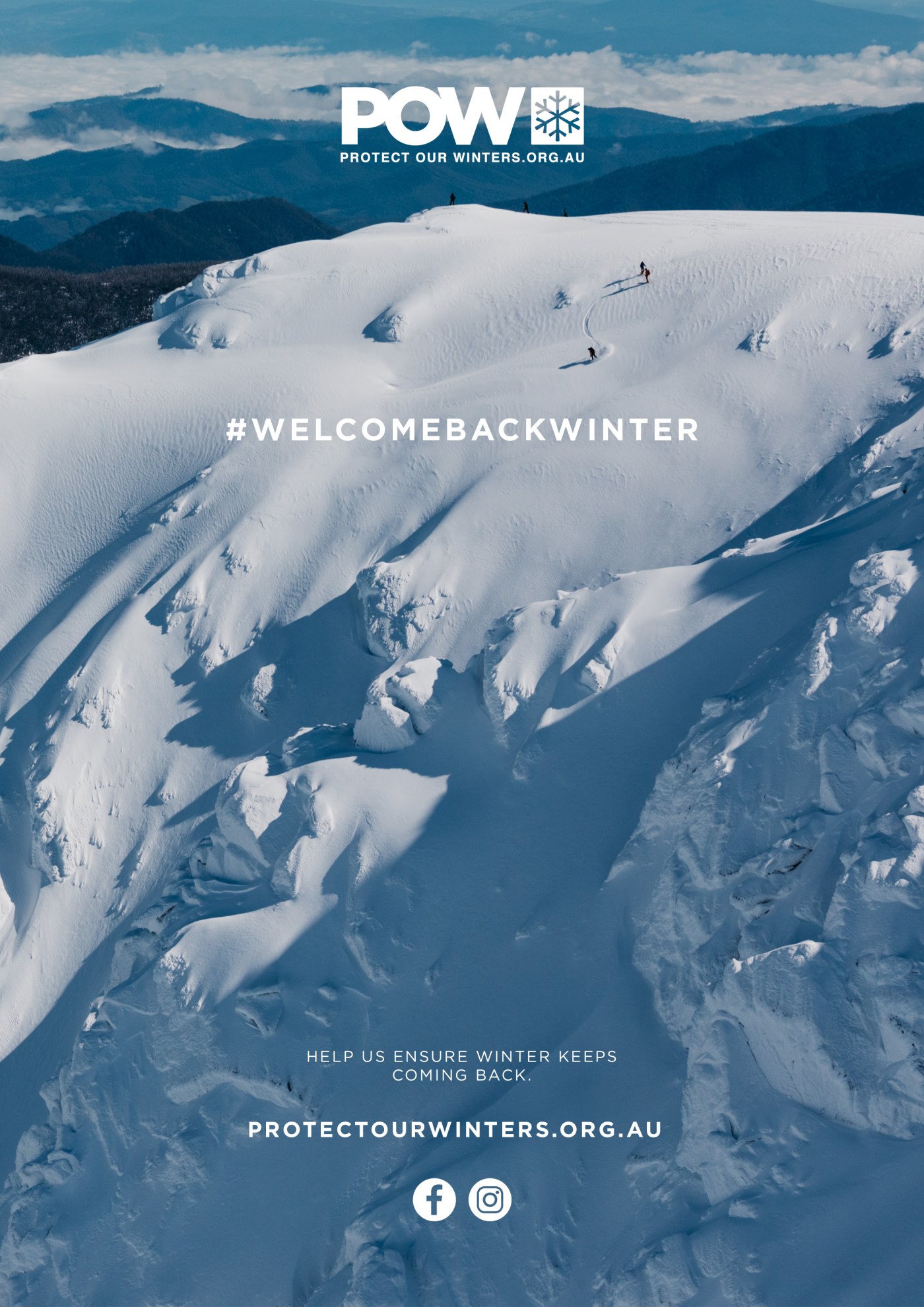
Protect our Winters calls for climate action

KEEN TO MAKE A DIFFERENCE? Protect our Winters (POW) Australia is looking for local organisers in each resort and nearby towns to host a gathering on Saturday June 11th 2022 to help #welcomebackwinter

WHAT? Join us in a major mobilisation of the snow sports community on opening weekend in June.

Continue reading “Protect our Winters calls for climate action”

There is still time to protect the Little Dargo

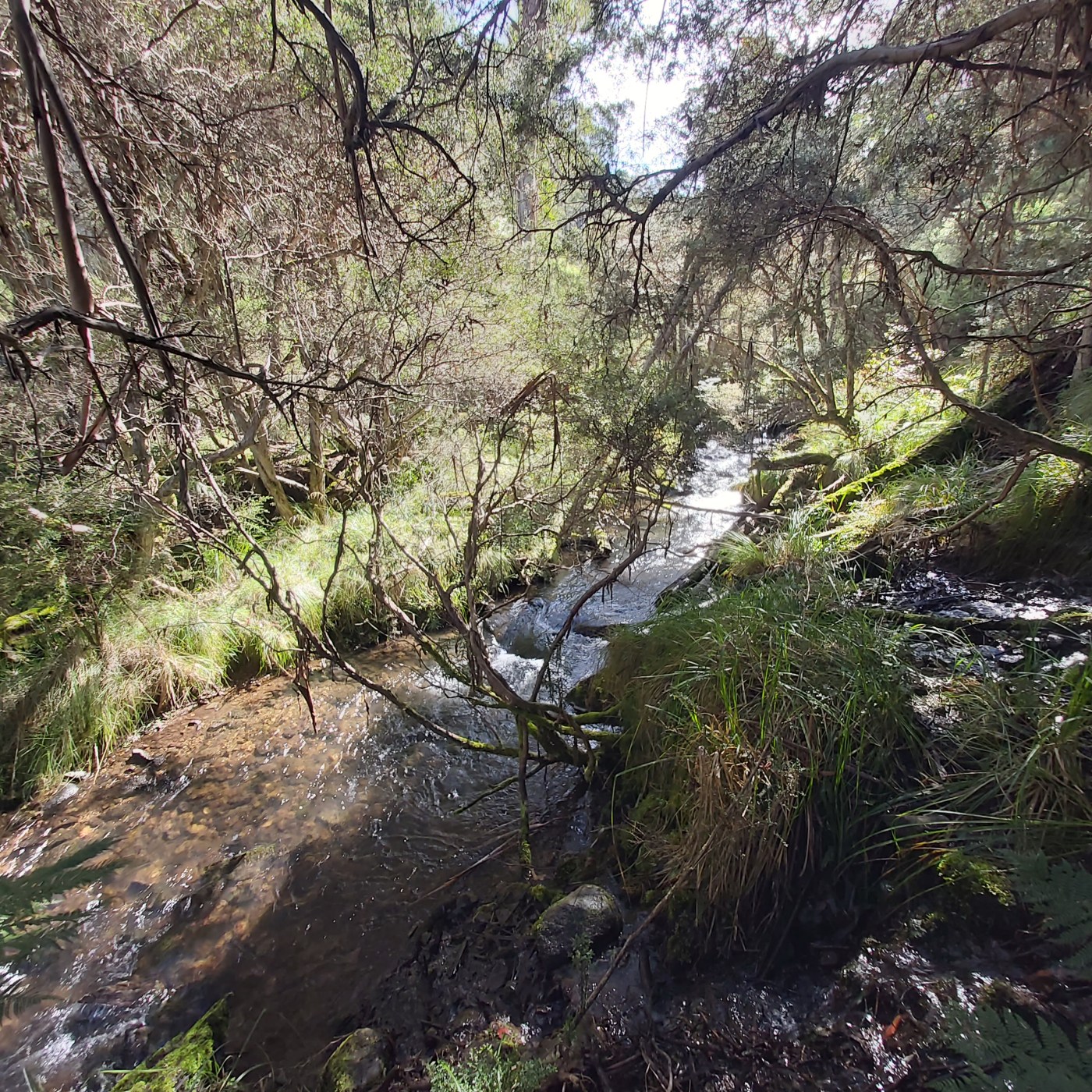
The fires of 2019/20 burnt huge areas of north eastern Victoria. The remaining unburnt forests are more important than ever. One of these areas lies in the headwaters of the Little Dargo River, just south of Mt Hotham. It is a pristine area, without roads, and containing mature forest, much of it dominated by Alpine Ash. It is an area of state forest that lies right next to the Alpine National Park.

The state government logging agency, VicForests, intends to log a total of 11 “coupes”, or sections, of mature forest in the upper Little Dargo River, probably this spring. These coupes are located in a series of clusters, where separate sections of bush will be harvested, creating a large zone of cleared land over time. Extensive roading networks will be needed to access the coupes.

One coupe has already been logged. The remaining coupes have not yet been scheduled for harvesting. There is still time to stop this ecological disaster – if we act now.

Continue reading “There is still time to protect the Little Dargo”

Forum: Threatened species and fire recovery

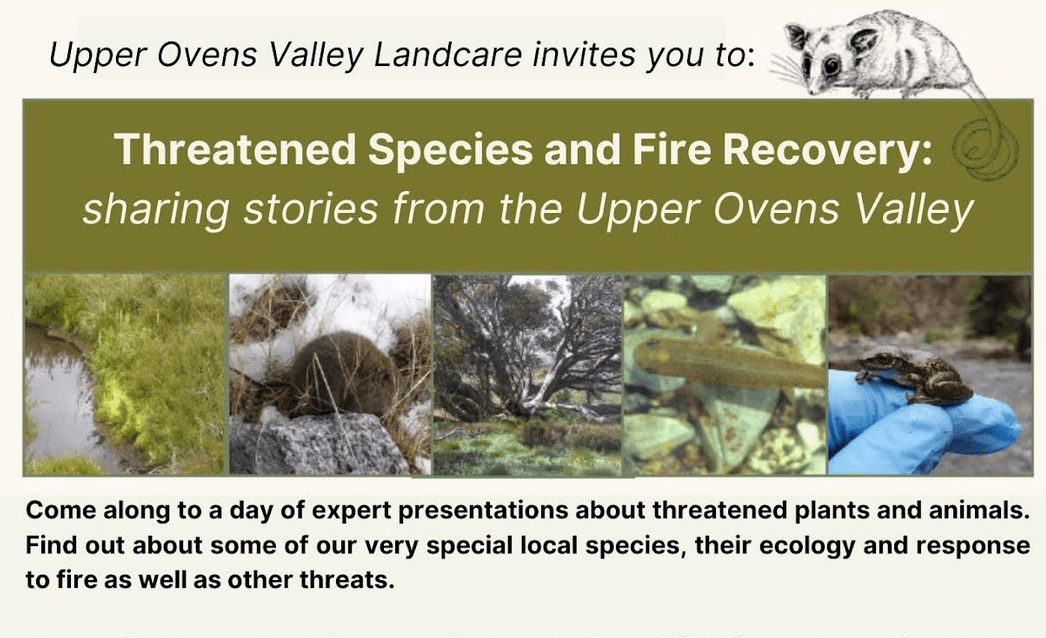
Upper Ovens Landcare are hosting a one day forum with the focus of ‘sharing stories from the Upper Ovens Valley’ about species recovery after fire. It will be held at  Dingo Dell, Mt Buffalo national park on Saturday 30 April 2022.

Continue reading “Forum: Threatened species and fire recovery”

Another year. Still no national air fleet.

Aerial firefighting capacity – planes and helicopters – are an essential component of Australia’s ability to respond to bushfires. This was demonstrated in the 2019-2020 bushfire season, when an unprecedented use of aircraft occurred. This summer was mild in the east but Western Australia saw months of terrible fires.

Australia has a nationally co-ordinated fleet of about 150 planes and helicopters in an average fire season (with up to 500 aircraft available on call when needed). These are used for firefighting, winching fire crews into remote areas, intelligence gathering and guiding larger aircraft in their operations (called Air Attack Supervision).

Continue reading “Another year. Still no national air fleet.”

Fires are getting worse. We need extra firefighting capacity to stop small ones becoming blazes

As we head towards winter, now is the time to think about next summer and the fires that may come after two wet, mild years. There are many things we need to do to be ready for the climate change driven fires of the future. Here is one of them: Victoria should set up a volunteer remote area firefighting team, which can work alongside the government paid fire crews. This would increase our capacity to stop lightning strikes from turning into massive blazes. It’s a good idea. It just needs a bit of political will and money to make it happen.

Continue reading “Fires are getting worse. We need extra firefighting capacity to stop small ones becoming blazes”

The Little Dargo: a pristine catchment threatened by logging

The state government logging agency, VicForests, intends to log a total of 11 “coupes”, or sections, of mature forest, much of it dominated by Alpine Ash, in the headwaters of the Little Dargo River. This area of state forest in north east Victoria  lies right next to the Alpine National Park. These coupes are located in a series of clusters, where separate sections of bush will be harvested, creating a large zone of cleared land over time.

This area is especially important because the upper catchment of the Little Dargo is in a pristine condition, without roads. It has not been burnt in recent decades, whereas much of the surrounding area has been devastated by repeat fires.

At this point it is very difficult to get in to the upper Little Dargo catchment. However, a rough route has recently been opened into the area to allow visitors to see the area before logging starts.

Continue reading “The Little Dargo: a pristine catchment threatened by logging”

Documenting loss of Snow Gums in the VIC Alps

The recent The IPCC WGII Sixth Assessment Report included details about the threat posed by climate change to Snow Gum woodlands (story here). Mountain Journal has been recording the local loss of Snow Gum woodlands across the Australian high country for several years now.

In a welcome sign, the last two summers have been mild and wet, and this has led to reseeding in some previously burnt areas of Snow Gums after years of no growth. However almost every trip to the higher mountains reveals new areas that have been burnt to the point of ecological collapse.

Continue reading “Documenting loss of Snow Gums in the VIC Alps”

The 10th Mountain Climate Project

The 10th Mountain huts are a remarkable network of backcountry huts spread through the mountains of the Rocky Mountains of Central Colorado. They have long been famous among backcountry skiers and riders. Using the network of huts, it is possible to ski from Aspen to Vail (a distance of roughly 150 kilometres, depending on which route you take) and from near Edwards all the way to Leadville. Check here for a Mountain Journal story on the network and backcountry touring in the Central Rockies.

Built over several decades the huts are mostly log cabins, with bunks, lovely communal spaces, and well fitted out kitchens. They have micro solar systems for lighting. 10th Mountain is a not for profit organisation and huts are booked online. They are popular both in winter for skiing/ splitboarding and summer for mountain bike riding.

Last winter they launched a climate project.

Continue reading “The 10th Mountain Climate Project”

Climate change driven fire threatens Tasmania’s forests

While the summer of 2021/22 has been a mild fire season in the east of the country, there have been a small number of significant fires in lutruwita/ Tasmania that have threatened World Heritage Areas (including one that threatened an incredibly significant Huon pine forest). This is because the west of that state has been experiencing a prolonged and extreme drought, with some areas receiving their lowest rainfall on record.

As reported recently in The Conversation, “this drought fits an observed drying trend across the state, which will worsen due to climate change. This is very bad news for the ancient wilderness in the state’s World Heritage Area, where the lineage of some tree species stretch back 150 million years to the supercontinent Gondwana’.

The drying trend has seen a steady increase in bushfires ignited by lightning, imperilling the survival of Tasmania’s Gondwanan legacy, and raising profound fire management challenges.’ Continue reading “Climate change driven fire threatens Tasmania’s forests”

Blog at WordPress.com.

Up ↑