Search

Mountain Journal

Environment, news, culture from the Australian Alps

Author

Cam Walker

I work with Friends of the Earth, and live in Castlemaine in Central Victoria, Australia. Activist, mountain enthusiast, telemark skier, volunteer firefighter.

A Rifle Range on Maggs Mountain?

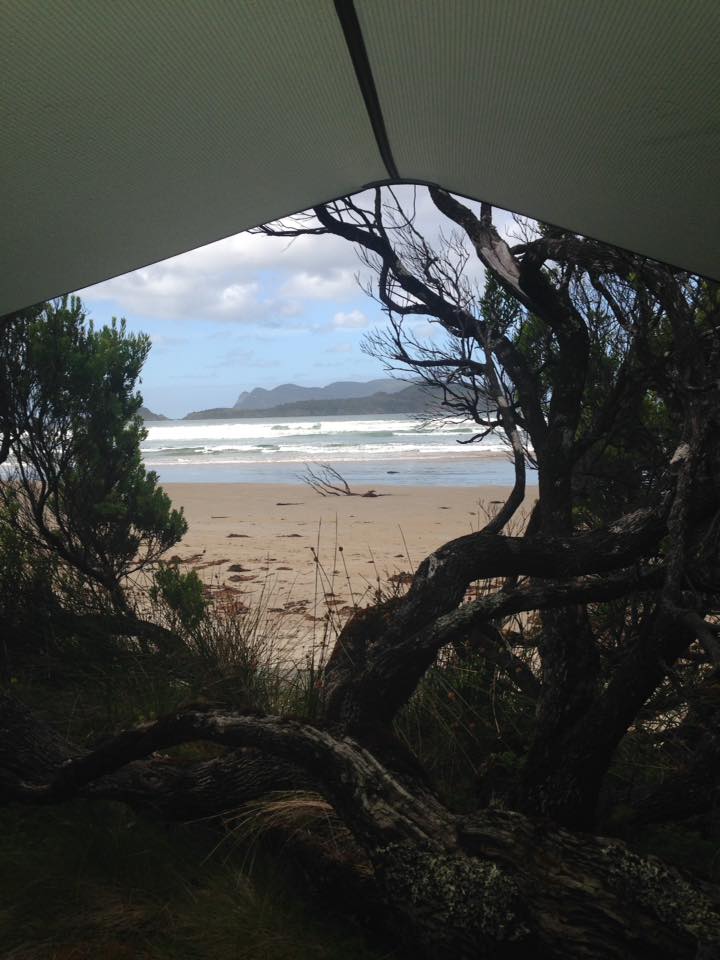
Many remote area walkers and fishers access the Central Plateau of Tasmania/lutruwita via the Mersey Forest and Maggs Roads, which lead to the trailheads for places like the Walls of Jerusalem, Arm River Track, Chalice Lake and Cathedral Mountain, etc.

There is a proposal to place a high powered rifle range on top of Maggs Mountain (900m), which is located above Lake Rowallan and across the valley from Clumner Bluff to the east and the February Plains to the west.

Meander Valley Council needs to decide whether to grant approval. You have until 5pm on Monday 29 November to put in a submission expressing your view on the proposal.

Continue reading “A Rifle Range on Maggs Mountain?”

‘Atmospheric rivers’ threaten snow pack

We are all familiar with the impacts of climate change on snow in Australia. For instance, the snow pack has been in decline since 1957. And a report commissioned by the Victorian government suggests that the end of natural snow could be as close as a couple of decades.

One obvious phenomena we have seen often in recent years has been weather coming down from the tropics in north western Australia. These rains are often ‘snow killer’ events which can massively impact on the snow base.

Continue reading “‘Atmospheric rivers’ threaten snow pack”

Climate change & fire. The more we learn, the clearer it gets

Its mid November, just a couple of weeks until the start of winter in the northern hemisphere. After a horror summer of fires across the North of the planet, fires continue to threaten communities and landscapes in many areas. This week, mandatory evacuations were announced in the area of Estes Park in Colorado, as some ski resorts in that state prepare to open. The Larimer County Sheriff’s Office announced “evacuate the area immediately and as quickly as possible. Do not delay leaving to gather belongings or make efforts to protect your home or business.” Meanwhile, the city of Denver is getting close to its record for latest First Snow of the season. And after a summer of extreme weather, the north west of North America has been hit by massive floods.

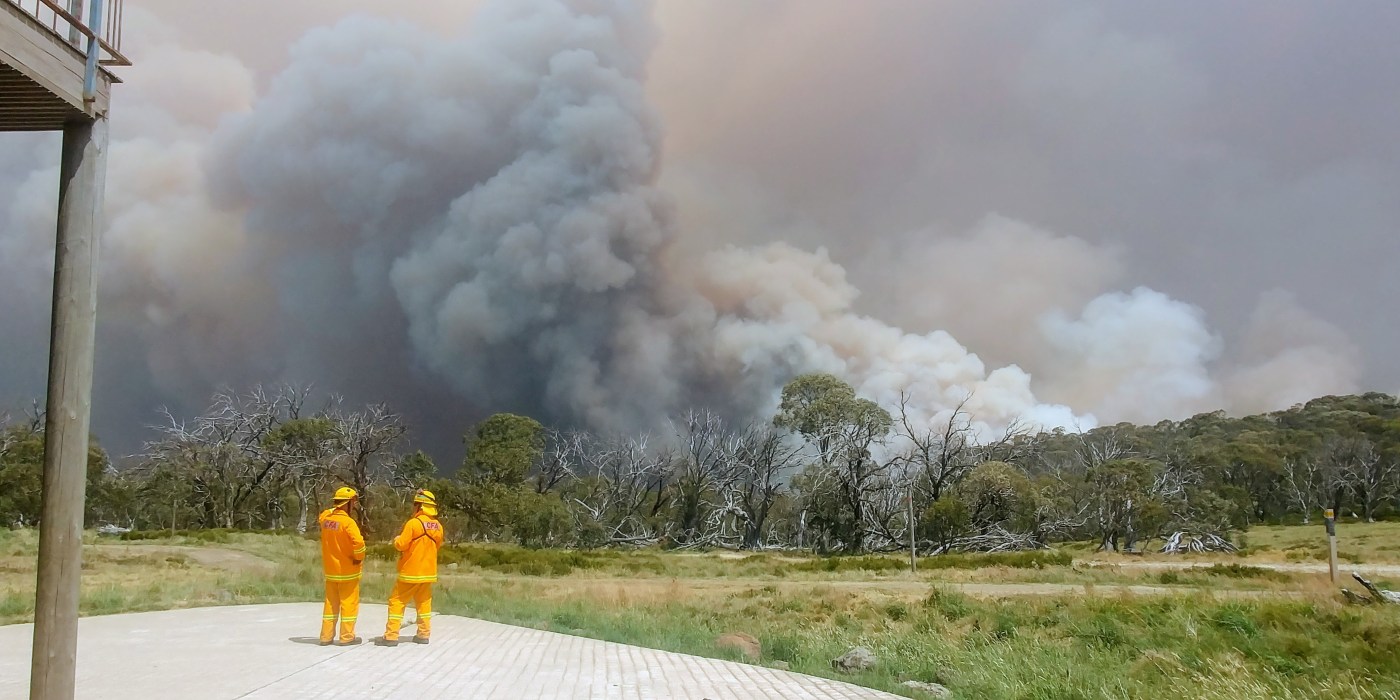
What we do know is that climate change influences wildfire now. The evidence for this is so widespread and compelling that there is really no point in even trying to argue its not a real phenomena. Here is a quick recap of some of the most recent research into climate change and wildfire.

Continue reading “Climate change & fire. The more we learn, the clearer it gets”

Climate change is coming for the Places we Love

We all remember the terrible fire season of 2019/20. Among the huge range of impacts on people and landscapes, one significant detail was that the tourism season basically didn’t happen across much of the south east that year. Mountain towns, ski resorts, even valley communities were evacuated. Lots of people missed out on summer holidays. And many workers and businesses suffered terrible economic losses (compounded soon after by covid lockdowns).

It makes you wonder what the future looks like for communities that rely on beautiful natural environments to attract visitors, who then underpin the local economy. With forecasts of longer and more intense fire seasons, and more erratic snowpack in winter, it is hard not to see a future where ecosystems and local economies don’t struggle to adapt to the changes that are coming.

This problem is likely to occur everywhere. For instance, recent research, published in Global Environmental Change, looked at how the use of state and federal public lands in the United States may change in the next 30 years under two different warming scenarios.

The biggest changes, they found, will come during the summer months. Their research showed that by 2050 it will ‘simply be too hot to have fun outdoors in many places’.

Continue reading “Climate change is coming for the Places we Love”

Backcountry film festival screening in Bright, DEC 1

The Backcountry Film Festival is produced each year by the Winter Wildlands Alliance as a celebration of the human-powered winter experience and a gathering place for the backcountry snowsports community.

The 2022 season is screening early and will be an online festival. You can get tickets here.

However, Bright Brewery will be hosting a screening on Wed, Dec 1.

Continue reading “Backcountry film festival screening in Bright, DEC 1”

Can ‘super seeds’ reduce the risk of local extinction of Alpine Ash?

Fire has always been a part of life here in Australia (well, at least for the last 60 million years). And as a result much of our vegetation is fire reliant or fire adapted. But climate change is changing fire seasons, making them longer and more intense. And this is having a terrible impact on many fire sensitive vegetation communities. The Alpine Ash is one of these.

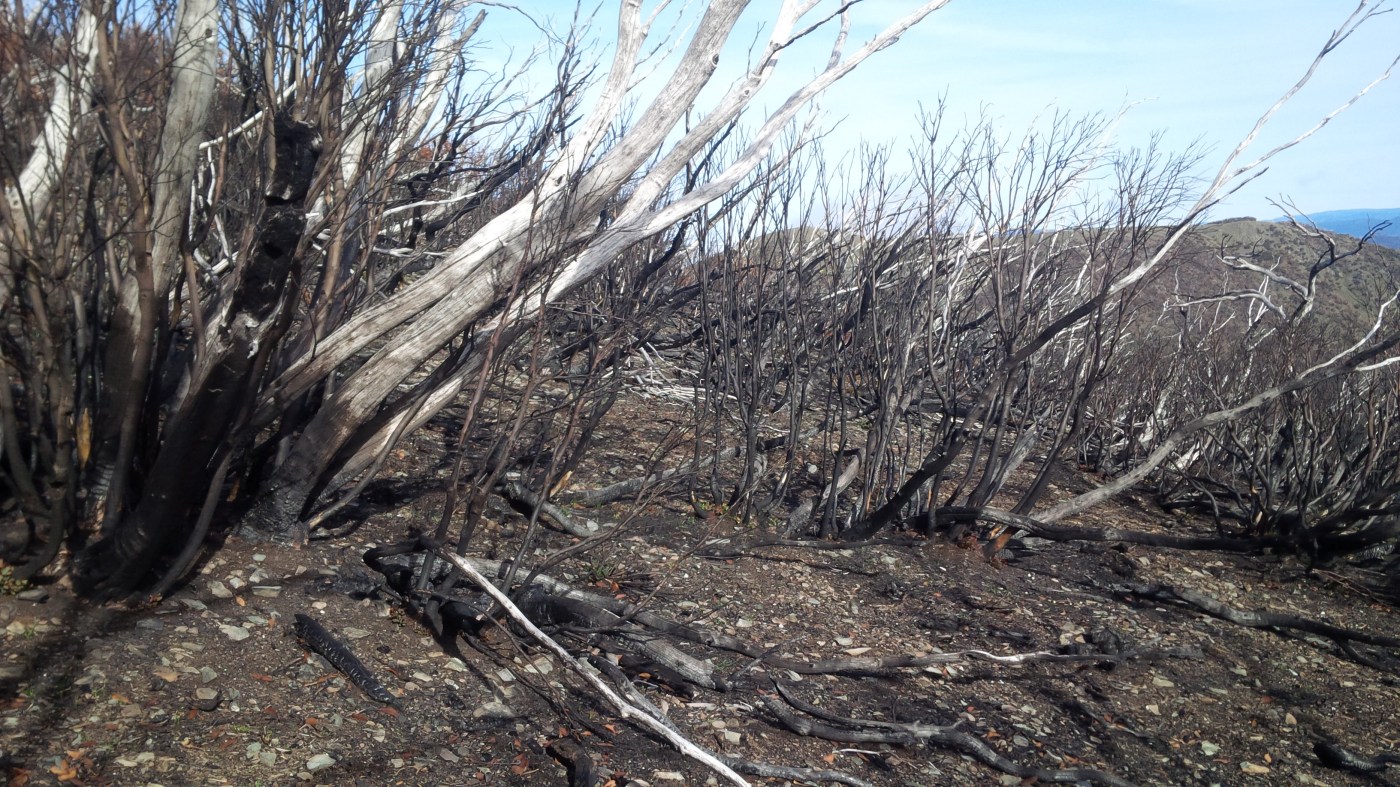
After a series of fires in the early 21st century, the Victorian government had to intervene to ensure the survival of Alpine Ash communities through a ‘forest recovery program’ (source). Since 2002, more than 85% of the Alps bioregion has been burnt by several very large fires. Alpine Ash require around 20 years between intense fires in order for regrowth to be able to produce seed (source), and more frequent blazes are threatening the viability of this vegetation community across the Alps.

This restoration initiative has been an effective program which sources seed and then aerial sows areas which have been devasted by wildfire.

However, the program is being stretched by more regular fires and a review of the 2019/20 fires found that it doesn’t have enough seed stock to deal with bad fire seasons.

Now, Greening Australia and Minderoo Foundation have joined together to find ‘super seeds’ from the Alpine Ash which are suited to a changing climate.

Continue reading “Can ‘super seeds’ reduce the risk of local extinction of Alpine Ash?”

The Backcountry Film Festival is back. DEC 3 – 13

Presented by Winter Wildlands Alliance each year, the Backcountry Film Festival screens stories of outdoor stewardship, grassroots policy and advocacy work, backcountry adventure, and snow cinema by human-powered advocates, athletes, activists, and outdoor enthusiasts.

The 2022 season festival will run early, from DEC 3 – 13, 2021 and features 14 films over two hours.

The festival is shown around the world. In Victoria, Friends of the Earth is the local host.

Due to the difficulty of finding a suitable cheap venue, this year we are screening the festival as an online event.

Continue reading “The Backcountry Film Festival is back. DEC 3 – 13”

Victorian feral horse plan a win for Alpine National Park

After public consultation, the Protection of the Alpine National Park – Feral Horse Action Plan 2021 has now been released. This is the Victorian Government’s new plan to ‘improve the management of feral horses and reduce the damage they cause to vulnerable natural and Aboriginal cultural values in the Alpine National Park’.

Unlike NSW, which continues to be beholden to demands from some to keep feral horses in the Snowy Mountain national park, Victoria has taken a stronger position.

Continue reading “Victorian feral horse plan a win for Alpine National Park”

Climate action: It’s now or never

We know that the mountains we love are under threat from global warming. Longer fire seasons, less water in the rivers, loss of winter snow. With average global warming of slightly more than 1oC already, we can see what that is doing to snow falls and fire seasons.

With the COP26 climate talks about to get underway in Glasgow, we have a hugely important moment, where we can decide to turn around global warming. If we can’t muster the political will to act decisively, the consequences will be devastating.

Continue reading “Climate action: It’s now or never”

North East Catchment Management Authority – another year of looking after the Alps

The North East Catchment Management Authority (NECMA) manages the integrated planning framework for land, water and biodiversity management in North East Victoria.

North east Victoria is gorgeous and contains some of our most beautiful mountains. While it comprises only 2% of the geographic area of the Murray-Darling Basin it contributes 38% of the total water in the Murray-Darling system. This high-quality water resource supports users across south-eastern Australia and needs to be protected.

NECMA has just released its annual report for 2020/21 (available here) and it has some interesting updates on projects happening across the mountains.

Continue reading “North East Catchment Management Authority – another year of looking after the Alps”

‘Wildfires, deforestation and global heating turn 10 Unesco forests into carbon sources’

A recent report looked into the impacts of climate change and other human activity on protected areas. It was pretty much as you would expect – these areas, protected because of their special values, are now at risk. According to various media stories (for instance this one in The Guardian) ‘Forests in at least 10 Unesco world heritage sites have become net sources of carbon since the turn of the millennium due to wildfires, deforestation and global heating’.

While this report takes a global perspective, it does contain details on two Australian systems – the Greater Blue Mountains Area and Tasmanian World Heritage Area – there are also some details relevant more broadly to protected areas in mountain areas of south eastern Australia.

Continue reading “‘Wildfires, deforestation and global heating turn 10 Unesco forests into carbon sources’”

Progress on a fire management plan for the TAS World Heritage Area

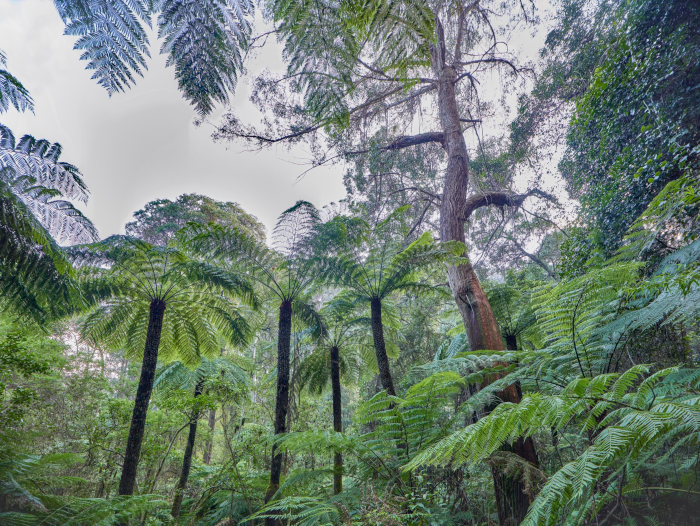
The Tasmanian Wilderness World Heritage Area (TWWHA) is one of the largest conservation areas in Australia, covering 15,800 km², or almost 25% of lutruwita/ Tasmania. It contains huge areas of wild landscape.

Sadly, fire is a huge threat to many vegetation communities in the TWWHA which are fire sensitive, particularly in the context of a changing climate.

We know that climate change fueled fire regimes threaten the TWWHA. For instance, the amount of vegetation burnt by fires caused by lightning strikes in Tasmania’s world heritage area has increased dramatically this century, according to research led by the University of Tasmania.

Following public consultation in 2020, plans for managing fire in the TWWHA are being developed. The Tasmanian National Parks Association (TNPA) says ‘we are pleased to see belated progress towards the development of a Fire Management Plan for the TWWHA’.

Continue reading “Progress on a fire management plan for the TAS World Heritage Area”

Blog at WordPress.com.

Up ↑