Search

Mountain Journal

Environment, news, culture from the Australian Alps

Author

Cam Walker

I work with Friends of the Earth, and live in Castlemaine in Central Victoria, Australia. Activist, mountain enthusiast, telemark skier, volunteer firefighter.

Contribute your ideas to the Alpine Resorts Strategic Plan

Here is a chance to express your views about how the alpine resorts in Victoria should be managed. There is currently a review of the Alpine Resorts Strategic Plan, with submissions open until July 6.

Continue reading “Contribute your ideas to the Alpine Resorts Strategic Plan”

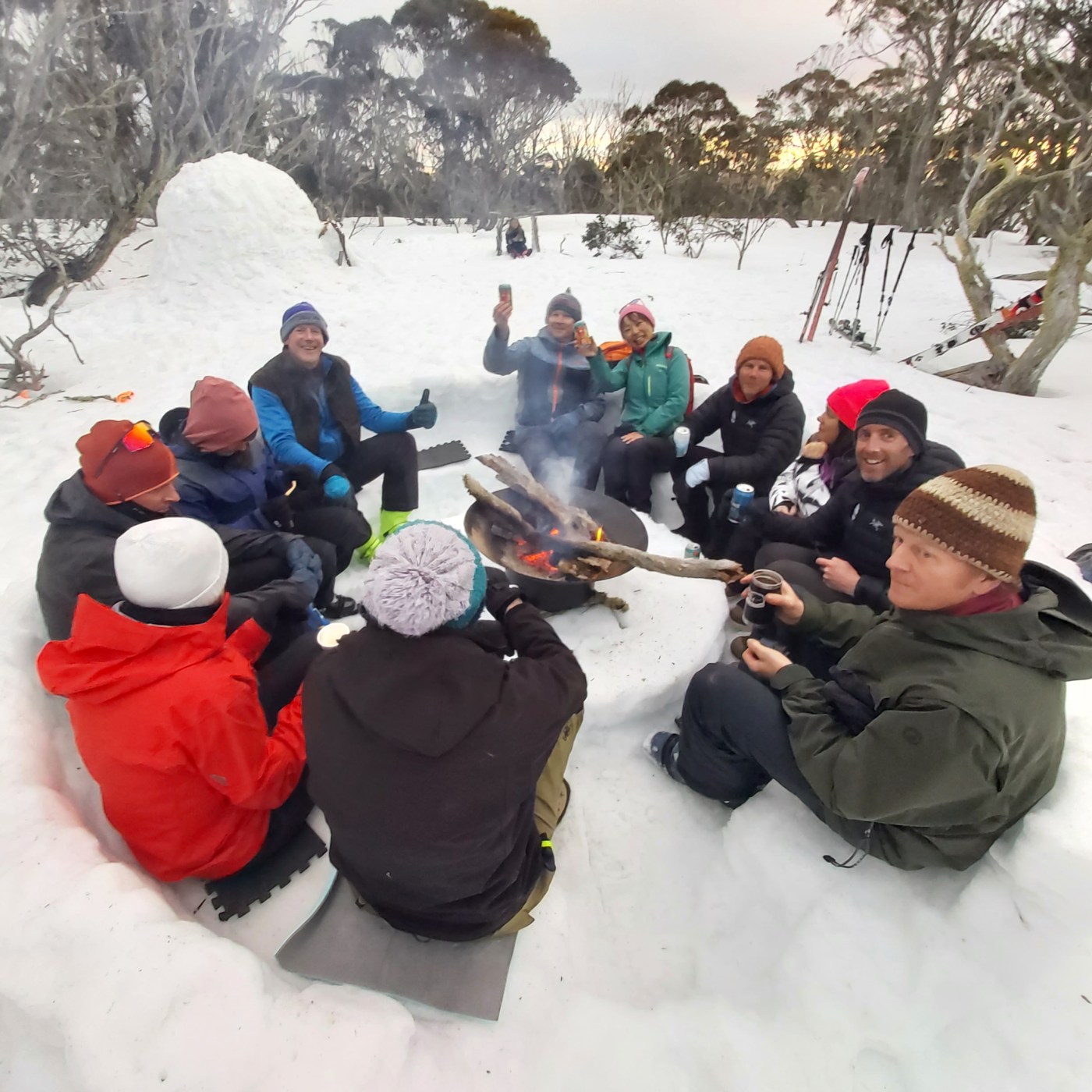
Ski in party at Mt Stirling

From Friends of Mt Stirling:

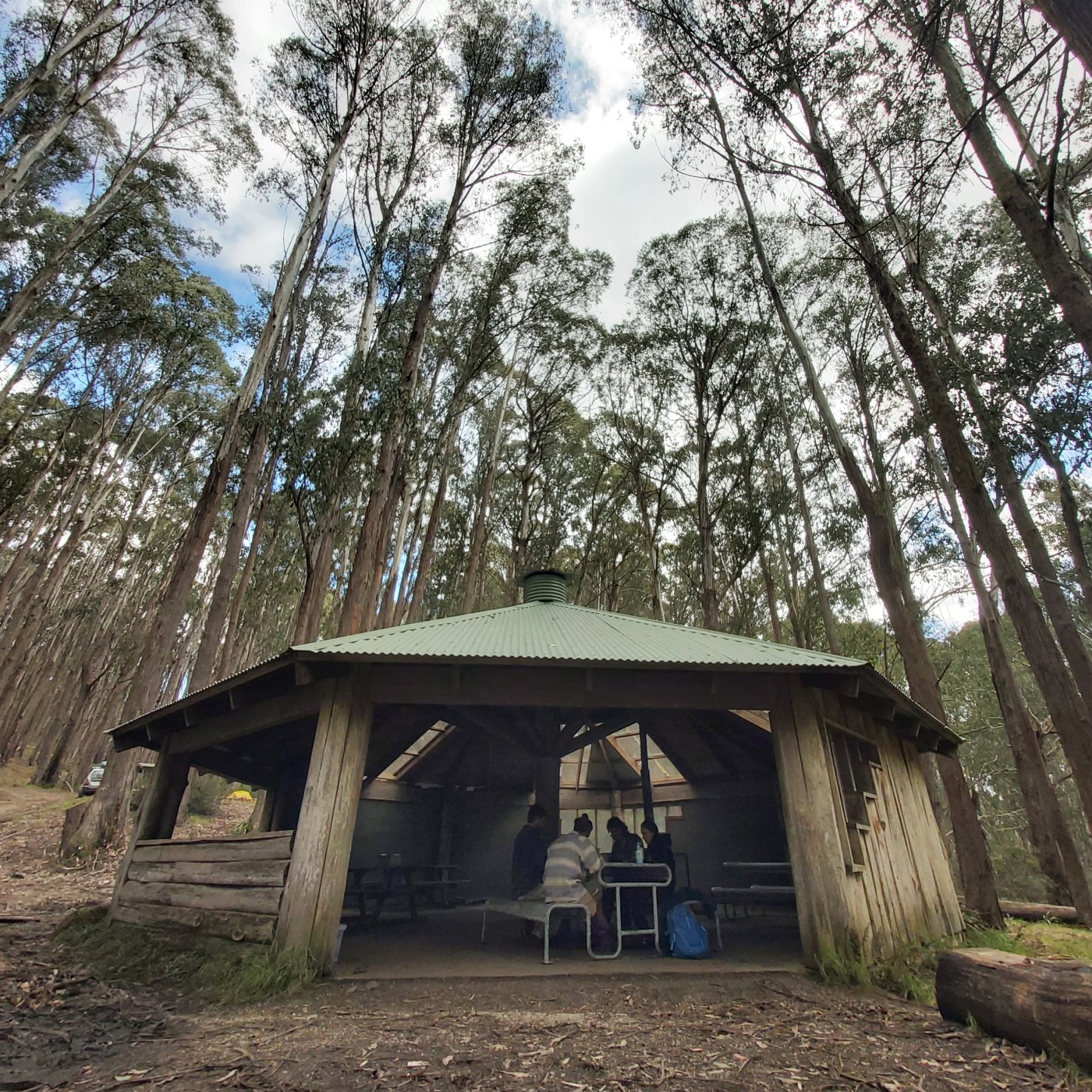
Join us for a weekend of connection, community, and conservation at King Saddle Hut, Mount Stirling!

We’re teaming up with Friends of the Earth Melbourne (FoEM), long-time campaigners for the protection of the Victorian Alps, to bring you a weekend immersed in nature and collective action.

Together, we’ll walk through beautiful alpine bushland, learn from local ecologists about the current and emerging threats facing these fragile ecosystems, and explore ways we can care for Country—supporting both biodiversity and community well-being.


  • Kick off the weekend with a shared potluck dinner on Friday night—bring something delicious to contribute!
  • Bring your camping gear, warm clothes, dancing and walking shoes!
  • Hear from those working to protect and manage sustainably this area.
  • We will be organising some music for the Friday night for around the fire.

Bring along a friend! We hope to see you there.


This event is taking place on First Nations land. We acknowledge the Traditionals Owners and pay our respects.


Please be aware that there is an entry fee to enter the Mt Stirling resort, and the location is about a 3 km walk/ ski/ snow shoe to reach. You will need to be self sufficient in terms of camping gear, food and cooking equipment.

Continue reading “Ski in party at Mt Stirling”

People and Parks: bearing the brunt of climate inaction

Mountain Journal has run hundreds of articles on the impacts of climate change on wild places in the mountains of south eastern Australia and lutruwita/ Tasmania. Sadly, these impacts are being felt in parks around the continent.

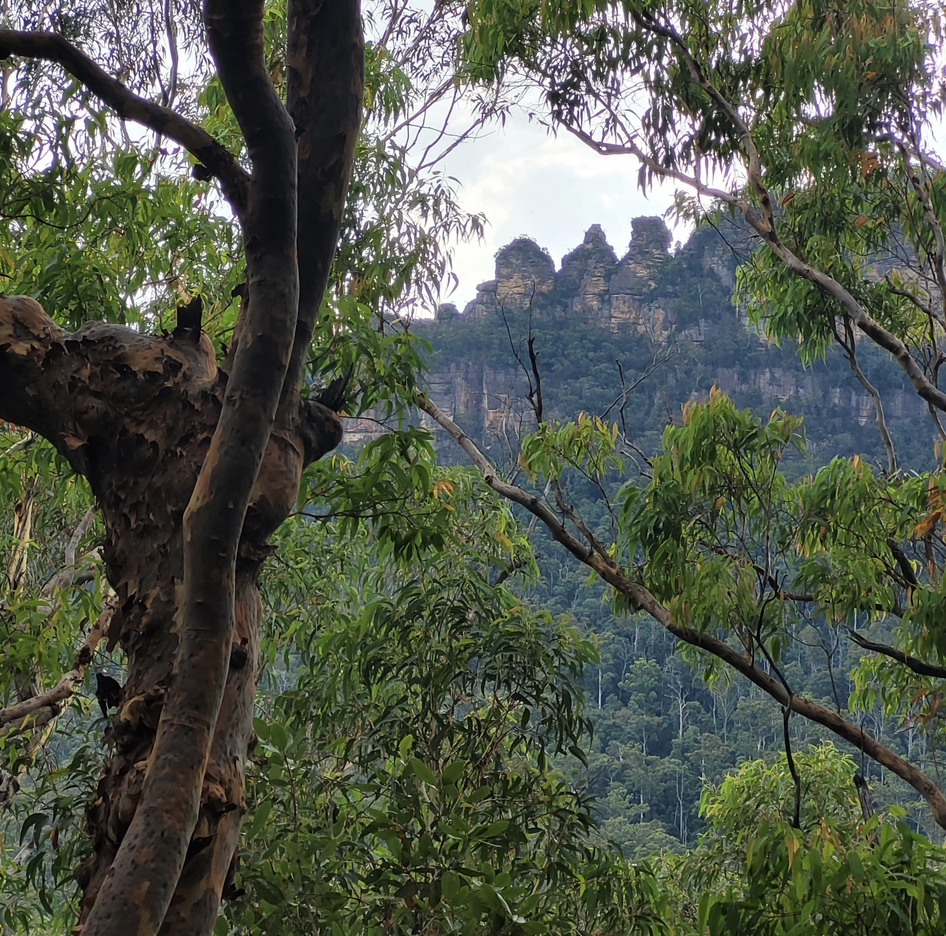
This piece from Madoc Sheehan (originally published here) looks at the environmental and economic impacts of high intensity rainfall events in Paluma Range national park over January/February 2025 and similar climate impacts in the Blue Mountains and Boodjamulla national parks.

Continue reading “People and Parks: bearing the brunt of climate inaction”

Best practise fire fighting

The 2024/ 25 fire season was a long one in south eastern Australia.

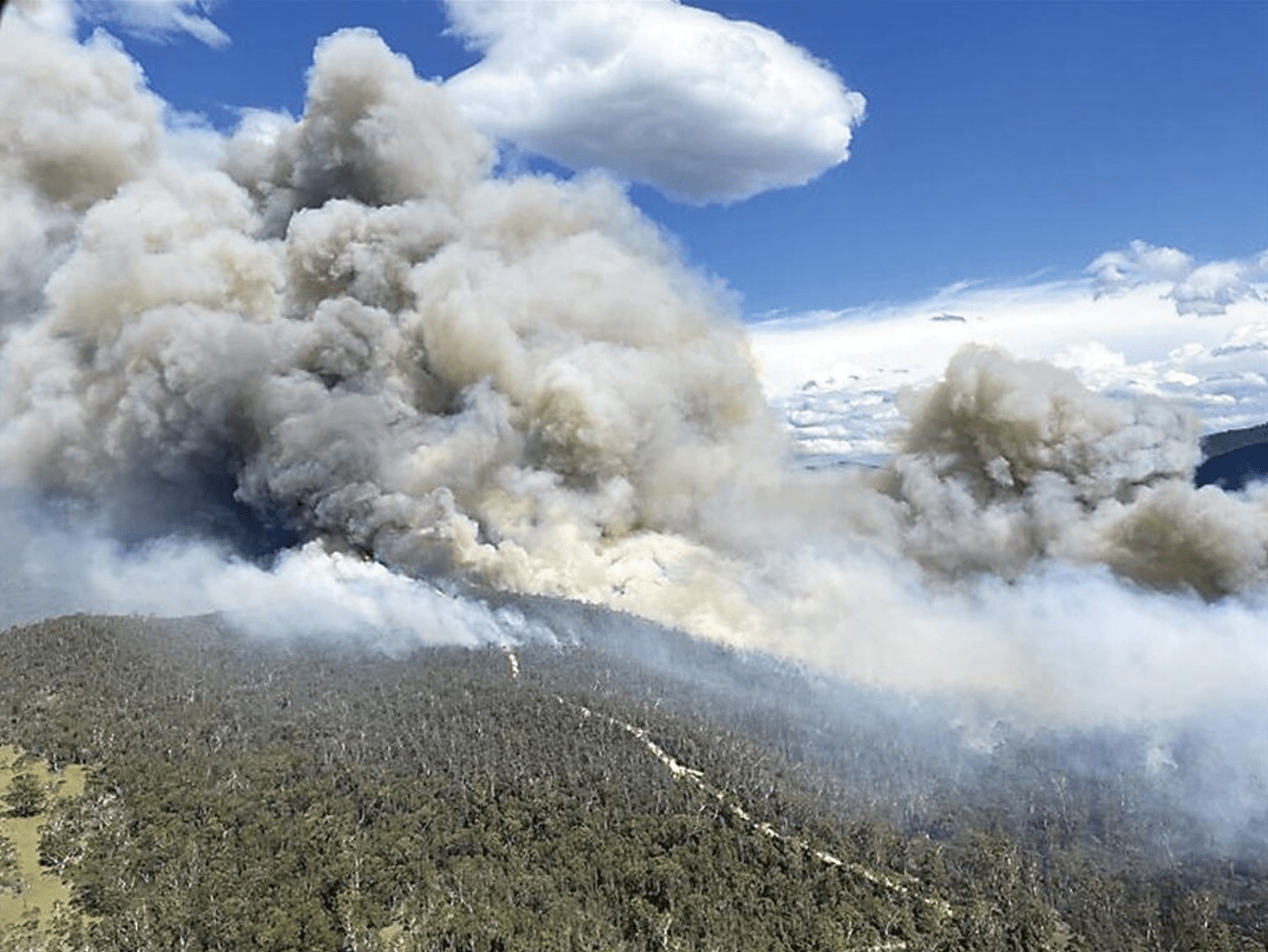
While there were large and destructive fires in western Victoria (particularly in the Grampians (Gariwerd) National Park and Little Desert National Park – details here), there were no enormous ones in the mountains. But if you track what happens in the high country, you will recall that we did have a number of significant ones last summer, including the Mt Matlock fire in the Thompson River catchment (which provides drinking water for Melbourne) and the Mt Margaret/ Licola fire, which grew to around 5,600 hectares. There are some resources on these fires available here.

There is a significant story from this latter fire which is worth retelling.

Continue reading “Best practise fire fighting”

VIC government must increase efforts to sustain Ash forests

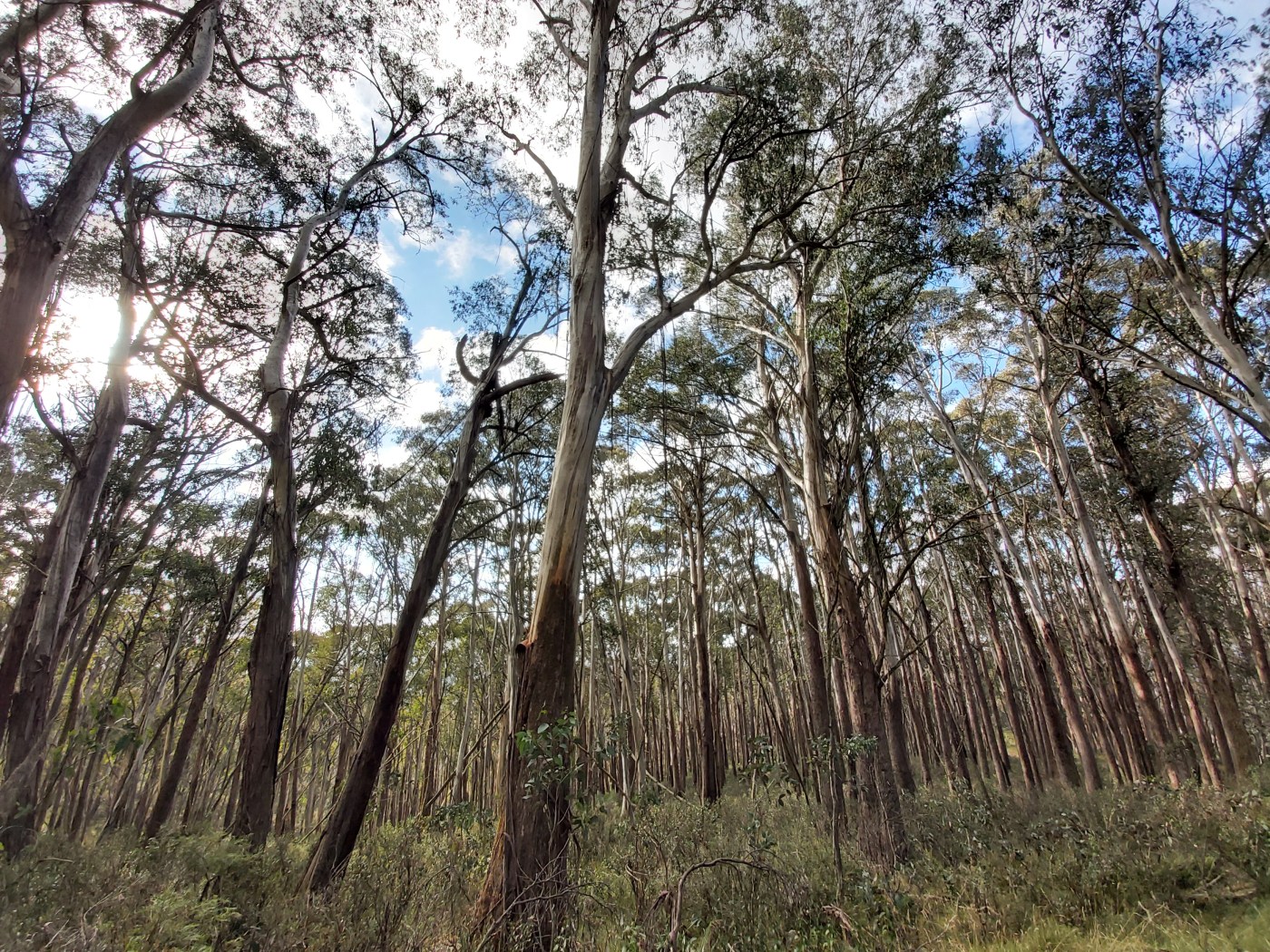
Ash forests – forest comprised of Mountain Ash, Alpine Ash, or sometimes both – are some of the most iconic forest types in Victoria, or even the world. Covering around 500,000 ha of Victoria and stretching from the Otways to the north-eastern boundary with NSW, their stronghold is in the Central Highlands to the east of Melbourne and through the higher ranges of Gippsland and the north east of the state.

These forests have a complex relationship with fire: these forests can live with some fire – but not too much. Scientifically known as ‘obligate seeders’, after severe bushfire, ash forests are killed, but prolifically regenerates from canopy stored seed. The important point here is that these slowly regenerating forests cannot produce seed for 20 years after they regenerate from fire. This means they are highly vulnerable to shortened fire intervals – the exact challenge that land managers in Victoria are facing with climate change.

Once a mountain ash or alpine ash forest has burnt numerous times, it may eventually fail to regenerate, which can lead to population collapse and a change of ecosystem type. This sounds simple, but ecologically, this is dramatic. A tall forest – high in carbon stocks and habitat – changes rapidly to a short shrubland or grassland.

This not theory. This situation already exists among alpine ash forests. The massive bushfires in 1998, 2003, 2006, 2009, 2013, 2014 and 2019/20 and meant that over 97% of Alpine Ash distribution burnt. These fires overlapped and some areas burnt two to three times across two decades (Fagg et al. 2013; Bassett et al. 2021), leaving 43,000 ha of Alpine Ash forest at risk of collapse (Fairman, 2023).

Mountain Journal has long reported about threats to Ash forests and the need for greater government intervention (check here for some of the articles).

Now people involved in the recovery of Ash forests have recently spoken out about the threats posed to these forests.

Continue reading “VIC government must increase efforts to sustain Ash forests”

End of Financial Year appeal for mountain environments

As we get to the end of the financial year, every not for profit group in the universe is asking for donations. This might be of interest if you are interested in funding advocacy for mountain environments.

Continue reading “End of Financial Year appeal for mountain environments”

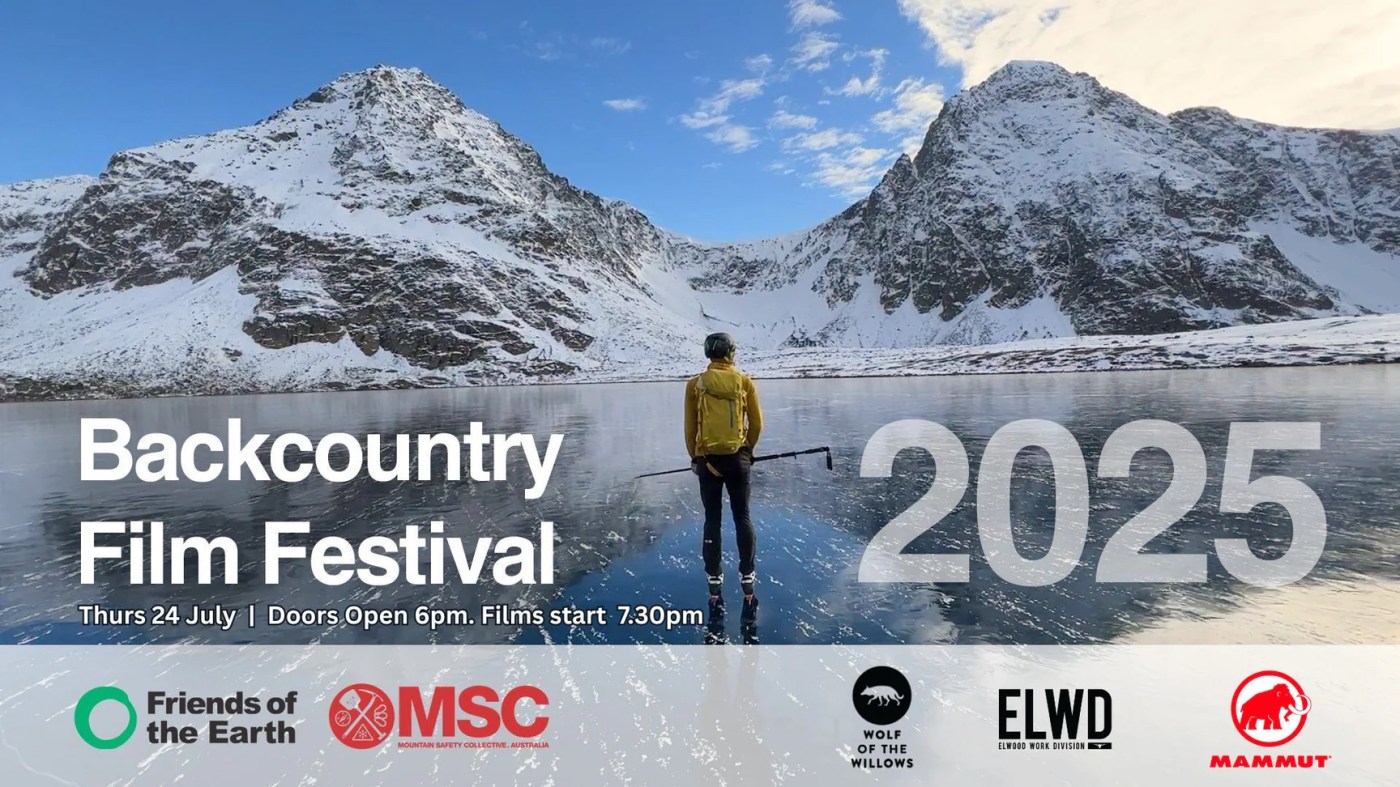
Backcountry film festival at Wolf of the Willows

Join us at the Wolf of the Willows Brewery for BACKCOUNTRY FILM FESTIVAL

Thursday 24th of July | Tickets start from $10pp
Doors open 6pm for Dinner | Films start 7.30pm | Duration of films total 2.5hrs

The Backcountry Film Festival is a winter institution in Melbourne, screening each year since 2011. The program is put together by Winter Wildlands Alliance, and celebrates the power and spirit of humans in winter. The festival features 13 films over 2 and a half hours and will be re-screening at Wolf of the Willows in Mordialloc on the evening of Thursday 24 July, 2025.

No allocated seating so get in early to reserve your spot.

You can find tickets here.

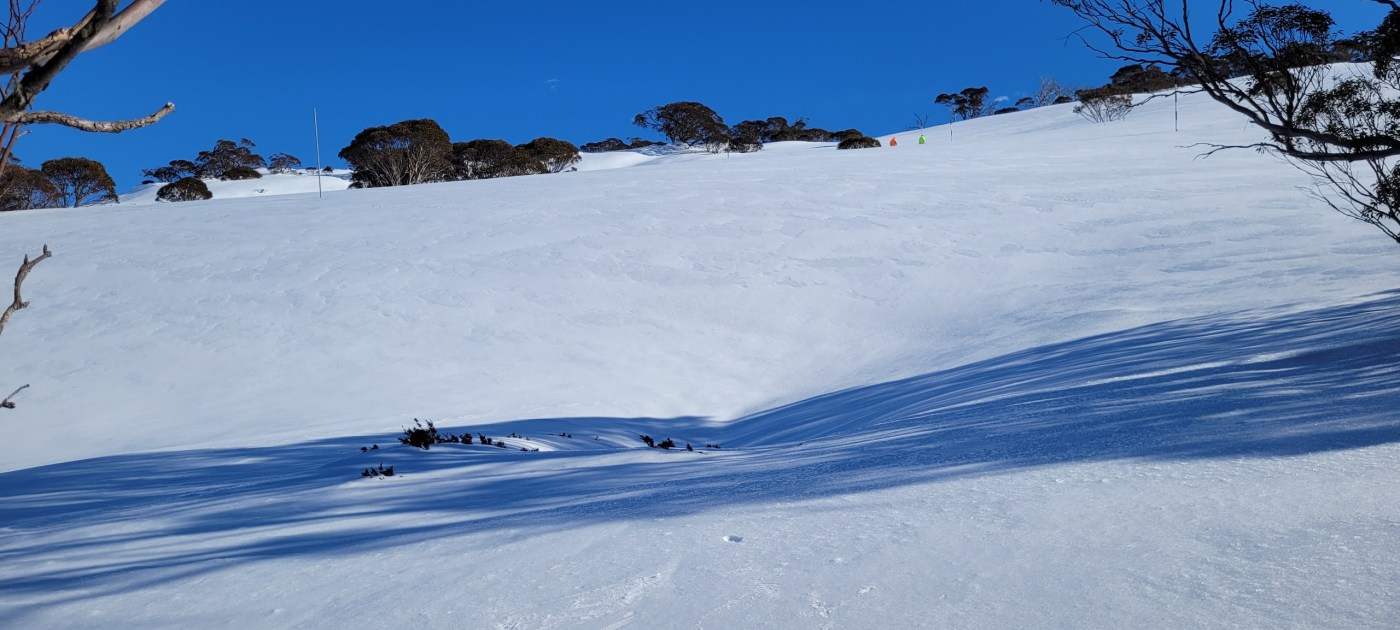
In search of Australia’s longest snow depth record

Phil Campbell has written a short story on the length of the snow record in Australia.

Ask anyone interested in Australia’s snow country where the longest record of snow depth is located, and you’ll almost certainly be told it is at Spencers Creek, in the New South Wales Snowy Mountains.

Snow depth and density measurements have been recorded continuously at the Spencer’s Creek site by Snowy Hydro for the past seven decades, commencing in the early years of the Snowy Mountains Scheme in 1954. The site consists of a series of seven poles at a mean elevation of 1830 metres and is one of three ‘index’ sites maintained by Snowy Hydro for snowpack and runoff modelling, along with two other sites at Deep Creek and Three Mile Dam. Numerous lesser known sites exist scattered at different elevations across the Snowy Mountains, many monitored for a few brief years to fit operational needs at the time, with a handful still monitored to this day.

Continue reading “In search of Australia’s longest snow depth record”

Heading off ecological collapse in the mountains

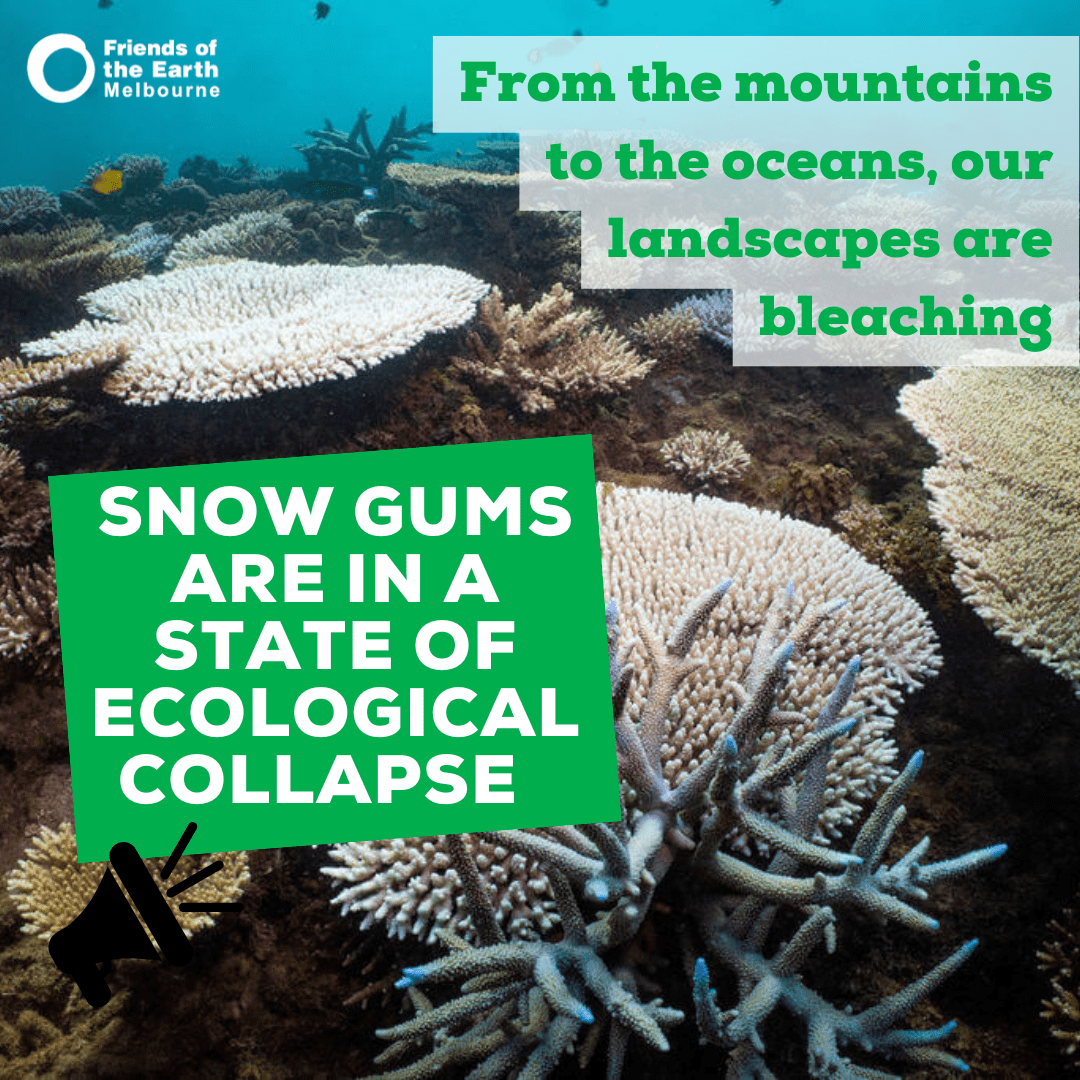
Snow Gums are the classic alpine tree of the Australian High Country. And they’re now at risk.
Snow gums can survive fire. However, climate change driven fire seasons are leading to more frequent fire, which is causing more death of trees and changes to forest structure. Dieback, which is caused by a native beetle, but becoming more damaging due to the effects of climate change, is devastating large sections of the high country. In many places, localised ecological collapse is now occurring.

Continue reading “Heading off ecological collapse in the mountains”

The Victorian Protected Areas Council

We all know that national parks and other public land managers really struggle to get the funds needed to look after the conservation estate. In Victoria, there have been steady cut backs in staffing. Parks Victoria (PV) now manages around 18% of Victoria’s land and coastal waters with fewer full-time staff than when it was established in 1996. Its permanent workforce shrank by 12% last year.

Now, a group of former PV staff have joined together to lobby for better funding for national parks and other protected areas. The Victorian Protected Areas Council (VPAC) brings together experienced park managers and rangers. You can read more below.

Continue reading “The Victorian Protected Areas Council”

An unofficial history of the Backcountry Festival

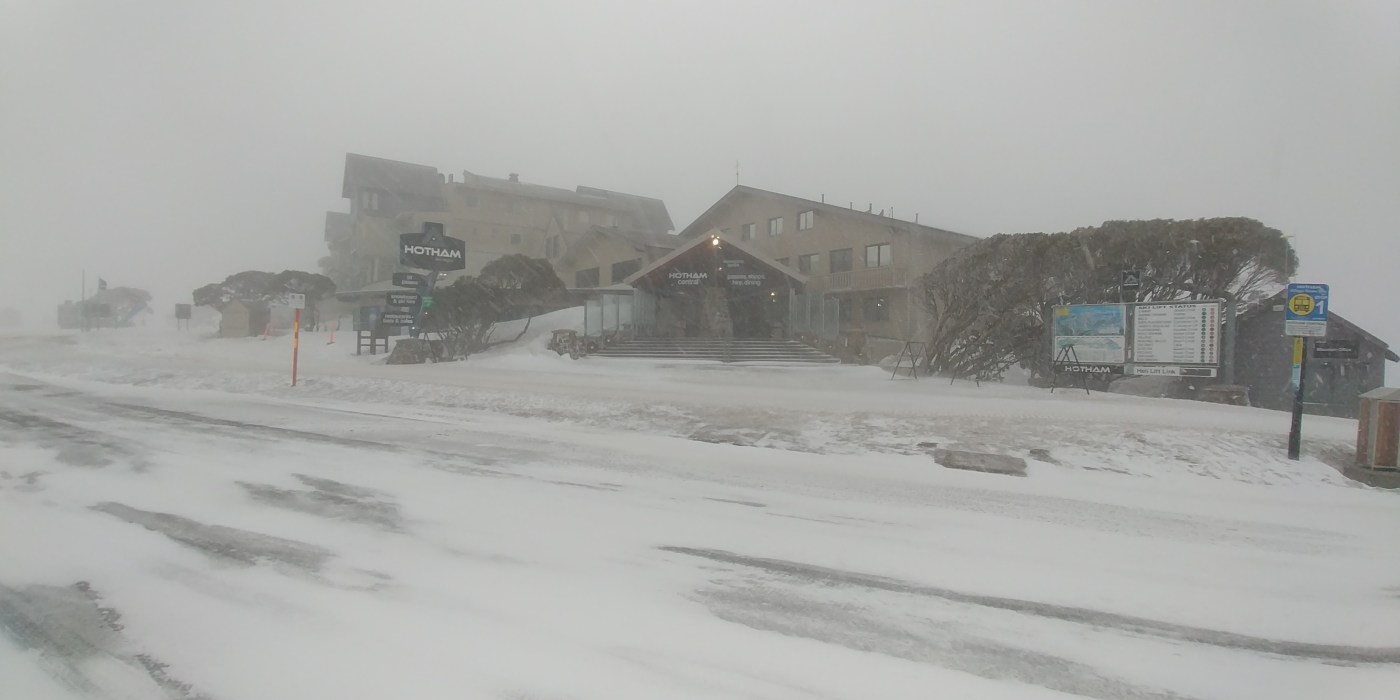
Back in the depths of time, I used to organise an annual World Telemark Day get together at Mt Hotham on the first Saturday in September. It happened for 5 or 6 years and eventually some friends convinced me to shift it over to Falls Creek because of the strong tele community there.

In moving it over, the world tele day gathering became the first Victorian backcountry festival and it happened over the weekend of September 1 and 2, 2018. Eight years later, and having survived the lockdown years, when we were forced to take the festival online, and some grim winters of limited snowpack, the Victorian backcountry festival has grown into an enduring and well supported annual event. It has now become the Australian backcountry festival, and will happen in and around Mt Hotham resort in late August 2025.

Continue reading “An unofficial history of the Backcountry Festival”

Dark Days while we wait for the White

I love my backcountry trips and my traditions of getting into the Big Wild. The annual multi day walk in lutruwita/ Tasmania with some mates, the new years eve wander and camp out on Mt Stirling, the road trip to the Snowy Mountains in May. I notice sometimes that half the enjoyment comes from planning and then reflecting on the trip (especially when the actual trip ends up being Type 2 fun).

But this year has been different. After two grim winters, I’ve been obsessing over the forecasts for this season. And as we know they aren’t great. I know that we will get a break at some point, that we will continue to get good and bad winters. But as we pass through another warm autumn, it really does feel like we have crossed some invisible tipping point. As happened with bushfires in the mountains, which suddenly did a ‘step change’ in intensity in the early 2000s, you have to wonder if we have stepped over into a new world where, in Australia at least, our snow pack resembles the boom and bust cycles that have long dominated mountain snow in Tasmania, and less like the consistent snow pack we have generally relied on here on the mainland.

Continue reading “Dark Days while we wait for the White”

Blog at WordPress.com.

Up ↑