Search

Mountain Journal

Environment, news, culture from the Australian Alps

Category

Uncategorized

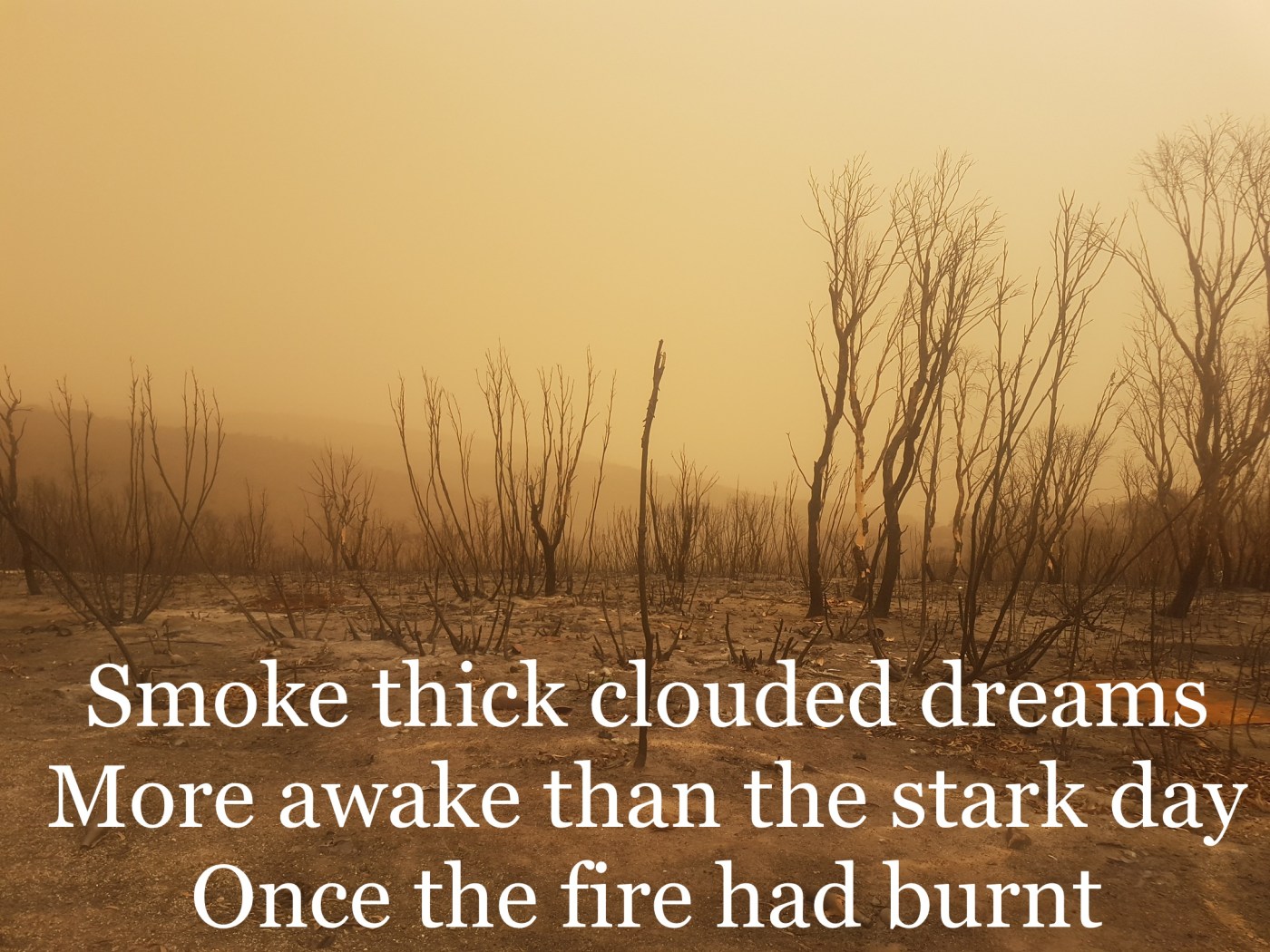
The Tabletop fire 10 months on

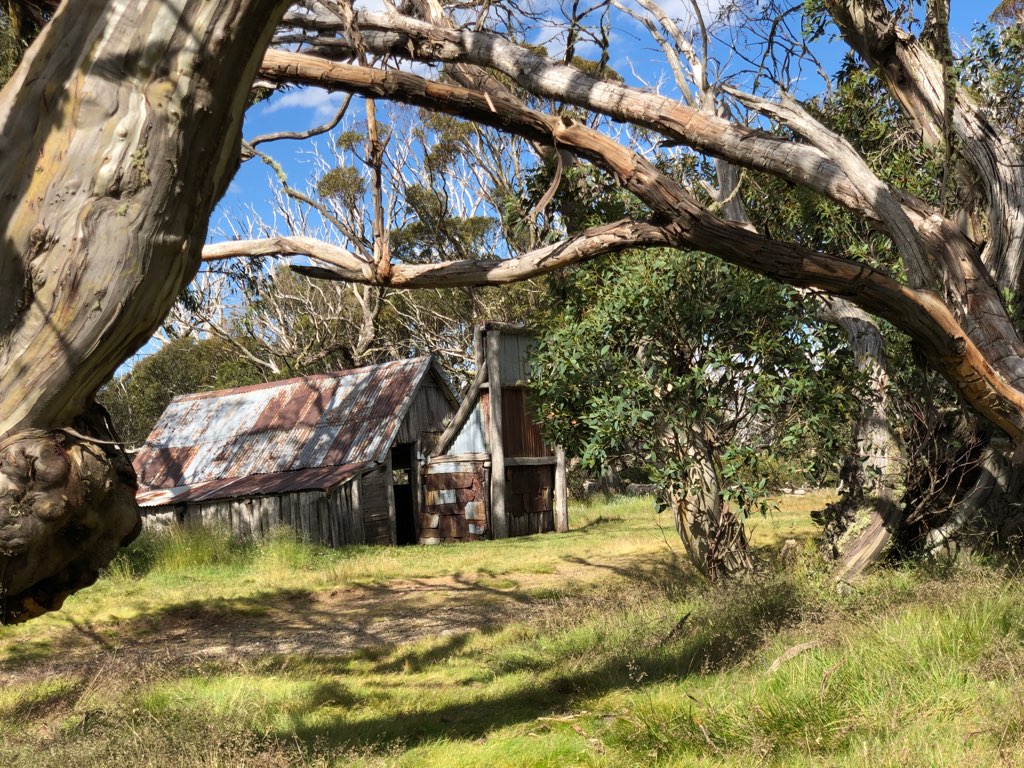
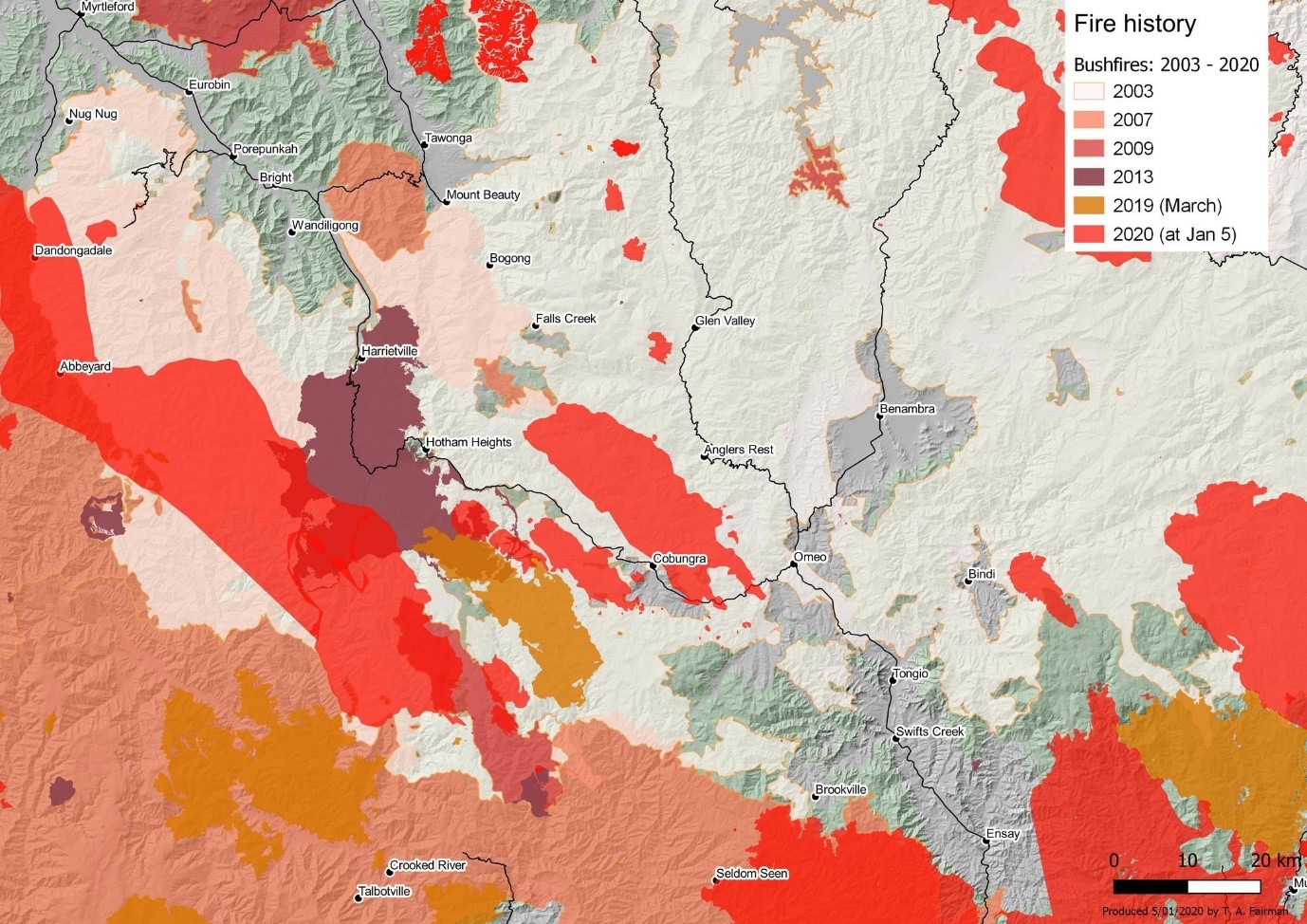
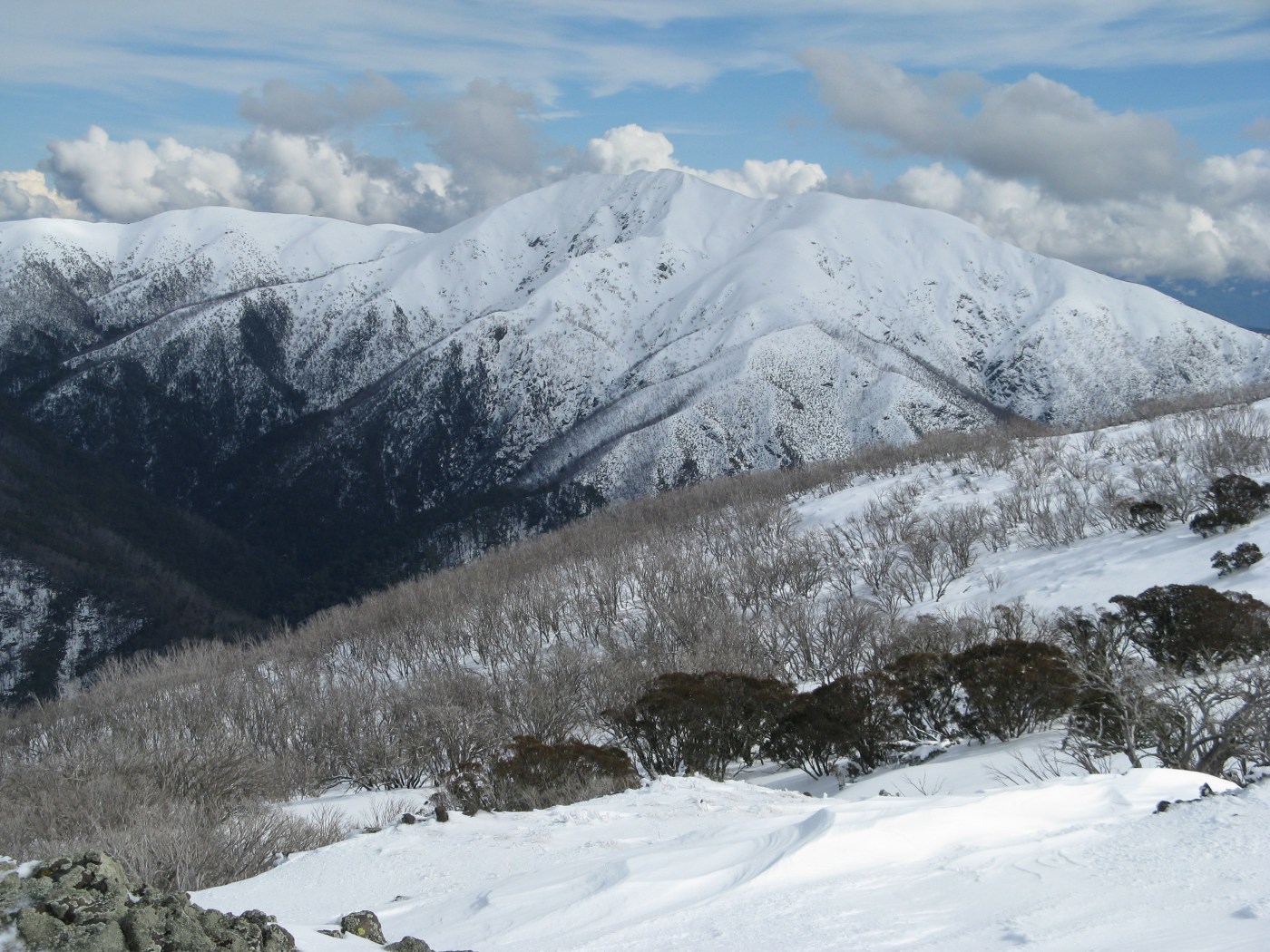
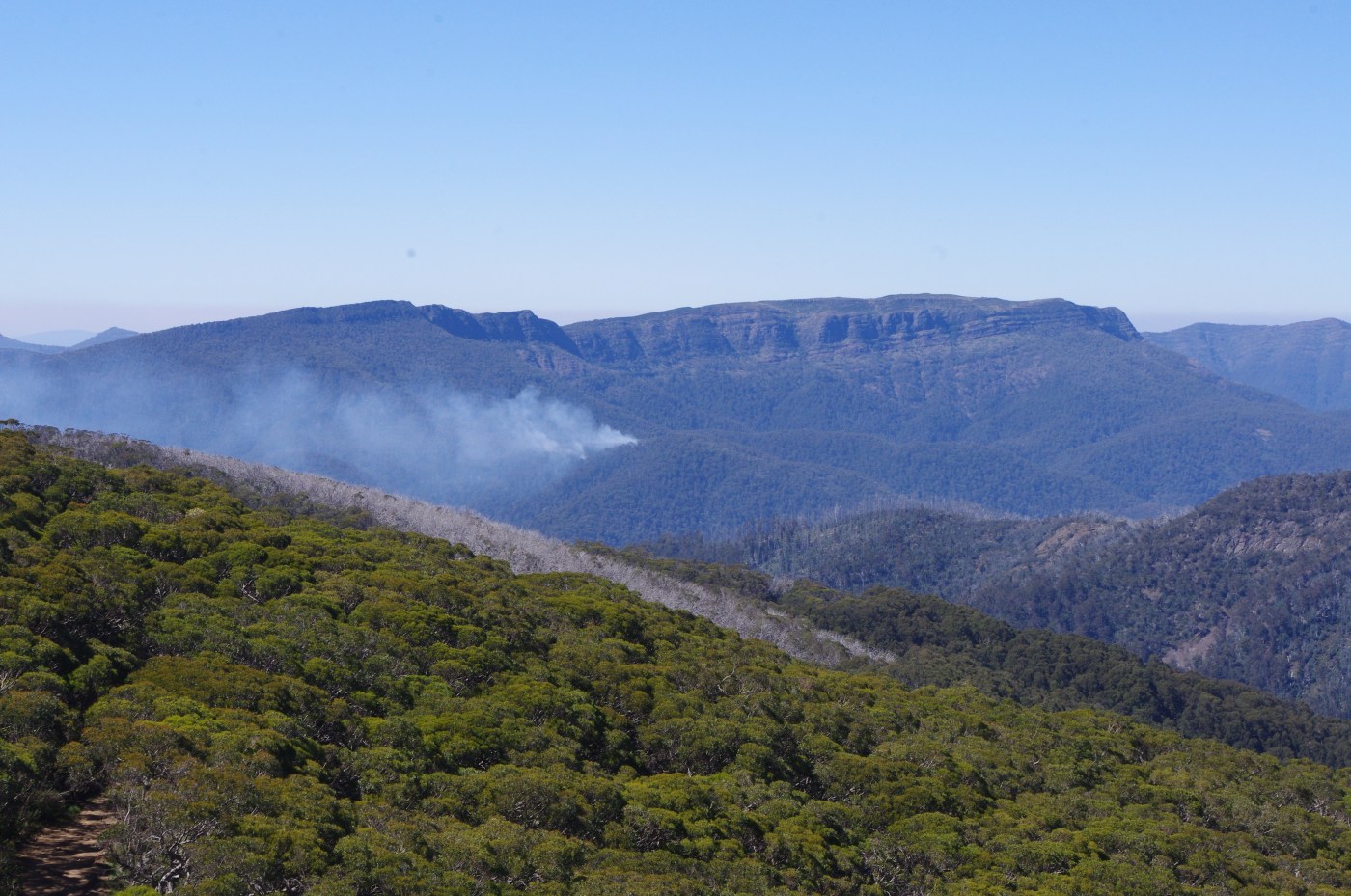
Mt Tabletop is in the Alpine national park, on Gunaikurnai country, between Mt Hotham and Dinner Plain. Its snow gum country that is already feeling the changes that are coming with climate change. The forests in the area have burnt in 2003, 2013 and 2019/20. Some areas have burnt 3 times. 

The terrain is a mosaic of snow plains, old open forests, crazy regrowth in burnt areas, and multi aged woodlands. It was burnt badly last summer.

Continue reading “The Tabletop fire 10 months on”

Ethical fashion guide – how are the outdoor brands going?

Baptist World Aid Australia (BWAA) is one of the organisations that track working conditions and sustainability in clothing brands. They have just released their report for 2020. It provides great information on how many brands are going – including key outdoor companies.

Continue reading “Ethical fashion guide – how are the outdoor brands going?”

A chat with Jakob Kennedy

Jakob Kennedy is a content producer and nature enthusiast. He is currently involved in the development of a film called Awaken, which follows adventurers on three continents as they come to terms with the growing impact of climate change on the places they love. 

Jakob says “other than my clear love for snowboarding, it is nature, the experiences she provides and the inevitable lessons that are the reason I’m still doing this. So to be involved with a project that honours the value of these moments, by raising awareness to the importance of maintaining said environment, is a sure highlight in my career.

We only get one world and we only get one life do our best to care for it”.

The full version of the film will be released this January. You can see the trailer here.

Mountain Journal caught up with Jakob to find out about what the project and what inspires him. You can read the interview here.

Stand with bushfire survivors for climate action

Bushfires devastated huge areas of mountain country last summer – across the eastern Alps in Victoria and the northern Snowy Mountains in NSW. These fires triggered three government inquiries – all of which identified climate change as being a key factor in the scale of the fires.

Now the Bushfire Royal Commission is due to release its final report. A key question will be whether the Commission recommends that Australia act decisively to reduce it’s contribution to global heating. Bushfire Survivors for Climate Action (BSCA)  is asking you to stand with us on climate change to highlight the need for the federal government to act.

Continue reading “Stand with bushfire survivors for climate action”

Fires hitting mountain environments around the world

Last summer, large sections of the mountains of New South Wales, Victoria and ACT were hammered by bushfire. The Emergency Leaders for Climate Action noted that: ‘Australia’s Black Summer fires over 2019 and 2020 were unprecedented in scale and levels of destruction’. 

The same terrible fires have been burning environments across the northern hemisphere through their summer. For instance, Colorado has seen its largest ever fires. Fires have burnt on Mount Kilimanjaro, Africa’s tallest mountain, and in the north east of the USA, a region that rarely burns. One fire chief in Maine said “this was a whole new kind of fire, this is the stuff you see out west.”

And the same forces are at play everywhere: climate change is making fire seasons more intense. The world has warmed as a result of human activity and now all fire events occur in a warmer environment. Thankfully this awareness is now becoming part of the mainstream debate.

Continue reading “Fires hitting mountain environments around the world”

A Fire Management Plan for the Tasmanian Wilderness World Heritage Area

The Tasmanian Wilderness World Heritage Area (TWWHA) is a World Heritage Site in Tasmania. It is one of the largest conservation areas in Australia, covering 15,800 km², or almost 20% of lutruwita/ Tasmania. It is also one of the last great expanses of temperate wilderness in the world.

In recent summer’s, significant sections of the TWWHA have been devastated by bushfires. The 2018/19 fires were especially destructive.

Fire is perhaps the greatest challenge for the management of the TWWHA, particularly in the context of climate change. With the September 2020 release by the Parks and Wildlife Service of a range of discussion papers for public comment, the state is moving towards the development of a Fire Management Plan for the TWWHA, as recommended by the 2016 report by Tony Press (Tasmanian Wilderness World Heritage Area Bushfire and Climate Change Research Project) and prescribed by the 2016 TWWHA Management Plan. 

How have the papers been received by conservationists?

Continue reading “A Fire Management Plan for the Tasmanian Wilderness World Heritage Area”

New species of rare frog discovered, threatened by logging

Goongerah Environment Centre (GECO) based in far East Gippsland has long been working to protect remaining forests in that part of the state. Working with allies like the Flora and Fauna Research Collective, they have led citizen science projects which have frequently found threatened or endangered species in areas scheduled for logging, then used the law to gain protection of the habitat these species rely on.

Now GECO is warning that a population of the vulnerable  Large Brown Tree Frog is threatened by logging and that a Special Protection Zone placed around the logging is insufficient.

Continue reading “New species of rare frog discovered, threatened by logging”

Living with the Fear

Last summer’s fires burnt through communities right along the east coast of Australia and across large sections of the High Country. The sheer scale and ferocity of the firestorms made many individual fires unfightable. Many covered long distances in short periods of time, racing across the country. In some instances, like at Mallacoota in Victoria’s far east, they literally pushed communities to the beaches and into the water.

The fact is that these are the fires of the ‘present future’ – the climate change fuelled era that we are already passing into. This means ever worse fire seasons which, in turns means greater impacts on the people, businesses and communities that live or rely on increasingly fire prone landscapes. As noted by fire historian Stephen J Pyne, we now live in the ‘pyrocene’ – the age dominated by fire.

As was shown by last summer, the economic costs of fire seasons can be devastating. But there is something else going on that is obvious – on a personal and emotional, even spiritual, level. Many people are struggling with post traumatic shock, and many now hold a deep unease about the places they call home. Many people now openly express fear of the bush, and the fires that will come, summer after summer.

Continue reading “Living with the Fear”

Backcountry Film Festival 2021

The Backcountry Film Festival is a pre-winter tradition in Melbourne, with screenings happening each autumn. Other towns and cities sometimes also host the festival. Sadly, in 2020 the festival couldn’t go ahead as a screening because of the COVID-9 lockdown. Hopefully we will be back to ‘business as usual’ in 2021!

The program is put together by the Winter Wildlands Alliance, who say: ‘We believe in the power of humans and their spirit. Our mission is to manifest that power in communities through stories of activists, adventurers, and the outdoors to inspire and activate’.

‘The 16th Annual Backcountry Film Festival will be screening documentaries and ski movies about athletic pursuit in the mountains, artistic vision, friendship, and how the snowsports community is adapting to a changing environment’.

We hope to screen it in Melbourne in March or April 2021. Stay tuned for details.

There are 10 films in the 2021 season (you can check them out here) covering everything from slacklining in the mountains of Norway, climbing and skiing in Svalbard, doing the “Vallée Blanche” ski route in Chamonix, to gorgeous clips from the Revelstoke backcountry.

Check here for further background on the festival.

HEADER IMAGE: From Life beyond Fear.

LOWER IMAGE From Lost.

ANU launches centre for early fire detection & suppression

Last summer, 1,507,895 ha of Victoria was burnt, much of it in the remote mountains of the Alps and East Gippsland. Almost every significant fire in Victoria during the 2019–20 season was as a result of lightning strike. 

Many of these started after storms moved across East Gippsland and the Alps on November 21 and December 31. Forest Fire Management crews swung into action and many of the fires were quickly put out. Aerial bombing dealt with others. In the 2019/20 fire season, state government FFMV crews suppressed 89% of all new ignitions with aggressive ‘first attack’ techniques. But there were simply too many lightning strikes, and some grew into massive blazes, including the fires that went on to devastate the forests and landscapes of East Gippsland in coming weeks.

It is clear that we need additional air capacity to get on top of these small fires before they become blazes. We also need more career remote area firefighters. Victoria should also follow the lead of NSW and TAS and establish a volunteer remote area firefighting force. In recent years, the NSW teams have able to keep 90% of the fires they attended contained to less than 10 hectares in size.

But fire seasons will continue to get longer and more intense because of climate change. We need all the help we can get to stop these lightning caused fires before they turn into blazes. This new development could deliver some useful help:

Continue reading “ANU launches centre for early fire detection & suppression”

Tasmanian volunteer remote area firefighting teams established

Over the summer of 2018/19, huge fires burnt across Tasmania. An independent review of Tasmania’s management of the summer bushfires was initiated. It makes a series of recommendations for the fire services and government, including a proposal to re-establish a volunteer remote area firefighter group. The report was produced by the Australasian Fire and Emergency Service Authorities Council (AFAC).

Recommendation 2 of the report says:

The Tasmanian Fire Service (TFS) should pursue the creation of a cadre of volunteer remote area firefighters. In doing so the TFS should not consider itself limited to upskilling of current volunteer brigade members, but should carry out a cost benefit analysis of creating one or more remote area firefighting units based in urban areas, in order to tap into the potential of those members of the urban-based Tasmanian community who may have advanced knowledge and skills relating to navigation and survival in wilderness areas.

That group has now been established and is being trained.

Continue reading “Tasmanian volunteer remote area firefighting teams established”

The independent review of the 2019/20 fires

Inquiry into the 2019–20 Victorian fire season 

After the 2019–20 Victorian fire season, the Inspector-General for Emergency Management was charged with ‘investigating Victoria’s preparedness for the fire season, response to fires in large parts of Victoria’s North East, Gippsland, and Alpine regions, and will review relief and recovery efforts’.

On 31 July 2020, Inspector-General Tony Pearce delivered his report to government on Phase 1 of the independent Inquiry. It covered ‘Community and sector preparedness for and response to the 2019–20 fire season’.  The report made a series of Observations and recommendations.  It has now been made public. The government now needs to decide how to respond to the report and the recommendations.

The take home message from the report is:

‘Measured in terms of their geographic extent, the tragic loss of life, the damage to property and infrastructure, the devastation to flora and fauna, and their overall social and political impacts, the 2019– 20 fires mark a key turning point in Australia’s relationship with fire and the environment’. 

Continue reading “The independent review of the 2019/20 fires”

Blog at WordPress.com.

Up ↑