Search

Mountain Journal

Environment, news, culture from the Australian Alps

Increase in lightning strikes expected to ignite more wildfires

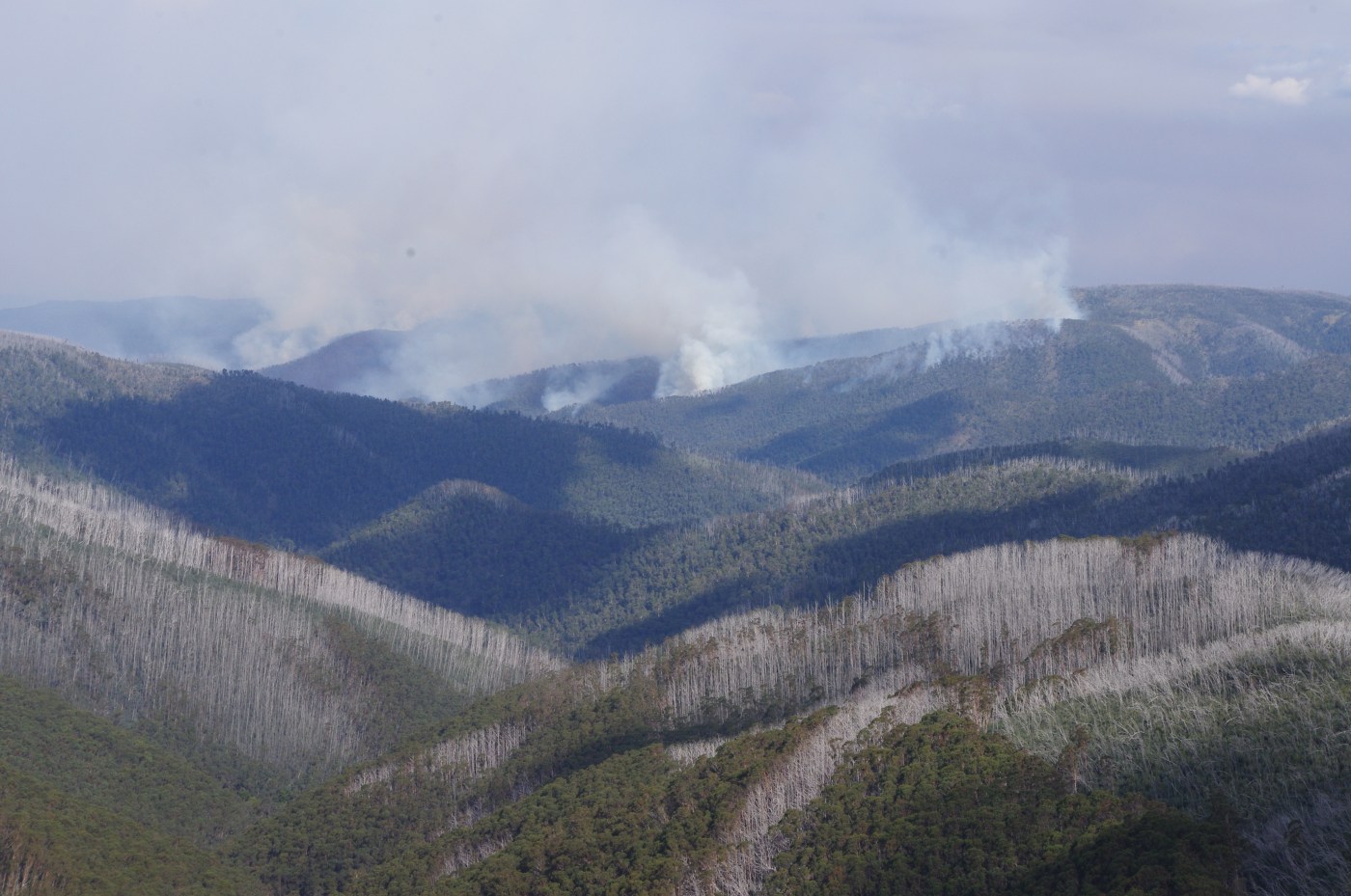
Lightning strikes are one of the main causes of wildfire in Australia. As the planet’s temperature warms, the frequency of lightning strikes is expected to grow with it.

Currently, lightning strikes the earth’s surface nearly eight million times a day. This number is expected to ‘dramatically increase’ as global temperatures rise, according to a study published by Science. The U.S., for example, could experience a 50% increase in the number of lightning strikes by the end of the century, if greenhouse gas emissions are not curbed.

This increase is already being felt in Australia and has implications for how we plan for, and fight fire. Because they start from a single point, lightning caused fires are initially small and can be easily contained before they turn into blazes, if there are ground crews or planes or helicopters available. As was shown by last summer’s fires, in a bad season, we simply don’t have enough resources to do this.

Continue reading “Increase in lightning strikes expected to ignite more wildfires”

A ‘mountain’ of loss – Snow Gum dieback in Victoria

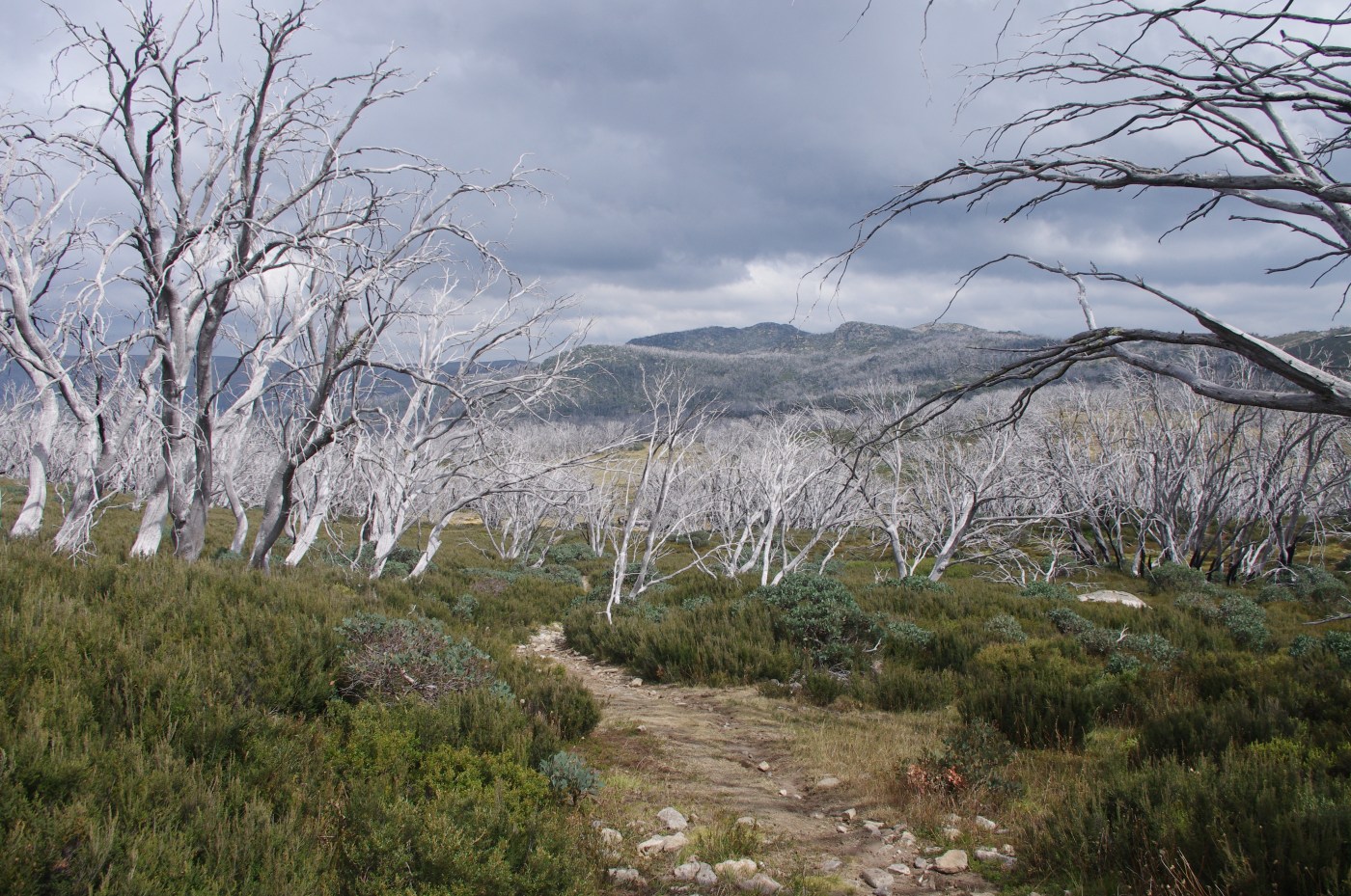
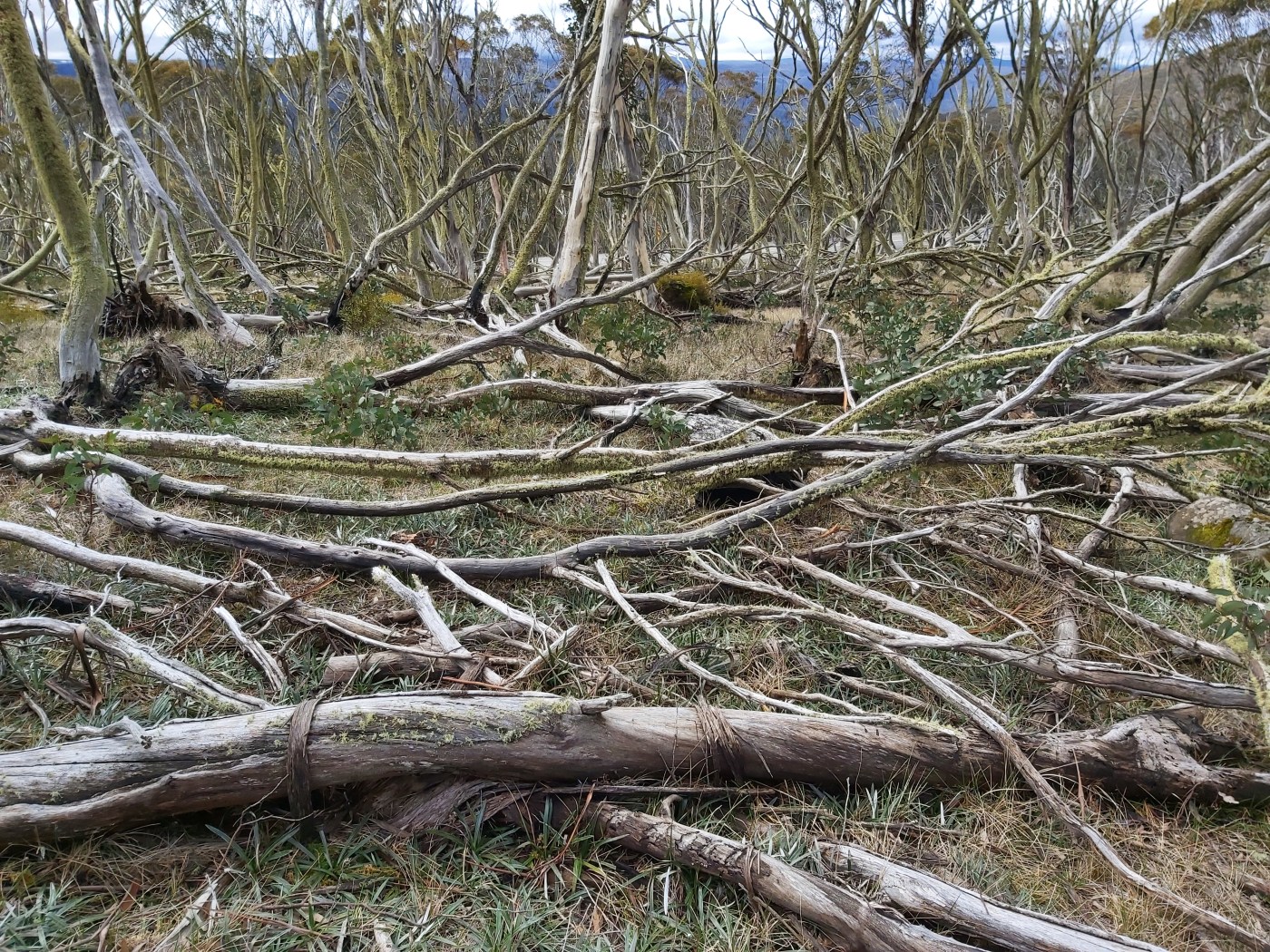
Snow gums are experiencing dieback in Kosciuszko National Park, largely because of the impacts of the native longicorn (or ‘longhorn’) beetle. These beetles prefer to lay their eggs on moisture-stressed trees and, in warmer weather, the longicorn beetle can hatch and grow up to 75% faster. It is understood that climate change is helping the spread of dieback because of background warming.

Now spread of dieback is being seen more frequently in the mountain forests of Victoria. Gillian Anderson reports back on some recent observations of snow gum dieback on the Bogong High Plains.

Continue reading “A ‘mountain’ of loss – Snow Gum dieback in Victoria”

Dinner Plain Mountain Adventure Festival

Dinner Plain in the Victorian Alps is hosting a 4 day adventure festival over the weekend of January 23 – 26 (the Survival Day/ Invasion Day/ Australia Day weekend).

It will feature a range of free and paid events, including:

  • an outdoor screening of the Bright Mountain Film Tour
  • self guided hikes to Mt Feathertop, with a free shuttle bus to the trailhead
  • abseiling tours
  • mountain bike clinics
  • photography workshops
  • orienteering sessions

Check the Dinner Plain website for full details, and bookings.

Fire Haiku

These haiku were written in the days weeks and months following the fires that devastated much of eastern Australia.

They are my personal response to the loss and the ensuing grief. A loss and grief that still exist a year later, a loss and grief l am not alone in experiencing.

Indeed these feelings seem to have permeated the psyche of those of us, not only living in the bush, but those of us that value the rivers, the birds, trees…

It’s not the loss of material, it’s the loss of something so much bigger.

It’s the tearing, and fraying of the connection to the land, to place.

It’s the changed ecosystem.

The green of the epicormia, what does it signal?

Recovery? Defined as a return to a normal state. I think not.

Hope? Perhaps.

Change..? Definitely.


Continue reading “Fire Haiku”

Please track and report Snow Gum dieback

Snow gums are experiencing dieback in Kosciuszko National Park, largely because of the impacts of the native longicorn (or ‘longhorn’) beetle. These beetles prefer to lay their eggs on moisture-stressed trees and, in warmer weather, the longicorn beetle can hatch and grow up to 75% faster.

According to work published in the Resort Roundup winter 2019 edition (produced by the NSW government), ‘reduced snowfall, high summer temperatures such as January 2019 where temperatures at Thredbo top station were 4.4oC above average, and a reduction in autumn rainfall mean that snow gums are under much greater moisture stress than in the past.’ This means that larger beetle populations are causing more frequent dieback of some snow gum trees.

The SOS Snowgum program is asking people to log instances of dieback in mountain areas.

Continue reading “Please track and report Snow Gum dieback”

A new year. The old threats continue.

Well, we’re on the other side of New Year. Phew. I hope that you’re enjoying some good mountain time over summer and getting a recharge. There’s lots to do this year.

There are a range of environmental issues that have been bubbling away over the last year, and each of them have campaigns which could use some extra support if you have the time or resources. Here’s a sample of what’s going on. 

Continue reading “A new year. The old threats continue.”

One year on from the DEC 31 fires

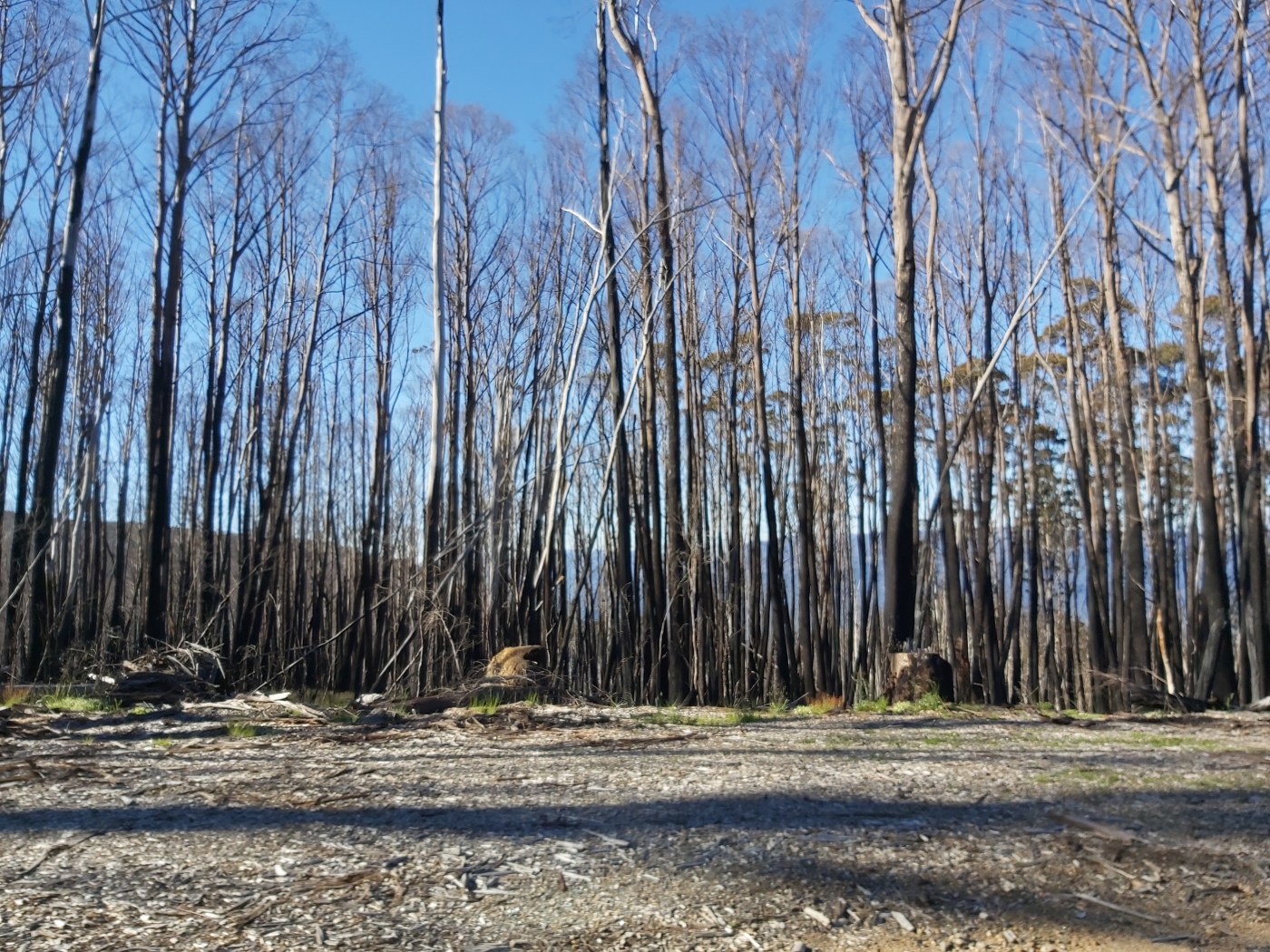
In late November 2019, fires started in East Gippsland as a result of lightning strikes. As noted by Peter Gardner, many of these went on to become major blazes. November 21 was a Code Red Day, causing fires across the state. On December 30, fires tore through the township of Goongerah in East Gippsland. By 30 December 2019, the fires started in November had grown into three active fires in East Gippsland with a combined area of more than 130,000 hectares, and another in the north-east of the state near Walwa, which was heading south-east towards Cudgewa.

And on new year’s eve, lightning storms passed across the state and started another set of fires across the Victorian mountains, and fire season came to the Alps with a vengeance.

Continue reading “One year on from the DEC 31 fires”

‘Mountain Gazette’ gets another life

I can’t remember when I first discovered Mountain Gazette magazine. Somewhere in the distant past. The last time I found it ‘in the wild’ was in a mountain hut above Breckenridge in Colorado a couple of years ago, where old copies had been left by backcountry skiers and riders. MG was an inspiration for this website. I always loved its quirky and idiosyncratic take on ‘mountain life’. After a long absence, MG is finally back in print and the first edition (# 194) is wonderful.

The magazine started its life in 1966 as the Skiers Gazette. It morphed into Mountain Gazette, stopped production in 1979, then was reborn in 2000 and ran until 2012. Now, Mike Rogge has purchased the magazine and given it a new, new life. And it’s gorgeous.

Continue reading “‘Mountain Gazette’ gets another life”

Call out for feedback and stories

Mountain Journal covers anything that seem relevant to mountain environments and mountain culture here in south eastern Australia and lutruwita/ Tasmania. It has a strong outdoor adventure and environmental protection ethos, which influences what issues we cover.

As we move into the end of year reflections, I wanted to ask readers what they enjoy and what they want to see more of on the website.

Continue reading “Call out for feedback and stories”

Finding the beauty at home

So, chances are that not many of you are heading off for a skiing, walking or climbing adventure in the northern hemisphere this summer. Luckily we have lots of amazing country on our doorstep.

It’s a great chance to get out somewhere you’ve never been or go back to that place you’ve been dreaming about for years.

If you need a bit of inspiration, check here for some links to films on backyard adventures.

Where are you heading this summer and what are your plans for 2021?

Some of my plans:

  • a long walk on the central plateau of Tasmania
  • a winter camp out on The Twins
  • a long ski in over The Bluff to Mt Howitt
  • lots of hitting the groomers at Hotham
  • maybe a winter road trip to TAS to check out Ben Lomond, Rufus and Mt Field
  • an end of season trip and camp on Mt Loch

Please feel free to share yours.

No Gold Drilling for the Upper Ovens Valley

An Exploratory Licence application for gold is with the Victorian government’s Earth Resources department for the upper Ovens Valley. The deadline for objections is 23 December. The best time to stop a destructive project is before it gets going. Please add your voice to the strong community campaign against this proposal.

Governments and companies often dismiss opposition to exploration, saying that ‘any environmental issues will be considered’ if the proposal moves toward a mining application. But the more money the miner puts into the project, the more they will push through with the proposal to commercialise. The best time to stop it is before exploration starts. And if a project has no social license to operate, why approve exploration? There is strong local opposition to gold exploration in the Upper Ovens. In a time of climate change, where water flows are expected to decline over time, the river systems that rise in the Victorian Alps will become even more important for downstream communities and environments. Why would we risk such a significant river system for short term gain for a mining company?

Continue reading “No Gold Drilling for the Upper Ovens Valley”

2020. It’s been fun. Let’s move on.

Wow. What a year. Crazy summer fires. Covid lockdowns. Terrible winter snow pack, but also some incredible snow storms. Lots of fighting over our mountains, including the endless culture war argument about horses. Kind of glad it’s almost at an end.

We all know the story: a dry winter and spring led to a horror summer, with massive fires across the eastern Victorian high countrySnowy Mountains and Brindabellas. Luckily Tasmania got off easy last summer.

Then the lockdown(s), which hit mountain and valley towns in Victoria especially hard, isolated Tasmania, and closed the NSW/ Victorian border. The economic impacts of these events will last for a long time.

And then there were the ongoing arguments about how to treat our mountains. It felt like issues were widespread this year. Here’s a few of them:

Continue reading “2020. It’s been fun. Let’s move on.”

Blog at WordPress.com.

Up ↑