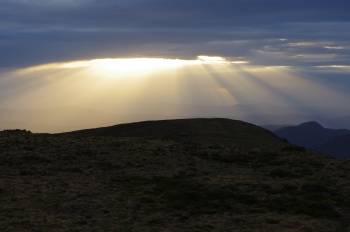
Now that we know that ski resorts will be open at least for some of the winter we can really get on with our planning. In NSW an announcement on the ski season is expected this week, and the season will start in VIC from June 22. I hope this helps with your planning for trips and events. Here are some events that I am aware of. Please feel free to send in details on others.
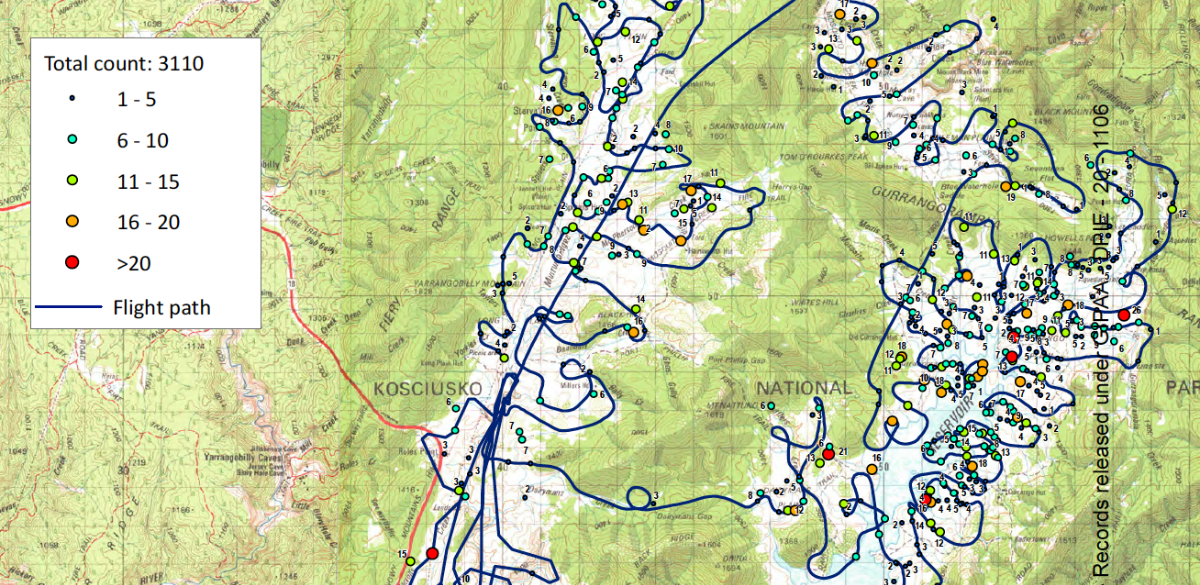
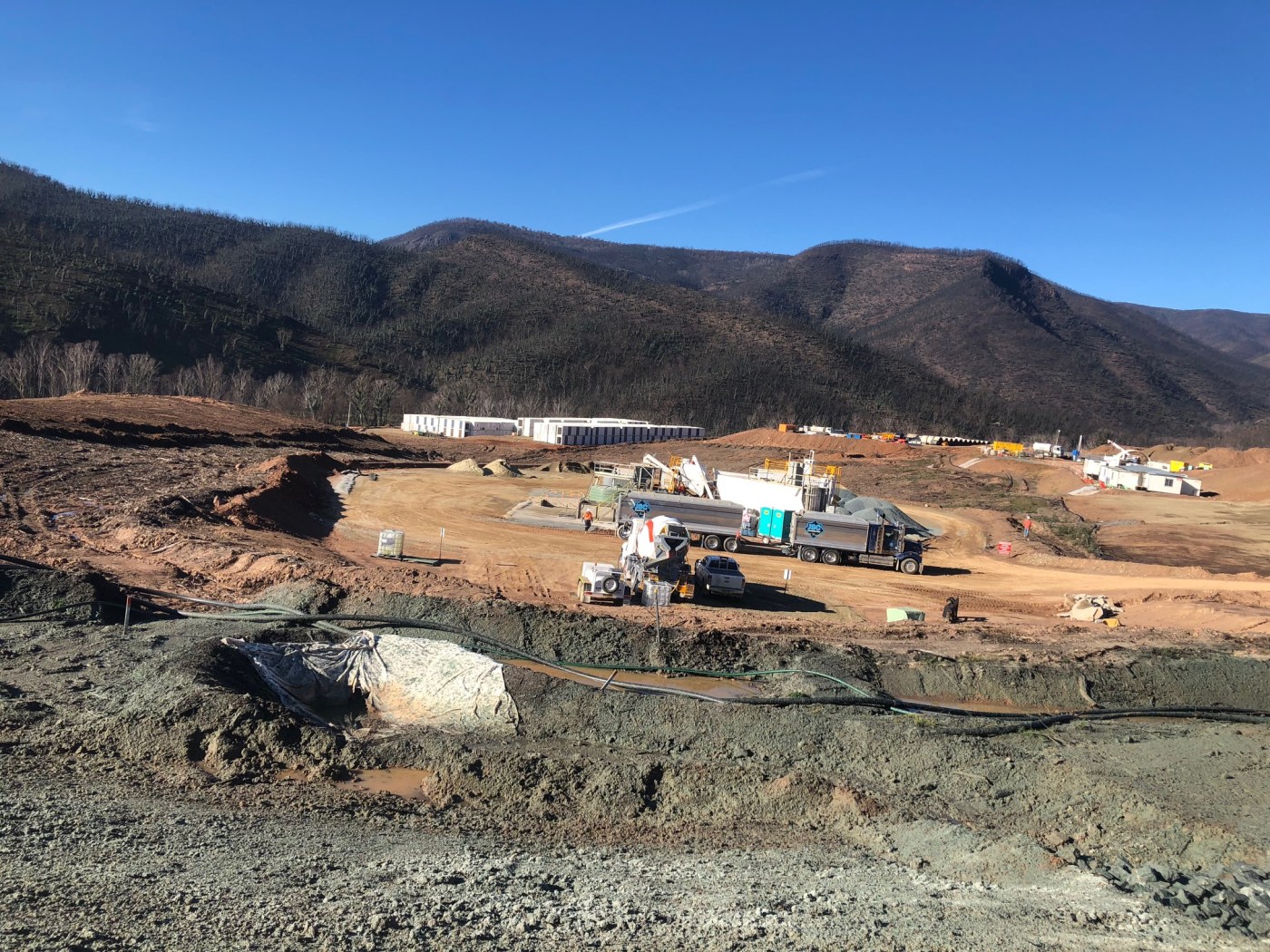
The Snowy Hydro 2.0 expansion started as a good idea. As the scale of the physical impact of the project became more obvious during the approvals process, environmental groups started to oppose it. After the release of the Environmental Impact Statement (EIS) the NSW National Parks Association said that the plan ‘proposes a completely unacceptable level of damage to Kosciusko National Park’.
It has now received planning approval from the NSW state government, despite ongoing objections over the project’s environmental impacts.
Continue reading “Approval of Snowy 2.0 EIS sets ‘appalling precedent’”
We know that climate change is driving longer and more intense fire seasons. We know that fuel reduction can greatly reduce the spread and intensity of wildfire. However, in extreme fire conditions, the value of fuel reduction burning is reduced, and fires will burn through almost anything, regardless of recent fuel reduction treatment an area may have had. We also know that logging will make forests more flammable because of the loss of more humid micro climates and thick growth of the seedlings that will occur after logging. But we also know that older forests are less fire prone, burn less intensely than regrowth forests, and have the ability to slow down fires as they move through the landscape.
This has been highlighted again in research called Propensities of Old Growth, Mature and Regrowth Wet Eucalypt Forest, and Eucalyptus nitens Plantation, to Burn During Wildfire and Suffer Fire-Induced Crown Death by Suyanti Winoto-Lewin, Jennifer C Sanger and James B Kirkpatrick at the University of Tasmania. It highlights the value of older forests in slowing fire. (Available here).
Lots of people are asking whether the Backcountry Festival will happen this year. The short answer is YES, providing Mt Hotham is open and backcountry access is allowed.
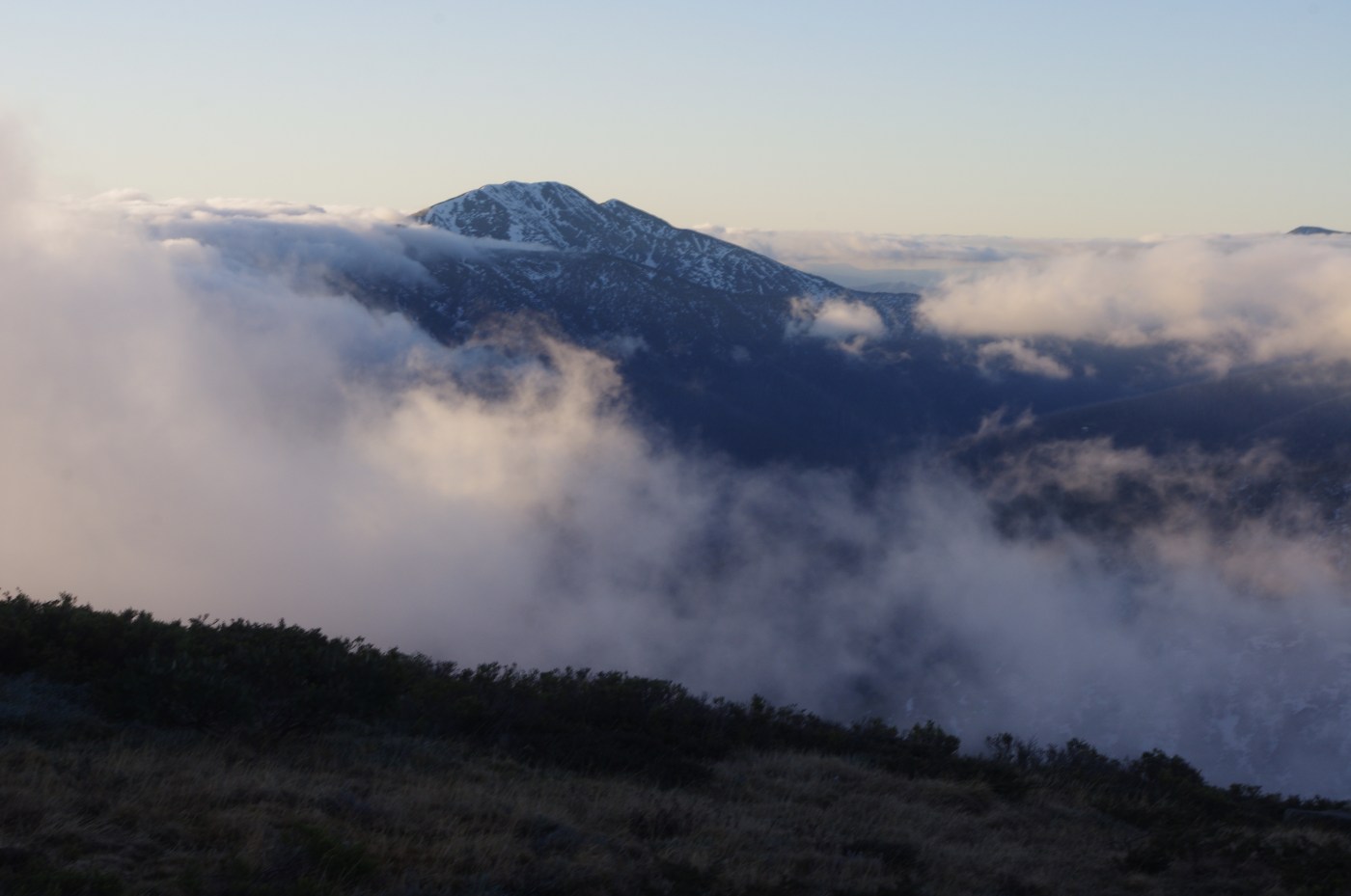
With the COVID-19 pandemic requiring society wide shut down of non essential activity, it is not yet certain whether the 2020 ski season will happen. Obviously, like all other snow lovers, we are anxiously waiting for the government announcement on whether ski season will proceed, and if it does, in what form.
Because the festival is not scheduled until the end of winter (September 4 – 6), we are hopeful that the festival will be able to proceed.
The Victorian Government has announced it is ‘investing in the future of Mount Buffalo as a 12-months-a-year tourism destination through support for new “eco pod” accommodation’ at a cost of $1.5 million. The government is also seeking private investment for a cafe within the Mount Buffalo Chalet.
The following is from a media release from the Victorian premier.
Continue reading “‘Eco Pod’ development funded for Buffalo Plateau”
In Victoria, the frequency of ‘mega’ fires (those greater than 100,000 hectares) has grown significantly over the past century.
- 19th century – 2 mega fires
- first half of 20th Century – 4 mega fires
- 2nd half of 20th century – 7 mega fires
- In the first 20 years of the 21st century – at least 8 mega fires
This is in spite of the huge advances we have made in fire fighting technology over the past 50 years.
Alpine Ash, a quintessential tree of the Australian Alps, which is restricted to higher elevations, mostly between 900 m and 1,450 m in Victoria and southern New South Wales, has had 84% of it’s range burnt since 2002. Fires have burnt 84% of the bioregion’s 355,727 hectares of alpine ash forest, with 65% burnt in 2002/03 in the north of the Alps, 30% burnt in 2006/2007 in the south, and a smaller area (2%) burnt in 2009. Four per cent of the forest area was burnt twice within five years. And last summer, additional areas were burnt in the east of the state. This has led to scientists warning that large sections of Alpine Ash forests are on the verge of collapse.
And world renowned forest researcher David Lindenmayer says that only 0.47% of old growth alpine ash is left in the Central Highlands of Victoria. Let that sink in for a moment. The amount of old growth in the east and north east of the state is not known. But these areas have been heavily burnt in recent years, with ‘at least’ 10,000 ha of the forest community on the verge of collapse.
Continue reading “There is only 0.47% of old growth alpine ash left in the Central Highlands”
In a significant outcome, The Australian Brumby Alliance (ABA) has lost a long-running Federal Court case against Parks Victoria. The ABA had objected to plans to cull feral horses in the Victorian Alps. Parks Victoria will now begin culling horses in the alps, where horse numbers have soared over the past five years.
Back in 2003, massive bushfires exposed a rich Aboriginal heritage across the Victorian Alps. 1.1 million hectares of land was burnt, and it led to the discovery of huge numbers of artefacts and sites linked to indigenous habitation of the High Country.
As one example, at the Dinner Plain airport site, on the high ridgeline that leads from Mt Hotham to Cobungra, and which is recognised as an ancient travel and trade route, more than 46,000 artefacts were found. As a result of the fires removing so much vegetation, in total 350 new sites were found across 14 alpine areas in Victoria. This sparked a rethink of how First Nations people had lived in the Alps.
It highlighted the fact that life in the alps was good pre invasion: as an archeologist said at the time, “people were up here eating very, very well’. Foods included bogong moths, daisy yams, emus, kangaroos, wallabies and lots of fruits and berries. As a result, large numbers of people lived in the high country during the summer months. It also highlighted the number of travel routes into the mountains from surrounding low land areas and the fact that people lived for much of the year in some high elevation sites.
The fires of 2019/20 also burnt large areas of the high country, and will have exposed additional artefacts.
Continue reading “Aboriginal Artefacts and What to do When you Find Them”
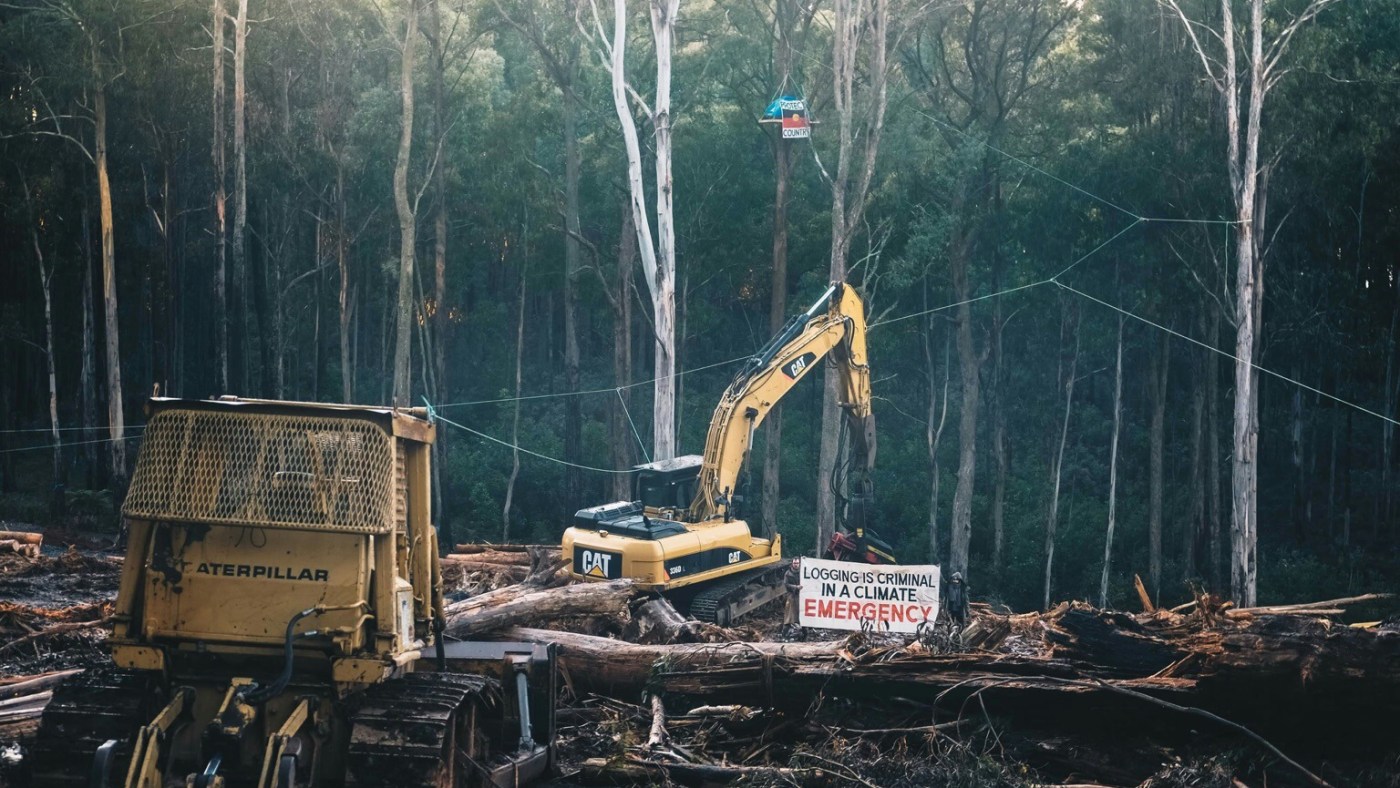
For those willing to look, the evidence has been available for years: logging increases fire severity. Industry advocates continue to claim that ‘logging reduces fire risk’. But it should be obvious to any impartial observer that ‘removing large established trees actually increases the amount of flammable fuel, with unshaded stumps and new-grown saplings dried out by the sun and wind serving as ‘kindling’ for the flames’.
This has been backed up again by range of prominent scientists.
Yes, many of us are getting a bit stir crazy after weeks at home.
And every snow addict in the country is frothing to get up to the mountains after that incredible dump of powder.
We’re all seeing those videos and pics of our mates getting first tracks.
It’s hard to stay the course and stay at home.
But our actions now will have a real impact on government decisions about whether to allow resorts to open this winter.
Continue reading “If we stay at home, we might get a ski season.”

Recent Comments