The second snow gum summit will happen on Ngarigo Country in Jindabyne over the weekend of March 14 and 15.
There will also be guided walks and a tree planting afternoon on monday March 16.
We are delighted to announce the line-up of speakers.

The second snow gum summit will happen on Ngarigo Country in Jindabyne over the weekend of March 14 and 15.
There will also be guided walks and a tree planting afternoon on monday March 16.
We are delighted to announce the line-up of speakers.

The devastation of Black Summer lingers in the back of everyone’s mind who knows the high country. Each year we wait to see what fires will happen, and how quickly those fires will be contained. It has been a number of years since we have had a truly awful fire season in the mountains of the mainland high country. 2025/26 has seen large and very destructive fires across much of Victoria, with Harcourt, Longwood, the Otways and Walwa probably the best known.
It has also been a summer of significant activity in the high country. This is a quick look at some of the key fires in Victoria, up until mid February. Lets hope the fire season starts to slow down from here.
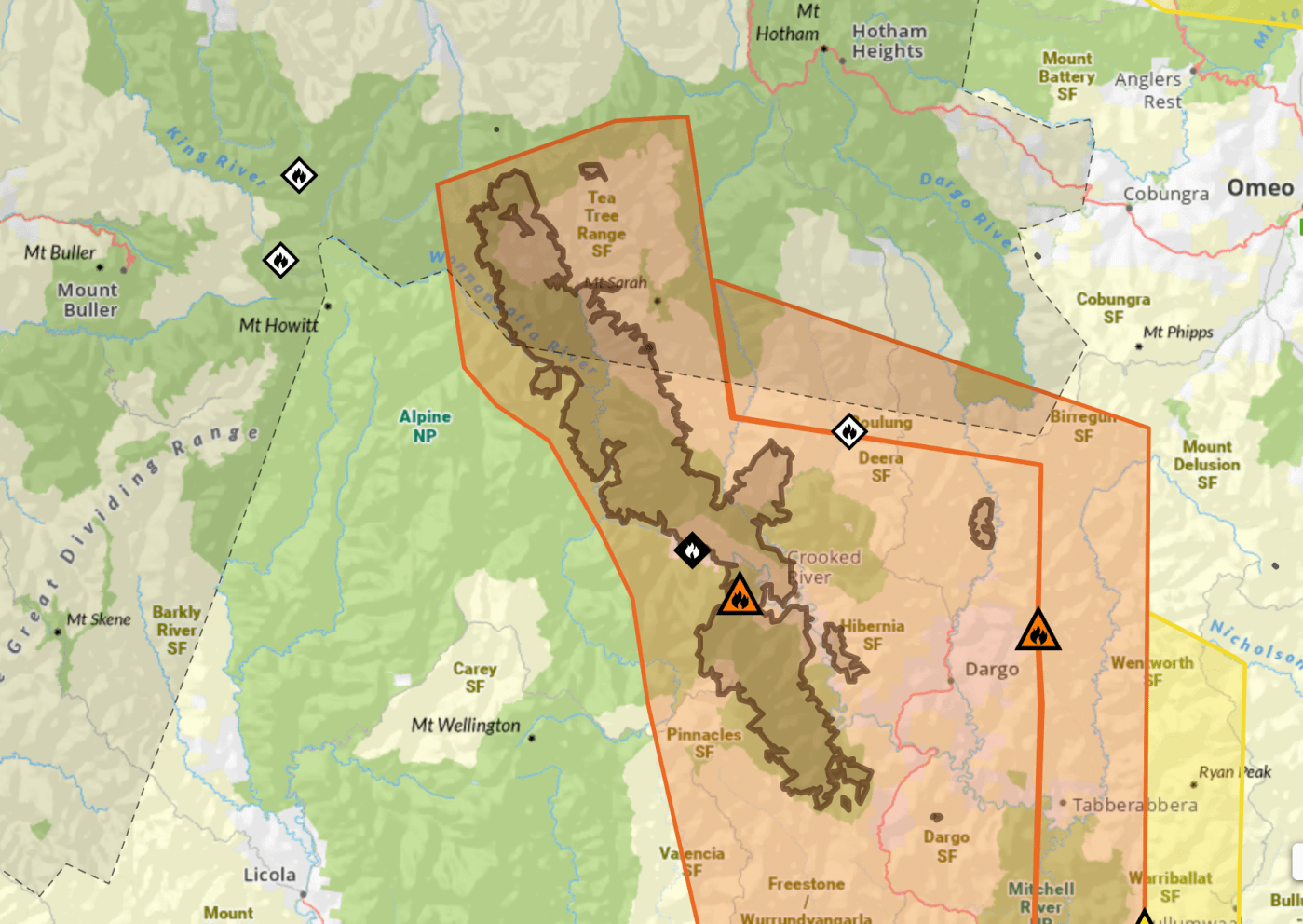
As Victoria braced for the potential of catastrophic fire conditions on Friday January 9, 2026, much of the attention of media and community was understandably on the fires that were already threatening towns, farms and other human assets, especially the big fires around Walwa and Longwood.
Meanwhile, multiple fires were starting due to lightning in the high country. Some, such as near Mt Howitt and on the Bogong High Plains, were contained fairly quickly. However, one has gone on to burn a significant section of the high country. The Dargo – Wonnangatta Complex (also marked as the Mt Darling – Cynthia Range fire) is not yet under control. A Complex is named where there are multiple fires in close proximity, which can then be managed by a single incident team.
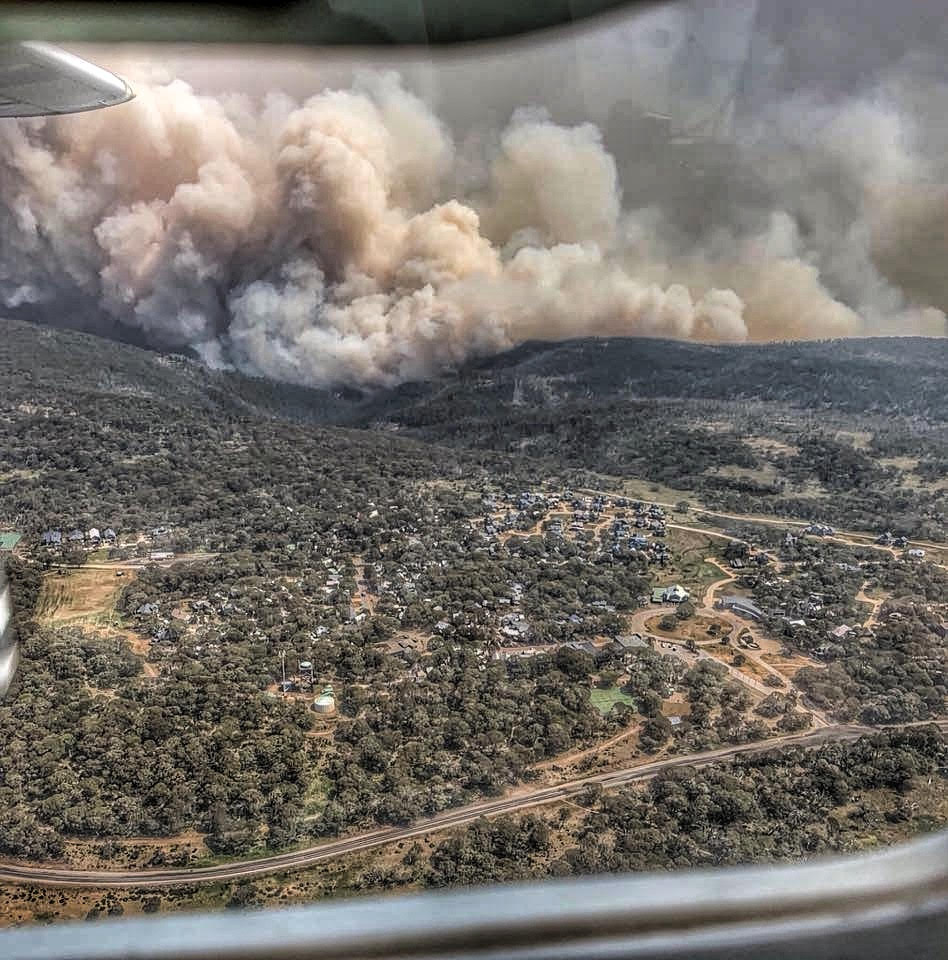
Do you remember how intense Black Summer was? With much of Gippsland already on fire, on December 31, 2019, a dry lightning storm passed across the high country of north eastern Victoria and East Gippsland, starting hundreds of new fires. Forest Fire Management Victoria (FFMV) crews and aircraft swung into action, and did their best to quell the many small fires that were slowly consuming individual trees.
As a volunteer with the Mt Hotham – Dinner Plain fire brigade, I headed up the hill as the area was evacuated. There were four fires around Dinner Plain, all small and slowly consuming the unfortunate trees that had been hit by lightning.
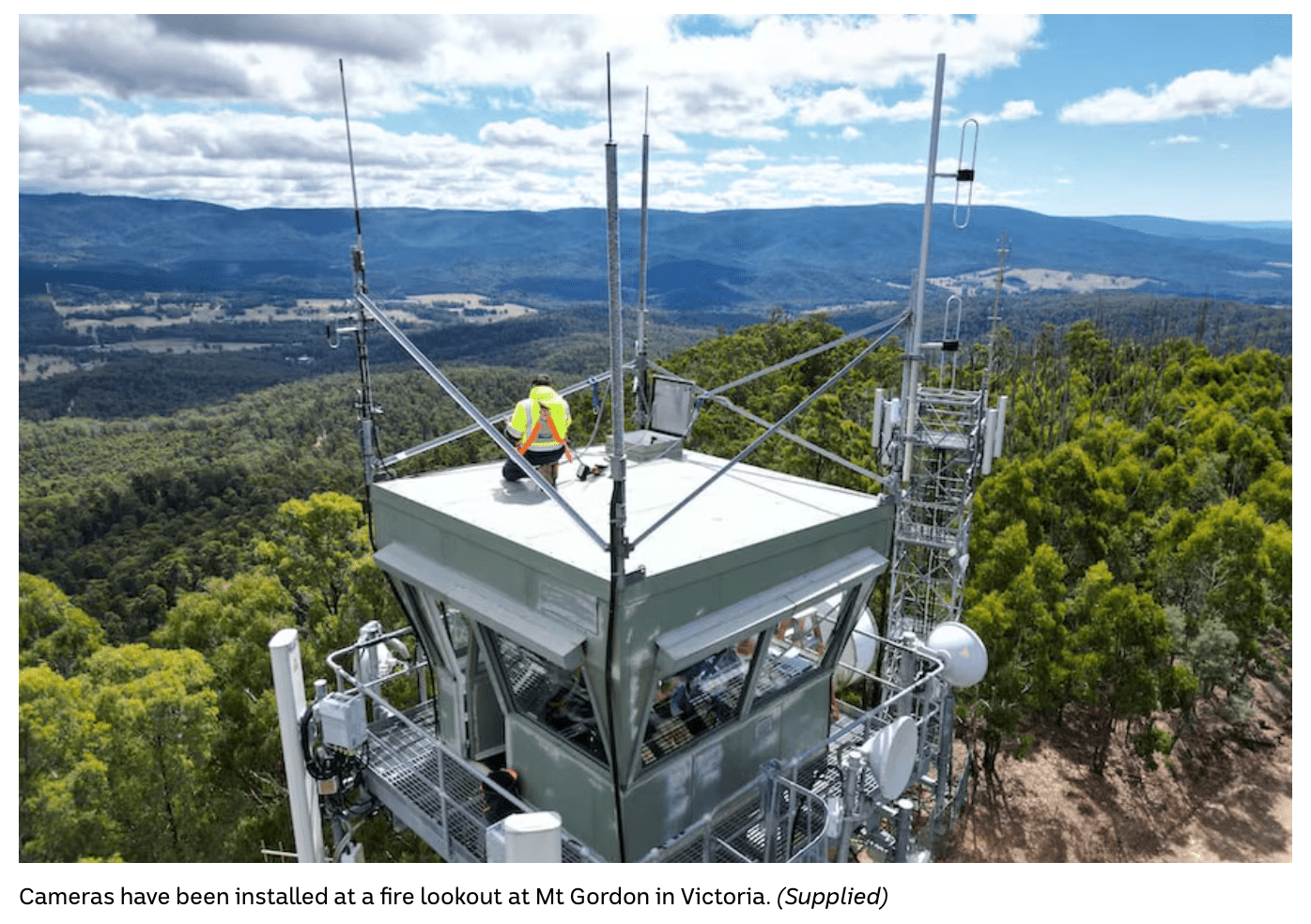
Whether it is in a national park or other public land, a paddock or a house fire, one of the most important aspects of stopping fires is to get on to them quickly. The sooner that firefighters arrive, the smaller the fire will be and the easier it is to contain. In Victoria, one of the ways we try to keep fires small during high fire danger days is by launching aircraft as soon as a fire is detected. Often aircraft can then get on scene and start to contain the fire before local brigades arrive. This system (called pre-determined dispatch or PDD) was developed as part of the response to the Victorian Bushfire Royal Commission (VBRC), and was based on a model used in a number of other states. Under PDD, fire fighting aircraft are mobilised as soon as a call out occurs for local fire brigades with a trigger needed to authorise the launch of aircraft.
Other ways we get onto fires quickly includes things like deploying remote area firefighters onto new start fires, inserting rappel crews from helicopters, and sending multiple vehicles at the same time to ensure there are enough resources to tackle the fire. We use real time analysis of satellite images and on some days put aircraft up for surveillance (rather than firefighting) purposes. There is lots of chatter about using drones that could carry water or fire retardant that could be sent to put out small new start fires. And of course, we have traditionally relied on staffed fire lookout towers to spot fires while they are small.
In recent years Artificial Intelligence (AI) has been billed as being a new option for spotting new start fires quickly.
The awful fires of Black Summer linger in our memory. The land slowly recovers. Since then, things have been fairly quiet in recent summers in the mountains of the mainland high country. With the first mountain fire of the season now contained, and vast areas of fire damaged forests in recovery from previous fires, it is essential that with any new start fire the authorities:
Friends of the Earth (FoE) and Protect our Winters (POW) recently collaborated on a series of events in north east Victoria as both groups aim to ramp up their efforts in that part of the state in coming months.
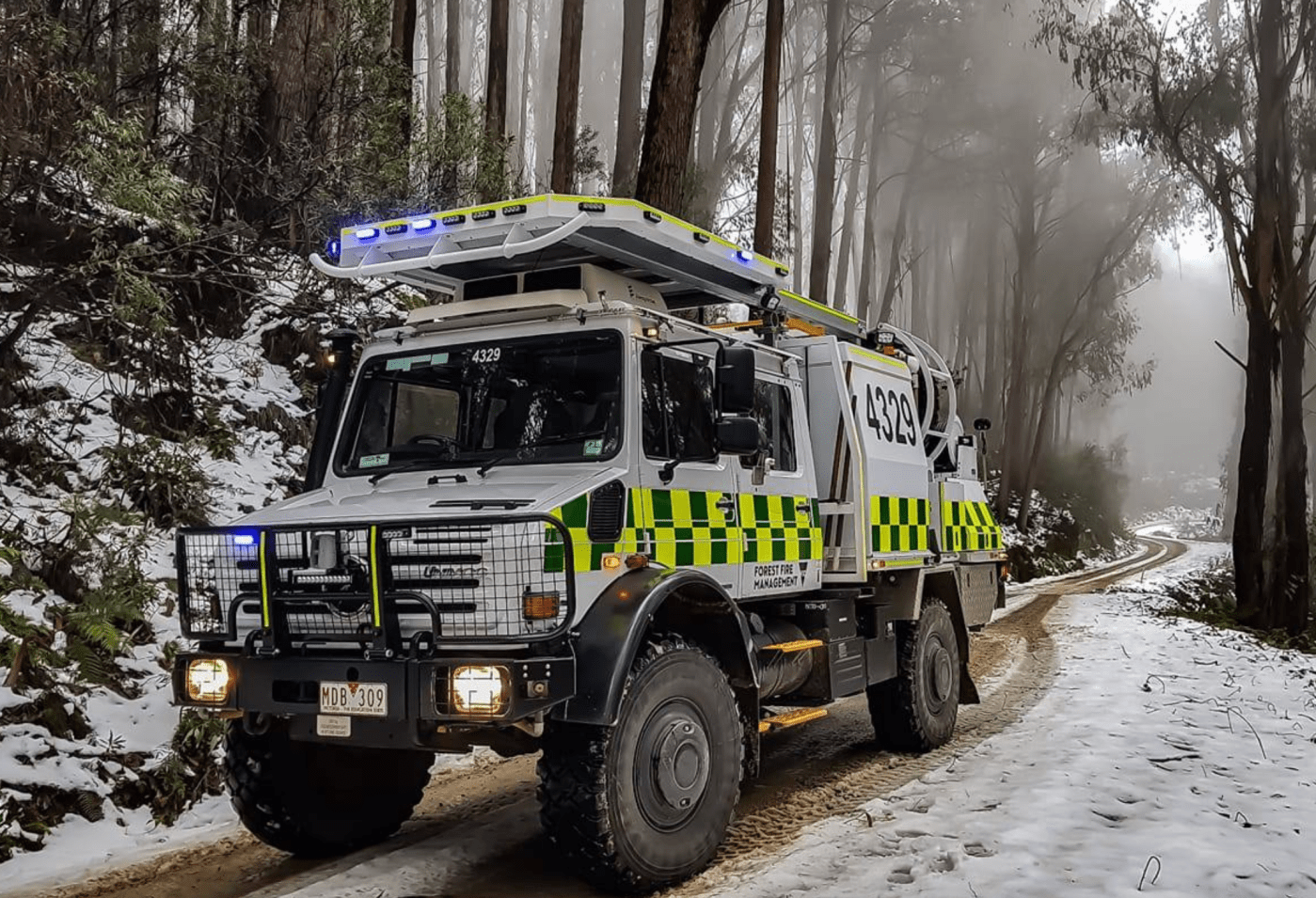
DEECA and Forest Fire Management Victoria have grounded the entire ultra-light firefighting fleet in Victoria just weeks before fire season commences.
Forest Fire Management Victoria (FFMVic) and the Department of Environment, Energy, and Climate Action (DEECA) have grounded their fleet of 290 Mercedes-Benz G-Wagons and 59 Unimogs. According to reporting from the ABC this was due to safety concerns. There are reports of cracking in the chassis of G-Wagons.
What will this mean for fire fighting in the high country?
Continue reading “FFMV fleet ‘offline’: what does this mean for the high country?”
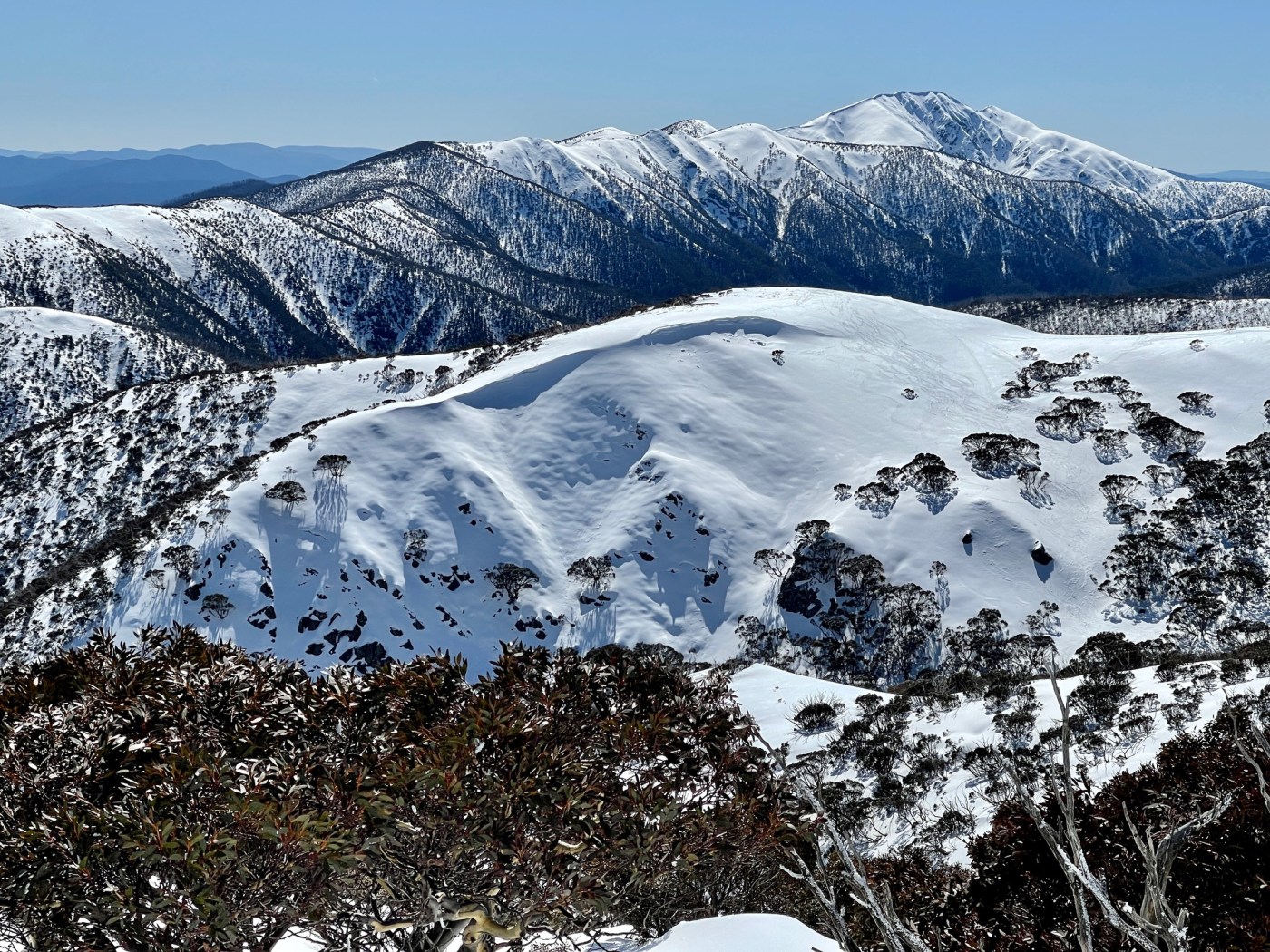
The National Climate Risk Assessment (the National Assessment) was released this week. Prepared by the Australian Climate Service, it aims to provide an assessment of risk across 8 key systems and 11 regions on the continent, prioritising key risks both within each system and across systems.
This approach aims to provide an understanding of who or what might be at risk from a changing climate, across different areas of the country and paints a national picture for decision makers, to help them prioritise adaptation actions.
A key finding is that Australia’s climate is already changing and will continue to change into the future. The country is likely to experience more intense and extreme climate hazards, and in some cases in areas where people and places haven’t experienced these hazards before.
It is a complex document and while it doesn’t specifically focus on mountain areas, many references are relevant to the mountainous region of the south east and lutruwita/ Tasmania. Risks from climate change include increased stress from higher temperatures, increased fire risk and continued decline in snow pack.
Continue reading “National Climate Risk Assessment – what it means for mountain environments”
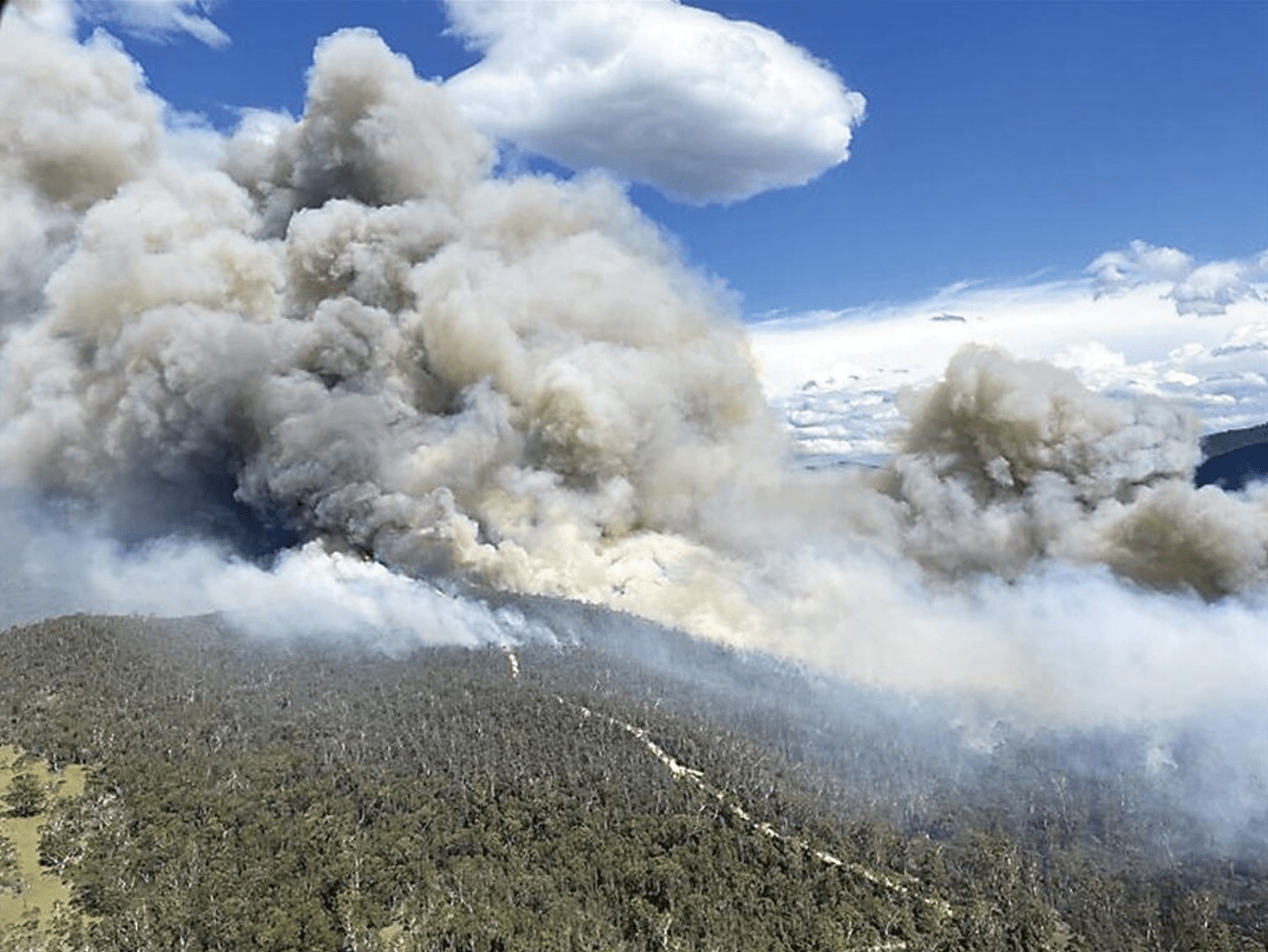
The 2024/ 25 fire season was a long one in south eastern Australia.
While there were large and destructive fires in western Victoria (particularly in the Grampians (Gariwerd) National Park and Little Desert National Park – details here), there were no enormous ones in the mountains. But if you track what happens in the high country, you will recall that we did have a number of significant ones last summer, including the Mt Matlock fire in the Thompson River catchment (which provides drinking water for Melbourne) and the Mt Margaret/ Licola fire, which grew to around 5,600 hectares. There are some resources on these fires available here.
There is a significant story from this latter fire which is worth retelling.
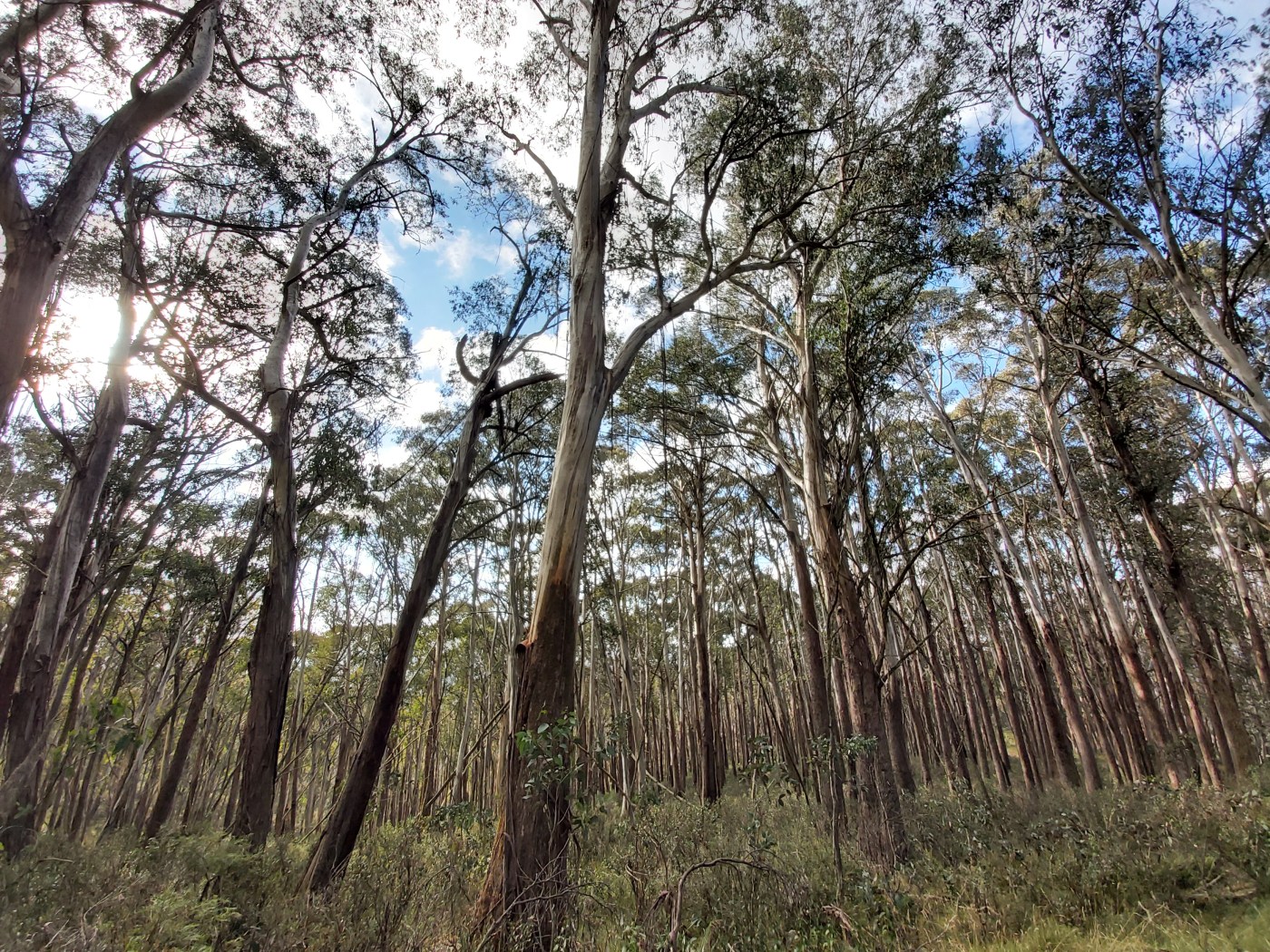
Ash forests – forest comprised of Mountain Ash, Alpine Ash, or sometimes both – are some of the most iconic forest types in Victoria, or even the world. Covering around 500,000 ha of Victoria and stretching from the Otways to the north-eastern boundary with NSW, their stronghold is in the Central Highlands to the east of Melbourne and through the higher ranges of Gippsland and the north east of the state.
These forests have a complex relationship with fire: these forests can live with some fire – but not too much. Scientifically known as ‘obligate seeders’, after severe bushfire, ash forests are killed, but prolifically regenerates from canopy stored seed. The important point here is that these slowly regenerating forests cannot produce seed for 20 years after they regenerate from fire. This means they are highly vulnerable to shortened fire intervals – the exact challenge that land managers in Victoria are facing with climate change.
Once a mountain ash or alpine ash forest has burnt numerous times, it may eventually fail to regenerate, which can lead to population collapse and a change of ecosystem type. This sounds simple, but ecologically, this is dramatic. A tall forest – high in carbon stocks and habitat – changes rapidly to a short shrubland or grassland.
This not theory. This situation already exists among alpine ash forests. The massive bushfires in 1998, 2003, 2006, 2009, 2013, 2014 and 2019/20 and meant that over 97% of Alpine Ash distribution burnt. These fires overlapped and some areas burnt two to three times across two decades (Fagg et al. 2013; Bassett et al. 2021), leaving 43,000 ha of Alpine Ash forest at risk of collapse (Fairman, 2023).
Mountain Journal has long reported about threats to Ash forests and the need for greater government intervention (check here for some of the articles).
Now people involved in the recovery of Ash forests have recently spoken out about the threats posed to these forests.
Continue reading “VIC government must increase efforts to sustain Ash forests”
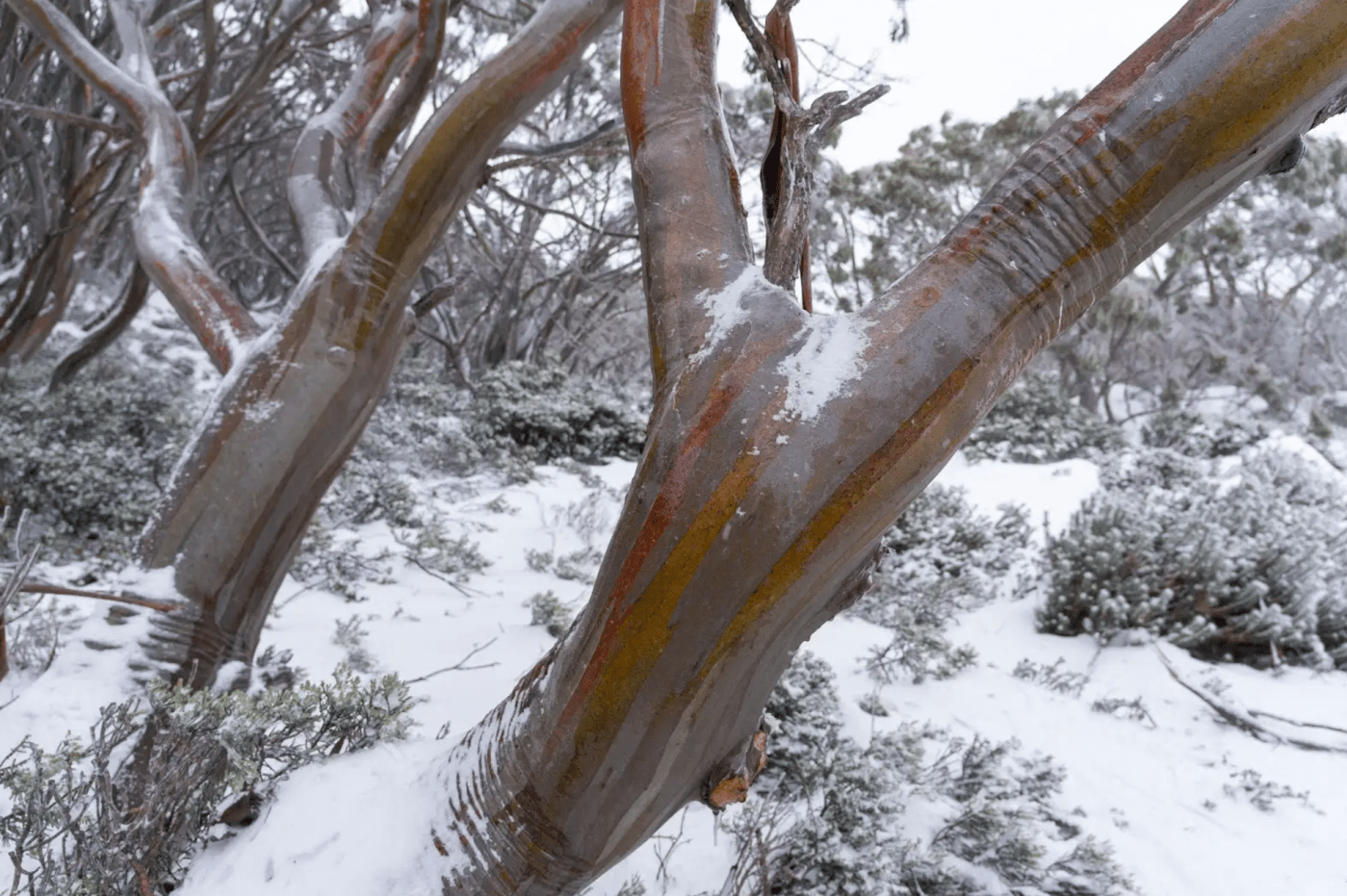
From Matt Tomkins.
This photo essay was originally published in the Mountain Journal magazine, 2025 edition, available here.
The last few winters I’ve become a bit obsessed with making trips to see the snow gums in Baw Baw National Park.
Snow gums are beautiful trees. To see them at their best, you really need to be up there in winter. Streaked with incredibly vibrant reds, bronzes, oranges, and yellows and covered \with ice, their vivid colours and twisted forms stand out like flames against a snowy backdrop. It’s one of the most magical things about winter in the Australian Alps, and it’s a sight that can’t be seen anywhere else in the world.
I feel an increasing sense of urgency about making these trips.


 Mountain Journal
Recent Comments