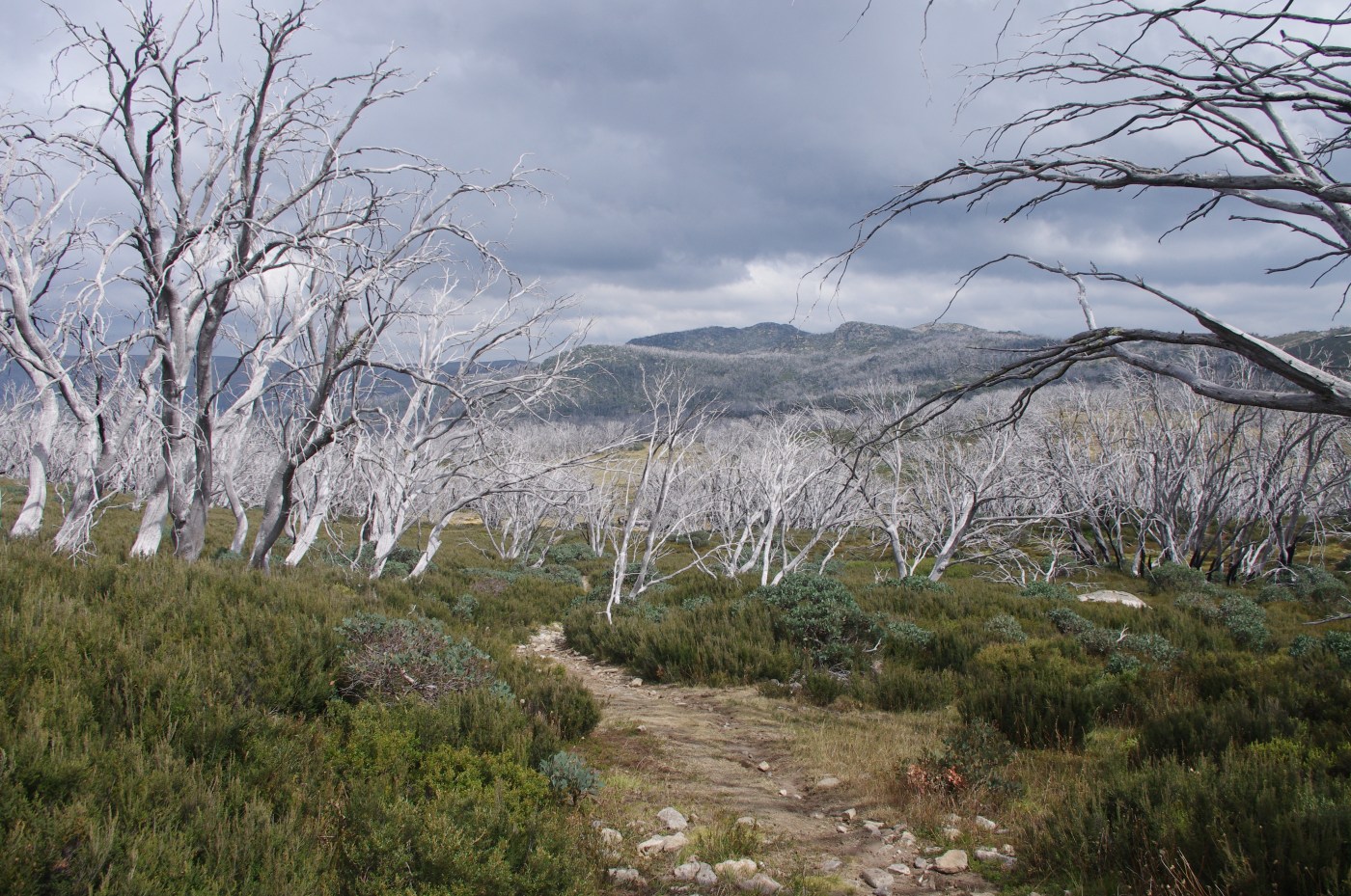
Over 90% of the Victorian distribution of snow gums has been burned at least once since 2003. Some areas have been burnt multiple times, and this is impacting on the ability of these forests to recover. Like other Eucalypts, Snow Gums are fire adapted and can recover via new seedlings or regrowth from the base of the tree. However, repeated fires within a short period of time can kill the parent forest and destroy seedlings.
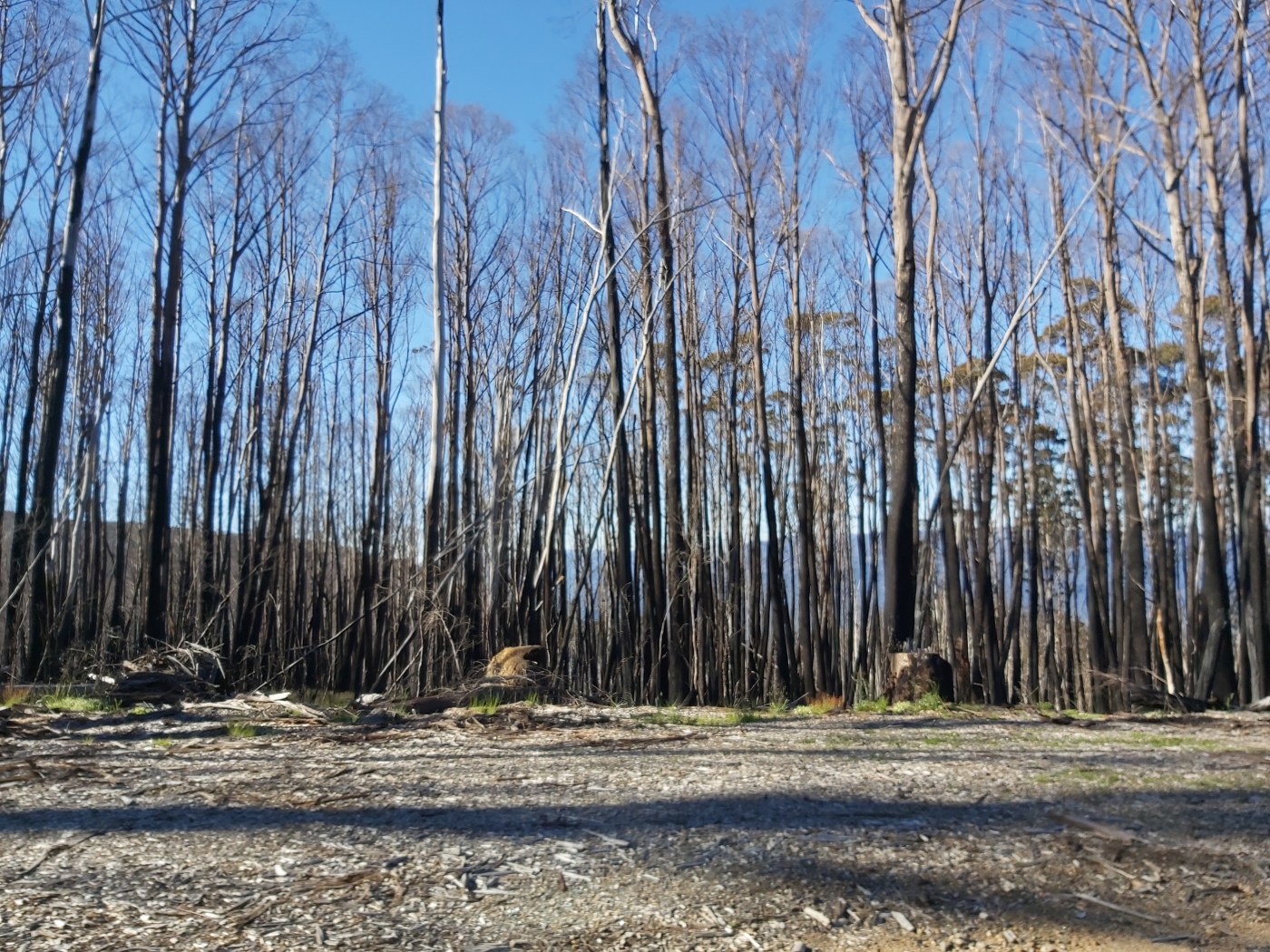
Since the fires of last summer there has been a lot of conservation recovery and rehabilitation work carried out in and around Kosciuszko National Park. Recently the NSW National Parks and Wildlife Service (NPWS) hosted an update on the work that has been done, through a forum called Conservation in Action, which was held in Tumut.
As we know, a lot of Kosciuszko National Park was heavily impacted by the fires. Dan Nicholls, from the NPWS gave an outline of some of the work carried out since then, which includes:
Continue reading “Post fire recovery in Kosciuszko National Park”
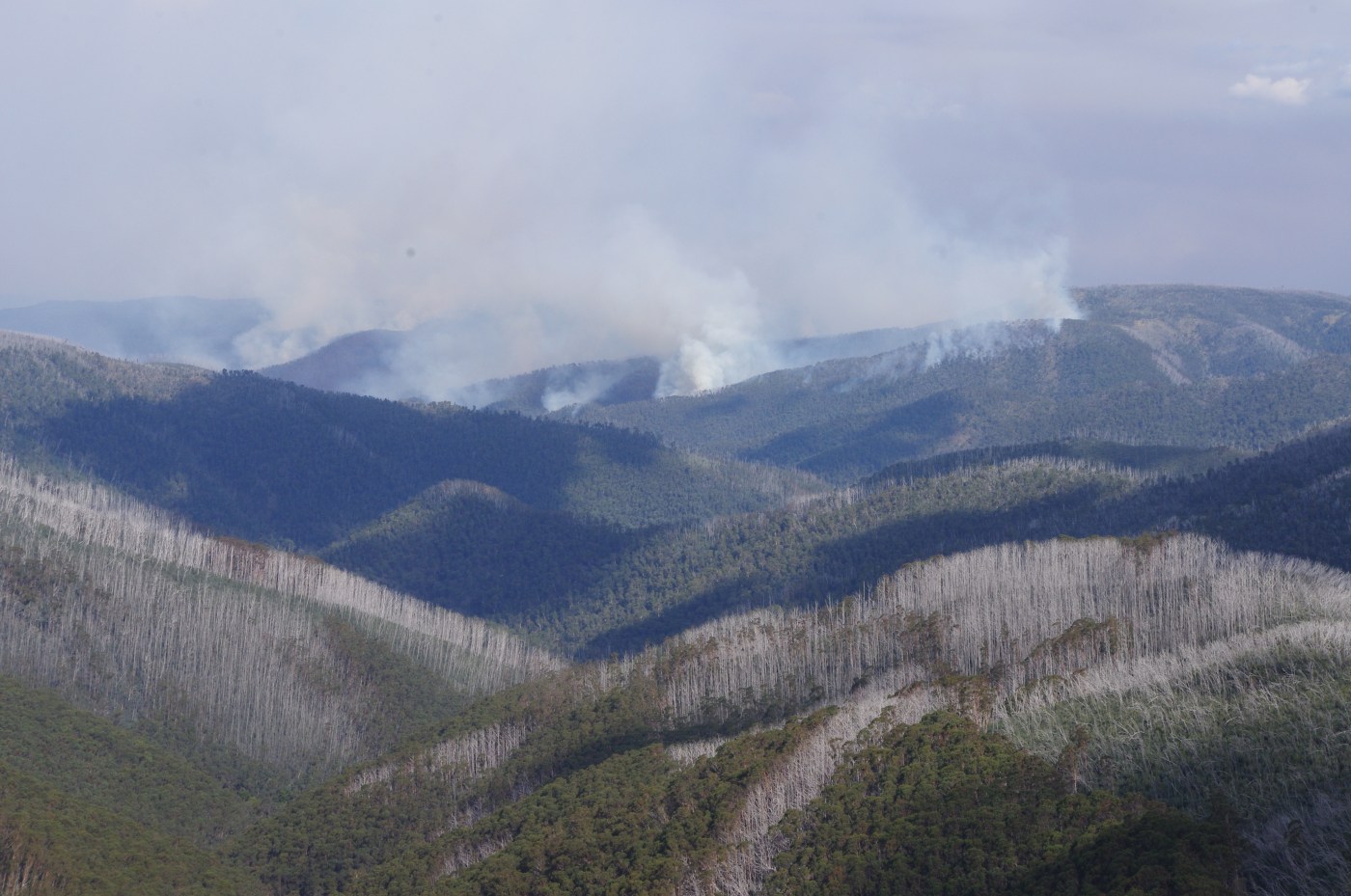
The Dargo High Plains are a much loved part of the Victorian high country, with extensive open plains surrounded by eucalypt forests, much of which is dominated by Alpine Ash (Eucalyptus delegatensis). Alpine Ash is one of the iconic trees of the Victorian mountains, where it is widespread and often dominant in grassy or wet subalpine forests, in deep fertile soil, often on slopes, and where it commonly forms pure stands. In Victoria it occurs at altitudes between 900 and 1,500 m (3,000 and 4,900 ft). The high points of the Dargo High Plains sit roughly between 1,300 and 1,500 metres above sea level.
Only 0.47% of old growth Alpine Ash still exists in the forests of the Central Highlands. In the mountain ranges of north eastern Victoria and East Gippsland, old growth Ash is now rare, and ‘tens of thousands’ of hectares of forest are on the verge of ecological collapse.
Sections of the Plains have burnt several times in recent years, including the summer of 2018/19. Considerable sections of the Plains Ash forests have been logged in the past. Now, the state government has scheduled a number of logging coupes of long unburnt forest, which threatens to devastate the fringes of the high plains.
The logging program in the High Plains area appears to include roading through the Alpine National Park to access the coupes on the east side of the plateau.
Please scroll to the end of the story for updates.
Continue reading “Dargo High Plains subjected to intensive logging”
We know that climate change is making fire seasons longer and more intense. This is happening globally. It has enormous implications for the landscapes that we love, how we prepare for and fight fires, and even how we live in fire prone areas.
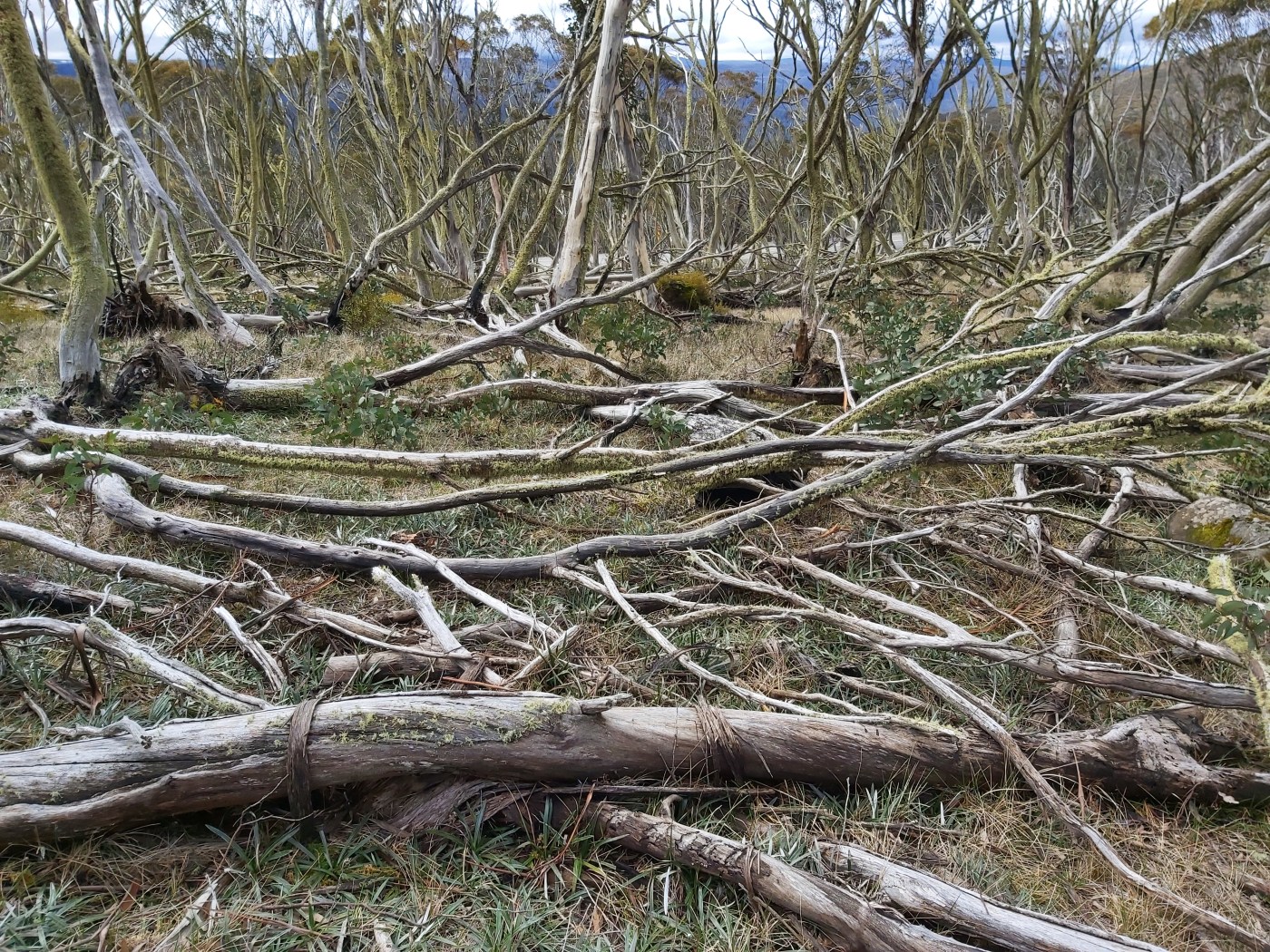
These fires are transforming the landscapes we know and love. Anyone who has driven out of Jindabyne into the Snowy Mountains, or Mt Beauty towards the Bogong High Plains knows what I am talking about – endless walls of grey, dead trees. Only 0.47% of old growth Alpine Ash still exists in Victoria. This has huge implications for the aesthetics of our mountain areas, and significant ecological implications.
Increased fire frequency could see mountain forests like Alpine Ash replaced by wattle woodlands. As recently noted by Brett McNamara, the manager of Namadgi National Park:
Recovery happens but it is “tainted with a sense of what does the future hold for us if we are to experience fire again and again with such intensity. This is where the question is unanswered. What these mountains will look like well into the future?”
The huge volumes of dead trees from previous fires also creates a lot of fuel that is already dry and hence ready to burn in future fires. What are the implications of this for our fire fighting and land management efforts?
The Bushfire Recovery Project, led by five scientists, is tracking forest regrowth in NSW and Victoria after last summer’s fires, using data gathered by citizen scientists.
Their report has found that while low elevation forests on the NSW south coast appear to be recovering well, forests in some subalpine areas ‘near Mount Kosciuszko and in Victoria’s East Gippsland region are struggling to recover from the 2019-20 bushfires’.
This is consistent with everything we already know about the impact of climate driven fire seasons on the higher elevation Alpine Ash forests and Snow Gum woodlands.
Continue reading “Subalpine forests struggle to recover after 2019-20 bushfires”
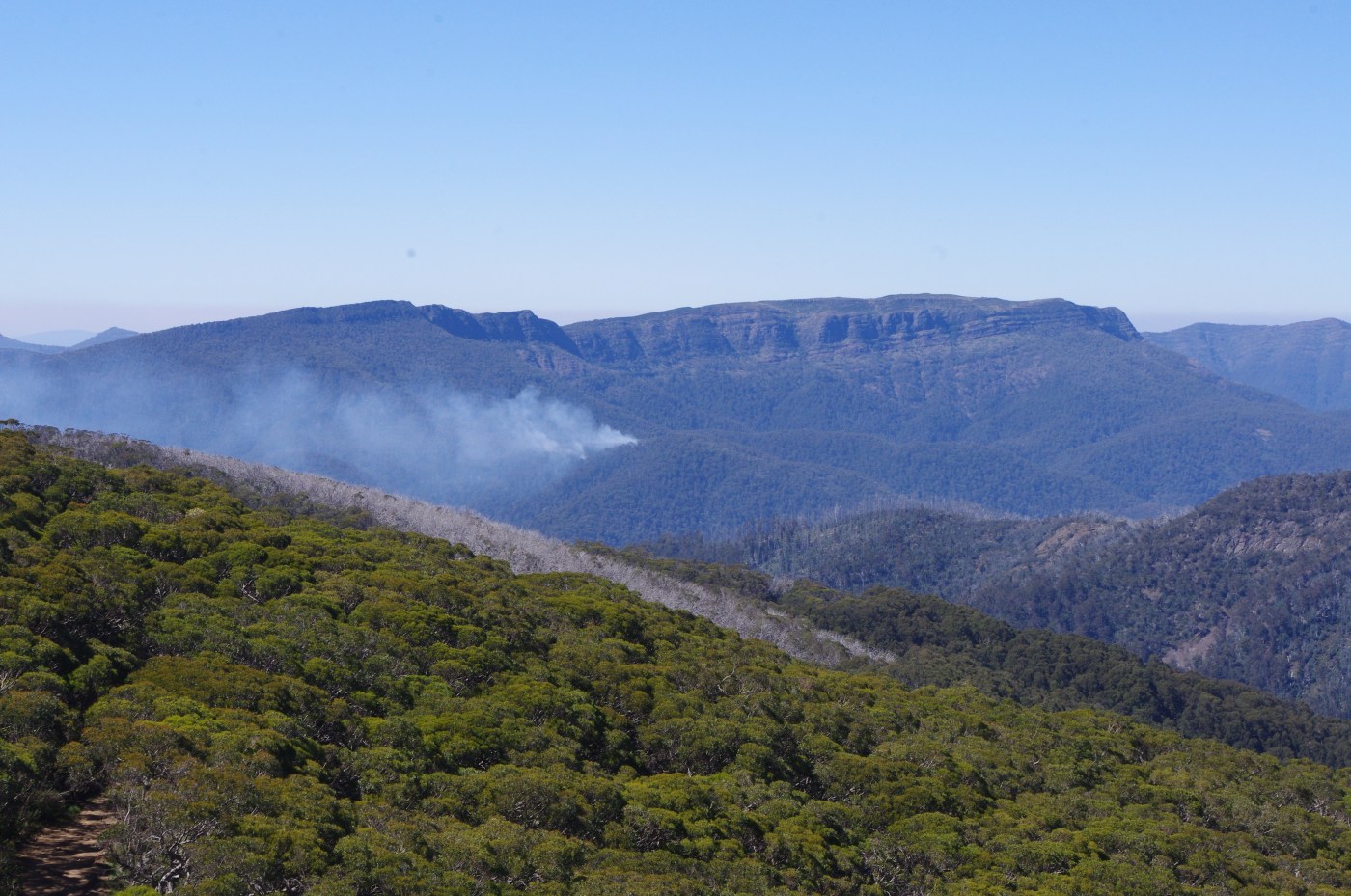
Lightning strikes are one of the main causes of wildfire in Australia. As the planet’s temperature warms, the frequency of lightning strikes is expected to grow with it.
Currently, lightning strikes the earth’s surface nearly eight million times a day. This number is expected to ‘dramatically increase’ as global temperatures rise, according to a study published by Science. The U.S., for example, could experience a 50% increase in the number of lightning strikes by the end of the century, if greenhouse gas emissions are not curbed.
This increase is already being felt in Australia and has implications for how we plan for, and fight fire. Because they start from a single point, lightning caused fires are initially small and can be easily contained before they turn into blazes, if there are ground crews or planes or helicopters available. As was shown by last summer’s fires, in a bad season, we simply don’t have enough resources to do this.
Continue reading “Increase in lightning strikes expected to ignite more wildfires”
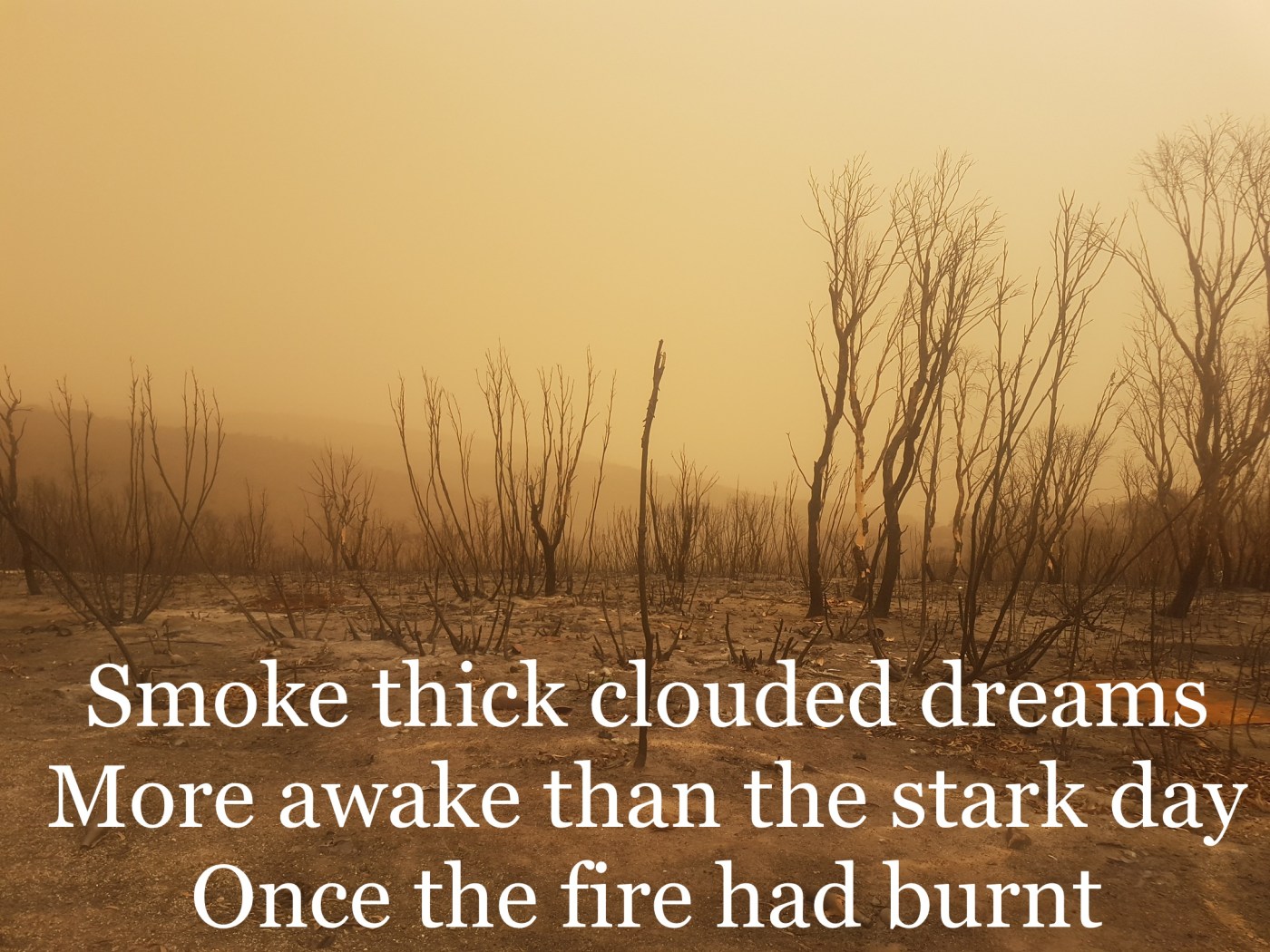
These haiku were written in the days weeks and months following the fires that devastated much of eastern Australia.
They are my personal response to the loss and the ensuing grief. A loss and grief that still exist a year later, a loss and grief l am not alone in experiencing.
Indeed these feelings seem to have permeated the psyche of those of us, not only living in the bush, but those of us that value the rivers, the birds, trees…
It’s not the loss of material, it’s the loss of something so much bigger.
It’s the tearing, and fraying of the connection to the land, to place.
It’s the changed ecosystem.
The green of the epicormia, what does it signal?
Recovery? Defined as a return to a normal state. I think not.
Hope? Perhaps.
Change..? Definitely.
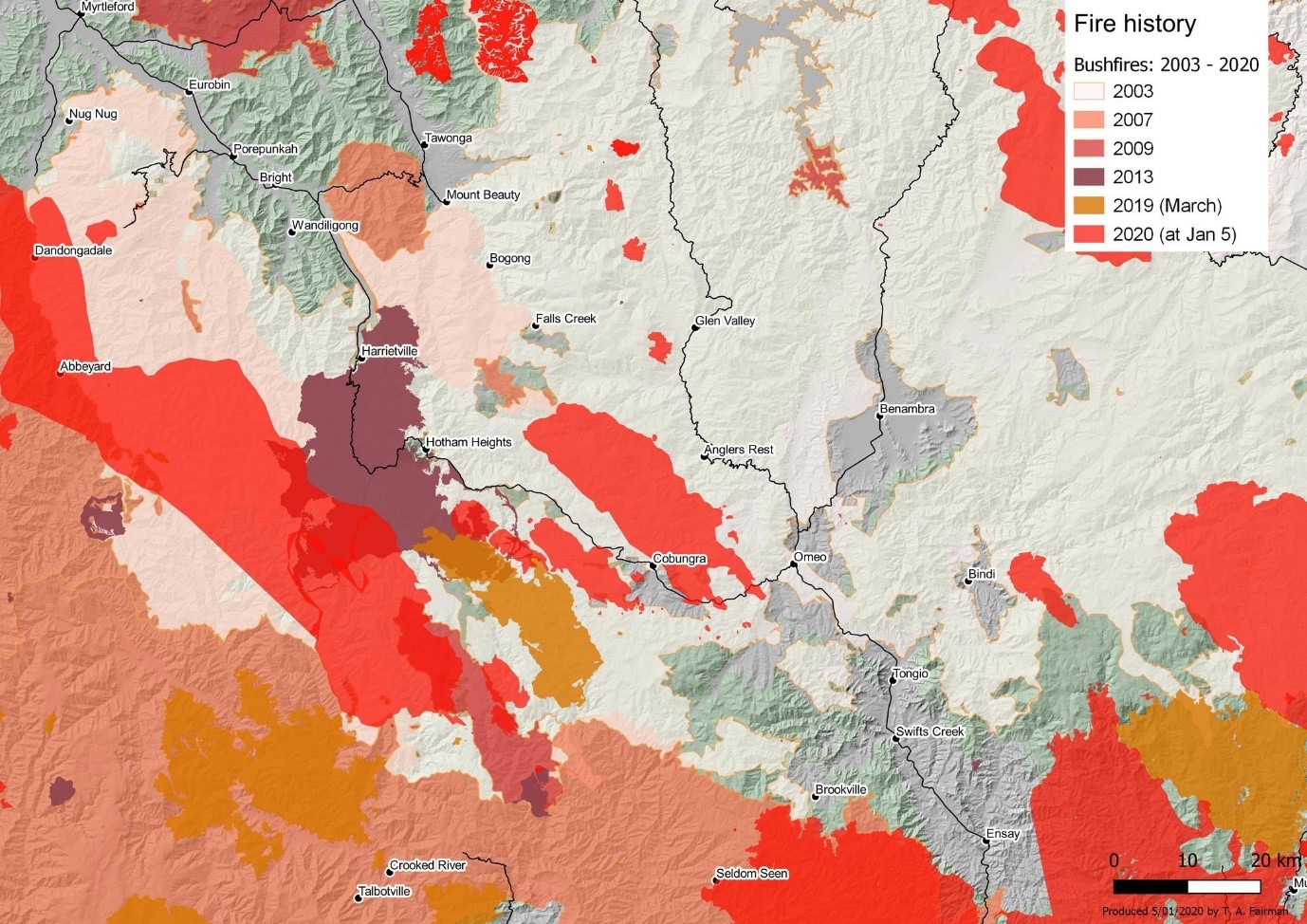
In late November 2019, fires started in East Gippsland as a result of lightning strikes. As noted by Peter Gardner, many of these went on to become major blazes. November 21 was a Code Red Day, causing fires across the state. On December 30, fires tore through the township of Goongerah in East Gippsland. By 30 December 2019, the fires started in November had grown into three active fires in East Gippsland with a combined area of more than 130,000 hectares, and another in the north-east of the state near Walwa, which was heading south-east towards Cudgewa.
And on new year’s eve, lightning storms passed across the state and started another set of fires across the Victorian mountains, and fire season came to the Alps with a vengeance.
Continue reading “One year on from the DEC 31 fires”
Wow. What a year. Crazy summer fires. Covid lockdowns. Terrible winter snow pack, but also some incredible snow storms. Lots of fighting over our mountains, including the endless culture war argument about horses. Kind of glad it’s almost at an end.
We all know the story: a dry winter and spring led to a horror summer, with massive fires across the eastern Victorian high country, Snowy Mountains and Brindabellas. Luckily Tasmania got off easy last summer.
Then the lockdown(s), which hit mountain and valley towns in Victoria especially hard, isolated Tasmania, and closed the NSW/ Victorian border. The economic impacts of these events will last for a long time.
And then there were the ongoing arguments about how to treat our mountains. It felt like issues were widespread this year. Here’s a few of them:
Continue reading “2020. It’s been fun. Let’s move on.”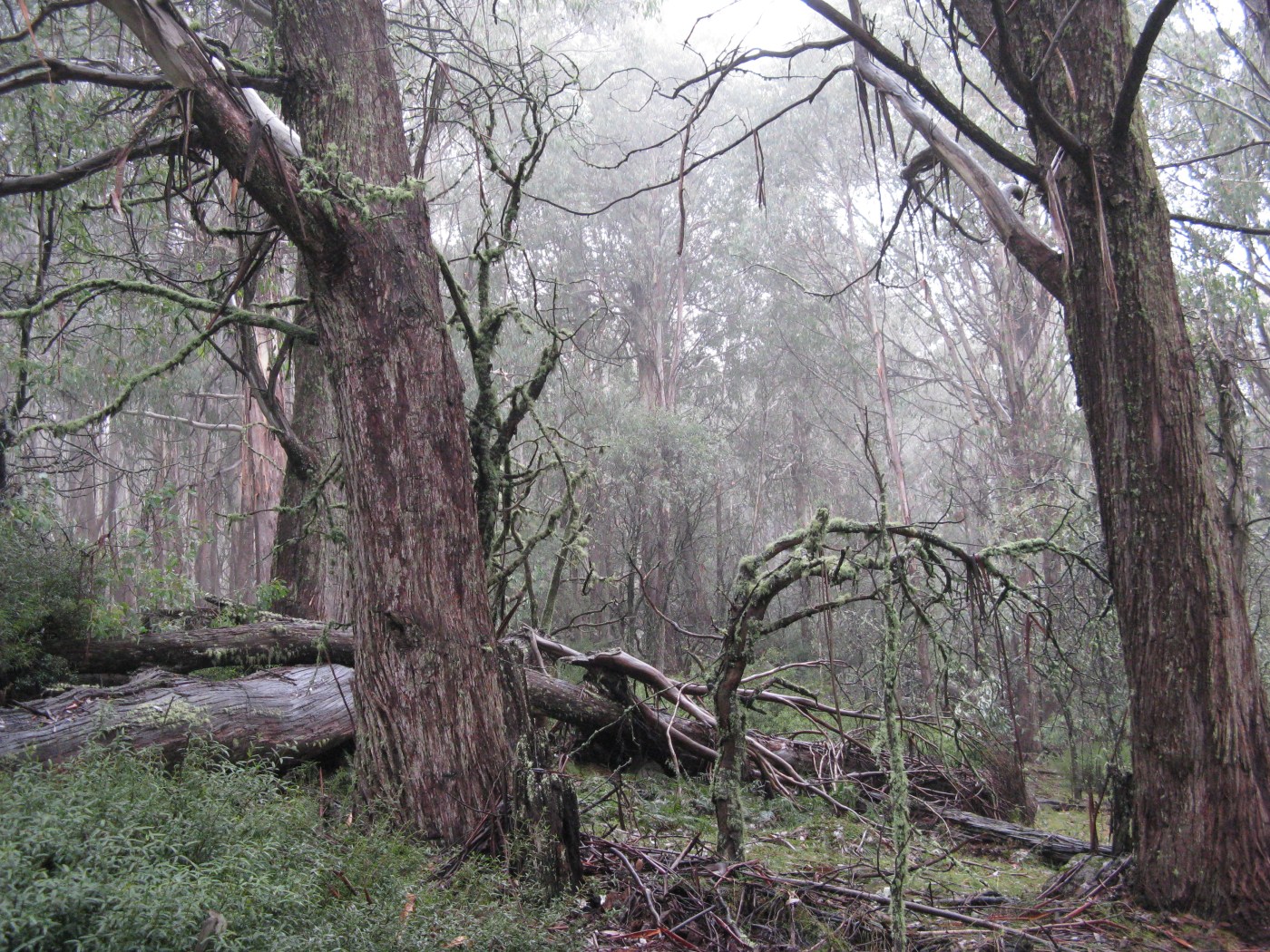
I don’t know about you, but my wanders in the mountains are often dominated by grief as I see places I love burnt beyond recognition. I’ve spent way too much time looking at burnt forests lately (for instance the Tabletop fire), and the realisation that as I get older, the forests are getting younger has been hard to accept.
More than 90% of snow gum woodland in Victoria has burnt at least once in the last 20 years, and we are down to a fragment of remaining old mountain forests (estimates are that we only have 0.47% of old growth alpine ash left in Victoria). Most people who are paying attention will see what’s going on, and experiencing solastalgia (the distress specifically caused by environmental change and climate change) is both natural and normal. But it can be hard to stay positive in the face of grinding and overwhelming change. And many of us, especially if we live in the bush or mountains, hold fear about the ever more intense fire seasons.
But there is so much wonderful country that remains, and we know that, given time, alpine ash and snow gum forests will recover (if we can keep the fires out until they mature).
Continue reading “Finding hope among the old trees”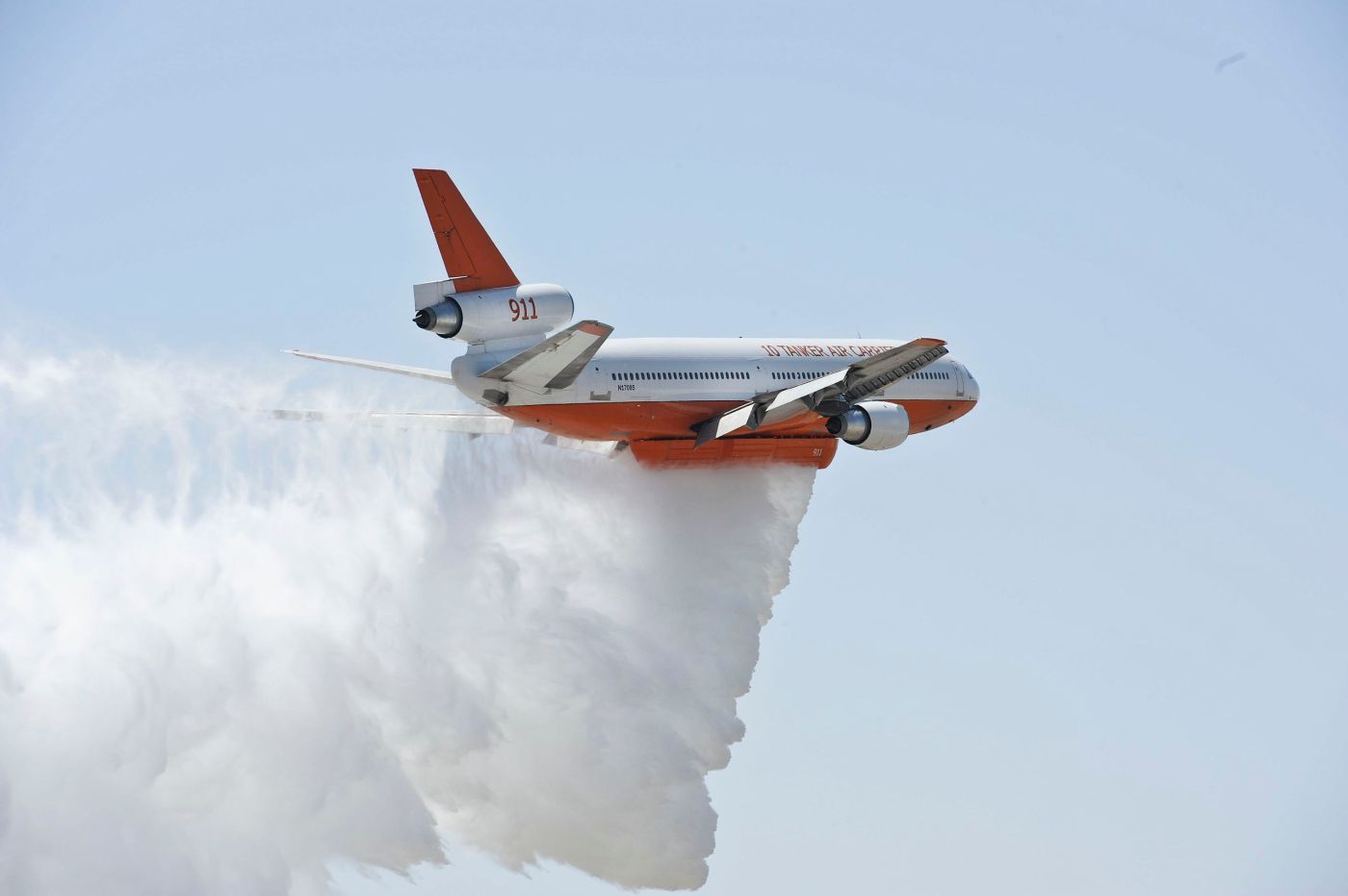
Since last summer, there has been a long public conversation about how we can increase our ability to fight bush fires. While this has covered everything from the role of fuel reduction burning, the impact of climate change, and the question of Cultural Burning, another important aspect has been the role of planes and helicopters in fighting fire.
There is a recent – and significant – development in this debate.
Continue reading “Federal government accepts need for publicly owned air fleet”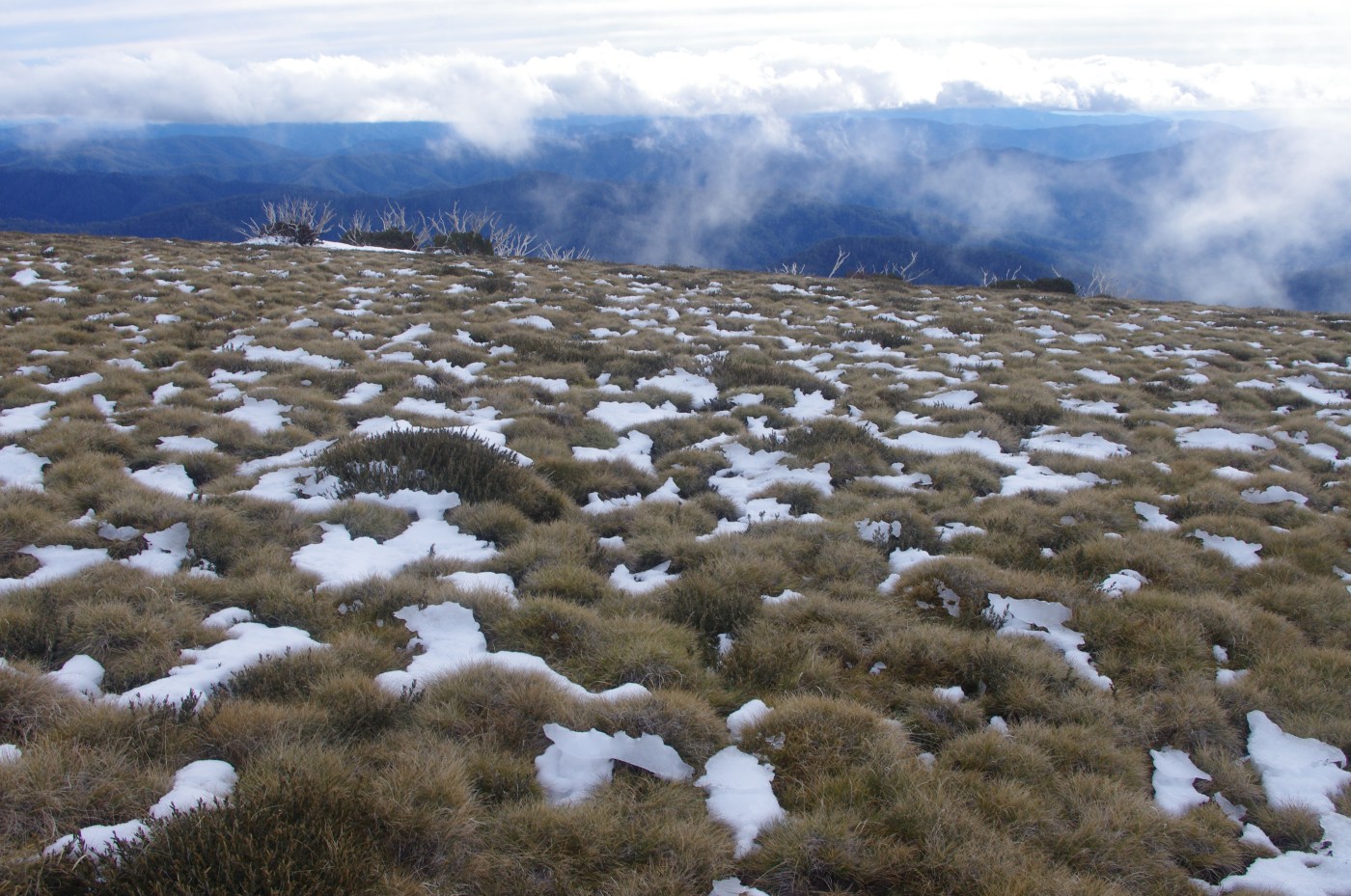
We know that the mountains we love face an existential threat from climate change: less snow, more fire, less streamflow are all starting to transform vegetation communities and the look and feel of mountain environments.
The Victorian state government released it’s budget for 2020/21 yesterday. Apart from the welcome climate and energy measures (which will help the state to play its part in reducing its contribution to further climate change), there are a number of allocations that are relevant to mountain environments.
Continue reading “What does the Victorian budget provide for mountain environments?”


 Mountain Journal
Recent Comments