Search

Mountain Journal

Environment, news, culture from the Australian Alps

Tag

climate change

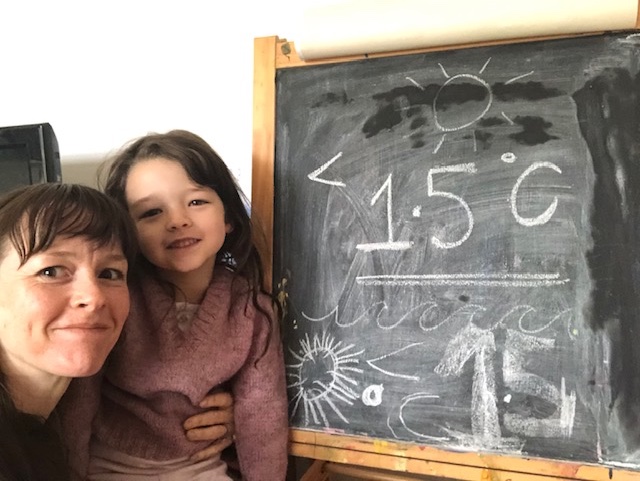
SOCIAL MEDIA ACTION: Support science-based Emissions Reduction Targets in Vic!

We all know that unchecked climate change poses an existential threat to the wild places we know and love.

This is a global problem, and requires a co-ordinated global solution. But all states, governments and communities also need to play their part. And we have a huge opportunity to see Victoria leap forward and start the transition away from it’s current reliance on fossil fuels.

This is a simple (and hopefully, creative) action that only takes a few minutes to do.

Continue reading “SOCIAL MEDIA ACTION: Support science-based Emissions Reduction Targets in Vic!”

Outdoors People for Climate Action

Outdoors People for Climate Action is a new group that was launched on the 1stof March 2020 following what was, for many outdoors people, a climatically confronting summer.

The launch also followed a period of growing climate change concern and action in Australia and around the world, marked by protests, actions, mass engagement, media coverage, and some major climate wins. Because the only thing lacking in addressing the climate crisis globally is political will – it’s now widely recognized that climate activism is essential to achieve a safe climate future.

Continue reading “Outdoors People for Climate Action”

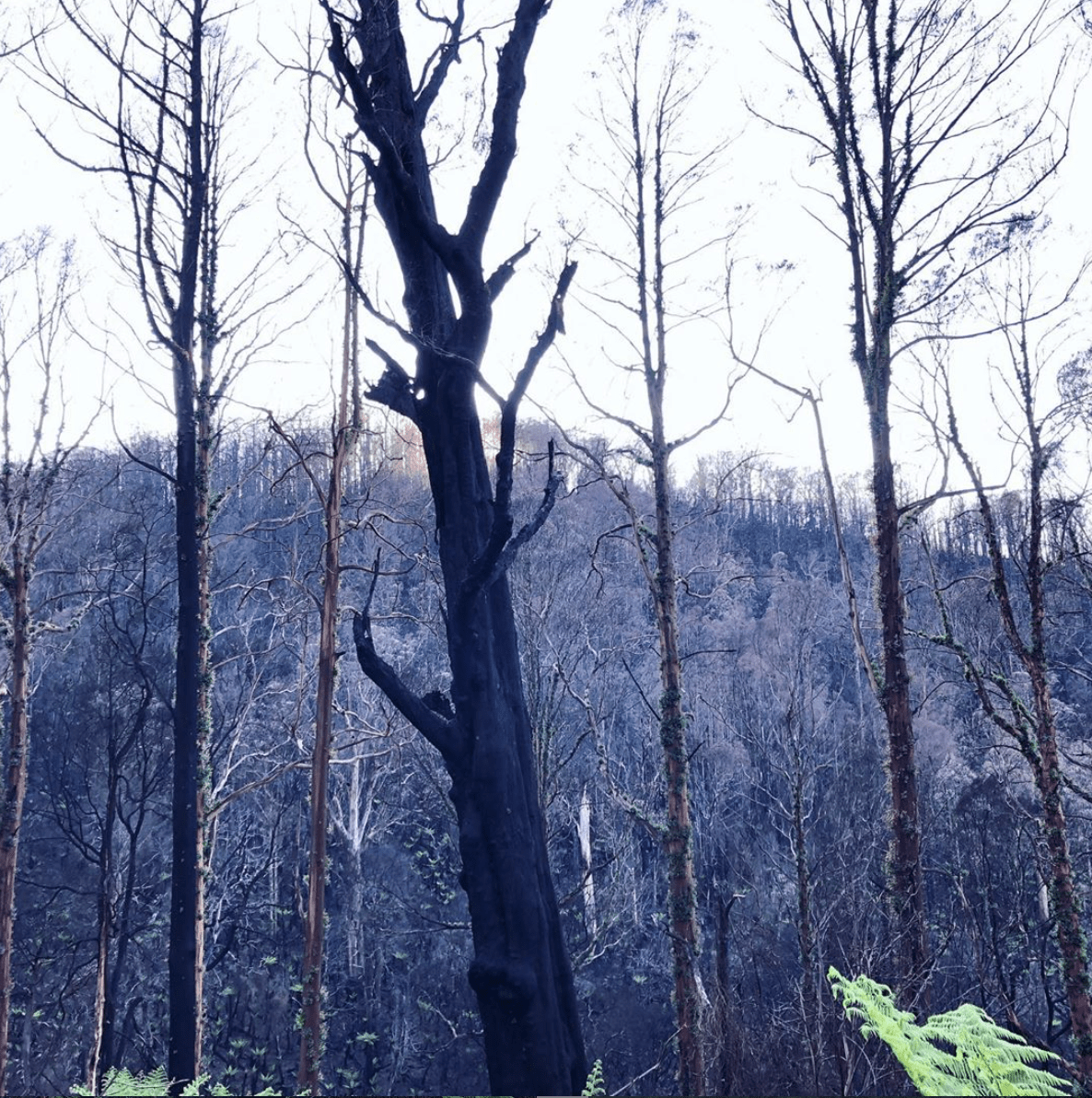
Kuark forest after the fires

The old growth forest of Kuark is (I can’t bring myself to say ‘was’) a jewel in the wild landscape of East Gippsland. It provides habitat for threatened species such as the Sooty, Masked and Powerful owls, Greater gliders and Long footed potoroos, and is a rare rainforest type where warm and cool temperate rainforest blend together in an ‘over lap’ assemblage.

There was a long campaign, led by Goongerah Environment Centre (GECO) and The Wilderness Society to see the Kuark protected. It had considerable success, and was scheduled to be fully protected under a Bill in parliament to include Kuark in the Errinundra National Park.

Then this summer happened. I watched in horror as parts of the legendary Errinundra Plateau burnt and the rainforests of Martins Creek were devastated. I hadn’t heard news of the Kuark until now.

Ed Hill led the campaign to protect the Kuark forest. He has been up there recently. This is his report.

Continue reading “Kuark forest after the fires”

Huge opportunity for climate action in Victoria

Climate change poses an existential threat to the wild ecosystems that skiers and snow boarders, hikers, climbers, paddlers, trail runners, and mountain bike riders rely on for adventure. It also poses an equally grave threat to the businesses that rely on wild nature for their existence. This is true locally and globally.

Climate change is a global problem. This requires a co-ordinated global response. But as part of global efforts, we all need to step up and do our part. From individuals to transnational corporations, and local councils to the UN, we all have to apply ourselves wherever we can, using the resources and influence we have.

At present there is a huge opportunity to set the state of Victoria onto a path that will see the transformation of it’s economy away from fossil fuels. But we need to seize this opportunity now.

Continue reading “Huge opportunity for climate action in Victoria”

Community energy hubs in north east VIC

Interested in renewable energy and how to make it happen?

There will be information sessions across north eastern Victoria soon, including mountain and valley towns like:

Cheshunt: 11 March

Mt Beauty: 20 March

Mansfield: 23 March

Bright: 26 March

Continue reading “Community energy hubs in north east VIC”

Research highlights the fire threat to King Billy Pine

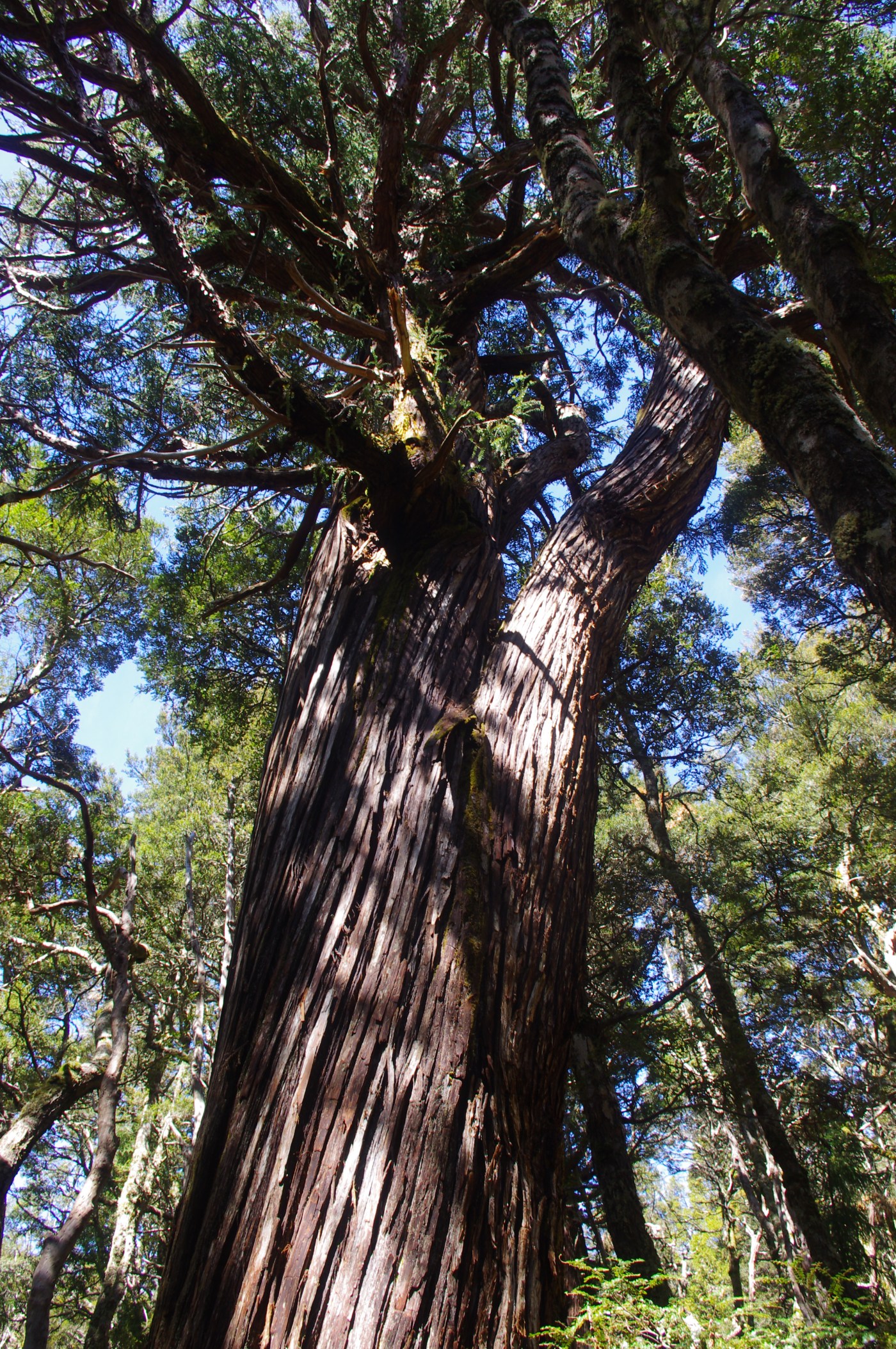
Tasmania is home to a treasure trove of ancient vegetation that emerged when Australia was part of the Gondwanda super continent. Most of the relict vegetation is not fire adapted (fire being a relatively recent arrival to Australia compared to Gondwanaland). Widespread wildfires in early 2016 caused devastating damage across large areas of the Tasmanian World Heritage Area, including significant sections of vegetation which is not fire adapted, such as Pencil Pine forests.

At the time, and in follow up investigations, it became clear that increased fire risk due to climate change posed an existential threat to these vegetation types. Now additional research has confirmed the trend towards more extreme fire seasons. It suggests that we reached a ‘tipping point’ sometime around the year 2000and that, since then, there has been an increase in the number of lightning-caused fires and an increase in the average size of the fires, “resulting in a marked increase in the area burnt”.

Research just released through the journal Global Change Biology, titled ‘Population collapse and retreat to fire refugia of the Tasmanian endemic conifer Athrotaxis selaginoides following the transition from Aboriginal to European fire management’ underscores the threat posed to these forest types.

Continue reading “Research highlights the fire threat to King Billy Pine”

Global warming played a ‘big role’ in generating heat waves that fueled the 2019-2020 fire season

This summer’s fires had devastating impacts on landscapes and local economies.

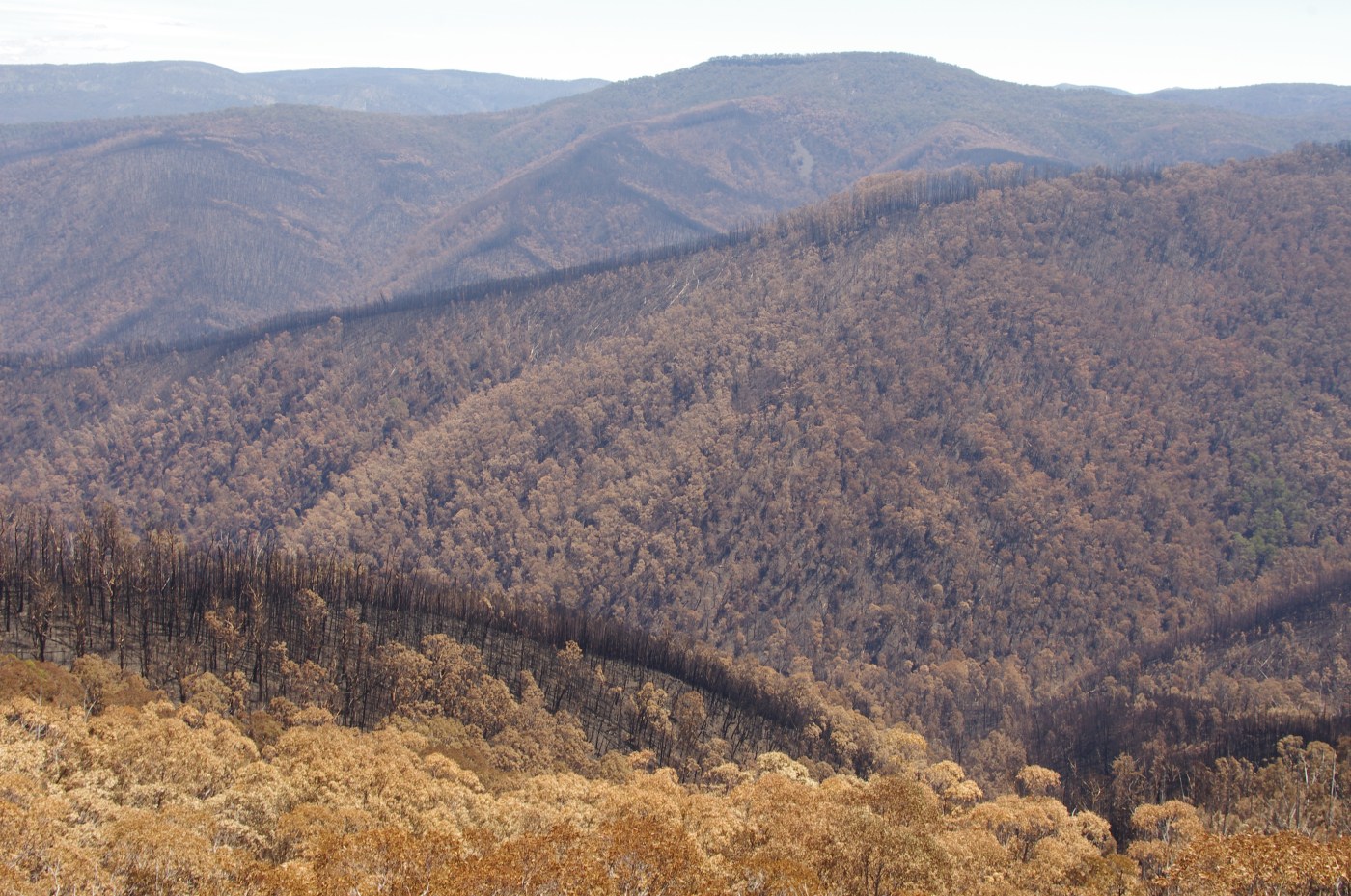
For the first time in eight months, all the NSW fires are out. The Namadgi fires are out, as are the fires in north east Victoria and East Gippsland. During the fires, there was an attempt by some groups to blame the fires on arson as a way of avoiding the conversation about climate change. There is the ongoing debate about the role of fuel reduction burning as a way to reduce the intensity of fire, plus the broader conversation about how we manage our forests and wild places, and whether salvage logging of burnt areas should be allowed.

Now, a ground-breaking report has shown that climate change was a ‘massive factor’ in the extreme fire conditions that devastated Australia this summer.

The report was prepared by World Weather Attribution (WWA), which ‘is an international effort to analyse and communicate the possible influence of climate change on extreme weather events, such as storms, extreme rainfall, heatwaves, cold spells, and droughts’.

Continue reading “Global warming played a ‘big role’ in generating heat waves that fueled the 2019-2020 fire season”

Low carbon backcountry is the New Black

If you love winter, then chances are you love a good ski or snowboarding film. This year’s batch of new films have been released over the last couple of months (pre Northern winter). One thing that’s really obvious in the ski/ riding genre is the ever growing number of films that are focused on human powered adventure. It’s great to see this tradition continue this year with a number of films focused on low carbon adventures.

Here’s an introduction to a few of them:

Continue reading “Low carbon backcountry is the New Black”

A new year, time for new campaign issues?

We still have a long hot dry summer ahead of us. And fires that threaten the mountains that we love so much. But we are also moving towards New Years Eve, when people often make their plans for the coming year.

For me a big part of my planning for the year is to lock in my backcountry trips (here’s my favourite 3 backcountry adventures). Obviously it’s good to have a long think about life, the universe and everything. And then there is activism. 

Sadly, on the activist front there will be lots to do in 2020. Here’s a few ideas on where you may want to put your shoulder to the wheel.

Continue reading “A new year, time for new campaign issues?”

A winter traverse of the Alps – you can be involved

Climb8 will be a long distance snowshoe expedition which is being planned for the winter of 2020.

It aims to travel from Namadgi in the ACT to Walhalla in Victoria via the Australian Alps Walking Track. It will cross 36 summits, visit 8 ski resorts and carry out climate change research along the way. It will start on June 6.

Organiser Terra Roam has announced that there are now opportunities to be involved in the expedition.

Continue reading “A winter traverse of the Alps – you can be involved”

Finding the Good News in the grim reality

We’re facing heatwaves, drought and mega fires. Fire season started early right along the eastern seaboard and while the mountains have largely been spared so far, its going to be a long summer.

The updated Australian Seasonal Bushfire Outlook which has just been released shows that extended area of Gippsland and the mountains of North East Victoria are forecast to experience above-normal bushfire potential over the summer.

Global leaders (including our own federal government) have comprehensively failed to agree on how to tackle climate change during the recent UN negotiations in Spain. Horse numbers are sky rocketing in the Snowy Mountains because the NSW government is in thrall to political forces who refuse to accept the ecological costs of having large feral horse populations in alpine and sub alpine environments.

The list could easily go on. When you look at the state of the world, it’s hard not to get depressed. So here is some outdoors related ‘end of year’ good news for you.

Wherever you are and whatever you do, I hope you have a wonderful, relaxing, and fire free, summer.

Continue reading “Finding the Good News in the grim reality”

Climate change impacts on VIC mountains – less snow, more fires

The Victorian government has recently released the ‘Climate Science Report 2019’, which brings together the latest climate change science knowledge gained from the government’s ongoing investigations into climate science. The report provides further useful insights into both how our climate is changing and what it means for Victoria’s future.

In many ways, there is nothing new in the report. It notes that Victoria’s climate has ‘changed in recent decades, becoming warmer and drier’. These changes are expected to continue in the future.

In general terms, the state’s environment is becoming hotter and drier, with

  • an overall increase in the frequency of unusually hot days
  • a decline in cool season rainfall over the last 30 years
  • greater number of very high fire danger days in spring

There are some details relevant to mountain environments, which we will outline briefly below (as direct quotes).

Continue reading “Climate change impacts on VIC mountains – less snow, more fires”

Blog at WordPress.com.

Up ↑