
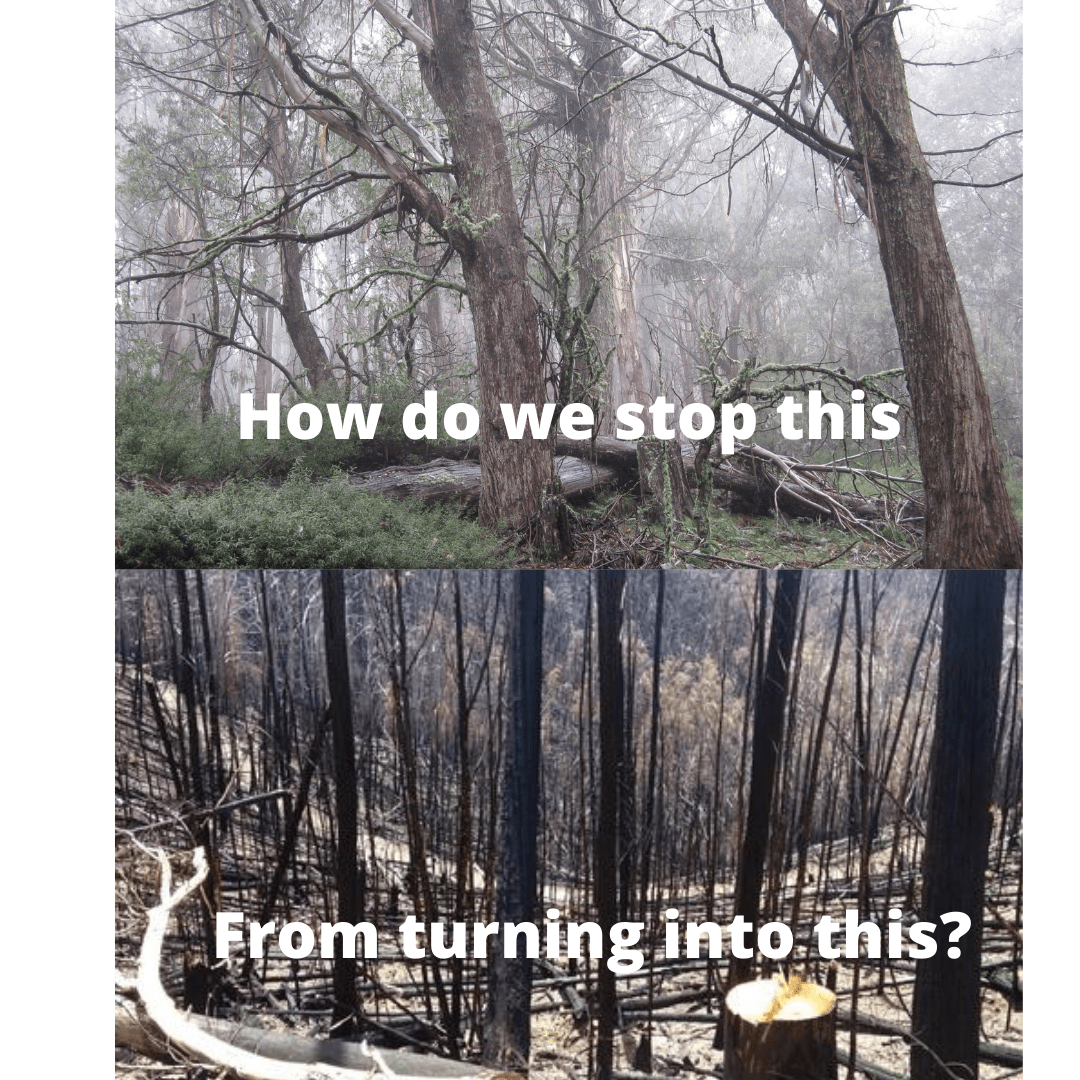
Many people know the story of the Pine beetle which has been devastating huge areas of forest across North America because of climate change. There is a similar scenario emerging in Australia’s mountain forests, although it is much less known.
Snow gums are experiencing dieback in Kosciuszko National Park, largely because of the impacts of the native longicorn (or ‘longhorn’) beetle. These beetles prefer to lay their eggs on moisture-stressed trees and, in warmer weather, the longicorn beetle can hatch and grow up to 75% faster.
On December 10, Dr Matthew Brookhouse, Project leader of the SOSnowgum program, will deliver a public online seminar on snow-gum dieback. The seminar will focus on recognition of dieback, the research being done into dieback, and a citizen-science program that is providing information on the spread of dieback.
Continue reading “Public Seminar – Snow-gum dieback and forest decline”








Recent Comments