Search

Mountain Journal

Environment, news, culture from the Australian Alps

Tag

climate change

‘The cure for depression is action’

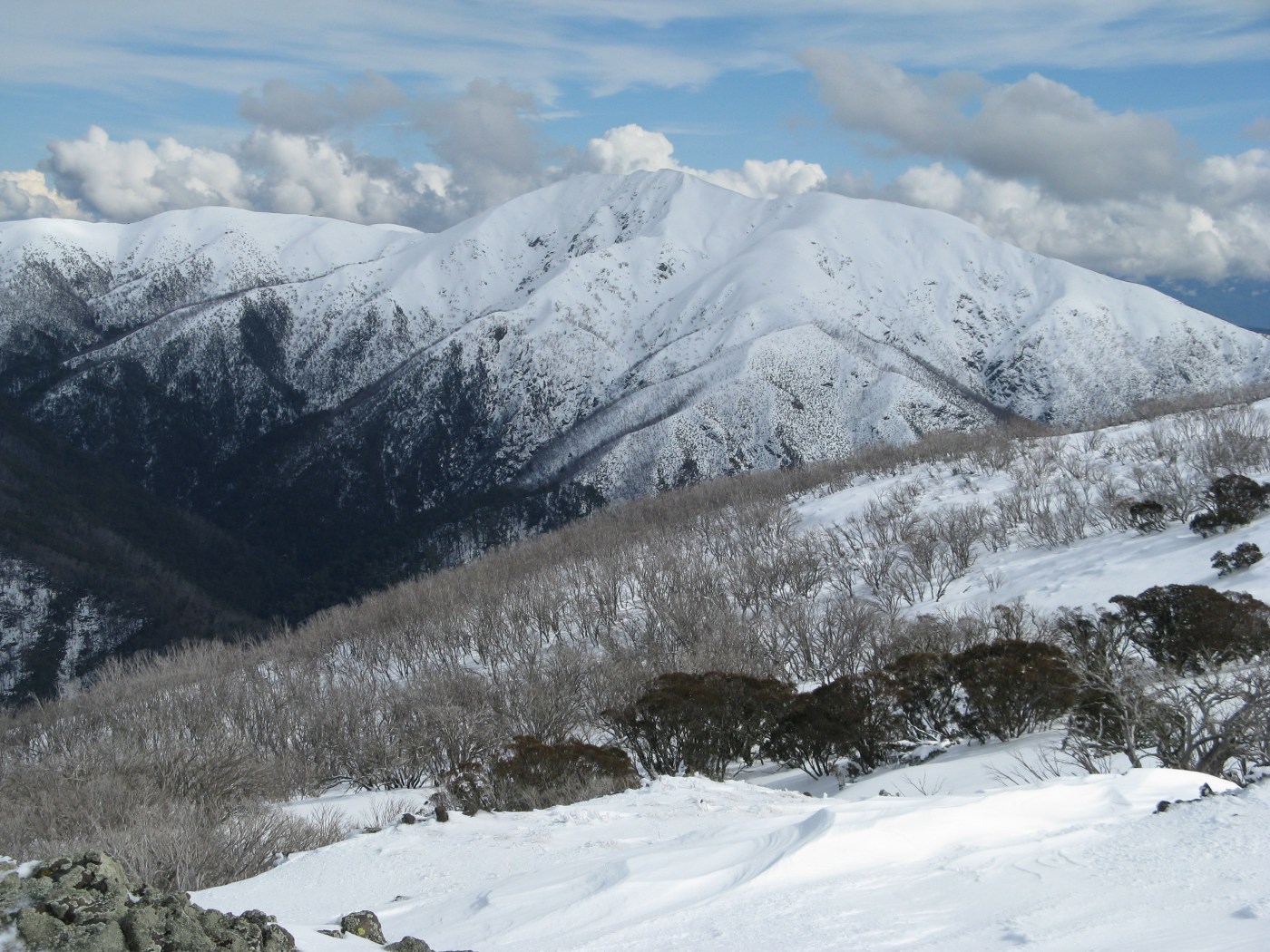
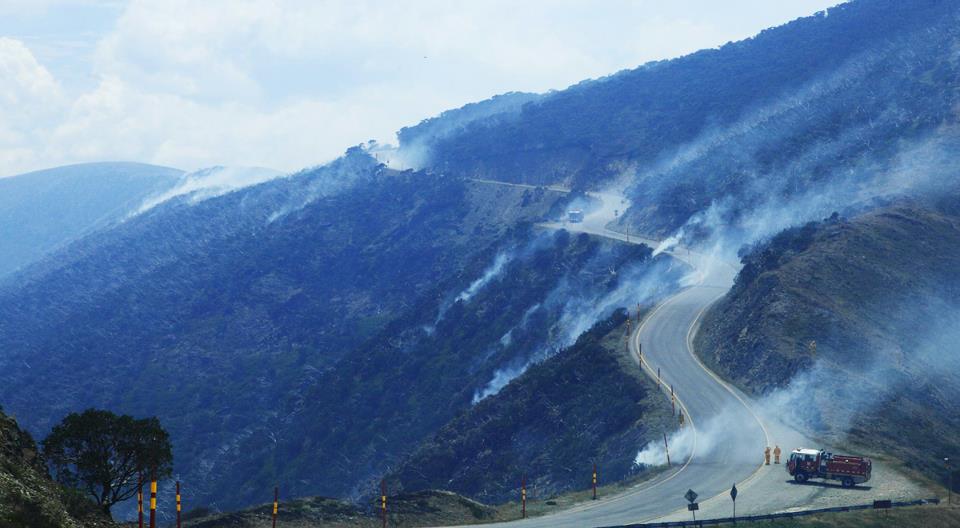
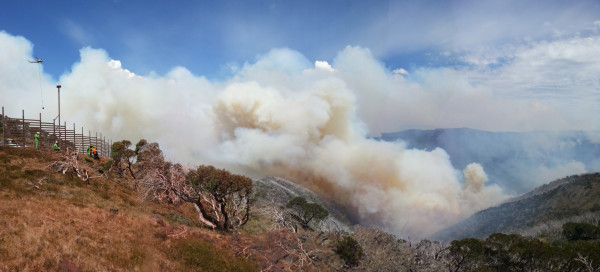
In March this year, I sat on the summit of one of my favourite hills, Mt Blowhard, and watched the fires just to the south, which were in the Dargo River valley and burning up onto the Dargo High Plains. Already a mosaic of burnt and reburnt forest, now characterised by the grey trunks of burnt trees, I knew that this would be another wave of impact on these mountain forests. Some parts of north east VIC have now burnt more than three times in a bit over a decade. Scientists warn about the loss of alpine ash and snow gum if the frequency of fire continues to increase.

Continue reading “‘The cure for depression is action’”

Former fire chiefs demand urgent action on ‘escalating climate change threat’

We know that climate change is already impacting on Australia’s high country through longer and more intense fire seasons and increasingly erratic winter snow.

What is perhaps less obvious is the fact that emergency services are not adequately resourced to defend the mountains from worsening bushfire seasons.

This has been highlighted in the case of recent fires in Tasmania, where – even with interstate and international support – emergency services were not able to control fires in Tasmania’s world heritage areas over the summer of 2018/19. This had previously been the case in Tasmania in 2016, when precious areas of fire sensitive vegetation were destroyed. Additionally fires in the Victorian high country burnt some areas for the third time in 10 years, with the possibility of significant long term ecological impacts.

Now 23 of Australia’s most senior former emergency service bosses have come together in an unprecedented show of unity, calling on the Prime Minister to ‘get on with the job’ of reducing greenhouse gasses.

They also highlight the fact that Australia currently lacks the resources we need to fight wild fire effectively.

Continue reading “Former fire chiefs demand urgent action on ‘escalating climate change threat’”

VIC State of the Environment report – what does it say about the future of the Alps?

We all know that climate change is already affecting Australia’s mountains. From more intense fire seasons, less rainfall and higher temperatures, we are already locked into a changed future.

What we do now will influence how much additional change the Alps experience in coming decades.

The Victorian government’s Commissioner for Environmental Sustainability has just released their State of the Environment Report for 2018. These are produced every five years.

The report tells Victorians about the health of our environment – our land, our water, our air, and our ecosystems. Using 170 different scientific indicators, the report shows us where we’re doing well and where we need to improve. It has specific information on alpine environments, and the following is lifted directly from the 2018 report, which is available here.

Continue reading “VIC State of the Environment report – what does it say about the future of the Alps?”

Please make a submission to the VIC alpine resorts strategic plan

The Victorian Alpine Resorts Coordinating Council (ARCC) is developing a new alpine resorts strategic plan entitled “Alpine Resorts Strategic Plan (2019) – responding to a changing climate”. The preparation of an Alpine Resorts Strategic Plan is a requirement under the Alpine Resorts (Management) Act 1997 and will be informed by the review of the existing Alpine Resorts Strategic Plan, completed by Council in 2017.

You can make a submission to this process. But time is short, with the submission process closing on March 19.

Continue reading “Please make a submission to the VIC alpine resorts strategic plan”

‘Giving climbers a platform to speak up about climate change’

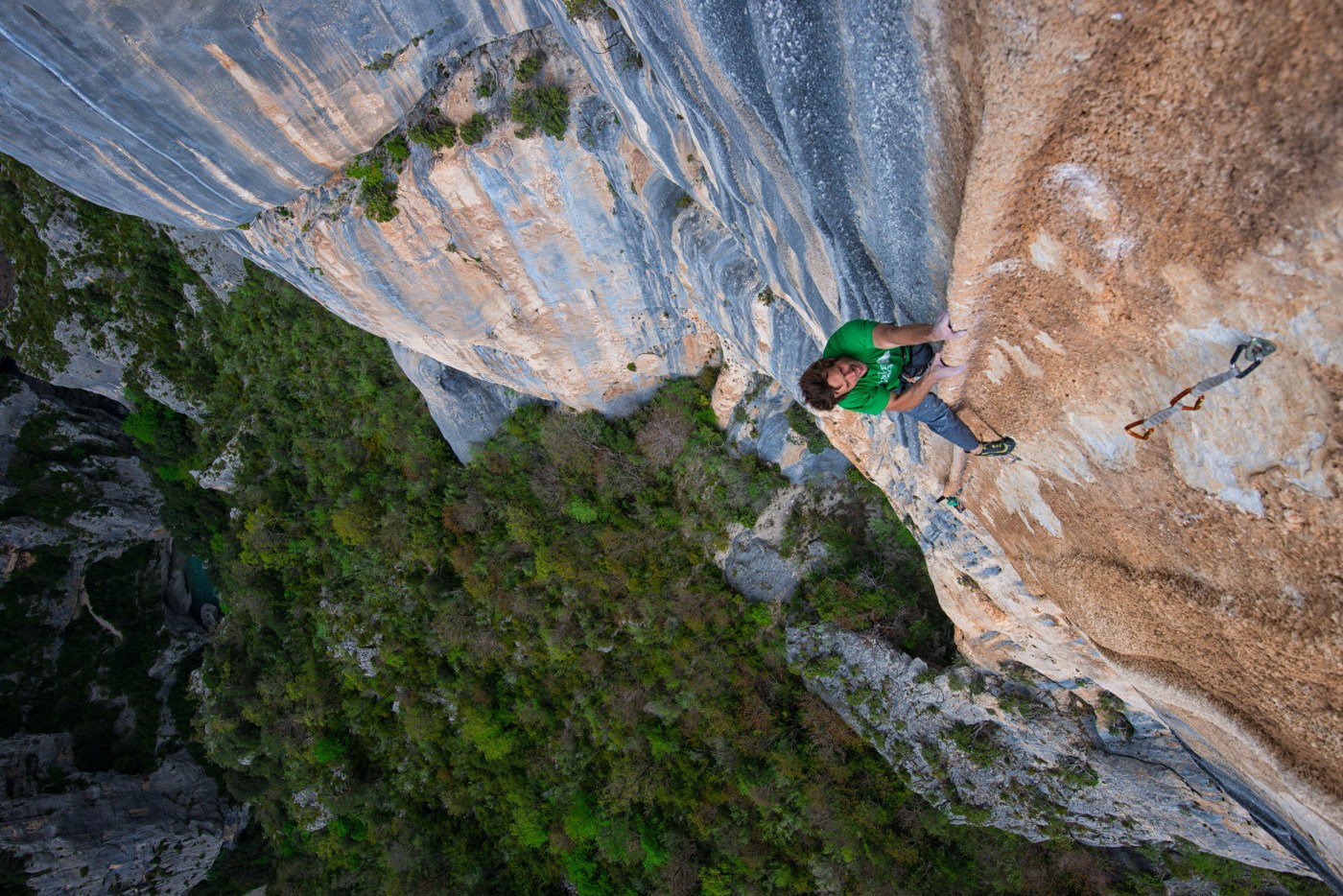
Protect Our Winters (POW) is well known for its efforts to mobilise the snowsports community to be active on climate change issues.

Now they have launched POW Climb – describing it as ‘a unique division of the POW Alliance focused on engaging the climbing community in climate action’.

‘By highlighting the climate impacts most relevant to climbers, POW Climb works to connect the climbing community with opportunities for advocacy and activism while amplifying the community’s voice to affect systemic solutions to climate change’.

You can find out more about the program here.

“It’s time to give the climbing community a platform to speak up about climate change.”
– Tommy Caldwell

[IMAGE: POW]

“The whole thing is unravelling”

Once again, we are hearing that Australia’s forests are being ‘reshaped’ by climate change as droughts, heat waves, rising temperatures and bushfires drive ecosystems towards collapse.

Ecologists have long predicted that climate change would have major consequences for Australia’s forests. Now they believe those impacts are already unfolding. Mountain Journal has often reported on this, for instance:

  • In Tasmania, research has confirmed the trend towards more extreme fire seasons. It suggests that we reached a ‘tipping point’ sometime around the year 2000 and that, since then, there has been an increase in the number of lightning-caused fires and an increase in the average size of the fires. This is impacting on fire sensitive vegetation like the high elevation Pencil Pine (Athrotaxis cupressoides) forests and cool temperate rainforest.
  • Fires have decimated some populations of Alpine Ash and Snow Gum
  • Mountain Ash forests could collapse as a result of climate change

A new report, covered in The Guardian describes one of the processes driving the change, called the ‘interval squeeze’.

Continue reading ““The whole thing is unravelling””

Climate change pushes the Mountain Pygmy Possum closer to extinction

The Mountain Pygmypossum, Burramys parvus, is Australia’s only hibernating marsupial.

It is a small, mouse-sized nocturnal marsupial found in dense alpine rock screes and boulder fields, mainly in southern Victoria and around Mount Kosciuszko. The species is currently restricted to three isolated mountain regions:  Mount Blue Cow in Kosciusko National Park in New South Wales, Mount Bogong and Mount Higginbotham/ Mt Loch in the Bogong High Plains in Victoria, and Mount Buller in Victoria.

The biggest threats to the remaining mountain pygmy possum populations include:

Now, recent research underscores the fact that climate change may be posing a major threat to the viability of the species by decimating the moths which act as a major food source for the possum.

The Guardian reports that the Bogong Moth which migrate in their billions to alpine areas have crashed, which is putting extra pressure on the endangered mountain pygmy possum.

Continue reading “Climate change pushes the Mountain Pygmy Possum closer to extinction”

“We are not out of the woods yet”

The Bureau of Meteorolgy has released its national climate summary for January 2019. As expected, it shows that it was the country’s warmest January on record for mean temperatures (2.91 °C above average), maximum temperatures (3.37 °C above average) and minimum temperatures (2.45 °C above average). Rainfall for the country as a whole was 38% below the long-term average for January, and Tasmania had its driest January on record.

After a dry winter and spring in the south east and then a sustained heatwave, its fairly obvious why its been a horror summer for fires. Tasmania and Victoria still have a significant number of fires which are not contained, let alone under control. And there is no obvious break coming to this hot, dry weather. The ecological costs of this summer’s fires are already becoming apparent.

Continue reading ““We are not out of the woods yet””

Outdoor and snowsports industries stand united against climate change

The Trump administration’s sustained attacks on conservation areas in the USA has mobilised the outdoor industry in unprecedented ways. Now the key forces in the outdoor and snow sports industries – the National Ski Areas Association (NSAA), the Outdoor Industry Association (OIA) and Snowsports Industries America (SIA) have joined forces to step up action on climate change solutions.

Continue reading “Outdoor and snowsports industries stand united against climate change”

Impending tragedy in the Tasmanian Wilderness World Heritage Area.

As uncontrolled wildfires rage across Tasmania The Wilderness Society and Nature Photographers Tasmania have called on the Premier of Tasmania Will Hodgman and Australian Prime Minister Scott Morrison to urgently request international amphibious water-bombing assistance to combat the unfolding tragedy at some of the world’s most important and iconic natural sites, in the Tasmanian Wilderness World Heritage Area.

Continue reading “Impending tragedy in the Tasmanian Wilderness World Heritage Area.”

TAS fire grows to 10,000 ha. ‘There’s no way of stopping it at this stage’.

A fire is burning out of control in the south west of Tasmania. It started as a result of a lightning strike on December 27. It is being reported that it has already grown to 10,000 hectares and currently considered ‘out of control’ and hence fire services are unable to contain it. The ABC reports that 150 members of the Tasmanian Fire Service are currently fighting it but ‘there’s no way of stopping it at this stage’.

It threatens iconic areas like Lake Rhona and is moving towards Mt Field National Park and the towns of Maydena, Tyenna and National Park. A westerly change which is passing through the state could change direction of the fire so check the Tasmania Fire Service (TFS) website for details if you’re in the area (see below for all links).

Header image of the fire comes from http://satview.bom.gov.au/

Continue reading “TAS fire grows to 10,000 ha. ‘There’s no way of stopping it at this stage’.”

BOM/ CSIRO state of the climate report – (another) wake up call

We know that climate change is already impacting on the mountains and ecosystems that we love. Tree and plant species are threatened, fire seasons are becoming longer and more intense, and winter snow is in long term decline.

There are two key take home messages from the data that is available:

  • Climate change is impacting now and will get worse during our lifetime,
  • Action now to radically reduce emissions will greatly reduce impacts in the future.

To add to the body of knowledge we already have, the recently released Bureau of Meteorology and CSIRO’s state of the climate report points to a long-term increase in the frequency of extreme heat events, fire weather and drought in coming years.

Continue reading “BOM/ CSIRO state of the climate report – (another) wake up call”

Blog at WordPress.com.

Up ↑