Search

Mountain Journal

Environment, news, culture from the Australian Alps

Tag

climate change

Climate change is driving fire and reducing snow pack

The country’s climate has warmed on average by 1.47C since national records began in 1910, according to the new State of the Climate report released earlier this week.

It reinforces what we already know about climate change impacts on mountain environments:

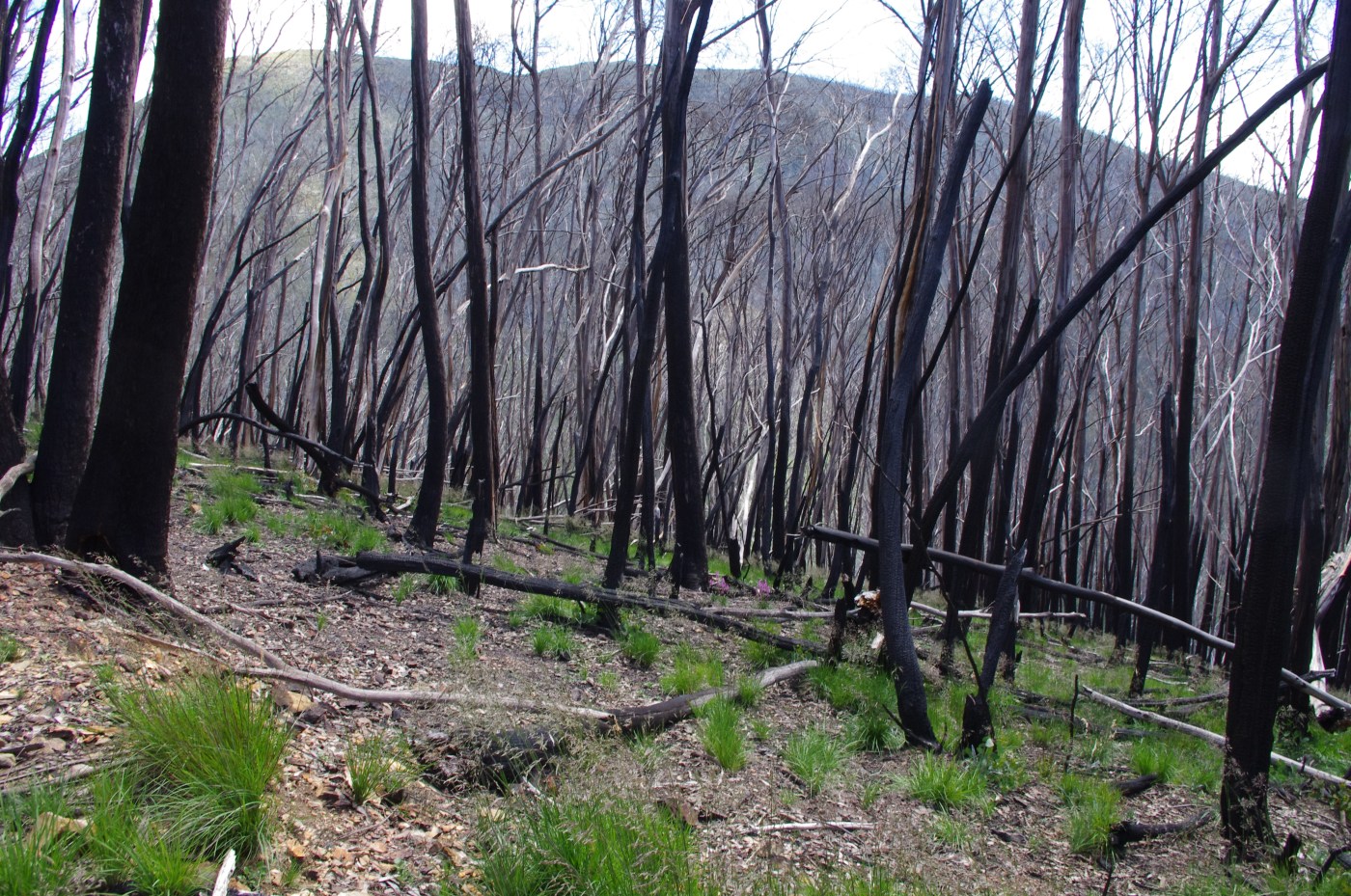
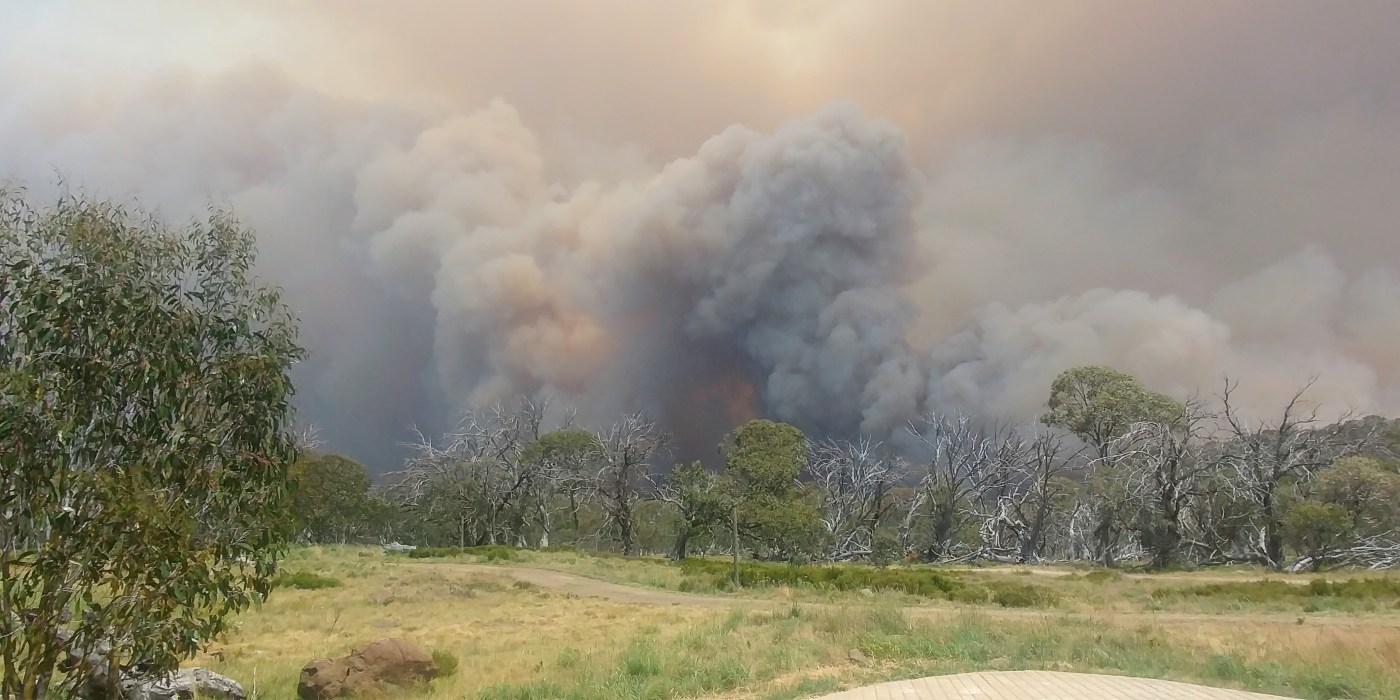
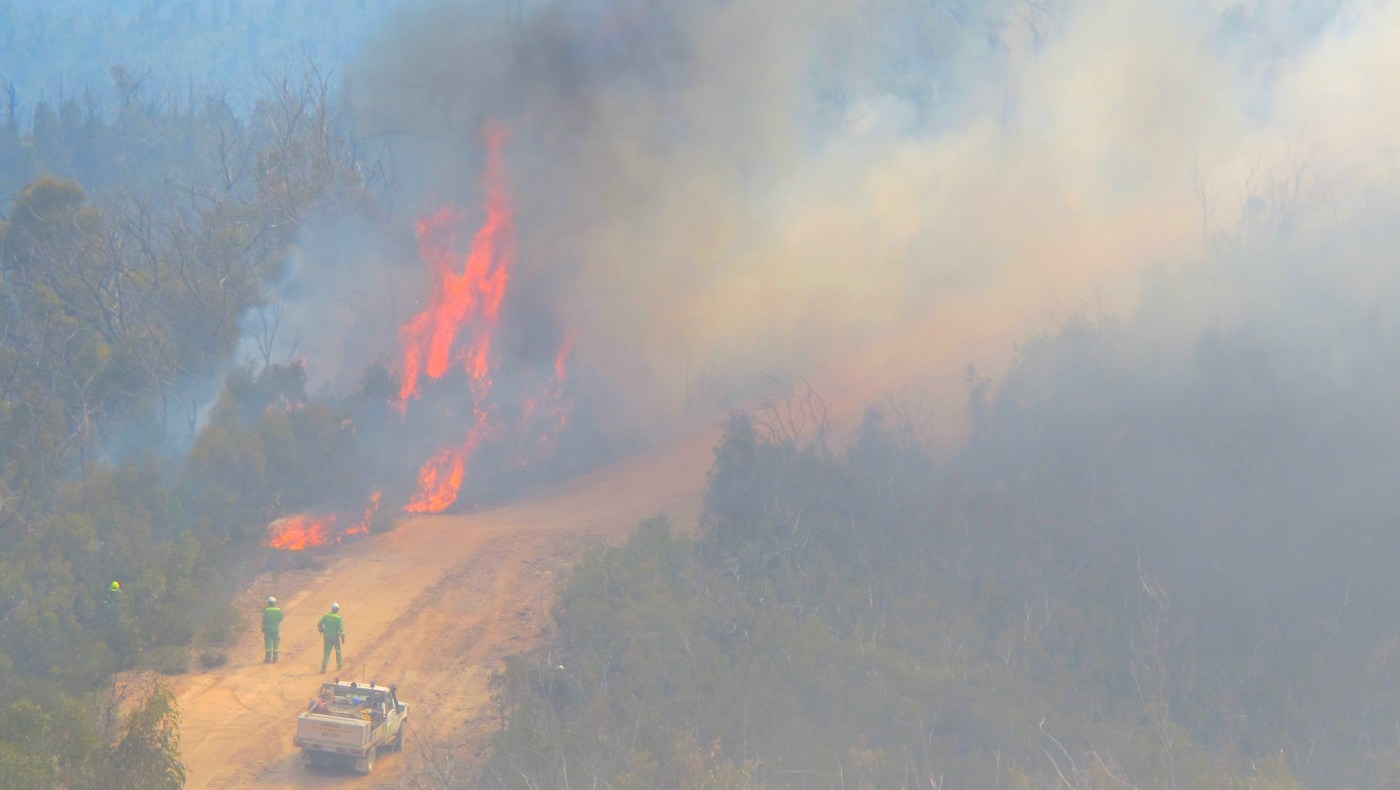
  • Since the 1950s, extreme fire weather has increased and fire seasons are starting sooner and ending later. We can see the impacts of this in burnt out snow gum woodlands and alpine ash forests in a state of ecological collapse.
  • Snow depth, snow cover and number of snow days have decreased in alpine regions since the late 1950s. (This decline has been known and reported on for years).

Continue reading “Climate change is driving fire and reducing snow pack”

‘Forests, Snowpack and Wildfires Appear Trapped in a Vicious Climate Cycle’

Fire is becoming an increasingly destructive force in mountain areas. This has many environmental and economic impacts. A new study from the USA investigates how extreme wildfires in 2020 affected the water cycle in key mountain forests that store water in the form of snow pack that is released through spring. The findings are consistent with earlier research in the Australian high country.

Continue reading “‘Forests, Snowpack and Wildfires Appear Trapped in a Vicious Climate Cycle’”

“Climate change is occurring 10 times faster than at any time in past 65 million years”

We recently posted an item outlining the fact that the combined climate pledges of 193 Parties under the Paris Agreement could put the world on track for around 2.5 degrees Celsius of warming by the end of the century. That would mean the end of winters as we know them.

There is a range of research shows that warming is happening even faster than previously understood.

“The planet is undergoing one of the largest changes in climate since the dinosaurs went extinct. But what might be even more troubling for humans, plants and animals is the speed of the change. In new research, Stanford climate scientists warn that the likely rate of change over the next century will be at least 10 times quicker than any climate shift in the past 65 million years”.

Continue reading ““Climate change is occurring 10 times faster than at any time in past 65 million years””

“The world is on track to hit as much as 2.8C of warming this century”

Overall, the world has warmed on average just a little over 1oC since the start of the industrial revolution due to human caused climate change. We can see what this has done to winter in the Australian mountains. Snow pack has been in decline since at least 1957. Winter snowfalls are becoming more erratic. Climate change is already visible at lower elevation resorts in the Australian Alps. And recent climate research suggests that the Australian Alps may suffer from a loss of snow as climate change supercharges phenomena known as ‘atmospheric rivers’. These are long, narrow regions of high moisture content in the lower atmosphere that transport most of the water vapour from the tropics to the sub-tropics and midlatitudes,

A new report from UN Climate Change shows that while countries are ‘bending the curve’ of global greenhouse gas emissions downward, that these efforts remain insufficient to limit global temperature rise to 1.5 degrees Celsius by the end of the century.

According to the report, the combined climate pledges of 193 Parties under the Paris Agreement could put the world on track for around 2.5 degrees Celsius of warming by the end of the century. That would mean the end of winters as we know them.

Continue reading ““The world is on track to hit as much as 2.8C of warming this century””

Quantifying the climate cost of the Black summer fires

We know that climate change is resulting in increased fire severity and extent in Australia’s temperate Eucalyptus forests. While Eucalyptus forest communities are generally adapted to the presence of fire and in some instances need irregular fires, as the gap between fires become shorter and fires become more severe, there are obvious biodiversity impacts. For instance, forests are already changing – especially the alpine ash and snow gums, which are in a state of decline and even ecological collapse in many parts of the high country.

There is also the question of the how carbon released during these fires adds further fuel to climate change. While the general understanding is that carbon lost to the atmosphere during a fire is drawn down again in subsequent regrowth, is climate driven fire seasons causing more carbon to be lost into the atmosphere, thereby making climate change worse?

New research (Tree mortality and carbon emission as a function of wildfire severity in south-eastern Australian temperate forests, to be published in the journal Science of the Total Environment a summary is available here) considers these issues and fills some significant gaps in our knowledge about the links between fire and its contribution to climate change.

Continue reading “Quantifying the climate cost of the Black summer fires”

An erratic winter reminds us about the reality of climate change

We know that climate changes is already impacting on the mountains we love. Longer fire seasons, longer droughts, less streamflow, warmer weather. And, of course, declining snowpack.

As we come to the end of a winter marked by classic Australian ‘Boom and Bust’ snow conditions, it is clear that we are on a trajectory towards milder winters and less snow. Snowpack has been in decline in Australia since at least the 1950s. And there are decades worth of studies, reports and media stories which make it clear what’s happening (for instance this story from The Age in 2018).

A new story published by the ABC written by Thomas Saunders reminds us yet again about what is happening in spite of bumper snowfalls in any particular winter.

Continue reading “An erratic winter reminds us about the reality of climate change”

Seminar – Climate change, fire and the Victorian Alps

A report from the ‘Climate change and the Victorian Alps – preparing for the fires of the future’ seminar, which was held as part of the speakers program for the 2022 Victorian backcountry festival at Mt Hotham on September 2.

Speakers included an academic, a local landcare representative, Parks Victoria and DELWP.

Continue reading “Seminar – Climate change, fire and the Victorian Alps”

Deep powder. The long arc of climate change. And the beauty that lies between.

After a day of grey clouds and drizzly rain, I woke up to the silence of deep, dry cold powder snow across the mountain. I jumped on the skis and meandered up through the old trees to one of my favourite hills, to be greeted by views of the higher mountains. It was pure, blissful magic. The world felt perfect. If you have ever seen the psychedelic ski film Valhalla, the words will come back to you: you can always find ‘brilliance, awe and magic running through life‘ if you wish to see it.

Two days later, more rain and a warm burst, and the snow was gone from the lower elevations and I was walking through green forest. It is mid August – when snow pack should be at its deepest. After that brief moment of bliss at feeling that things were ‘right’, I felt back in the ‘real’ world, where climate change is coming for all the places and people we love.

If you’re paying attention to what’s going on in the mountains – longer fire seasons, more erratic weather, variable snow pack and shorter winters – then its natural to feel anxious and depressed. It’s a human reaction to what is happening to the world – and the specific places – that we love. It’s the same story everywhere, from the deserts to the rainforests to the mangroves, to the forests of the Central Highlands and south west WA.

Continue reading “Deep powder. The long arc of climate change. And the beauty that lies between.”

The multiple threats to the survival of snow gums

For years now, Mountain Journal has posted about the multiple threats posed to our mountain environments which link back to climate change, including increased frequency of fire, higher temperatures, more frequent drought, and more impact from dieback (which is a natural phenomenon which is being super charged by global heating). These have also been documented in the Friends of the Earth report An Icon at Risk.

Its always good to see mainstream news coverage of these threats.

Genelle Weule, writing for ABC Science, has written an indepth piece which covers these threats.

Continue reading “The multiple threats to the survival of snow gums”

As the northern hemisphere burns, what are the lessons for Australia?

The northern hemisphere summer has been terrible. Heat waves have killed many thousands, from Iran and India to Portugal and France. Flash flooding has closed the Grand Canyon, while ‘Lake’ Mead, a massive dam on the Colorado River, is almost empty. Across the northern hemisphere, from Siberia and Alaska to normally temperate countries like England and even Ireland there have been devastating wild fires.

Droughts, which are exacerbated by a warming climate, are making wildfires more frequent, destructive, and harder to fight in many places. Firefighters in temperate countries are often not equipped or trained in dealing with landscape scale fires. There are not prepared for potentially months long seasons. In one month, wildfires tore through Portugal, Spain, France, England and Germany, which had all seen record-high temperatures. Greece and Turkey also burnt. This challenged the fire fighting capacity in each country. For instance, in mid August, a wildfire broke out in France’s Gironde region. The fire grew to more than 15,000 acres in a short time and 8,000 people were evacuated. Local firefighting capacity was overwhelmed. Firefighters from a number of countries, including Sweden and Italy, were mobilised to support local efforts.

[Header image: Geoffrey Browne]

Continue reading “As the northern hemisphere burns, what are the lessons for Australia?”

Climate change, fire and mountain environments

We know that climate change is already impacting on the Australian Alps. Declining snow pack, hotter summers, and longer fire seasons are just some of the impacts we are seeing. This brings many challenges to land managers, and is changing the mountain landscapes we know and love.

Additionally, local economies rely on the beautiful natural surroundings of the Alps, which attract skiers, riders and others from around the state and the country. Declining environments will impact on the numbers of visitors and hence local economies.

This short seminar will delve into the issue of fire, and how we need to respond to longer and more intense seasons in the Victorian mountains.

If you can’t attend the event, it will be livestreamed via the event facebook page.

Continue reading “Climate change, fire and mountain environments”

Is this what climate change looks like?

In recent days there have been several reports of large avalanches occurring on the western slopes of the Main Range of the Snowy Mountains, in places like Watsons Crag and the Sentinel Peak area. These highlight the risks of skiing and riding on these large and often steep slopes and act as a reminder that, yes, avalanches do occur in Australia.

They may also be pointing to something else. Is this part of the future of backcountry skiing and riding as climate change kicks in?

Continue reading “Is this what climate change looks like?”

Blog at WordPress.com.

Up ↑