Search

Mountain Journal

Environment, news, culture from the Australian Alps

Tag

climate change

The Ash Forest Restoration Project

‘Ash forests’ – forest comprised of Mountain Ash, Alpine Ash, or sometimes both – are some of the most iconic forest types in Victoria, or even the world. Covering around 500,000 ha of Victoria and stretching from the Otways to the north-eastern boundary with NSW, few who spend time in these forests – like driving along the Black Spur north-east of Melbourne – are left unimpressed by these tall trees. They are also home to species like the Leadbeater’s Possum and Greater Glider.

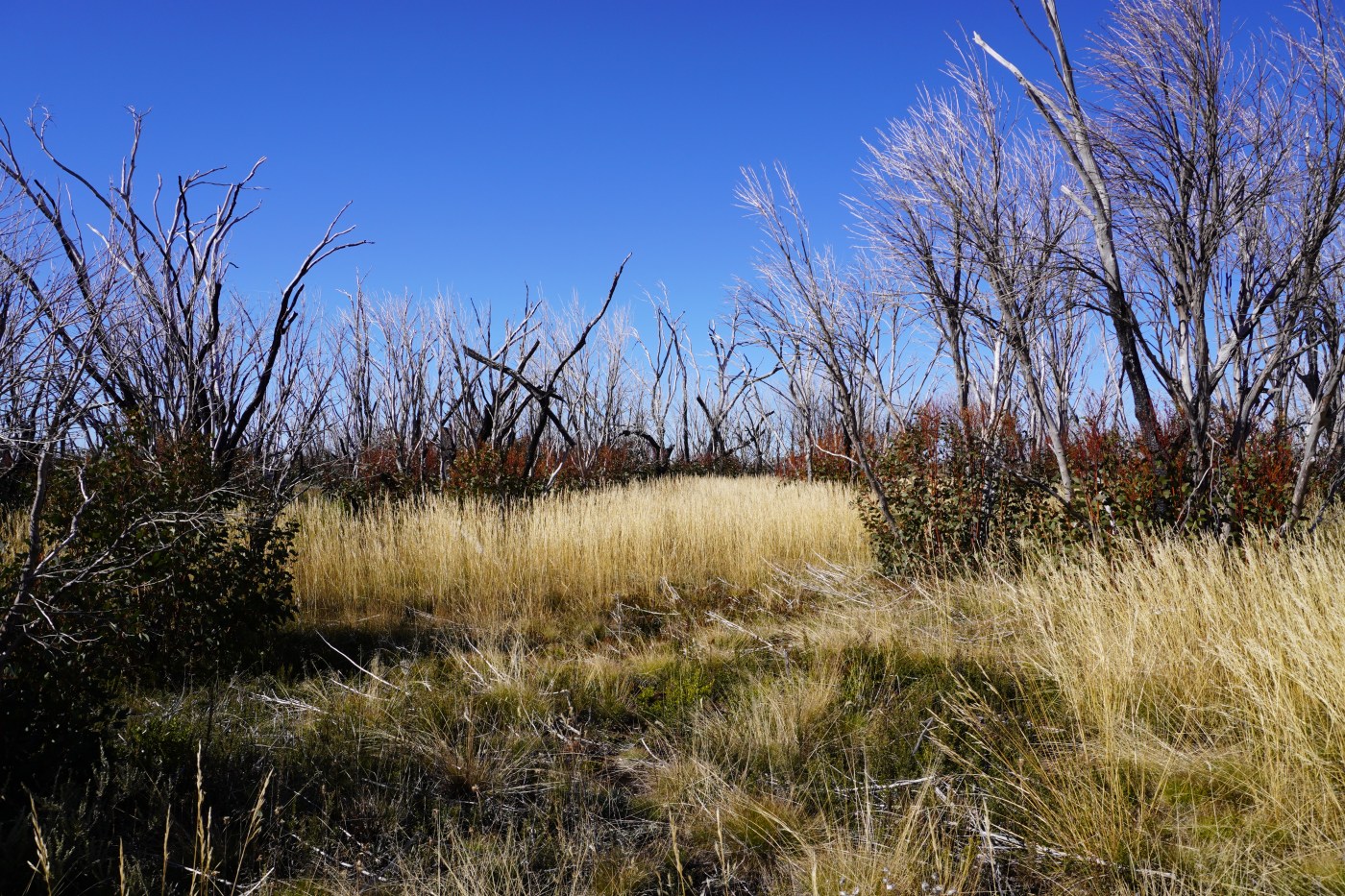
These forests have a complex relationship with fire: these forests can live with some fire – but not too much. Scientifically known as ‘obligate seeders’, after severe bushfire, ash forests are killed, but prolifically regenerates from canopy stored seed. The important point here is that these slowly regenerating forests cannot produce seed for 20 years after they regenerate from fire. This means they are highly vulnerable to shortened fire intervals – the exact challenge that land managers in Victoria are facing with climate change.

Once a mountain ash or alpine ash forest has burnt numerous times, it may eventually fail to regenerate, which can lead to population collapse and a change of ecosystem type. This sounds simple, but ecologically, this is dramatic. A tall forest – high in carbon stocks and habitat – changes rapidly to a short shrubland or grassland.

Continue reading “The Ash Forest Restoration Project”

The elephant in the room

The Pacific Crest Trail (PCT) is a 4,200 kilometre track that runs from Mexico to Canada. Since Cheryl Strayed published her bestselling book about hiking the PCT, Wild (adapted into a movie starring Reese Witherspoon in 2014), it has become arguably the world’s best known long distance walking track. The dream of doing a long long walk through wild terrain is a dream for many people.

However:

‘Wildfires now regularly close vast sections of the trail in the late summer, and water sources in the desert and high Sierras are drying up, making remote regions virtually impassable. Hiking the trail end-to-end in one year, a bucket-list item for many long-distance backpackers, is now “almost impossible” due to climate change.’

There are many reports that numbers of walkers are down due to the current season and there being too much snow in long sections of the higher mountain areas of the route.

Wherever we are, whatever mountain range we are in, the reality of climate change gets ever harder to ignore.

Here is Australia, we have a different problem: lack of snow.

Continue reading “The elephant in the room”

Forum: Mobilising the outdoors community

The Victorian backcountry festival will be happening soon at Mt Hotham (September 1, 2, 3). Now in its 6th year, the festival offers tours, workshops, a demo village, ski in outdoor bar on a hilltop, repair cafe, avalanche safety courses, an opening night party, films and a speakers program.

You can register for the festival here. The full program will be posted on the backcountry festival home page shortly.

As part of the speakers program, there will be a great event at The General in Mt Hotham village, with presentations on how to turn concern for the mountains into meaningful action.

Continue reading “Forum: Mobilising the outdoors community”

Lower elevation resorts rapidly becoming non viable under climate change impacts

We know that climate change is reducing the overall amount of snow we receive in Australia. The snow pack has been in decline since at least 1957. We also know that the loss of snow is being felt especially at lower elevations.

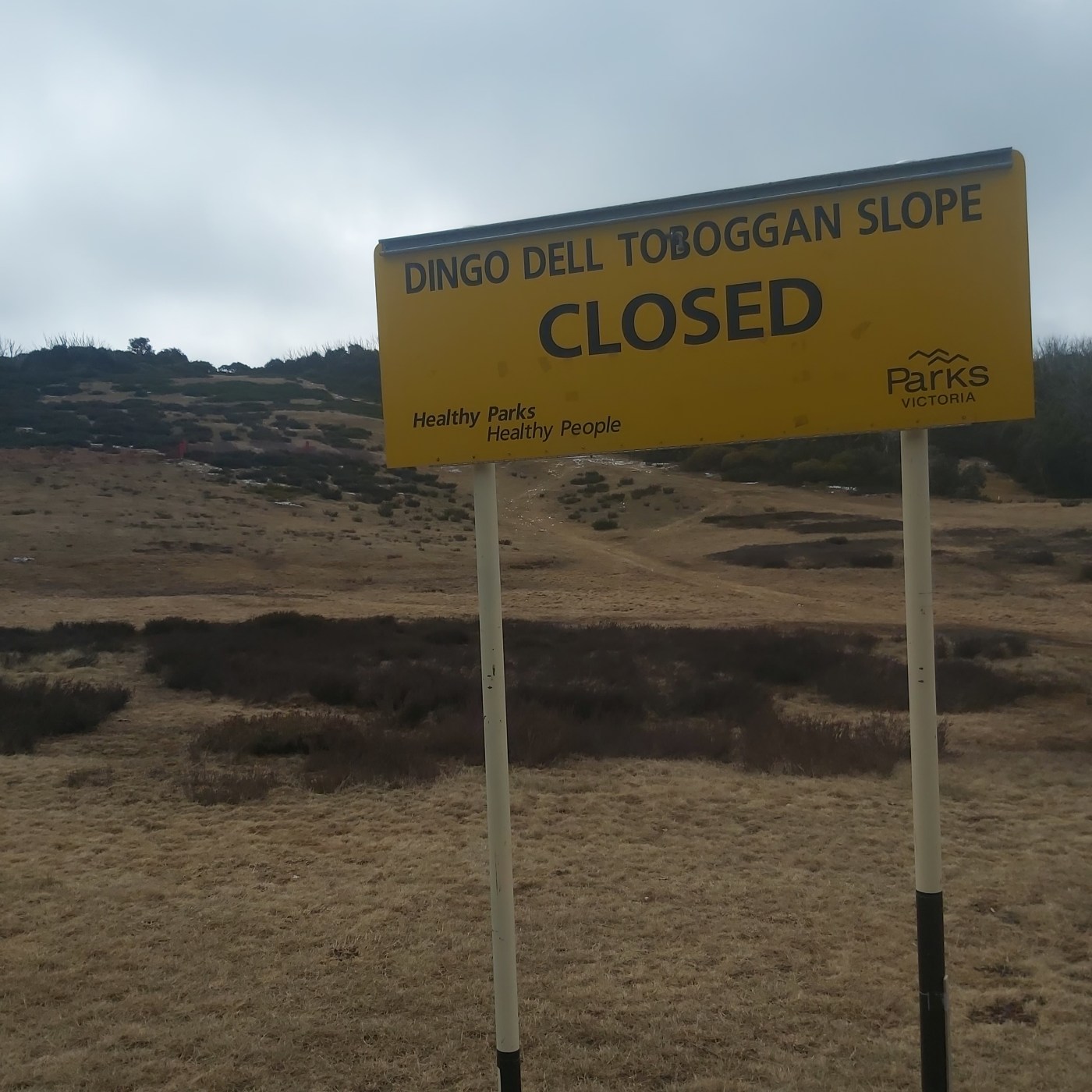
This is certainly being experienced this winter, where places like Tasmania and lower resorts like Mt Selwyn have had almost no snow.

Continue reading “Lower elevation resorts rapidly becoming non viable under climate change impacts”

This is what climate change looks like

Australia has always experienced erratic weather and climate extremes. But, as demonstrated in this cartoon from National Oceanic and Atmospheric Administration (NOAA), human induced climate change is now ‘super charging’ those natural cycles.

So, when we get an El Nino pattern, it is hotter and drier than it would have been otherwise. Same with the wetter conditions that come with a La Nina event.

Continue reading “This is what climate change looks like”

POW highlights threat to climate data

Anyone who is paying attention to the state of our winters knows that they are getting more erratic. Often they start later (it’s now a rare thing to ski on natural snow on opening weekend) and winter snow is subject to more rain events, with big impacts on snow pack. While our climatic patterns go through natural wetter and drier cycles, climate science tells us that these patterns will become more extreme, with less overall snow and shorter seasons over time.

While all resorts track snowfall, the benchmark of snowfall in Australia over time comes from Spencers Creek, at a site at 1,800 metres above sea level, in the Main Range of the Snowy Mountains.

The area is midway between Perisher Valley and Thredbo, and has been visited by weather observers every week during winter since the mid-1950s, when the Snowy Hydro scheme was being constructed. The information collected by Snowy Hydro provides our best snapshot of snow pack over time. Sadly the data shows that snowpack has been in decline since 1957.

Now Protect our Winters (POW) has discovered that the frequency of data collection at Spencers Creek has decreased in recent years.

Continue reading “POW highlights threat to climate data”

Treeline rising in the alpine zones due to climate change

If you are a regular reader of Mountain Journal, you will know that I bang on endlessly about climate change impacts on the mountains: more intense fire regimes impacting snow gums and alpine ash forests, declining snow pack, longer droughts and all the rest of it. I probably don’t spend enough time looking at what is happening in the true alpine zones above the tree line.

New research from Griffith University researchers outlines how alpine habitat is responding to climate change and bushfires.

Griffith Environmental Futures Institute Research Fellow Dr Brodie Verrall said the alpine area in the Main Range of the Snowy Mountains was mapped to observe and analyse the changes resulting from the warming climate between 1990 to 2000, 2010, and 2020.

“Ultimately, warmer temperatures, longer growing seasons, declining snow cover and variable precipitation regimes have resulted in the rapid expansion of the woody vegetation,” Dr Verrall said.

Continue reading “Treeline rising in the alpine zones due to climate change”

“Ecological collapse is likely to start sooner than previously expected”

The Guardian recently reported that ecological collapse is likely to start sooner than previously expected, according to a new study that models how tipping points can amplify and accelerate one another.

Based on these findings, the authors warn that more than a fifth of ecosystems worldwide, including the Amazon rainforest, are at risk of a catastrophic breakdown within a human lifetime.

“It could happen very soon,” said Prof Simon Willcock of Rothamsted Research, who co-led the study. “We could realistically be the last generation to see the Amazon.”

The research was published on Thursday in Nature Sustainability.

Here in Australia we are starting to witness tipping points, where specific ecosystems are being pushed beyond their capacity to recover from impacts like fire, then experiencing ecological collapse whereby an existing system – for instance an alpine ash forest – collapses and is replaced by something else (in the case of alpine ash it might be a mix of grass and shrubs).

Continue reading ““Ecological collapse is likely to start sooner than previously expected””

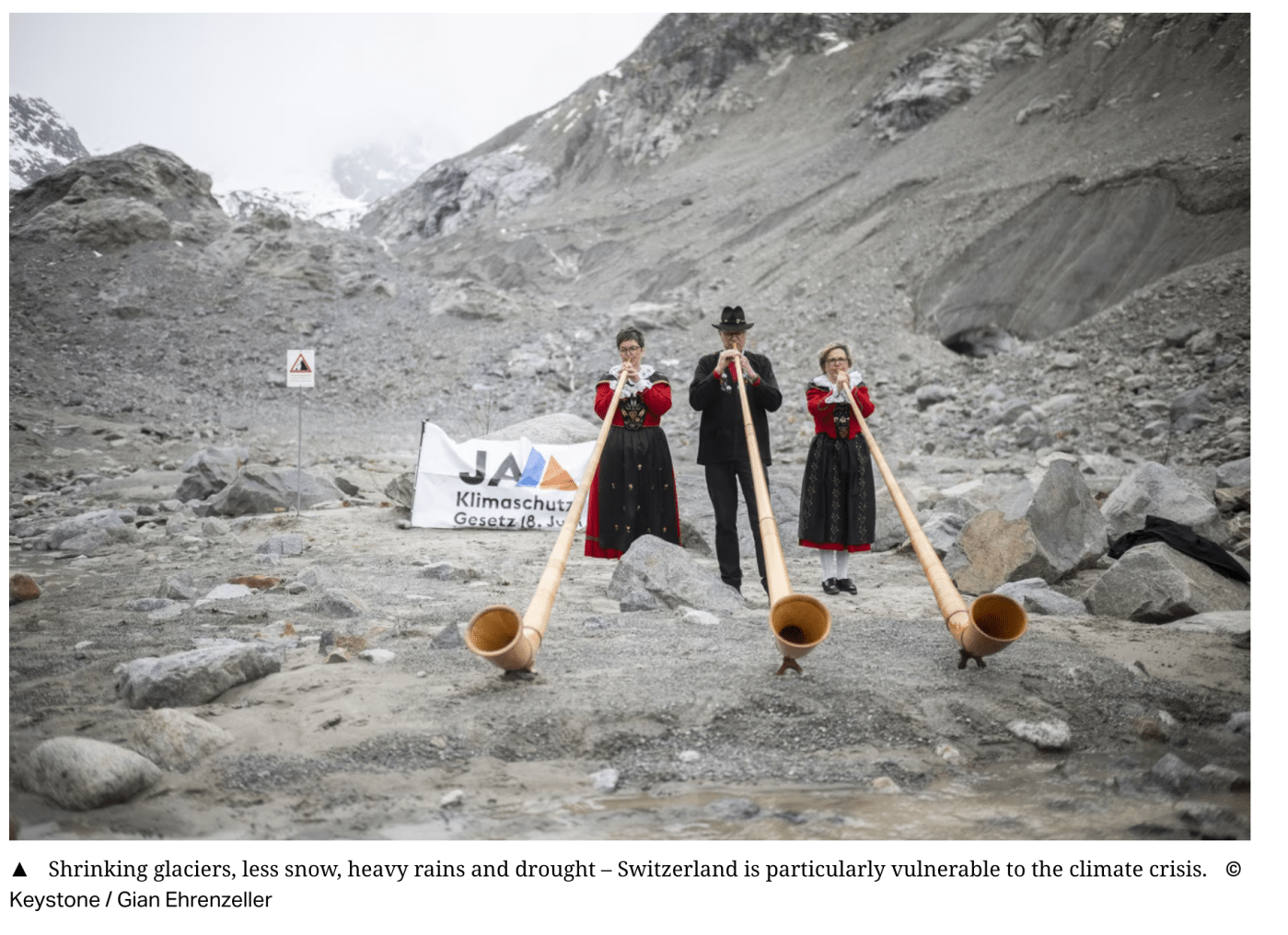
Swiss approve net-zero climate law

Switzerland’s famed mountains are at extreme risk from climate change. Just in the last week, a ‘huge chunk’ of the summit of Fluchthorn (also known as Piz Fenga) collapsed. The 3,399m mountain lies in the Silvretta Alps on the border between Austria and Switzerland. Thousands of tons of rock fell because of thawing permafrost.

Now, Swiss voters have backed a new law that seeks to accelerate the country’s shift from fossil fuels to renewable energies and reach zero emissions by 2050. In all, 59.1% of voters approved the government’s Climate and Innovation law.

Continue reading “Swiss approve net-zero climate law”

An end to logging in VIC: what does it mean for the forests of the high country?

As part of it’s state budget process for 2023/24, the Victorian government has announced that it will bring forward the shut down date for native forest logging across the state from 2030 to January 1, 2024. This is a huge development, and follows an intensification of environmental campaigning, a series of court cases that stopped logging in significant parts of the state, and a new environment minister following the re-election of the Andrews government in November 2022.

This means the state will be spared another six years of intensive logging and allow us to start the generations long work of restoring a landscape that has been deeply impacted by intensive logging and repeat fires in recent decades.

The full details on ‘what next’ – that is, how the shut down will be managed and what logging will occur before January 1 – are yet to be released. This is expected in coming weeks. There will also be an ‘expanded transition support package’ of $200 million ‘in support for workers and their families to transition away from native timber logging earlier than planned’.

Continue reading “An end to logging in VIC: what does it mean for the forests of the high country?”

Logging of fire damaged forests near Mt Pinnibar

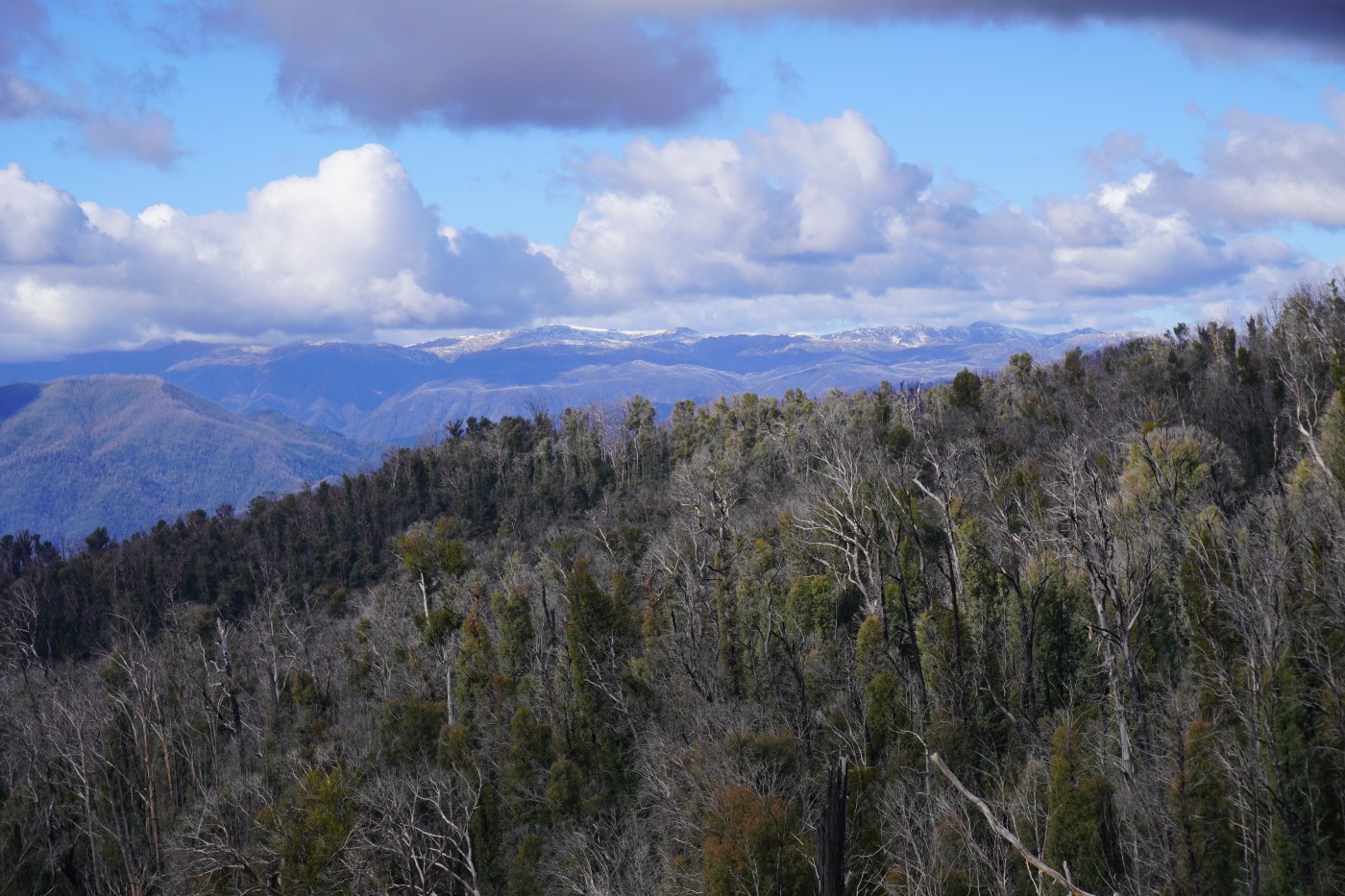
The Alpine Ash forests of north eastern Victoria have been devastated in recent decades. As was noted in a report from Erin Somerville for the ABC,

“Fires destroyed many of them in 2003.

Then in 2006 and 2007 they were hit by the Great Divide fires.

The Harrietville fire pounced in 2013.

Gippsland fires flared in 2017.

Then, Black Summer.

Onslaught after onslaught of fire — ghostly black and grey skeletons of thousands of ash trees still jut sharply from the steep north-east Victorian landscape”.

Despite the impacts and potential lose of these forests at a landscape level, logging continues in the area.

Continue reading “Logging of fire damaged forests near Mt Pinnibar”

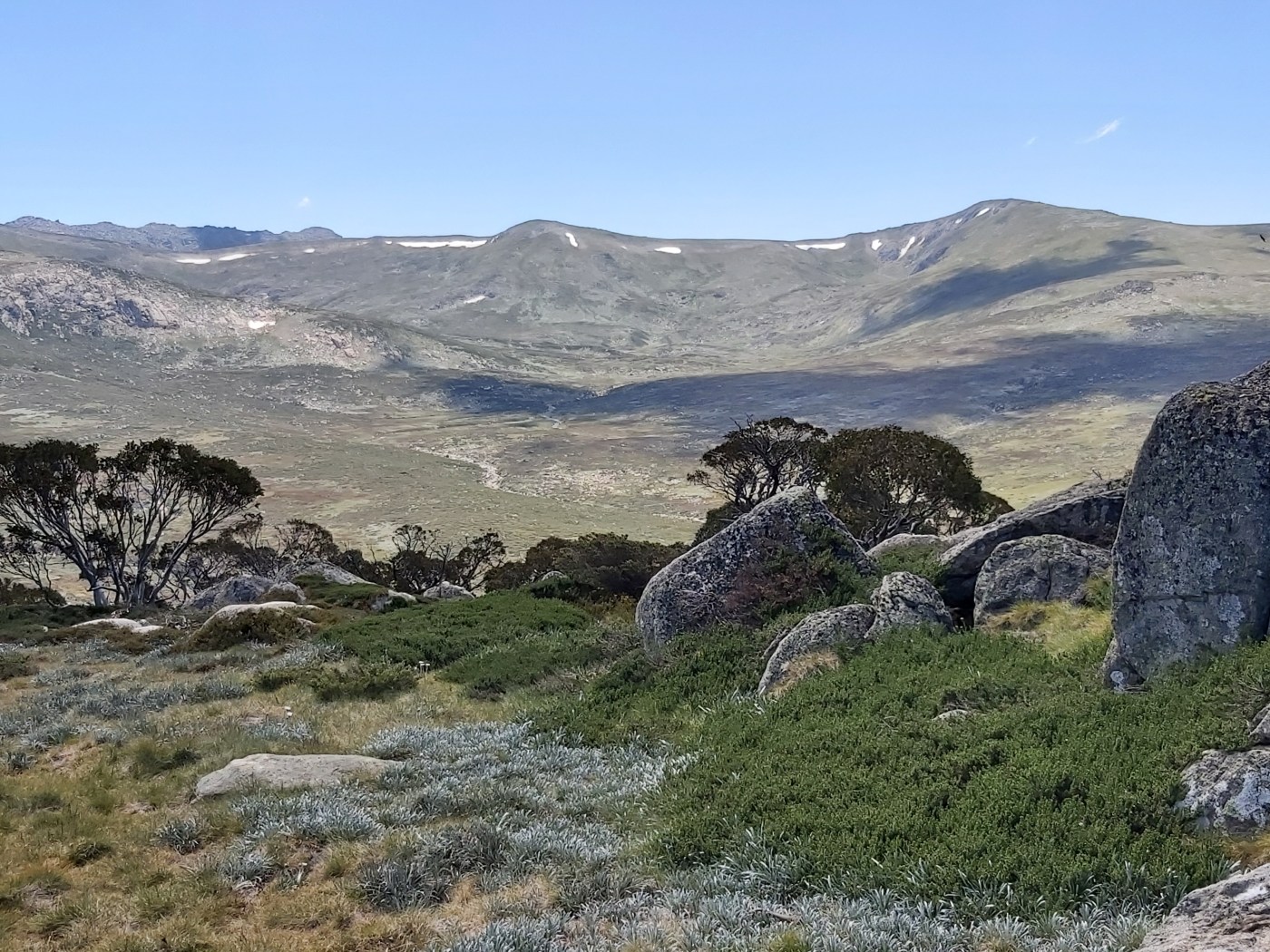
Snowy Mountains snowpatches survive summer for first time in a Quarter Century

As the Main Range sits under a lovely (and rapidly melting) May snowfall, new research into snowpatches provides an interesting result.

Once a common occurrence, the survival of three snowpatches, two on Mount Twynam and one on the Etheridge Range near Mount Kosciuszko was the first time snow had lasted winter to winter since 1997.

Continue reading “Snowy Mountains snowpatches survive summer for first time in a Quarter Century”

Blog at WordPress.com.

Up ↑