Search

Mountain Journal

Environment, news, culture from the Australian Alps

Tag

Dargo High Plains

Pristine catchment in VIC Alps to be logged

The state government logging agency, VicForests, intends to log a total of 11 “coupes”, or sections, of mature forest, much of it dominated by Alpine Ash, in the headwaters of the Little Dargo River. This area of state forest in north east Victoria  lies right next to the Alpine National Park. These coupes are located in a series of clusters, where separate sections of bush will be harvested, creating a large zone of cleared land over time.

This area is especially important because the upper catchment of the Little Dargo is in a pristine condition, without roads. It has not been burnt in recent decades, whereas much of the surrounding area has been devastated by repeat fires.

Continue reading “Pristine catchment in VIC Alps to be logged”
‘Citizen science’ field trip investigates loss of Snow Gums

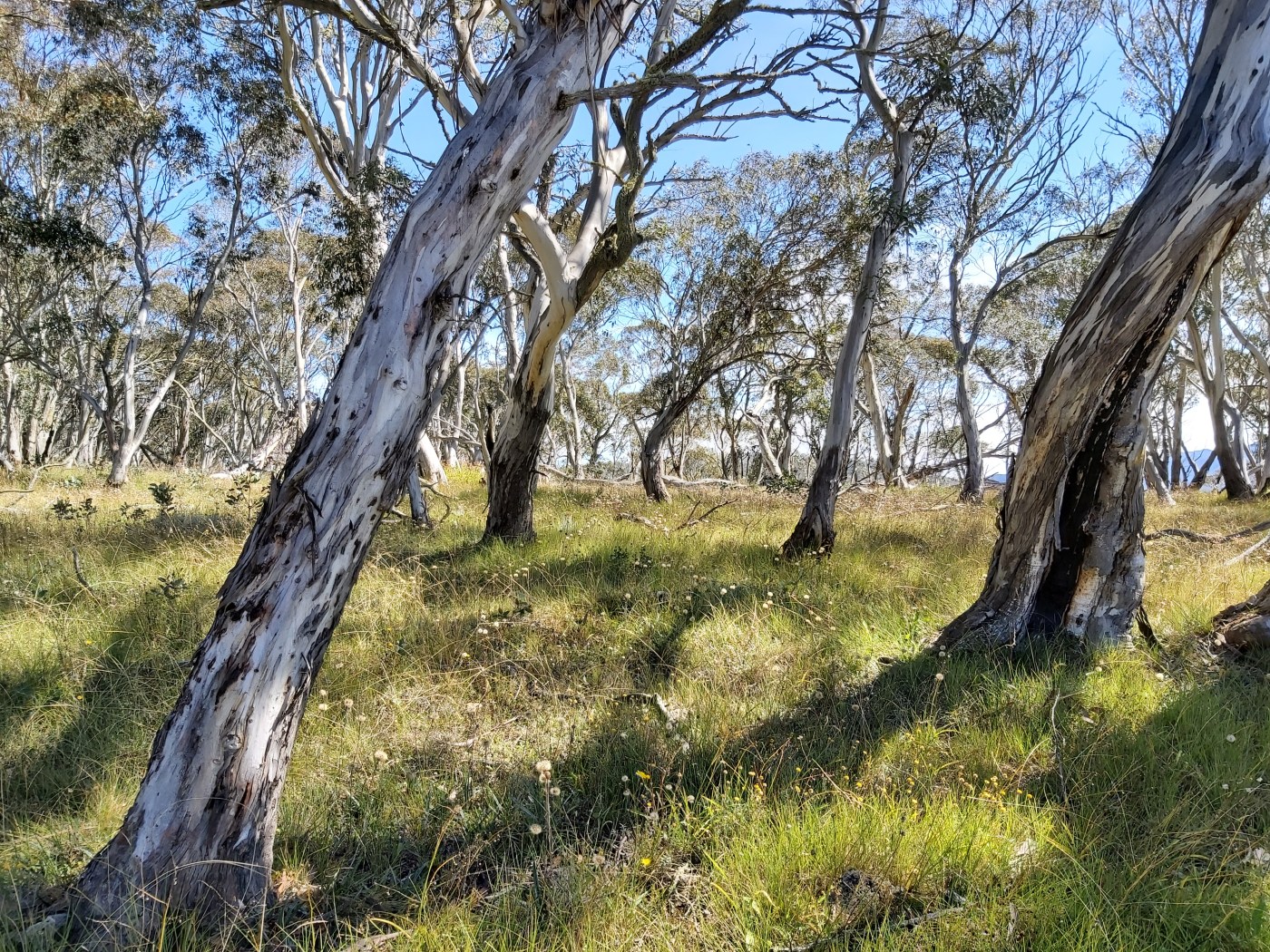
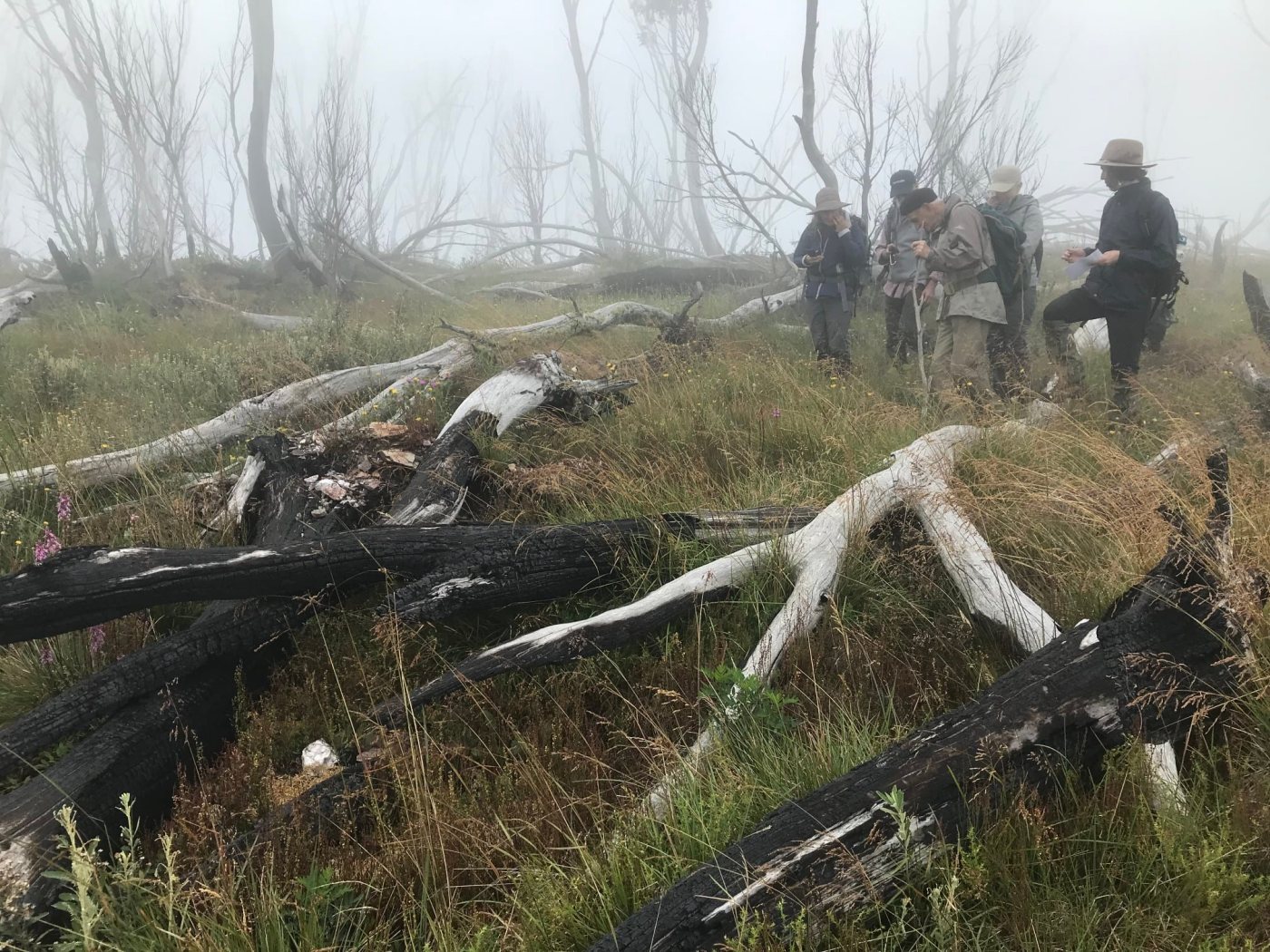
Friends of the Earth recently held its first citizen science fieldtrip to map areas of Snow Gum forests in the Victorian mountains. These forests are largely protected in national parks but are threatened by climate driven fire regimes and dieback, which is caused by a native beetle.

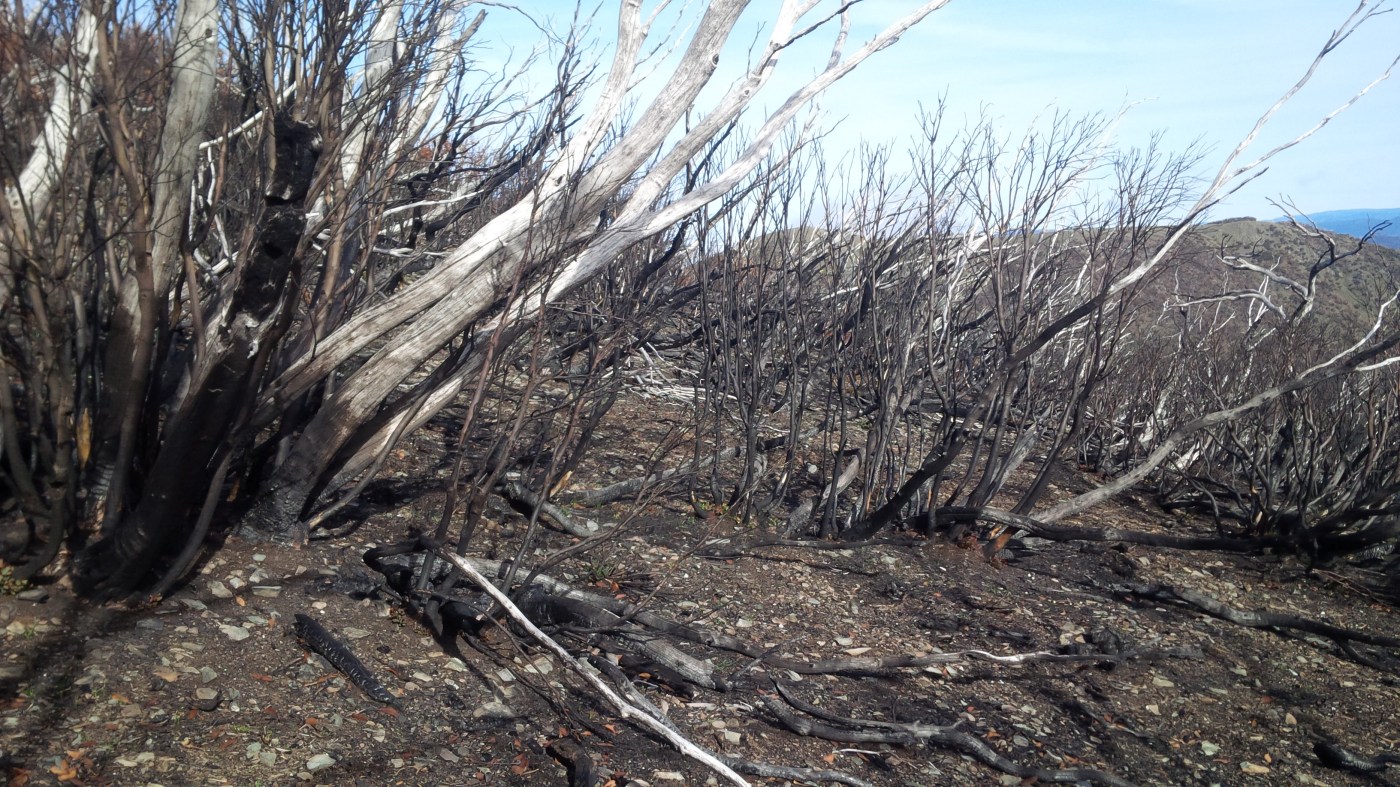
We checked sites on the northern end of the Dargo High Plains, which is roughly south of the Hotham ski resort. We visited areas that have been burnt multiple times in recent years. This has resulted in the death of many parent trees, and then loss of the seedlings and resprouting that happened after the first fire. We were pleased to see that, after two mild and wet summers, seedlings have finally started to grow in sections of these burnt forests.

While these forests will recover from fire, climate change is making fires more frequent and this is leading to local loss of Snow Gum woodlands.

Continue reading “‘Citizen science’ field trip investigates loss of Snow Gums”

The strange land of 12 Mile Hill

The Dargo High Plains, in Victoria’s High Country, and surrounding ranges are facing an onslaught of logging activity. It is well beyond the sealed road network and out of sight for most people. Lisa Roberts reports on a recent trip to this remote mountain country.

‘We watched the mist come out of the forest over the hill and race across the cleared smashed country and fall when it reached the trees on the other side. Up here, the trees call in the clouds and the clouds drop into the trees and this is where the water comes from’.

Continue reading “The strange land of 12 Mile Hill”

Snow Gum citizen science field trip – January 2022

Snow Gums face a massive threat from the spread of dieback which is caused by a native beetle – and also super charged by climate change, and localised collapse of snow gum woodlands due to more frequent fires.

Last winter Friends of the Earth (FoE) published An Icon at Risk, which considers the many threats to the mountains of north east Victoria (the report is available here).

FoE will be hosting a field trip to map impacts of fire over four days in January 2022 in the Mt Hotham region.

Continue reading “Snow Gum citizen science field trip – January 2022”

Citizen science project: tracking loss of Snow Gums

As we know, Snow Gums face a massive threat from the spread of dieback which is caused by a native beetle, but which is now being super charged by climate change.

There is another emerging issue: localised collapse of snow gum woodlands due to more frequent fires.

Friends of the Earth recently released a report called An Icon at Risk: current and emerging threats to the Victorian Alps (available here), which points out that climate driven fires are starting to lead to localised collapse of Snow Gum woodlands where regular fires have caused death of parent trees and seedlings.

These forests are fire adapted and can recover from fire. But the dilemma we face is that , since the turn of the 21st century, fires are becoming more frequent and pushing this vegetation community towards ecological collapse.

No one knows the scale of this problem.

That’s where you come in.

Continue reading “Citizen science project: tracking loss of Snow Gums”

Logging on the Dargo High Plains part of a much bigger problem

The state government logging agency, VicForests, intends to log a total of 11 “coupes”, or sections, of mature forest, dominated by Alpine Ash, in the headwaters of the Little Dargo River, an area of state forest that lies right next to the Alpine National Park. These coupes are located in a series of clusters, where separate sections of bush will be harvested, creating a large zone of cleared land over time. One coupe has already been logged. The remaining coupes have not yet been scheduled for harvesting, and are yet to be surveyed. There is still time to stop this ecological disaster – if we act now.

The Little Dargo is roughly 15 kilometres south of the Mt Hotham ski resort in the mountains of north eastern Victoria. Background on the logging can be found here.

Continue reading “Logging on the Dargo High Plains part of a much bigger problem”

Tracking Snow Gum decline

Alpine Ash is a quintessential tree of the higher foothill country of the Australian Alps. It is facing an existential threat from fire. It has had 84% of it’s range burnt since 2002. Fires have burnt 84% of the bioregion’s 355,727 hectares of alpine ash forest, with 65% burnt in 2002/03 in the north of the Alps, 30% burnt in 2006/2007 in the south, and a smaller area (2%) burnt in 2009. Four per cent of the forest area was burnt twice within five years. And last summer, additional areas were burnt in the east of the state. This has led to scientists warning that large sections of Alpine Ash forests are on the verge of collapse.

Snow gums are the classic alpine tree of the mainland, generally growing at heights between 1,300 and 1,800 metres asl. But wildfire has also been devastating large swathes of snow gum habitat, with significant fires in the Victorian High Country in 1998, 2002/3, 2006/7 and 2013. Much of Kosciuszko National Park was burnt in 2003. South Eastern Australia suffered from a drought that lasted more than a decade and this greatly increased the severity of the fires that have occurred since the turn of the 21st century. The result of the fires is that often the parent tree has been killed back to ground level, with subsequent re-shooting of leaves from lignotuber buds under the bark. In this way, individual trees can exist through various ‘lives’, often surviving multiple fires.

The Victorian government is now so concerned about the threat of fire on Alpine Ash communities that it has launched a seeding program to help the species survive.

As yet the government does not see the need to intervene in the same way with Snow Gums.

Continue reading “Tracking Snow Gum decline”

Bushfire recovery funds for alpine and valley communities

Ten projects in Indi (north eastern Victoria) have received funding through the federal governments Local Economic Recovery (LER) program for bushfire recovery.

Local Member for Indi, Helen Haines, says: ‘They will bring new jobs and attract tourism, and I’m so proud to see the hard work and initiative of our region recognised by this investment.

‘It is fantastic that the Alpine resorts have received $7 million for three transformational projects. The resorts were hit hard by the fires and then COVID-19, and yet inexplicably, the Government had initially excluded them from the bushfire recovery funding.

‘There is also great news for tourism in our region here. $5 million for the Great River Road, upgrades to the Alpine Hotel and Bright Velo will help position our region for a strong economic recovery, creating sustainable jobs by bringing tourists to our wonderful region’.

Continue reading “Bushfire recovery funds for alpine and valley communities”

Dargo High Plains subjected to intensive logging

The Dargo High Plains are a much loved part of the Victorian high country, with extensive open plains surrounded by eucalypt forests, much of which is dominated by Alpine Ash (Eucalyptus delegatensis). Alpine Ash is one of the iconic trees of the Victorian mountains, where it is widespread and often dominant in grassy or wet subalpine forests, in deep fertile soil, often on slopes, and where it commonly forms pure stands. In Victoria it occurs at altitudes between 900 and 1,500 m (3,000 and 4,900 ft). The high points of the Dargo High Plains sit roughly between 1,300 and 1,500 metres above sea level.

Only 0.47% of old growth Alpine Ash still exists in the forests of the Central Highlands. In the mountain ranges of north eastern Victoria and East Gippsland, old growth Ash is now rare, and ‘tens of thousands’ of hectares of forest are on the verge of ecological collapse.

Sections of the Plains have burnt several times in recent years, including the summer of 2018/19. Considerable sections of the Plains Ash forests have been logged in the past. Now, the state government has scheduled a number of logging coupes of long unburnt forest, which threatens to devastate the fringes of the high plains.

The logging program in the High Plains area appears to include roading through the Alpine National Park to access the coupes on the east side of the plateau.

Please scroll to the end of the story for updates.

Continue reading “Dargo High Plains subjected to intensive logging”

VIC fires burn more than 100,000 ha.

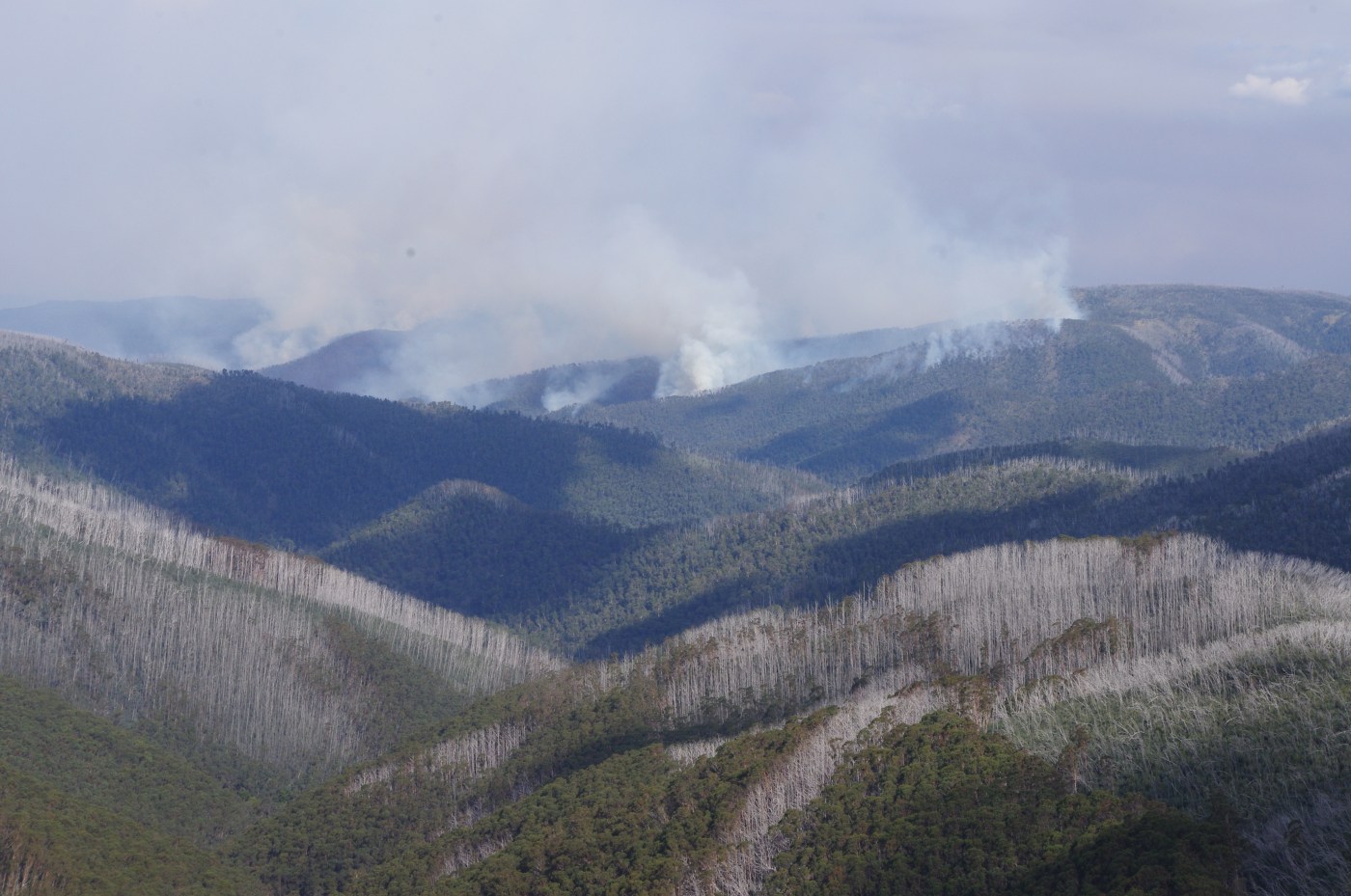
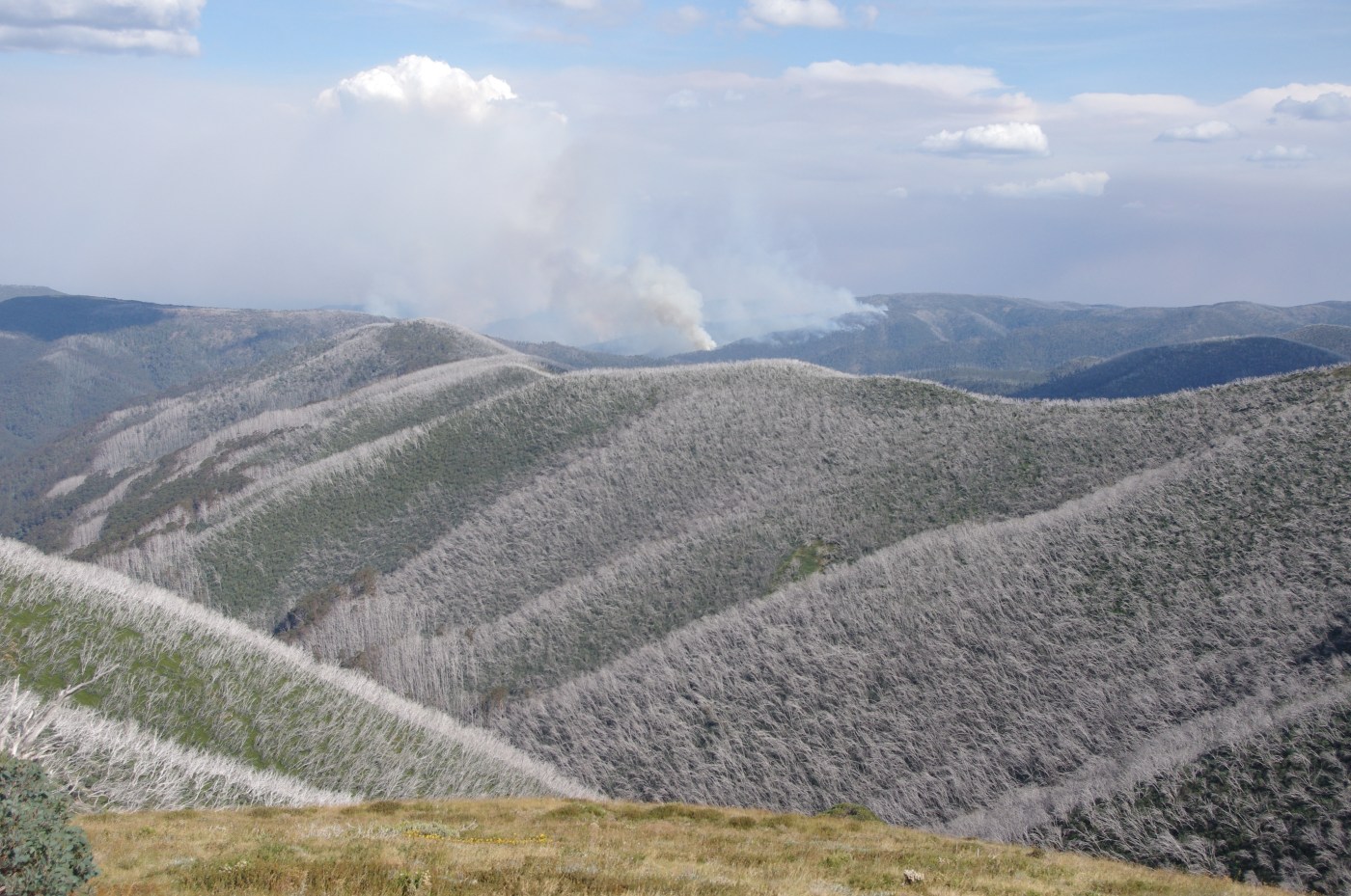
It’s been a hard summer for fires, both in Tasmania and the mainland mountains. In Victoria, more than 100,000 hectares were burnt in the high country, making it another season of ‘mega fire’ (these large fires are growing in frequency under the influence of climate change).

Here’s a quick look at the major areas that were burnt:

Continue reading “VIC fires burn more than 100,000 ha.”

Blog at WordPress.com.

Up ↑