Search

Mountain Journal

Environment, news, culture from the Australian Alps

Tag

endangered species

Alpine grazing. Don’t like the data? Hide it.

When I went through the paperwork attached to the state government’s proposal to put cattle back into the Alpine National Park, one of the things that struck me was the fact that there was no data from the field about possible threatened plants or animals that may be impacted by the proposal.

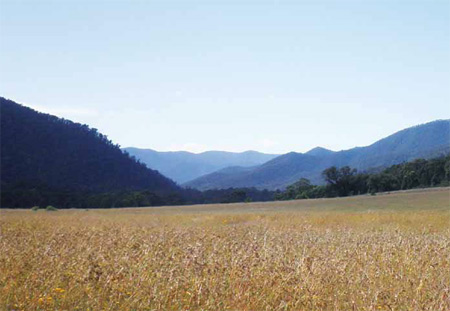
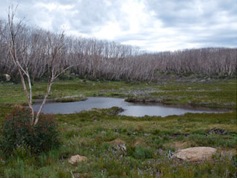
in the Wonnangatta, looking north

The Wonnangatta is not the easiest place to get to in Victoria. Yet the Environment Minister has visited there on at least two occasions. Clearly this project is important to the minister. So it would be reasonable to assume that he would have ensured that some staff were sent to the Valley to investigate possible impacts on endangered species.

Yet in their proposal, the government relies only on desk top data searches of federal government information. Given that the government was roundly criticised for its poorly framed research methodology last time they attempted to put cattle back into the park, you would think they would at least make an effort to make the scientific case more robust this time.

But now, according to The Age, this lack of firsthand data isn’t just because of sloppy project design. It would appear that the government has deliberately withheld key information.

Tom Arup has reported that

The state government has withheld from the Commonwealth a survey of rare and threatened plants of an area of the Alpine National Park earmarked for a cattle grazing trial.

It is believed scientists at the state’s biodiversity research body – the Arthur Rylah Institute – were asked to look for rare and threatened plants in different parts of the alpine park as part of research for the high country grazing project. Their results were outlined in an unreleased report from May 2012. But the survey was not included in a recent application by Victoria to the federal government for environmental approval of a grazing trial.

Instead an older desktop study – drawing on previously recorded data – was used to identify the extent of endangered species in the low-lying Wonnangatta Valley, where the latest trial is planned.

The unreleased 2012 plant survey found one nationally protected species of orchid known as pale golden moths and a small patch of endangered alpine bog and wetland in the valley. A large area of rare grassland and a rare plant known as spreading knawel were also found across the trial region.

The report suggests that fencing to protect the orchids, grassland and spreading knawel would be impractical and would not mitigate against the impacts of grazing.

No government is perfect. But deliberately withholding information in order to get an outcome you want is incredibly bad form. It begs the question: if this has happened in this case, how do we know it doesn’t happen routinely in attempts to introduce other aspects of environmental policy in Victoria?

Conservationists maintain stand at forest action

The following media release comes from Still Threatened, Still Wild, and marks the beginning of a summer of actions to protect remaining old growth forests.

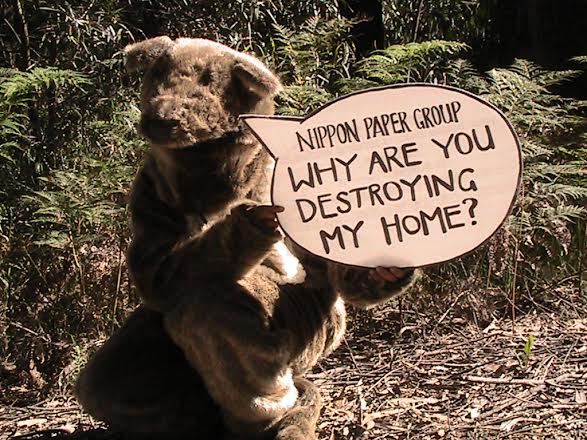
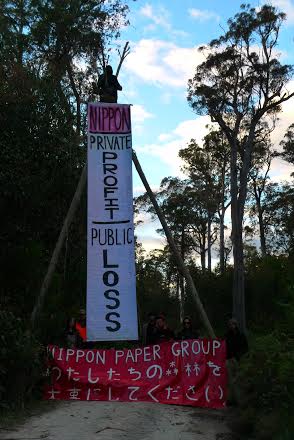
koalaToday’s protest action continues to stop logging operations in a stand of forest at Stony Creek, East Gippsland, Victoria. Two conservationists remain at the top of tripods, blocking the road at different access points to the logging zone. While one person remains 30 meters above the ground in a tree sit in the middle of the logging coupe. Around 40 others remain in the area.

Department of Environment and Primary Industries (DEPI) workers attended the site at around 11am. The DEPI workers then cut down trees in an area believed to be part of the Snowy River National Park, in an attempt to drive around a blockade tripod. Forestry workers are currently in the logging coupe, below the tree sit, assessing the situation.

nippon“Three conservationists are today putting themselves on the line, up tripods and tree sits, and risking arrest in order to halt the destruction of this stand of forest that is home to the endangered long footed potoroo” said David Caldwell of Goongerah Environment Centre (GECO).

“Continued funding from tax-payer dollars to this industry for the benefit of a few private companies, like Nippon Paper, should be of concern to all tax payers. Australia is not only losing millions of dollars to prop up this industry, we are also losing our irreplaceable native wildlife species” said Mr Caldwell.

“Today’s action has brought a national focus to the destruction of wildlife habitat that is occurring here in East Gippsland as well as forested landscapes around Australia. It comes the day after a court appeal was lost by My Environment which now allows the ongoing logging of endangered leadbeater possum habitat.” said Poppy King of Central Highlands Action Group (CHAG).

“These dedicated conservationists are committed to continuing today’s action as long as possible, in order to protect this precious forest from industrial scale logging. This is part of a nation-wide movement that will see ongoing actions across the country in a call for protection of our native forests” said Miranda Gibson of Still Wild Still Threatened.

For comment:

Miranda Gibson and David Caldwell

(03) 5154 0109

Law fails to guarantee protection for Victoria’s emblem

This release is from Healesville based MyEnvironment, about the outcome of the recent case seeking protection for the Leadbeaters Possum.

Law fails to guarantee protection for threatened species

IMG_2247_Version_2The Flora and Fauna Guarantee Act has never before been tested at the level of Appeal. By taking our case to Appeal we have given the law the best possible opportunity to show whether it can be effective in its stated purpose of GUARANTEEING the survival of unique native species.

In this, the law has failed.

This judgement gives the green light to ongoing destruction of Leadbeater’s Possum habitat in Toolangi State Forest at sites where we have photographic and video confirmation that the species is present. Obviously, this is a disappointing outcome for MyEnvironment but, more importantly, for Leadbeater’s Possum and all other species that rely on the protection of the Flora and Fauna Guarantee Act for their ongoing survival.

If the Flora and Fauna Guarantee Act is incapable of guaranteeing the protection of our state’s faunal emblem against a rapacious logging industry, we have to wonder what, if anything, does it protect?

We call on the state government to urgently review the Act to make it functional and effective in saving threatened species, including the Leadbeater’s Possum from extinction.

In the meantime, we call on VicForests and its contractors to demonstrate genuine commitment to their repeated protestations of concern for the survival of Leadbeater’s Possum by properly protecting all sites in logging coupes that contain known colonies of the species, including the three Toolangi coupes that were the subject of this case, where video and photographs of nesting and foraging animals have recently been obtained. Their conduct in coming days and weeks will be a public demonstration of their sincerity and decency.

We shall now take time to study the implications of the judgement for MyEnvironment, the group and its members, and to take advice on future action.

For quotes please call ; Steve Meacher 0447 330 863 or  Sarah Rees 0438 368 870

For background on the Toolangi forest issue, check here.

Wildlife survey uncovers alpine creatures in Victoria

The following excerts come from an article on the ABC website by Greg Muller about a recent survey in north eastern Victoria. The survey was a collaboration between Parks Victoria, Museum Victoria, community members and 4WD clubs. Check here for an earlier post about this survey.

Areas explored included the Upper Buchan River and Davies Plain.

A key message is at the end of the story: climate change poses a grave threat to many alpine and sub-alpine species.

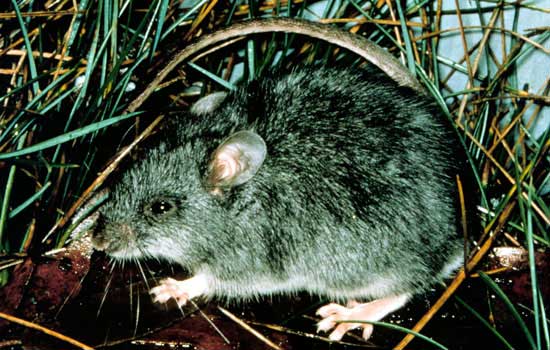
Smoky Mouse
Smoky Mouse

In a wild corner of north-east Victoria, more than 80 researchers have just spent two weeks counting and documenting rarely seen alpine wildlife.

The remoteness of the region means there is limited knowledge of the area—an issue Museum Victoria and Parks Victoria are now attempting to rectify.

‘There’s good news. We’re delighted we found alpine tree frogs because that’s one species vulnerable to a deadly fungus which has been attacking the frogs,

During the two-week bioscan, 21 species of reptiles were found, including the endangered Kosciusko Water Skink, Glossy Skink and the Mountain Skink.

Two listed species were found, the Broad Tooth Rat and the Smokey Mouse.

There were also two species of Antechinus (a small marsupial mouse indigenous to Australia) found, but at this time of year the population consisted only of females.

Roger Fenwick, the regional manager for Parks Victoria, was instrumental in organising the bioscan and worked to bring researchers, park rangers and locals together for the project.

‘No one group knows everything and it’s great to share the knowledge and get better results as land managers,’ said Mr Fenwick.

‘We invited four wheel drivers to be involved and this means the scientists can get on with doing their work, the Parks staff can concentrate on managing the program, and the four wheel drivers can get everyone around nice and safe.’

Museum Victoria’s senior curator of entomology, Dr Ken Walker documented 400 nests of native bees during the study.

‘What you find is a pile of dirt which looks like a chimney which goes down about 30 centimetres underground,’ he said.

Also at the bioscan was a member of the local indigenous community, Katherine Mullet, who was representing the Gunnai/Kurnai and Monero communities who used to occupy this area.

Ms Mullet was looking for cultural sites, including traditional walking routes, many of which are now 4WD and bushwalking tracks.

Dr Norman explained that climate change is a major threat to alpine wildlife species, which are already living at the edge of their environment.

‘The challenge worldwide with changing climate is if you are at the top of your limit or as far south as you can go, there’s nowhere else to go.’

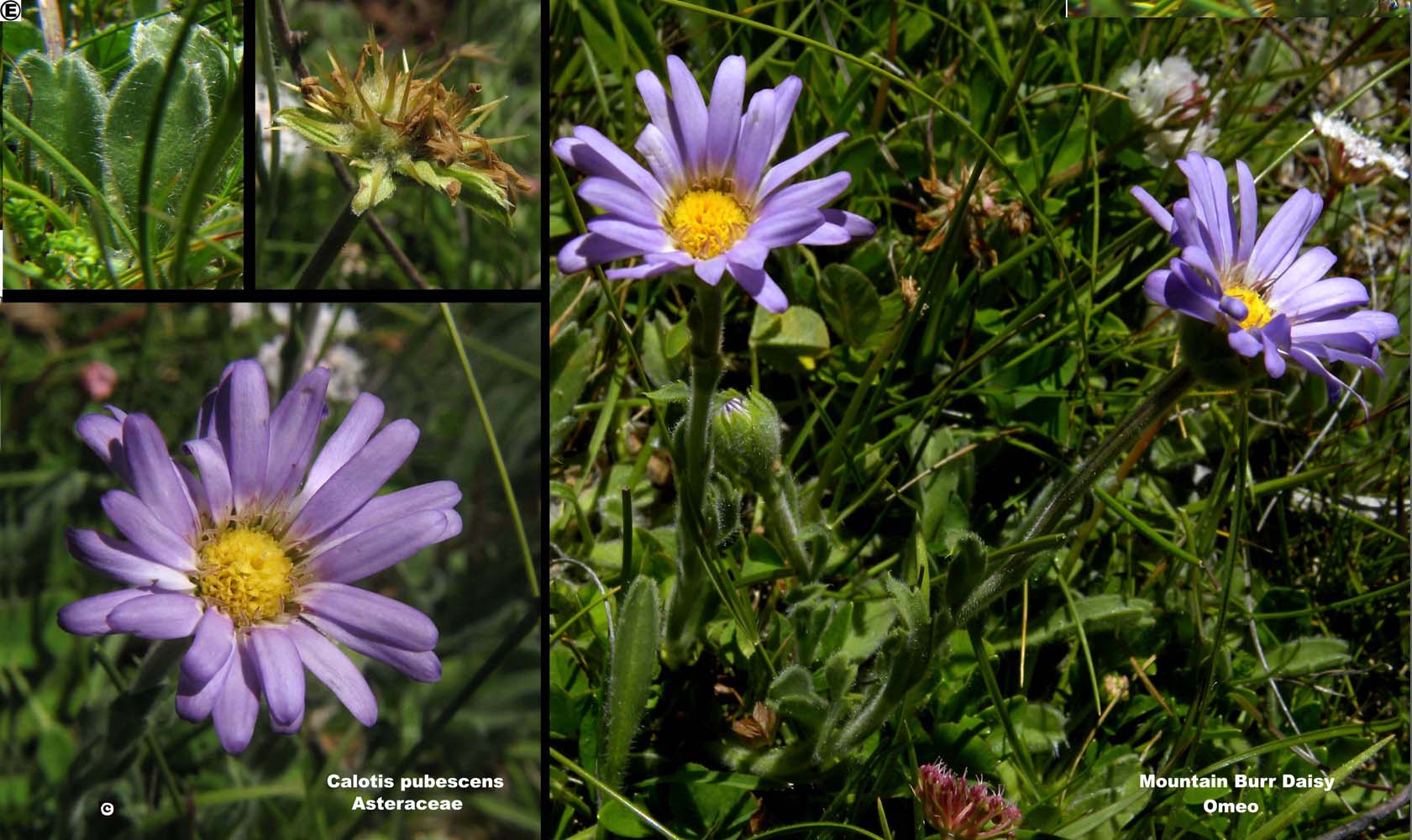
protection for endangered Mountain Burr Daisy?

Image: http://bie.ala.org.au/species/urn:lsid:biodiversity.org.au:apni.taxon:276201

The Mountain Burr Daisy (Calotis pubescens) was thought to be extinct until 2009, and is only found at one known location in Victoria, at Sugarmatt Plain, south of Cobungra. It has been recorded from the Nungar Plain, north of Adaminaby, in Kosciuszko National Park and the Snowy Plain at the headwaters of the Gungarlin River on private land and had long presumed to be extinct in Victoria.

It is a perennial forb (a herb that is not a grass or grasslike )that forms large, dense mats.

The remaining Victorian population at Sugarmatt Plain has an active threat from trampling and grazing by feral horses and cattle.

It has recently been recommended for listing under the Flora and Fauna Guarantee Act 1988 and the paperwork has now been sent to both the Minister for Environment and Climate Change and the Minister for Agriculture and Food Security, who will make a final decision on the matter. The ministers have 30 days to decide whether to list the plant under the Act, meaning there will be a decision by mid to late December 2013.

The Flora and Fauna Guarantee Act 1988 provides for the listing of taxa (genera, species, subspecies, varieties) and communities of flora and fauna which are threatened (the Threatened List), and potentially threatening processes (the Processes List).

Once the listing is approved, an Action Statement will be developed, covering a plan to protect the species in question.

Stay tuned for details.

Little Red Toolangi Treehouse – week 2

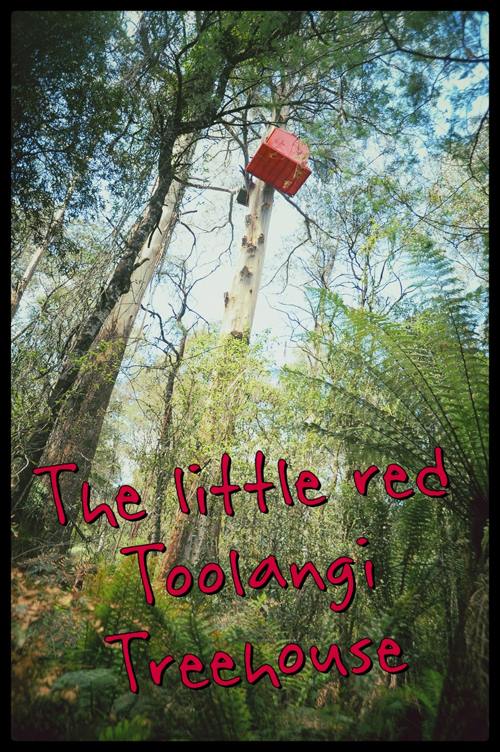
996033_684143504937992_1091510074_nOn sunday 10 November, 2013, a young activist called Hannah Patchett launched the beginning of what is intended to be a long term tree sit to highlight the immediate threats to the Leadbeaters Possum through continued destruction of its habitat.

Now in her second week of living in treesit, she has been getting some great media and good local support.

Background on the Toolangi forest campaign available here.

Stay in touch via facebook.

Read Hannah’s article in the Guardian here.

Alpine National Park to get survey for vulnerability

This information comes from the Great Walks website.

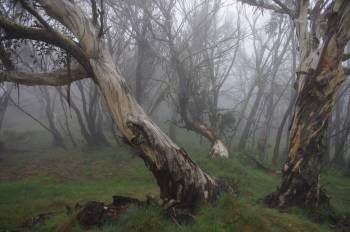
snow gums near Mt Lovick, VIC

The eastern edge of Victoria Alpine National Park is set to receive one of the most thorough surveys ever, involving palaeontologists, geologists and biologists beginning 18 November.

Parks Victoria, Museum Victoria and 4WD Victoria will cooperate to examine the wildlife in the area and gather information about how well certain species are inhabiting the alpine terrain of the park compared to some threatened populations in other areas of Victoria.

“We love exploring the bush and this project presented a unique opportunity for our volunteers to be used for the first time in a major fauna research survey,” Project and Events Manager of 4WD Victoria Wayne Hevey said.

“Many of the high altitude species in the highest parts of Victoria are the most vulnerable in the state,” Dr Mark Norman, Head of Sciences, Museum Victoria, said.

“Over 80 researchers will be seeking the signs, sounds and movements of these wonderful creatures. The data we collect will help establish the status of many of the area’s endangered species,” said Dr Norman.

This is the fifth Bioscan to be undertaken by Parks Victoria and Museum Victoria as part of a five-year program designed to study wildlife across Victoria’s national parks, from deserts to forests to underwater kelp reefs. The program commenced in 2011.

Results will be presented at programs with four local schools and students and local residents will be able to interact with the scientists who conducted the survey at a Friday night ‘Science at the Pub.’

long term tree-sit established in Toolangi forest

On sunday 10 November, 2013, a young activist called Hannah Patchett launched the beginning of what is intended to be a long term tree sit to highlight the immediate threats to the Leadbeaters Possum through continued destruction of its habitat.

969385_10151799133659001_829810885_nKeep up to date via the treehouse facebook page.

Check here for background information on this long running campaign.

Friends of the Earth – Media Release

Saturday 9 November 2013

Tomorrow at 12 noon Hannah Patchett will formally launch her time dwelling in Toolangi’s treetops.

The Little Red Toolangi Treehouse has been built 50 metres up into the canopy of an area of forest habitat for the critically endangered Leadbeater’s Possum.

“I’ve chosen to stay in the Little Red Toolangi Treehouse because I want to see real action taken to save the Leadbeater’s Possum from extinction,” says Hannah Patchett.

“Removing clearfell logging from these forests is the first step.”

Logging of the remaining unburnt forest area following the 2009 bush fires has become increasingly controversial, and the subject of extensive community opposition.

Today the Toolangi forest continues to be logged, mostly for pulp for paper.

Leading expert on the Leadbeater’s Possum, Professor David Lindenmayer, has called for an end to clearfell logging by the end of 2013.

“The Little Red Toolangi Treehouse is a vital and brave initiative to protect the Leadbeater’s Possum habitat that the Napthine state government continues to log against expert recommendations,” says spokesperson for Friends of the Earth, Lauren Caulfield.

“Friends of the Earth support Hannah’s efforts because like her, our organisation and our supporters want implementation of management changes our forests so desperately need,” says Lauren.

“As it stands current industrial scale clearfelling will see our wildlife emblem managed into extinction’,” says Lauren.

“Real and urgent action must be taken to protect the Leadbeater’s Possum and its forest habitat from logging.”

“Forestry Minister Peter Walsh and environment Minister Ryan Smith must ensure the new management recommendations laid out by Professor Lindenmayer are implemented if the Leadbeater’s Possum is to stand a chance,” concludes Lauren.

What: Launch of the Little Red Toolangi Treehouse
Photo opportunity: Little Red Toolangi Treehouse from the ground, or assisted ascend to tree platform
When: From 12 noon, Sunday 10 November
Where: Toolangi State Forest – contact Amelia Young for directions 0404 074 577

a proposal for the ‘Great Forest’ national park

Victoria’s Great Forest Experience – Melbourne’s New Playground

Baw Baw plateau
Baw Baw plateau

Just 60 kilometre’s East of Melbourne there grows some of the tallest tree’s on earth. In their high canopy a plethora of gliders, owls and the tiny Leadbeater’s Possum dwells. These forests have flourished along the great divide under rich rainfall patterns and provide most of Melbourne’s drinking water.  The forests been scientifically shown to be the most carbon rich forests on earth due to their cooler climate and epic growth heights.

The new Great Forest National Park is a proposal to create a two tiered park system for bush users and bush lovers alike that protects and maintains this important ecosystem function. The park stretches from the Kinglake National Park right through to the Baw Baw’s and to the North East up to Eildon. The park will host a range of activities such as bike riding, bushwalking, bird walking, 4wd driving, camping, zip line tours and more.

This proposal comes from Healesville Environment Watch, My Environment and Friends of Leadbeatters Possum.

Further details here.

Environmental protection laws under attack

Nothofagus, Mt Toorongo, VIC

Changes are afoot to dramatically wind back cornerstone federal environmental protection laws. Under these changes, State Governments would be given sweeping powers to assess and approve major development projects. If implemented, these changes would be a disaster for our nation’s environment and wildlife.

In 1999, the Howard Government introduced the Environment Protection and Biodiversity Conservation (EPBC) Act. It was meant to protect environmental areas and wildlife that were so important, and so at risk, that their existence was of national importance.

Since it was introduced, the EPBC Act has saved only a few wild places from mining and other development. Many thousands of developments have gone ahead.

Australia’s environment is now under unprecedented attack. Nine open cut mines are planned for Tasmania’s pristine Tarkine forests. The Broome community are battling the construction of a massive gas hub at James Price Point that would mark the beginning of the industrialisation of the Kimberley . The Great Barrier Reef is becoming a coal and gas highway, and could lose its World Heritage status.

The State of the Environment Report 2011 paints a grim picture. More and more endangered species are moving closer to extinction, and we are losing our precious places.

40 years backwards

This is the most serious attack on environmental protection in over 40 years. It doesn’t take much imagination to see what the environmental implications of state decision-making would look like for our environment. In Queensland, Premier Campbell Newman has opposed any delays to coal projects, saying that Queensland is “in the business of coal”.

In Western Australia, four out of five Environmental Protection Authority decision-makers on the proposed James Price Point gas hub had to disqualify themselves because of conflicts of interest; the single remaining member, unsurprisingly, approved the proposal.

In Victoria, intervention by Federal Environment Minister Tony Burke was required to stop Premier Baillieu from overturning the previous government’s ban on alpine grazing, to reintroduce cattle into national parks under the guise of a ‘grazing trial’ that was likened to ‘scientific whaling’. Meanwhile, the New South Wales Government has changed laws to permit private hunters to shoot in national parks and allow fishing in critical grey nurse shark habitat.

The major environmental victories of past decades have largely been won by the Federal Government overturning bad development decisions by state governments. Without strong federal laws, the Franklin River would be dammed, the Great Barrier Reef would have oil rigs and Fraser Island would be a sand mine.

Yet later this year, the Council of Australian Governments (COAG) meets to agree to the framework for handing over of approval powers to the states. Decisions about renewing Regional Forest Agreements could be made at any time.

We need decision-makers to hear our voices now. Friends of the Earth is mounting a campaign − ‘Nature: Not Negotiable’ − to prevent the gutting of federal environment laws and to strengthen the federal government’s role in protecting the natural environment.

This campaign includes mobilising around the upcoming COAG meeting, organising with local campaigns, lobbying and community campaigning.

For more information on this work or to get involved, please email lauren.caulfield@foe.org.au

You can also find us on Twitter @naturenotneg or on Facebook at ‘Nature: Not Negotiable’.

Please support our campaign to ensure these powers are not undermined.

Info on the campaign is available here.

Our petition is available here.

‘How distance made the possums grow fonder’

This article comes from The Age, journalist is Bridie Smith, April 19, 2012

Mountain Pygmy-possum (Burramys parvus). Source: Department of the Environment and Heritage

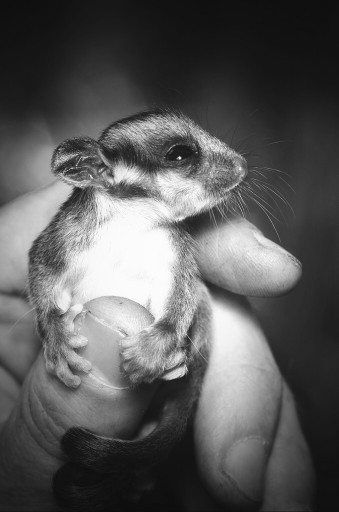
POSSUM Researchers have intervened in an emergency move to deepen the gene pool of one of Australia’s rarest marsupials, the threatened Mountain Pygmy-possum. Studies showed as few as two or three males from the isolated Mt Buller population were successfully mating with females each year, contributing further to genetic depletion of the threatened species.

However scientists from the DSE and Melb Uni have combined to ‘genetically rescue’ the Mt Buller population by removing six males from Mt Hotham and introducing them to the females on Mt Buller.

They have since tested the results of this intervention – and this year found that half the offspring are hybrids (Dad from Mt Hotham, Mum from Mt Buller). It’s good news, as the hybrids are genetically more robust than pure Mt Buller animals.

The full story is here.

Climate Change and the Ski Industry – an Australian perspective

Mt Loch, VIC

This article was written by David Bain orignally published as the first of the Global Snapshot series, bi-weekly essays written by Protect Our Winters (POW) supporters, which give their local perspective of climate change.

The home of our snow industry is a unique and highly specialised sensitive alpine environment. So sensitive is much of our alpine environment that motorised vehicles of any kind are basically not allowed outside of the resort boundaries.

This environment is unique partly as a result of the old age of the mountains and lack of mountain building, being in the middle of a continental plate. Only minor glacial activity has occurred, being last present between 10,000 and 30,000 years ago. The total area of the true alpine environment (above the tree line) is small, approximately only 770 km2, which is found as a series of ‘islands’ on top of mountains within a sub-alpine ‘sea’. In the order of some 6,500 km2 of alpine and sub-alpine areas annually receives some snowfall. Our endemic alpine species have largely evolved in isolation from other continents and often on isolated mountain tops only tens of kilometres apart.

The essay is available here.

Blog at WordPress.com.

Up ↑