Search

Mountain Journal

Environment, news, culture from the Australian Alps

Tag

fire

Are Errinundra’s rainforests now burning?

The fires across East Gippsland this summer have had devastating impacts on land and forests, waterways and native species, local economies and people’s lives and properties.

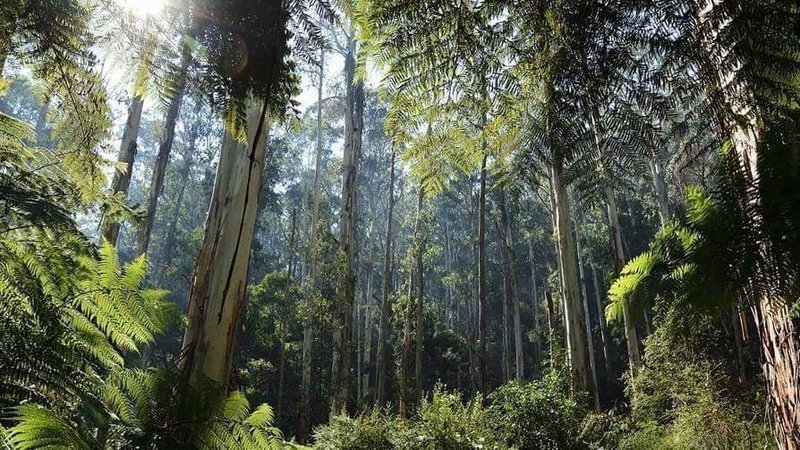
One glimmer of good news has been the fact that many of the cool temperate rainforest strong holds have been spared from much of the fire. Most of the famed Kuark forest has not burnt (or has possibly been ‘burnt lightly’ according to reports from the field), and the Errinundra Plateau has been spared any major fires. It appears that the Goolengook rainforest has been partially burnt. (Extra info here).

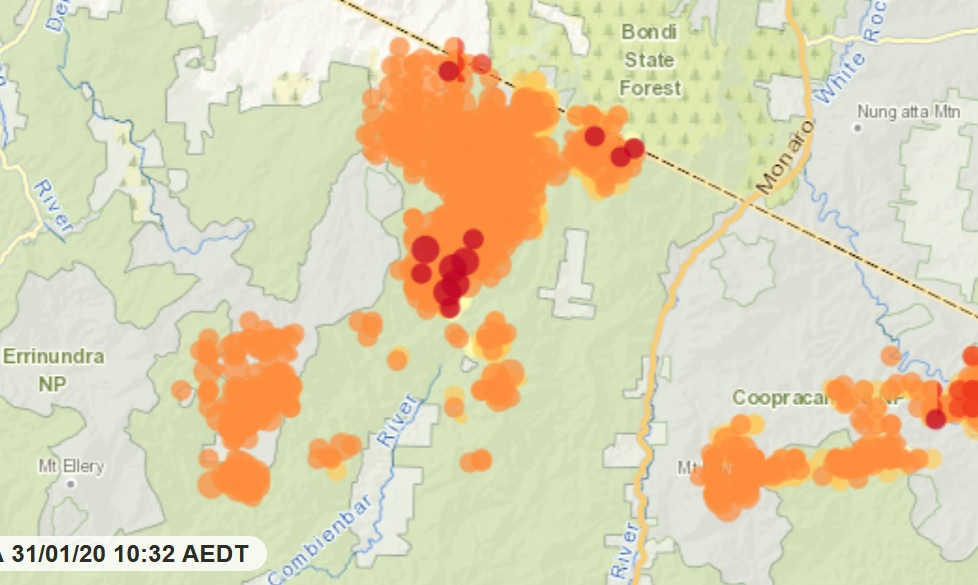
But now there are reports that back burning operations were carried out several days ago between the VIC/NSW border and the Errinundra Plateau, in order to save the Bondi pine plantations in southern NSW. Yesterday (JAN 30) in the 40 degree heat, the fires from these spotted across the Coast Range Road into the most valuable area of the Errinundra national park. The scale of these fires is not yet known.

We will update as additional information comes to hand.

[With thanks to Jill Redwood for this information]

Continue reading “Are Errinundra’s rainforests now burning?”

Fires and snow gums. To keep these forests we need less fire.

Fires are still burning out of control across much of the Australian High Country. Yet we are already well into the blame game, where some people and groups are blaming environmental activists and/ or The Greens party for ‘stopping’ fuel reduction burning and hence making the fires worse. While this is not true, this resonates with certain anti green and conservative demographics (check here for an alternative view of the conversation).

There is no doubt that fuel reduction burning has a role to play in how we manage forests and other landscapes. The problem is that it is often seen as a ‘one size fits all’ tool that will reduce fire intensity in all environments. But in reality, it works well in some ecosystems and is counter productive in others. This is a subtlety that is lost on the ‘fuel reduction is the answer’ boosters.

The argument that we need to increase fuel reduction burns in snow gum and true alpine environments is already caught up in the broader land management debate, and will continue in the coming months. So it’s worth taking a good look at what science says about the value of fuel reduction in our high mountain areas.

Continue reading “Fires and snow gums. To keep these forests we need less fire.”

What are the ecological costs of this summer’s fires?

In late November, fires started in East Gippsland as a result of lightning strikes. As noted by Peter Gardner, these went on to become major blazes. On new year’s eve, lightning storms started fires across the Victorian mountains and fire season came to the Alps with a vengeance.

Since then, huge areas of the Victorian Alps and Snowy Mountains have burnt. As at January 14, many of these are still going and, of course, the key priority is containing them.

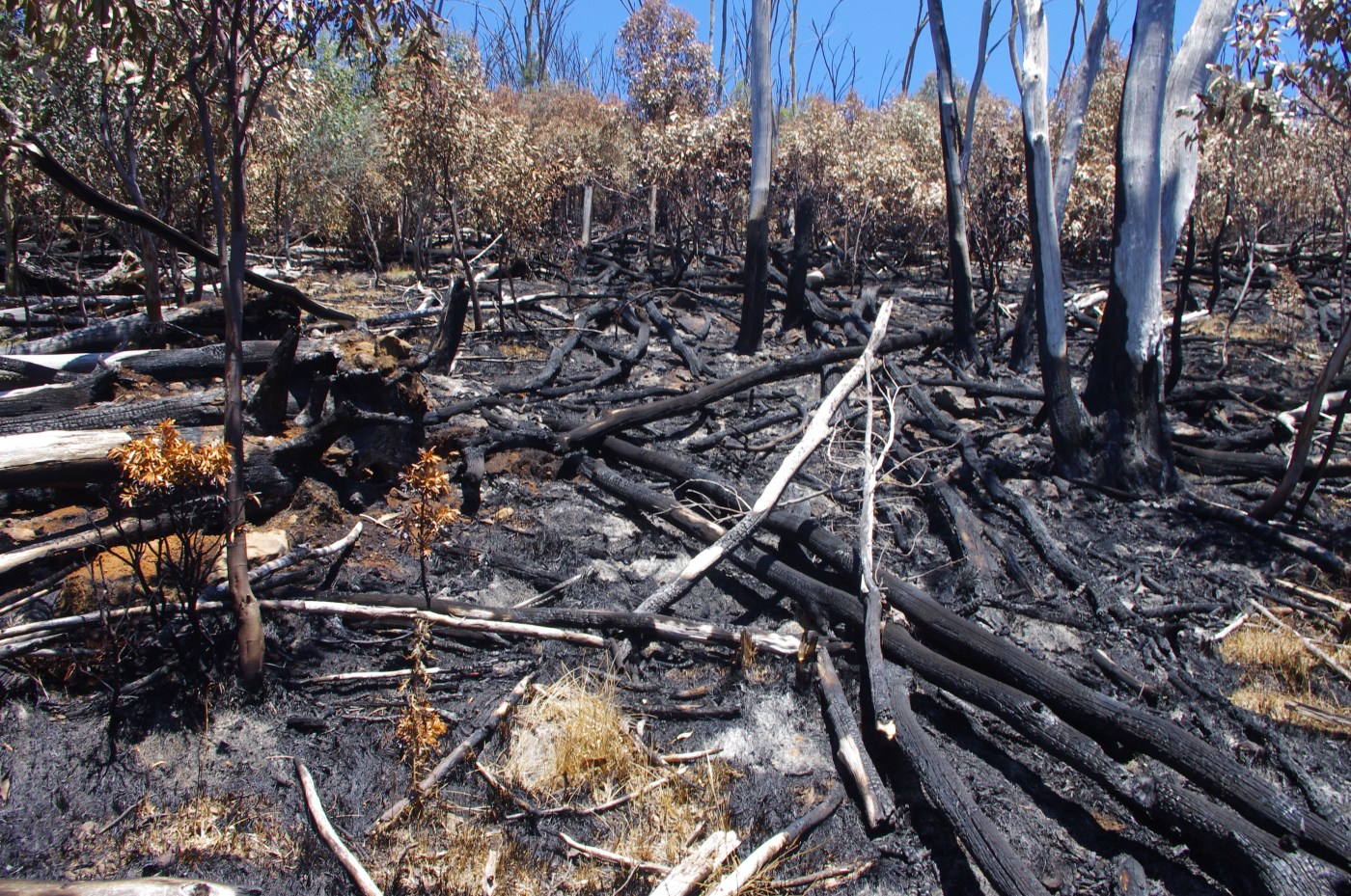
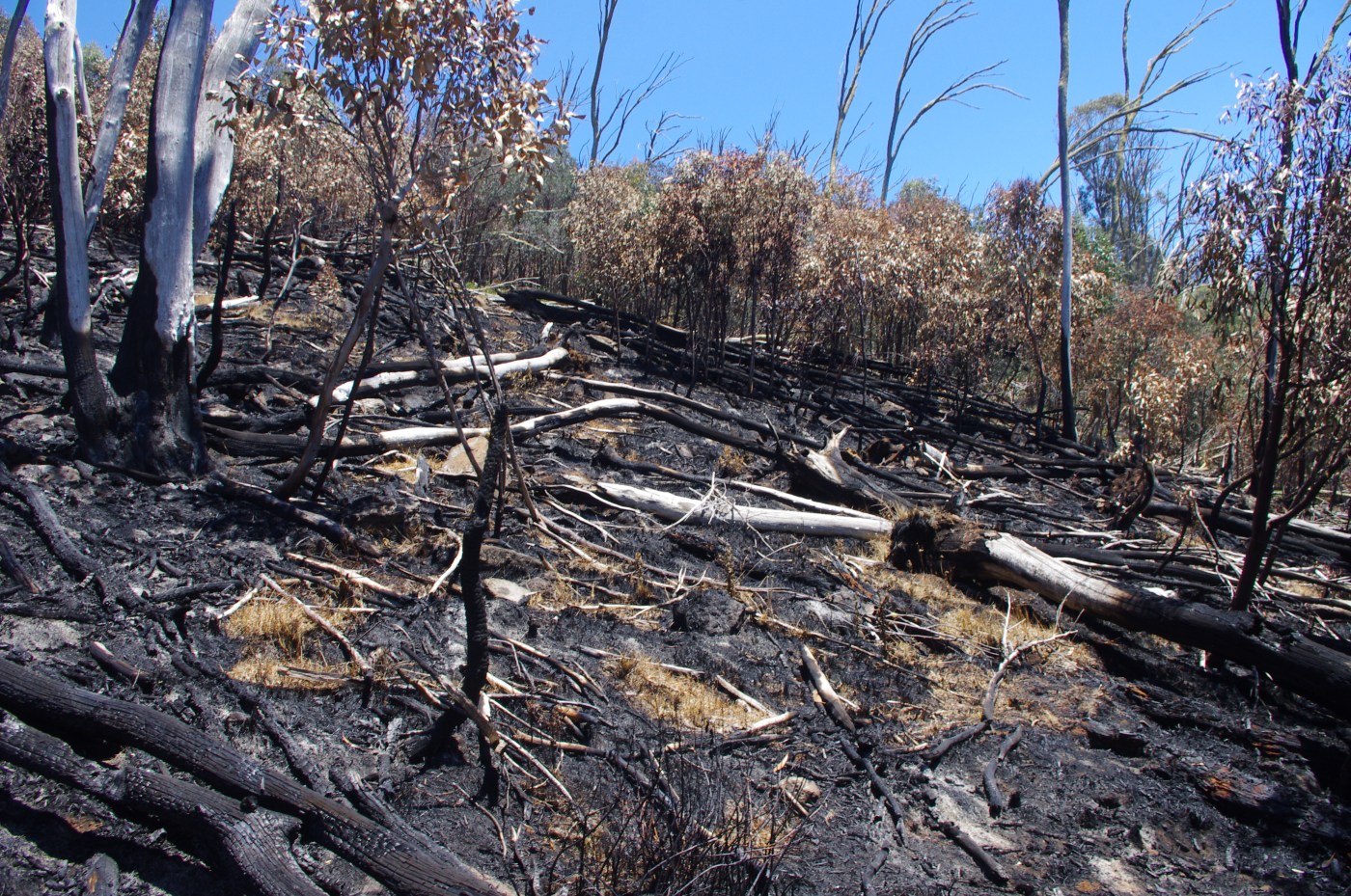
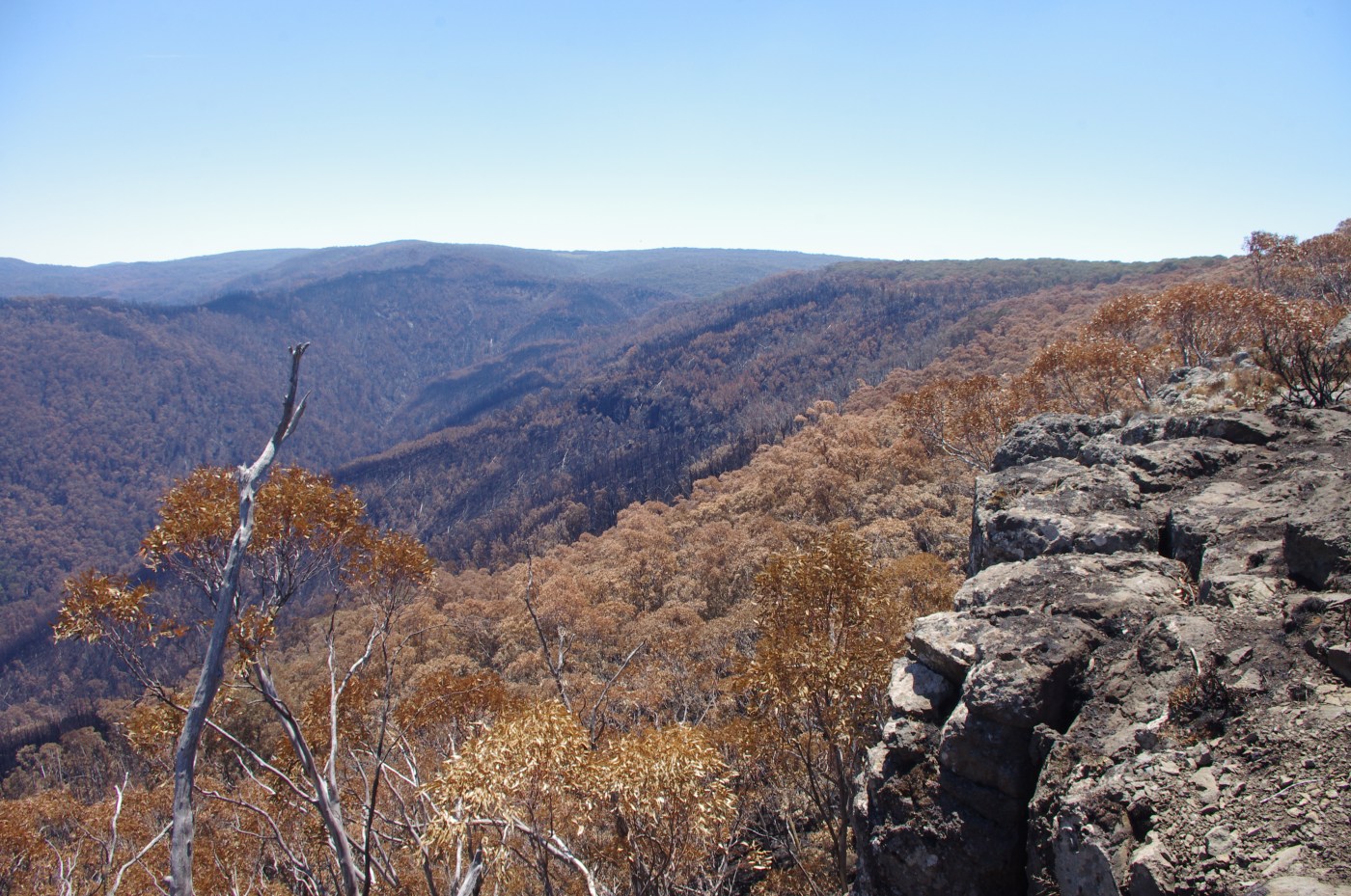
But once it’s all over, we will need to count the ecological cost of these fires. Some areas in the Alps have now burnt three times in about 15 years. There is no doubt that longer fire seasons, driven by climate change, are already impacting on mountain and foothill environments.

The short answer at this stage is that we just don’t know what the full ecological impacts of these fires will be.

The following is a fairly random collection of reports on local impacts of the fires on mountain areas. It focuses on ecological values and impacts. Of course, this does not mean that human and economic impacts don’t matter. The narrow focus here is simply to try and share some information about what the impacts will be on natural systems, as the other stories are already being told widely in mainstream media. It will be added to as areas are re-opened to the public. I would welcome your reports for inclusion: please email text and stories to cam.walker@foe.org.au

Continue reading “What are the ecological costs of this summer’s fires?”

Big fire day across the mountains

[WED Jan 1UPDATE: I am away with the CFA at present and not in a position to update this page until further notice so please don’t rely on it for updates – please check the relevant government agency websites which you will find if you scroll down. Thanks]

There are some links on how to support recovery and emergency efforts available here.

And I’m still doing some updates on the Mountain Journal facebook page, mostly around park and road closures.

[Monday December 30 2019]

Here we go. We have a long, hot, scary day ahead of us, with extreme fire risk across all mountain areas.

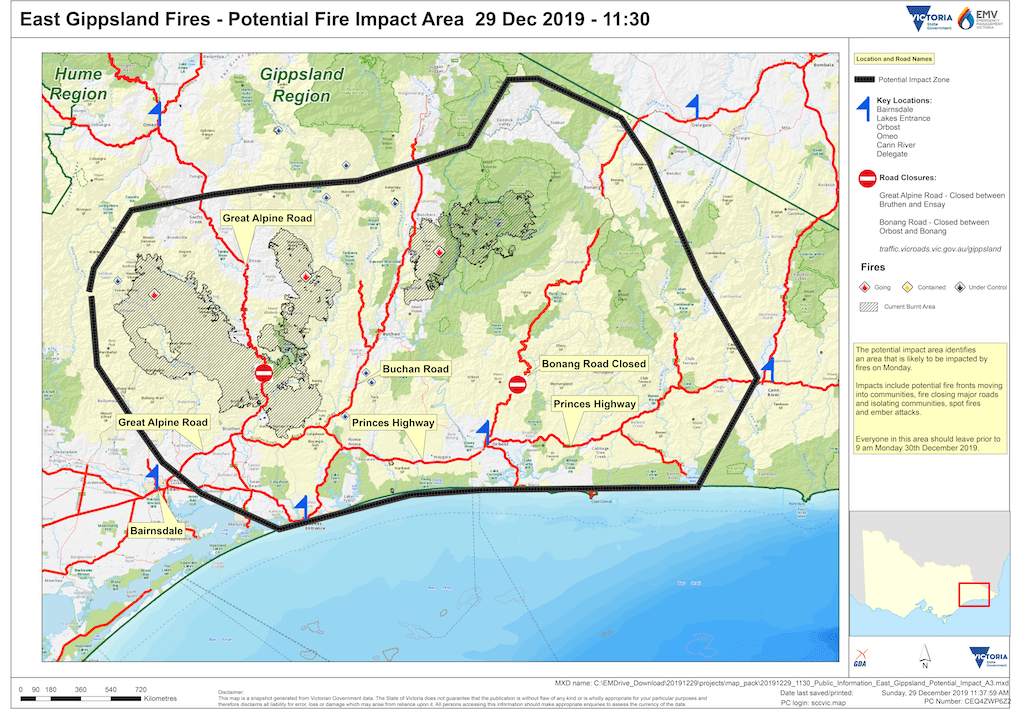
In Victoria, authorities are calling on all people in East Gippsland (east of Bairnsdale) to leave the area, in case the Princes Highway needs to be closed. Mountain communities like Goongerah are at imminent risk of being hit by fires. The W Tree Yalmy fire is still not yet under control, nor is the Ensay Ferntree fire. Firefighters and aircraft are responding to four new fires north-west of Gelantipy which were started by dry lightning earlier his morning.

In NSW there has already been at least one small fire started by dry lightning in the Snowy Mountains (it is under control).

In Tasmania, today is a Day of Total Fire Ban, but authorities warn that tomorrow could be even worse, and that people in bushland areas should consider leaving for urban areas.

Continue reading “Big fire day across the mountains”

Wildfires in remote Tasmania

It’s been an absolutely brutal fire season around the country, and we are not even into full summer yet. Among the horror list of lost lives, homes and other infrastructure, millions of animals killed, damage to water catchments and farmland, there has also been devastating impacts on wild places.

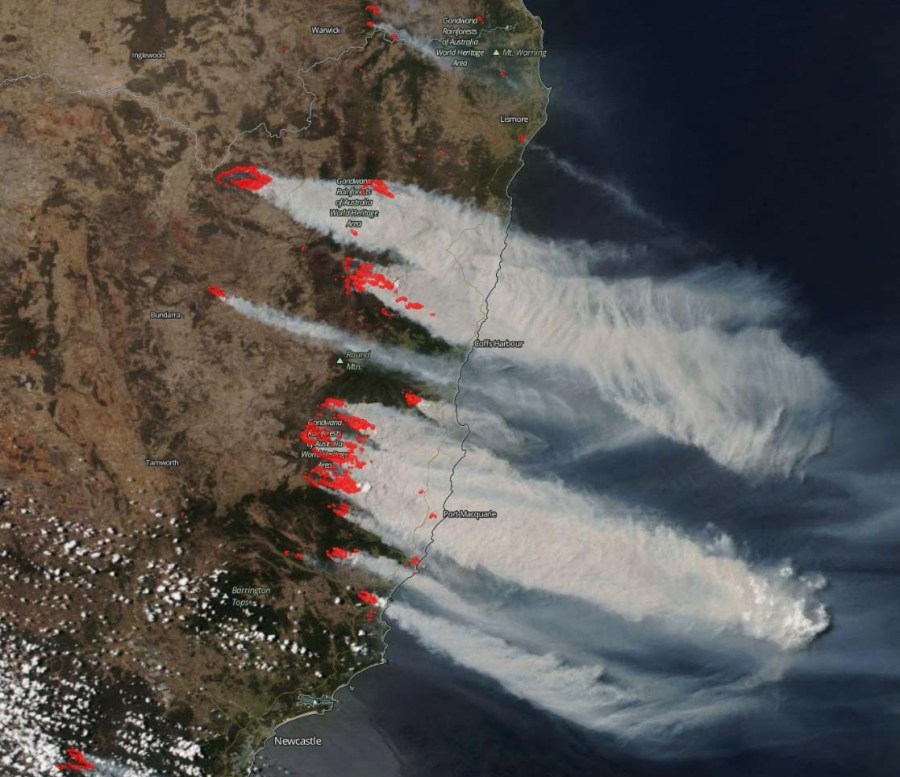
Rainforest that ‘is not meant to burn’ has been on fire in northern NSW and QLD, the World Heritage listed Blue Mountains have been hammered, the Budawang Ranges in NSW have been badly burnt, and there are enormous and ‘not yet under control’ fires in the mountain foothills of East Gippsland.

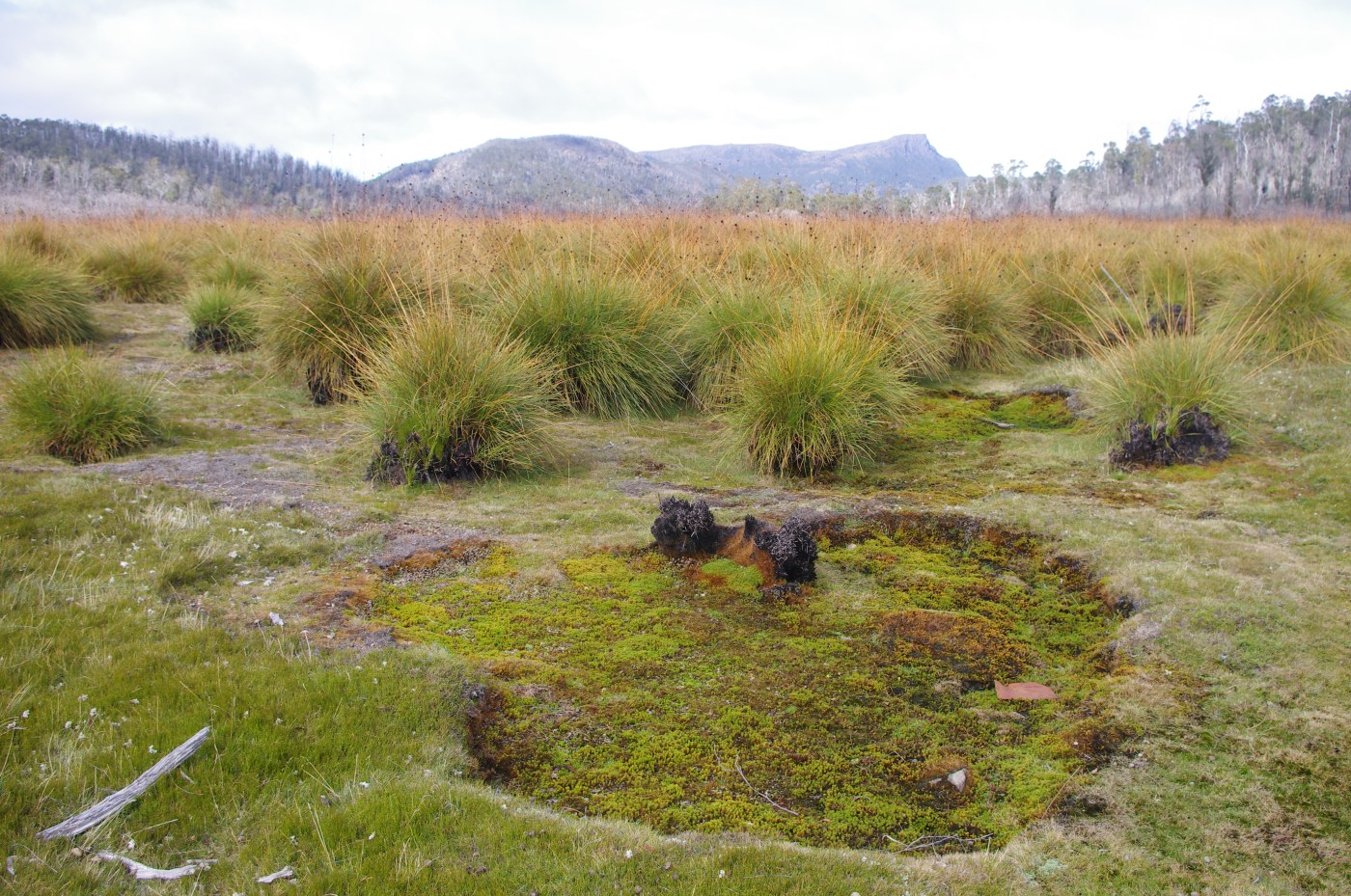
While there were devastating fires in Tasmania last summer, so far, the mountains in that state have been spared fires. Perhaps the situation is now changing, with four fires in remote areas recently started through lightning strike. 

Continue reading “Wildfires in remote Tasmania”

Climate change impacts on VIC mountains – less snow, more fires

The Victorian government has recently released the ‘Climate Science Report 2019’, which brings together the latest climate change science knowledge gained from the government’s ongoing investigations into climate science. The report provides further useful insights into both how our climate is changing and what it means for Victoria’s future.

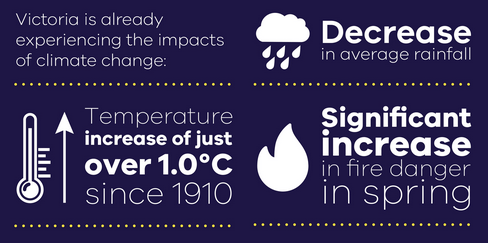
In many ways, there is nothing new in the report. It notes that Victoria’s climate has ‘changed in recent decades, becoming warmer and drier’. These changes are expected to continue in the future.

In general terms, the state’s environment is becoming hotter and drier, with

  • an overall increase in the frequency of unusually hot days
  • a decline in cool season rainfall over the last 30 years
  • greater number of very high fire danger days in spring

There are some details relevant to mountain environments, which we will outline briefly below (as direct quotes).

Continue reading “Climate change impacts on VIC mountains – less snow, more fires”

Fires close a number of mountain areas in NE VIC

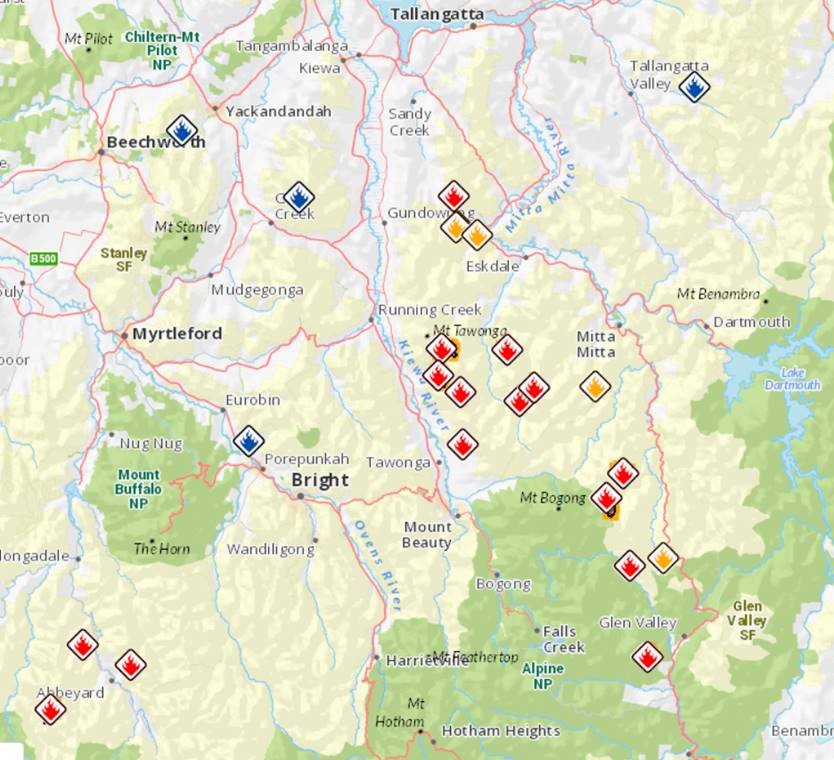
There are a number of fires that have started as a result of lightning strikes in the Victorian High Country.

There are three fires in the north east that have caused a number of areas to be closed to walkers – these are to the east of Mt Bogong and two along the eastern side of the Bogong High Plains.

Additionally, there are 13 fires in total burning in remote areas of forest in north east Victoria. The other fires are located in the Tallangatta Valley, Dandongadale, Abbeyard and Mount Selwyn.

DELWP says: ‘The remote locations of these fires are proving to be challenging for our crews and we fully expect them to burn for a number of weeks as firefighters work hard to contain them’.

Authorities say that the fires are behaving in ways expected in January and February as fuel loads are so dry.

Continue reading “Fires close a number of mountain areas in NE VIC”

‘The Rainforests are burning’

In 2016 and 2019, large areas of Tasmania were burnt by wild fires, including vegetation that is normally too moist to burn. Last year it happened in rainforests on the Lamington Tablelands in south east Queensland. It is a highly unusual event for these areas to burn, but one that appears to be occurring more frequently in recent times. Now the same thing is happening in northern New South Wales.

This loss and destruction of ancient fire sensitive ecosystems is heartbreaking. Sending much love and solidarity to our friends in the North who are facing these terrible fires.

Continue reading “‘The Rainforests are burning’”

‘Have You Considered Relocating Because of Climate Change?’

A decade ago, I moved from Melbourne to Castlemaine in Central Victoria. Box and Ironbark, Peppermint and Yellow Gum country. Hilly sandstone country. The land of the Jaara people. It took me a while, but I fell in love with the place, and now its home.

But even at the start, I remember thinking ‘this is a crazy place to live in a time of climate change’. Already hot and dry in summer, its going to get hotter and drier in coming years and experience worse water stress. It’s the same story all over. Climate change is already happening, and bringing impacts everywhere. Along the inland rivers, towns are running out of water. Along the coast, at places like Inverloch, storm surge is stripping away coastlines. In Mildura, the town had 65 days last summer that were above the heatwave threshold. Parts of Australia are expected to become uninsurable because of more regular flooding. And in the mountains, our winters are already becoming more erratic. It goes on and on. Nowhere is immune.

We are all familiar with the plight of climate refugees – people whose environment or economy is so impacted by the effects of climate change that they have no choice but to move. Mostly these are seen as people in the global South – the ‘developing’ world (although Hurricane Katrina, which devastated much of the USA’s South and displaced millions, shows that this is also a reality even in the rich world).

Something that I have noticed in recent years is a growing number of people who have opted to move from choice, not necessity, who are seeking a friendlier climate. I have lost count of the people I know or have met who have bought land in Tasmania, especially in the south west or north east. Some of them don’t live there: they have bought land as a safety net in case it goes to shit on the mainland. I know people from north east Victoria, in towns like Wangaratta, who have moved to the cooler and wetter hills of South Gippsland. There are people who have swapped the dry inland slopes of Central VIC for the lusher coasts of the Otways. And I know people who have left the hill country of Gippsland and Central Highlands, tired from the relentless stress of ever worsening fire seasons.

Continue reading “‘Have You Considered Relocating Because of Climate Change?’”

An ‘unprecedented’ number of plume dominated fires.

We know that climate change is driving hotter and drier summers, and making fire seasons worse, and this is already impacting on mountain environments. Last summer there were significant fires across eastern Victoria and the Victorian Mountains, as well as in Tasmania. While the largest one burned in the Bunyip state park about 65km east of Melbourne, there were also fires which closed the Southern Alps and Foothills areas of the Alpine National Park, especially around Dargo and Licola.

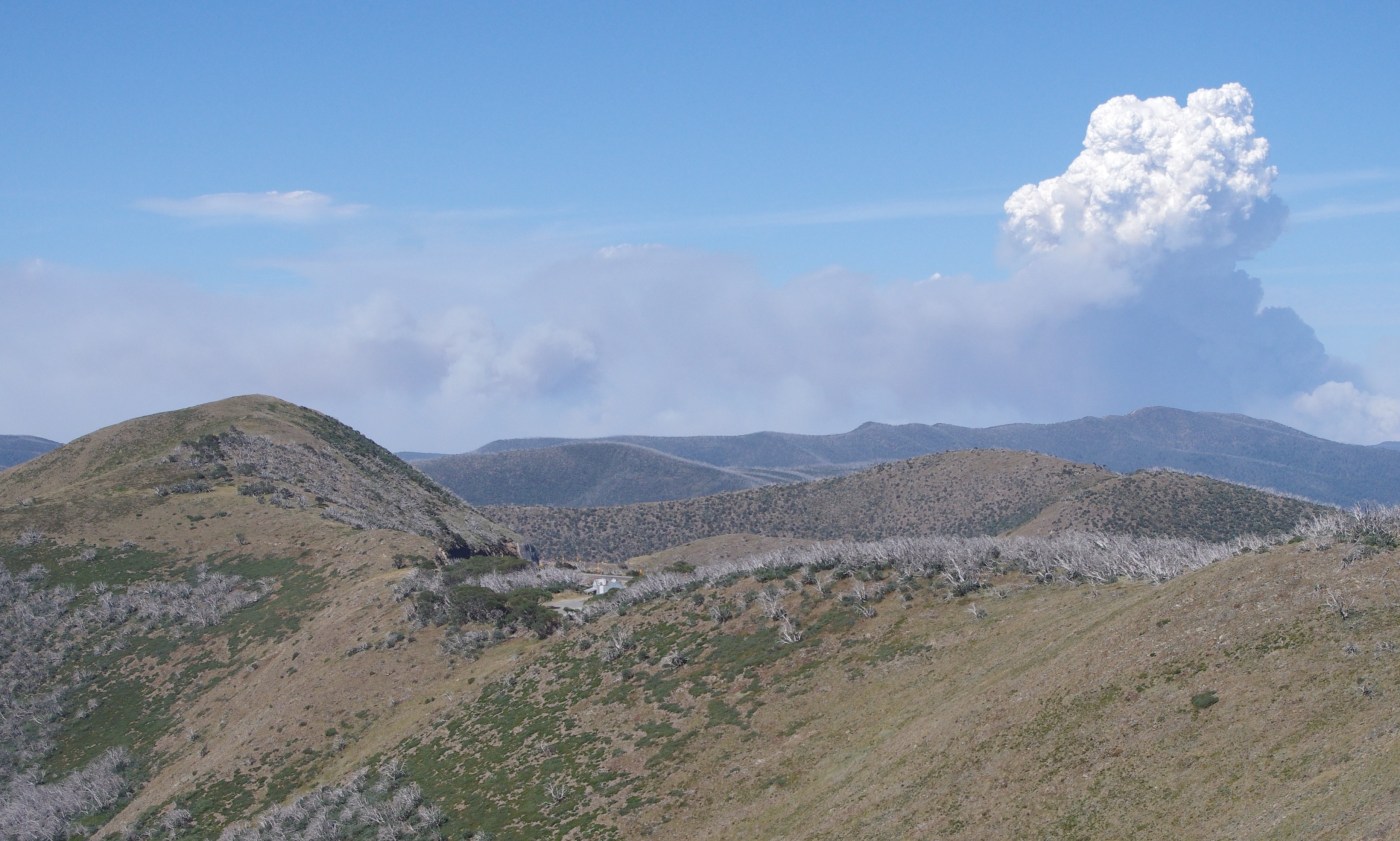
One of the features of these fires was the formation of pyrocumulus clouds (as shown in the image above, taken from the north of the fire burning out of the Dargo River and onto the Dargo High Plains, with Mt Blowhard in the foreground). The Licola fire burnt with such ferocity it was visible on the Bureau of Meteorology’s radar. A huge thundercloud formed from the fire, which then produced more than 1,200 lightning strikes, some of which sparked new fires. It created unpredictable weather conditions that hampered fire fighting efforts.

Continue reading “An ‘unprecedented’ number of plume dominated fires.”

Getting ready for the fires of the future

We know that climate change is driving hotter and drier summers, and making fire seasons worse, and this is impacting on mountain environments. From the huge fires in Tasmania over the 2018/ 19 summer to repeated wildfire in the Victorian Alps which is changing the nature of ecosystems, fire is increasingly impacting negatively on mountain ecosystems. We also know that we need to expect a ‘highly active’ fire season this summer.

While the impacts on natural systems is obvious, there are also many economic ones, as longer and more dangerous fire seasons see mountain areas closed to tourism and other economic activity.

There is also the threat to the ability of fire fighting services to fight fires wherever they emerge. Traditionally, the various fire services share resources, both between the states and internationally. But as fire seasons become longer, there is more overlap of local fire seasons, and hence it is harder for individual states to release fire fighting equipment and crews to support other areas.

The economic cost of fighting fires also goes up.

And as demands on fire fighting agencies increase, there is the risk that ‘asset management’ (protection of human structures) can override the need to protect sensitive natural environments where there simply aren’t enough resources to fight all the fires.

Recently, 23 emergency services experts from every state and territory have written to the federal government, asking for strategic national firefighting resources to cope with climate change.  They have joined together to highlight the risks of worse and more sustained fire seasons to our ability to fight fires in an effective and timely fashion.

Continue reading “Getting ready for the fires of the future”

‘This is what climate change looks like’. Impacts on mountain environments

The Climate Council have released a report called This is What Climate Change Looks Like (available here). It has lots of good, albeit depressing, information about how climate change is already impacting on natural environments across the continent, including mountain environments.

Mountain Journal has covered these issues before – increased fire risk to Gondwanic remnant vegetation in Tasmania, threats to iconic species like the Mountain Pygmy Possum and loss of snowpack, but this is a succinct collection of stories about impacts on wild nature in Australia.

The report notes that ‘droughts, ‘dry’ lightning strikes and heatwaves are transforming many Australian forests’ including the alpine ash and snowgum forests that we know and love.

Continue reading “‘This is what climate change looks like’. Impacts on mountain environments”

Blog at WordPress.com.

Up ↑