Search

Mountain Journal

Environment, news, culture from the Australian Alps

Tag

Kosciuszko National Park

‘FOI reveals feral horse numbers exploding faster than ever in Kosciuszko’

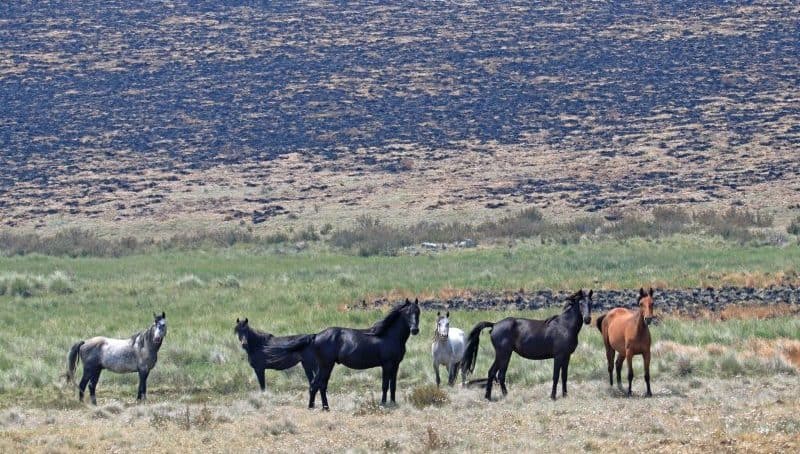
Wild horses, along with other feral species, have inflicted enormous damage on the alpine and sub alpine environments of the Australian Alps for decades.

There has been a long campaign to have numbers of horses reduced, which has been resisted by people who claim the horses have a ‘cultural’ claim to be in the mountains.

However, the current NSW government has continually failed to act to protect the NSW High Country, by refusing to support horse removal programs. (In a surprise move, the NSW environment minister, Matt Kean, recently announced that ‘about’ 4,000 feral horses will be removed from Kosciuszko national park as ‘part of an emergency response to protect the alpine ecosystem after large areas were devastated by bushfires’).

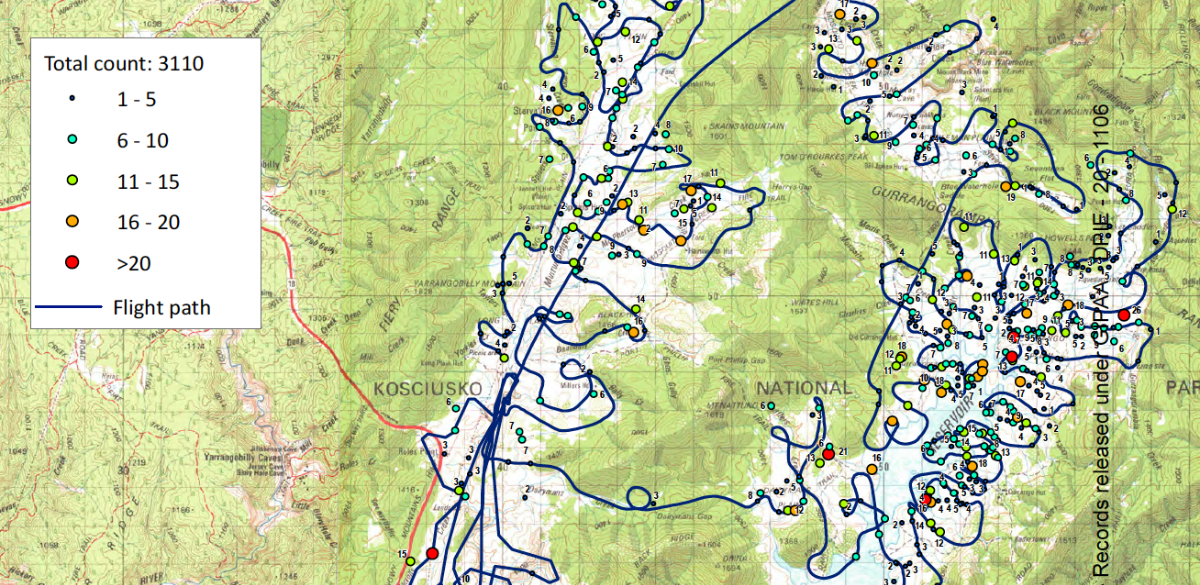
One of the key points used by opponents of horse removal is the claim that numbers of horses are inflated by proponents of removal. This has been a dominant argument used by pro brumby groups in both NSW and Victoria. Conservation group Reclaim Kosci has just released information received through a Freedom of Information request, which shows the size – and growth – of the horse population in the Northern Snowies.

The following information is taken from the Reclaim Kosci media release on the issue.

Continue reading “‘FOI reveals feral horse numbers exploding faster than ever in Kosciuszko’”

Snowy 2.0 just doesn’t stack up

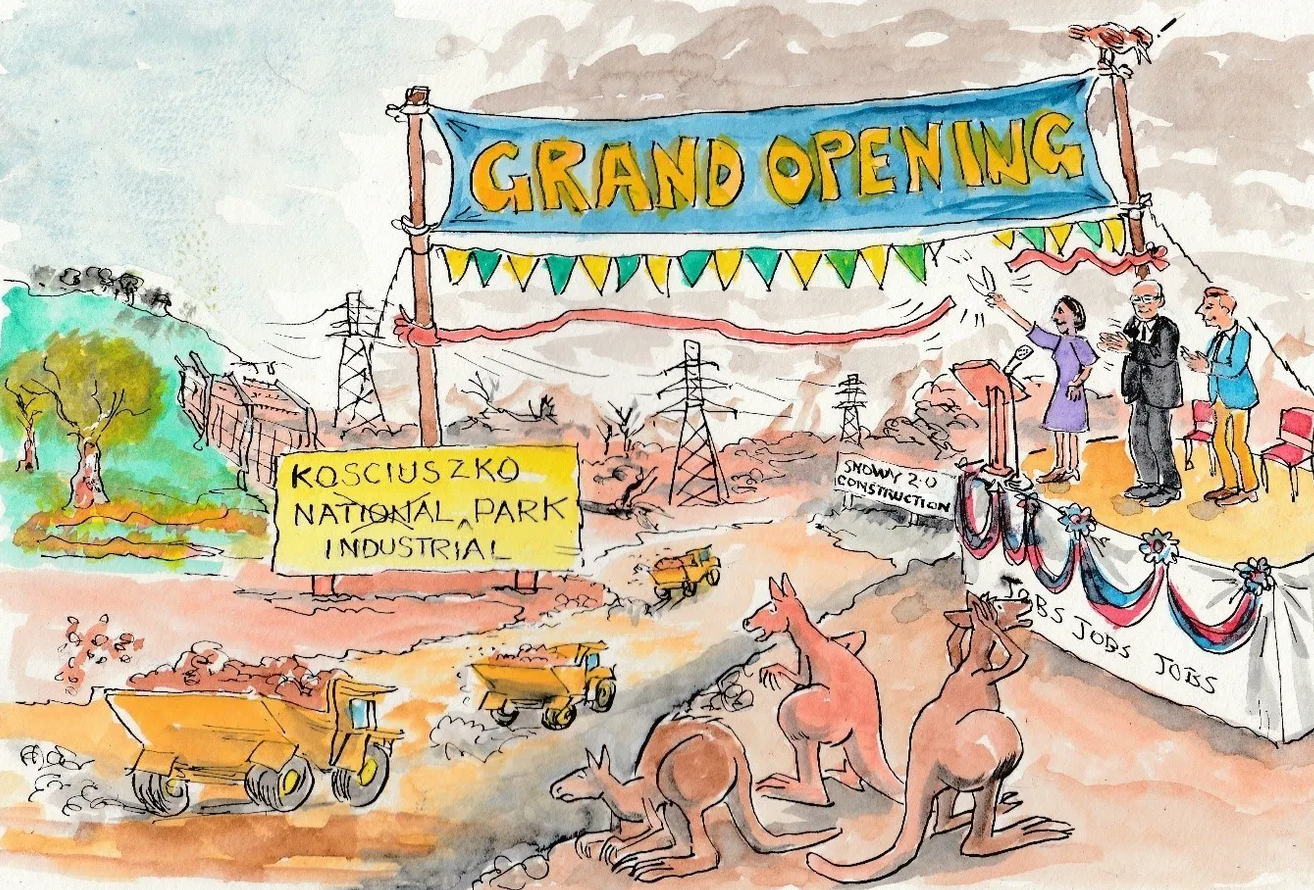
Earlier this year, it was announced that the next stage of the Snowy Hydro 2.0 expansion had been given the green light, with approval for construction of the project’s ‘Segment Factory’.

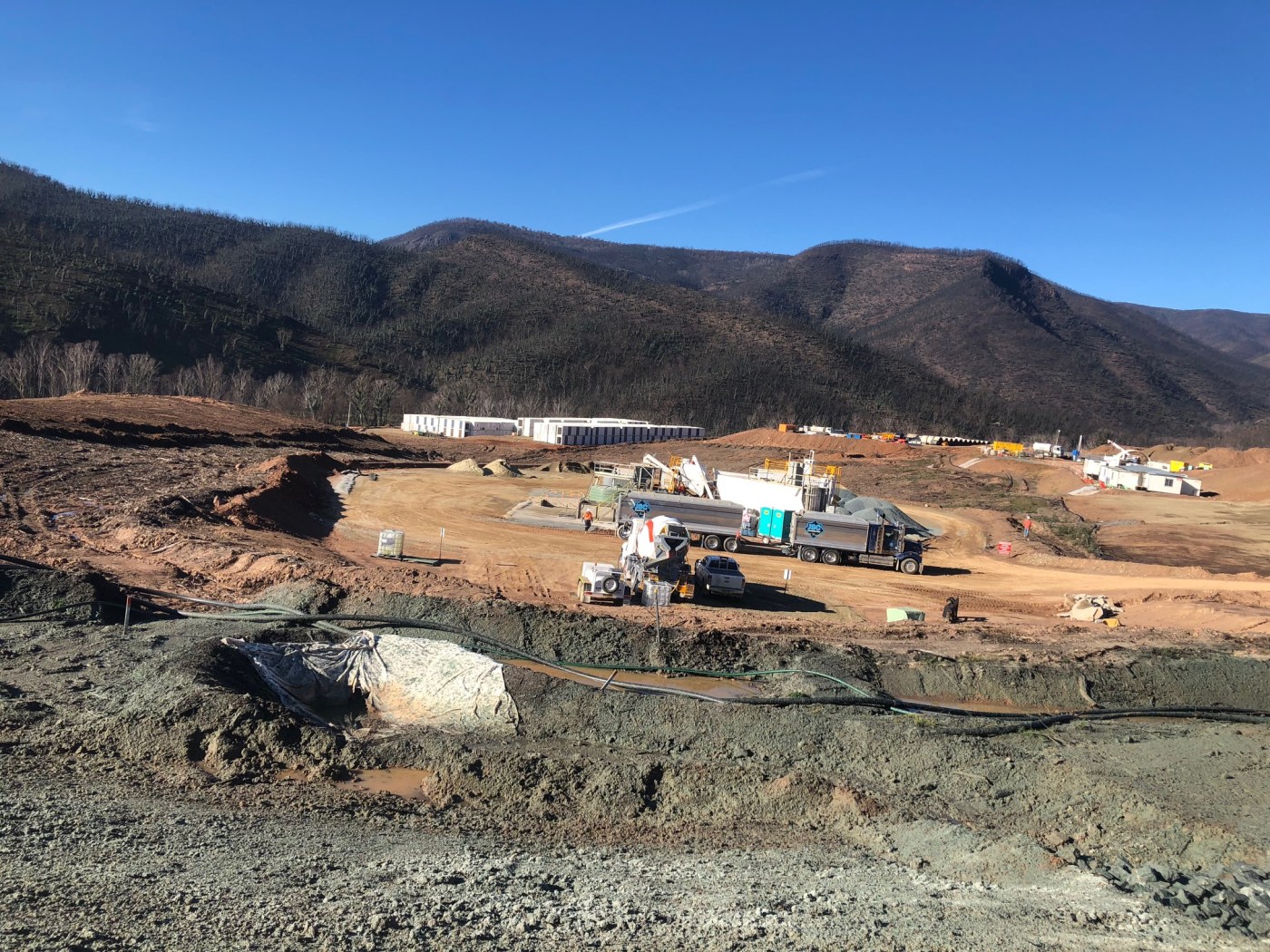
Work has now started on the facility: Snowy Hydro has already started clearing native bushland for the construction site at Lobs Hole in the heart of Kosciuszko National Park. The image above (from the NSW NPA) shows work at the Lobs Hole site.

The following is a summary from the NSW National Parks association about why they oppose the Snowy 2.0 development.

Continue reading “Snowy 2.0 just doesn’t stack up”

Poll shows Eden-Monaro voters want action on feral horses

A new poll of Eden-Monaro voters released today has found that most people want feral horses removed from Kosciuszko National Park, where horse numbers have tripled in the past five years.

Ahead of the July 4 by-election, an independent poll asked 643 Eden-Monaro voters what should be done about feral horses, which are devastating Kosciuszko National Park’s unique plants and animals and destroying its once pristine waterways.

Continue reading “Poll shows Eden-Monaro voters want action on feral horses”

Environmental issues in the Eden Monaro byelection

The long debate over how to handle populations of wild horses in the Australian Alps continues. While Victoria waits for the outcome to an appeal to a Supreme Court case about Park Victoria’s plan to start culling horses, the issue has come into sharp focus in NSW because of the byelection in the Eden Monaro electorate. The group Reclaim Kosci, which is campaigning to have horses removed from the Kosciuszko National Park has said “If candidates for the Eden-Monaro by-election want to prove they care for the environment, they need to call for action to protect the electorate’s iconic Kosciuszko National Park.”

“Tourism, jobs, catchments, Indigenous heritage, motorist and camper safety, and wildlife are under serious threat.”
Continue reading “Environmental issues in the Eden Monaro byelection”

Backcountry 2020 – what’s the go?

With ski resorts announcing their plans for the season (and resorts having considerable control over access to many backcountry skiing and riding access points) we now have a sense of what winter will look like.

The key message is that if you’re planning to access backcountry via a resort you need to organise entry before you go. But there are many options outside resort areas.

Continue reading “Backcountry 2020 – what’s the go?”

Barilaro calls for horse removal from Kosciuszko National Park to stop

Wild horses, along with other feral species, have inflicted enormous damage on the alpine and sub alpine environments of the Snowy Mountains for decades.

There has been a long campaign to have numbers of horses reduced, which has been resisted by people who claim the horses have a ‘cultural’ claim to be in the mountains. In a significant development, in February 2020, NSW Environment Minister Matt Kean announced emergency post-bushfire measures aimed at reducing horse numbers in three areas in northern Kosciuszko that are being damaged by horses – Boggy/Kiandra, Nungar and Cooleman plains.

This was done with the support from NSW Deputy Premier John Barilaro. However, now Mr Barilaro has reneged in his support for bushfire emergency horse removal measures, calling for horse removal from Kosciuszko National Park to stop.

Continue reading “Barilaro calls for horse removal from Kosciuszko National Park to stop”

Approval of Snowy 2.0 EIS sets ‘appalling precedent’

The Snowy Hydro 2.0 expansion started as a good idea. As the scale of the physical impact of the project became more obvious during the approvals process, environmental groups started to oppose it. After the release of the Environmental Impact Statement (EIS) the NSW National Parks Association said that the plan ‘proposes a completely unacceptable level of damage to Kosciusko National Park’.

It has now received planning approval from the NSW state government, despite ongoing objections over the project’s environmental impacts.

Continue reading “Approval of Snowy 2.0 EIS sets ‘appalling precedent’”

The impacts of the Kosciuszko fires

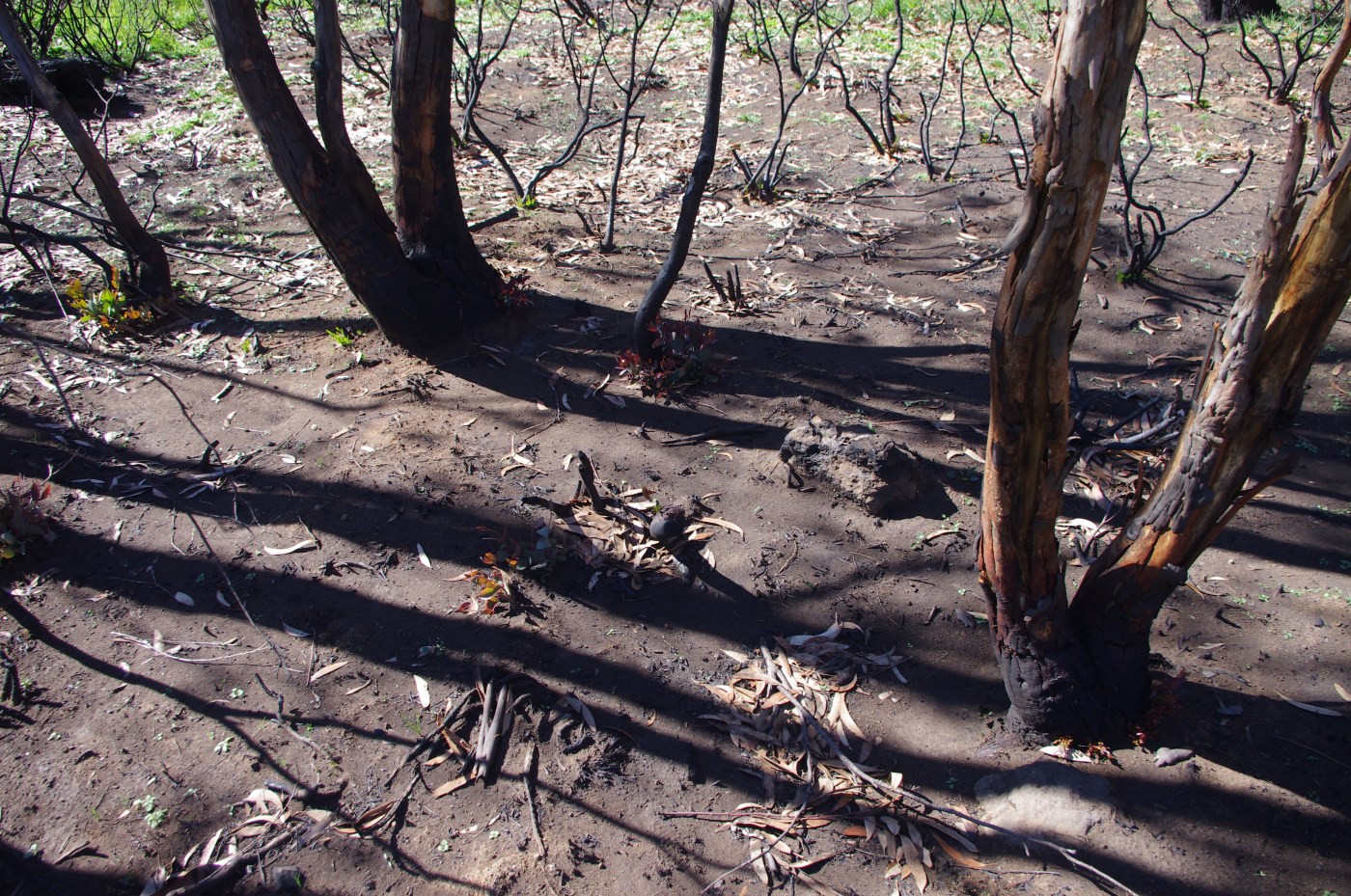
The 2019-20 bushfire season is the most widespread and extreme that NSW has ever experienced. More than 5.4 million hectares burnt across NSW, including 2.7 million hectares of national park estate (up until 3 February 2020). In some regions, over 50% of the national park estate has been impacted.

Within Kosciuszko National Park, just over 231,000 ha, or 33.5% of the national park has burnt. The Adaminaby complex (which originated out of the Green Valley fire) and Pilot Lookout fires were finally declared extinguished on 16 February 2020.

The following report comes from The Resort Roundup (available here), published by the State of NSW and Department of Planning, Industry and Environment.

Continue reading “The impacts of the Kosciuszko fires”

Parks closed during COVID-19 shutdown

WED April 8: As part of the shutdown to help ‘flatten the curve’ and reduce the numbers of C-19 infections, a large number of areas in the High Country are being closed over Easter and beyond.

Government advice continues to be ‘If you can stay home, you must stay home’, meaning no travel for holidays, camping, etc.

VICTORIA

In Eastern Victoria
• Alpine National Park
• Baw Baw National Park
• Howqua Hills Historic Area
• Mount Buffalo National Park

Are all closed from midnight on April 8 ‘until further notice’. Further details here.

NSW

NPWS has closed all campgrounds, camping, on-park accommodation venues and visitor centres in Kosciuszko National Park until further notice.

This includes ‘wild and backcountry camping’ in all national parks.

In line with government restrictions on non-essential travel, the following iconic attractions in Kosciuszko National Park are closed for Easter:

  • The summit of Mount Kosciuszko
  • Thredbo Valley track
  • Kosciuszko Lookout
  • Cootapatamba Lookout

Further information here.

ACT

All visitor facilities within the ACT Parks and Conservation Service managed estate have been closed until further notice in response to a temporary shut-down of non-essential services across the ACT.

To stop the spread of COVID-19, the following facilities are closed to maintain social distancing measures:

  • Tidbinbilla Visitor Information Centre
  • Namadgi Visitor Information Centre
  • Woods Reserve
  • All ACT public campgrounds
  • All playgrounds managed by ACT Parks and Conservation Service

Tidbinbilla Nature Reserve will also be closed, along with Namadgi National Park, which remains closed due to safety reasons following the Orroral Valley bushfire

All other parks and reserves across the ACT will remain open providing the community access to nature for recreation, health and wellbeing. Park visitors must observe social distancing whilst visiting parks and reserves. This means keeping 1.5 metres from others, avoiding large groups of people, avoiding peak usage periods and practicing good hygiene always.

Further details here.

TASMANIA

In an effort to prevent the spread of COVID-19 and keep our community safe, the Tasmanian Parks and Wildlife Service (PWS) has closed all national parks and reserves to public recreational use.

The closure of parks and reserves was in line with Tasmanian and Federal government measures to discourage the community from undertaking non-essential travel during this time. These closures include Wellington Park.

This includes:

  • National Parks
  • State Reserves
  • Nature Reserves
  • Game Reserves
  • Conservation Areas
  • Nature Recreation Areas
  • Regional Reserves
  • Historic sites.

All activities including day or overnight walks, mountain biking, hunting, other recreational activities and camping are now closed to the public until further notice.

Further information.
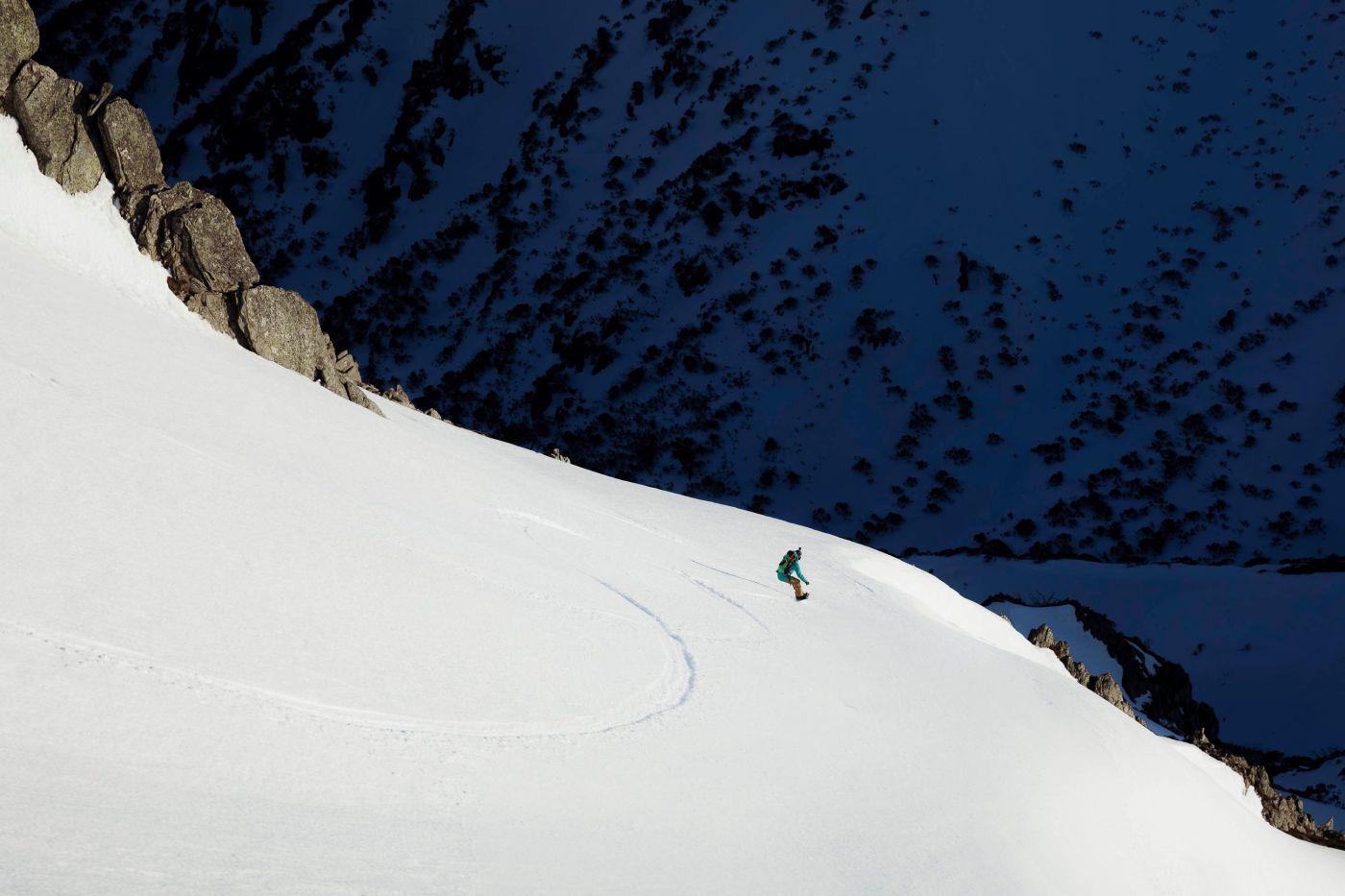


Show your support for horse removal from the Snowy Mountains

Following this summer’s fires, which burnt roughly 12% of the ‘Alpine Complex’ vegetation in the Snowy Mountains, there are growing concerns about the impact of wild horses on already fragile country that is now recovering from fire.

The current NSW government has continually failed to act to protect the NSW High Country, by refusing to support horse removal programs. But in a surprise move, the NSW environment minister, Matt Kean, recently announced that ‘about’ 4,000 feral horses will be removed from Kosciuszko national park as ‘part of an emergency response to protect the alpine ecosystem after large areas were devastated by bushfires’.

The move would be the largest removal of horses in the park’s history.

Continue reading “Show your support for horse removal from the Snowy Mountains”

What are the ecological costs of this summer’s fires?

In late November, fires started in East Gippsland as a result of lightning strikes. As noted by Peter Gardner, these went on to become major blazes. On new year’s eve, lightning storms started fires across the Victorian mountains and fire season came to the Alps with a vengeance.

Since then, huge areas of the Victorian Alps and Snowy Mountains have burnt. As at January 14, many of these are still going and, of course, the key priority is containing them.

But once it’s all over, we will need to count the ecological cost of these fires. Some areas in the Alps have now burnt three times in about 15 years. There is no doubt that longer fire seasons, driven by climate change, are already impacting on mountain and foothill environments.

The short answer at this stage is that we just don’t know what the full ecological impacts of these fires will be.

The following is a fairly random collection of reports on local impacts of the fires on mountain areas. It focuses on ecological values and impacts. Of course, this does not mean that human and economic impacts don’t matter. The narrow focus here is simply to try and share some information about what the impacts will be on natural systems, as the other stories are already being told widely in mainstream media. It will be added to as areas are re-opened to the public. I would welcome your reports for inclusion: please email text and stories to cam.walker@foe.org.au

Continue reading “What are the ecological costs of this summer’s fires?”

Re-homing not enough to stop Kosciuszko’s feral horse crisis

Like climate and energy policy in Australia, the alpine environment of the Snowy Mountains has fallen victim to a bizarre culture war. Conservative political parties have pandered to small groups of backwards looking constituencies, and ignored their obligations to the broader community. In the case of the Snowy Mountains, the NSW Coalition have sided with groups who think that wild horses have a cultural value that trumps their negative ecological impacts. So they have declared that feral horse populations should be protected and allowed to keep growing in numbers within the park. As a result, there has been no trapping of feral horses in the park since August 2017.

This is a poor decision on ecological grounds, and a major campaign has been mounted against this decision. Now the state government has ‘blinked’ and said they will start to remove some horses from Kosciuszko National Park and ‘rehouse’ them. However, the Invasive Species Council has warned that this plan will ‘barely make a dint in the growing number of feral horses running rampant in the park’.

The following media release comes from the Reclaim Kosci group:

Continue reading “Re-homing not enough to stop Kosciuszko’s feral horse crisis”

Blog at WordPress.com.

Up ↑