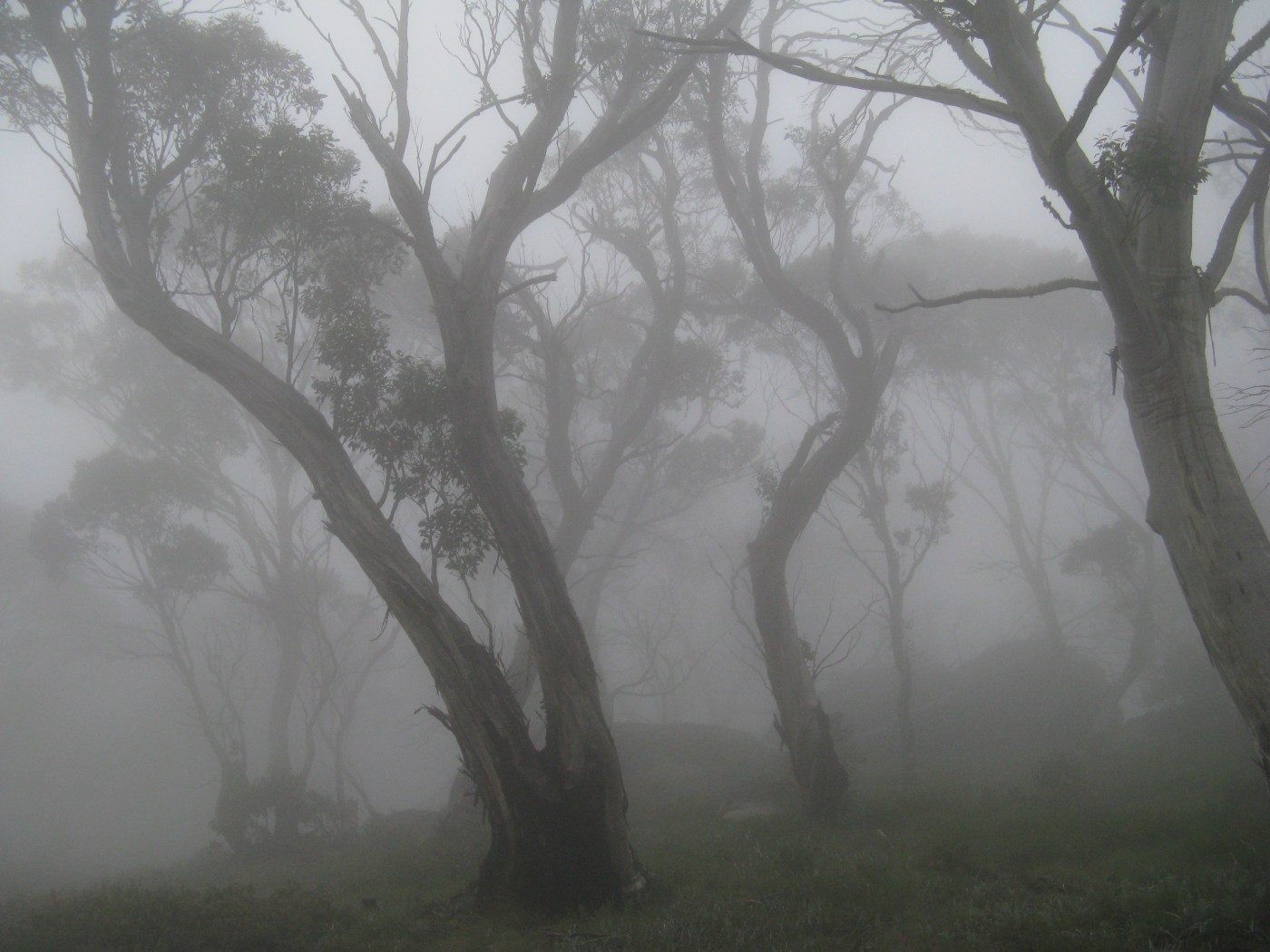
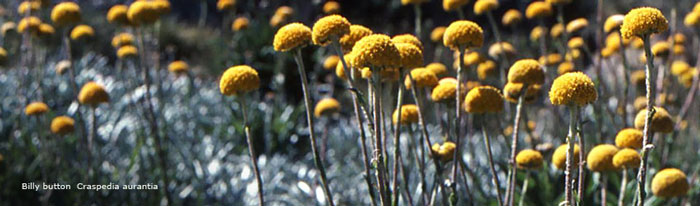
This article from the Canadian based magazine called The Walrus got me thinking. We know that climate science predicts that some species will migrate ‘uphill’ to try and find the climatic conditions they can flourish in as the temperature warms. This could see some sub alpine and alpine species becoming extinct as they face stiff competition from new species moving into their traditional range and with Australia only having mountains of low elevation, some species could simply be pushed off the top of the ranges.
Wild horse (brumby) populations are causing major environmental damage across the Alps. But as a charismatic animal with strong cultural connection for some groups, the question of population control is a vexed and and emotional one.
Recently, the National Parks Association NSW has called on the NSW Government to release its plan for managing wild horses in the Snowy Mountains.
A draft plan of management due for public exhibition last year was delayed until December, and has again been postponed until early 2016.
Continue reading “National Parks Association calls for release of Brumby Management Plan”
By Deirdre Slattery, published December 2015
The following comes from the Australian Alps website.
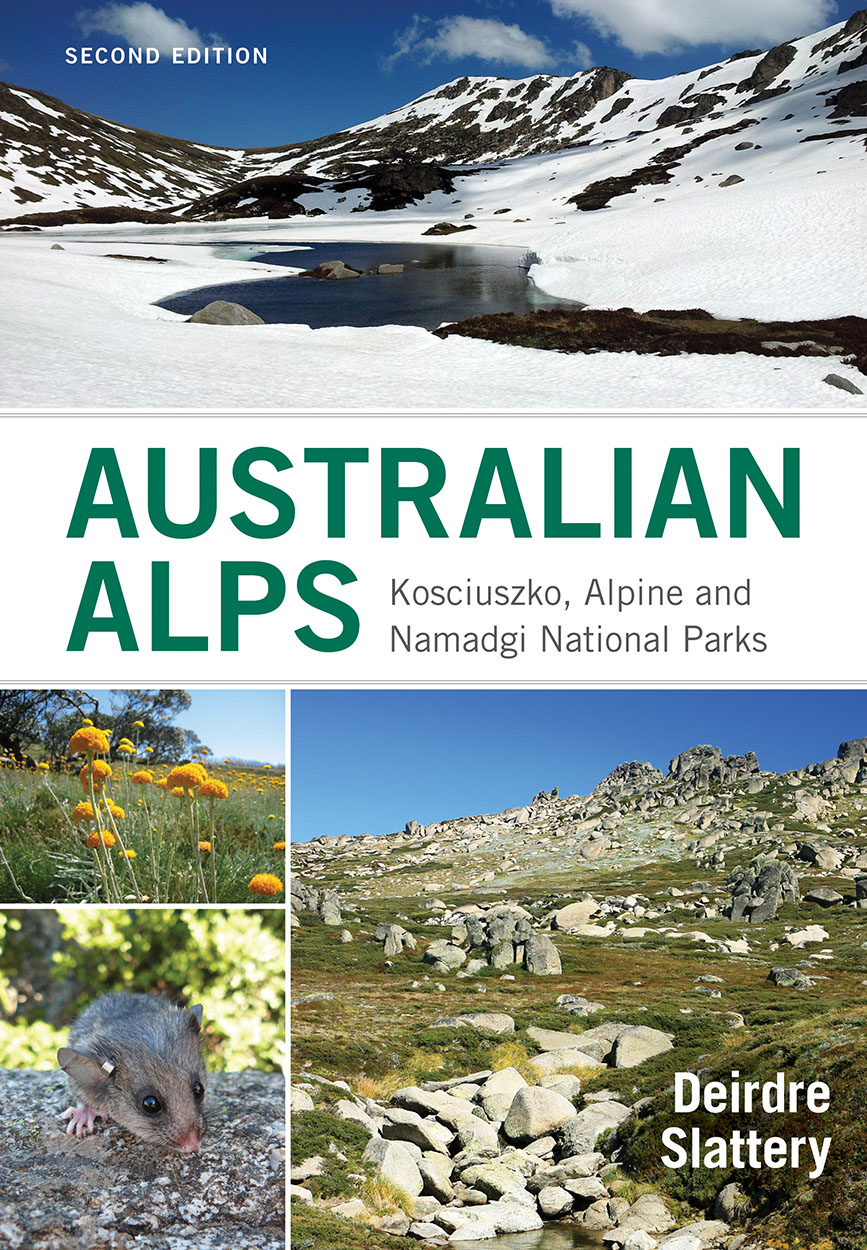
This new updated version of the original book published in 1998 is a must for students, agency staff, alpine history buffs, adventurers, naturalists and anyone one who has a love and passion for the Australian Alps.
A fascinating guide to Kosciuszko, Alpine and Namadgi National Parks, it introduces the reader to Australia’s highest mountains, their climate, geology and soils, plants and animals and their human history. It traces the long-running conflicts between successive users of the mountains and explores the difficulties in managing the land for nature conservation. Published by CSIRO, copies of the book may be attained via the web-link at http://www.publish.csiro.au/pid/7282.htm
A review of the book can be found here.
Roger Good was a well known, deeply dedicated alpine ecologist. He passed away in October. He was a member of the Carruthers Group – a group of eminent alpine ecologists and scientists – which was active around the issue of alpine grazing.
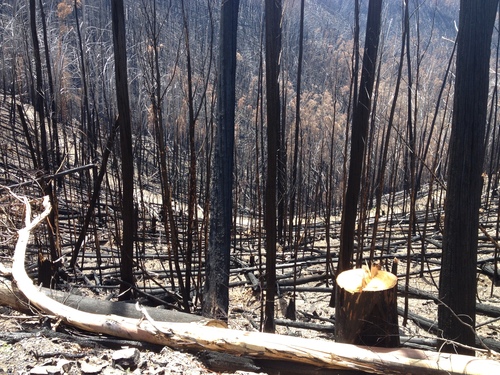
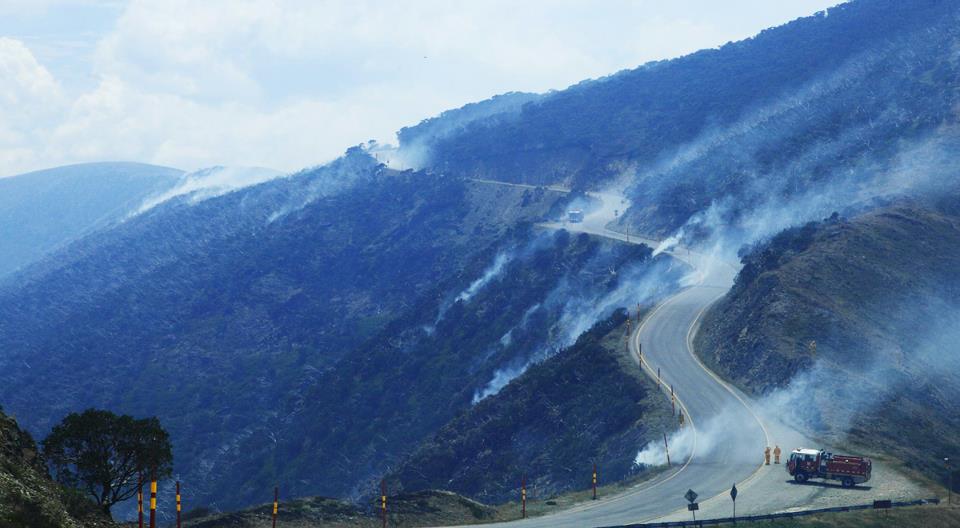
Lightning storms earlier this week started a number of fires in the high country, including one in the Buckland valley, Tawonga South, and on the Old Coach road between Mt Hotham and Harrietville. Parts of this area has been burnt three times in a little more than 10 years, with huge impacts on the alpine ash forests of the upper Ovens Valley and surrounding watersheds.
The Victorian government has announced changes to how fuel reduction burns (‘controlled burning’) will be carried out in the state.
Since the Black Saturday fires of 2009, public land managers have been seeking to burn 5% of public land each year. This has been criticised for being a very blunt management instrument for a complex problem. There are concerns that burning regimes have been inappropriate for some types of vegetation, causing ecological damage, and have not been able to reduce overall fire risk in the state.
Continue reading “New system for fuel reduction burns in Victoria”
Mountain Journal has previously reported on the plans to build a “Buller Stirling Link Rd” between the two mountains. It has been argued by the proponent (Mt Buller Resort Management) that the road will provide a second escape route off the mountain should a bushfire or land slide close the main road from Mirimbah to Mt Buller. There has been the argument that a link road will encourage more tourists in the ‘green season’ as it is sometimes argued that tourists don’t like going up a dead end road (this argument was used in the unsuccessful campaign to put a road in from the Baw Baw village and across the Baw Baw plateau).
There has been a long planning process around how the alpine village of Dinner Plain should be developed. Most businesses struggle with the extremely seasonal nature of the tourist trade, and residents can struggle because the small number of permanents makes it difficult to sustain basic services like the supermarket through out the year.
Mountain Journal has previously reported on the proposal to build a new road from Mt Buller to the Mt Stirling ring road. This has been pitched as being a safety issue, to allow a route for people to escape from Mt Buller in the case of a fire blocking the main road.
But given that this road would also travel through a (longer) section of dense forest, it is quite unlikely that the road would serve this purpose. The money needed to build the road would be better spent on upgrading fire fighting infrastructure around the Buller village.
The issue refuses to go away. Charles Street provides some history behind this proposal and an update on the current state of play.
Fuel reduction (also called controlled burning) is a key tool used by land managers to reduce the intensity of fires when they do occur. Its a simple theory: do a controlled, ‘cool’ burn through an area to reduce the amount of fuel on the forest floor.
In Victoria, there is an annual target, whereby public authorities need to try and burn 5% of public land each year. This has lead to widespread criticism that Parks are burning areas a long way from ‘assets’ (house, farms, etc). In effect, it seems that the target has become political rather than about reducing fire risk. There is also evidence that some fire regimes being imposed on some landscapes may be causing ecological harm or even potentially increasing fuel loads through changing vegetation structure.
Continue reading “Fuel reduction of limited value in reducing fire risk”
Outdoor company Patagonia is well known as a being conservation leader because of it’s attempts to reduce the environmental impacts of it’s products and its support for grassroots environmental activism around the world.
Amongst their in-house campaigns, they have one called the New Localism. In many ways this program simply encourages people to ‘pay the rent’ to the places that they love to explore, by working to protect them.
They say:
“We are all locals. And we live in a global world. We can no longer pass through or visit remote wild places and trust they will remain that way. Patagonia’s friends have always brought us news of places they loved that are threatened. Patagonia is committed to bringing our resources and connections to bear on these threats to wildness, far and wide. We all have a chance to make a difference. Take a stand”.
As part of the New Localism initiative, the company is hosting a traveling film festival which features a range of films that straddle the divide between adventure and activism.
Different films are being in various locations, starting in Sydney on Wednesday October 23.
The series includes Damnation, which looks at the movements in North America which are seeking to have dams which are no longer needed removed from key river systems, and Jumbo Wild, which chronicles the long campaign to stop a mega development in the Purcell Mountains of British Columbia.
You can find out more about the festival here, and dates and locations of showings here.
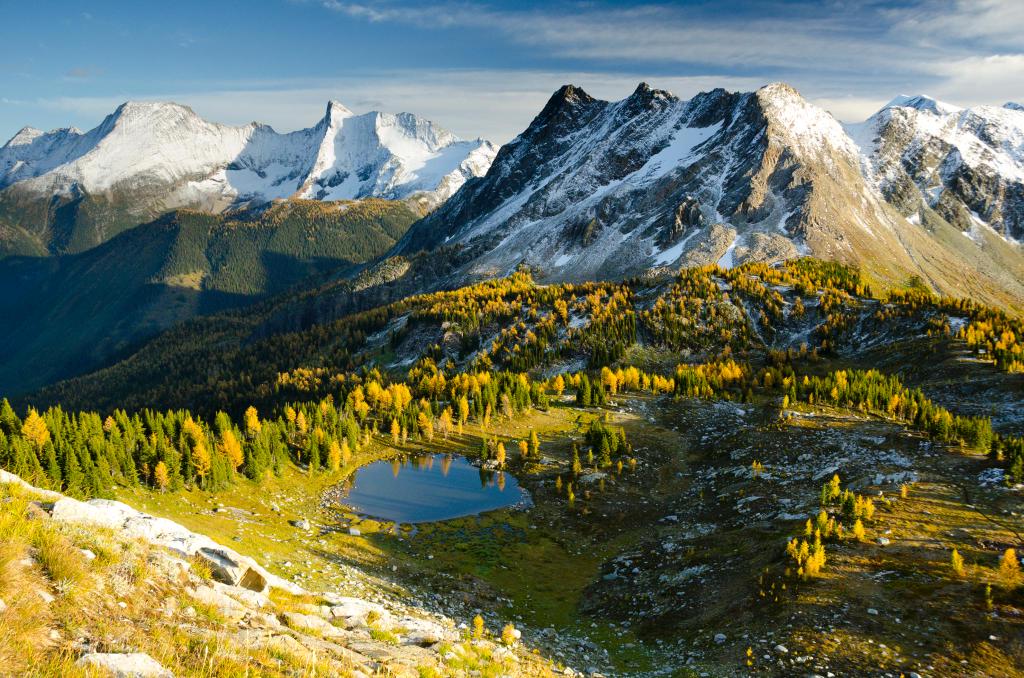
[Imagine is from Patagonia, in the Purcell Mountains, BC.]
Victoria’s forest firefighters who are employed by the Department of Environment, Land, Water & Planning (DELWP) are fighting for fair pay and recognition as genuine emergency services workers.
The following information comes from the Australian Workers Union.
Approximately 95% of the bushfires that occur across Victoria take place on public land, where forest firefighters are the first to respond. Apart from responding to many of these fires, DELWP firefighters are also expected to perform a range of highly skilled duties in public assistance areas such as missing person searches, pest control, biosecurity incursions, marine pollution management, flood and heatwave, mine rescues and disruption to water or energy supplies.

Recent Comments