Search

Mountain Journal

Environment, news, culture from the Australian Alps

Tag

land management

Thirty years of co-operative management of the Alps

National Parks now cover much of the higher terrain in the Australian Alps, from the Baw Plateau to the east of Melbourne, all the way across the mountains almost to the outskirts of Canberra.

Those of us who enjoy these parks owe a great debt to the people who argued for the creation of the reserves in the first place, and to the generations of land managers that have looked after them.

While it is a discrete series of parks in Victoria, NSW and the ACT, there is also overall co-ordination of the parks through a Memorandum of Understanding (MoU) between the three state and territory and federal governments.

The MoU has allowed the Australian Alps to be managed co-operatively by the various agencies. Treating the Alps as a single bioregion makes a lot of sense, especially in a time of climate change. Yet like all good government decisions, the concept of co-operative management didn’t just appear. It took decades of work by a range of big picture thinkers and visionaries, and engagement in political processes at many levels that saw the creation of the agreement.

The current version of News from the Alps is dedicated to the co-operative arrangement and includes a potted history of the processes that lead to the signing of the MoU.

Whereas in the early stages after European colonisation, the Alps were seen largely as summer grazing grounds for cattle and sources of wood, gold and other materials, the history in the newsleter makes it clear that there was concern about the state of the Alps from the early to mid 1940s.

Continue reading “Thirty years of co-operative management of the Alps”

Strengthening Parks Victoria – Your vision for parks

Parks Victoria is asking the community to ‘share your experiences, expectations and aspirations for parks’ via a website and series of community forums. This is happening as part of the Strengthening Parks Victoria project.

PV says:

‘As part of the Strengthening Parks Victoria project, we will be looking at your stories, comments, and advice to us, to help better understand what values parks have to you, and what we can do to enhance your enjoyment of Victoria’s incredible natural settings.

This information will help us to celebrate with you the spectacular landscapes, habitats and places we have managed for nearly 20 years, and understand how we must evolve in the future to deliver the best outcomes for Victorians, visitors, our economies, and the incredible Country we care for.’

On their website you can:

Tell PV about how you enjoy and experience Victoria’s parks

Provide ideas on how to improve the experience of visiting parks

Ethics, Culture and Wild Horses

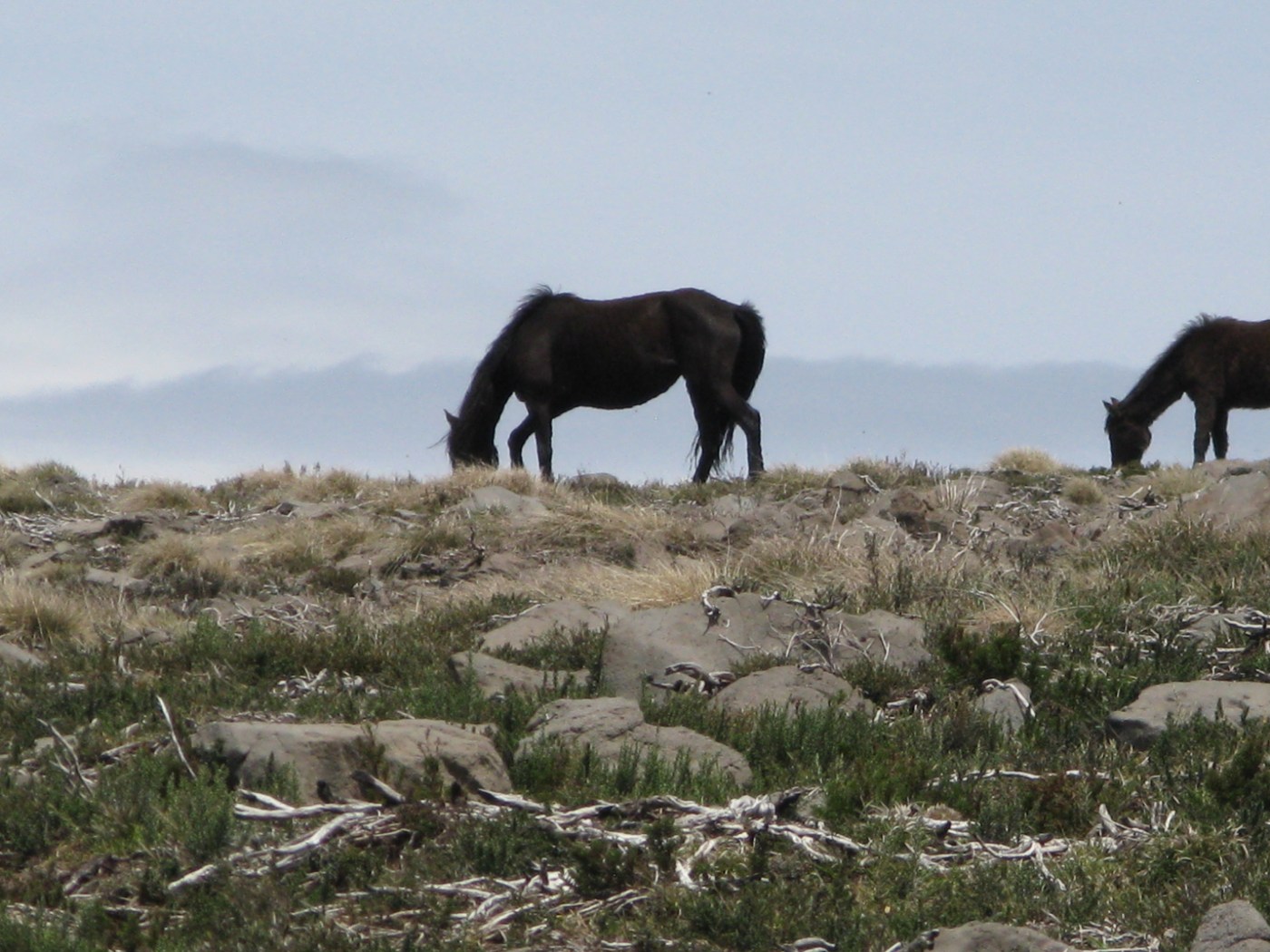
Mountain Journal has often featured pieces on the issue of wild horses in the Australian High Country.

Public debate has hit a recent high point because both Victoria and NSW have updated their positions on horse management, with both states noting the significant negative environmental impacts of this introduced species.

The following article comes from The Conversation, and is by ecologist Don Driscoll who notes that while many in Australia hold a ‘cultural affiliation with horses’ there are other ways to celebrate this connection than ‘by having horses in fragile alpine ecosystems where they cause environmental damage’.

Continue reading “Ethics, Culture and Wild Horses”

41 scientists back plan to cull 5,000 brumbies

The issue of how to manage wild horse populations in the Australian high country is a complex and vexed issue.

The NSW government has recently released a draft wild horse management plan for Kosciuszko national park which aims to cut the population of wild horses in the park from 6,000 to about 3,000 in the next five to 10 years.

The Guardian is reporting that plans to cull more than 5,000 brumbies in the Snowy Mountains has received the support of leading scientists from around Australia.

Continue reading “41 scientists back plan to cull 5,000 brumbies”

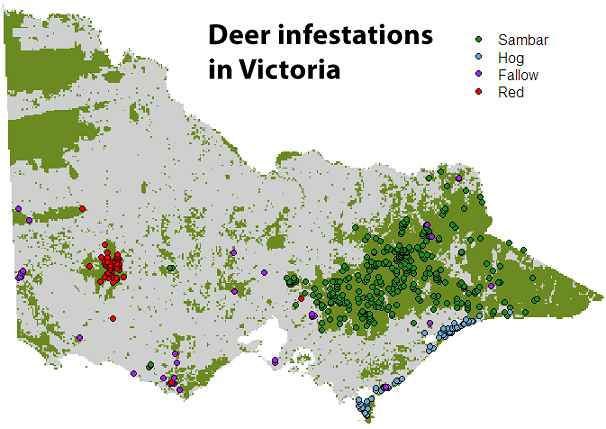
Deer hunters want more access to Victorian wilderness

There is currently a parliamentary inquiry in Victoria into the control of invasive animals on Crown land. It is due to report back in March 2017.

Continue reading “Deer hunters want more access to Victorian wilderness”

90% of Snowy Mountains brumbies to be culled

The Guardian is reporting that 90% of the Snowy Mountains brumbies would be culled over the next two decades, under a plan released by the New South Wales government.

The draft wild horse management plan for Kosciuszko national park aims to cut the population of wild horses in the park from 6,000 to about 3,000 in the next five to 10 years.

The population would be dramatically slashed to just 600 within 20 years, confining the wild horses to three locations inside the national park.

Current numbers of wild horses were unsustainable and the animals were damaging the park’s fragile alpine and subalpine landscapes, the NSW environment minister, Mark Speakman, said.


Victoria to increase aerial baiting for wild dogs

The Weekly Times reports that the Victorian government will give a major boost to aerial baiting in the state budget due later this month. It is not clear which areas will be focused on, but the Alpine National Park can be expected to be a key location given dog numbers, and statements by the minister that there will be baits laid in ‘hard to reach’ areas. In another land management development, the government has also announced it will work with the Australian Deer Association to cull deer.

Continue reading “Victoria to increase aerial baiting for wild dogs”

CFA volunteers call for a halt to this season’s planned burns in Strathbogie Ranges

In a significant move, volunteers with the Country Fire Authority (CFA) in north east Victoria have called for a halt to planned fuel reduction burns in the Strathbogie Ranges. Mountain Journal has previously reported on community calls to halt the burns because of the likely ecological impacts.

Continue reading “CFA volunteers call for a halt to this season’s planned burns in Strathbogie Ranges”

The ‘Cradle Mountain Visitor Experience Master Plan’

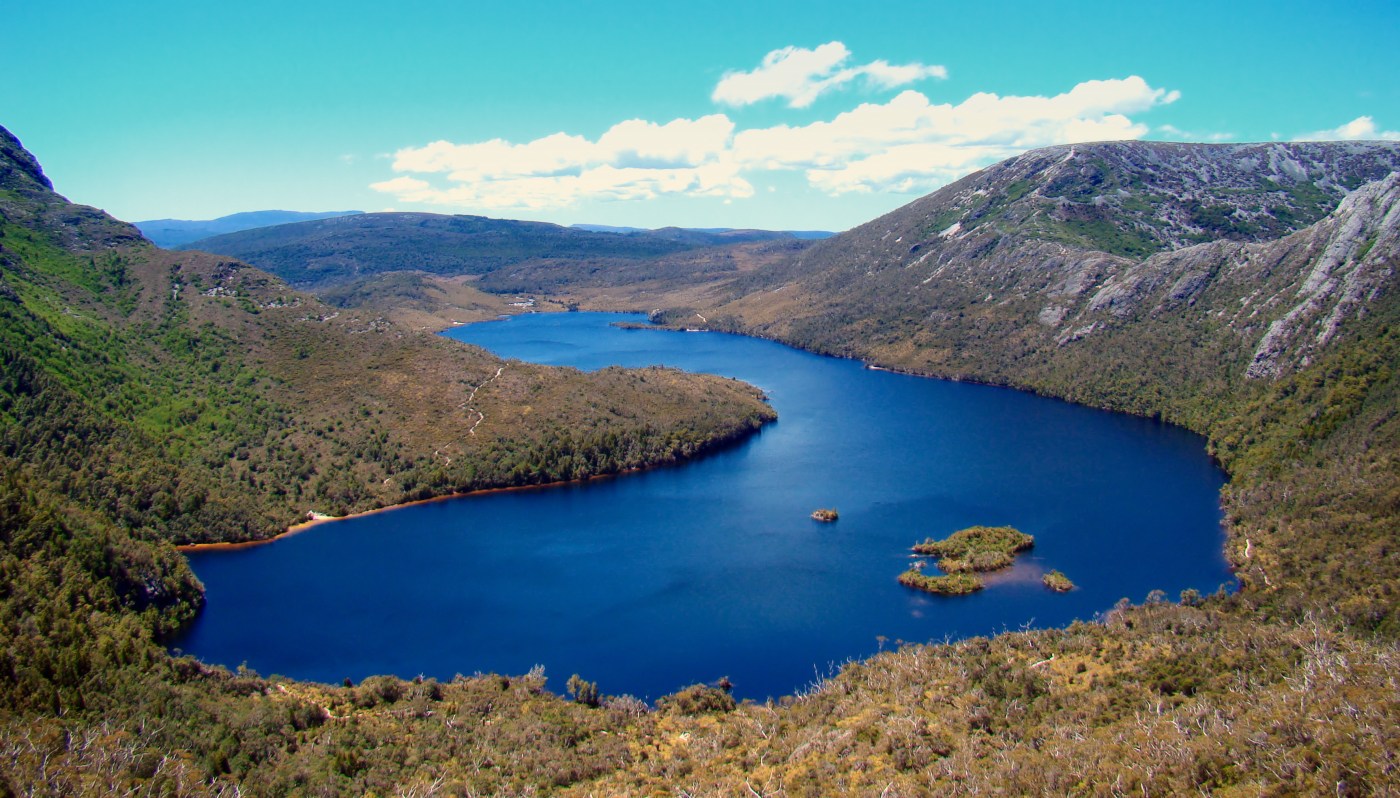
Mountain Journal recently reported on the new master plan that was being developed to improve the ‘tourism experience’ at the north end of the Cradle Mountain Lake St Clair National Park. Yes, I’m a grumpy old bushwalker who goes to Cradle Valley because it’s the access point for miles of terrain, rocky mountains, alpine moors and fantastic walking, rather than because I expect a ‘world class tourism experience’ in a national park.

But I do understand that many people expect first class facilities and that’s where the sheer numbers of visitors are. With Cradle Valley visitation declining, it was deemed that something had to be done, and so we have the release of the new master plan for the area, developed by the Cradle Coast Authority, which hopes to increase visitor numbers by 60,000 to 80,000 a year.

Continue reading “The ‘Cradle Mountain Visitor Experience Master Plan’”

Ecological restoration in the NSW Alps

Mountain Journal has previously profiled Elizabeth MacPhee, who has been working to restore damaged sections of the NSW Alps since 1990.

She has worked to restore ski runs, walking tracks, grazing damage, post fire repair and damage from hydro electric schemes.

Continue reading “Ecological restoration in the NSW Alps”

Documenting the impacts of wild horses on the Australian Alps.

This is the ultimate bit of research into the negative ecological impacts of brumbies on indigenous ecosystems in the Alps.

It is explained in three reports, and the primary author is Graeme L. Worboys. A range of other researchers were involved in the work. It is peer reviewed and based on observations by the author in the Australian Alps protected areas that covers a period of 42 years.

Continue reading “Documenting the impacts of wild horses on the Australian Alps.”

Monaro dieback brings science and Aboriginal knowledge together

Mountain Journal has previously written about the die back of eucalypts that has been occurring on the Monaro tablelands on the eastern side of the Snowy Mountains.

The dieback has affected a massive area, leaving a sea of “dead, standing trees” across the tablelands.

No one is, as yet, certain about the causes. It has been suggested that climate change is an underlying cause because background warming may have helped the spread of the weevils and stress on the ribbon gum trees that have died.

Continue reading “Monaro dieback brings science and Aboriginal knowledge together”

Blog at WordPress.com.

Up ↑