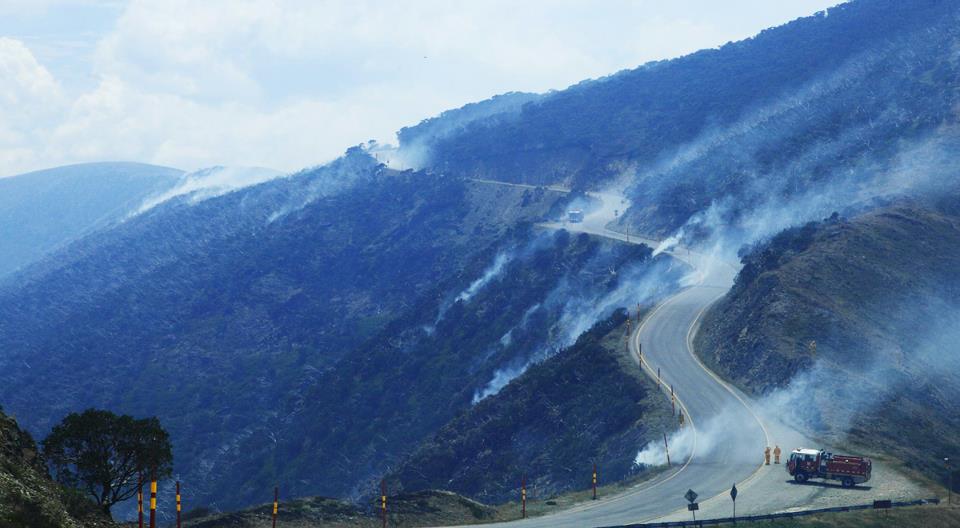
Fuel reduction (also called controlled burning) is a key tool used by land managers to reduce the intensity of fires when they do occur. Its a simple theory: do a controlled, ‘cool’ burn through an area to reduce the amount of fuel on the forest floor.
In Victoria, there is an annual target, whereby public authorities need to try and burn 5% of public land each year. This has lead to widespread criticism that Parks are burning areas a long way from ‘assets’ (house, farms, etc). In effect, it seems that the target has become political rather than about reducing fire risk. There is also evidence that some fire regimes being imposed on some landscapes may be causing ecological harm or even potentially increasing fuel loads through changing vegetation structure.
Continue reading “Fuel reduction of limited value in reducing fire risk”





Recent Comments