Search

Mountain Journal

Environment, news, culture from the Australian Alps

Tag

national parks

People and Parks: bearing the brunt of climate inaction

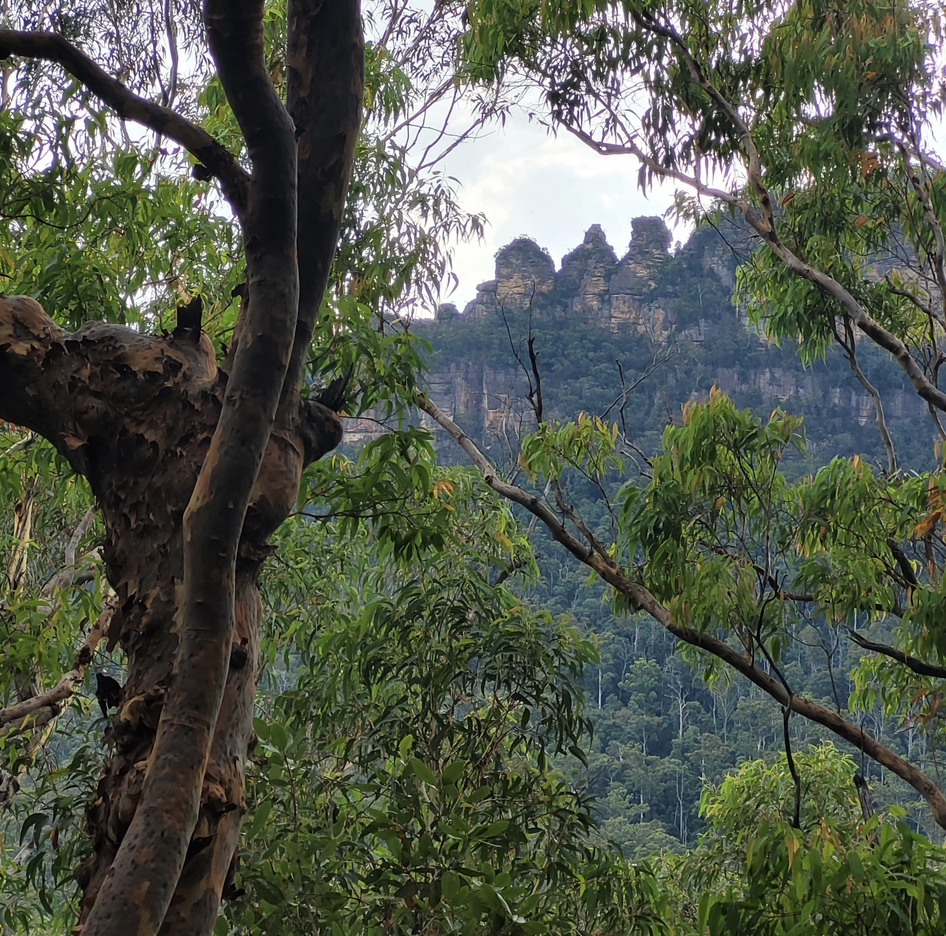
Mountain Journal has run hundreds of articles on the impacts of climate change on wild places in the mountains of south eastern Australia and lutruwita/ Tasmania. Sadly, these impacts are being felt in parks around the continent.

This piece from Madoc Sheehan (originally published here) looks at the environmental and economic impacts of high intensity rainfall events in Paluma Range national park over January/February 2025 and similar climate impacts in the Blue Mountains and Boodjamulla national parks.

Continue reading “People and Parks: bearing the brunt of climate inaction”

The Victorian Protected Areas Council

We all know that national parks and other public land managers really struggle to get the funds needed to look after the conservation estate. In Victoria, there have been steady cut backs in staffing. Parks Victoria (PV) now manages around 18% of Victoria’s land and coastal waters with fewer full-time staff than when it was established in 1996. Its permanent workforce shrank by 12% last year.

Now, a group of former PV staff have joined together to lobby for better funding for national parks and other protected areas. The Victorian Protected Areas Council (VPAC) brings together experienced park managers and rangers. You can read more below.

Continue reading “The Victorian Protected Areas Council”

‘Keep-It-Wild.org’ is launched

The ‘luxury walk’ model is booming across Australia, leading to increased interest in the money-making potential of putting commercial developments in our national parks. New proposals are popping up across Australia, from Cooloola in Queensland’s Great Sandy National Park to the South Coast Track in Tasmania; from NT’s Kings Canyon to the Light to Light walk on the NSW south coast; Kangaroo Island in South Australia to the Falls to Hotham Alpine Crossing in Victoria’s Alpine National Park.

Continue reading “‘Keep-It-Wild.org’ is launched”

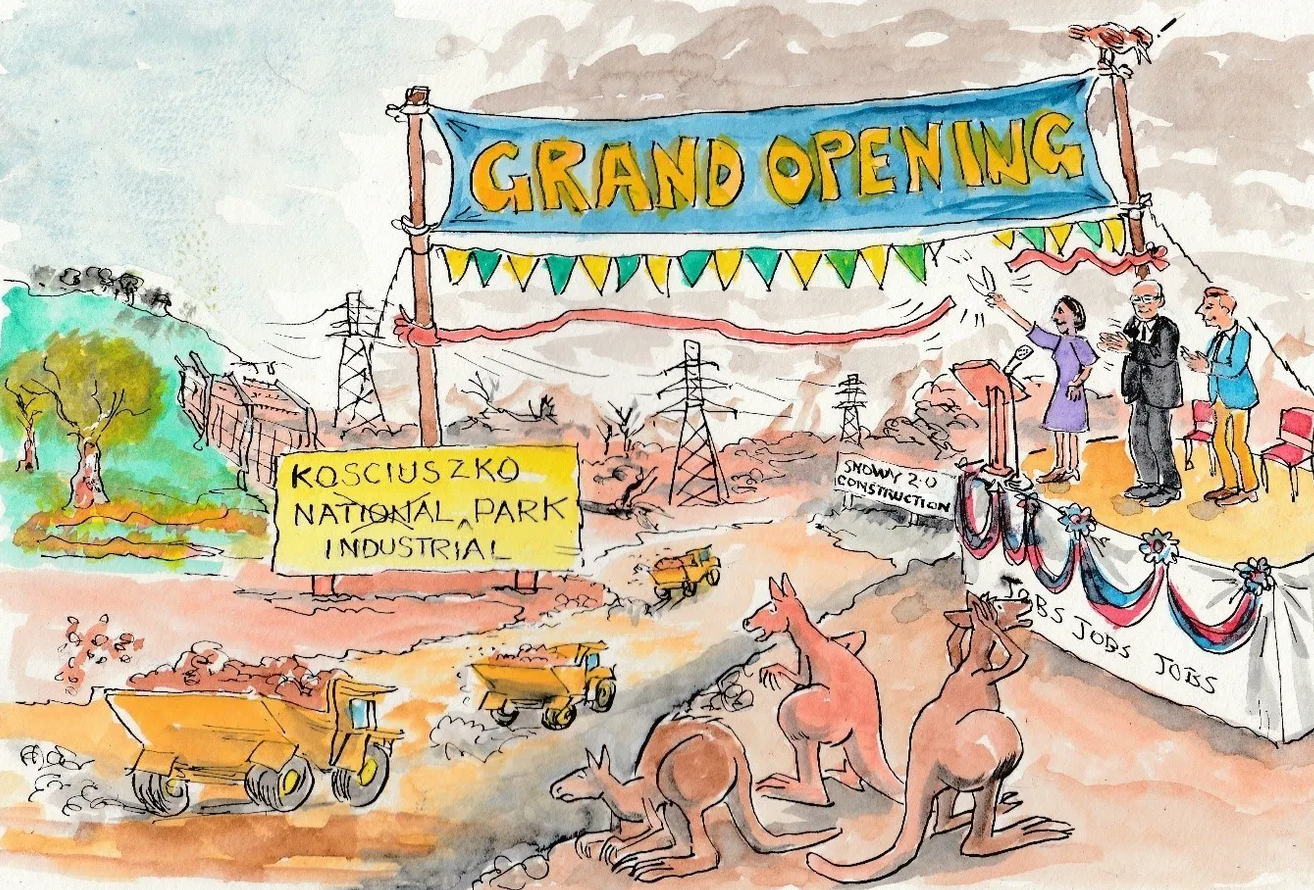
14 million cubic metres of spoil to be dumped in Kosciuszko National Park

The proposal to build Snowy Hydro 2.0 to strengthen capacity for energy storage seemed like a good idea at first. But as the details of the project emerged, especially the likely direct physical footprint of the project, more and more people and groups started to oppose it. (Background stories on the issue are available here).

After the release of the Environmental Impact Statement (EIS) the NSW National Parks Association said that the plan ‘proposes a completely unacceptable level of damage to Kosciusko National Park’.

The project received approvals and is now being constructed. However documents tabled in the NSW Legislative Council reveal that the NSW Government will only receive $1.65 million from Snowy Hydro Ltd for the dumping of 14 million cubic metres of spoil in Kosciuszko National Park.

So, a large section of the Kosciuszko National Park (fifty-five hectares) will be impacted by the dumped waste, yet the NSW Government will receive barely 1/1000th of commercial waste disposal rates.

Continue reading “14 million cubic metres of spoil to be dumped in Kosciuszko National Park”

Kooparoona Niara (Great Western Tiers) National Park Proposed

The most recent additions to the Tasmanian Wilderness World Heritage Area (TWWHA) in 2013 included thirty six thousand hectares of land previously allocated to forestry activities, a large number of small Regional Reserves and Conservation Areas, and some other tenures.

The state government is currently proposing that some (not all) of the forestry land be added to existing Regional Reserves and Conservation Areas. There is a chance for the community to provide input. The Tasmanian National Parks Association (TNPA) is calling on the state government to think big and establish the Kooparoona Niara (Great Western Tiers) National Park.

Continue reading “Kooparoona Niara (Great Western Tiers) National Park Proposed”

Speak up for the people who manage our parks

Our national parks rely on parks staff on so many levels, from managing tourism to fighting fires. Sadly, in Tasmania, austerity measures have been imposed on Department of Primary Industry, Parks, Water & the Environment (DPIPWE) employees, which includes park rangers and other Parks and Wildlife Service (PWS) staff.

Please add your voice and oppose the cut backs.

Continue reading “Speak up for the people who manage our parks”

A Fire Management Plan for the Tasmanian Wilderness World Heritage Area

The Tasmanian Wilderness World Heritage Area (TWWHA) is a World Heritage Site in Tasmania. It is one of the largest conservation areas in Australia, covering 15,800 km², or almost 20% of lutruwita/ Tasmania. It is also one of the last great expanses of temperate wilderness in the world.

In recent summer’s, significant sections of the TWWHA have been devastated by bushfires. The 2018/19 fires were especially destructive.

Fire is perhaps the greatest challenge for the management of the TWWHA, particularly in the context of climate change. With the September 2020 release by the Parks and Wildlife Service of a range of discussion papers for public comment, the state is moving towards the development of a Fire Management Plan for the TWWHA, as recommended by the 2016 report by Tony Press (Tasmanian Wilderness World Heritage Area Bushfire and Climate Change Research Project) and prescribed by the 2016 TWWHA Management Plan. 

How have the papers been received by conservationists?

Continue reading “A Fire Management Plan for the Tasmanian Wilderness World Heritage Area”

Legal challenge against Snowy 2.0 ?

The proposal to build Snowy Hydro 2.0 to strengthen capacity for energy storage seemed like a good idea at first. But as the details of the project emerged, especially the likely direct physical footprint of the project, more and more people and groups started to oppose it. (Background stories on the issue are available here).

After the release of the Environmental Impact Statement (EIS) the NSW National Parks Association said that the plan ‘proposes a completely unacceptable level of damage to Kosciusko National Park’.

However the federal government continues to pursue the proposal.

In response, it has been announced that the National Parks Association of NSW and ex-Energy Australia chair Ted Woodley are considering a legal challenge to the project, which they say will push back the transition to renewable energy and destroy thousands of hectares of national park.

Continue reading “Legal challenge against Snowy 2.0 ?”

Parliamentary Inquiry into tackling the extinction crisis in Victoria

We rely on healthy ecosystems for our survival. Victoria is the most cleared state in the country and natural ecosystems have faced centuries of land clearing, logging, invasion of invasive species and other threatening processes. The mountains that we love are already under threat from climate change: as fire seasons become longer and more intense, and as winter snowpack declines.

Now the Victorian parliament has announced an Inquiry into Ecosystem Decline. This is an important opportunity to show that the community wants to see ecosystems restored and species protected from extinction.

Please read on for ideas on how to write a submission to the Inquiry.

Continue reading “Parliamentary Inquiry into tackling the extinction crisis in Victoria”

Lake Rodway commercial hut proposal reaches planning stage

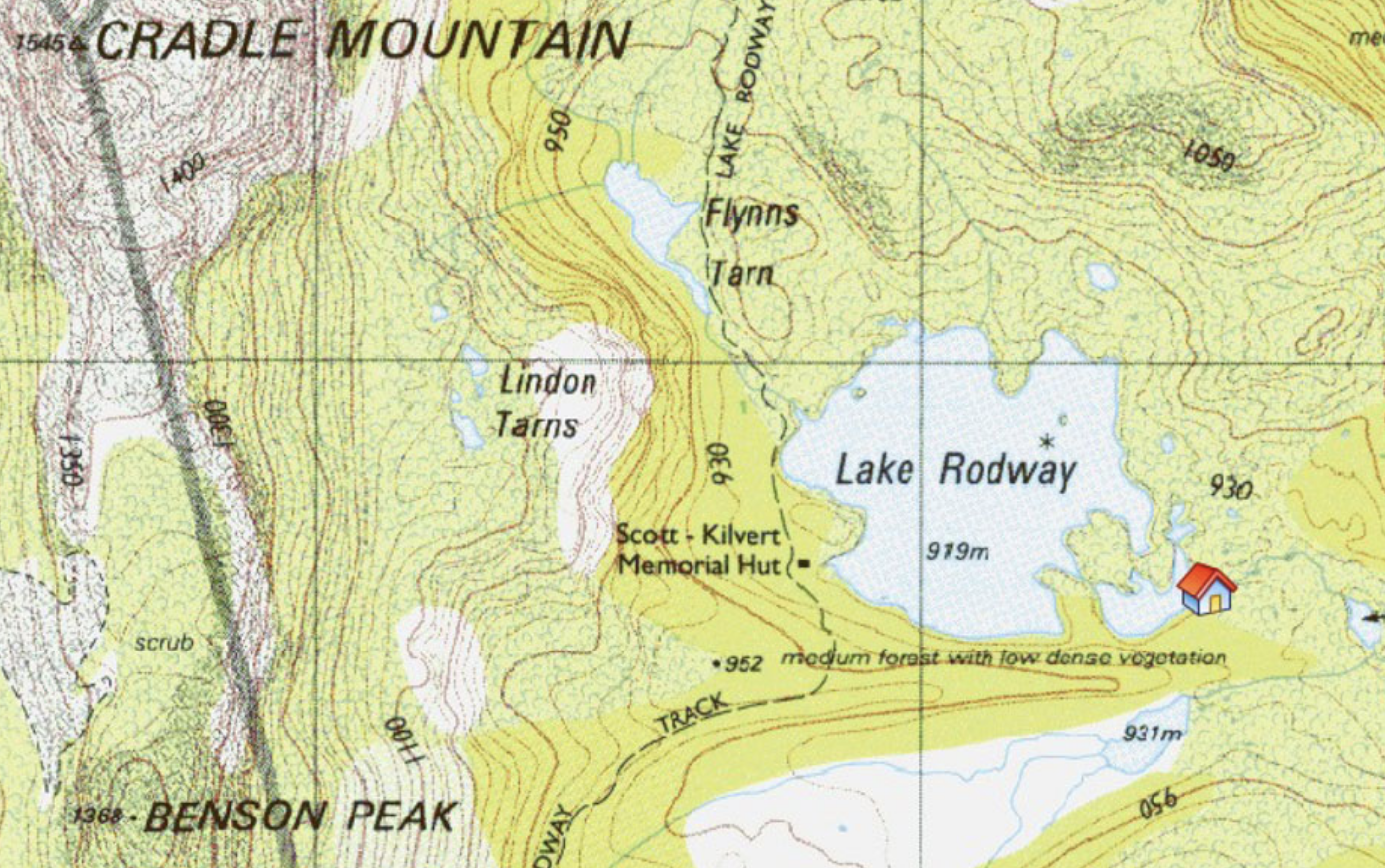
The proposal for a commercial hut (a lodge) at Lake Rodway, below Cradle Mountain, has been on the cards for several years. It was one of the first proposals submitted to the Tasmanian government’s Expressions of Interest process to encourage commercial development in national parks and World Heritage Areas in 2015.

The proposal was originally called the ‘Cradle Base Camp Experience’. The proponent is the Tasmanian Walking Company (TWC), which currently operates the Cradle Huts, Bay of Fires and Three Capes (private huts) walks.

The proposal has now reached the detailed planning stage, with a Parks and Wildlife Service Reserve Activity Assessment (RAA) expected in the next few months. The TWC stated that this would be a Level 4 RAA (the highest level of scrutiny which includes public comment).

Continue reading “Lake Rodway commercial hut proposal reaches planning stage”

Approval of Snowy 2.0 EIS sets ‘appalling precedent’

The Snowy Hydro 2.0 expansion started as a good idea. As the scale of the physical impact of the project became more obvious during the approvals process, environmental groups started to oppose it. After the release of the Environmental Impact Statement (EIS) the NSW National Parks Association said that the plan ‘proposes a completely unacceptable level of damage to Kosciusko National Park’.

It has now received planning approval from the NSW state government, despite ongoing objections over the project’s environmental impacts.

Continue reading “Approval of Snowy 2.0 EIS sets ‘appalling precedent’”

No Fast Track for dodgy developers in Tasmania

The community continues to oppose plans by the Tasmanian government to radically increase private commercial development in the state’s national parks and World Heritage Areas.

However, the government continues to push ahead with it’s anti environment agenda. Now it’s proposed Major Project Legislation is back for a third time and this version should ring alarm bells for everyone concerned about protecting wild places.

Main concerns about the legislation when it comes to wild places like World Heritage Areas include:

  • The Major Projects Bill gives the minister total power to declare a major project which removes it from the normal local council planning process, and virtually any development that would normally go to a local council could be declared a major project.
  • All controversial projects around Tasmania such as the cable car on kunanyi/ Mt Wellington or the Lake Malbena Helicopter proposal could be fast tracked.
  • The community will have no right to appeal against the approval of a major project and will have limited right to have input.

Please make a submission – we have until May 15 2020.

Continue reading “No Fast Track for dodgy developers in Tasmania”

Blog at WordPress.com.

Up ↑