What are the environmental costs of Snowy Hydro 2.0?
Australia is still (sadly) stuck in a culture war over whether climate change is real. While the majority of Australians accept the fact, a significant number of political leaders are using their position to block meaningful action. This has immobilised any forward movement on developing a coherent national energy policy. If anything, the standoff between the conservatives and climate deniers on the one hand, who support more coal and gas, invoking the catch cry of energy security and reliability of supply, and those who heed climate science and understand the need to transition rapidly to renewable energy, is getting worse.
Thankfully technology is intervening to change the dynamics of the argument. The rapid development of storage technology is clearly a game changer when it comes to considering what is possible in terms of powering our nation. Domestic and commercial scale batteries and electric cars are two obvious points where the debate is changing. So is the prospect of pumped storage hydroelectricity, where a two way system is developed so water can be run through a hydro system to produce electricity, and retained below the point of generation, then pumped back up into the storage point (usually a dam) when electricity is very cheap.
As the federal government grapples with pumped hydro storage options it is becoming ever clearer that there are many places where such schemes could be established (It is estimated that there are more than 22,000 suitable locations right around Australia). But there are also plans to re-purpose the Snowy Mountains Hydro Scheme to be able to re-use water by creating a second pipeline system to pump water back into the storages. This is being referred to as Snowy Hydro 2.0.
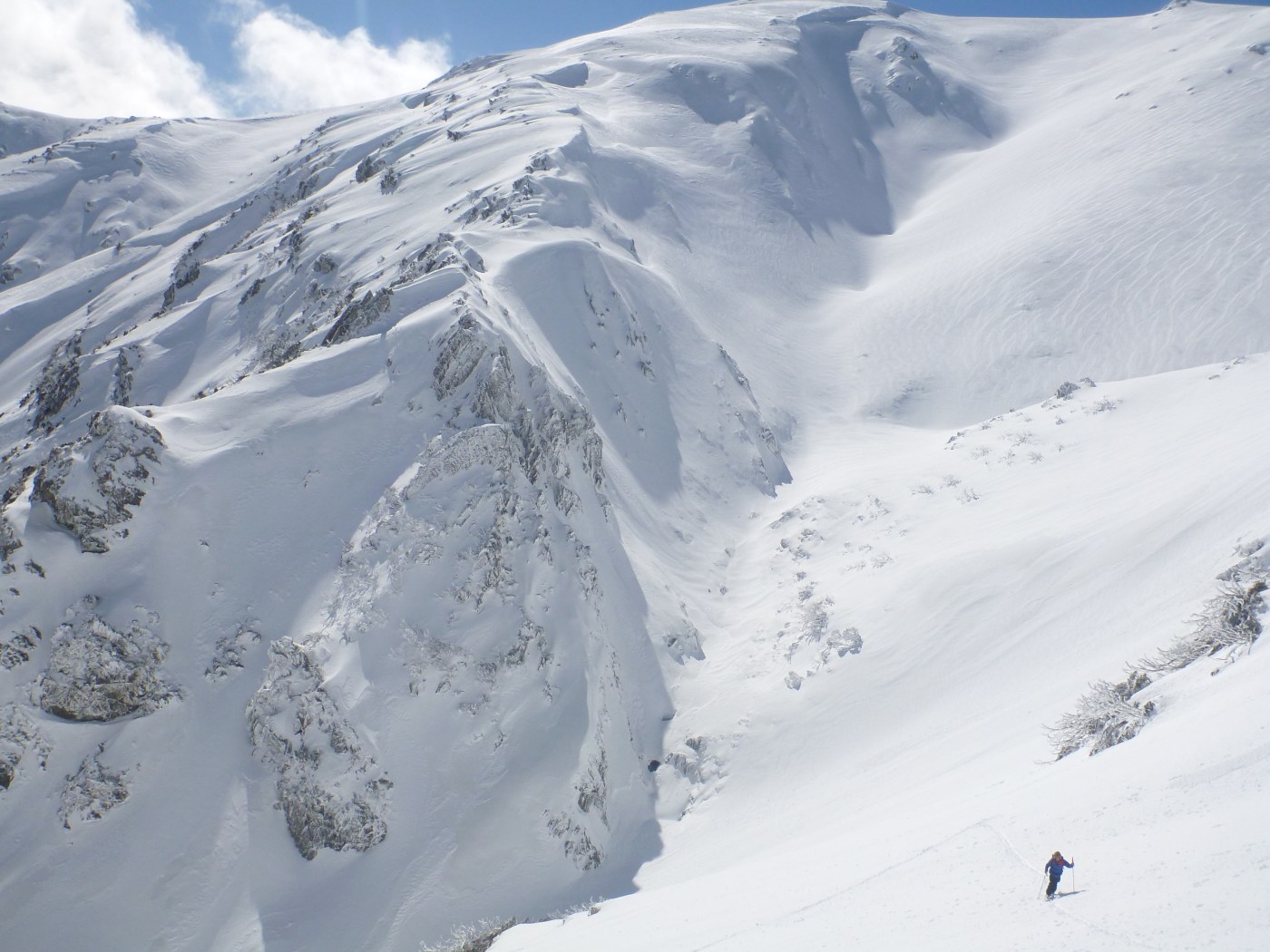
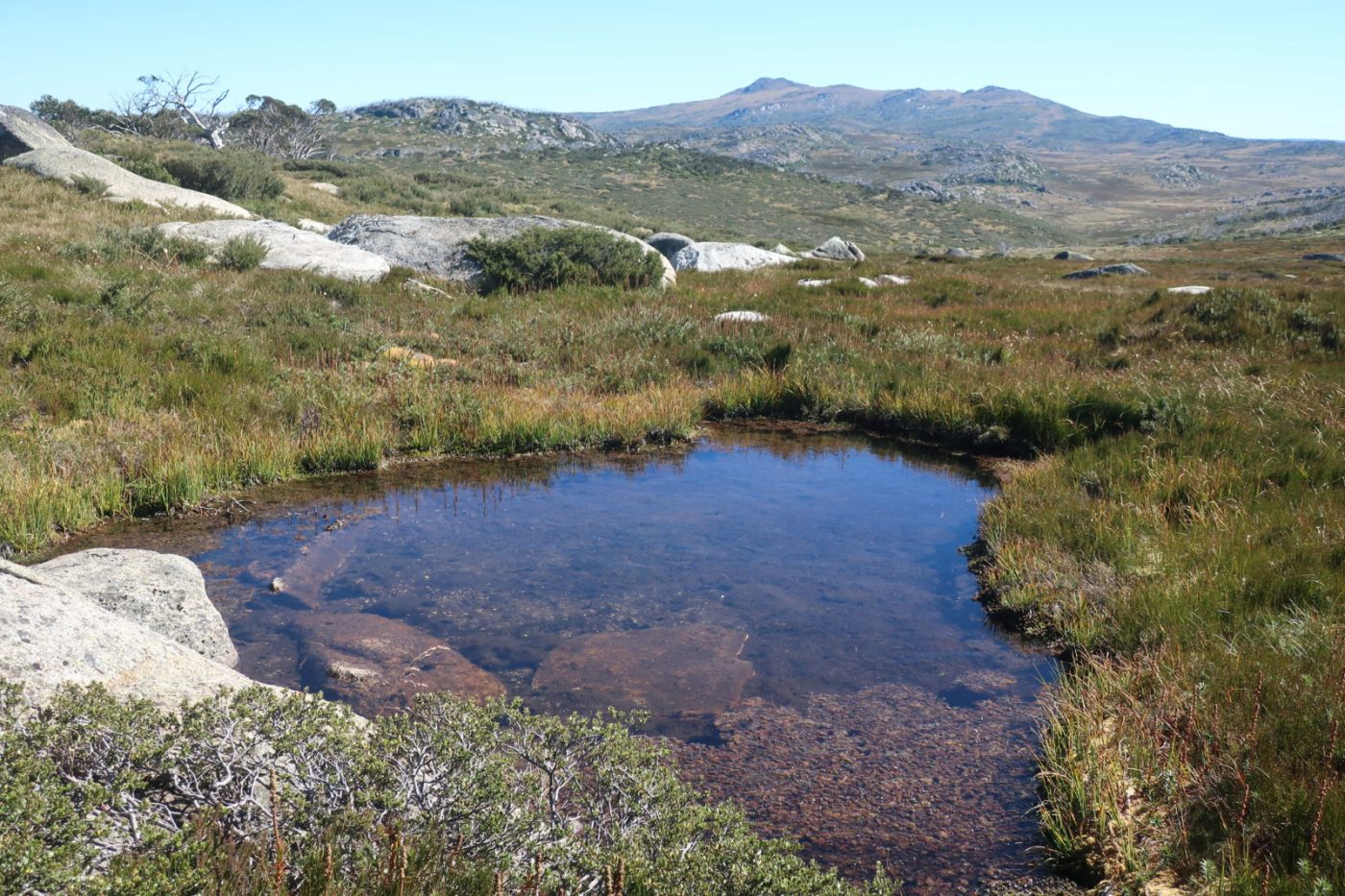
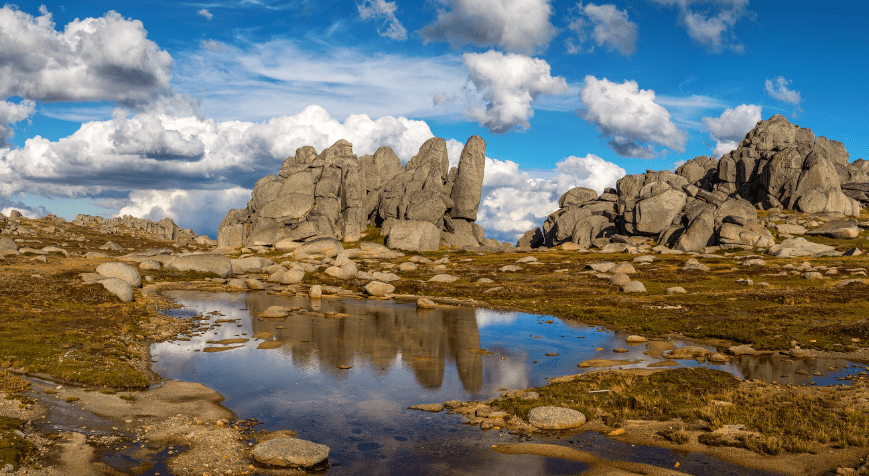
On face value this seems to be a sensible option for getting more clean energy production out of the existing infrastructure. However there are obvious and very considerable environmental issues that need to be considered before the upgrade proceeds. The initial feasibility study (which is still underway) has already identified the major question of what to do with the spoil from the massive drilling operation that would be required to make the project viable. It will need 27 kilometres of tunnels, which may be up to 12.5 metes wide, and from the report below, it is clear that, at this point, the authorities have no idea where they would dump all the rock waste that would come from drilling the tunnels. It should go without saying that the Snowy scheme is within the Snowy Mountains National Park and so the waste will need to be taken outside the park.
Continue reading “What are the environmental costs of Snowy Hydro 2.0?” →
Recent Comments