Search

Mountain Journal

Environment, news, culture from the Australian Alps

Logging will damage the Epic Alpine Ride at Mt Stirling

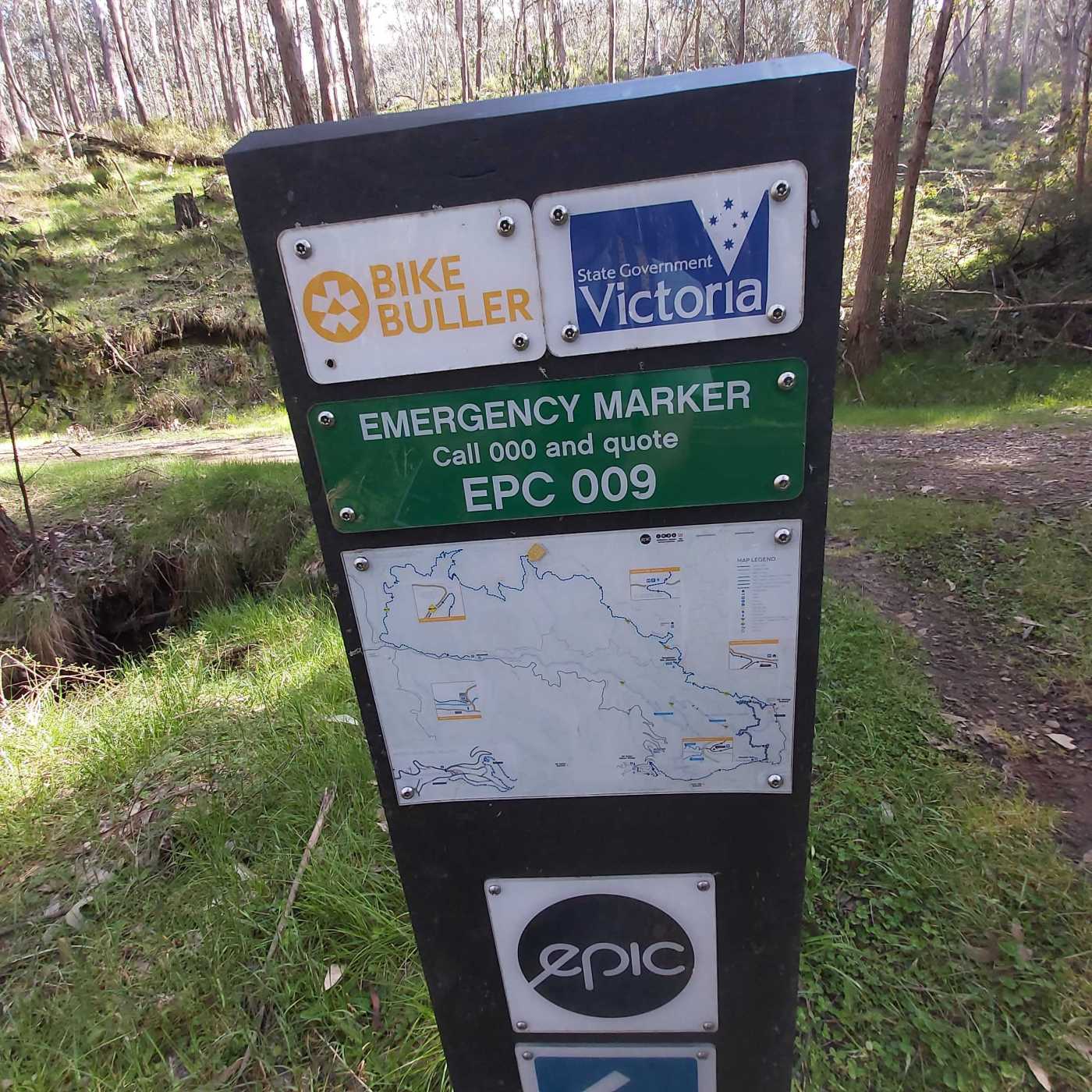
Mt Buller and Mt Stirling are famous for the fantastic bike trails that exist on both mountains. The Australian Alpine Epic route is described as ‘one of only a handful of IMBA Epic accredited trails in the world, the Australian Alpine Epic is a unique, tough and exhilarating journey’. It climbs onto Mt Stirling from the Delatite Valley before heading north past Mt Winstanley.

Sadly, now sections of the Epic ride will be directly impacted by logging operations on Mt Stirling – unless we stop it.

A large area around Mt Stirling is expected to be clear fell logged soon (starting any week now), including several coupes that will directly impact the Alpine Epic ride.

Continue reading “Logging will damage the Epic Alpine Ride at Mt Stirling”

Join us for a walk up Mt Bogong/ Warkwoolowler to oppose logging of mountain forests

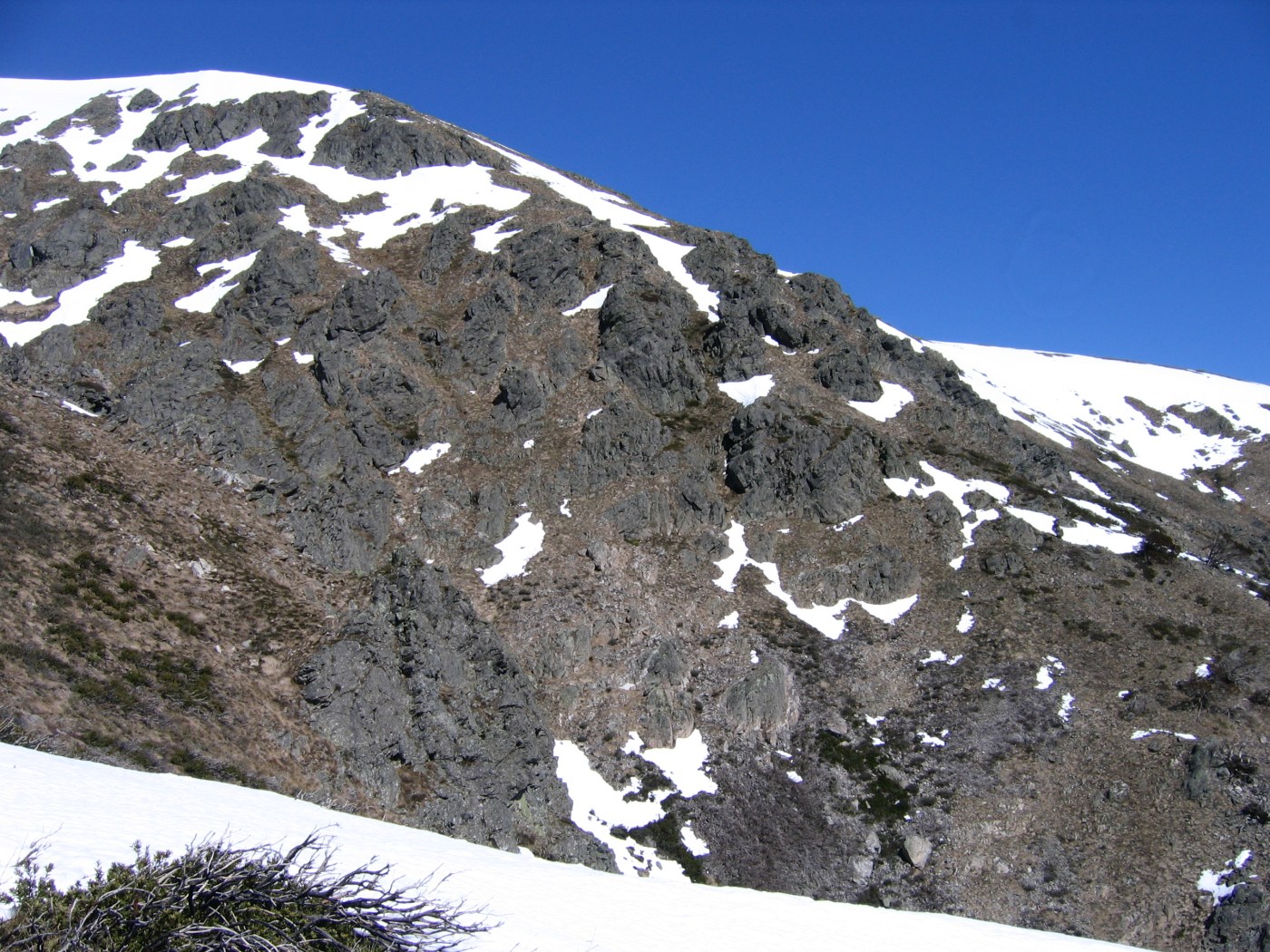
Victoria’s highest mountain, Bogong (Warkwoolowler in the Waywurru and Dhudhuroa languages) is protected in the Alpine National Park. It sits high above the town of Mount Beauty and is a drawcard for hikers, skiers and backcountry snowboarders. There are no roads on the mountain, and access is slow because of the steep climb up from the valley. It is an alpine wonderland of wildflowers in summer and deep snow in winter.

However, surrounding areas continue to be logged. And now a series of logging coupes are proposed along the Australian Alps Walking Track (AAWT) between Bogong and Mt Wills. Additionally, a coupe is planned in the headwaters of the Mitta Mitta River, a major river which starts on the Bogong High Plains.

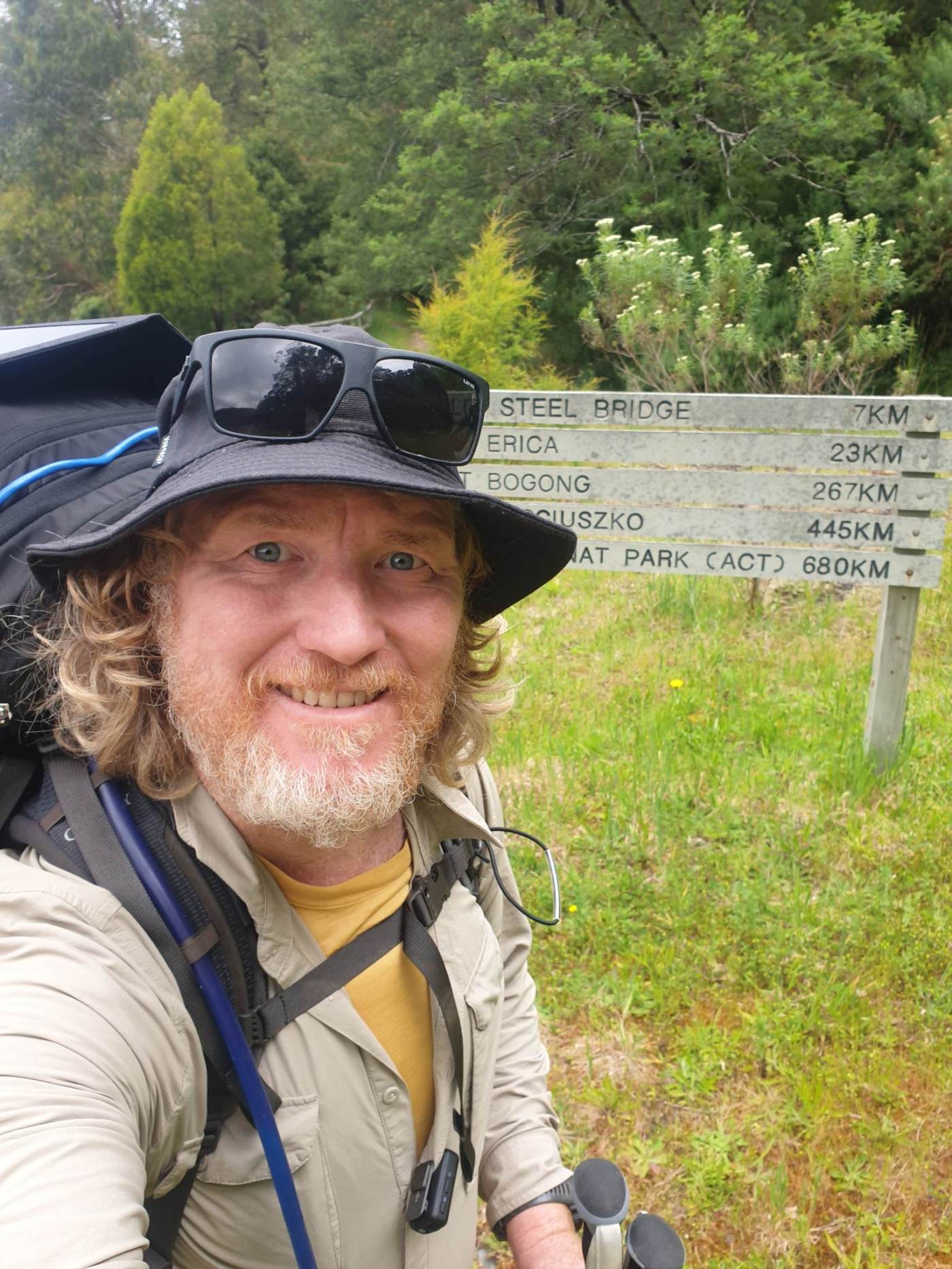
If this concerns you, please join us for a walk to Mt Bogong on Friday January 20. We will walk up Staircase Spur. We will take a group photo with banner on the summit as part of our campaign to build awareness about this new threat to mountain forests.

Continue reading “Join us for a walk up Mt Bogong/ Warkwoolowler to oppose logging of mountain forests”

Is this the summer you do the AAWT?

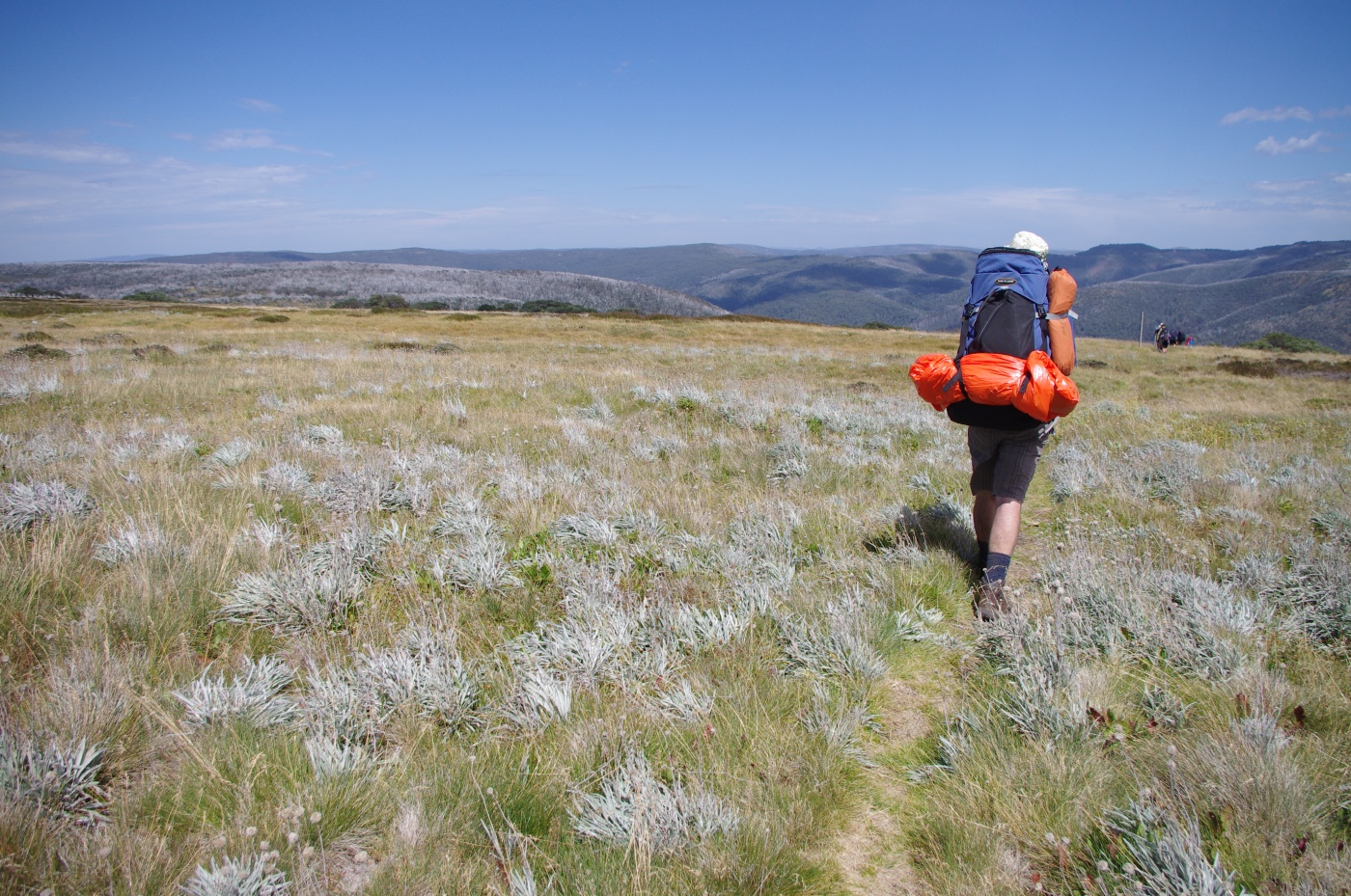
Its walking season. And people are getting out, despite some crazy weather. A friend has just left on the Australian Alps Walking Track (AAWT). Another is about to leave. A work mate is planning to walk it in autumn.  And I am seeing many posts from people who were out on the track during recent epic snowfalls. It seems like our premier long distance trail is getting a lot of love at present.

Many of the usual issues will remain, like sections that are hard to find in the hill and valley country in the south (although in early 2023, the section of the AAWT from Mt Sunday to Low Saddle, which has been problematic for walkers for some time has now been cleared by volunteers from Bushwalking Victoria). In the northern end, the heavy rains are making it hard to do river crossings in places like the Murrumbidgee and Eucumbene rivers and Morass Creek. Fire regrowth in some areas is also making for some hard navigation. And the road from Mt Beauty to Falls Creek will be closed through summer, making support and food drops on the Bogong High Plains slightly more problematic (you can reach the High Plains via Omeo). Because of heavy rains, there are many local road closures in the mountains.

But, as always it is a great adventure.

Continue reading “Is this the summer you do the AAWT?”

Climate change is driving fire and reducing snow pack

The country’s climate has warmed on average by 1.47C since national records began in 1910, according to the new State of the Climate report released earlier this week.

It reinforces what we already know about climate change impacts on mountain environments:

  • Since the 1950s, extreme fire weather has increased and fire seasons are starting sooner and ending later. We can see the impacts of this in burnt out snow gum woodlands and alpine ash forests in a state of ecological collapse.
  • Snow depth, snow cover and number of snow days have decreased in alpine regions since the late 1950s. (This decline has been known and reported on for years).

Continue reading “Climate change is driving fire and reducing snow pack”

The UpSide of a wet spring: lots of river running

What a spring. The rains and flooding just keep on going. It’s been snowing in the high country. Many events are being cancelled or rained out (luckily the recent Rogaining Victoria event at Mt Stirling dodged most of the rain), and Falls Creek is isolated from Mt Beauty until next year. Many dirt roads are impassable and there is widespread damage to the road network. On the plus side we won’t be facing fires in the high country any time soon, but its currently not great walking, riding or camping weather.

But there is one group who’s happy this spring: the paddling community. With epic conditions in our river valleys, even smaller streams are currently able to be paddled.

Continue reading “The UpSide of a wet spring: lots of river running”

Logging at Mt Stirling – what’s at stake?

With news that logging could commence on Mt Stirling as soon as this week, Friends of the Earth (FoE) activists visited the mountain over the weekend of November 18 – 20. Assisted by Friends of Mt Stirling and the Victorian National Parks Association, we visited most of the planned coupes and carried out night time surveying for threatened animal species in a number of them.

What we found was a rich diversity of forests and ecosystems, from mid elevation mixed species forests, areas dominated by alpine ash, and in the higher Number 3 area, proposed coupes that were a mix of older snow gums intermixed with alpine ash. While we did not spot either Greater Glider or Yellow-bellied Gliders (YBG), we found forests within the coupes with likely habitat for these species and an active YBG feed tree.

Continue reading “Logging at Mt Stirling – what’s at stake?”

‘Keep-It-Wild.org’ is launched

The ‘luxury walk’ model is booming across Australia, leading to increased interest in the money-making potential of putting commercial developments in our national parks. New proposals are popping up across Australia, from Cooloola in Queensland’s Great Sandy National Park to the South Coast Track in Tasmania; from NT’s Kings Canyon to the Light to Light walk on the NSW south coast; Kangaroo Island in South Australia to the Falls to Hotham Alpine Crossing in Victoria’s Alpine National Park.

Continue reading “‘Keep-It-Wild.org’ is launched”

Mountain forests miss out on protection


In November 2019 over 96,000 hectares of Immediate Protection Areas (IPAs) were announced by the Victorian government alongside the Victorian Forestry Plan which will see an end to native forest logging by 2030. IPA boundaries for four areas have now been finalised.

However, there has been no additional protection of forests threatened with logging in the Victorian high country.

Continue reading “Mountain forests miss out on protection”

‘Forests, Snowpack and Wildfires Appear Trapped in a Vicious Climate Cycle’

Fire is becoming an increasingly destructive force in mountain areas. This has many environmental and economic impacts. A new study from the USA investigates how extreme wildfires in 2020 affected the water cycle in key mountain forests that store water in the form of snow pack that is released through spring. The findings are consistent with earlier research in the Australian high country.

Continue reading “‘Forests, Snowpack and Wildfires Appear Trapped in a Vicious Climate Cycle’”

“Climate change is occurring 10 times faster than at any time in past 65 million years”

We recently posted an item outlining the fact that the combined climate pledges of 193 Parties under the Paris Agreement could put the world on track for around 2.5 degrees Celsius of warming by the end of the century. That would mean the end of winters as we know them.

There is a range of research shows that warming is happening even faster than previously understood.

“The planet is undergoing one of the largest changes in climate since the dinosaurs went extinct. But what might be even more troubling for humans, plants and animals is the speed of the change. In new research, Stanford climate scientists warn that the likely rate of change over the next century will be at least 10 times quicker than any climate shift in the past 65 million years”.

Continue reading ““Climate change is occurring 10 times faster than at any time in past 65 million years””

Acknowledging the pioneers who protected the Alps

Over the past two years, we have produced two printed versions of the Mountain Journal. The first one focused on Where are we? (Visions from First Nations people about their aspirations for the Alps). The second focused on Giving back to the mountains (profiles on some of the many people doing good things in the mountains, like campaigning, guiding, ski patrolling and restoration work and so on).

The third issue (due out around New Year) will look at the people who came before us and who built our knowledge of the value of the high country, influenced our views of the mountains, and worked to have them protected.

Continue reading “Acknowledging the pioneers who protected the Alps”

“The world is on track to hit as much as 2.8C of warming this century”

Overall, the world has warmed on average just a little over 1oC since the start of the industrial revolution due to human caused climate change. We can see what this has done to winter in the Australian mountains. Snow pack has been in decline since at least 1957. Winter snowfalls are becoming more erratic. Climate change is already visible at lower elevation resorts in the Australian Alps. And recent climate research suggests that the Australian Alps may suffer from a loss of snow as climate change supercharges phenomena known as ‘atmospheric rivers’. These are long, narrow regions of high moisture content in the lower atmosphere that transport most of the water vapour from the tropics to the sub-tropics and midlatitudes,

A new report from UN Climate Change shows that while countries are ‘bending the curve’ of global greenhouse gas emissions downward, that these efforts remain insufficient to limit global temperature rise to 1.5 degrees Celsius by the end of the century.

According to the report, the combined climate pledges of 193 Parties under the Paris Agreement could put the world on track for around 2.5 degrees Celsius of warming by the end of the century. That would mean the end of winters as we know them.

Continue reading ““The world is on track to hit as much as 2.8C of warming this century””

Blog at WordPress.com.

Up ↑