Search

Mountain Journal

Environment, news, culture from the Australian Alps

Feasibility study into Tyndall Range walk released

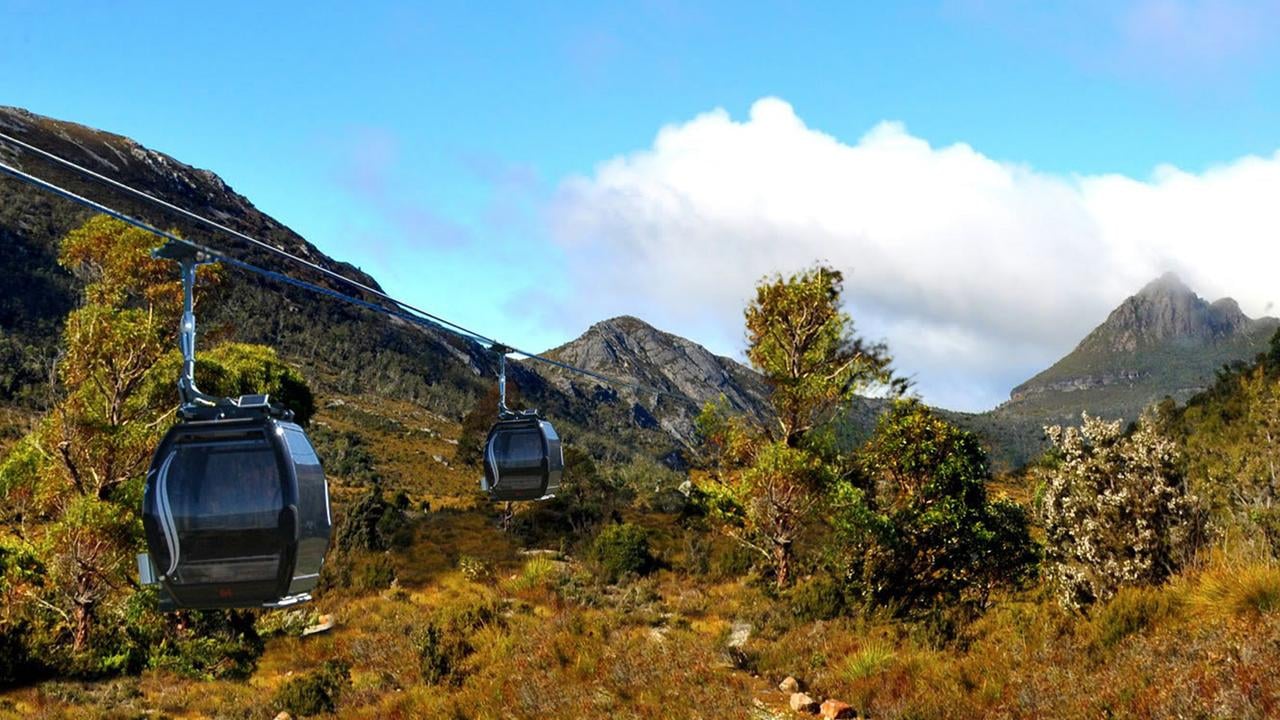
In 2019, the Tasmanian premier, Will Hodgman, announced that ‘Tasmania’s wild West Coast’ had been chosen as the preferred location for the state’s next ‘Iconic Walk’.

The area selected is the remote Tyndall Range. This ‘iconic walk’ will be similar to the Overland and Three Capes Tracks, where private hut networks have been built and tours are run by commercial operators.

The Tasmanian Parks and Wildlife Service (P&WS) has announced that the ‘findings of a feasibility study into a new overnight experience in the Tyndall Range on Tasmania’s west coast ‘proves the proposal is feasible and will deliver a new and iconic multi-day walking experience’.

Continue reading “Feasibility study into Tyndall Range walk released”

VIC backcountry festival 2021 online program

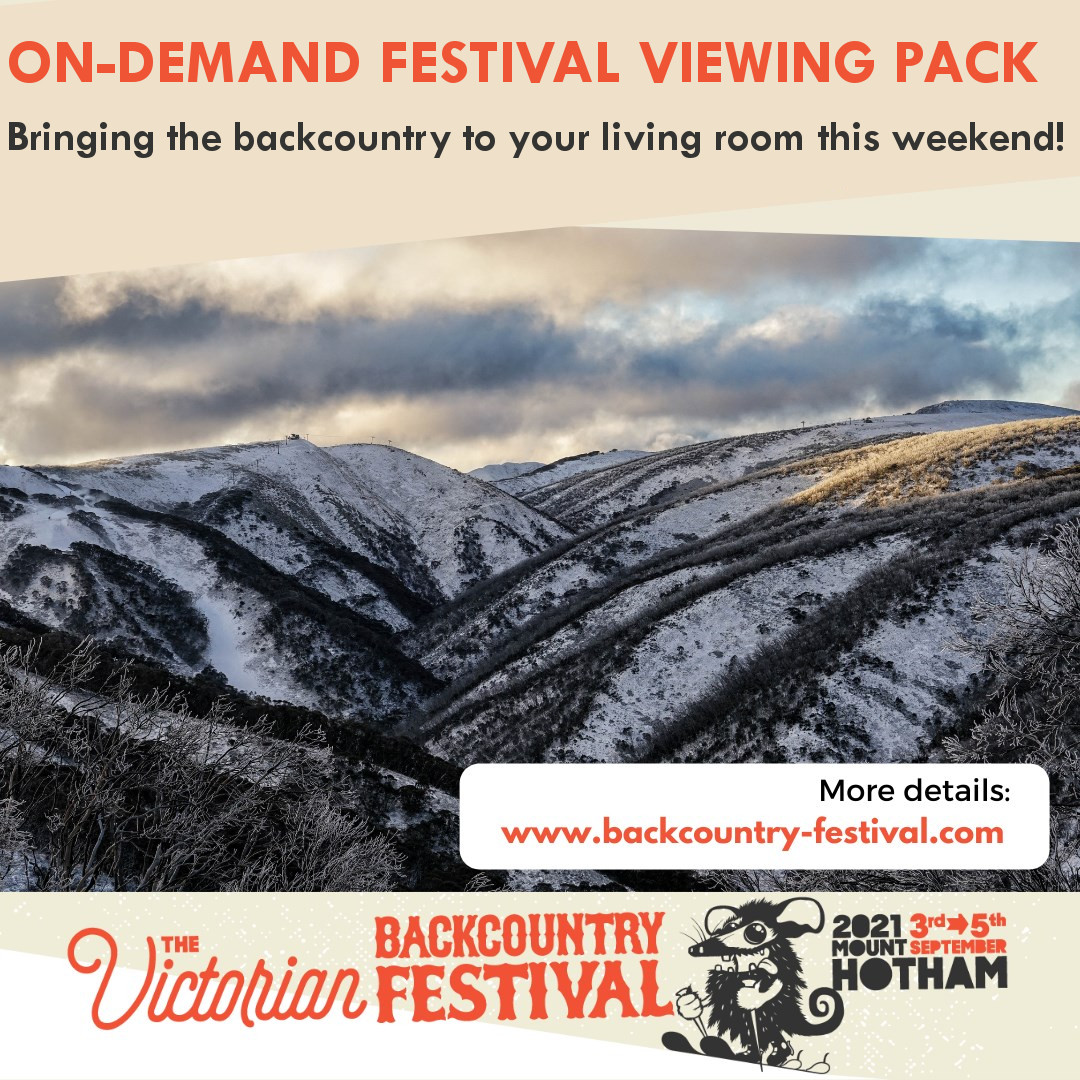
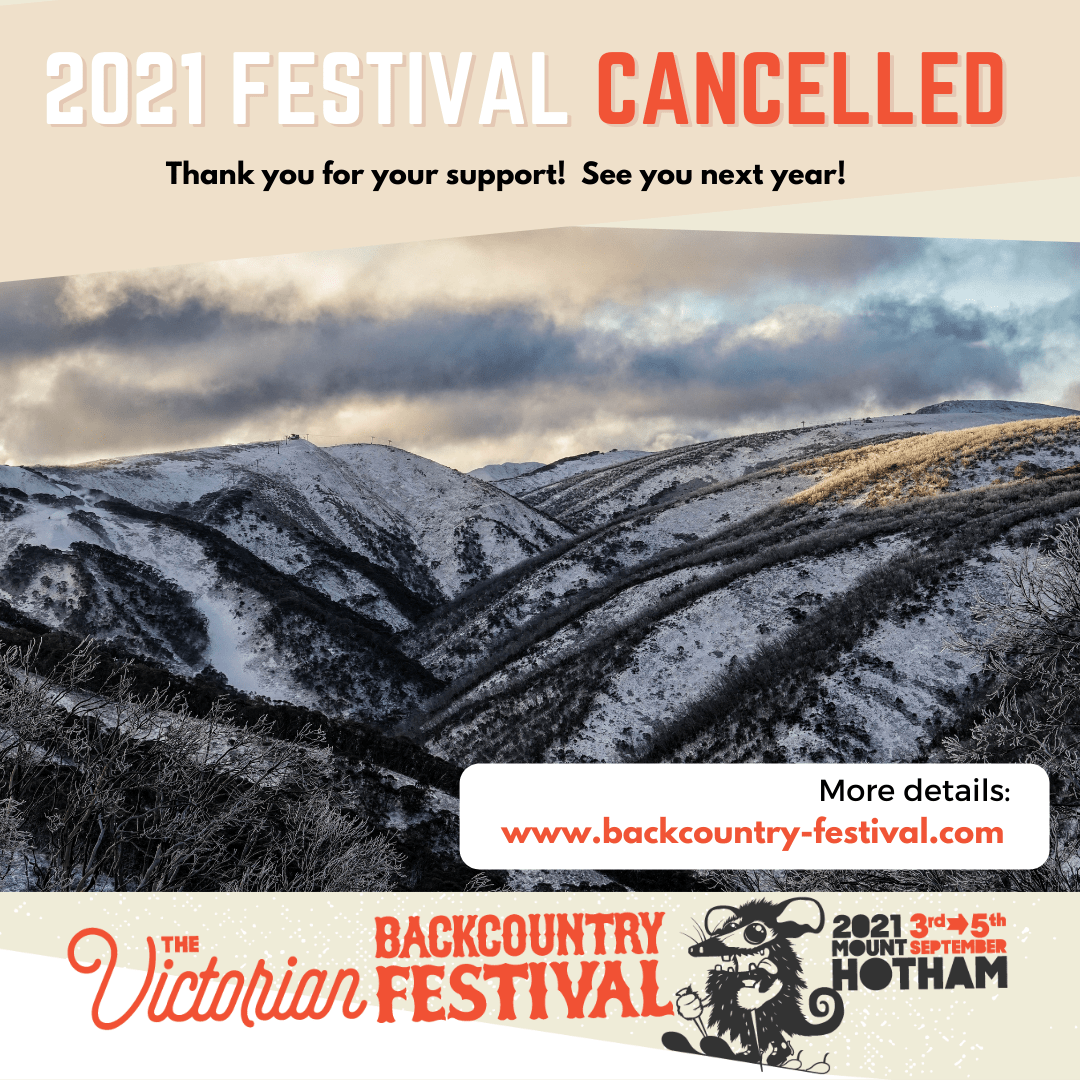
Covid restrictions have forced the organisers of the Victorian Backcountry Festival to cancel the 2021 event. Since we can’t get to meet on-mountain for the festival this year, the organising team has pulled together an ‘on-demand’ pack of films and talks for your viewing pleasure over this weekend (September 4 and 5).

The content available from tonight at https://www.backcountry-festival.com/festival-program/

Continue reading “VIC backcountry festival 2021 online program”

Ecological recovery in Namadgi National Park

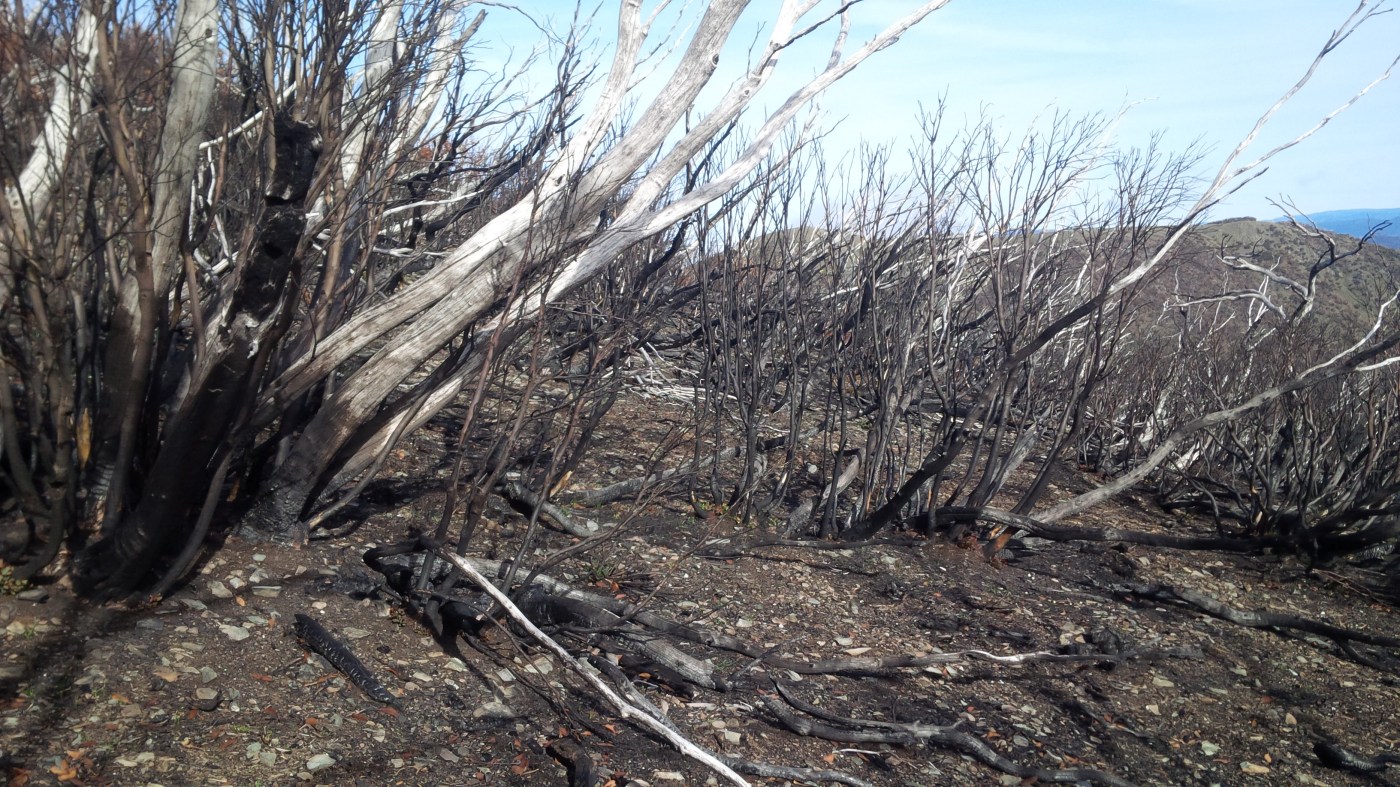
In January and February 2020, the Orroral Valley Fire burnt more than 80% of Namadgi National Park in the ACT, leaving large areas blackened and apparently lifeless.

Monitoring the recovery of Namadgi National Park from the Orroral Valley fire has occurred since the fire. This is managed by the Environment, Planning and Sustainable Development Directorate within the Department of Environment, Heritage and Water. They have just released a great visual report on the recovery of animals and vegetation communities in the park. It is mostly good news.

The report is available here.

Some highlights from the report:

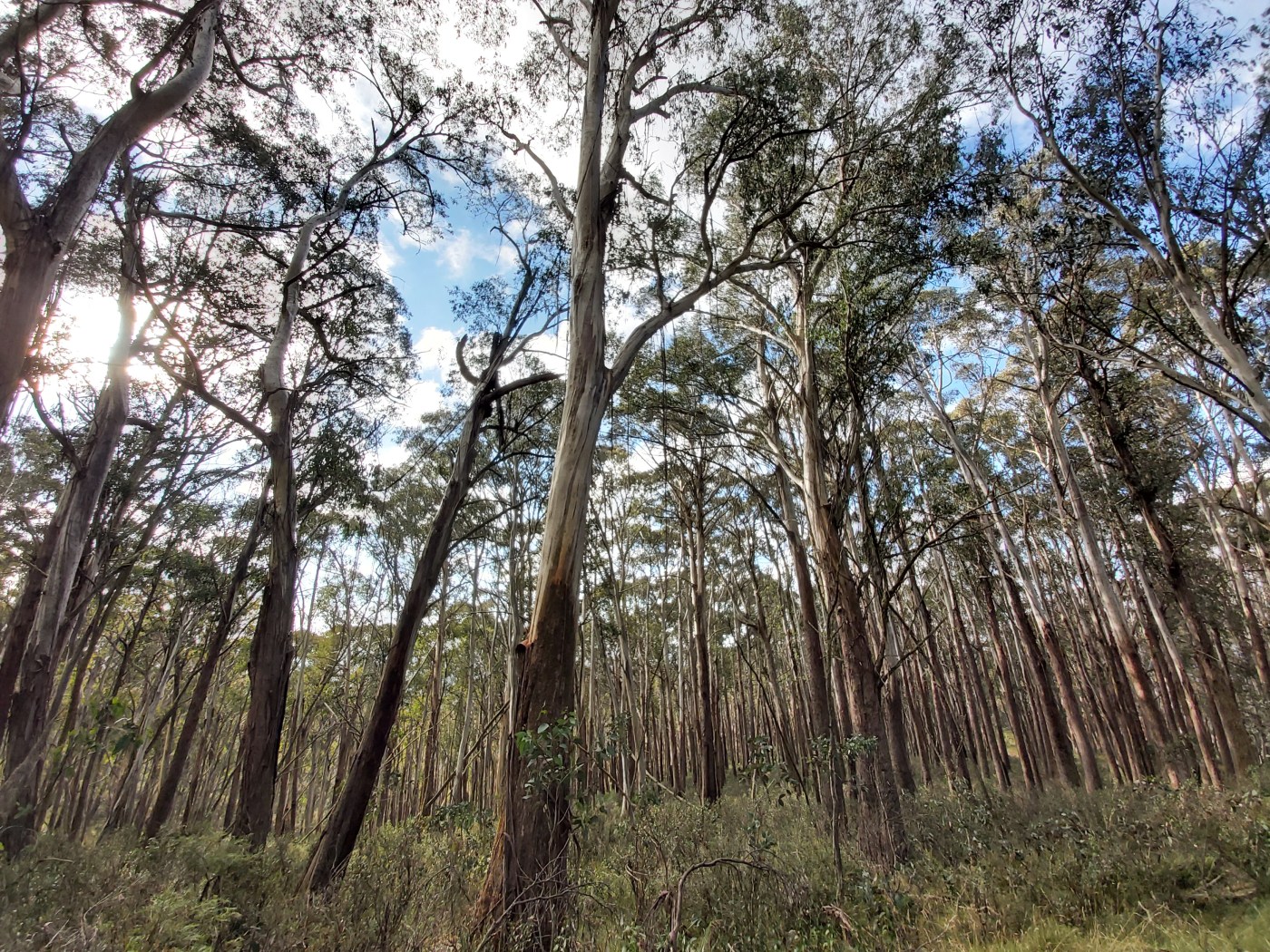
Many Candle Bark forests and Snow Gums are recovering quite well.

The rate of recovery appears to be strongly affected by moisture availability.

Wetter sites, such as Snow Gum woodland near Mt Franklin Road, are recovering faster. Snow Gums on drier and rockier sites are demonstrating less recovery.

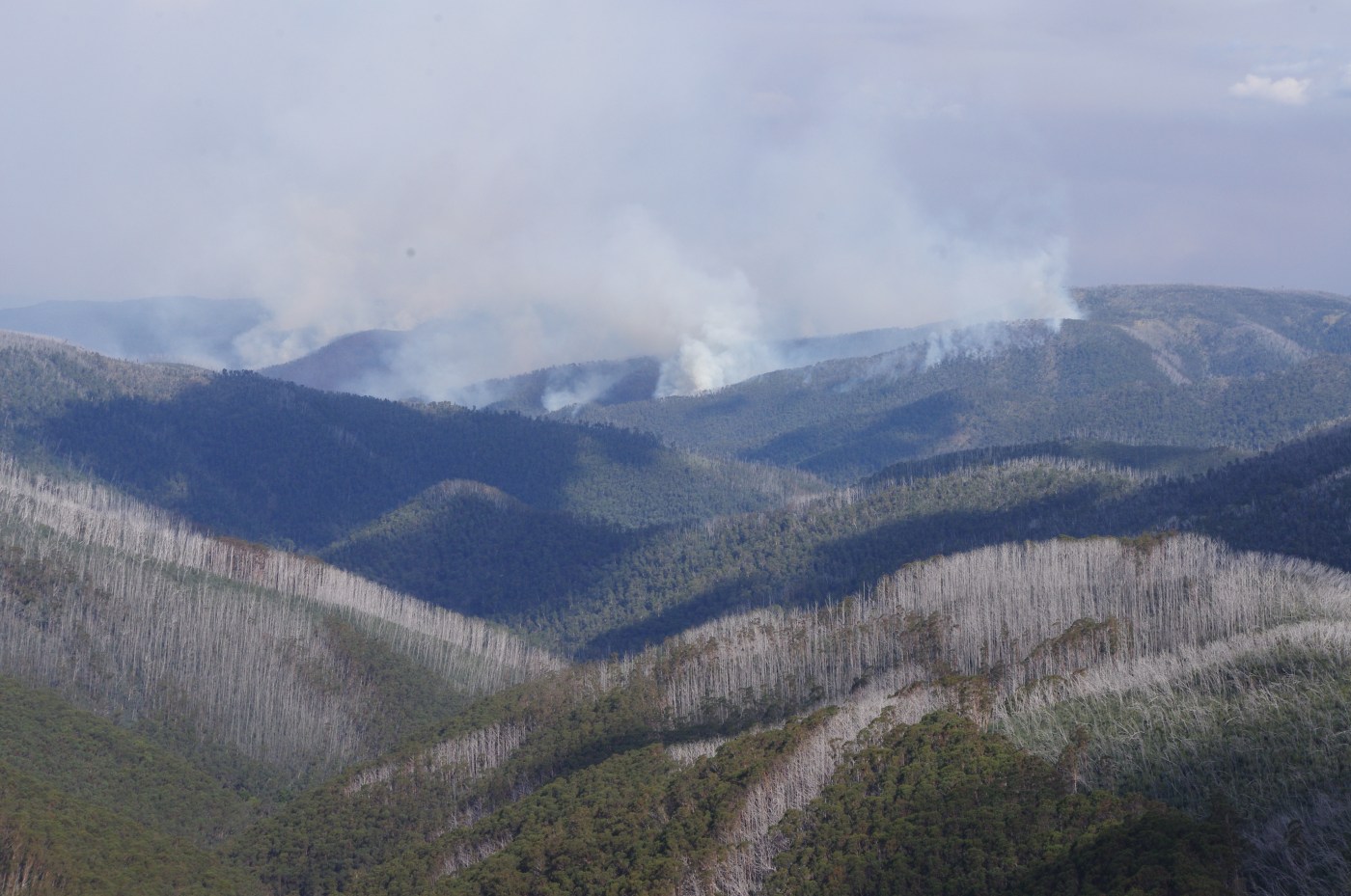
One exception to the general pattern of good recovery is Alpine Ash (Eucalyptus delegatensis), which is killed by intense fire and must regenerate from seed.

It is uncertain how well Alpine Ash will recover after two intense fires only 18 years apart; Conservation Research ecologists are currently assessing the degree of fire impact and the extent of recovery in Namadgi’s Alpine Ash forests.

Fortunately, some important stands of Alpine Ash were not affected by the Orroral Valley fire. A total of 2,415 ha, or 33% of the Alpine Ash forest in Namadgi, did not burn in 2020.

Some species can benefit from burning.

By killing shrubs, removing leaf litter and creating areas of bare ground, the fire resulted in ideal conditions for the germination of short-lived herbs and grasses.

Billy buttons (Craspedia sp.) covered the burnt slopes of Mt Gingera in November. Later they faded and set seed, to be replaced by other brightly-coloured species. By February, bluebells and paper daisies (Xerochrysum spp.) were the dominant flowers.

We may not see another flowering event like this for years or decades.

How are fauna populations recovering?

Although the fire took a heavy toll on animals, many survived, either in unburnt or lightly-burnt patches or by taking shelter beneath the ground.

The first teams onto the fire ground found a surprising number of birds (click unmute background audio to listen), mammals, invertebrates, frogs and reptiles,

Preliminary results are encouraging. The burnt areas of Namadgi still ring with an impressive array of singing birds.

VIC backcountry festival cancelled – here’s to 2022!

With the announcement from the Victorian government that the current lockdown will be extended beyond thursday September 2, the organising committee have made the difficult decision to cancel the 2021 Backcountry Festival at Mount Hotham. Given the extended COVID-19 restrictions, we have no option but to cancel.

We have set the dates for next year – September 2, 3 and 4, back at Mt Hotham.

We are, of course, deeply disappointed to have to make this decision. A huge amount of effort goes into planning events like this and it has been especially hard with a constantly changing situation with lockdowns. Many businesses and individuals have come on board to back the event and we thank the Mt Hotham community for the support and good will they have offered the festival.

Continue reading “VIC backcountry festival cancelled – here’s to 2022!”

Bushfire review is a chance to protect Alpine Ash forests

In March 2020, just a few months after the devastating 2019/2020 Black Summer bushfires, state and federal governments rolled over the controversial Regional Forest Agreements (RFAs) which give logging an exemption from federal environment laws.

A new clause has been introduced where a significant event (like the 2019/2020 bushfires) can trigger a Major Event Review (MER).

The review was announced last year, but since then logging in critical habitat for threatened species has continued, and there have been no changes to logging schedules. The review is now open to public consultation and submissions will be accepted until 31 August 2021.

You can find out more about this review here.

Continue reading “Bushfire review is a chance to protect Alpine Ash forests”

Citizen science project: tracking loss of Snow Gums

As we know, Snow Gums face a massive threat from the spread of dieback which is caused by a native beetle, but which is now being super charged by climate change.

There is another emerging issue: localised collapse of snow gum woodlands due to more frequent fires.

Friends of the Earth recently released a report called An Icon at Risk: current and emerging threats to the Victorian Alps (available here), which points out that climate driven fires are starting to lead to localised collapse of Snow Gum woodlands where regular fires have caused death of parent trees and seedlings.

These forests are fire adapted and can recover from fire. But the dilemma we face is that , since the turn of the 21st century, fires are becoming more frequent and pushing this vegetation community towards ecological collapse.

No one knows the scale of this problem.

That’s where you come in.

Continue reading “Citizen science project: tracking loss of Snow Gums”

‘High-risk bushfire days set to soar this century’

There is no doubt that climate change is driving more intense fire seasons. The world has warmed as a result of human activity and now all fire events occur in a warmer environment. We have known this for years. Back in 2008 the Garnaut Climate Change Review’s final report, said that predictions “suggest that fire seasons will start earlier, end slightly later, and generally be more intense” and that “this effect increases over time, but should be directly observable by 2020.”

New research by the CFA and Bureau of Meteorology underscores this fact yet again.

Continue reading “‘High-risk bushfire days set to soar this century’”

Lake Mountain ski patroller awarded National Medal for Volunteering

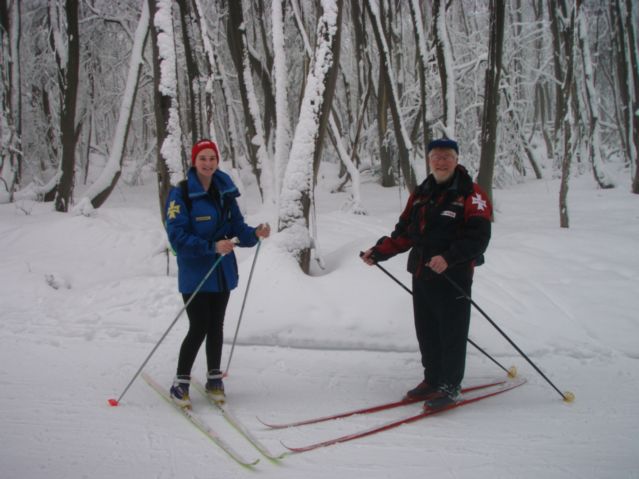
Ski resorts rely on patrollers to keep visitors safe, help them when accidents happen and find them when they get lost. Many patrollers are volunteers, and some commit decades to their local patrol. Its always good to see long term volunteers recognised. Lake Mountain ski patroller, Mike Sutton has been honoured with a National Medal for his many years of volunteer service.

Continue reading “Lake Mountain ski patroller awarded National Medal for Volunteering”

The IPCC report – what does it mean for mountain environments?

The long awaited Intergovernmental Panel on Climate Change (IPCC) 6th Report has now been released.

As expected, it is an urgent wake up call to our political leaders to actually start to take decisive action to tackle the climate crisis. While the information is not really ‘new’, it does remind us of the incredible urgency of taking climate action. Now.

The IPCC says ‘many of the changes observed in the climate are unprecedented in thousands, if not hundreds of thousands of years, and some of the changes already set in motion – such as continued sea level rise – are irreversible over hundreds to thousands of years’.

However, they do remind us that ‘strong and sustained reductions in emissions of carbon dioxide (CO2) and other greenhouse gases would limit climate change’. So let’s get to it.

What are the implications for mountain lovers in this new report?

Continue reading “The IPCC report – what does it mean for mountain environments?”

Skiing in the Pyrocene (*)

It was probably a year ago that I saw this photo in Powder magazine. It broke my heart to think that an image of a skier making lines through burnt forest is now just a regular thing in the times that we live in.

The other day I was out pottering around, aiming to ski to Mt Tabletop near Mt Hotham, taking advantage of the excellent snow base at present. I skied out along JB Plain and cut into the trees to the edge of the 2020 fire, then decided to follow the open terrain down on the south side of the escarpment, onto a steepening slope that ended where the Alpine Ash started to dominate. Its early August but it felt like spring: forgiving granular corn, south facing slopes, mellow turns. Doing wide loops through the dead trees, looking out to the Dargo High Plains, I felt at home in these mountains that I love. This used to be thick regrowth forest and you never would have thought of skiing here. But now its open, and with a good cover, its enjoyable moderate terrain. The Ash are dead, as are a lot of the Snow Gums.

Continue reading “Skiing in the Pyrocene (*)”

VIC backcountry festival registrations now open

The Victorian Backcountry Festival will happen at Hotham over three days (3, 4 and 5) in September (fingers crossed!).

Registration for the festival is now open.

Continue reading “VIC backcountry festival registrations now open”

An Icon at Risk: current and emerging threats to the Victorian Alps

Snow Gums (Eucalyptus pauciflora) are the classic alpine tree of the High Country, generally growing at heights between 1,300 and 1,800 metres asl. Anyone who has visited the Australian High Country will know – and probably love – these trees.

In recent decades, wildfire has been devastating huge areas of the Snow Gum forests, with significant fires in the Victorian High Country in 1998, 2002/3, 2006/7, 2013 and 2019/20. More than 90% of Snow Gum habitat has been burnt at least once in the last 20 years.

The species can survive fire. However, climate change driven fire seasons are leading to more frequent fire, which is causing more death of trees and changes to forest structure. In some instances, localised collapse of Snow Gum woodlands is now being observed. As climate scientist Michael Mann describes it, we are now seeing climate change play out in real time.

We must ask whether we are now seeing the start of the collapse of Snow Gum woodlands, one of Victoria’s iconic vegetation communities.

Continue reading “An Icon at Risk: current and emerging threats to the Victorian Alps”
Featured post

Blog at WordPress.com.

Up ↑