Search

Mountain Journal

Environment, news, culture from the Australian Alps

Where the Water Starts

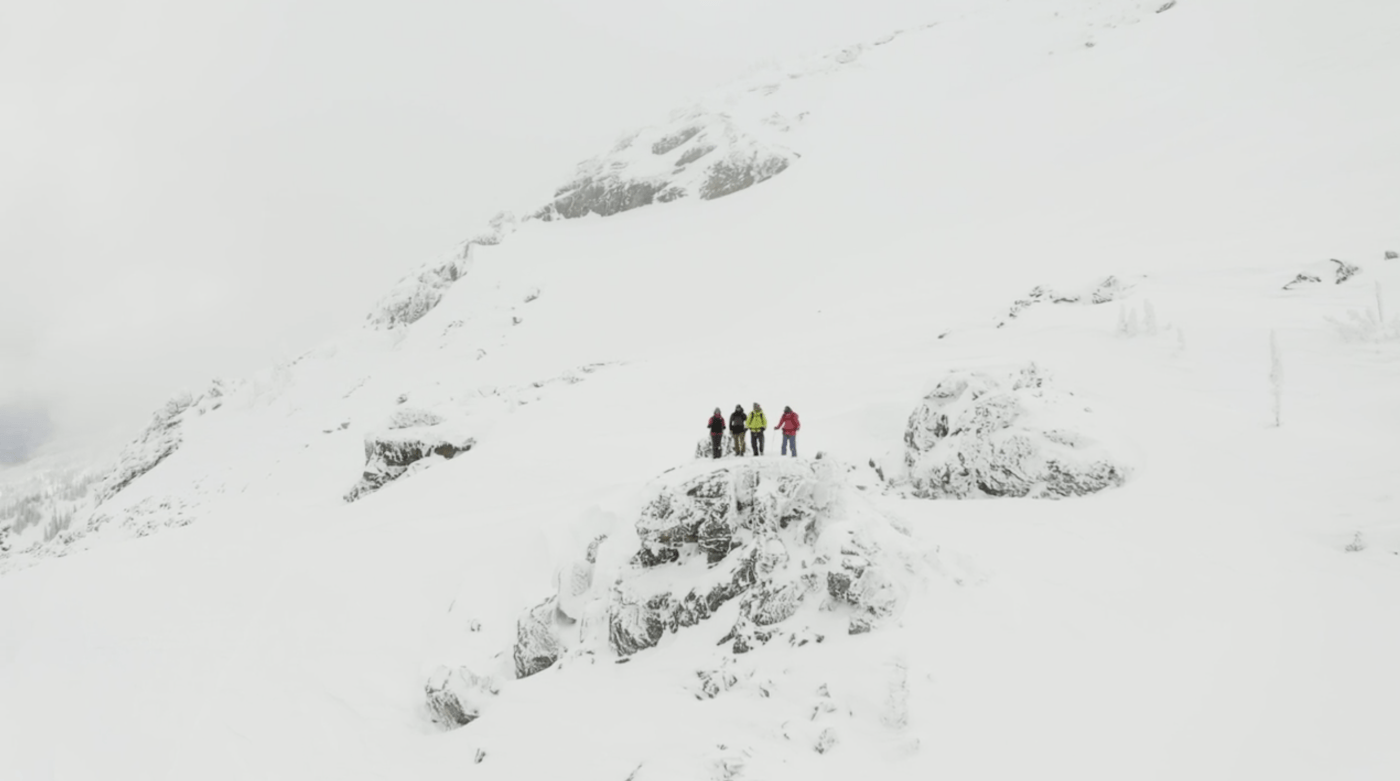
Richard Swain loves the bush and wildlife of the southern ranges of New South Wales, where he was born. Richard’s deep connection to country and skill as a river guide led him and his partner, Alison to set up Alpine River Adventures. A successful business is now threatened by low water levels in the Snowy River. They both consider climate change is impacting the environment they love.

Where the Water starts is a film that explores connection to place and the impacts of climate change and feral animals on the Snowy Mountains.

Continue reading “Where the Water Starts”

Yes. Facebook sucks.

Despite some developments in the conflict, the dispute continues between Facebook and the Australian government over the media licensing laws. Like many other community pages, Mountain Journal has been caught up in the cross fire. All the content has been removed from our facebook page.

Continue reading “Yes. Facebook sucks.”

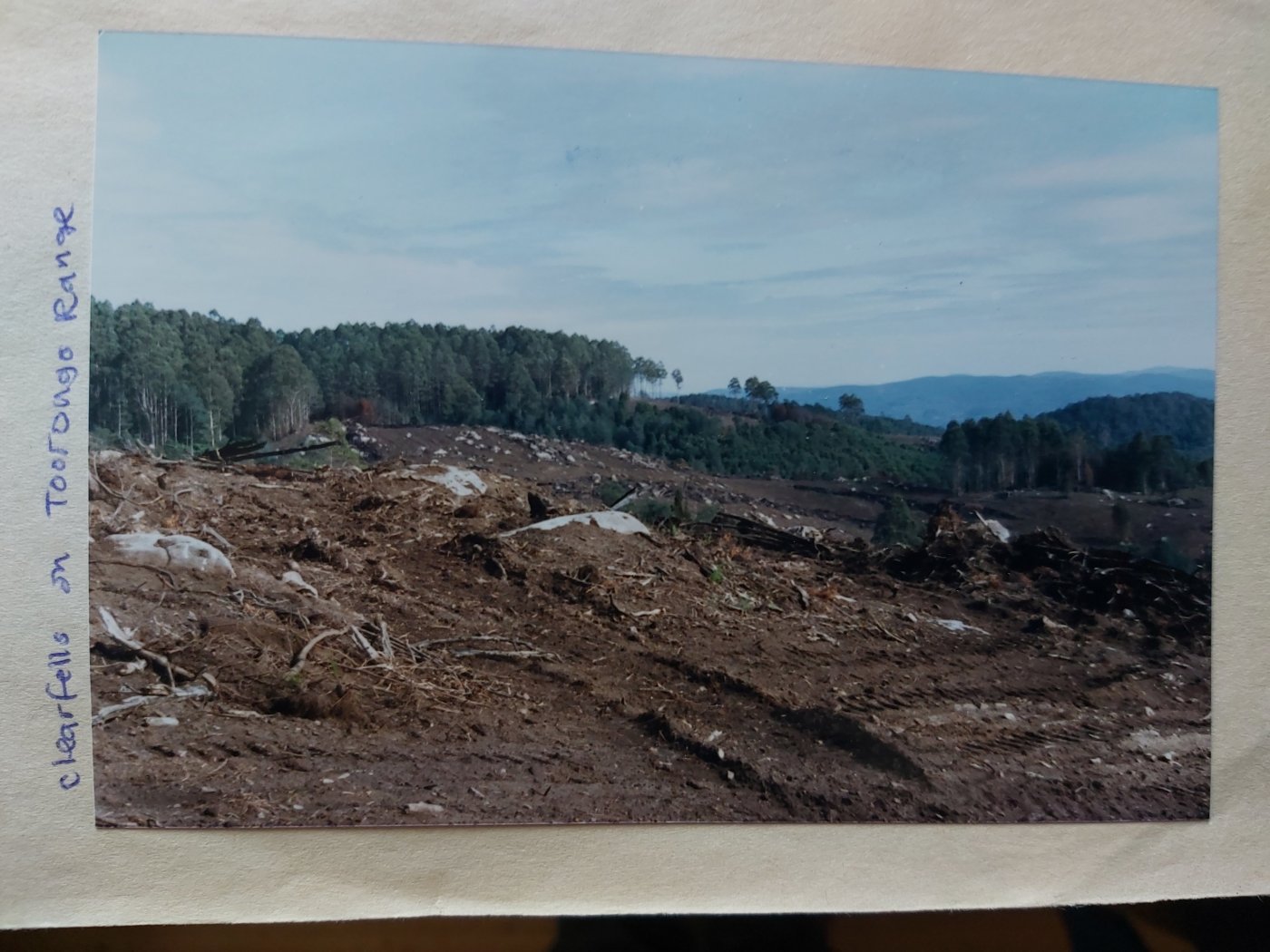
Forest refuges under threat from logging

new report based on analysis of maps and data from the 2019/20 Black Summer bushfires has revealed that significant areas of unburnt forests critical for bushfire affected wildlife are set to be logged by the Victorian Government. This includes areas in the Victorian high country.

The report was produced by a range of groups, including Goongerah Environment Centre (GECO) and the Victorian National Parks Association.

GECO says ‘These and other important areas are still scheduled for logging, when they need to be protected. Take action and email decision makers to drop logging plans and protect forests and wildlife’.

Continue reading “Forest refuges under threat from logging”

Daily mountain news

As the dispute continues between Facebook and the Australian government over the media licensing laws, Mountain Journal has been caught up in the cross fire. All the content has been removed from our facebook page. This has happened to many other community, environmental, snow and outdoors related groups.

Until we get our page reinstated, I thought I would add mountain related news stories here on a daily basis. Newest content will be at the top. Continue reading “Daily mountain news”

Ghost Forests of the High Country

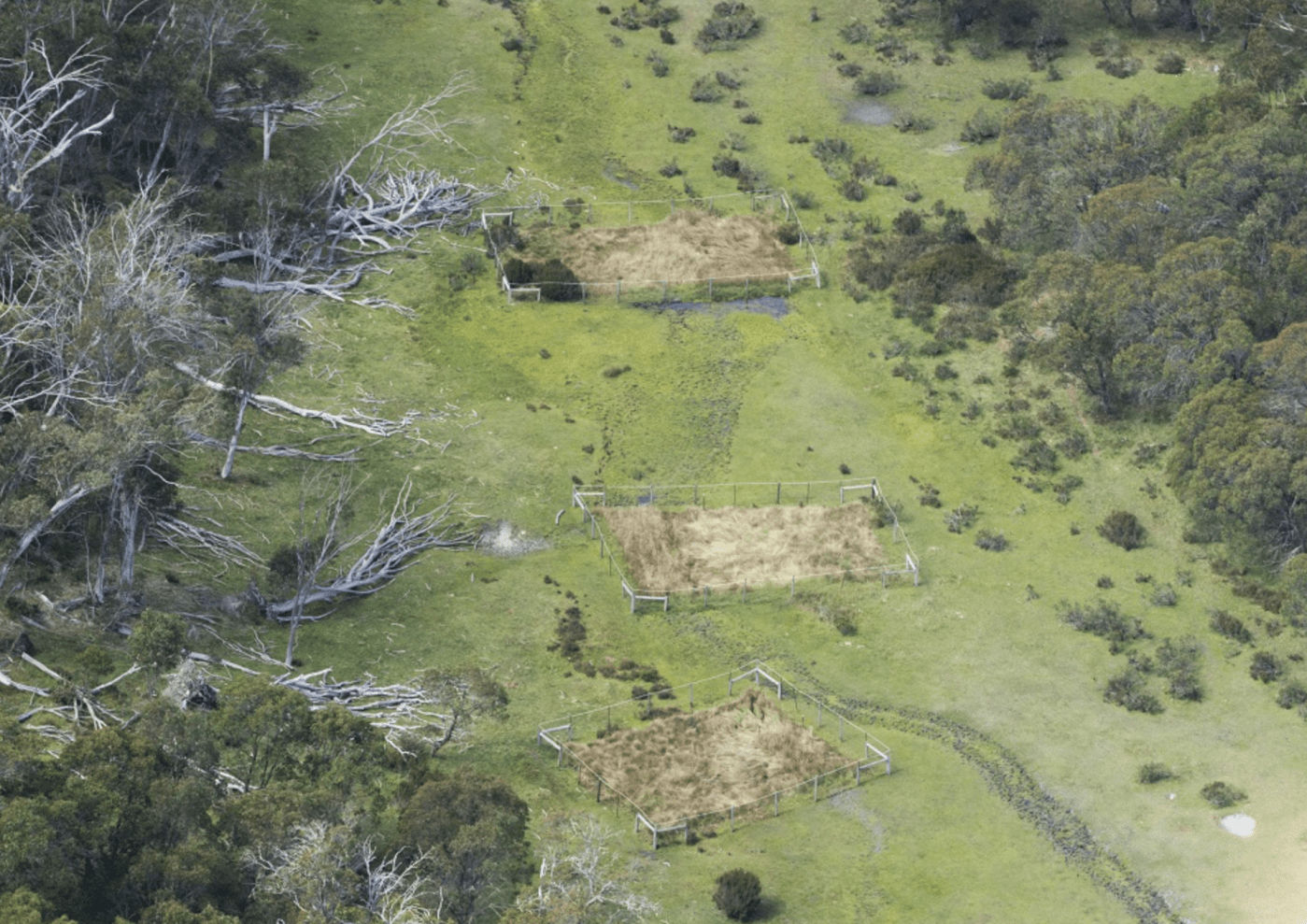
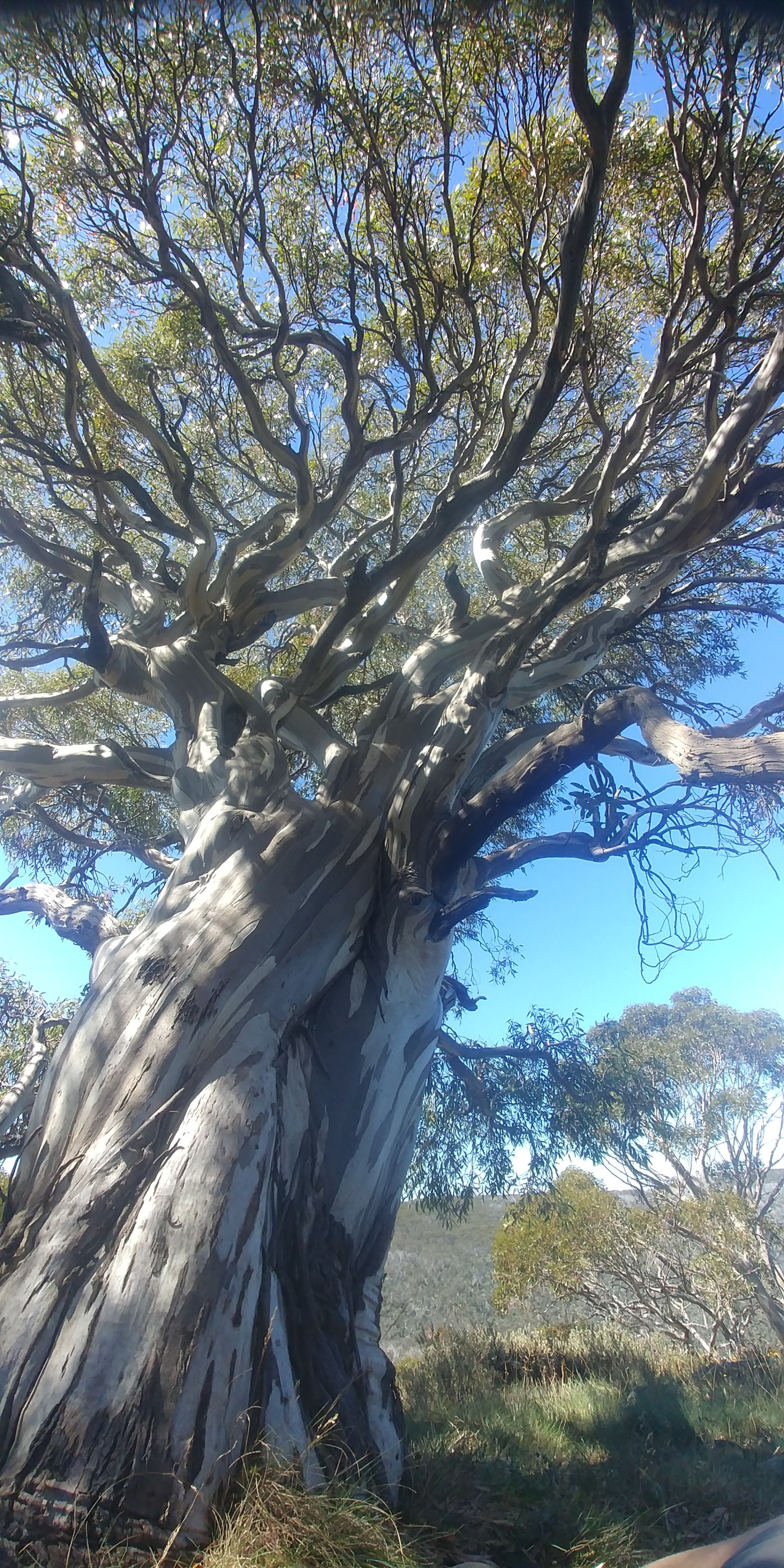
Over 90% of the Victorian distribution of snow gums has been burned at least once since 2003. Some areas have been burnt multiple times, and this is impacting on the ability of these forests to recover. Like other Eucalypts, Snow Gums are fire adapted and can recover via new seedlings or regrowth from the base of the tree. However, repeated fires within a short period of time can kill the parent forest and destroy seedlings.

Continue reading “Ghost Forests of the High Country”

Post fire recovery in Kosciuszko National Park

Since the fires of last summer there has been a lot of conservation recovery and rehabilitation work carried out in and around Kosciuszko National Park. Recently the NSW National Parks and Wildlife Service (NPWS) hosted an update on the work that has been done, through a forum called Conservation in Action, which was held in Tumut.

As we know, a lot of Kosciuszko National Park was heavily impacted by the fires. Dan Nicholls, from the NPWS gave an outline of some of the work carried out since then, which includes:

Continue reading “Post fire recovery in Kosciuszko National Park”

Bushfire recovery funds for alpine and valley communities

Ten projects in Indi (north eastern Victoria) have received funding through the federal governments Local Economic Recovery (LER) program for bushfire recovery.

Local Member for Indi, Helen Haines, says: ‘They will bring new jobs and attract tourism, and I’m so proud to see the hard work and initiative of our region recognised by this investment.

‘It is fantastic that the Alpine resorts have received $7 million for three transformational projects. The resorts were hit hard by the fires and then COVID-19, and yet inexplicably, the Government had initially excluded them from the bushfire recovery funding.

‘There is also great news for tourism in our region here. $5 million for the Great River Road, upgrades to the Alpine Hotel and Bright Velo will help position our region for a strong economic recovery, creating sustainable jobs by bringing tourists to our wonderful region’.

Continue reading “Bushfire recovery funds for alpine and valley communities”

Dargo High Plains subjected to intensive logging

The Dargo High Plains are a much loved part of the Victorian high country, with extensive open plains surrounded by eucalypt forests, much of which is dominated by Alpine Ash (Eucalyptus delegatensis). Alpine Ash is one of the iconic trees of the Victorian mountains, where it is widespread and often dominant in grassy or wet subalpine forests, in deep fertile soil, often on slopes, and where it commonly forms pure stands. In Victoria it occurs at altitudes between 900 and 1,500 m (3,000 and 4,900 ft). The high points of the Dargo High Plains sit roughly between 1,300 and 1,500 metres above sea level.

Only 0.47% of old growth Alpine Ash still exists in the forests of the Central Highlands. In the mountain ranges of north eastern Victoria and East Gippsland, old growth Ash is now rare, and ‘tens of thousands’ of hectares of forest are on the verge of ecological collapse.

Sections of the Plains have burnt several times in recent years, including the summer of 2018/19. Considerable sections of the Plains Ash forests have been logged in the past. Now, the state government has scheduled a number of logging coupes of long unburnt forest, which threatens to devastate the fringes of the high plains.

The logging program in the High Plains area appears to include roading through the Alpine National Park to access the coupes on the east side of the plateau.

Please scroll to the end of the story for updates.

Continue reading “Dargo High Plains subjected to intensive logging”

Dead forests making bushfires worse

We know that climate change is making fire seasons longer and more intense. This is happening globally. It has enormous implications for the landscapes that we love, how we prepare for and fight fires, and even how we live in fire prone areas.

These fires are transforming the landscapes we know and love. Anyone who has driven out of Jindabyne into the Snowy Mountains, or Mt Beauty towards the Bogong High Plains knows what I am talking about – endless walls of grey, dead trees. Only 0.47% of old growth Alpine Ash still exists in Victoria. This has huge implications for the aesthetics of our mountain areas, and significant ecological implications.

Increased fire frequency could see mountain forests like Alpine Ash replaced by wattle woodlands. As recently noted by Brett McNamara, the manager of Namadgi National Park:

Recovery happens but it is “tainted with a sense of what does the future hold for us if we are to experience fire again and again with such intensity. This is where the question is unanswered. What these mountains will look like well into the future?”

The huge volumes of dead trees from previous fires also creates a lot of fuel that is already dry and hence ready to burn in future fires. What are the implications of this for our fire fighting and land management efforts?

Continue reading “Dead forests making bushfires worse”

The Victorian backcountry festival is back in 2021!

After moving online in 2020 due to the Covid-19 lockdown, the Victorian Backcountry Festival will be back at Mt Hotham in 2021.

The Festival celebrates the growing movement of ‘all things backcountry’, focused on  human powered winter activities such as cross-country skiing, snow shoeing, telemarking, alpine touring, split boarding, photography and snow camping.  This will be the fourth year that the Festival has run, and the second time at Mt Hotham.

The Festival aims to not only provide an introduction to the ever-growing suite of backcountry activities, but to also make it more accessible to the general public, whilst educating them about mountain safety.

Continue reading “The Victorian backcountry festival is back in 2021!”

Subalpine forests struggle to recover after 2019-20 bushfires

The Bushfire Recovery Project, led by five scientists, is tracking forest regrowth in NSW and Victoria after last summer’s fires, using data gathered by citizen scientists.

Their report has found that while low elevation forests on the NSW south coast appear to be recovering well, forests in some subalpine areas ‘near Mount Kosciuszko and in Victoria’s East Gippsland region are struggling to recover from the 2019-20 bushfires’.

This is consistent with everything we already know about the impact of climate driven fire seasons on the higher elevation Alpine Ash forests and Snow Gum woodlands.

Continue reading “Subalpine forests struggle to recover after 2019-20 bushfires”

‘Identifying the benefits’ of a new track system in the Tyndall Range

In 2019, the Tasmanian premier, Will Hodgman, announced that ‘Tasmania’s wild West Coast’ had been chosen as the preferred location for the state’s next ‘Iconic Walk’.

The area selected is the remote Tyndall Range. This ‘iconic walk’ will be similar to the Overland and Three Capes Tracks, where private hut networks have been built and tours are run by commercial operators. The Range is known for its rock climbing on conglomerate cliffs up to 300m in height, glacial lakes and substantial alpine areas and ‘out of the way’ nature. The plan to introduce a commercial operation is being opposed by many in the community.

The Tasmanian Parks and Wildlife Service (PWS) is currently exploring options to develop the walk.  The Project is still in the feasibility study stage. The PWS is seeking community assistance through a survey to ‘identify the benefits’ you think will arise from this project, so that the feasibility study ‘can be as comprehensive as possible’.

Continue reading “‘Identifying the benefits’ of a new track system in the Tyndall Range”

Blog at WordPress.com.

Up ↑