Search

Mountain Journal

Environment, news, culture from the Australian Alps

Lake Malbena appeal dismissed in the Supreme Court of Tasmania

There has been a long running attempt to develop a tourism venturein a remote World Heritage Area on Tasmania’s Central Plateau. This would set a worrying precedent for future commercial development in World Heritage and National Parks.

In December 2019, the Resource Management and Planning Appeal Tribunal (RMPAT) overturned the Central Highlands Council’s decision to refuse a permit for helicopter-accessed visitor accommodation at Halls Island, Lake Malbena, in the Tasmanian Wilderness World Heritage Area. But environmental groups have not given up on this issue.

Continue reading “Lake Malbena appeal dismissed in the Supreme Court of Tasmania”

Fires and snow gums. To keep these forests we need less fire.

Fires are still burning out of control across much of the Australian High Country. Yet we are already well into the blame game, where some people and groups are blaming environmental activists and/ or The Greens party for ‘stopping’ fuel reduction burning and hence making the fires worse. While this is not true, this resonates with certain anti green and conservative demographics (check here for an alternative view of the conversation).

There is no doubt that fuel reduction burning has a role to play in how we manage forests and other landscapes. The problem is that it is often seen as a ‘one size fits all’ tool that will reduce fire intensity in all environments. But in reality, it works well in some ecosystems and is counter productive in others. This is a subtlety that is lost on the ‘fuel reduction is the answer’ boosters.

The argument that we need to increase fuel reduction burns in snow gum and true alpine environments is already caught up in the broader land management debate, and will continue in the coming months. So it’s worth taking a good look at what science says about the value of fuel reduction in our high mountain areas.

Continue reading “Fires and snow gums. To keep these forests we need less fire.”

Giving back to the mountains we love

As fire fighters get on top of the blazes that have been devastating huge ares of the Victorian, NSW and ACT mountains, towns and communities are starting to re-open. Many parks are still closed but towns are increasingly open for business.

One obvious thing we can do is visit these areas and buy up big. The economic impacts of the fires on tourism in local towns is enormous (and estimated to be well over $1B already)

The impacts on the natural and cultural values of the mountains are also huge. We are trying to track ecological impacts (details here) and post about cultural impacts where we can.

For instance, the Kosi Huts Association reports that: 

“At least 10 of the mountain huts dotted around the national park have been destroyed, including Delany’s Hut, Sawyers Rest House, Wolgals Lodge, Matthew’s Cottage, Brooks Hut, Pattinson’s House, Round Mountain Hut, O’Briens Hut and Four Mile Hut.“

It is likely that there will be re-building efforts for many of these huts.

There will also be lots of ecological restoration and track work happening that will require lots of good will and volunteer effort.

Please let us know what’s going on.

If you’re planning any recovery efforts (or are aware of any) that require volunteer support or input, then please email details to me and I will include here. Thanks.

Cam.walker@foe.org.au

The picture above comes from Andrew Stanger. The NSW Nordic Ski Club is building nesting boxes for animals that need hollows.

Continue reading “Giving back to the mountains we love”

What are the ecological costs of this summer’s fires?

In late November, fires started in East Gippsland as a result of lightning strikes. As noted by Peter Gardner, these went on to become major blazes. On new year’s eve, lightning storms started fires across the Victorian mountains and fire season came to the Alps with a vengeance.

Since then, huge areas of the Victorian Alps and Snowy Mountains have burnt. As at January 14, many of these are still going and, of course, the key priority is containing them.

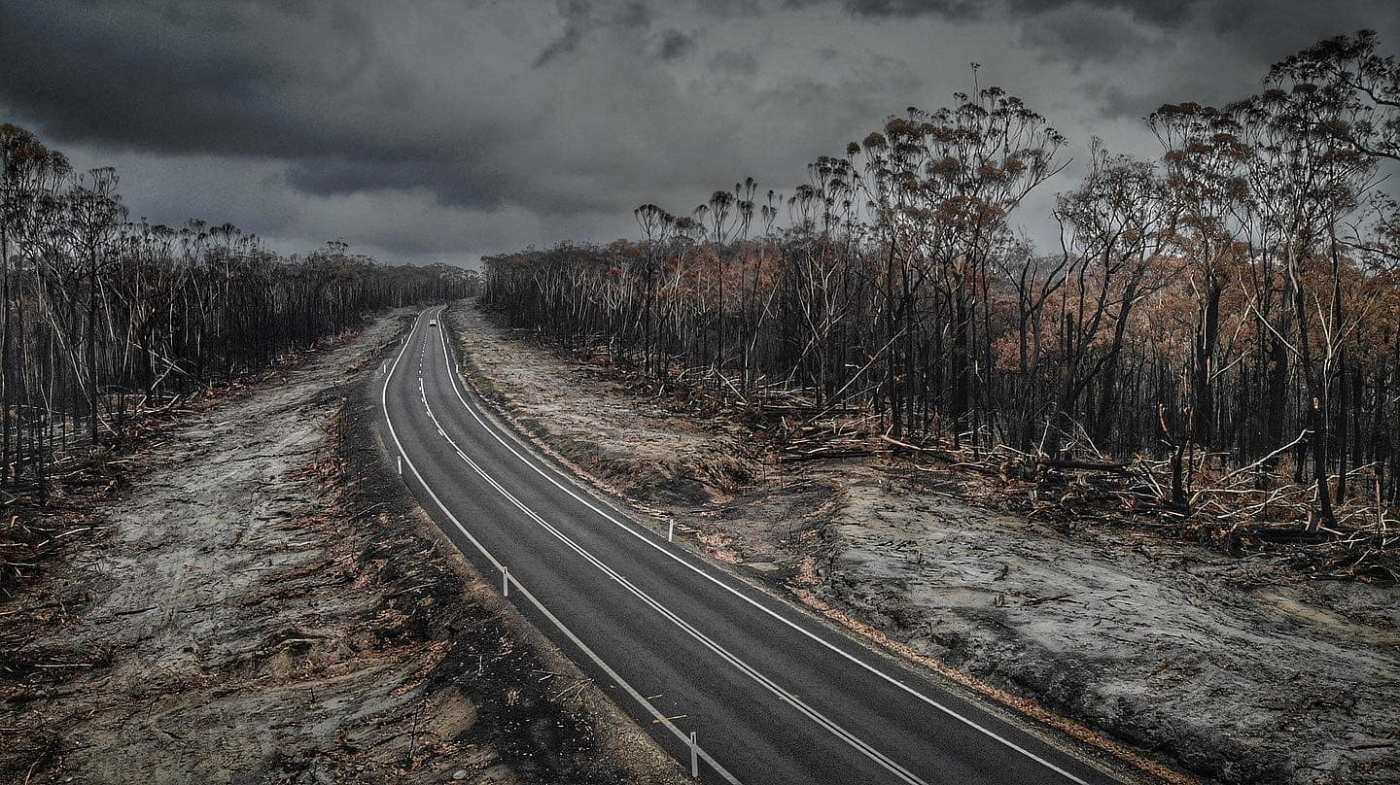
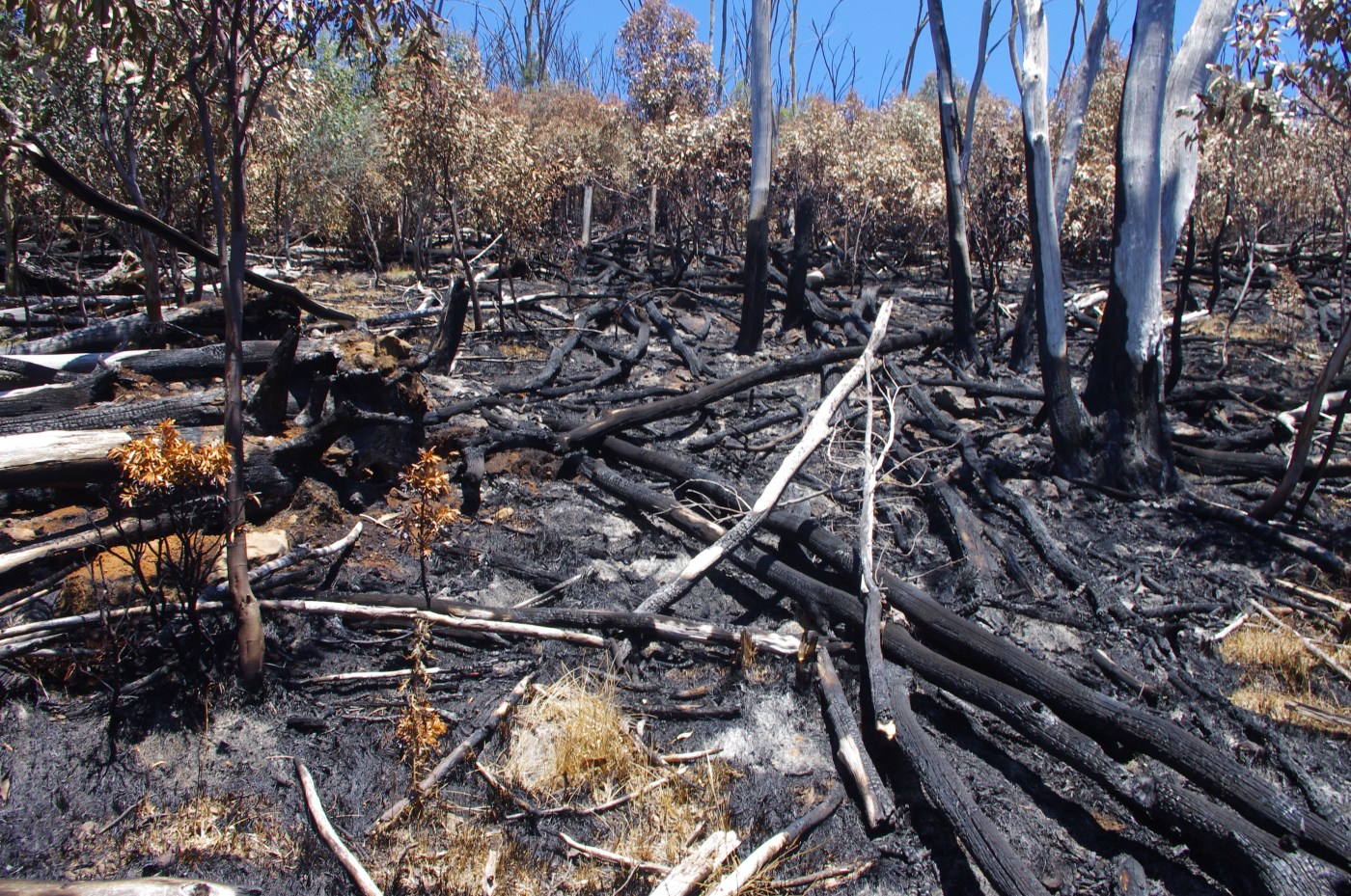
But once it’s all over, we will need to count the ecological cost of these fires. Some areas in the Alps have now burnt three times in about 15 years. There is no doubt that longer fire seasons, driven by climate change, are already impacting on mountain and foothill environments.

The short answer at this stage is that we just don’t know what the full ecological impacts of these fires will be.

The following is a fairly random collection of reports on local impacts of the fires on mountain areas. It focuses on ecological values and impacts. Of course, this does not mean that human and economic impacts don’t matter. The narrow focus here is simply to try and share some information about what the impacts will be on natural systems, as the other stories are already being told widely in mainstream media. It will be added to as areas are re-opened to the public. I would welcome your reports for inclusion: please email text and stories to cam.walker@foe.org.au

Continue reading “What are the ecological costs of this summer’s fires?”

2020 fires: get into the mountains and spend up big (when you can)

Up until Christmas, there hadn’t been a lot of fires in the High Country, either in Tasmania or on the mainland. That all changed on New Years Eve. Lightning storms triggered fires across Tasmanian, Victoria and NSW. What followed has been nothing less than an absolute disaster as huge areas of the mountains have burnt – and continue to do so.

With large areas evacuated, the economic impacts on local economies has been devastating. This is peak tourism season, yet entire areas are under evacuation orders, businesses are closed and events are being cancelled. The flow on effects on many people’s income will continue for months. 

I am seeing many people who are struggling because their region or business is closed. Even where a town is open, the ever present smoke in many places is not very enticing to tourists.

So once the fires are under control, please have a think about doing a trip to the High Country. Aim to head off with your wallet full and your stomach, esky and food basket empty.

Continue reading “2020 fires: get into the mountains and spend up big (when you can)”

Big fire day across the mountains

[WED Jan 1UPDATE: I am away with the CFA at present and not in a position to update this page until further notice so please don’t rely on it for updates – please check the relevant government agency websites which you will find if you scroll down. Thanks]

There are some links on how to support recovery and emergency efforts available here.

And I’m still doing some updates on the Mountain Journal facebook page, mostly around park and road closures.

[Monday December 30 2019]

Here we go. We have a long, hot, scary day ahead of us, with extreme fire risk across all mountain areas.

In Victoria, authorities are calling on all people in East Gippsland (east of Bairnsdale) to leave the area, in case the Princes Highway needs to be closed. Mountain communities like Goongerah are at imminent risk of being hit by fires. The W Tree Yalmy fire is still not yet under control, nor is the Ensay Ferntree fire. Firefighters and aircraft are responding to four new fires north-west of Gelantipy which were started by dry lightning earlier his morning.

In NSW there has already been at least one small fire started by dry lightning in the Snowy Mountains (it is under control).

In Tasmania, today is a Day of Total Fire Ban, but authorities warn that tomorrow could be even worse, and that people in bushland areas should consider leaving for urban areas.

Continue reading “Big fire day across the mountains”

Low carbon backcountry is the New Black

If you love winter, then chances are you love a good ski or snowboarding film. This year’s batch of new films have been released over the last couple of months (pre Northern winter). One thing that’s really obvious in the ski/ riding genre is the ever growing number of films that are focused on human powered adventure. It’s great to see this tradition continue this year with a number of films focused on low carbon adventures.

Here’s an introduction to a few of them:

Continue reading “Low carbon backcountry is the New Black”

A new year, time for new campaign issues?

We still have a long hot dry summer ahead of us. And fires that threaten the mountains that we love so much. But we are also moving towards New Years Eve, when people often make their plans for the coming year.

For me a big part of my planning for the year is to lock in my backcountry trips (here’s my favourite 3 backcountry adventures). Obviously it’s good to have a long think about life, the universe and everything. And then there is activism. 

Sadly, on the activist front there will be lots to do in 2020. Here’s a few ideas on where you may want to put your shoulder to the wheel.

Continue reading “A new year, time for new campaign issues?”

A winter traverse of the Alps – you can be involved

Climb8 will be a long distance snowshoe expedition which is being planned for the winter of 2020.

It aims to travel from Namadgi in the ACT to Walhalla in Victoria via the Australian Alps Walking Track. It will cross 36 summits, visit 8 ski resorts and carry out climate change research along the way. It will start on June 6.

Organiser Terra Roam has announced that there are now opportunities to be involved in the expedition.

Continue reading “A winter traverse of the Alps – you can be involved”

Wildfires in remote Tasmania

It’s been an absolutely brutal fire season around the country, and we are not even into full summer yet. Among the horror list of lost lives, homes and other infrastructure, millions of animals killed, damage to water catchments and farmland, there has also been devastating impacts on wild places.

Rainforest that ‘is not meant to burn’ has been on fire in northern NSW and QLD, the World Heritage listed Blue Mountains have been hammered, the Budawang Ranges in NSW have been badly burnt, and there are enormous and ‘not yet under control’ fires in the mountain foothills of East Gippsland.

While there were devastating fires in Tasmania last summer, so far, the mountains in that state have been spared fires. Perhaps the situation is now changing, with four fires in remote areas recently started through lightning strike. 

Continue reading “Wildfires in remote Tasmania”

Finding the Good News in the grim reality

We’re facing heatwaves, drought and mega fires. Fire season started early right along the eastern seaboard and while the mountains have largely been spared so far, its going to be a long summer.

The updated Australian Seasonal Bushfire Outlook which has just been released shows that extended area of Gippsland and the mountains of North East Victoria are forecast to experience above-normal bushfire potential over the summer.

Global leaders (including our own federal government) have comprehensively failed to agree on how to tackle climate change during the recent UN negotiations in Spain. Horse numbers are sky rocketing in the Snowy Mountains because the NSW government is in thrall to political forces who refuse to accept the ecological costs of having large feral horse populations in alpine and sub alpine environments.

The list could easily go on. When you look at the state of the world, it’s hard not to get depressed. So here is some outdoors related ‘end of year’ good news for you.

Wherever you are and whatever you do, I hope you have a wonderful, relaxing, and fire free, summer.

Continue reading “Finding the Good News in the grim reality”

Old Growth ‘verification’ threatens forest protection

In November, the Victorian government announced that logging native forests will end in 2030. The government also committed to state-wide protections for 90,000ha of old growth forests, and 96,000ha of new protected areas, 48,500 of which are in East Gippsland. An action statement for the threatened Greater Glider was also finally released.

An ongoing issue has been the question of how and when the Old Growth would be protected. The state government has now provided details on how this will occur, and this has confirmed fears by environmental groups that protection will be watered down through the methodology that will be used.

East Gippsland based activist group Goongerah Environment Centre (GECO) has issued a call for members of the public to engage in the process around Old Growth modelling. 

Continue reading “Old Growth ‘verification’ threatens forest protection”

Blog at WordPress.com.

Up ↑