Search

Mountain Journal

Environment, news, culture from the Australian Alps

Warburton residents call for halt to logging proposal on Mt Bride

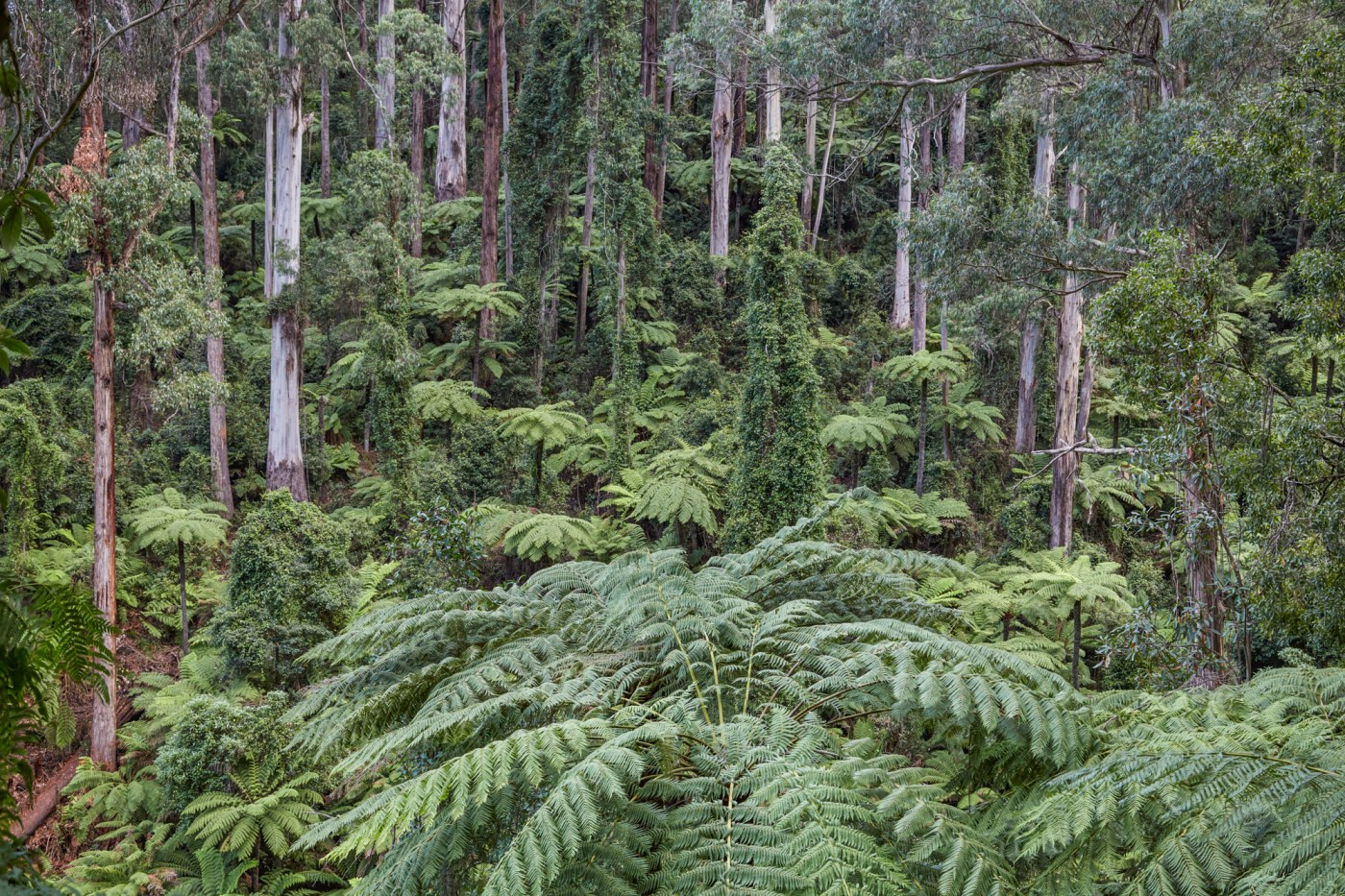
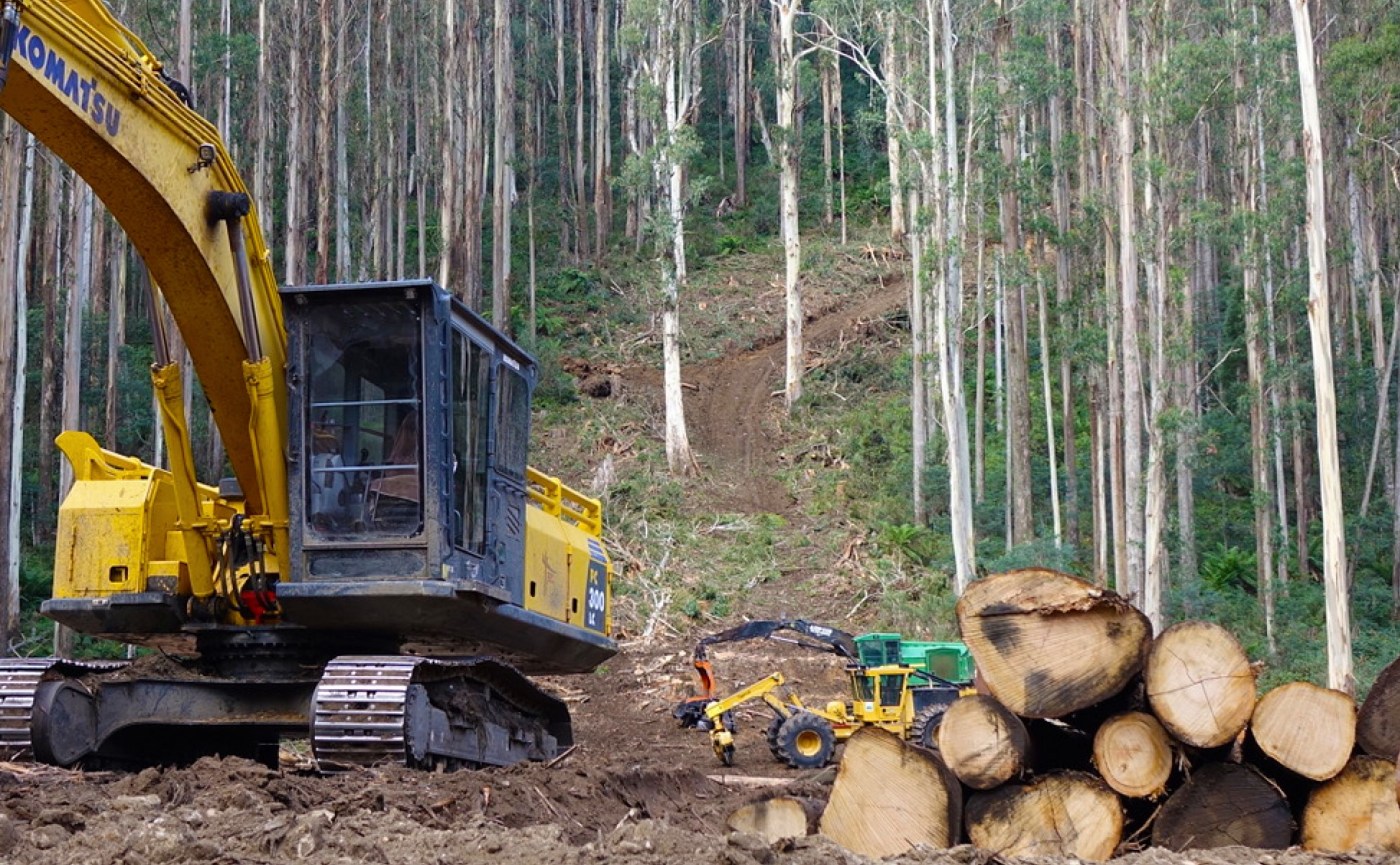
Community members from Warburton are attempting to stop the proposed logging coupes on and surrounding Mt Bride.

They say that “logging this area will reduce water security as the proposed coupes are within water catchment areas and it has long been recognised that logging has a negative impact on water yield”.

They also say that the coupes will increase fire risk, “as the micro climatic conditions will dry out the understory and the regrowth saplings will create more fuel”.

Continue reading “Warburton residents call for halt to logging proposal on Mt Bride”

Backcountry festival 2020: planning & film night

As you will probably know, we have turned the 2020 Victorian backcountry festival into a three day event, from Friday – Sunday Sept 4, 5 and 6. Things will kick off on Friday morning so hopefully you can make a long weekend out of it. After receiving strong positive feedback, we will be running another guided trip straight after the festival, probably to Mt Bogong.

Quite a lot of people have expressed interest in getting involved in planning the 2020 festival.

So, if you’re in Melbourne, please come along to this BC Festival get together.

Wednesday March 4.

Continue reading “Backcountry festival 2020: planning & film night”

Does Victoria need a new remote area volunteer firefighting force?

On New Year’s Eve, December 31, 2019, a front brought a smattering of rain across the Victorian mountains, barely enough to damp down the dust. But the associated lightning storm started dozens of new fires in a long belt from Mt Buller to the NSW border.

Forest Fire Management crews swung into action and many of these were quickly put out. Aerial bombing dealt with others. But there were simply too many, and some grew into massive blazes, including the fires that went on to devastate the forests and landscapes of East Gippsland in coming weeks.

This raises the question: Do we need a new remote area volunteer firefighting force in Victoria who could help suppress lightning strike fires before they take off?

Continue reading “Does Victoria need a new remote area volunteer firefighting force?”

Picnic in the Park (Mirimbah, March 8)

We know how devastating this summer’s fires have been for the environment. They have also been terrible for most local economies. As areas have reopened, tourist trade is starting to pickup. Many areas are organising special events to attract visitors back. The Labour Day long weekend in early March will be a significant time for High Country communities.

As part of this, there will be a major ‘picnic in the park’ happening at Mirimbah, at the base of Mt Buller over that weekend.

Continue reading “Picnic in the Park (Mirimbah, March 8)”

Reclaim Malbena Hobart update

The long running attempt by developers to establish a helicopter accessed ‘eco lodge’ on Halls Island in Lake Malbena in Tasmania’s Central Plateau is part of a larger agenda to open up areas of wilderness and World Heritage to new commercial tourism operations.

In December 2019, the Resource Management and Planning Appeal Tribunal (RMPAT) overturned the Central Highlands Council’s decision to refuse a permit for helicopter-accessed visitor accommodation at Halls Island. There was then a challenge in the Supreme Court, followed by an appeal.

There is still a long way to go before the proposal can proceed, and the community campaign against the proposal keeps growing.

Hobart people are encouraged to attend a public meeting to hear about what’s happening and how to get involved in the campaign against this development. Wednesday February 12.

Continue reading “Reclaim Malbena Hobart update”

The Environment Recovery Project – post fire observations

As many burnt areas reopen, it is now possible to get into much of the High Country and surrounding foothills. The impacts of this fire season are obvious across so much of the Alps, the mountains of the ACT and East Gippsland.

The Environment Recovery Project is an online tool that allows people to pool their observations about nature with other people on the iNaturalist Australia website. A new project allows you to contribute your observations about ecological recovery in recently burnt areas.

Continue reading “The Environment Recovery Project – post fire observations”

Are Errinundra’s rainforests now burning?

The fires across East Gippsland this summer have had devastating impacts on land and forests, waterways and native species, local economies and people’s lives and properties.

One glimmer of good news has been the fact that many of the cool temperate rainforest strong holds have been spared from much of the fire. Most of the famed Kuark forest has not burnt (or has possibly been ‘burnt lightly’ according to reports from the field), and the Errinundra Plateau has been spared any major fires. It appears that the Goolengook rainforest has been partially burnt. (Extra info here).

But now there are reports that back burning operations were carried out several days ago between the VIC/NSW border and the Errinundra Plateau, in order to save the Bondi pine plantations in southern NSW. Yesterday (JAN 30) in the 40 degree heat, the fires from these spotted across the Coast Range Road into the most valuable area of the Errinundra national park. The scale of these fires is not yet known.

We will update as additional information comes to hand.

[With thanks to Jill Redwood for this information]

Continue reading “Are Errinundra’s rainforests now burning?”

Proposed new walker infrastructure for Walls of Jerusalem

The Walls of Jerusalem are located in the Tasmanian Wilderness World Heritage Area, on the edge of the Central  Plateau. It is a wild and inspiring place, that has relatively easy access via walking tracks and stunning rocky peaks and alpine lakes.

It is a hugely popular hiking destination and the Tasmania Parks and Wildlife Service has been trying to find the right balance between building track infrastructure to reduce walker impact and keeping the wild nature of the Walls.

There are now plans for additional walker infrastructure and there is an opportunity to make a submission about these proposals.

Continue reading “Proposed new walker infrastructure for Walls of Jerusalem”

Backcountry film festival – Melbourne 2020 screening

unnamedANNOUNCEMENT: Melbourne screening cancelled for now

With the Andrews government now announcing a State of Emergency for Victoria, we feel that the responsible thing for us to do is to cancel this screening of the festival.

We will monitor the situation and re-schedule when it’s appropriate (hopefully May or early June to ensure pre season stoke!).

In the meantime, stay safe, walk some trails, look out for each other, and wash your hands!


The Backcountry Film Festival is produced each year by Winter Wildlands Alliance as a celebration of the human-powered winter experience and a gathering place for the backcountry snowsports community.

The Melbourne show will happen on Wednesday 25 March.

TIME: Please feel free to arrive from 6.30pm. Films from 7pm – 9.30pm.

VENUE: Building 80, Level 1, room 2, Melbourne.

445 Swanston Street Melbourne (between Franklin and A’Beckett streets). Easily accessible by public transport (trams on Swanston Street or trains via Melbourne Central).

TICKETS: Suggested donation: $8 conc & students/ $15 waged. There are no online sales. Tickets available at the door. There will be plenty of room. Sorry, cash only sales on the night (there are ATMs nearby). There is a seating capacity of 180 people.

Co-hosted with RMIT Outdoors Club.

All proceeds will go to the Friends of the Earth climate campaign.

We will start the evening with some short locally made backcountry films.

The BCFF program features 10 films (check here for details).

Facebook event page here.

MARCH 13: Coronavirus update: The Australian government has cancelled all gatherings of more than 500 people. We will keep an eye on government recommendations and make a call on whether to proceed with the screening a couple of days ahead of the event. Check this page or the facebook event page for updates closer to the 25th.

Lake Malbena appeal dismissed in the Supreme Court of Tasmania

There has been a long running attempt to develop a tourism venturein a remote World Heritage Area on Tasmania’s Central Plateau. This would set a worrying precedent for future commercial development in World Heritage and National Parks.

In December 2019, the Resource Management and Planning Appeal Tribunal (RMPAT) overturned the Central Highlands Council’s decision to refuse a permit for helicopter-accessed visitor accommodation at Halls Island, Lake Malbena, in the Tasmanian Wilderness World Heritage Area. But environmental groups have not given up on this issue.

Continue reading “Lake Malbena appeal dismissed in the Supreme Court of Tasmania”

Fires and snow gums. To keep these forests we need less fire.

Fires are still burning out of control across much of the Australian High Country. Yet we are already well into the blame game, where some people and groups are blaming environmental activists and/ or The Greens party for ‘stopping’ fuel reduction burning and hence making the fires worse. While this is not true, this resonates with certain anti green and conservative demographics (check here for an alternative view of the conversation).

There is no doubt that fuel reduction burning has a role to play in how we manage forests and other landscapes. The problem is that it is often seen as a ‘one size fits all’ tool that will reduce fire intensity in all environments. But in reality, it works well in some ecosystems and is counter productive in others. This is a subtlety that is lost on the ‘fuel reduction is the answer’ boosters.

The argument that we need to increase fuel reduction burns in snow gum and true alpine environments is already caught up in the broader land management debate, and will continue in the coming months. So it’s worth taking a good look at what science says about the value of fuel reduction in our high mountain areas.

Continue reading “Fires and snow gums. To keep these forests we need less fire.”

Giving back to the mountains we love

As fire fighters get on top of the blazes that have been devastating huge ares of the Victorian, NSW and ACT mountains, towns and communities are starting to re-open. Many parks are still closed but towns are increasingly open for business.

One obvious thing we can do is visit these areas and buy up big. The economic impacts of the fires on tourism in local towns is enormous (and estimated to be well over $1B already)

The impacts on the natural and cultural values of the mountains are also huge. We are trying to track ecological impacts (details here) and post about cultural impacts where we can.

For instance, the Kosi Huts Association reports that: 

“At least 10 of the mountain huts dotted around the national park have been destroyed, including Delany’s Hut, Sawyers Rest House, Wolgals Lodge, Matthew’s Cottage, Brooks Hut, Pattinson’s House, Round Mountain Hut, O’Briens Hut and Four Mile Hut.“

It is likely that there will be re-building efforts for many of these huts.

There will also be lots of ecological restoration and track work happening that will require lots of good will and volunteer effort.

Please let us know what’s going on.

If you’re planning any recovery efforts (or are aware of any) that require volunteer support or input, then please email details to me and I will include here. Thanks.

Cam.walker@foe.org.au

The picture above comes from Andrew Stanger. The NSW Nordic Ski Club is building nesting boxes for animals that need hollows.

Continue reading “Giving back to the mountains we love”

Blog at WordPress.com.

Up ↑