Search

Mountain Journal

Environment, news, culture from the Australian Alps

Mountain Journal turns ten

Woah. What a year. We had a good winter – third in a row, despite a late start (the first month of winter 2019 was the sort of winter you would expect under climate change scenarios) although not on the scale of the previous two. We saw some erratic weather (and even Australia’s largest recorded avalanche) but it turned into a decent season, followed by a mellow spring.

But then, fire, fire and more fire. Huge impacts on people and mountains. Then, finally coming out the other side and back to normal life, along came the Coronavirus/ COVID-19 pandemic. And who knows if the lifts will run this winter. The last decade has gone so quickly. Strap yourselves in, it’s going to be a crazy couple of months.

The annual reflection is here.

(I thought we needed a cheerful image. This one from the Climate Strike action at Hotham last September. Image: Karl Gray).

Mountain Journal highlights – March 2020

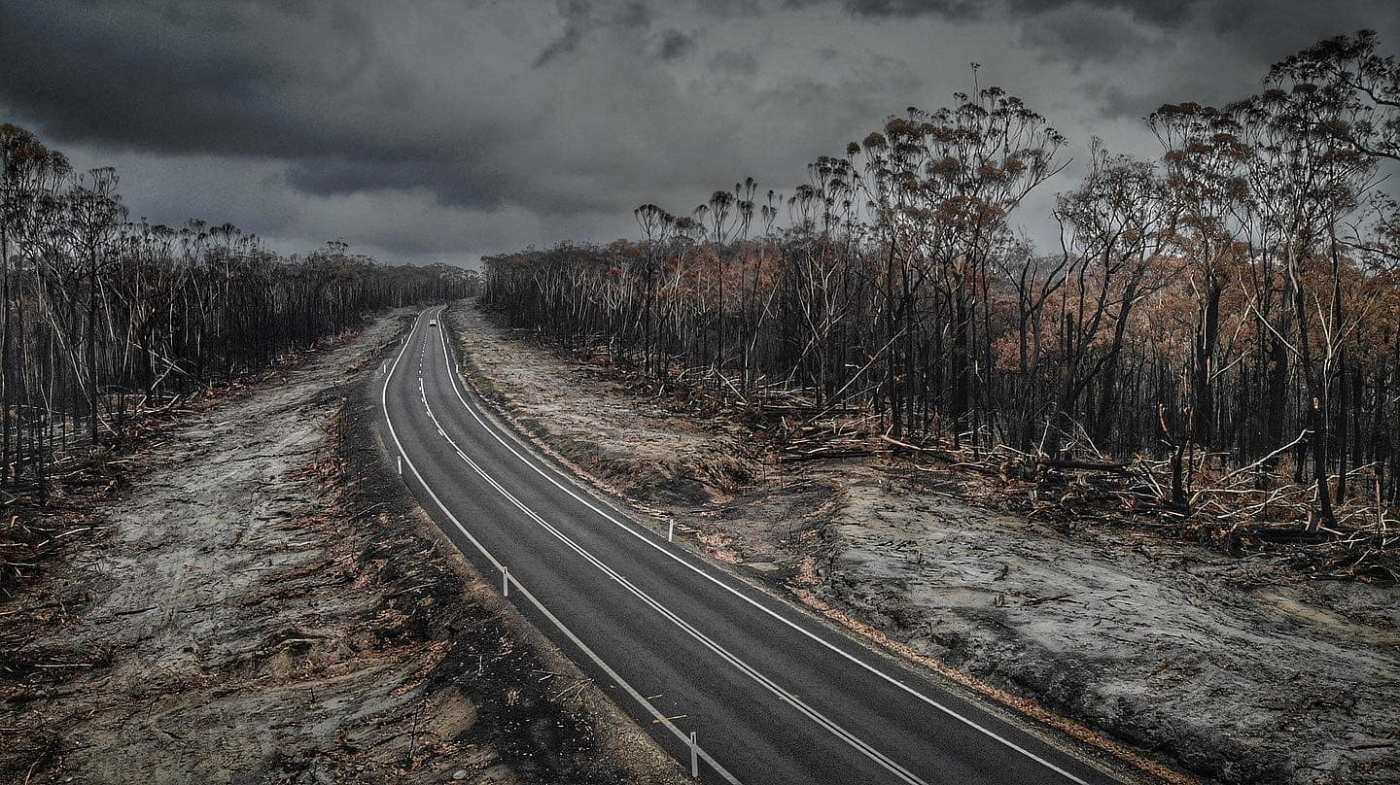
This summer it was all about fires. Then, as the mountains started to open up and the weather cooled down, along came the Coronavirus, and things are locked down again.

Here is the monthly summary of key stories that have been featured on Mountain Journal. Enjoy.

Continue reading “Mountain Journal highlights – March 2020”

Supporting mountain communities. From afar.

Coronavirus/ COVID-19 is affecting everyone, including the outdoor community. Parks are closed to camping, mountain towns are in lock down, outside people are being encouraged to stay away from regional centres so they don’t put a burden on local health services. Outdoor stores and other small businesses are closing.

It is great that governments are stepping in and providing stimulus packages to support businesses. There is also so much we can do as a community.

Continue reading “Supporting mountain communities. From afar.”

‘Australia’s Environment Report’ identifies impacts on alpine areas

The annual Australia’s Environment Report summarises a large number of observations on the trajectory of our natural resources and ecosystems. It is prepared by the Centre for Water and Landscape Dynamics at the Australian National University (ANU).

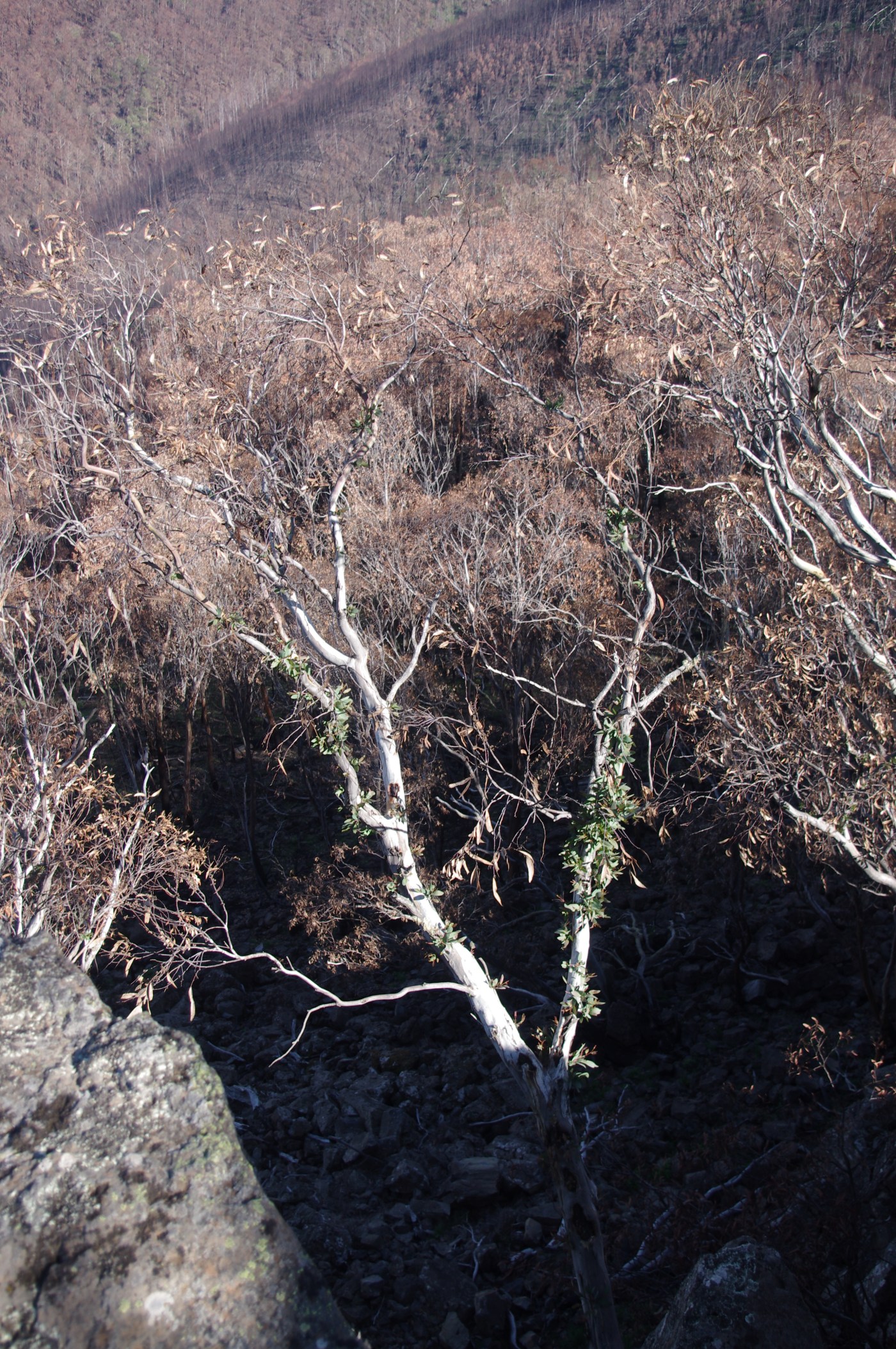
As part of their report for 2019, they prepared an assessment of alpine areas. With hot weather, terrible fires, and dry conditions we already know how bad summer was for the mountains. This report quantifies some of the impacts.

Continue reading “‘Australia’s Environment Report’ identifies impacts on alpine areas”

Logging threatens Leadbeater’s Possum habitat

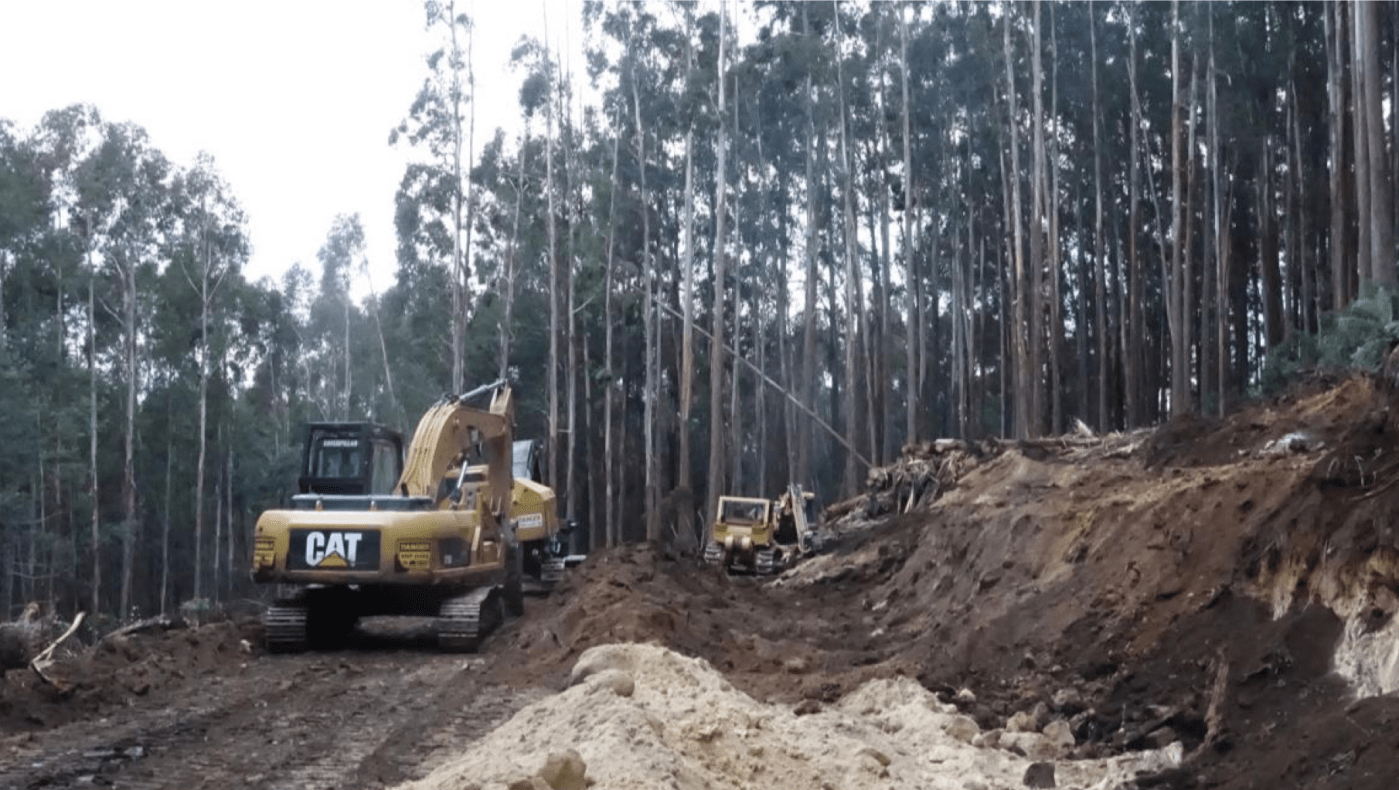
Industrial scale clear-fell logging is NOW taking place in the Snobs Creek Valley.  The Central Highlands are the most heavily logged area in Australia.  The highly biodiverse ecosystem of mountain and alpine ash in the Rubicon State Forest has been virtually logged-out.

Lead beaters possum and Greater Gliders are widespread through the Snobs Valley. In one night 30 Greater Gliders were found in one of the proposed Vicforests logging coupes. These animals are listed as threatened species under the federal EPBC Act.

The three coupes currently being logged at Snobs are:  Shackle, Snobs 13 and Snobs 14 and other sensitive coupes are also being logged at Torbreck and Bull fight (see map).

Continue reading “Logging threatens Leadbeater’s Possum habitat”

Interview: Vicki Adams

Vicki recently helped establish Outdoors People for Climate Action, which aims to engage people who work in or love the outdoors with the Climate Movement. This will help to mobilise a group of people with strong connections to wild and natural places, and connect them with the movement which is working to protect these areas from the long term impacts of climate change.

Vicki has decided to devote 2020 to climate action. As part of our series of interviews with people with connections to the mountains and outdoors, Vicki shared some thoughts on her work and connections to place.

The interview is available here.

Energy experts call for halt to Snowy 2.0

Back in 2017, the Federal Government announced a feasibility study into the possible expansion to the Snowy Hydro Scheme in the Snowy Mountains of NSW.  It was billed as being a circuit breaker in the ongoing impass in the ‘fossil fuels vs renewables’ energy debate because it would be renewable energy that will provide baseload capacity. The project would greatly enhance the pumped hydro capacity of the existing hydro scheme, meaning that water can be used multiple times to produce electricity.

While some environmentalists gave in principle support to the project, many wanted to see the details on what the physical environmental impacts of the project would be. In 2019, the NSW government released the Environmental Impact Statement (EIS) into the project. This showed the level of physical impact of the project. The National Parks Association of NSW said in response that the EIS ‘proposes a completely unacceptable level of damage to Kosciusko National Park’. It has been expected that the project will soon receive approval for its EIS from the NSW government.

Now a group of thirty Australian energy experts have called for a halt to the hydro scheme.

Continue reading “Energy experts call for halt to Snowy 2.0”

SOCIAL MEDIA ACTION: Support science-based Emissions Reduction Targets in Vic!

We all know that unchecked climate change poses an existential threat to the wild places we know and love.

This is a global problem, and requires a co-ordinated global solution. But all states, governments and communities also need to play their part. And we have a huge opportunity to see Victoria leap forward and start the transition away from it’s current reliance on fossil fuels.

This is a simple (and hopefully, creative) action that only takes a few minutes to do.

Continue reading “SOCIAL MEDIA ACTION: Support science-based Emissions Reduction Targets in Vic!”

Stay Safe. Be Well. Be Kind.

Victoria is now under lock down as a way to minimise the spread of the Coronavirus/ COVID-19. Here are a few ideas and resources that might help keep you sane and inspired until it’s over.

Look after yourselves, neighbours and communities in these coming weeks. I can’t say it better than TGR did: Be Safe. Be Well. Be Kind.

Continue reading “Stay Safe. Be Well. Be Kind.”

Outdoors People for Climate Action

Outdoors People for Climate Action is a new group that was launched on the 1stof March 2020 following what was, for many outdoors people, a climatically confronting summer.

The launch also followed a period of growing climate change concern and action in Australia and around the world, marked by protests, actions, mass engagement, media coverage, and some major climate wins. Because the only thing lacking in addressing the climate crisis globally is political will – it’s now widely recognized that climate activism is essential to achieve a safe climate future.

Continue reading “Outdoors People for Climate Action”

Fast tracking development in Tasmania’s wilderness

The ongoing attempts by the Tasmanian government to encourage commercial developments in the state’s national parks and wilderness areas continues. While the high profile ‘helicopter tourism’ proposal planned for Lake Malbena on the Central Plateau has dominated the conversation in the last few months, a broader threat to the integrity of the reserve system is becoming apparent.

This relates to the draft Land Use Planning and Approvals Amendment (Major Projects) Bill 2020, which could facilitate these type of developments by ‘fast tracking’ such proposals.

The Wilderness Society condemned the Tasmanian Liberal Party’s ‘plan to strip away Tasmania’s already questionable planning safeguards, to further reduce the public’s role in planning and fast-track development proposals in national parks’.

They say there are ‘30 or so national park privatisation proposals’ (commercial tourism) in the pipeline for the World Heritage Area’. If this legislation gets through parliament, there is a fear that many of these proposals could be fast-tracked and with very little opportunity for the public to have input to the decision making process.

Continue reading “Fast tracking development in Tasmania’s wilderness”

Leadbeater’s Possum Rediscovery Day Picnic

The Leadbeater’s Possum is a critically endangered possum largely restricted to small pockets of alpine ash, mountain ash and snow gum forests in the Central Highlands of Victoria.

Each year the Friends of Leadbeater’s hold a ‘Possum Rediscovery Day Picnic’ to mark the day this species was rediscovered. In 2020, it will happen on Sunday, 5th April.

“Commencing at 11am we will indulge in our annual picnic at the usual Cambarville location, close to where Eric Wilkinson rediscovered the possum on 3 April 1961”.

Continue reading “Leadbeater’s Possum Rediscovery Day Picnic”

Blog at WordPress.com.

Up ↑