Search

Mountain Journal

Environment, news, culture from the Australian Alps

Tag

Alpine national park

First summer fire in the VIC mountains

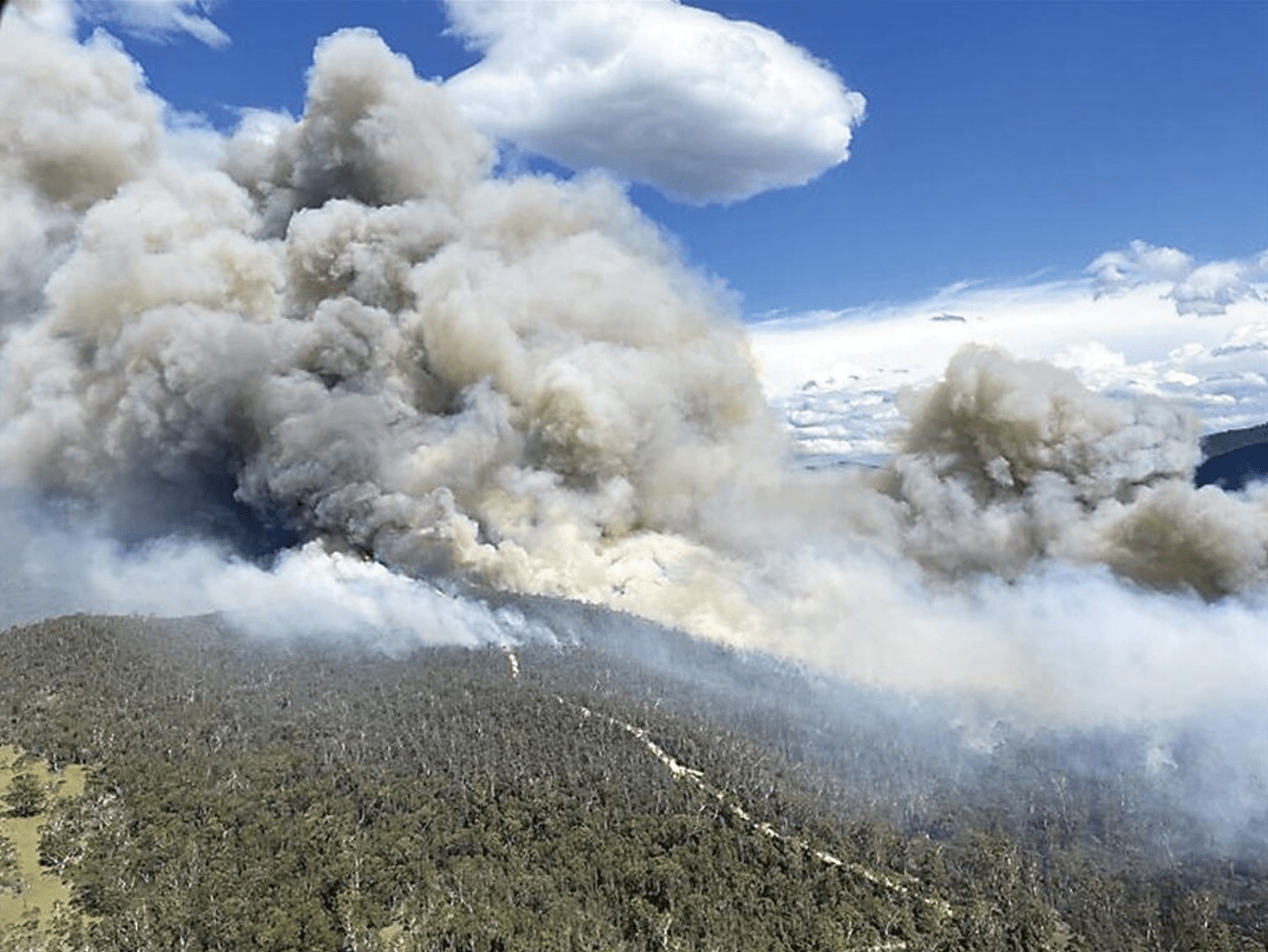
The awful fires of Black Summer linger in our memory. The land slowly recovers. Since then, things have been fairly quiet in recent summers in the mountains of the mainland high country. With the first mountain fire of the season now contained, and vast areas of fire damaged forests in recovery from previous fires, it is essential that with any new start fire the authorities:

  • Get on to new start fires as rapidly as possible
  • Escalate the availability of resources to contain the fire, rather than ‘letting it burn’
  • Ensure that fire management plans highlight the need to exclude fire from fire sensitive or recovering areas and the protection of ecological as well as human assets.

Continue reading “First summer fire in the VIC mountains”

The federal gov is assessing the Falls to Hotham development

For years now we have covered the debate around the Victorian governments plan to radically upgrade the Falls to Hotham Crossing (you can find stories here). It would upgrade the current walk, diverting it via Mt Feathertop and The Razorback, and is deeply unpopular among most outdoors users and environmentalists as it would introduce private commercial infrastructure in the Alpine national park.

While this is a state government initiative, there is now a very short period of time to make a submission to the federal government about the proposal. This is because it is being reviewed under the federal nature laws (called the EPBC). Opportunities for public comment close on November 10, 2025. Please take a few minutes to send in a personal submission.

Continue reading “The federal gov is assessing the Falls to Hotham development”

Best practise fire fighting

The 2024/ 25 fire season was a long one in south eastern Australia.

While there were large and destructive fires in western Victoria (particularly in the Grampians (Gariwerd) National Park and Little Desert National Park – details here), there were no enormous ones in the mountains. But if you track what happens in the high country, you will recall that we did have a number of significant ones last summer, including the Mt Matlock fire in the Thompson River catchment (which provides drinking water for Melbourne) and the Mt Margaret/ Licola fire, which grew to around 5,600 hectares. There are some resources on these fires available here.

There is a significant story from this latter fire which is worth retelling.

Continue reading “Best practise fire fighting”

The Victorian Protected Areas Council

We all know that national parks and other public land managers really struggle to get the funds needed to look after the conservation estate. In Victoria, there have been steady cut backs in staffing. Parks Victoria (PV) now manages around 18% of Victoria’s land and coastal waters with fewer full-time staff than when it was established in 1996. Its permanent workforce shrank by 12% last year.

Now, a group of former PV staff have joined together to lobby for better funding for national parks and other protected areas. The Victorian Protected Areas Council (VPAC) brings together experienced park managers and rangers. You can read more below.

Continue reading “The Victorian Protected Areas Council”

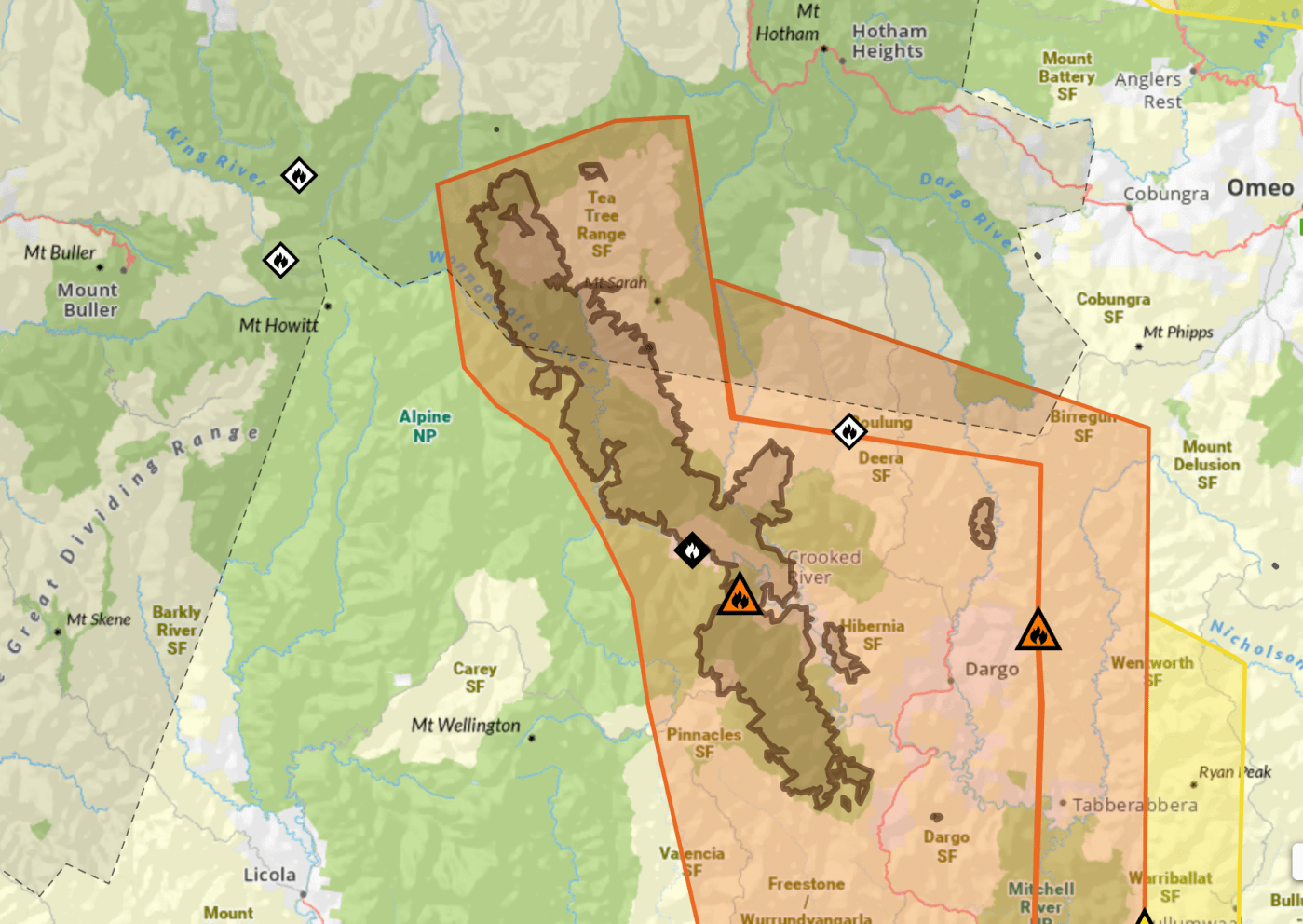
Fire near Mt Howitt

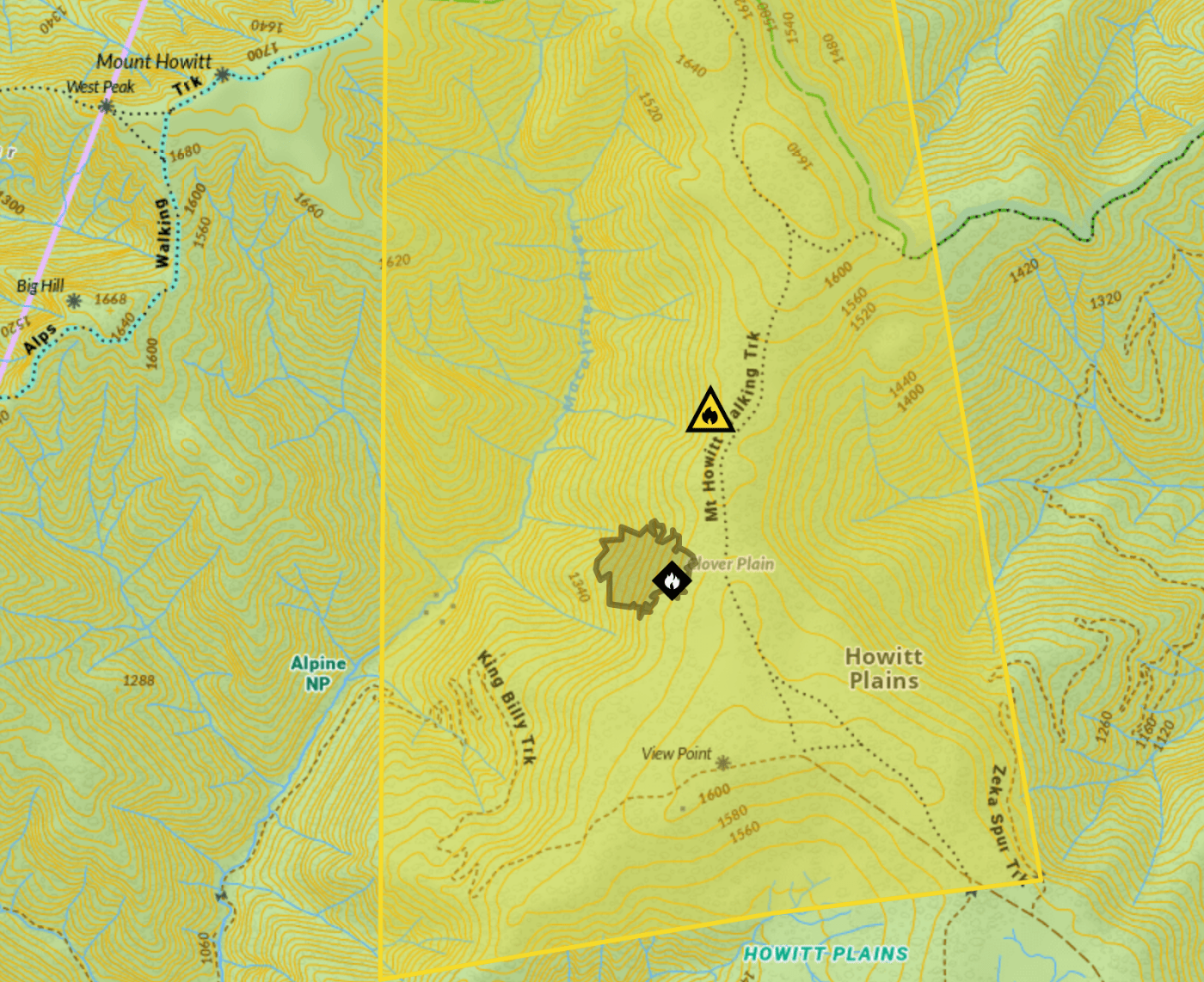
Recent dry lightning caused a number of fires across the Victorian high country. Most were quickly contained but one just north of the Howitt Plains is becoming a concern.

This area, of high elevation snow gum woodlands inter-spaced with grass dominated plains, has been burnt several times in recent decades, with many areas now holding thick (and highly flammable) regrowth forests. Fires in these recovering forests can lead to ecological collapse – that is, the loss of snow gum dominated forests, which are replaced by grass and shrubs. It is essential that we exclude fire from these ecosystems as they recover.

Continue reading “Fire near Mt Howitt”

O’Connell’s Lookout safety railing proposal

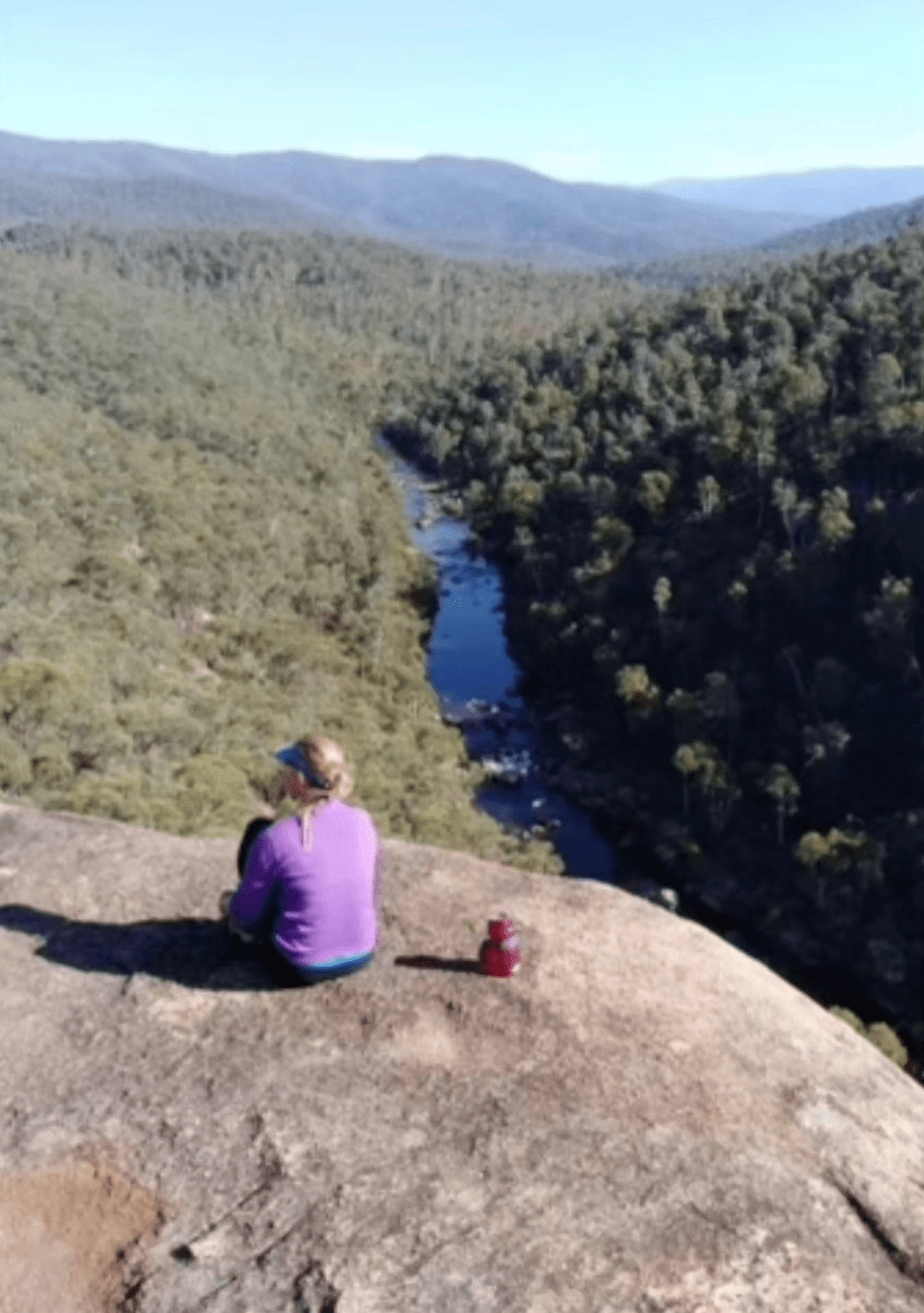
There is a proposal to upgrade informal tracks close to the Mitta Mitta River within the Alpine national park. Many people have expressed concerns about plans to erect a set of steel stairs and putting in guard rails on top of the cliff at O’Connell’s Lookout, which overlooks the Graveyard rapid.

The Mittagundi outdoor education centre opposes the proposal, saying

‘young people who come to Mittagundi usually have the opportunity to abseil at this amazing and natural place without guard rails and steel stairs’.

They are urging people to contact Parks Victoria and object to the current proposal.

‘Mittagundi did object initially when we were invited to have a submission, however our objection was not successful. Please, if you choose too, could you write to Parks Victoria stating an objection, it might help prevent the proposal from going ahead.

Thank you!’

info@parks.vic.gov.au

Friends of the Mitta (FOTM) are concerned that if the project doesn’t go ahead, the area may be closed off because of safety concerns.

They say:

Over the years, we have been in ongoing discussions with Parks Victoria (PV) regarding the formalisation of the loop trail, which includes O’Connell’s Overlook. Our discussions included the requirement for a safety railing at the overlook to comply with evolving risk management protocols.

Initially, FOTM opposed the installation of a railing, as we believed it would detract from the site’s natural beauty.

However, approximately three years ago, PV informed us that, without a railing, the overlook would be closed to all visitors, including abseilers and hiking groups.

There is a major piece about the proposal available on their website which provides history and details on their views on the proposal.
 

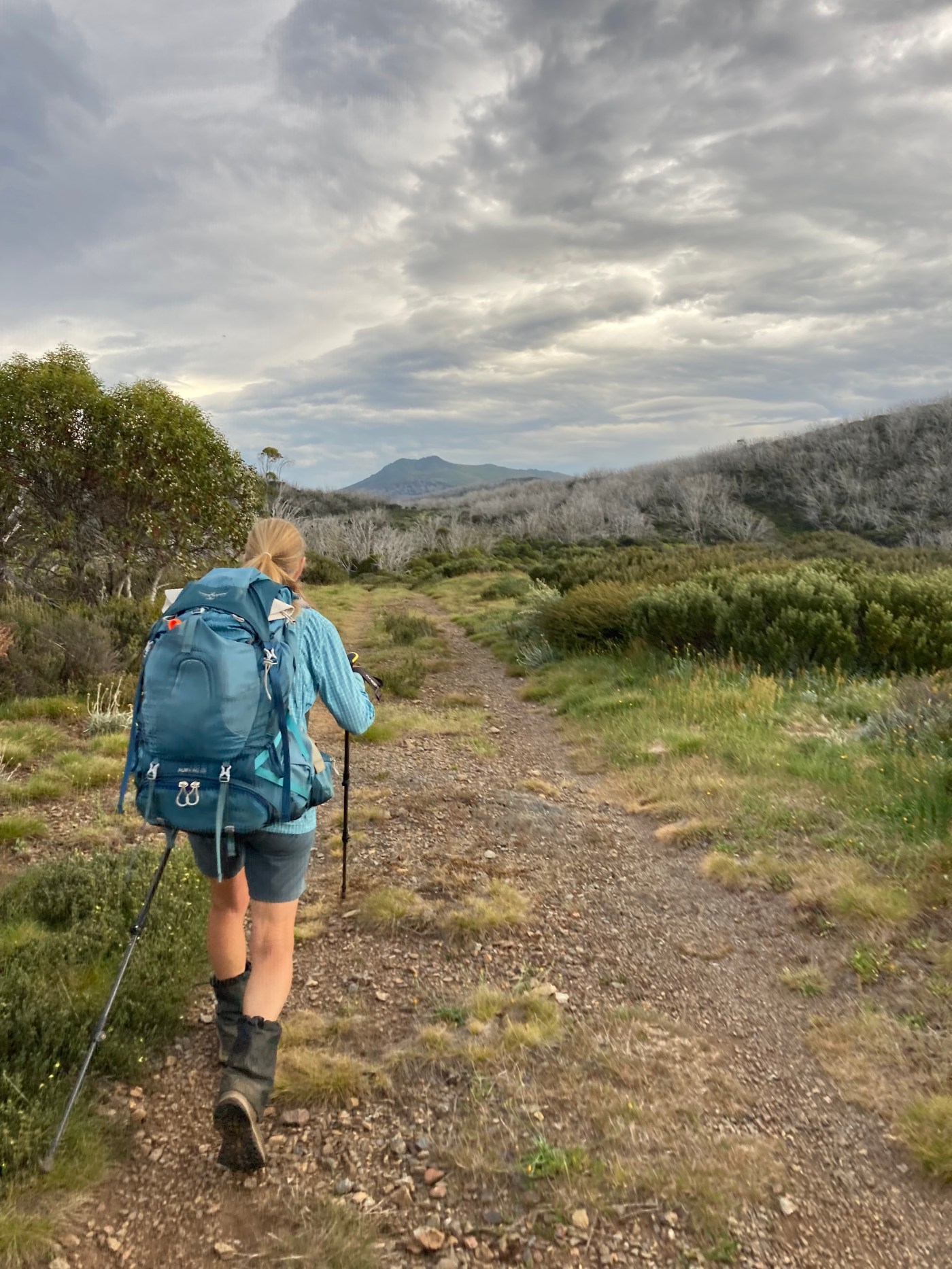
‘It was hard, beautiful, scary, mountainous and stunning’. A journey along the AAWT

The 2024 edition of the Mountain Journal magazine (available here), had a focus on human powered crossings of the Australian Alps. Of course many of these focused on the Australian Alps Walking Track (AAWT). Since then, more people have been sending stories about their journey along the AAWT. It has been wonderful to hear about their experience along the trail: the challenges, the special times, the hardships and lessons learnt.

This is from Tanya Deer and is her tale of walking the AAWT with her husband in January 2023. There are some lovely reflections and a good reminder that the AAWT is a trip that is well outside regular walking: its multiday nature allows you to go deep as you travel through an ever changing landscape: ‘I am full of gratitude for the experience, for those I love, for my body and for the environment I am in’.

Continue reading “‘It was hard, beautiful, scary, mountainous and stunning’. A journey along the AAWT”

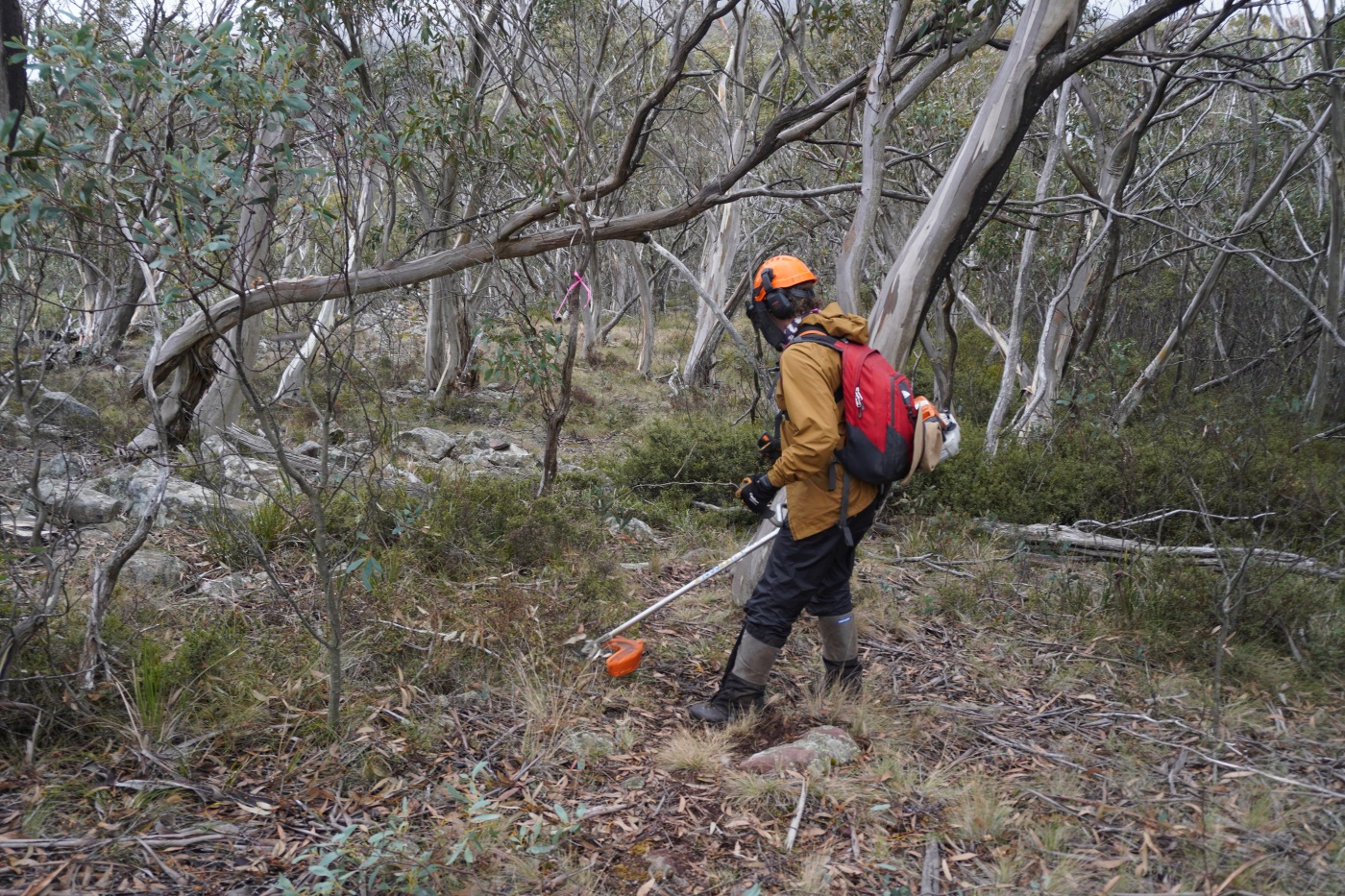
BTAC gets to work on the AAWT

If you have ever wandered on a walking track in the mountains, you have enjoyed the fruits of someone else’s labour. Walking tracks are cultural artifacts that allow us to access the forests, mountains and rivers that we love. Often they follow earlier paths: settlers followed First Nations routes out of Gippsland into the high country. Miners and graziers cut rough tracks into the gold diggings. Sometimes these turned into commerce highways as large population centres grew around the diggings. Nowadays the foot tracks in the high country are all about recreation.

But with increasing fires across the mountains, many tracks can become crowded out through a mass of regrowth. And as trees killed in bushfires start to collapse, many tracks become crossed by fallen logs and the tracks become multiple braids, often ending in dead ends, making navigation difficult and increasing the likelihood of walkers becoming lost. Land management authorities have limited funds to maintain the trail network and have many demands on their time.

Continue reading “BTAC gets to work on the AAWT”

Gunaikurnai to jointly manage Baw Baw, Alpine and other high country parks

On 26 October 2018 the Victorian Government, the Taungurung Land and Waters Council Aboriginal Corporation (TLaWCAC), and the Taungurung Traditional Owner group signed a number of agreements under the Traditional Owner Settlement Act 2010 (Vic), which means that ownership of nine Victorian parks and reserves, including Mt Buffalo National Park and a section of the Alpine National Park, and up to five ‘surplus’ public land parcels have been transferred to the Taungurung Traditional Owner Group.

It should be noted that there is an ongoing territorial dispute between the Taungurung people and clans that identify as Ngurai Illum Wurrung, Waywurru and Dhudhuroa, and has the potential to affect the state’s treaty negotiations. This impacts the agreement in the east of the area, which includes Mt Buffalo and the Alpine national park.

It has now been announced that Gunaikurnai Land and Waters Aboriginal Corporation (GLaWAC) has been ‘re-negotiat(ing) the Gunaikurnai Recognition Settlement Agreement with the State of Victoria’, and ‘we’re excited by the addition of four new joint managed parks as part of our Early Outcomes package’.

Continue reading “Gunaikurnai to jointly manage Baw Baw, Alpine and other high country parks”

Update on the Falls to Hotham Alpine Crossing

The Falls to Hotham Alpine Crossing is a proposed 57 kilometre walk through the Alpine region of Victoria, combining and upgrading an existing track network. The final walk will be a 5-day 4-night hiking trip from Falls Creek to Mount Hotham. It has been strongly opposed by many environmentalists and outdoor enthusiasts because the campsites will be privately operated and many people oppose further development within national parks. Check here for a previous mountain journal story outlining concerns about the proposal.

There was a feedback process on the draft designs. More than 6,000 people visited the Engage Victoria page on the project, more than 60 people joined conversations at ‘pop-up’ sessions in local towns, and more than 640 responses were contributed via survey, submissions and email. As expected, the majority of respondents expressed serious concerns about the proposal and many want it cancelled.

Continue reading “Update on the Falls to Hotham Alpine Crossing”

Tali Karng – a jewel in a changing landscape

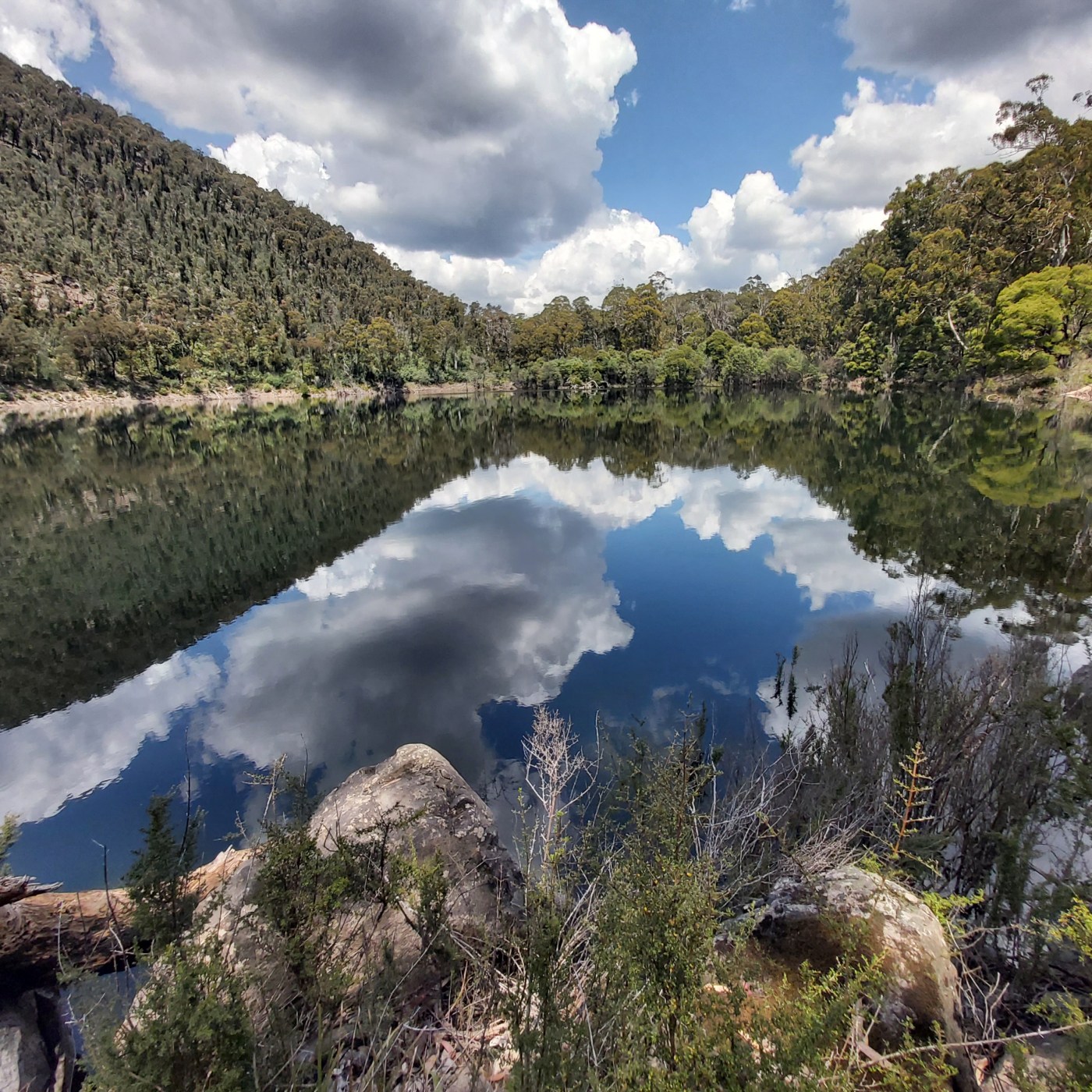
Tali Karng is a magical lake, tucked away in the mountains north east of Licola in the Victorian high country.

According to Parks Victoria, Tali Karng is the only natural lake within the Victorian Alps. ‘Held behind a rock barrier created thousands of years ago, the underground stream it feeds emerges as the infant Wellington River 150m below in the Valley of Destruction’. It is about 14 ha in size and sits in a deep valley. It has been a hugely popular walking destination for decades, especially with scout and school groups, and ‘doing the Tali Karng’ walk is a rite of passage for many as they transition from weekend to longer walking trips. It is also a place that reflects the changing way we view, manage and visit our wild natural places.

The lake is on the traditional lands of the Gunaikurnai people, most likely members of the Brayakaulung clan. When I first visited Tali Karng at 15 years of age, I had no idea of the First Nation connection and we often camped by the lake. There was no signage or acknowledgement of the traditional owners. At that point I had no awareness of Aboriginal people in the mountains and I assume that was the same for most people who loved bushwalking.

That started to change after the Gunaikurnai won a Native Title determination in 2010.

Continue reading “Tali Karng – a jewel in a changing landscape”

Help protect the Alpine National Park from development

The Falls to Hotham Crossing is a lovely three day walk from the resort town of Falls Creek, across the Bogong High Plains, to Mt Hotham. Managed by Parks Victoria (PV), you need to book to use the designated campsites near Cope Hut and Dibbins hut. It is a hugely popular walk.

There are also plans to extend and reroute the Crossing, turning it a five day ‘serviced hiking opportunity’ in the Alpine National Park.

The Victorian National Parks Association (VNPA) opposes the commercial aspects of this proposal, and says There is already too much pressure on parks: invasive pests and weeds, increased bushfires and climate change impacts, and rapidly growing visitor numbers. That’s why they were set aside to protect nature in perpetuity. This insidious attempt to commercialise the Alpine National Park and compromise its carefully considered management plan must be stopped. But we need to work together if we’re going to protect our precious Alps.’

Continue reading “Help protect the Alpine National Park from development”

Blog at WordPress.com.

Up ↑