Search

Mountain Journal

Environment, news, culture from the Australian Alps

Tag

bushfires

‘Australia’s Environment Report’ identifies impacts on alpine areas

The annual Australia’s Environment Report summarises a large number of observations on the trajectory of our natural resources and ecosystems. It is prepared by the Centre for Water and Landscape Dynamics at the Australian National University (ANU).

As part of their report for 2019, they prepared an assessment of alpine areas. With hot weather, terrible fires, and dry conditions we already know how bad summer was for the mountains. This report quantifies some of the impacts.

Continue reading “‘Australia’s Environment Report’ identifies impacts on alpine areas”

Global warming played a ‘big role’ in generating heat waves that fueled the 2019-2020 fire season

This summer’s fires had devastating impacts on landscapes and local economies.

For the first time in eight months, all the NSW fires are out. The Namadgi fires are out, as are the fires in north east Victoria and East Gippsland. During the fires, there was an attempt by some groups to blame the fires on arson as a way of avoiding the conversation about climate change. There is the ongoing debate about the role of fuel reduction burning as a way to reduce the intensity of fire, plus the broader conversation about how we manage our forests and wild places, and whether salvage logging of burnt areas should be allowed.

Now, a ground-breaking report has shown that climate change was a ‘massive factor’ in the extreme fire conditions that devastated Australia this summer.

The report was prepared by World Weather Attribution (WWA), which ‘is an international effort to analyse and communicate the possible influence of climate change on extreme weather events, such as storms, extreme rainfall, heatwaves, cold spells, and droughts’.

Continue reading “Global warming played a ‘big role’ in generating heat waves that fueled the 2019-2020 fire season”

Does Victoria need a new remote area volunteer firefighting force?

On New Year’s Eve, December 31, 2019, a front brought a smattering of rain across the Victorian mountains, barely enough to damp down the dust. But the associated lightning storm started dozens of new fires in a long belt from Mt Buller to the NSW border.

Forest Fire Management crews swung into action and many of these were quickly put out. Aerial bombing dealt with others. But there were simply too many, and some grew into massive blazes, including the fires that went on to devastate the forests and landscapes of East Gippsland in coming weeks.

This raises the question: Do we need a new remote area volunteer firefighting force in Victoria who could help suppress lightning strike fires before they take off?

Continue reading “Does Victoria need a new remote area volunteer firefighting force?”

The Environment Recovery Project – post fire observations

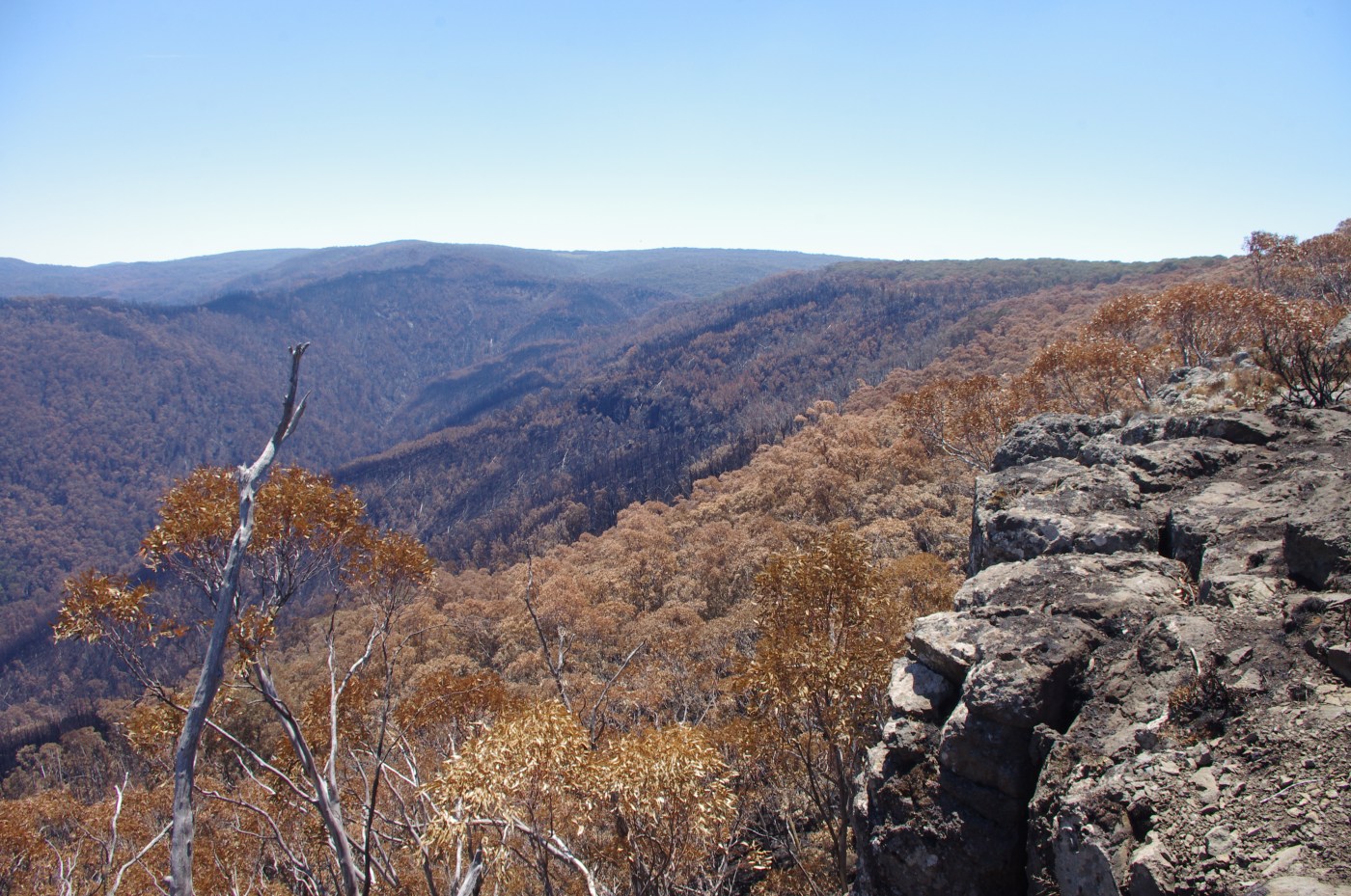
As many burnt areas reopen, it is now possible to get into much of the High Country and surrounding foothills. The impacts of this fire season are obvious across so much of the Alps, the mountains of the ACT and East Gippsland.

The Environment Recovery Project is an online tool that allows people to pool their observations about nature with other people on the iNaturalist Australia website. A new project allows you to contribute your observations about ecological recovery in recently burnt areas.

Continue reading “The Environment Recovery Project – post fire observations”

Are Errinundra’s rainforests now burning?

The fires across East Gippsland this summer have had devastating impacts on land and forests, waterways and native species, local economies and people’s lives and properties.

One glimmer of good news has been the fact that many of the cool temperate rainforest strong holds have been spared from much of the fire. Most of the famed Kuark forest has not burnt (or has possibly been ‘burnt lightly’ according to reports from the field), and the Errinundra Plateau has been spared any major fires. It appears that the Goolengook rainforest has been partially burnt. (Extra info here).

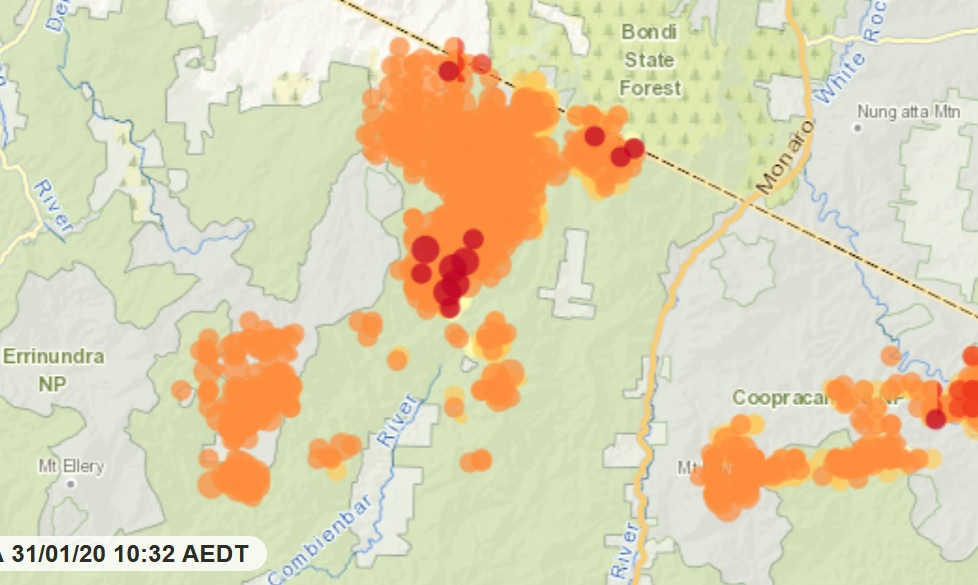
But now there are reports that back burning operations were carried out several days ago between the VIC/NSW border and the Errinundra Plateau, in order to save the Bondi pine plantations in southern NSW. Yesterday (JAN 30) in the 40 degree heat, the fires from these spotted across the Coast Range Road into the most valuable area of the Errinundra national park. The scale of these fires is not yet known.

We will update as additional information comes to hand.

[With thanks to Jill Redwood for this information]

Continue reading “Are Errinundra’s rainforests now burning?”

What are the ecological costs of this summer’s fires?

In late November, fires started in East Gippsland as a result of lightning strikes. As noted by Peter Gardner, these went on to become major blazes. On new year’s eve, lightning storms started fires across the Victorian mountains and fire season came to the Alps with a vengeance.

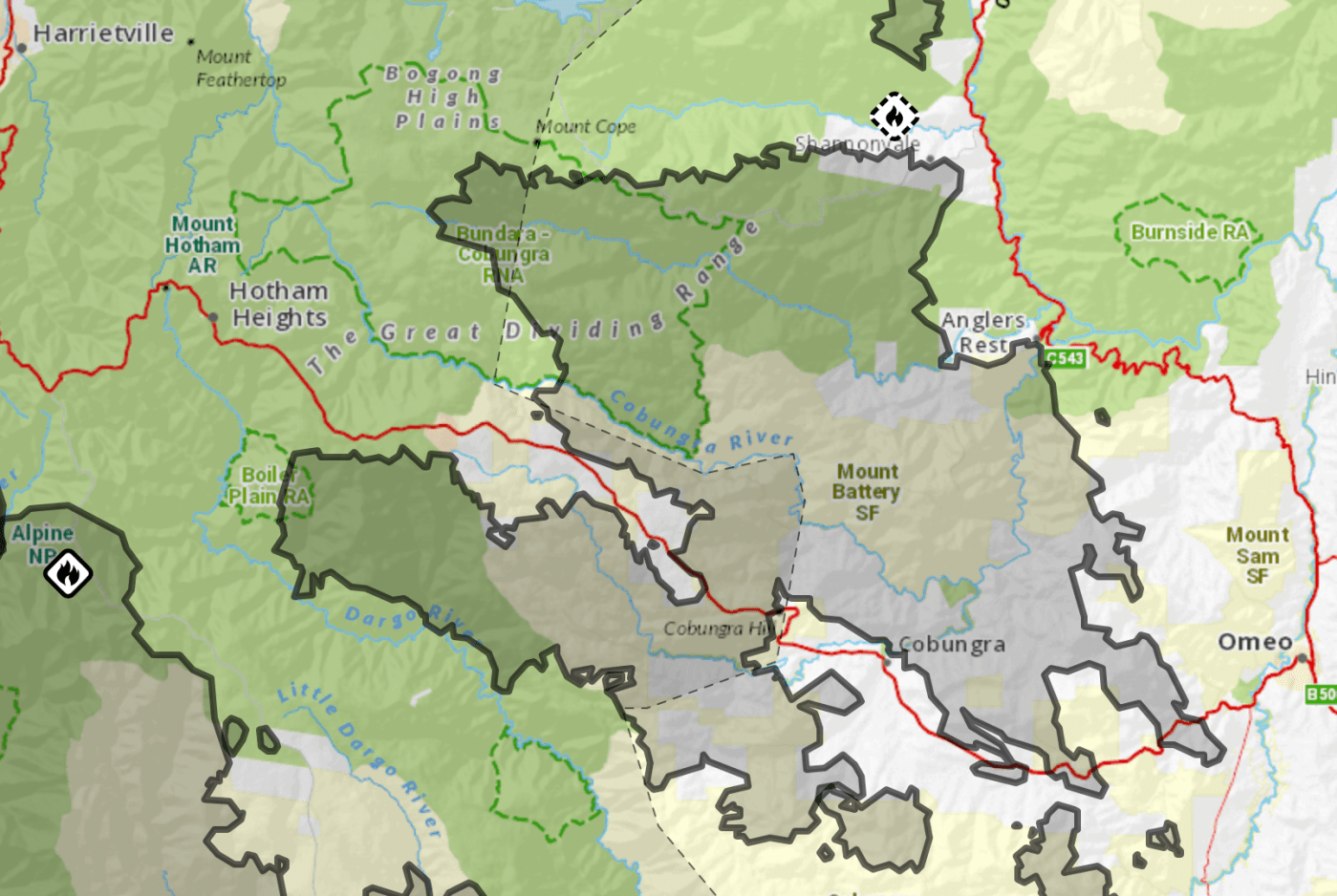
Since then, huge areas of the Victorian Alps and Snowy Mountains have burnt. As at January 14, many of these are still going and, of course, the key priority is containing them.

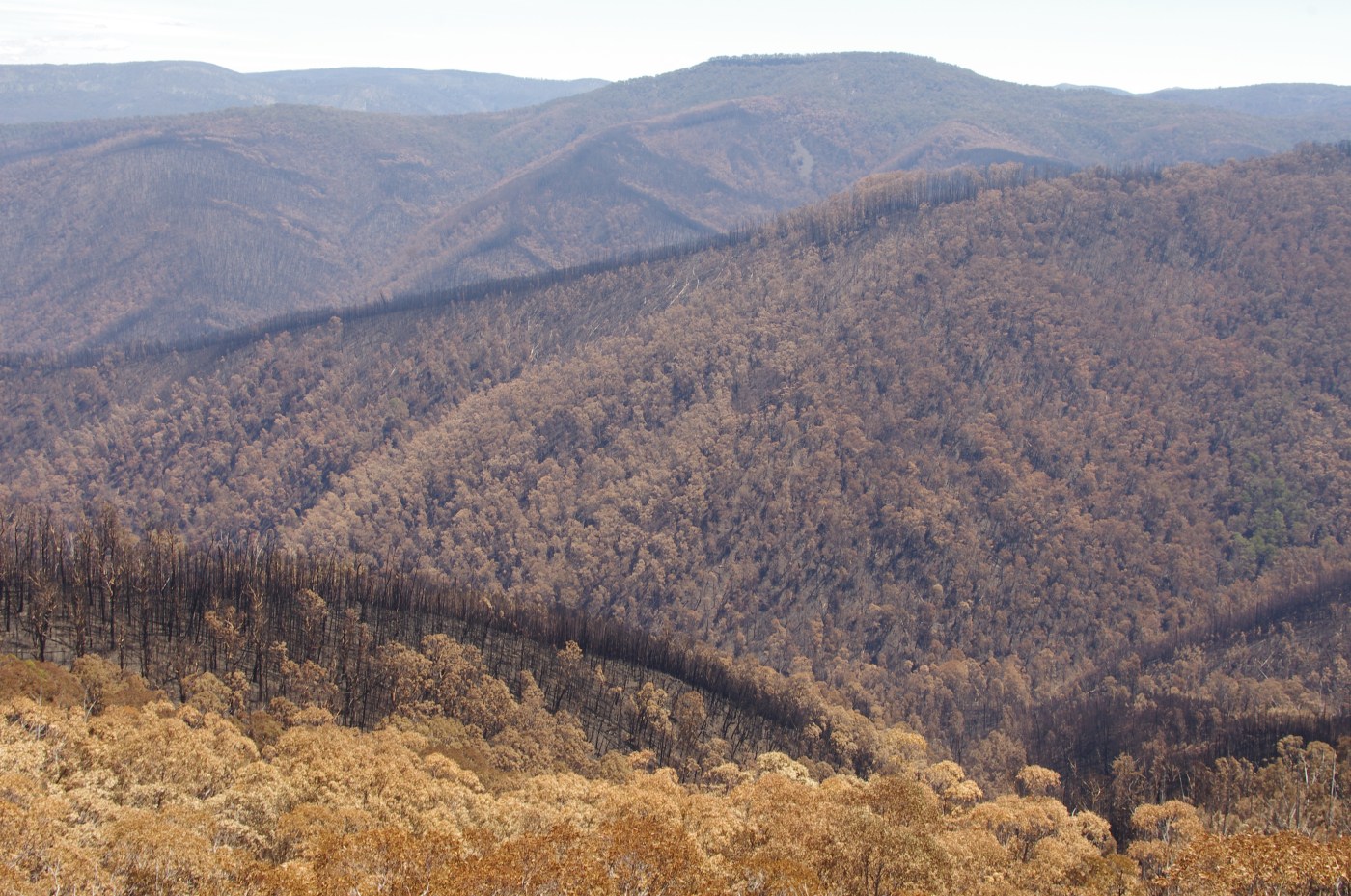
But once it’s all over, we will need to count the ecological cost of these fires. Some areas in the Alps have now burnt three times in about 15 years. There is no doubt that longer fire seasons, driven by climate change, are already impacting on mountain and foothill environments.

The short answer at this stage is that we just don’t know what the full ecological impacts of these fires will be.

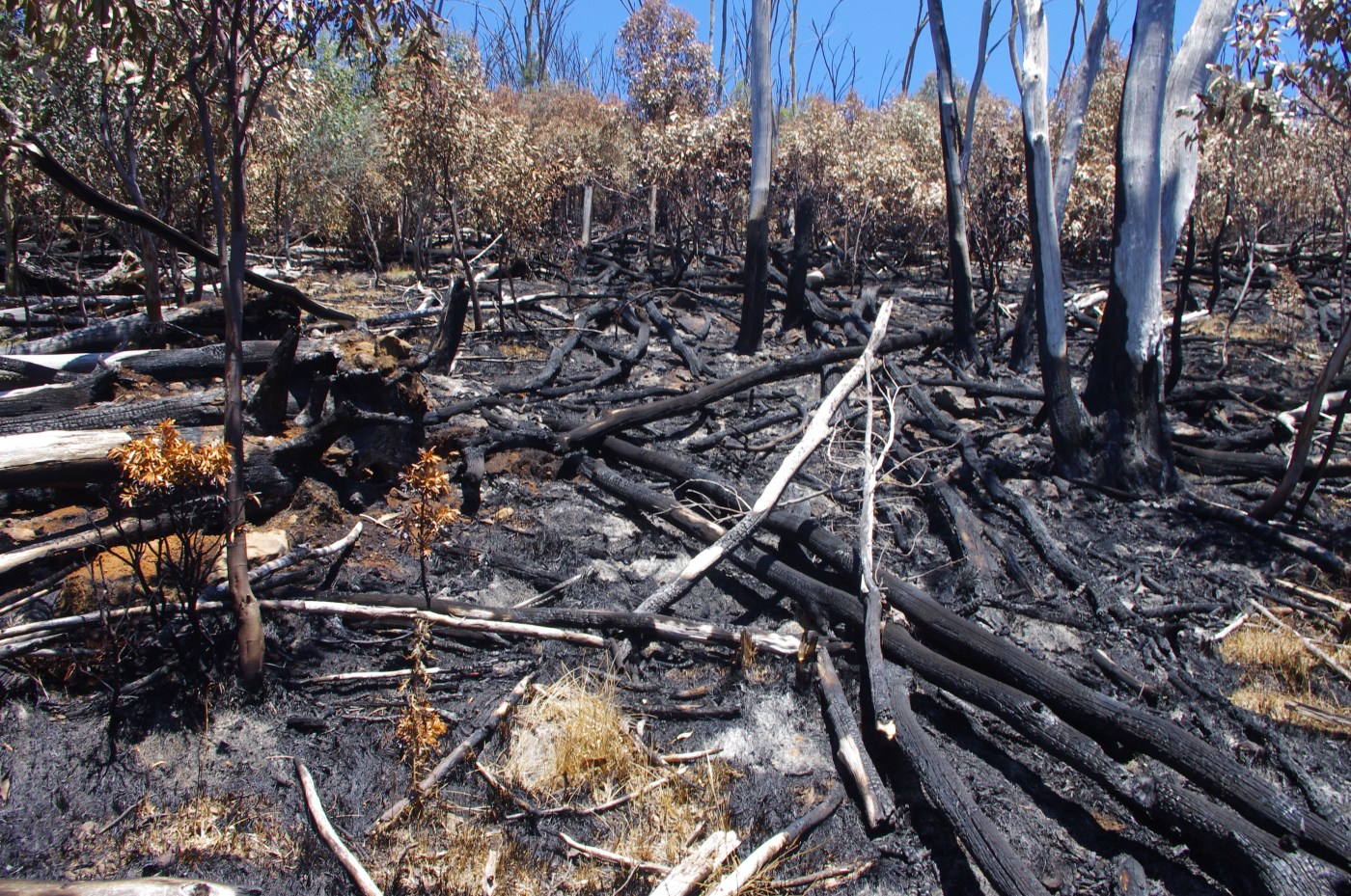
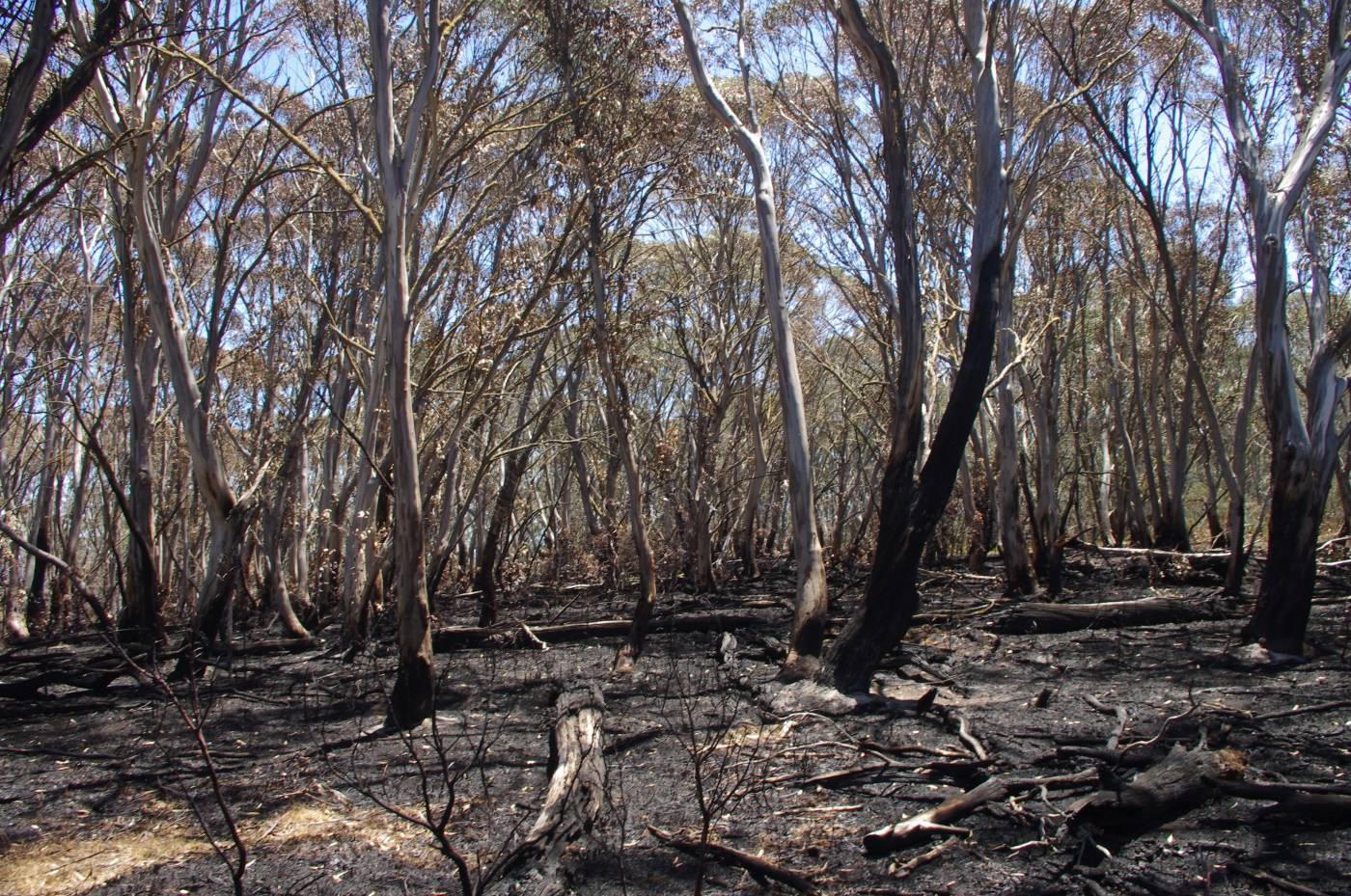
The following is a fairly random collection of reports on local impacts of the fires on mountain areas. It focuses on ecological values and impacts. Of course, this does not mean that human and economic impacts don’t matter. The narrow focus here is simply to try and share some information about what the impacts will be on natural systems, as the other stories are already being told widely in mainstream media. It will be added to as areas are re-opened to the public. I would welcome your reports for inclusion: please email text and stories to cam.walker@foe.org.au

Continue reading “What are the ecological costs of this summer’s fires?”

2020 fires: get into the mountains and spend up big (when you can)

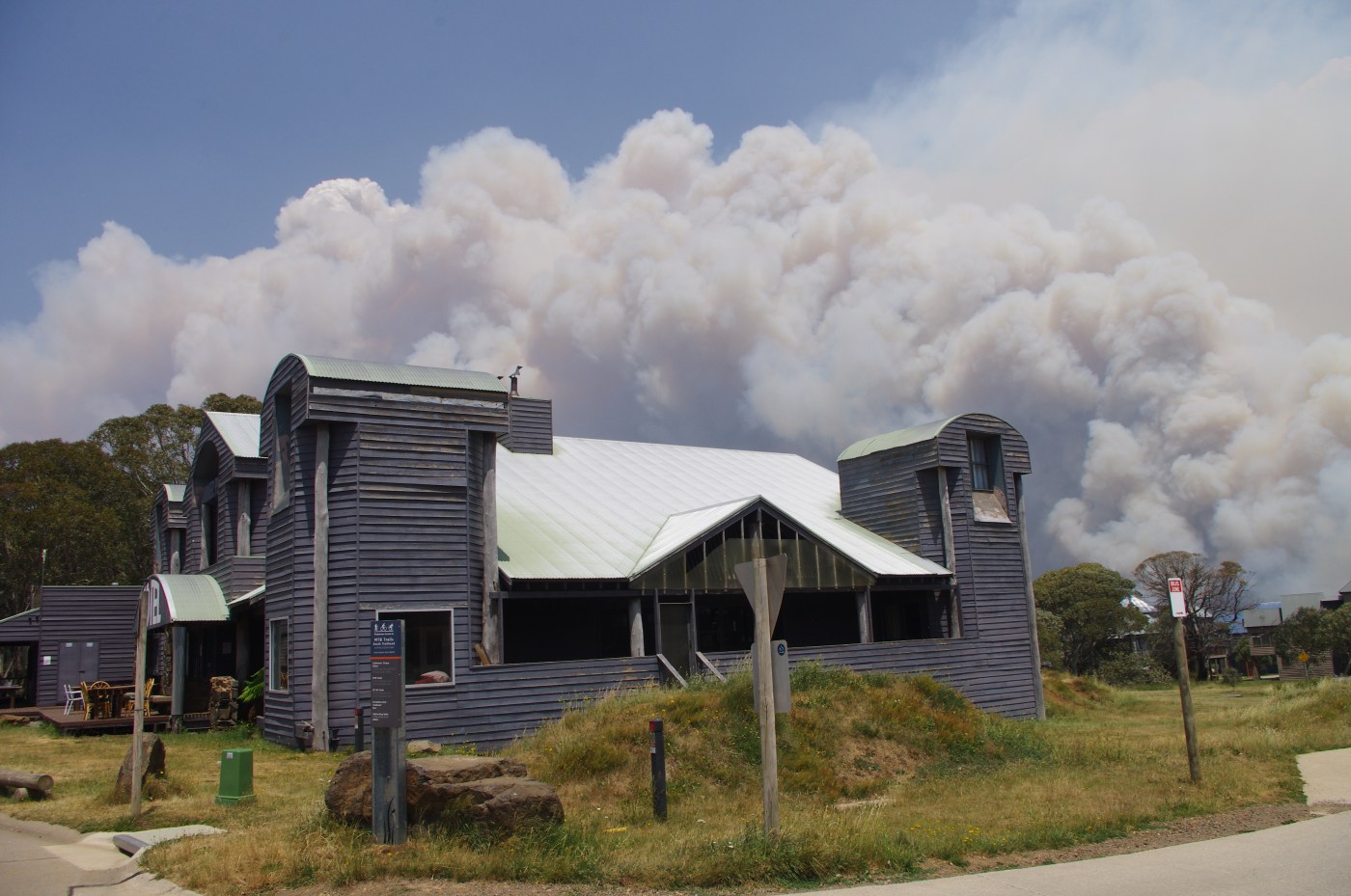
Up until Christmas, there hadn’t been a lot of fires in the High Country, either in Tasmania or on the mainland. That all changed on New Years Eve. Lightning storms triggered fires across Tasmanian, Victoria and NSW. What followed has been nothing less than an absolute disaster as huge areas of the mountains have burnt – and continue to do so.

With large areas evacuated, the economic impacts on local economies has been devastating. This is peak tourism season, yet entire areas are under evacuation orders, businesses are closed and events are being cancelled. The flow on effects on many people’s income will continue for months. 

I am seeing many people who are struggling because their region or business is closed. Even where a town is open, the ever present smoke in many places is not very enticing to tourists.

So once the fires are under control, please have a think about doing a trip to the High Country. Aim to head off with your wallet full and your stomach, esky and food basket empty.

Continue reading “2020 fires: get into the mountains and spend up big (when you can)”

Big fire day across the mountains

[WED Jan 1UPDATE: I am away with the CFA at present and not in a position to update this page until further notice so please don’t rely on it for updates – please check the relevant government agency websites which you will find if you scroll down. Thanks]

There are some links on how to support recovery and emergency efforts available here.

And I’m still doing some updates on the Mountain Journal facebook page, mostly around park and road closures.

[Monday December 30 2019]

Here we go. We have a long, hot, scary day ahead of us, with extreme fire risk across all mountain areas.

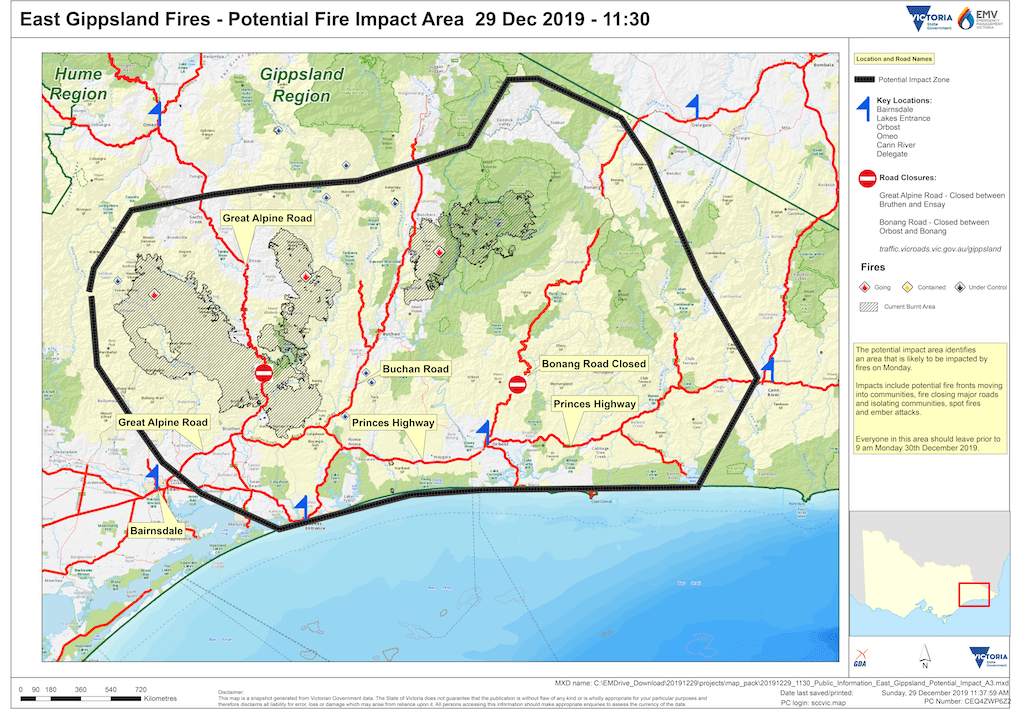
In Victoria, authorities are calling on all people in East Gippsland (east of Bairnsdale) to leave the area, in case the Princes Highway needs to be closed. Mountain communities like Goongerah are at imminent risk of being hit by fires. The W Tree Yalmy fire is still not yet under control, nor is the Ensay Ferntree fire. Firefighters and aircraft are responding to four new fires north-west of Gelantipy which were started by dry lightning earlier his morning.

In NSW there has already been at least one small fire started by dry lightning in the Snowy Mountains (it is under control).

In Tasmania, today is a Day of Total Fire Ban, but authorities warn that tomorrow could be even worse, and that people in bushland areas should consider leaving for urban areas.

Continue reading “Big fire day across the mountains”

Wildfires in remote Tasmania

It’s been an absolutely brutal fire season around the country, and we are not even into full summer yet. Among the horror list of lost lives, homes and other infrastructure, millions of animals killed, damage to water catchments and farmland, there has also been devastating impacts on wild places.

Rainforest that ‘is not meant to burn’ has been on fire in northern NSW and QLD, the World Heritage listed Blue Mountains have been hammered, the Budawang Ranges in NSW have been badly burnt, and there are enormous and ‘not yet under control’ fires in the mountain foothills of East Gippsland.

While there were devastating fires in Tasmania last summer, so far, the mountains in that state have been spared fires. Perhaps the situation is now changing, with four fires in remote areas recently started through lightning strike. 

Continue reading “Wildfires in remote Tasmania”

Fire season frontline in VIC: East Gippsland and North East Alps

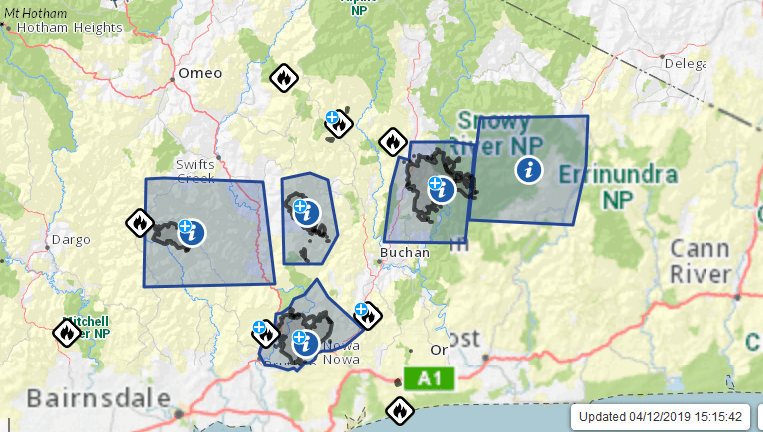
In the Australian Seasonal Bushfire Outlook produced in August, it was clear that East Gippsland and the Alps were facing a long and difficult fire season. Even though it is only early December, there have already been a series of large fires on both public and private land in both these sections of the state.

The ABC reports:

There have been six fires of significance over the past two weeks in East Gippsland.

Authorities were most concerned about fires near Gelantipy, Bruthen, and Ensay.

The fires were caused by dry lightning that ignited dozens of fires along the Great Dividing Range.

Incident controller Andy Gillham said the Country Fire Authority and DELWP were not caught off-guard by the fires.

“With all the modelling that has been done by the fire researchers, they said it would be an above-average season for East Gippsland,” he said.

“Because the landscape is so dry we had lightning and fires. We did have an early start to the season, but we weren’t caught off-guard”.

Check the Emergency VIC website for updates on fires.


Climate change impacts on VIC mountains – less snow, more fires

The Victorian government has recently released the ‘Climate Science Report 2019’, which brings together the latest climate change science knowledge gained from the government’s ongoing investigations into climate science. The report provides further useful insights into both how our climate is changing and what it means for Victoria’s future.

In many ways, there is nothing new in the report. It notes that Victoria’s climate has ‘changed in recent decades, becoming warmer and drier’. These changes are expected to continue in the future.

In general terms, the state’s environment is becoming hotter and drier, with

  • an overall increase in the frequency of unusually hot days
  • a decline in cool season rainfall over the last 30 years
  • greater number of very high fire danger days in spring

There are some details relevant to mountain environments, which we will outline briefly below (as direct quotes).

Continue reading “Climate change impacts on VIC mountains – less snow, more fires”

Fires close a number of mountain areas in NE VIC

There are a number of fires that have started as a result of lightning strikes in the Victorian High Country.

There are three fires in the north east that have caused a number of areas to be closed to walkers – these are to the east of Mt Bogong and two along the eastern side of the Bogong High Plains.

Additionally, there are 13 fires in total burning in remote areas of forest in north east Victoria. The other fires are located in the Tallangatta Valley, Dandongadale, Abbeyard and Mount Selwyn.

DELWP says: ‘The remote locations of these fires are proving to be challenging for our crews and we fully expect them to burn for a number of weeks as firefighters work hard to contain them’.

Authorities say that the fires are behaving in ways expected in January and February as fuel loads are so dry.

Continue reading “Fires close a number of mountain areas in NE VIC”

Blog at WordPress.com.

Up ↑