A decade ago, I moved from Melbourne to Castlemaine in Central Victoria. Box and Ironbark, Peppermint and Yellow Gum country. Hilly sandstone country. The land of the Jaara people. It took me a while, but I fell in love with the place, and now its home.
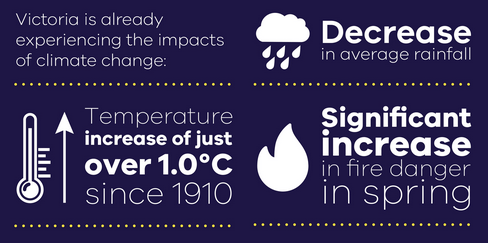
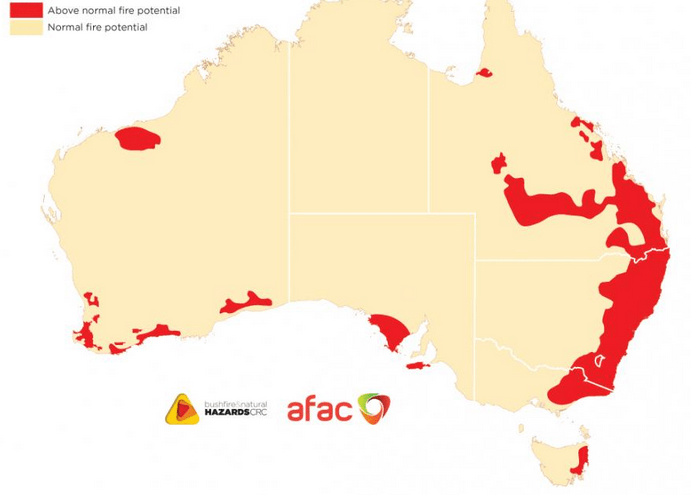
But even at the start, I remember thinking ‘this is a crazy place to live in a time of climate change’. Already hot and dry in summer, its going to get hotter and drier in coming years and experience worse water stress. It’s the same story all over. Climate change is already happening, and bringing impacts everywhere. Along the inland rivers, towns are running out of water. Along the coast, at places like Inverloch, storm surge is stripping away coastlines. In Mildura, the town had 65 days last summer that were above the heatwave threshold. Parts of Australia are expected to become uninsurable because of more regular flooding. And in the mountains, our winters are already becoming more erratic. It goes on and on. Nowhere is immune.
We are all familiar with the plight of climate refugees – people whose environment or economy is so impacted by the effects of climate change that they have no choice but to move. Mostly these are seen as people in the global South – the ‘developing’ world (although Hurricane Katrina, which devastated much of the USA’s South and displaced millions, shows that this is also a reality even in the rich world).
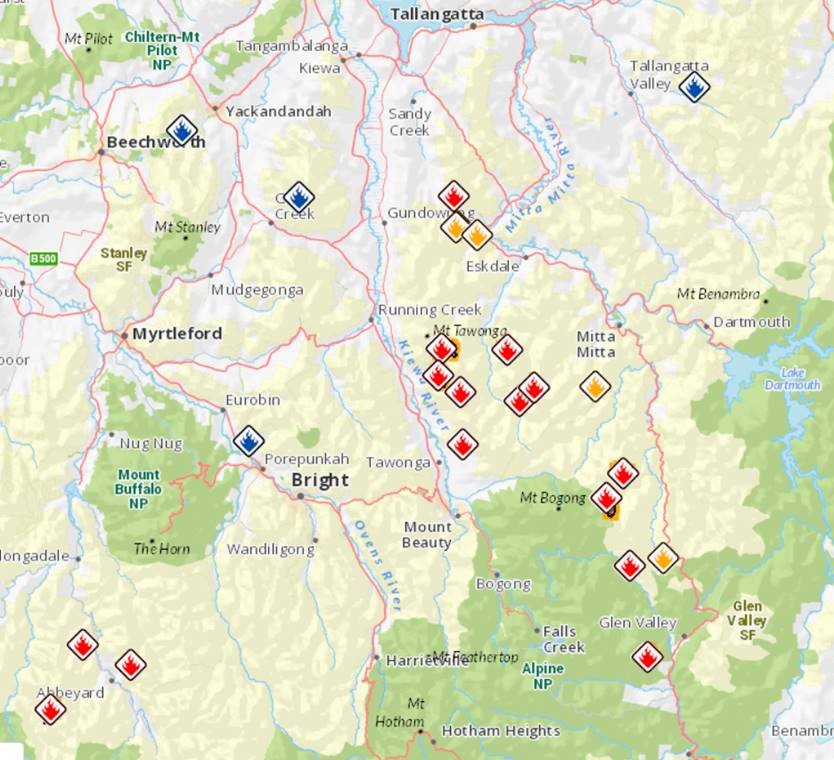
Something that I have noticed in recent years is a growing number of people who have opted to move from choice, not necessity, who are seeking a friendlier climate. I have lost count of the people I know or have met who have bought land in Tasmania, especially in the south west or north east. Some of them don’t live there: they have bought land as a safety net in case it goes to shit on the mainland. I know people from north east Victoria, in towns like Wangaratta, who have moved to the cooler and wetter hills of South Gippsland. There are people who have swapped the dry inland slopes of Central VIC for the lusher coasts of the Otways. And I know people who have left the hill country of Gippsland and Central Highlands, tired from the relentless stress of ever worsening fire seasons.
Continue reading “‘Have You Considered Relocating Because of Climate Change?’” →




 Mountain Journal
Recent Comments