Search

Mountain Journal

Environment, news, culture from the Australian Alps

Tag

bushfires

An update on the ecological costs of the 2019 Tasmania fires

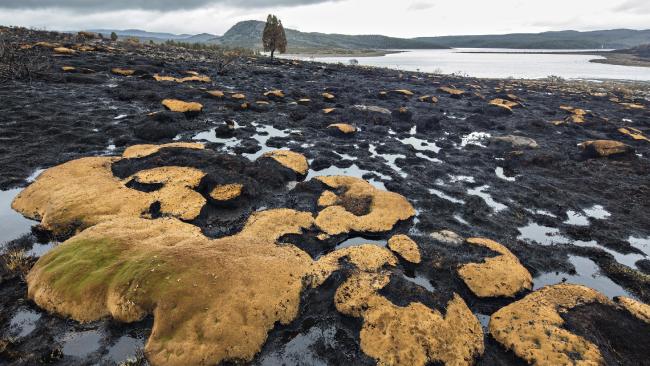
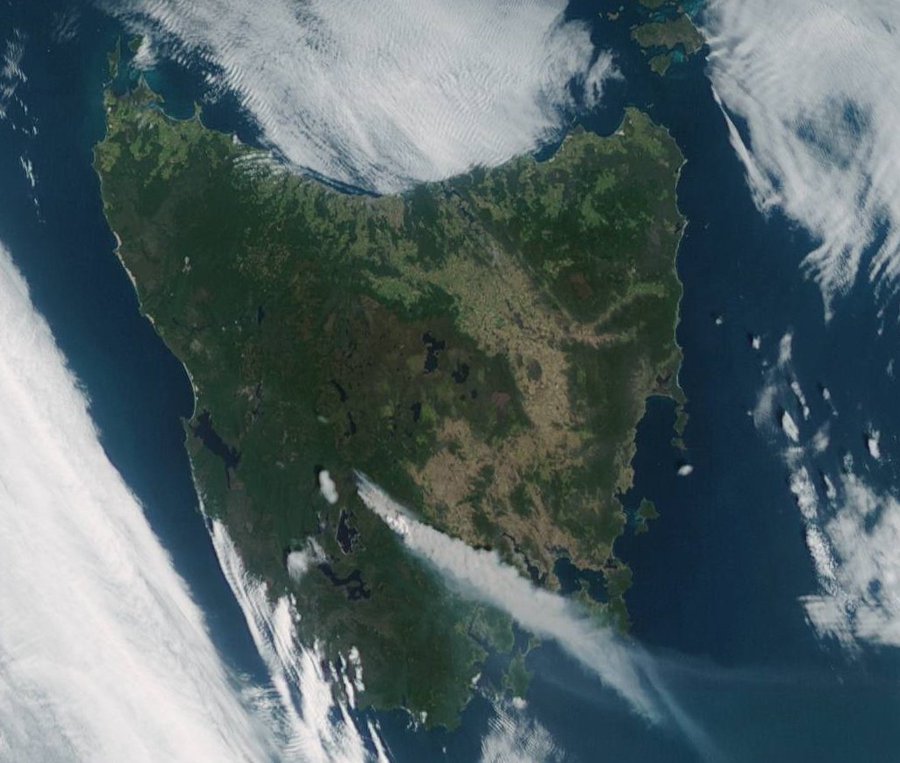
Bushfires, which were started by lightning strikes, burnt large areas of Tasmania last summer.

There have been fears expressed by ecologists that large areas of fire sensitive vegetation have been impacted.

An initial desk top assessment carried out by researchers at the University of Tasmania suggested that the areas of these vegetation types affected was very small.

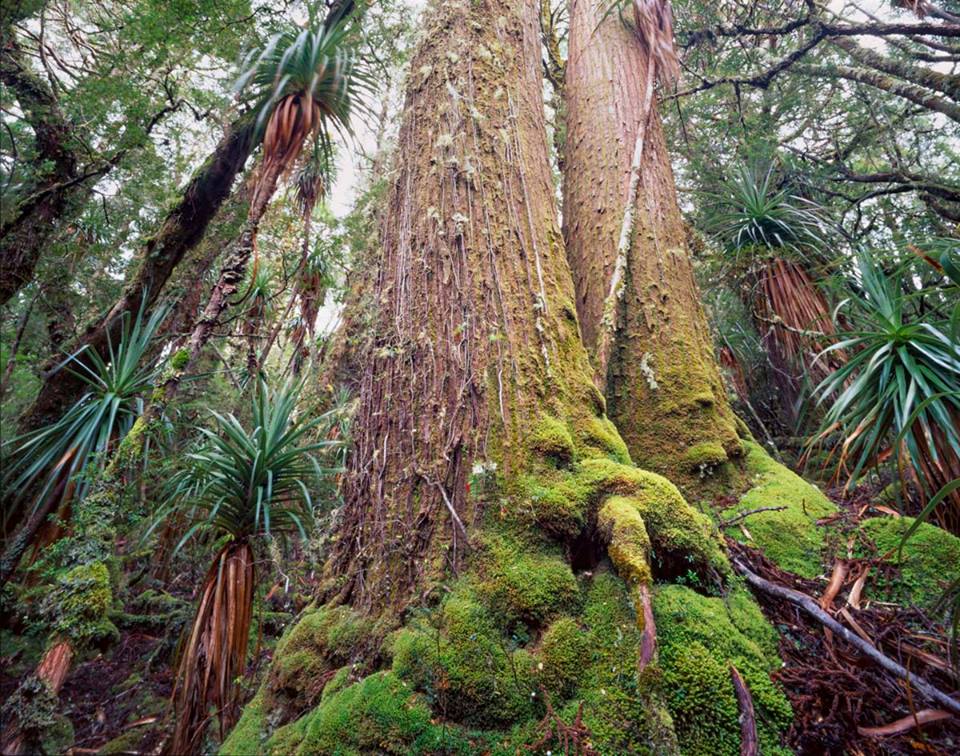
In March, the Tasmanian Parks and Wildlife Service updated their assessment, which also stated that only small areas of vegetation types that are rated ‘Extreme fire sensitive’ (containing components that will not recover from fire, such as rainforest with king billy pine, alpine conifer communities, alpine deciduous beech communities and rainforest with deciduous beech) and ‘very High fire sensitive’ communities (including alpine and subalpine heathland without conifers, rainforest without conifers, and mixed forest) had been affected.

Now, an additional assessment, by the Tasmanian National Parks Association (TNPA), adds further detail to our understanding of the impacts of this summer’s fires.

Continue reading “An update on the ecological costs of the 2019 Tasmania fires”

No sign of wilderness fire funding for World Heritage Areas

In recent years, wildfire has had devastating impacts on World Heritage Areas in Tasmania. The 2016 fires damaged fire sensitive areas and vegetation types, like Pencil Pines near Lake Mackenzie. Fires caused by dry lightning strikes are becoming more common since the year 2000. Yet resourcing for fighting fires in remote areas is not growing to keep up with greater fire threats.

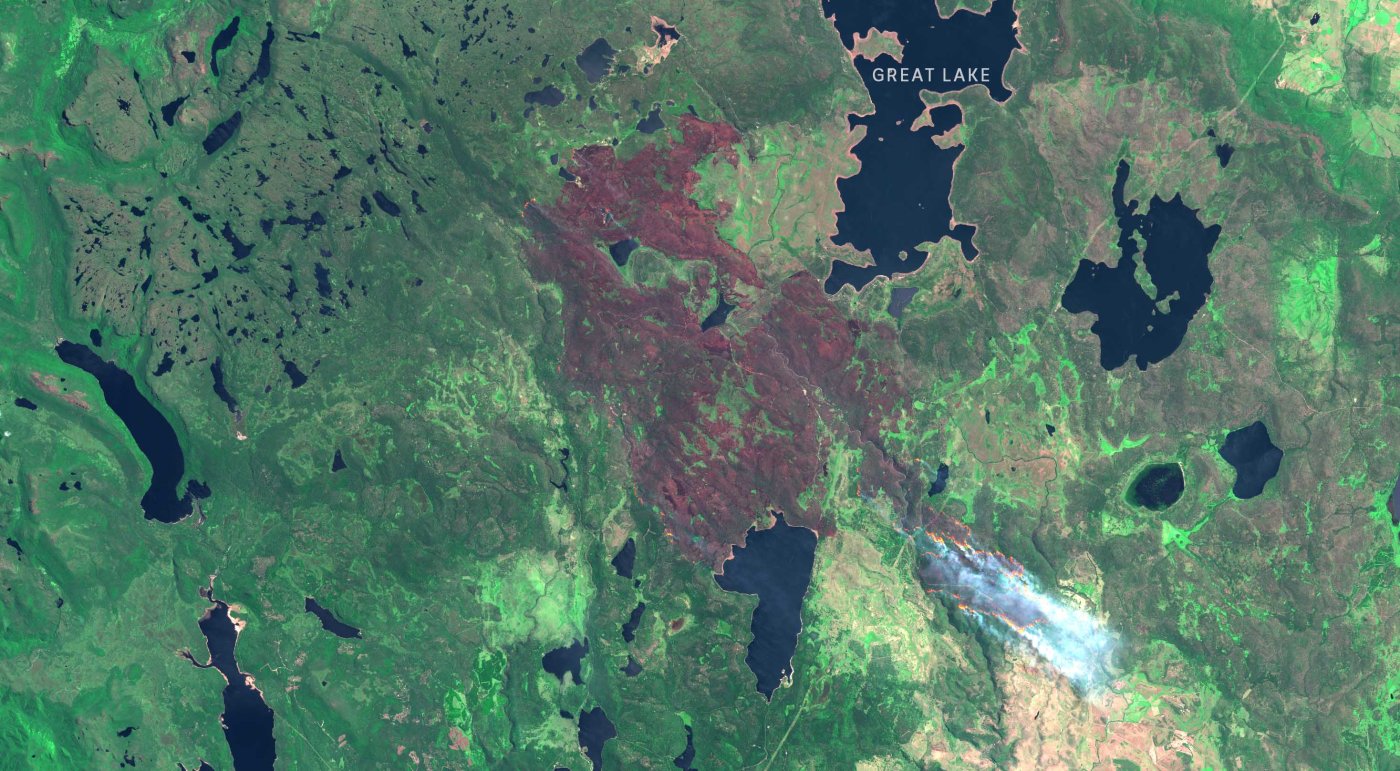
The fires that happened this summer burnt more than 100,000 hectares, but thankfully (and based on initial estimates), it would appear that only very small areas of fire sensitive vegetation like Pencil Pine and King Billy Pine were destroyed. Innovative actions, like placing sprinklers to protect fire sensitive vegetation at Lake Rhona reduced the impacts. But it remains clear that fire fighters are under resourced to fight remote area fires. Despite sustained calls for additional resources, it would appear that the current commonwealth government isn’t coming to the party.

Continue reading “No sign of wilderness fire funding for World Heritage Areas”

Former fire chiefs demand urgent action on ‘escalating climate change threat’

We know that climate change is already impacting on Australia’s high country through longer and more intense fire seasons and increasingly erratic winter snow.

What is perhaps less obvious is the fact that emergency services are not adequately resourced to defend the mountains from worsening bushfire seasons.

This has been highlighted in the case of recent fires in Tasmania, where – even with interstate and international support – emergency services were not able to control fires in Tasmania’s world heritage areas over the summer of 2018/19. This had previously been the case in Tasmania in 2016, when precious areas of fire sensitive vegetation were destroyed. Additionally fires in the Victorian high country burnt some areas for the third time in 10 years, with the possibility of significant long term ecological impacts.

Now 23 of Australia’s most senior former emergency service bosses have come together in an unprecedented show of unity, calling on the Prime Minister to ‘get on with the job’ of reducing greenhouse gasses.

They also highlight the fact that Australia currently lacks the resources we need to fight wild fire effectively.

Continue reading “Former fire chiefs demand urgent action on ‘escalating climate change threat’”

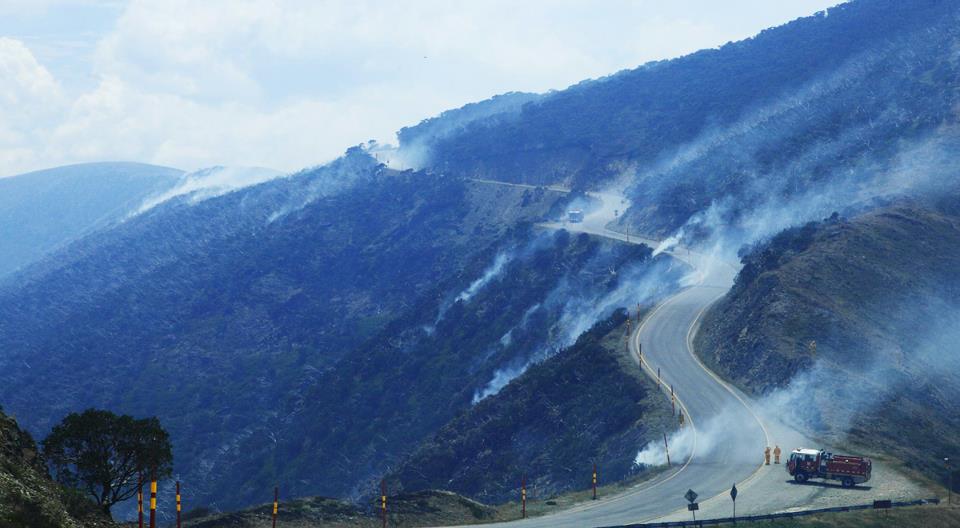
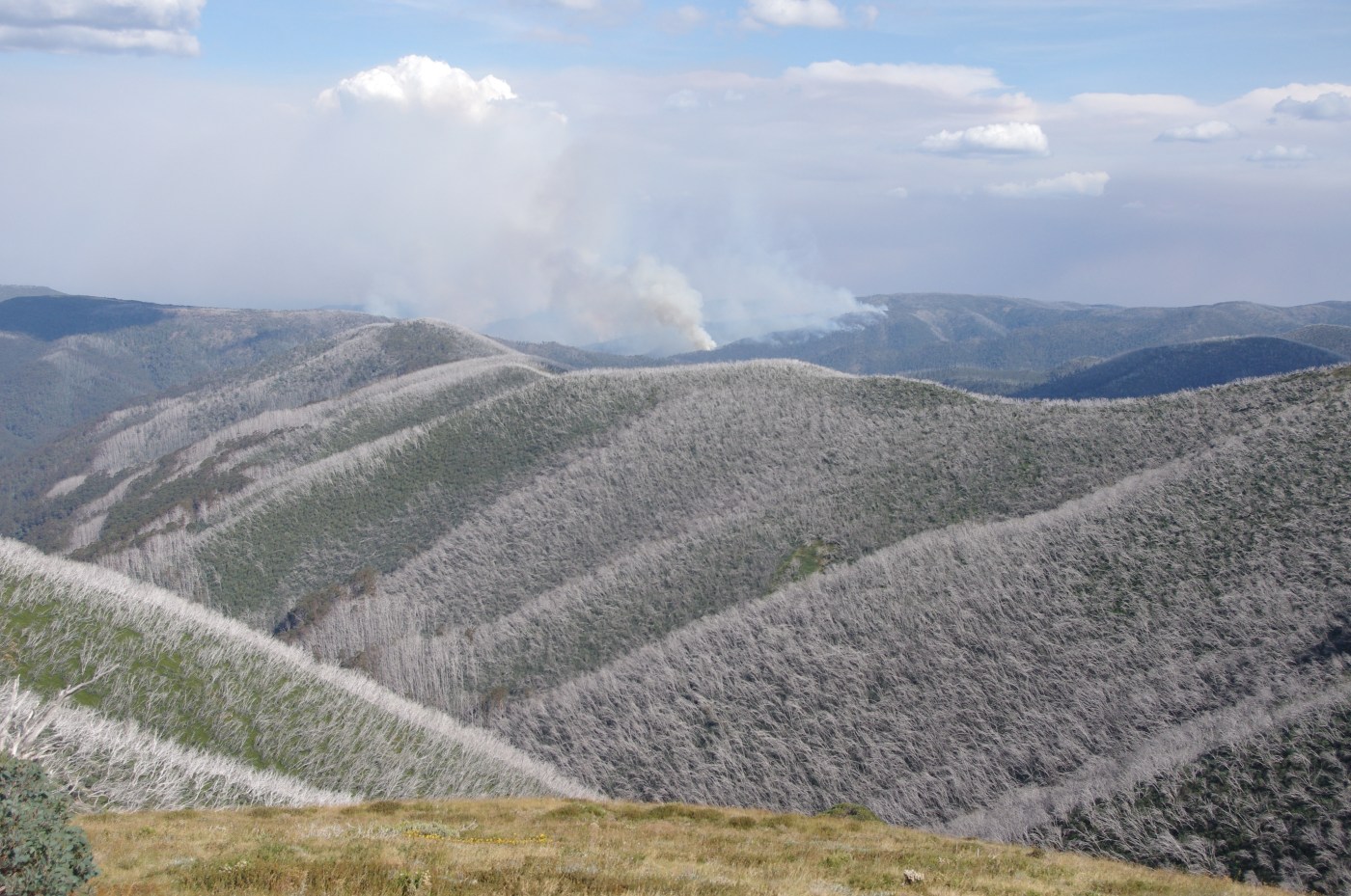
VIC fires burn more than 100,000 ha.

It’s been a hard summer for fires, both in Tasmania and the mainland mountains. In Victoria, more than 100,000 hectares were burnt in the high country, making it another season of ‘mega fire’ (these large fires are growing in frequency under the influence of climate change).

Here’s a quick look at the major areas that were burnt:

Continue reading “VIC fires burn more than 100,000 ha.”

TAS fire update – and vegetation impact assessment

Bushfires have burnt more than 90,000 hectares of land in Tasmania this summer. The Gell River fire in the south west is still burning. There have been fears expressed that large areas of fire sensitive vegetation have been impacted. An initial desk top assessment carried out by researchers at the University of Tasmania suggested that the areas of these vegetation types affected was very small.

Now the Tasmanian Parks and Wildlife Service has provided an update on what types of vegetation was involved in the fires and the likely impacts on what they define as ‘Extreme fire sensitive communities’. Their assessment is that very small areas of these communities was impacted.

Continue reading “TAS fire update – and vegetation impact assessment”

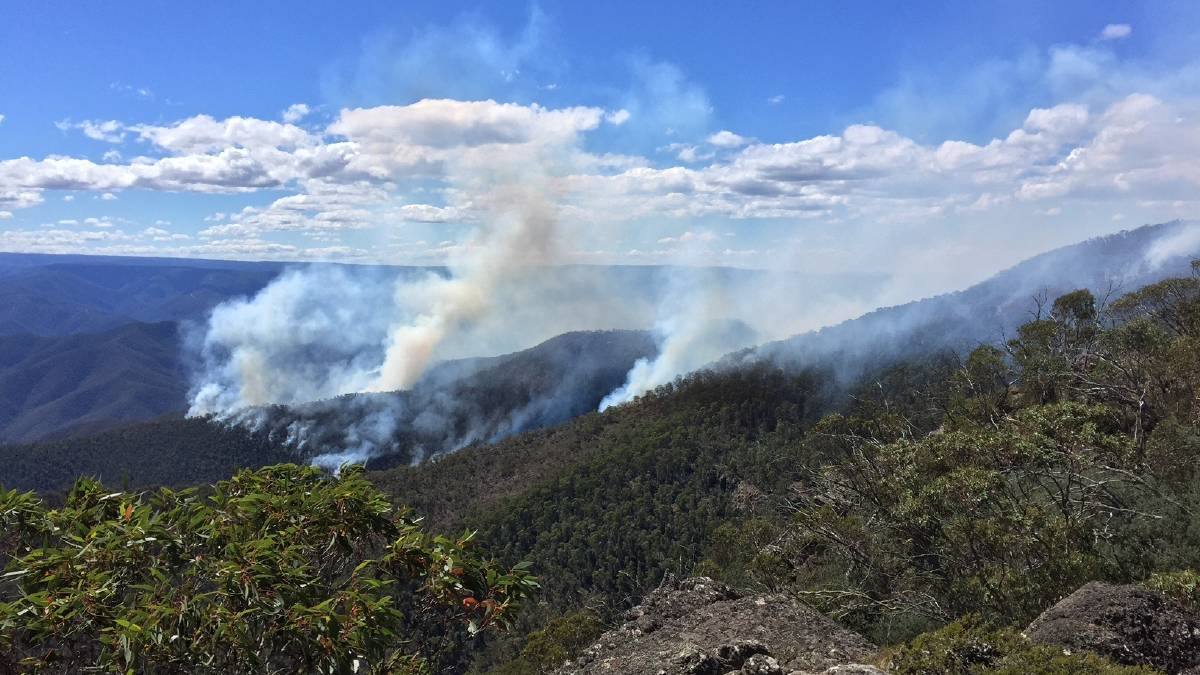
Fires burning across VIC alps

Following a major lightning storm, there are a range of fires burning across the Victorian Alps. Many of these are not yet contained.

There are currently fires in the following areas:

  • Crooked River/ Dargo area
  • East Gippsland, north of Buchan
  • North of Licola
  • Mt Buller/ Howqua area
  • Camberville/ Lake Mountain area
  • South of Mt Hotham/ Dinner Plain.

Check the Emergency Vic website before traveling into the alpine areas.

Remote area firefighters call for more resources

Firefighters at the Tasmania Parks and Wildlife service are calling for more specialised local staff to fight remote fires.

During the 2016 fires that devastated fire sensitive vegetation in Tasmania, there were a number of suggestions made by concerned observers that the Parks and Wildlife Services’ firefighting efforts appeared ‘poorly prioritised’ in terms of early response to the fires in remote areas. According to the Tasmanian National Parks Association, fire response prescriptions prioritising rare and threatened fire sensitive species were not ‘effectively implemented’. Lack of early intervention may have resulted in these fires becoming larger than they otherwise would have been. Similar claims have emerged with the 2019 fires.

Continue reading “Remote area firefighters call for more resources”

Fire risk a grave threat to cable car proposal

As the long debate continues about whether a developer should be allowed to build a cable car up the face of kunanyi/Mt Wellington, Bernard Lloyd reminds us about the primary threat to the mountain, which is posed by wildfire. Regular fires on the mountain have huge implications for the proposal to build a cable car.

In terms of combustibility, the forest on the mountain’s eastern face carries the greatest fuel load. The cable car is planned to be built up the eastern face.

  Continue reading “Fire risk a grave threat to cable car proposal”

The 2019 Tasmanian Fires so far: what has burned and where?

An update on what ecological communities have been burnt.

Fires have burnt across huge sections of Tasmania this summer (and some continue to burn despite recent rain and milder conditions). There have been grave fears that fire sensitive vegetation – plant communities that will not recover or recover very slowly after fire – had been badly impacted by the fires.

An initial analysis (based on the fires up until Feb 5) of what types of vegetation have been burnt so far in this summer’s fires is heartening. According to Dr Sam Wood, only very small areas of fire sensitive vegetation have been identified as being burnt. “The majority of the burned area is comprised of flammable vegetation communities” (ie, communities adapted to fires). Continue reading “The 2019 Tasmanian Fires so far: what has burned and where?”

“We are not out of the woods yet”

The Bureau of Meteorolgy has released its national climate summary for January 2019. As expected, it shows that it was the country’s warmest January on record for mean temperatures (2.91 °C above average), maximum temperatures (3.37 °C above average) and minimum temperatures (2.45 °C above average). Rainfall for the country as a whole was 38% below the long-term average for January, and Tasmania had its driest January on record.

After a dry winter and spring in the south east and then a sustained heatwave, its fairly obvious why its been a horror summer for fires. Tasmania and Victoria still have a significant number of fires which are not contained, let alone under control. And there is no obvious break coming to this hot, dry weather. The ecological costs of this summer’s fires are already becoming apparent.

Continue reading ““We are not out of the woods yet””

Impending tragedy in the Tasmanian Wilderness World Heritage Area.

As uncontrolled wildfires rage across Tasmania The Wilderness Society and Nature Photographers Tasmania have called on the Premier of Tasmania Will Hodgman and Australian Prime Minister Scott Morrison to urgently request international amphibious water-bombing assistance to combat the unfolding tragedy at some of the world’s most important and iconic natural sites, in the Tasmanian Wilderness World Heritage Area.

Continue reading “Impending tragedy in the Tasmanian Wilderness World Heritage Area.”

Fires still threaten Tasmania’s south west and central plateau

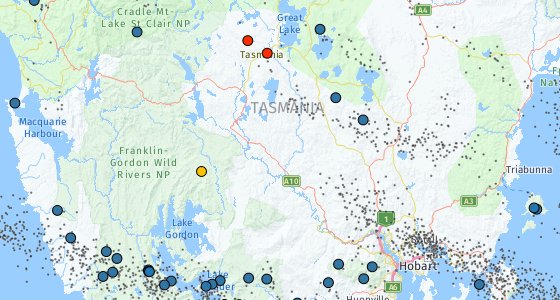
A considerable number of fires continue to threaten Tasmania’s protected areas. These happened as a result of more than 9,000 lightning strikes which have happened since tuesday 15th January. Increased dry lightning strikes, prolonged dry summers and high temperatures are consistent with what climate science says is coming in terms of fire risk in Tasmania.

While the large Gell River fire raised concerns about impacts on fire sensitive plant communities early in the month, some of the new fires also threaten non fire adapted vegetation in the south west and the Central Plateau.

Continue reading “Fires still threaten Tasmania’s south west and central plateau”

Blog at WordPress.com.

Up ↑