Search

Mountain Journal

Environment, news, culture from the Australian Alps

Tag

climate change

Skiing in the Pyrocene (*)

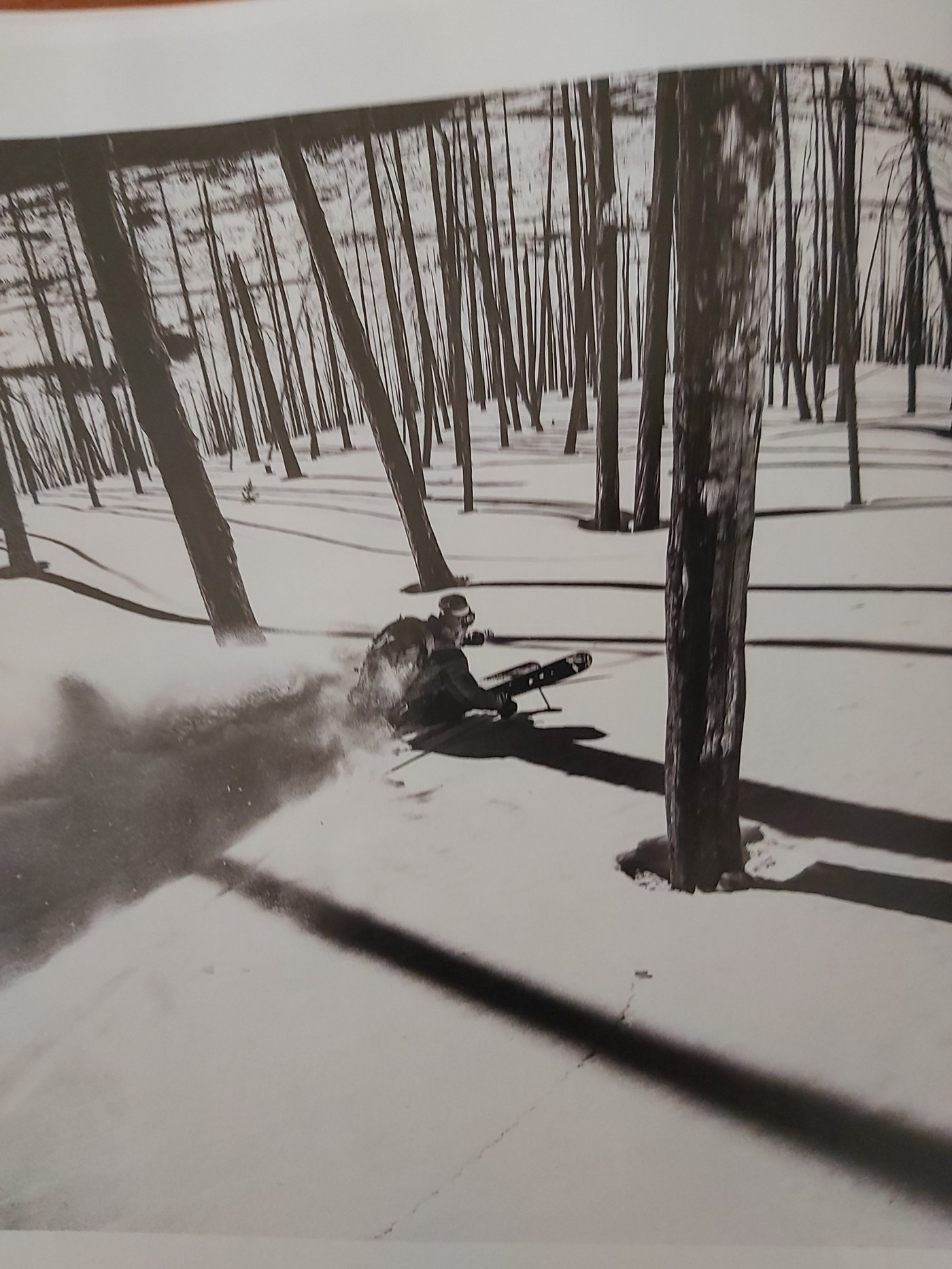
It was probably a year ago that I saw this photo in Powder magazine. It broke my heart to think that an image of a skier making lines through burnt forest is now just a regular thing in the times that we live in.

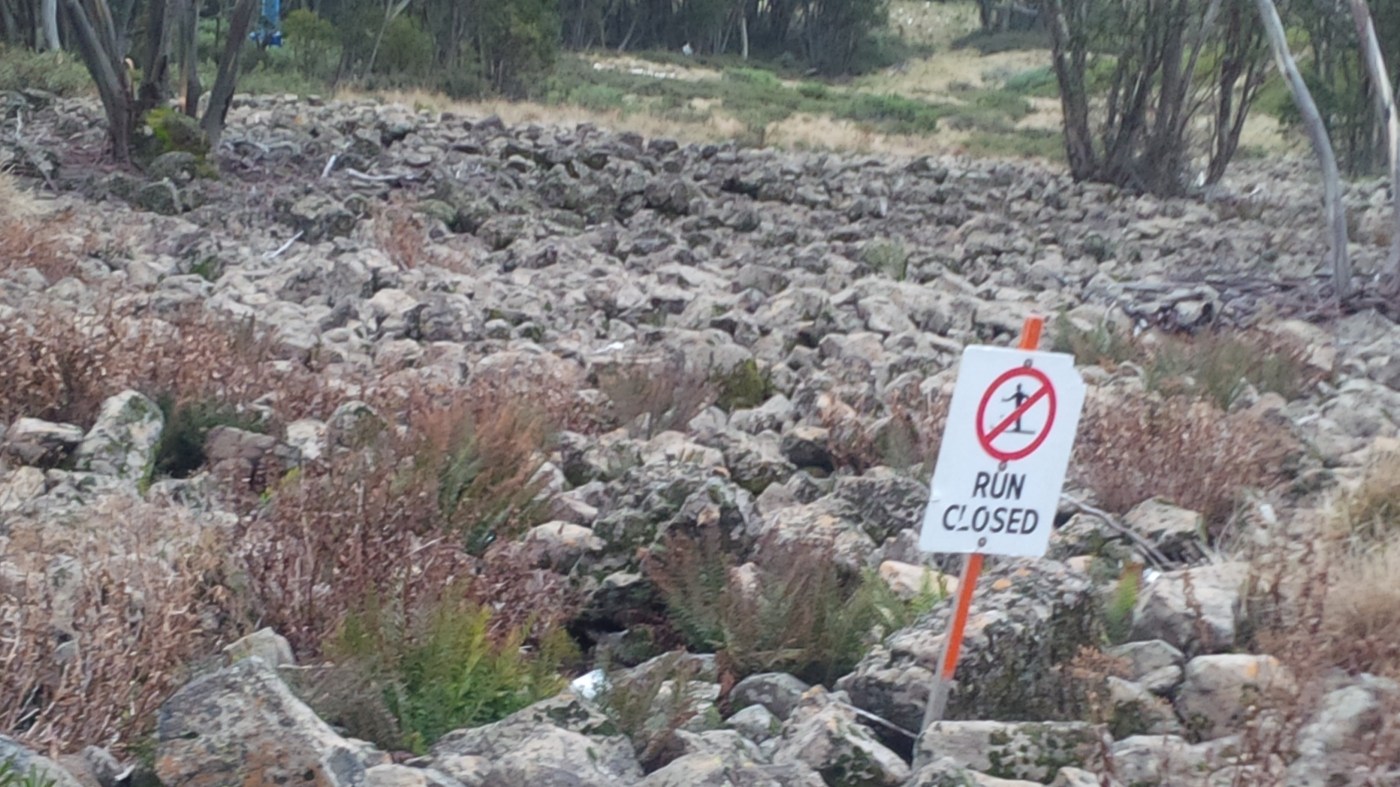
The other day I was out pottering around, aiming to ski to Mt Tabletop near Mt Hotham, taking advantage of the excellent snow base at present. I skied out along JB Plain and cut into the trees to the edge of the 2020 fire, then decided to follow the open terrain down on the south side of the escarpment, onto a steepening slope that ended where the Alpine Ash started to dominate. Its early August but it felt like spring: forgiving granular corn, south facing slopes, mellow turns. Doing wide loops through the dead trees, looking out to the Dargo High Plains, I felt at home in these mountains that I love. This used to be thick regrowth forest and you never would have thought of skiing here. But now its open, and with a good cover, its enjoyable moderate terrain. The Ash are dead, as are a lot of the Snow Gums.

Continue reading “Skiing in the Pyrocene (*)”

An Icon at Risk: current and emerging threats to the Victorian Alps

Snow Gums (Eucalyptus pauciflora) are the classic alpine tree of the High Country, generally growing at heights between 1,300 and 1,800 metres asl. Anyone who has visited the Australian High Country will know – and probably love – these trees.

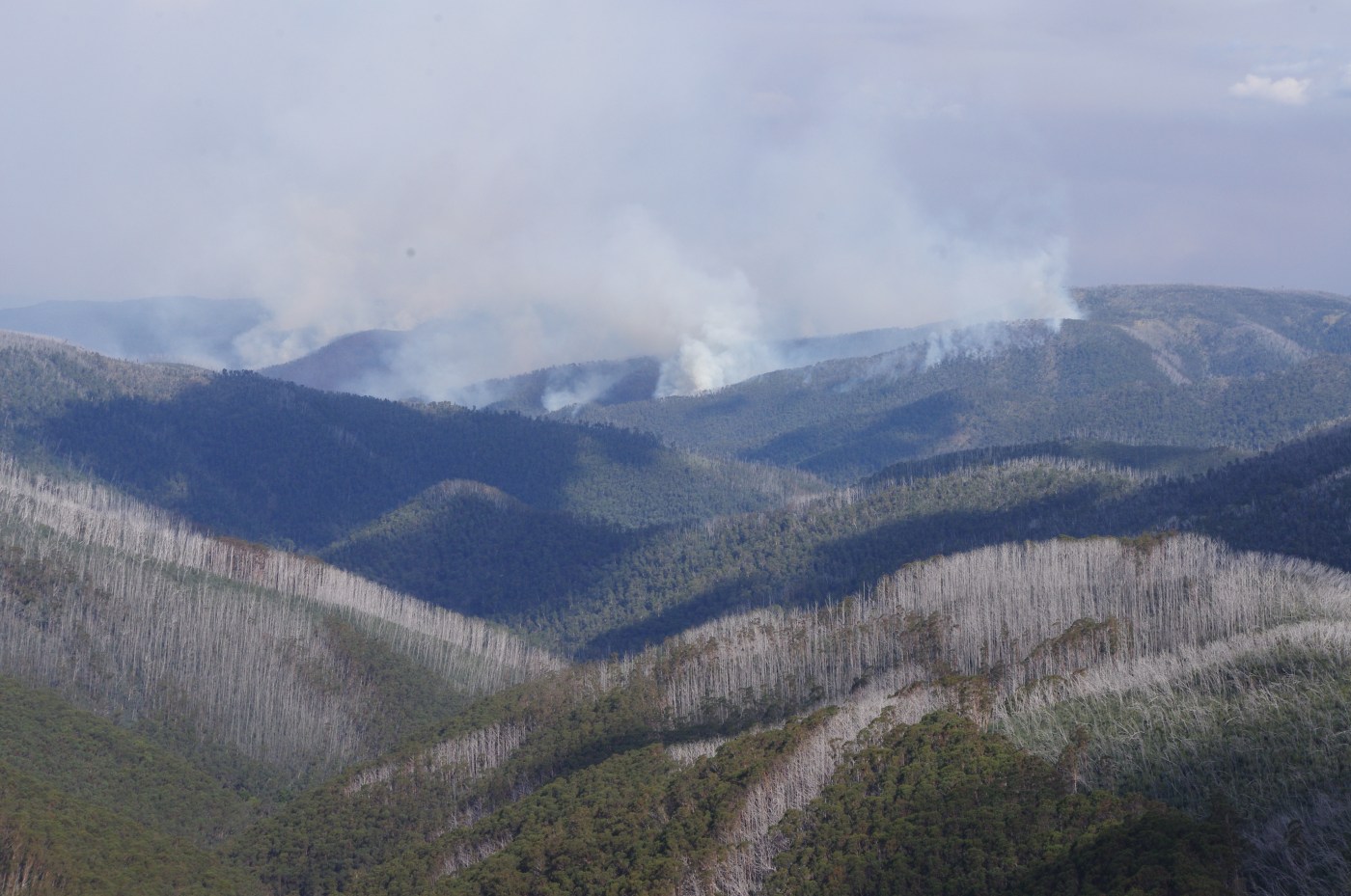
In recent decades, wildfire has been devastating huge areas of the Snow Gum forests, with significant fires in the Victorian High Country in 1998, 2002/3, 2006/7, 2013 and 2019/20. More than 90% of Snow Gum habitat has been burnt at least once in the last 20 years.

The species can survive fire. However, climate change driven fire seasons are leading to more frequent fire, which is causing more death of trees and changes to forest structure. In some instances, localised collapse of Snow Gum woodlands is now being observed. As climate scientist Michael Mann describes it, we are now seeing climate change play out in real time.

We must ask whether we are now seeing the start of the collapse of Snow Gum woodlands, one of Victoria’s iconic vegetation communities.

Continue reading “An Icon at Risk: current and emerging threats to the Victorian Alps”
Featured post

Getting ready for the next Big One

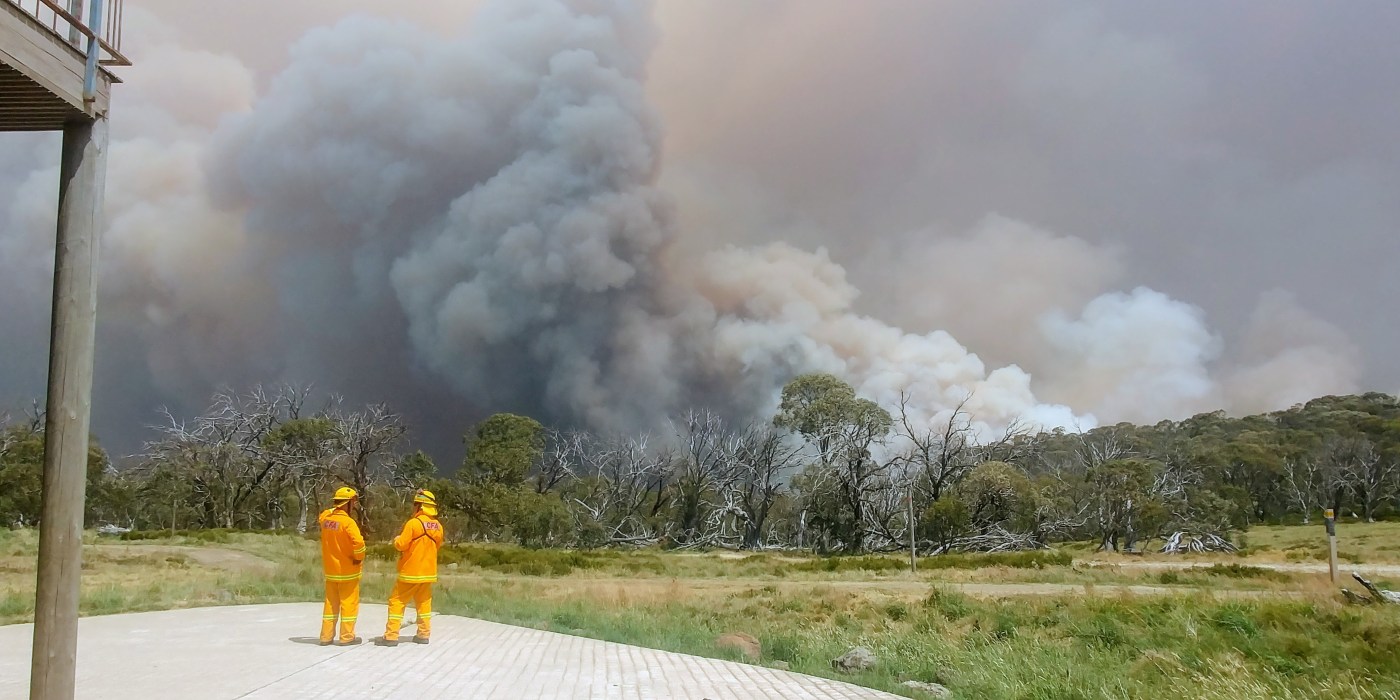
As Victoria shivers through a good, old fashioned winter, it might be a strange time to be thinking about fire. But next fire season will be with us soon enough, and there are some lessons for us from the horror summer currently being experienced in the northern hemisphere.

A 1.5 million hectare bushfire is raging in Siberia, and Alaska is burning. So are large parts of Turkey. The ‘heat dome’ that brought record breaking temperatures to the Pacific North West of North America has been followed by a fire season comparable with what we experienced over the terrible summer of 2019/20. California is experiencing a fire season that started in their winter. In January, Issac Sanchez, of Cal Fire Sacramento said “we’re not seeing ‘fire season’ any more. It’s just one big fire year, where we can be prepared for and expect a large destructive fire at any point.”

Continue reading “Getting ready for the next Big One”

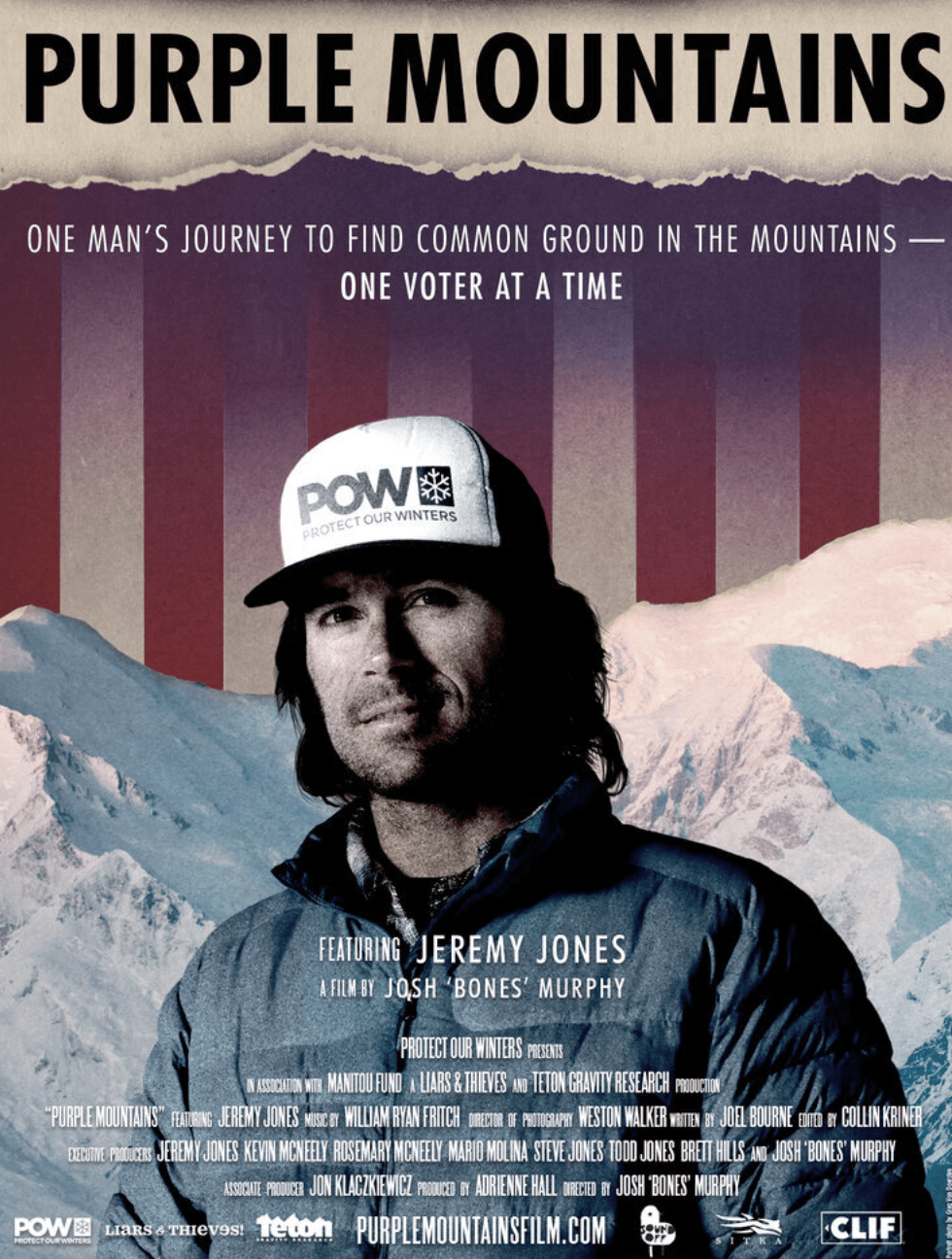
Protect Our Winters Australia film screening: Purple Mountains

Snowboarder and environmentalist Jeremy Jones embarks on a mission to raise awareness about climate change.

His film Purple Mountains is being screened in Bright as part of the 2021 Victorian Backcountry Festival, which will happen in and around Mt Hotham resort over September 3, 4 and 5. Join festival sponsors Bright Brewery for a free screening of ‘Purple Mountains’ inside the brewery.

Continue reading “Protect Our Winters Australia film screening: Purple Mountains”

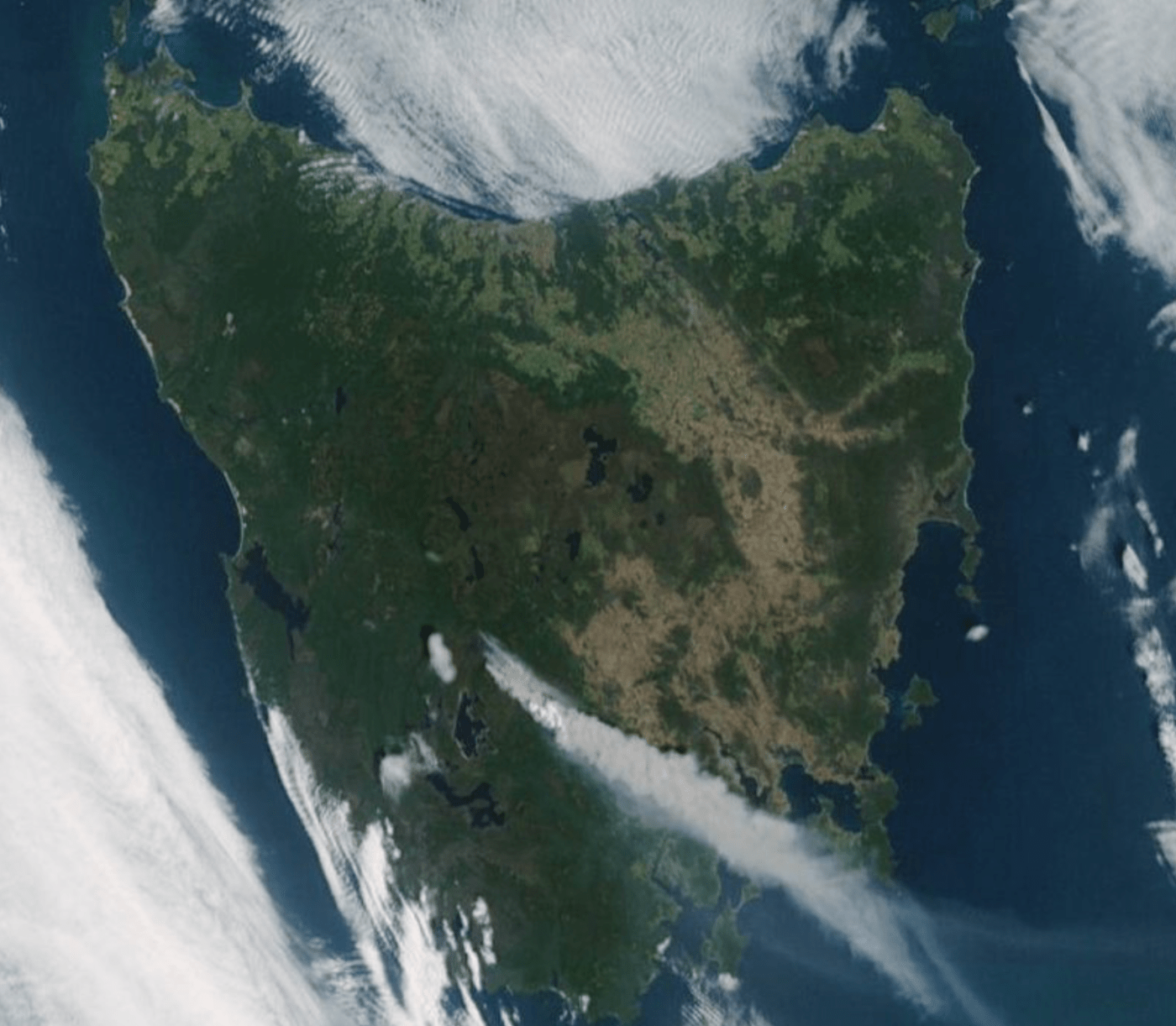
Lessons from the Tasmanian fires of 2018/19: state has entered a ‘new era of bushfire risk’

Over the summer of 2018/19 huge fires burnt across Tasmania. An independent review of Tasmania’s management of the summer bushfires was released in August 2019. It found inadequacies in the response to the fire burning near Geeveston, and revealed that crews withdrew from the Gell River fire in Tasmania’s southwest in the mistaken belief it was out. The fire then expanded again and became out of control.

The report made a series of recommendations

Now, a comprehensive study examining the 2018/19 and the experience of authorities and affected groups by Insurance Group Zurich has found that the state has entered a ‘new era of bushfire risk’.

“Since the turn of the millennium, climate change and land use change have converged to bring about a new fire regime in Tasmania,” Zurich’s first Australian Post-Event Review Capability (PERC) report said.

More than two thousand dry lightning strikes hit the state during that summer, igniting 70 fires that formed into four massive fire complexes. Over 95,000 hectares of protected land was burnt.

Continue reading “Lessons from the Tasmanian fires of 2018/19: state has entered a ‘new era of bushfire risk’”

Major new developments planned for Kosciuszko National Park

The New South Wales government has released its 40-year plan to turn the Snowy Mountains into a ‘year-round tourist destination’. The draft Special Activation Precinct plan outlines options for future growth in and around Jindabyne.

The public is encouraged to submit feedback on the draft plan by mid-August. Amendments to the Kosciuszko National Park Plan of Management have also been released for public feedback. This proposes substantial new developments within the Kosciuszko National Park. It is also open for public comment.

Continue reading “Major new developments planned for Kosciuszko National Park”

It’s getting hot in here

Australian skiers, boarders and other snow lovers know that our snowpack is often pretty erratic. Last winter saw ‘boom and bust’ snow events then heavy rain that destroyed the base. We all know the misery of rain and drizzle when it should be snowing.

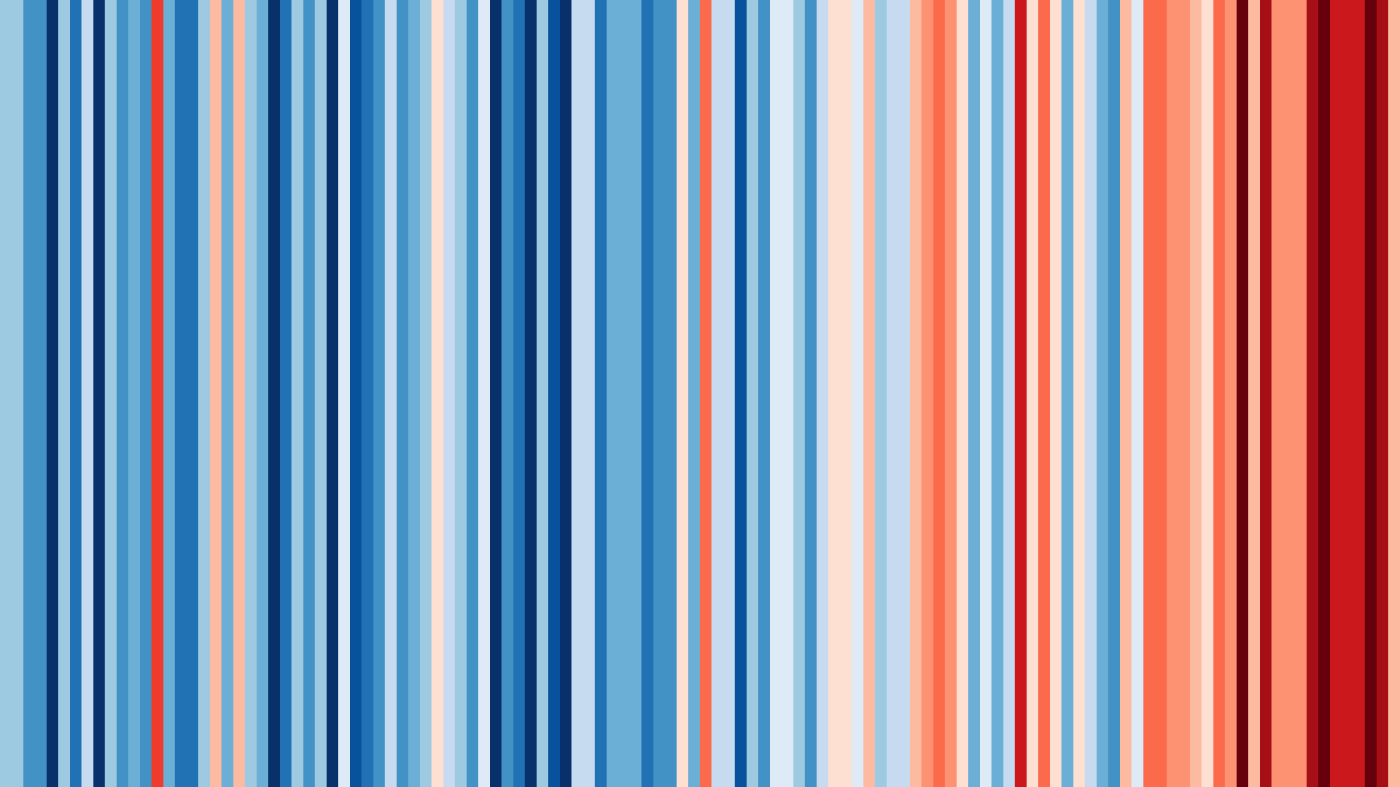
We know that because of climate change, our snow pack has been in decline since the 1950s.

Without serious action on the global scale to reduce emissions, we will see more and more winters like 2020: erratic, sketchy snowpack and lots of rain events.

Continue reading “It’s getting hot in here”

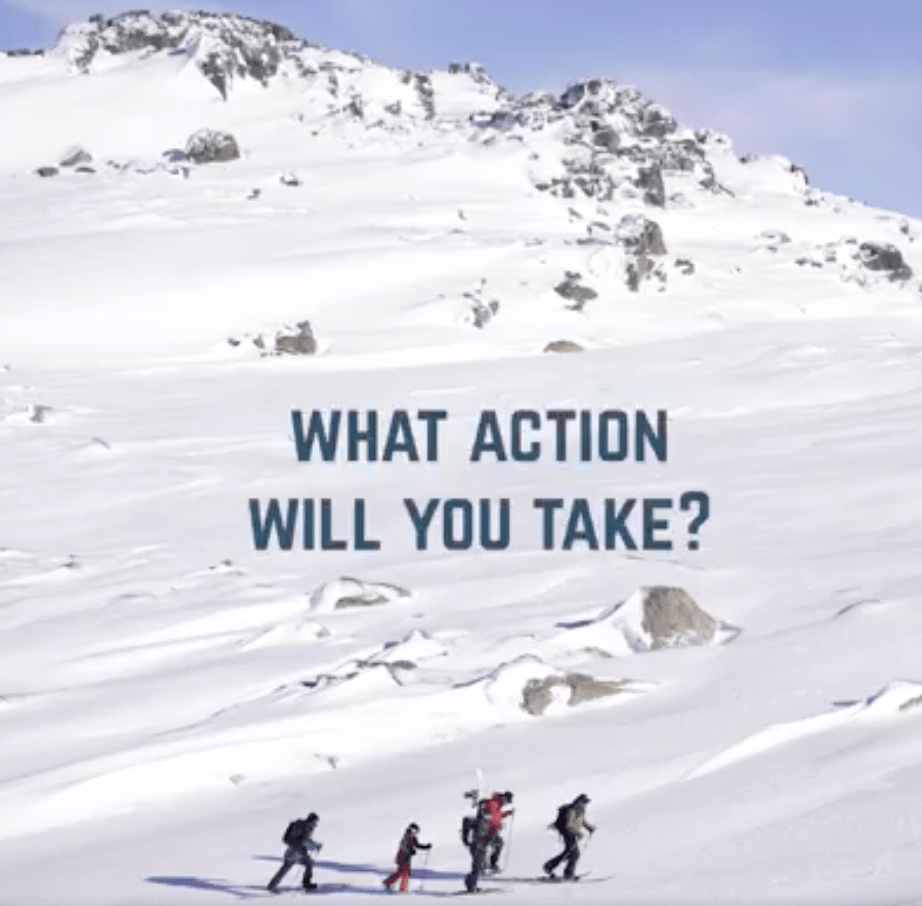
POW launches new campaign: #weallmisswinter

Protect Our Winters Australia has launched a new campaign, drawing the link between winters missed and climate change.

POW says:

‘Winter 2020 was one like no other. With limited or no access to our favourite mountains. It was difficult no being able to see our shred buddies, no fresh morning mountain air and for those who did manage to get some on-snow time, what snow did fall was well below average. But what if Winter 2020 was a look into the future? What if missing winter was the new norm?’

Continue reading “POW launches new campaign: #weallmisswinter”

Community views on managing bushfire risk

As governments grapple with the threat posed by climate driven fire seasons, there is an ongoing debate about the role of fuel reduction burning (also called proscribed burning). While many experts agree that fuel reduction does play an important role in fire management, it is growing increasingly ineffective as fires become more severe and more frequent due to the impacts of climate change. While planned burning (and other fuel management techniques) can alter fuel loads, it must be carefully applied to reduce the risk of bushfire.

The Victorian government is currently running a survey about attitudes in local communities about how to manage bushfire risk.

Continue reading “Community views on managing bushfire risk”

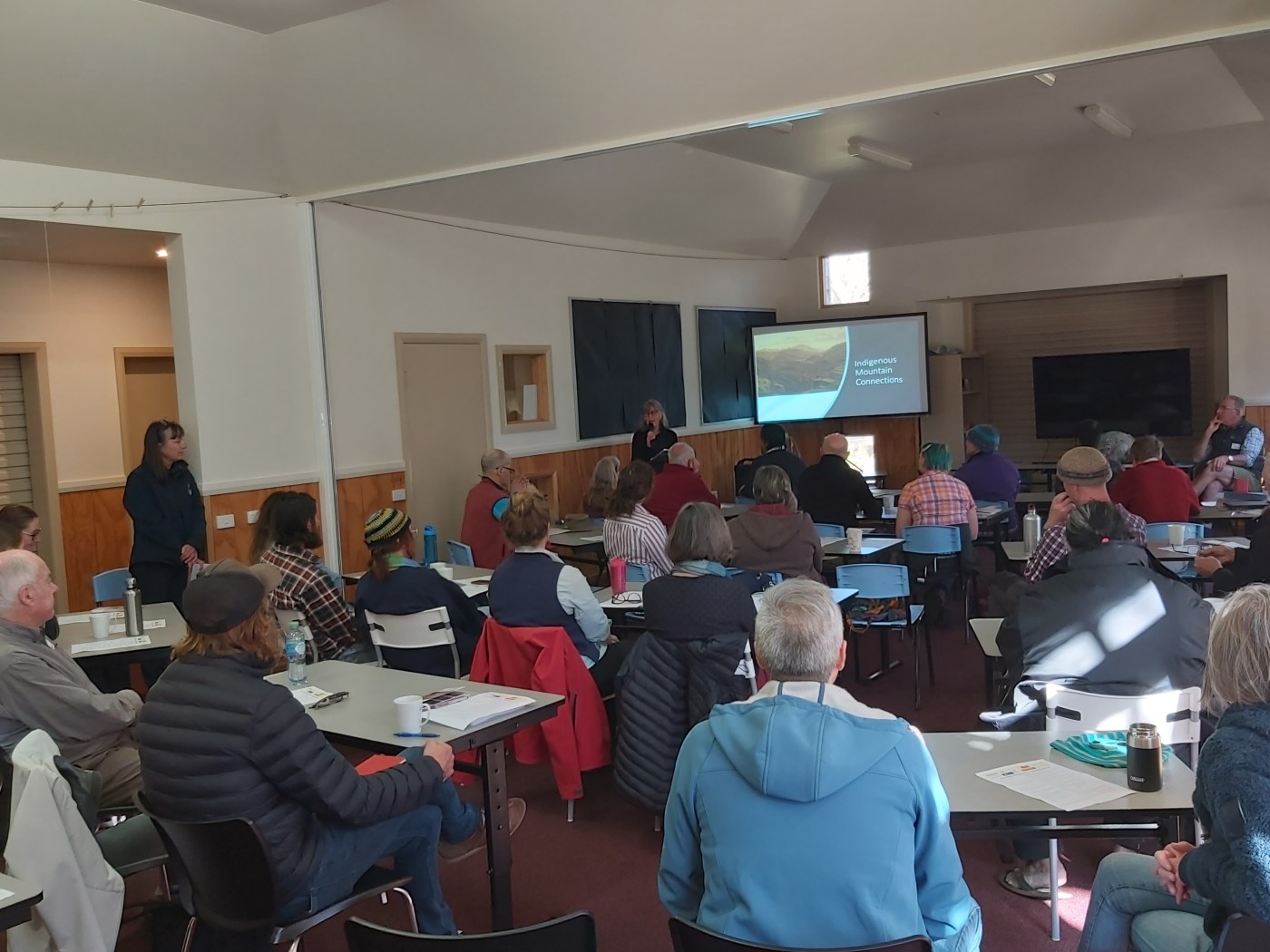
Alpine Ecology Workshop

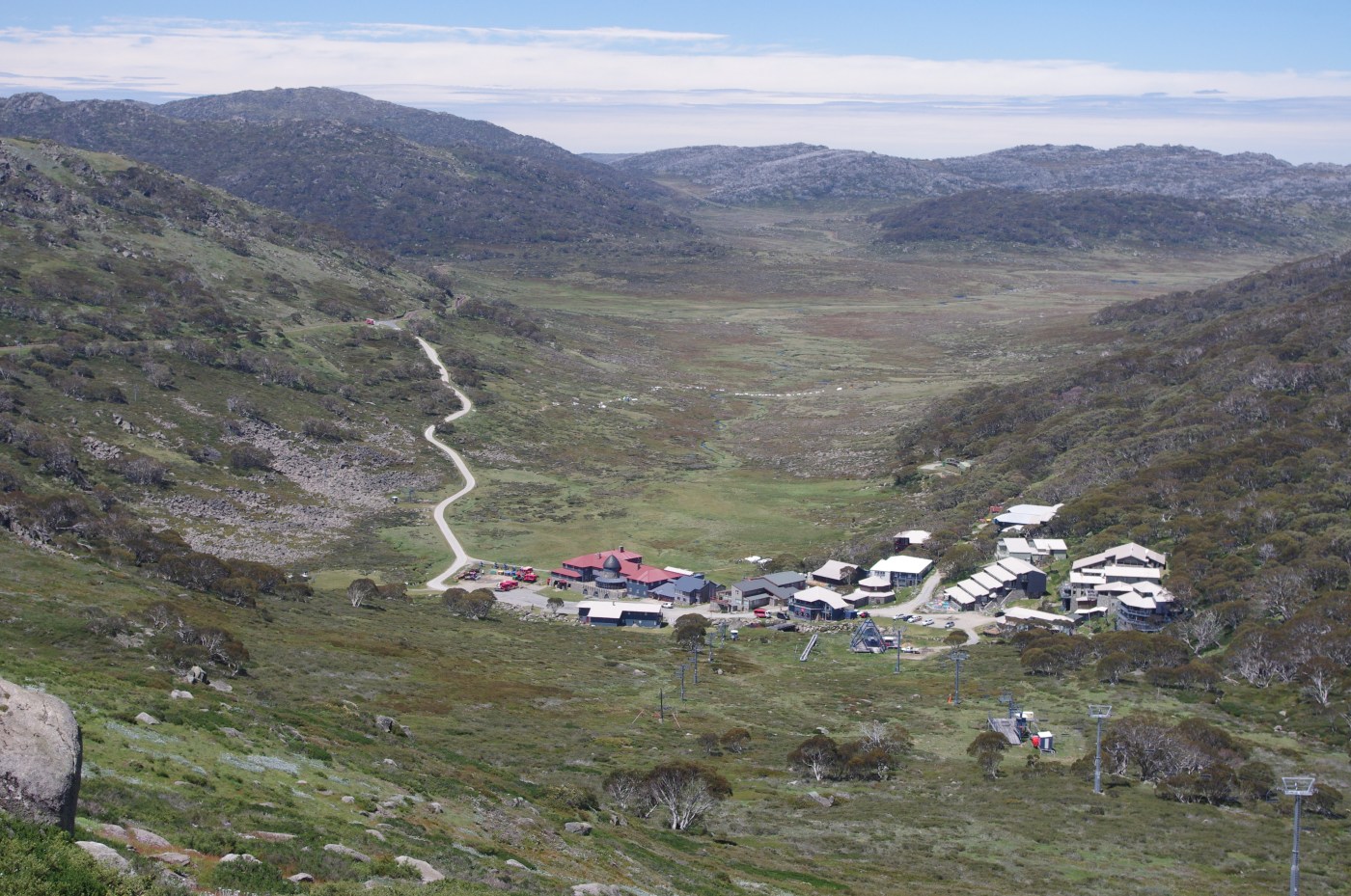
On May 1, an alpine ecology workshop was held at Dinner Plain, which had a focus on alpine peatlands.

The day was supported by a range of groups and featured fantastic presentations from peatland experts, followed by a wander and chat through some of the peatland systems that exist in Dinner Plain. It brought together locals, people interested in alpine ecology from the broader region, and a wonderful cast of experts. One of the key messages I took from the forum was that fire is a grave short-term threat to peatlands and already impacting widely on this vegetation community.

Congratulations to Gail Owen, a Dinner Plain resident and member of the BDPO Landcare Group, High Country Landcare Facilitator Lisa Lee and NECMA Biodiversity Project Officer, Phillip Falcke, and Bev Lawrence and Aviya Naccarella from Mt Hotham Alpine Resort Management for organising an excellent and informative day.

Continue reading “Alpine Ecology Workshop”

Are we losing the Snow Gum?

Today is National Eucalypt Day. #NationalEucalyptDay.

There are more than 700 species of this tree, which are found in, and often dominate, most ecosystems across the continent. Most species of Eucalyptus are native to Australia. Many of them are under threat, from over clearing, over burning and climate change. One of those at risk is the Snow Gum, the ubiquitous tree of the mountains in the south east corner of the country.

Continue reading “Are we losing the Snow Gum?”

‘A dire wake-up call’

Leading scientists working across Australia and Antarctica have described 19 ecosystems that are collapsing due to the impact of humans and warned urgent action is required to prevent their complete loss.

groundbreaking report – the result of work by 38 scientists from 29 universities and government agencies – details the degradation of coral reefs, arid outback deserts, tropical savanna, the waterways of the Murray-Darling Basin, mangroves in the Gulf of Carpentaria, and forests stretching from the rainforests of the far north to Gondwana-era conifers in Tasmania.

The scientists recommended a new framework to try to prevent ecosystems collapsing completely that they called the “3As”. It would require a greater awareness of the value of ecosystems, better planning to anticipate risks and rapid action to reduce them.

The report is titled Combating ecosystem collapse from the tropics to the Antarctic.

What does this mean for mountain environments?

Continue reading “‘A dire wake-up call’”

Blog at WordPress.com.

Up ↑