Search

Mountain Journal

Environment, news, culture from the Australian Alps

Tag

climate change

POW launches new campaign: #weallmisswinter

Protect Our Winters Australia has launched a new campaign, drawing the link between winters missed and climate change.

POW says:

‘Winter 2020 was one like no other. With limited or no access to our favourite mountains. It was difficult no being able to see our shred buddies, no fresh morning mountain air and for those who did manage to get some on-snow time, what snow did fall was well below average. But what if Winter 2020 was a look into the future? What if missing winter was the new norm?’

Continue reading “POW launches new campaign: #weallmisswinter”

Community views on managing bushfire risk

As governments grapple with the threat posed by climate driven fire seasons, there is an ongoing debate about the role of fuel reduction burning (also called proscribed burning). While many experts agree that fuel reduction does play an important role in fire management, it is growing increasingly ineffective as fires become more severe and more frequent due to the impacts of climate change. While planned burning (and other fuel management techniques) can alter fuel loads, it must be carefully applied to reduce the risk of bushfire.

The Victorian government is currently running a survey about attitudes in local communities about how to manage bushfire risk.

Continue reading “Community views on managing bushfire risk”

Alpine Ecology Workshop

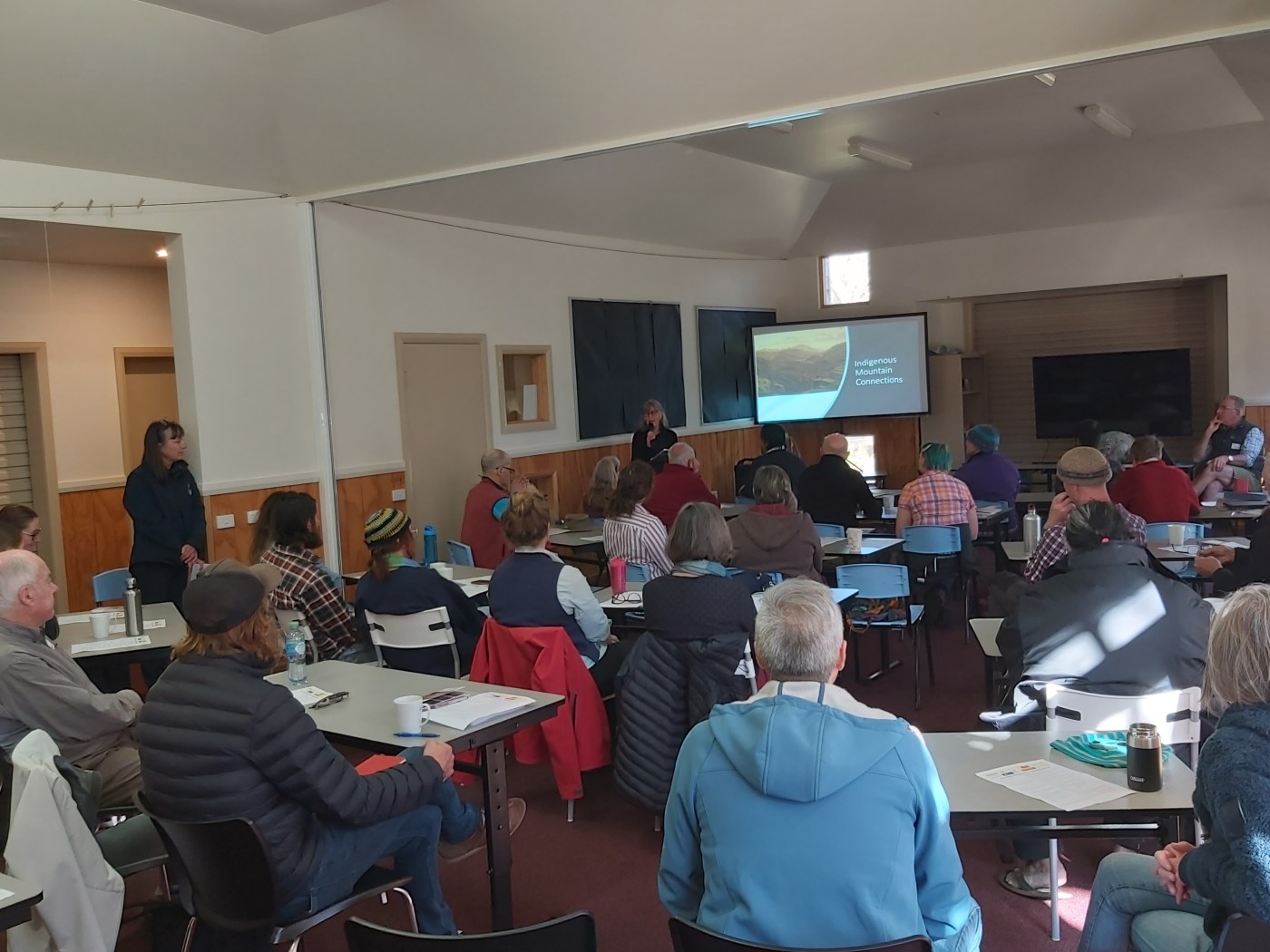
On May 1, an alpine ecology workshop was held at Dinner Plain, which had a focus on alpine peatlands.

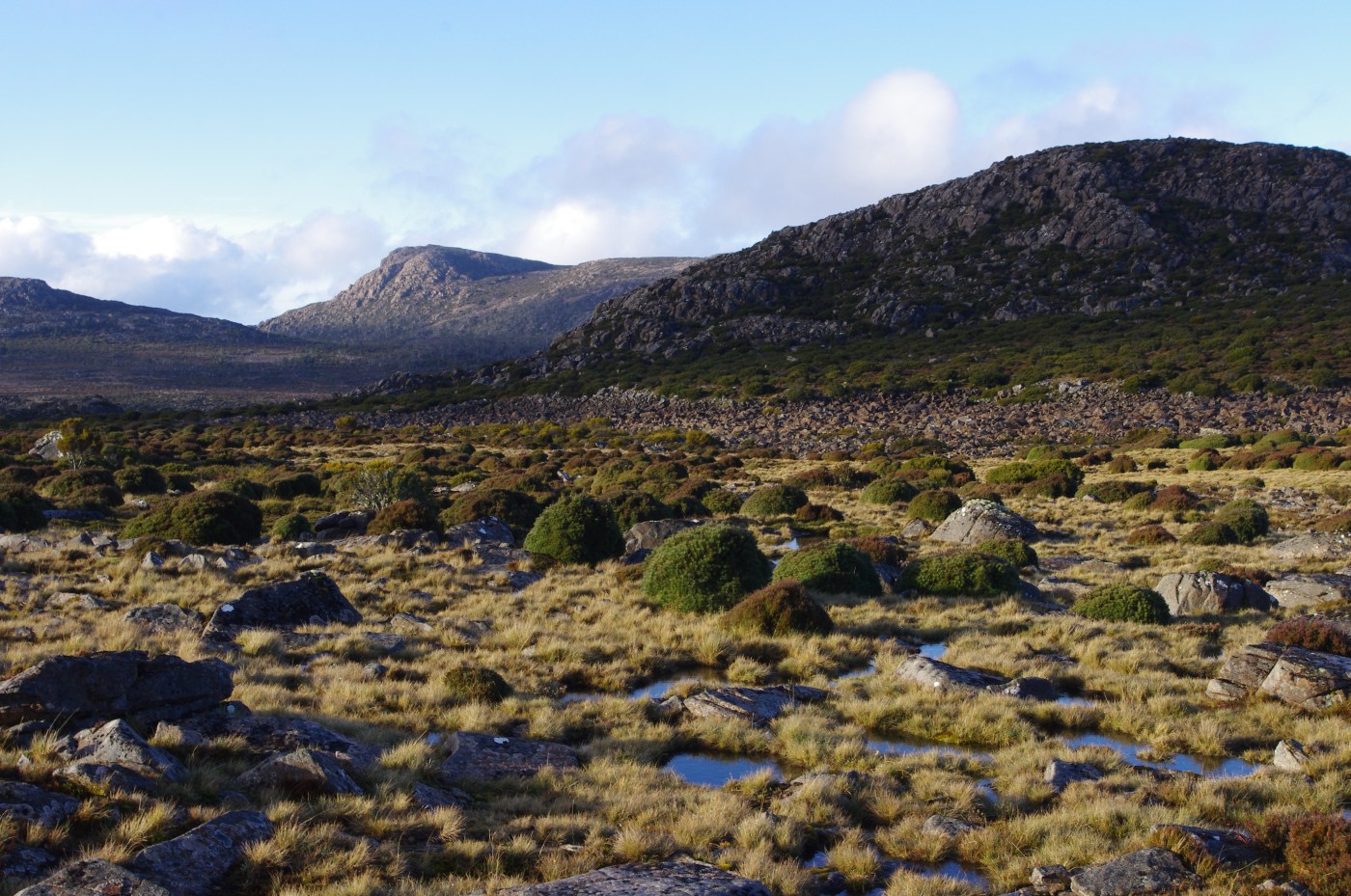
The day was supported by a range of groups and featured fantastic presentations from peatland experts, followed by a wander and chat through some of the peatland systems that exist in Dinner Plain. It brought together locals, people interested in alpine ecology from the broader region, and a wonderful cast of experts. One of the key messages I took from the forum was that fire is a grave short-term threat to peatlands and already impacting widely on this vegetation community.

Congratulations to Gail Owen, a Dinner Plain resident and member of the BDPO Landcare Group, High Country Landcare Facilitator Lisa Lee and NECMA Biodiversity Project Officer, Phillip Falcke, and Bev Lawrence and Aviya Naccarella from Mt Hotham Alpine Resort Management for organising an excellent and informative day.

Continue reading “Alpine Ecology Workshop”

Are we losing the Snow Gum?

Today is National Eucalypt Day. #NationalEucalyptDay.

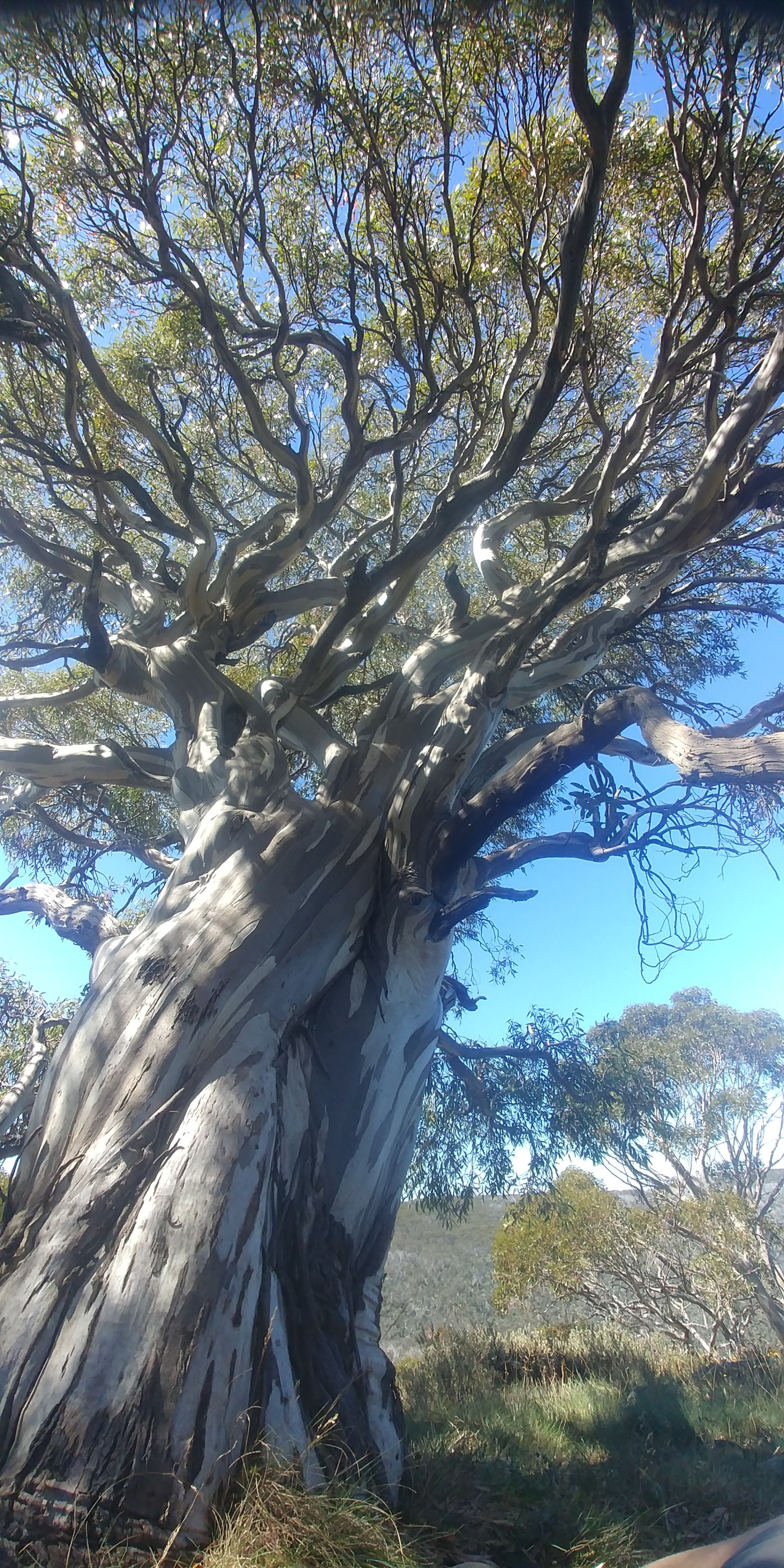
There are more than 700 species of this tree, which are found in, and often dominate, most ecosystems across the continent. Most species of Eucalyptus are native to Australia. Many of them are under threat, from over clearing, over burning and climate change. One of those at risk is the Snow Gum, the ubiquitous tree of the mountains in the south east corner of the country.

Continue reading “Are we losing the Snow Gum?”

‘A dire wake-up call’

Leading scientists working across Australia and Antarctica have described 19 ecosystems that are collapsing due to the impact of humans and warned urgent action is required to prevent their complete loss.

groundbreaking report – the result of work by 38 scientists from 29 universities and government agencies – details the degradation of coral reefs, arid outback deserts, tropical savanna, the waterways of the Murray-Darling Basin, mangroves in the Gulf of Carpentaria, and forests stretching from the rainforests of the far north to Gondwana-era conifers in Tasmania.

The scientists recommended a new framework to try to prevent ecosystems collapsing completely that they called the “3As”. It would require a greater awareness of the value of ecosystems, better planning to anticipate risks and rapid action to reduce them.

The report is titled Combating ecosystem collapse from the tropics to the Antarctic.

What does this mean for mountain environments?

Continue reading “‘A dire wake-up call’”

Where the Water Starts

Richard Swain loves the bush and wildlife of the southern ranges of New South Wales, where he was born. Richard’s deep connection to country and skill as a river guide led him and his partner, Alison to set up Alpine River Adventures. A successful business is now threatened by low water levels in the Snowy River. They both consider climate change is impacting the environment they love.

Where the Water starts is a film that explores connection to place and the impacts of climate change and feral animals on the Snowy Mountains.

Continue reading “Where the Water Starts”

Ghost Forests of the High Country

Over 90% of the Victorian distribution of snow gums has been burned at least once since 2003. Some areas have been burnt multiple times, and this is impacting on the ability of these forests to recover. Like other Eucalypts, Snow Gums are fire adapted and can recover via new seedlings or regrowth from the base of the tree. However, repeated fires within a short period of time can kill the parent forest and destroy seedlings.

Continue reading “Ghost Forests of the High Country”

Post fire recovery in Kosciuszko National Park

Since the fires of last summer there has been a lot of conservation recovery and rehabilitation work carried out in and around Kosciuszko National Park. Recently the NSW National Parks and Wildlife Service (NPWS) hosted an update on the work that has been done, through a forum called Conservation in Action, which was held in Tumut.

As we know, a lot of Kosciuszko National Park was heavily impacted by the fires. Dan Nicholls, from the NPWS gave an outline of some of the work carried out since then, which includes:

Continue reading “Post fire recovery in Kosciuszko National Park”

Dead forests making bushfires worse

We know that climate change is making fire seasons longer and more intense. This is happening globally. It has enormous implications for the landscapes that we love, how we prepare for and fight fires, and even how we live in fire prone areas.

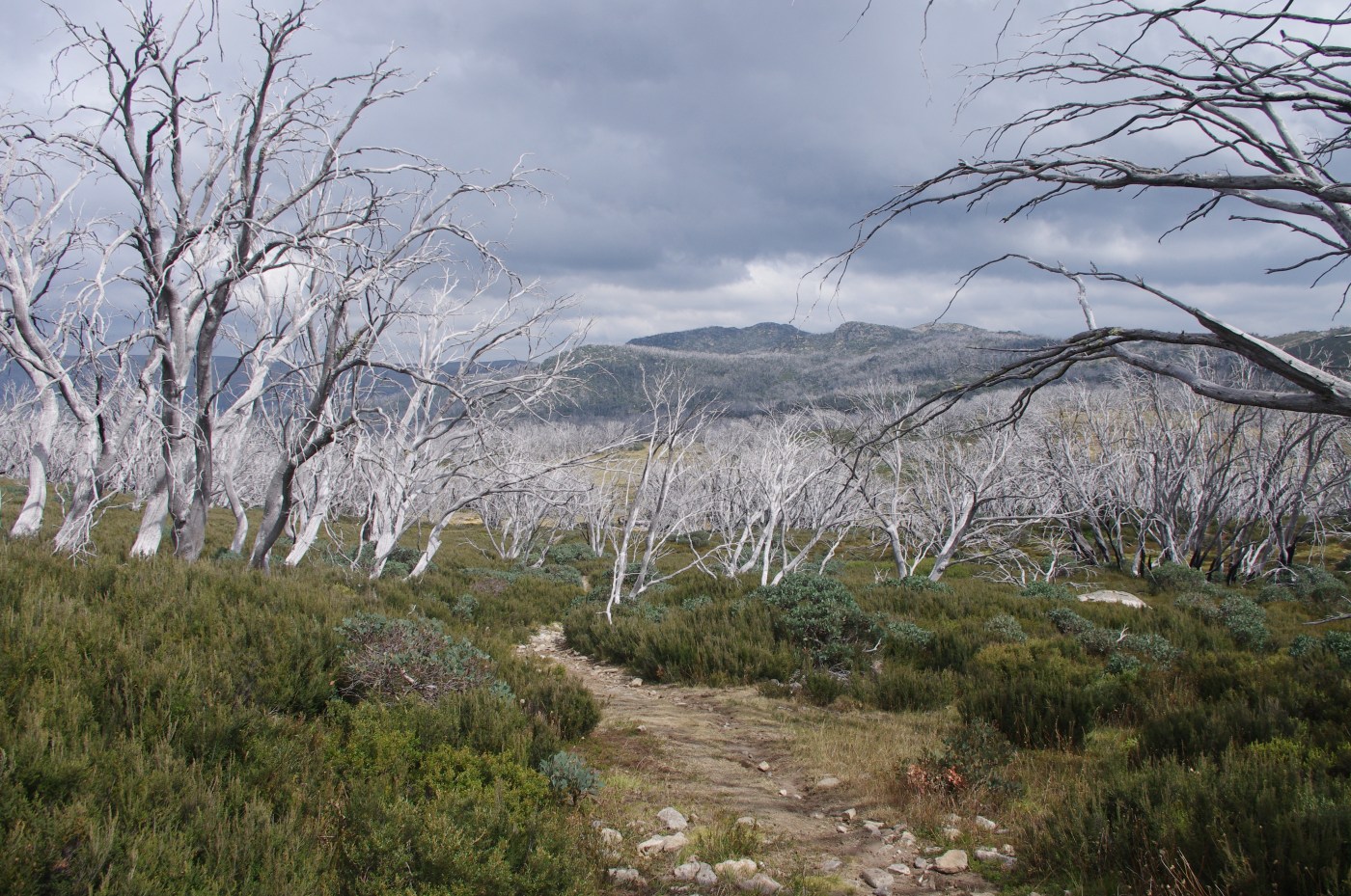
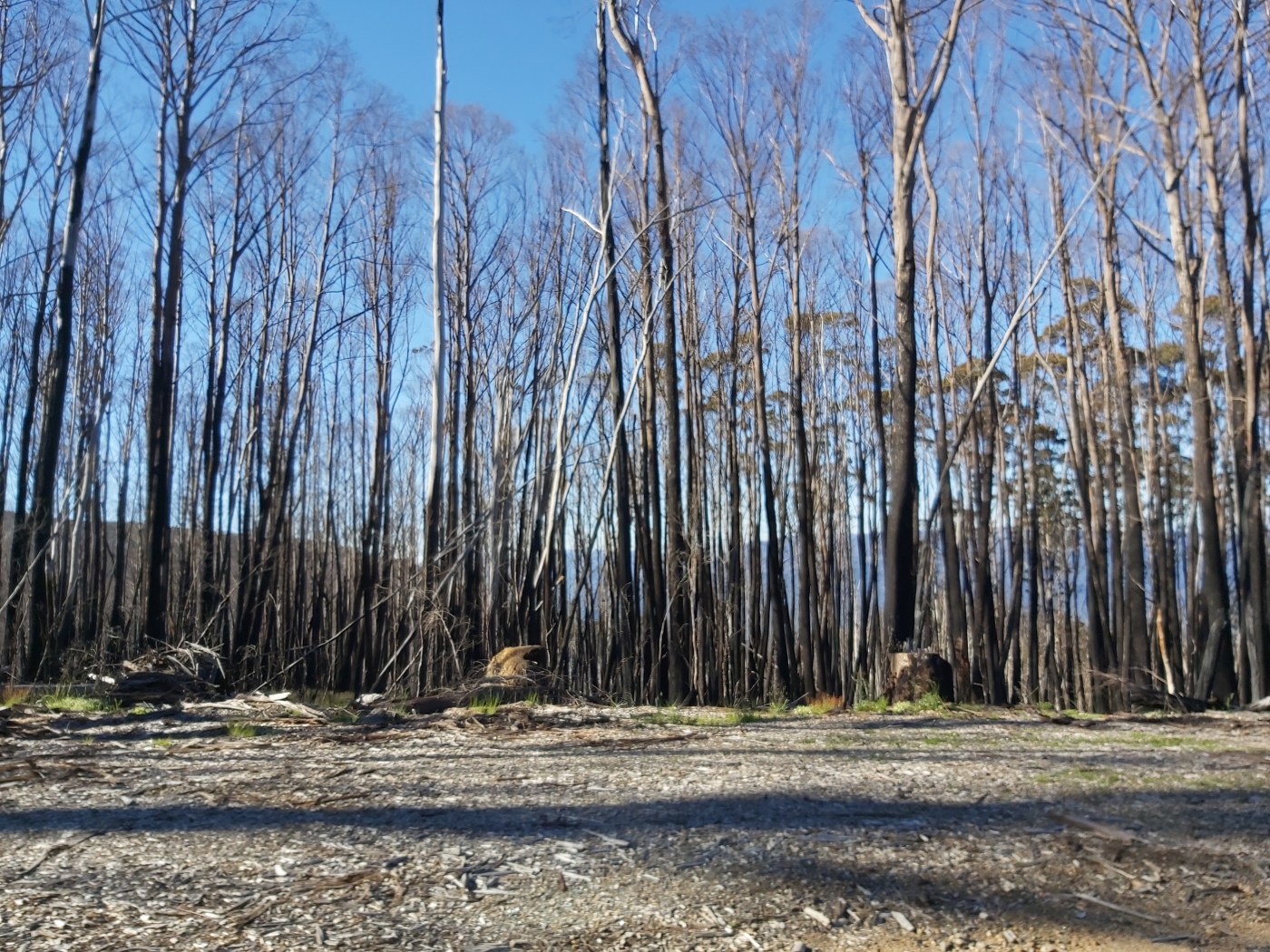
These fires are transforming the landscapes we know and love. Anyone who has driven out of Jindabyne into the Snowy Mountains, or Mt Beauty towards the Bogong High Plains knows what I am talking about – endless walls of grey, dead trees. Only 0.47% of old growth Alpine Ash still exists in Victoria. This has huge implications for the aesthetics of our mountain areas, and significant ecological implications.

Increased fire frequency could see mountain forests like Alpine Ash replaced by wattle woodlands. As recently noted by Brett McNamara, the manager of Namadgi National Park:

Recovery happens but it is “tainted with a sense of what does the future hold for us if we are to experience fire again and again with such intensity. This is where the question is unanswered. What these mountains will look like well into the future?”

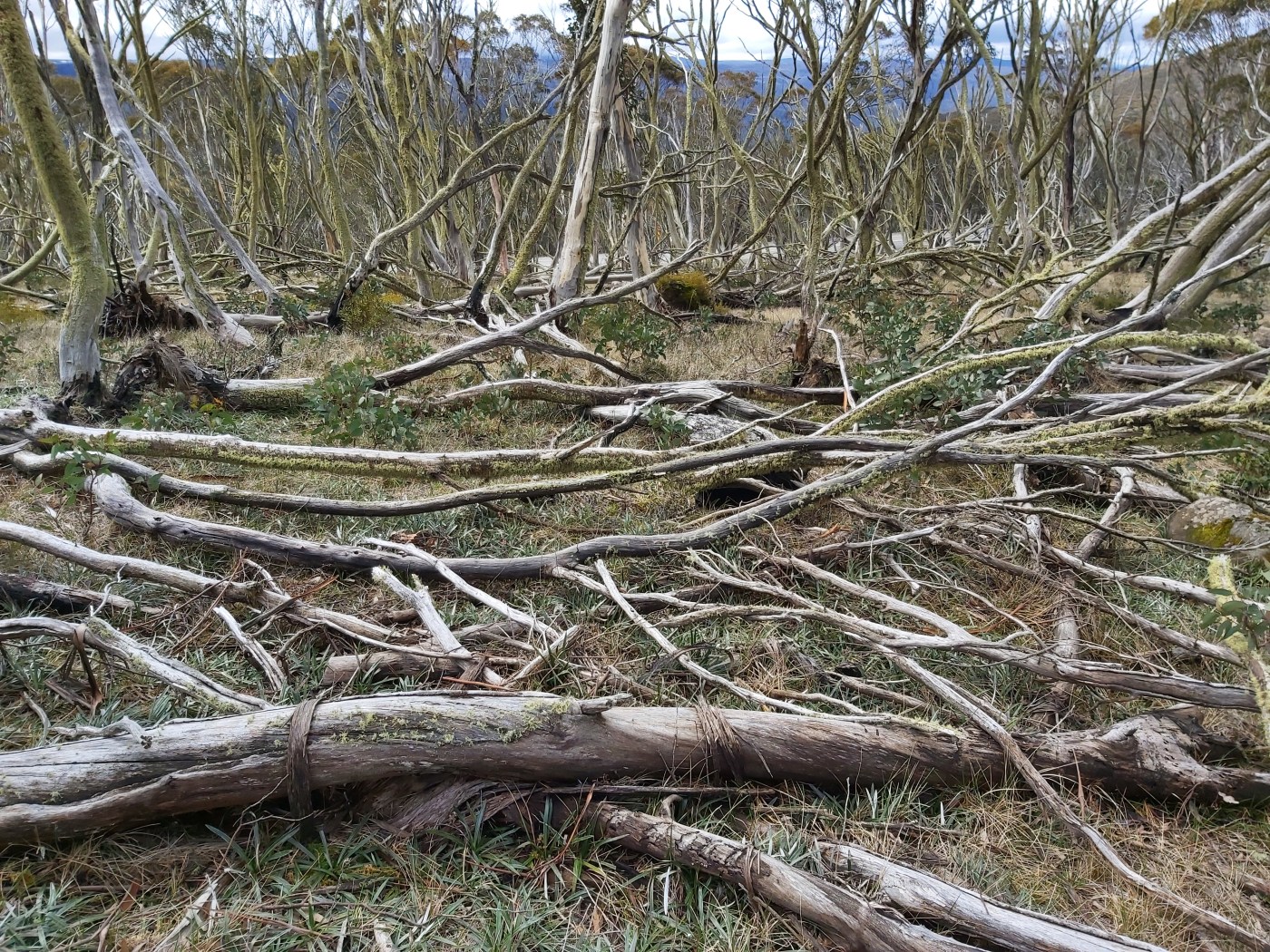
The huge volumes of dead trees from previous fires also creates a lot of fuel that is already dry and hence ready to burn in future fires. What are the implications of this for our fire fighting and land management efforts?

Continue reading “Dead forests making bushfires worse”

Subalpine forests struggle to recover after 2019-20 bushfires

The Bushfire Recovery Project, led by five scientists, is tracking forest regrowth in NSW and Victoria after last summer’s fires, using data gathered by citizen scientists.

Their report has found that while low elevation forests on the NSW south coast appear to be recovering well, forests in some subalpine areas ‘near Mount Kosciuszko and in Victoria’s East Gippsland region are struggling to recover from the 2019-20 bushfires’.

This is consistent with everything we already know about the impact of climate driven fire seasons on the higher elevation Alpine Ash forests and Snow Gum woodlands.

Continue reading “Subalpine forests struggle to recover after 2019-20 bushfires”

Increase in lightning strikes expected to ignite more wildfires

Lightning strikes are one of the main causes of wildfire in Australia. As the planet’s temperature warms, the frequency of lightning strikes is expected to grow with it.

Currently, lightning strikes the earth’s surface nearly eight million times a day. This number is expected to ‘dramatically increase’ as global temperatures rise, according to a study published by Science. The U.S., for example, could experience a 50% increase in the number of lightning strikes by the end of the century, if greenhouse gas emissions are not curbed.

This increase is already being felt in Australia and has implications for how we plan for, and fight fire. Because they start from a single point, lightning caused fires are initially small and can be easily contained before they turn into blazes, if there are ground crews or planes or helicopters available. As was shown by last summer’s fires, in a bad season, we simply don’t have enough resources to do this.

Continue reading “Increase in lightning strikes expected to ignite more wildfires”

A ‘mountain’ of loss – Snow Gum dieback in Victoria

Snow gums are experiencing dieback in Kosciuszko National Park, largely because of the impacts of the native longicorn (or ‘longhorn’) beetle. These beetles prefer to lay their eggs on moisture-stressed trees and, in warmer weather, the longicorn beetle can hatch and grow up to 75% faster. It is understood that climate change is helping the spread of dieback because of background warming.

Now spread of dieback is being seen more frequently in the mountain forests of Victoria. Gillian Anderson reports back on some recent observations of snow gum dieback on the Bogong High Plains.

Continue reading “A ‘mountain’ of loss – Snow Gum dieback in Victoria”

Blog at WordPress.com.

Up ↑